Mubert is a service that generates music in real time using artificial intelligence. Unlike traditional stock libraries, where you have to sift through thousands of tracks to find a suitable one, this platform offers a fundamentally different approach: the algorithm creates an audio stream tailored to the user's tasks. Let's take a look at what makes this tool interesting, how its pricing model works, and what limitations you'll have to deal with.
What is Mubert and how music generation works
At the core of the service is a sample library from which the neural network assembles compositions in real time. The user selects a genre, mood, and tempo, and the algorithm synthesizes an endless stream that never repeats. Technically, this resembles a modular system where each element — loops, chords, melodic phrases — is combined according to set rules.
The main difference from static audio files is that Mubert's music changes depending on the specified parameters. You can choose "energetic electronic," "relaxing ambient," or "focused techno," and the algorithm will maintain the desired mood for as long as you like. This makes the service convenient for uninterrupted broadcasts, streams, and work sessions where a track needs to play without pauses or "seams."
 Features and use cases
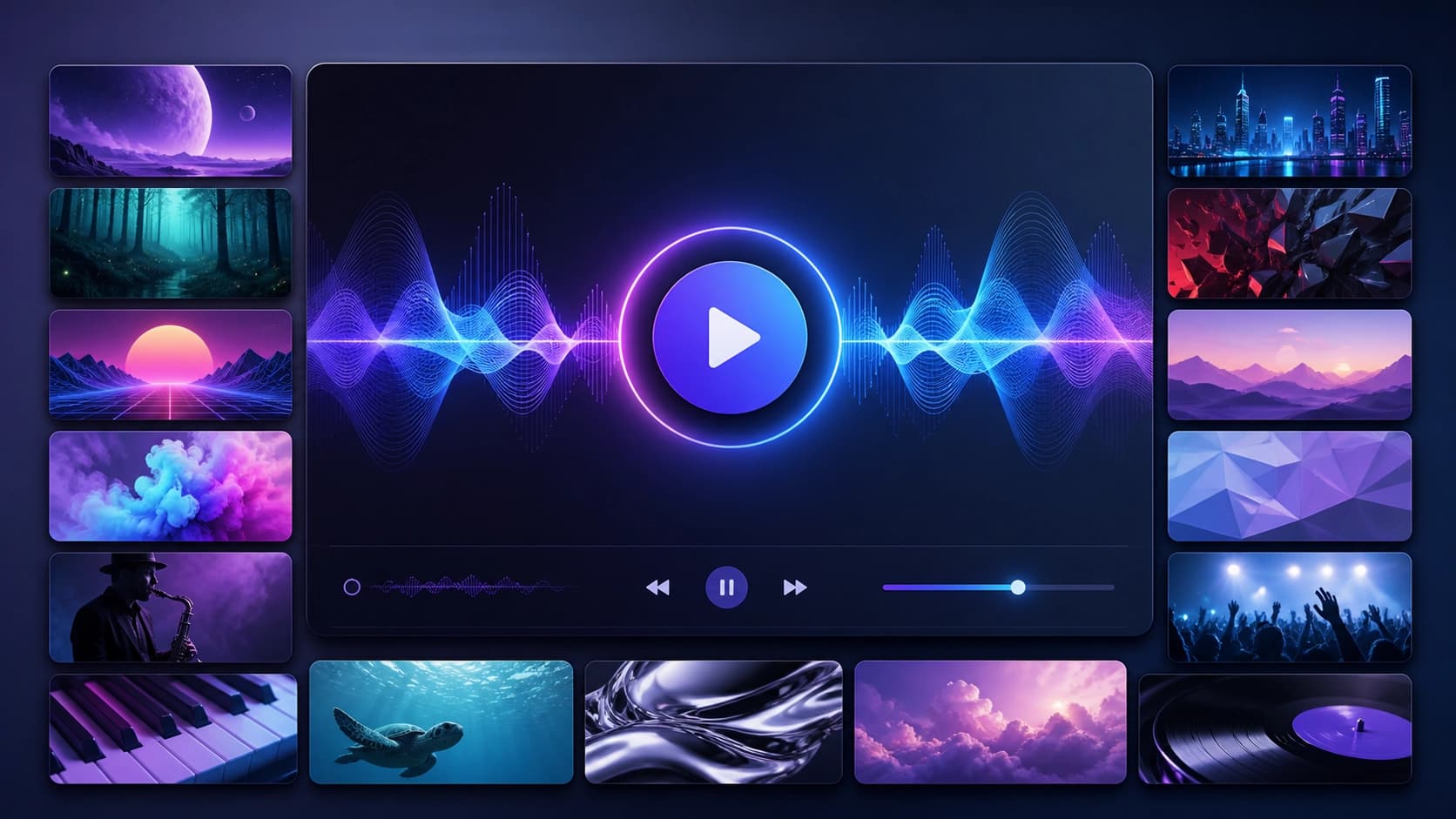
The platform offers not just a web player but a whole set of tools. For content creators (video bloggers, marketers, game developers), the track generator with customizable duration is a key feature. Instead of searching for a suitable licensed track, you can generate a composition once and download it for further editing.
Key use cases include:
- Creating background music for business — in cafes, showrooms, or exhibitions, the algorithm adapts to the time of day and the level of visitor activity.
- Powering streams and podcasts — the endless stream requires no manual track changes and doesn't overload the broadcast.
- Prototyping audio design — designers and developers use Mubert to quickly test concepts without waiting for a composer.
The mobile app deserves special attention. On the phone, the service works like a personal radio that learns the listener's preferences. The longer you use it, the more accurately the algorithm matches the style you like.
Developer tools and API
For programmers and IT companies, Mubert provides access to an API. This makes it possible to embed generative music into your own applications, games, or online stores. For example, a developer could create a website where the background melody changes when hovering over different product categories. Or embed a "live" soundtrack into a meditation mobile app that depends on the user's stress level measured via a heart rate monitor.
The API offers great flexibility but requires a certain level of technical expertise. Testing and integration happen in a sandbox, where you can see how stable generation is under peak loads.
Comparison with alternative services
The generative music market is growing, and Mubert competes with platforms such as Endel, Boomy, and AIVA. Each approach has its own features. Mubert focuses on scalability and genre flexibility, while competitors often concentrate on a single direction (for example, ambient for sleep or easy tools for creating hits from templates). For users who need exclusively relaxing sound for focus, Endel may seem more precise. But if diversity of styles and the possibility of commercial use are a priority, Mubert looks stronger.
 Pricing policy and free access
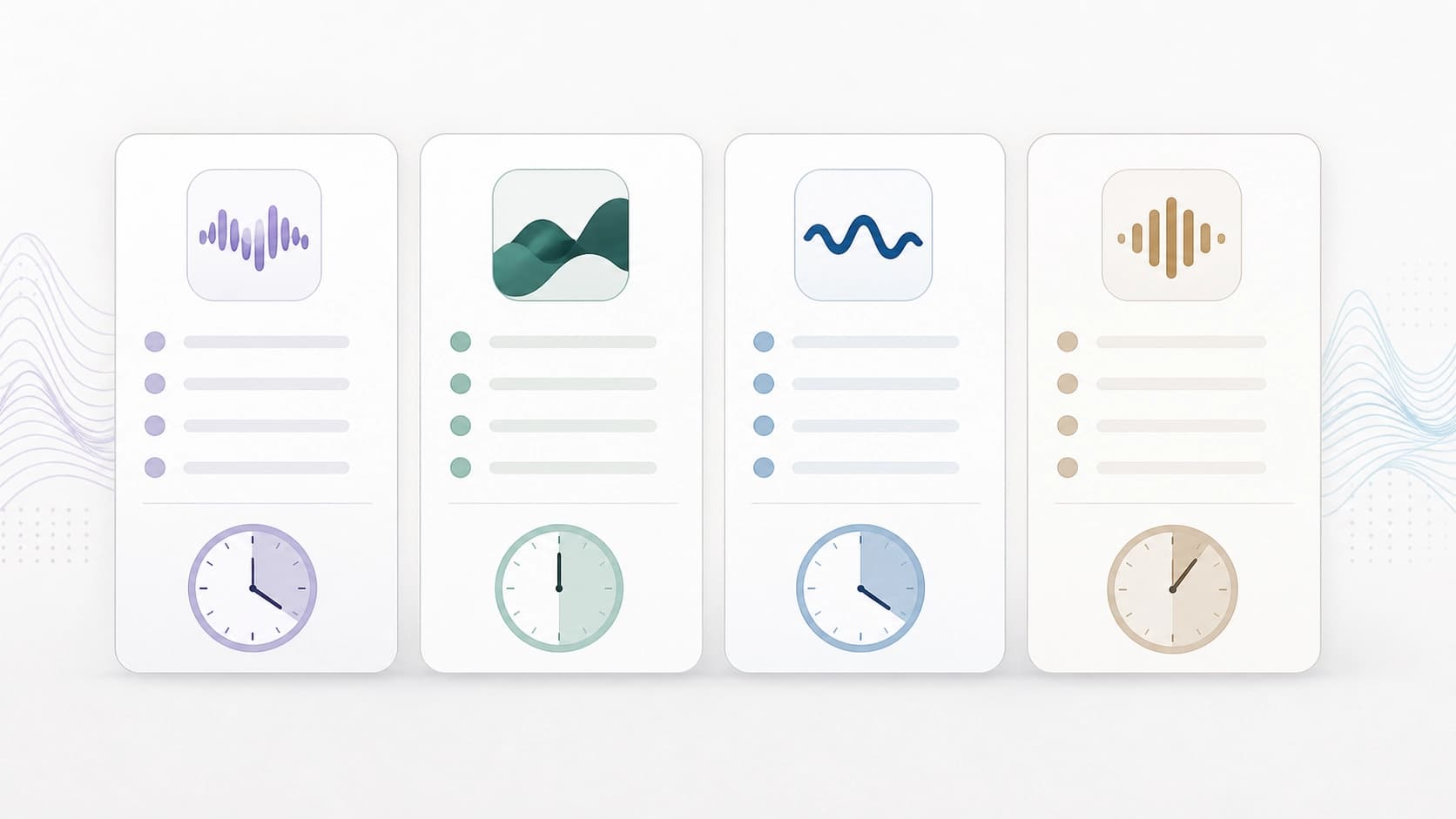
The platform operates on a freemium model. The core functionality — listening to the radio — is available free of charge. However, the free version has limitations: there may be fewer genres, ads appear periodically, and sound quality is limited. For most casual listeners, this is enough.
The paid subscription unlocks the full set of features: high bitrate, a broad library of presets, the ability to generate your own tracks without watermarks, and priority processing speed. The subscription price depends on the region and the chosen period — typically, the longer the term, the lower the price per month.
The business tier deserves a separate mention. Mubert positions the corporate license as a solution for commercial use at point-of-sale locations and events. It's important to understand that the free tier and the standard subscription don't grant rights to public broadcasting for commercial purposes. Entrepreneurs who want to use background music in a cafe or store will need a separate agreement with the authors and rights holders.
Limitations and weaknesses
Despite all its advantages, Mubert has notable limitations. The most obvious one is the lack of full control over the melody. You can't tell the algorithm "play this specific chord here" or "change the arrangement at 2:15." The neural network behaves like a jazz musician improvising: brilliant but unpredictable. If you need a precisely structured composition — say, "8-bar intro, 16-bar verse, 32-bar guitar solo" — you'll have to spend a long time adjusting the generated result in a DAW.
The second nuance is sample uniqueness. Some experienced users note that with a large number of generations, repeating patterns begin to show up in the output. The algorithm combines fixed elements, so truly memorable phrases can recur across different tracks within the same genre.
Finally, the quality of the result largely depends on the genre. Modern electronic music and ambient turn out great, while acoustic genres (jazz, folk, classical) can sound mechanical. This stems from the sampled nature of the library: a digital synthesizer imitates live sound with varying degrees of success.
 How to start using Mubert
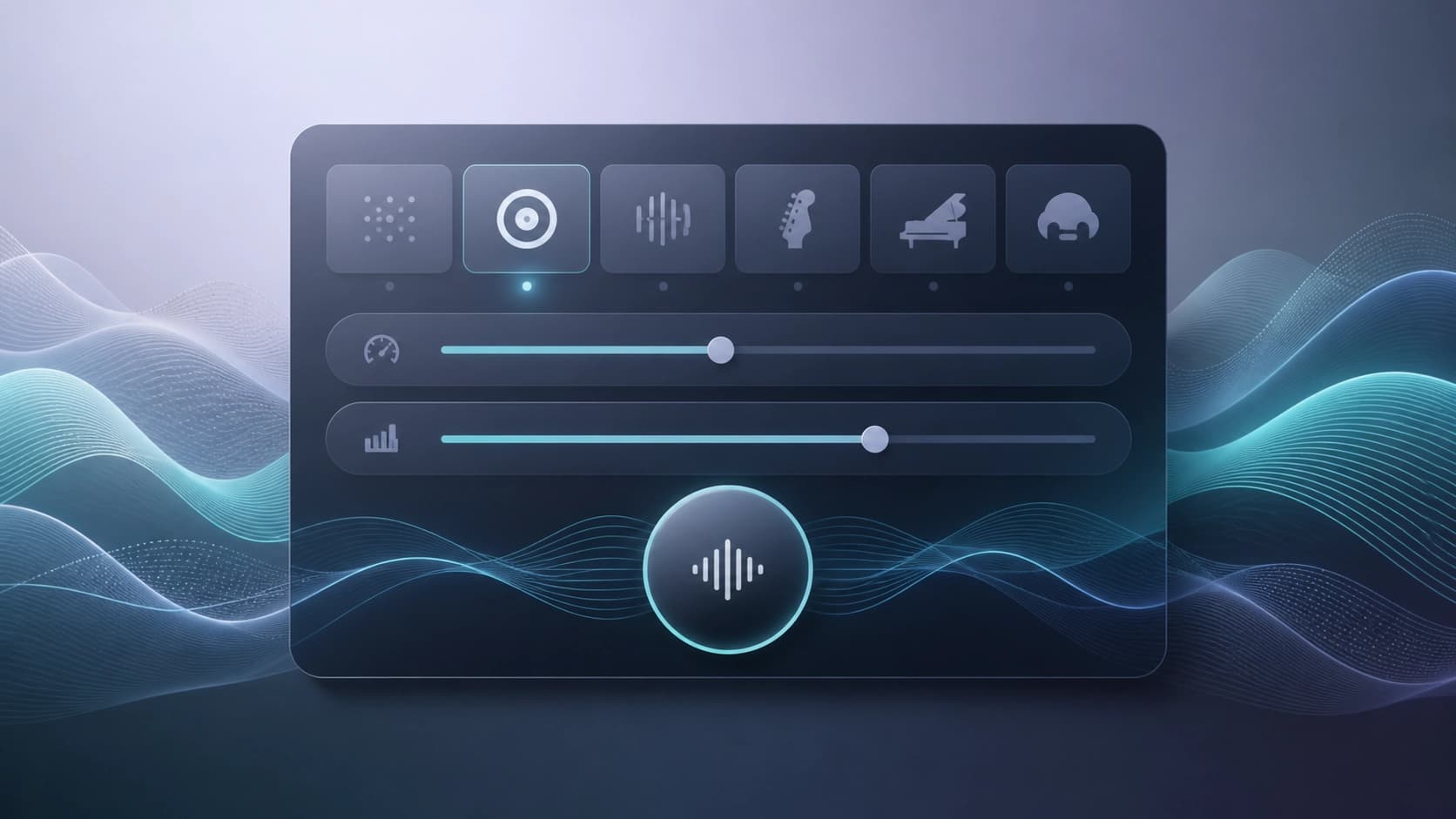
Starting out is easy for beginners — the interface is responsive and onboarding takes a couple of minutes. Here's how the process works:
- Sign up on the website or in the mobile app using email or a social media account.
- Choose a genre from the starter set (you can start with "Listening to a random genre" to understand how it works).
- Rate several compositions on a "like/dislike" scale — this helps the algorithm calibrate your tastes.
- Switch to a full-featured plan if the free version felt limited and you're planning commercial use.
- Test the API (optional) by creating a free access key in your developer dashboard.
Development prospects and final assessment
Mubert confidently occupies a niche between stock music and full-fledged DAWs. This service won't replace a producer, but as a generator of unlimited audio content on a subscription, it looks attractive. The platform's planned advantages relate to improving synthesis quality and expanding the genre base, which promises to make the service even more versatile.
Mubert's main value is time. Instead of spending hours searching for and selecting tracks, users get a ready audio stream in seconds. If you don't set high demands on compositional precision and creative uniqueness, the tool more than pays for itself. All that remains is to wait for the neural network to learn how to improvise better than the average saxophonist, and the music market will change for good.