
Perplexity AI has firmly carved out a niche as an intelligent search engine that doesn't just return links but synthesizes an answer with sources cited. Many users start exploring the service through the free plan, but sooner or later they hit its limits and start thinking about buying a subscription. To make an informed decision, you need to clearly understand what exactly you are paying for (or not paying for).
Key differences: free vs. paid access
The main difference between the two modes is not in the quality of text generation itself, but in access to extended computing power and additional features. The core algorithms and language processing models remain the same — otherwise, the service would lose its purpose as a free tool for getting acquainted.
Request limits
This is the first thing a free-plan user encounters. A daily request limit is standard practice for AI services. If you use Perplexity from time to time to check the weather, verify a fact, or read about new movie releases, you may not even notice these restrictions. However, for work or study that requires dozens of queries a day, the limit becomes a significant obstacle.
The paid version removes this restriction, allowing you to carry out a full research process without worrying about the counter. For journalists, analysts, or students, this becomes a decisive argument.
Model quality and search speed
The free plan is usually limited to a basic model that handles typical tasks but may fall short on complex logical chains or work with lengthy texts. A subscription unlocks access to more powerful models that better handle multiple rounds of query refinement and show deeper context understanding.
Response speed also differs. In the paid plan, query processing has higher priority, so answers arrive faster even during peak hours. On the free plan, especially on weekends or in the evening, you may notice a noticeable delay when generating complex responses.
Advanced analysis capabilities
One of the most significant advantages of the paid subscription is the ability to upload files and work with them. On the free plan, you are limited to text in the input field, while paid users can attach a PDF document, spreadsheet, or text file for the AI to analyze.
 This opens up possibilities for creating document summaries, extracting key data from reports, and quickly processing large amounts of information that cannot be pasted into a search box.
Usage scenarios: when the free plan is enough
The free version of Perplexity is a full-fledged tool that covers the needs of most everyday users. If your tasks fit the following scenarios, spending money on a subscription is unnecessary.
Information search and fact-checking
Perplexity is great for quick references: “Who won the Oscar in 2023?”, “What is the current capital of Kazakhstan?”, or “What is the formula for compound interest?” The answer with sources appears instantly, and request limits are barely noticeable with this kind of usage.
Exploring new topics in your spare time
For hobby-level interest in space, history, or programming, the free version is enough. You can ask follow-up questions, dig deeper into a topic, and read answers until you hit the daily limit. As a rule, such enthusiasts use no more than a third of their available queries over an evening.
Drafts and idea generation
If you need to “sketch an article structure,” “come up with a project name,” or “draft an email to a colleague,” the basic model on the free plan will do an excellent job. This applies to typical tasks that do not require deep analysis or work with large files.
When a subscription is essential
There are certain professions and scenarios where the limitations of the free plan become critical.
Professional research and analytics
A marketer studying competitors or a financial analyst gathering market data will need to make dozens of queries in a row. Limits will slow down the workflow, and constant waiting breaks will cause a loss of concentration.
Working with large documents
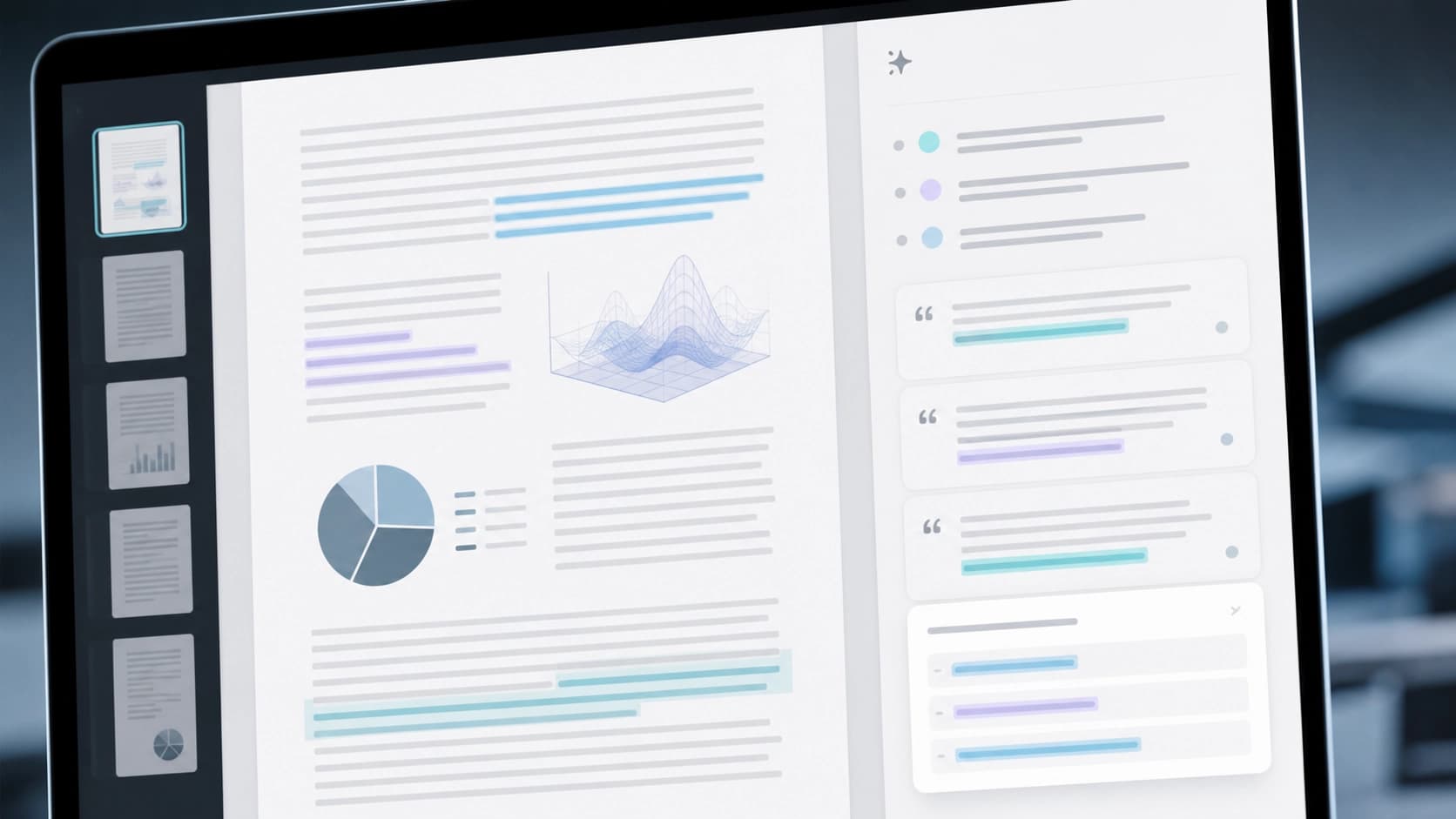
Lawyers, editors, and researchers often need to process the text of a contract, a scientific article, or technical documentation. By uploading a file to the paid version, you can get a brief summary, highlight key points, or find hidden contradictions. The free version offers only partial solutions to this task.
 ### Creating complex materials based on multiple sources
When you need to gather information from dozens of web pages, compare conflicting data, and produce a single coherent answer, the more powerful models in the paid plan deliver significantly better results. They hold the context of a long conversation more reliably and are less likely to “forget” the user's earlier clarifications.
Additional paid-plan features
Beyond removing limits and expanding the model, the subscription also provides access to several useful options.
Enhanced privacy
For corporate users or those who work with sensitive data, it matters that their queries are not used for further model training. A paid subscription usually includes the option to disable this, ensuring confidentiality. Free-plan queries may be used by the service to improve its algorithms.
Collection library
The paid version lets you save search results into structured folders and collections. You can organize your research by project, return to it later, and share links to the results. In the free version, history is saved, but the options for cataloging it are limited.
Step-by-step guide: how to choose a plan
The selection process comes down to a few simple steps that will help you avoid unnecessary spending.
- Start with the free plan. Sign up for the service and use it for a week or two in your normal mode.
- Note the moments of inconvenience. Every time you hit a limit or get a slow response, make a mental note of it.
- Assess how often you hit the limits. If you see the limit-exceeded message no more than a couple of times a week and your needs are met quickly, you don't need a subscription.
- Test the paid period. Most services offer a trial period or a refund within a limited time. Use this time to understand whether the new functionality actually changes your user experience.
- Sum it up. Compare how often you used file uploads, whether you felt the speed increase, and whether the constant thought of limits bothered you.
 Verdict: is it worth paying?
If you use Perplexity as an advanced search engine for everyday tasks, stay on the free plan. It is self-sufficient and handles basic queries well.
For professionals who work with information every day and depend on speed and depth of analysis, switching to the paid plan is a justifiable investment. The time saved from waiting and the ability to process large volumes of data quickly offset the subscription cost. This is about productivity, which directly converts into money.
An intermediate option is to start with the free version and revisit this question periodically as your needs grow. In a couple of months, the service may become indispensable to you, and the transition to the paid plan will happen naturally, without hesitation.