
Field: content Target language: English (en)
AI agents in logistics: from scattered services to built-in assistants
Logistics has always been a field where streamlined processes and precision are valued, but it is also where a lot of routine operations have piled up, eating away at operators' time. Checking detention, parsing documents, monitoring rates, and finding out shipment statuses — all of this is traditionally done manually or with the help of many separate programs. The emergence of agentic AI that works directly inside a transportation management system is changing the game. Carriers no longer need to assemble a patchwork of a dozen services and remember which login goes where — they can simply use the familiar TMS with smart agents built in. One company that has implemented this approach is Alvys.
Earlier, Alvys TMS already had individual AI features built in: the Insights module helped analyze loads, routes, and margins, the Intel module warned about adverse weather and cargo theft, and a separate feature could turn uploaded rate confirmations into ready-to-go shipment requests. However, a truly flexible agent environment appeared a little later, and it is this environment that gave carriers the ability to automate entire chains of actions rather than point tasks.
Alvys Foundry: an agent builder inside the TMS
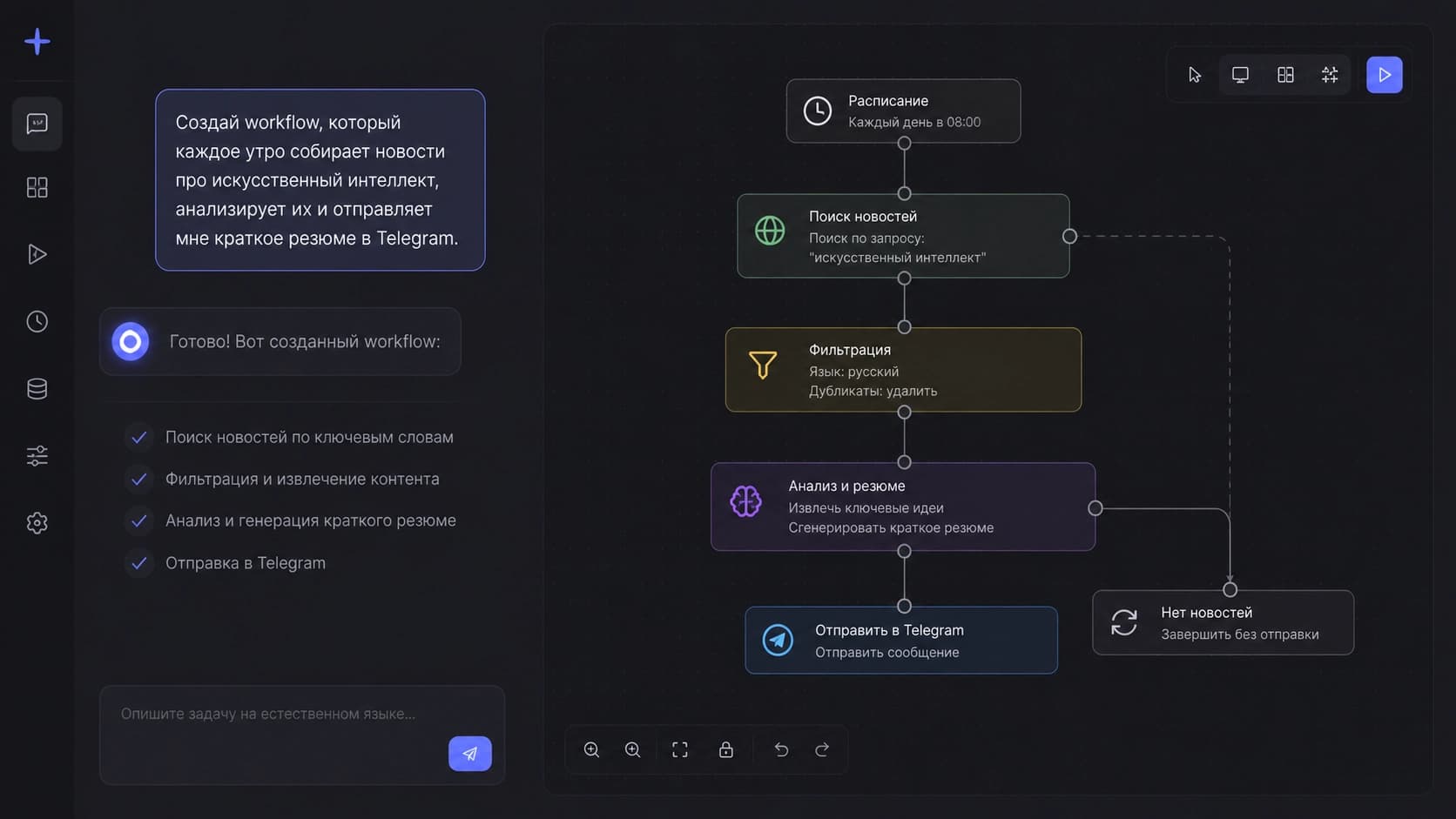
Alvys Foundry introduced a platform that lets users create and run AI agents right inside its TMS. Essentially, it is a builder: more than 20 ready-made templates are available out of the box, but operators can also build their own agent or refine a standard one together with Alvys engineers. The tasks agents take on cover nearly the entire operational routine of a carrier. For example, a dedicated detention agent tracks excess idle time and automatically generates a request. Another agent handles documents: it reads rate confirmations, bills of lading, and delivery confirmations, recognizes their contents, and saves them in the right place. There is also a tracking agent that receives check calls and updates shipment status so dispatchers do not have to manually check in with drivers. The set also includes tools for rate auditing, asset compliance control, and claims processing.
A key feature of Foundry is that operators do not need to describe workflows in a programming language. They can simply upload their standard operating procedure or describe the task in plain words, and the platform will generate an algorithm for the agent, which can then be approved. Before launch, the agent is tested on simulated data, and after launch the operator can monitor its work and stop it if necessary. This approach greatly simplifies adoption: there is no need to wait for the IT department to write code — describing the process in human language is enough.
Control and security of built-in agents
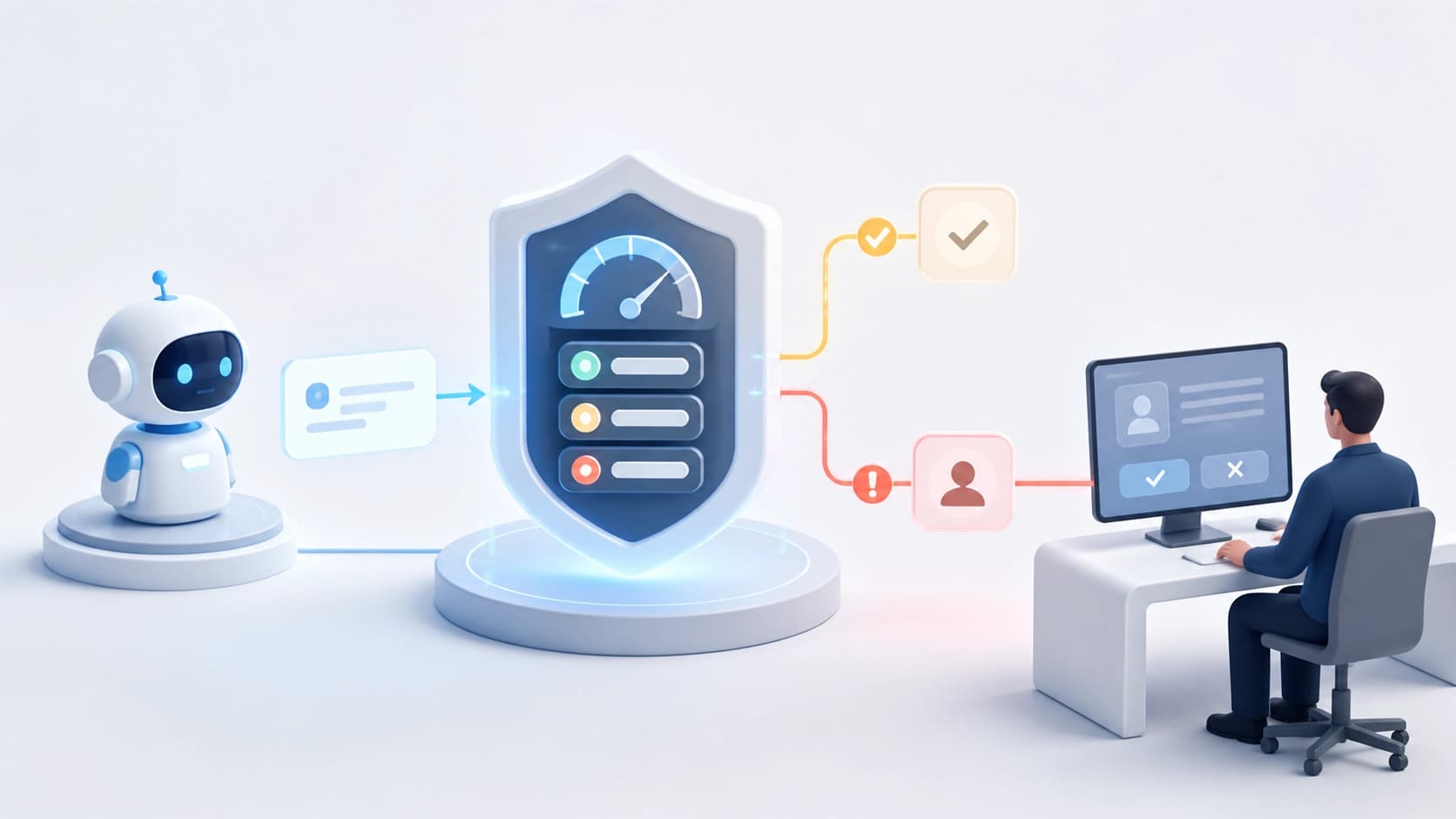
Alvys paid special attention to security and manageability. For this purpose, a management layer called Agent Shield is provided, which allows restricting agent actions: setting approval thresholds and spending limits. If an agent is about to perform an action with high business impact, it will be paused until a human confirms it. At the same time, all decisions, actions, and manual overrides are recorded in an audit log — convenient for resolving disputes and internal control.
In addition, Alvys Foundry includes a model selection system that automatically routes tasks between different large language models depending on price, speed, and output quality. This approach not only reduces compute costs but also makes the platform independent of any single model provider. The Alvys TMS infrastructure already includes more than 120 integrations and native EDI connections with hundreds of shippers, so agents get access to route history, customer rules, documents, margin data, and exceptions. As Alvys CEO Nick Darman noted, it is precisely the availability of freight context and route understanding that allows agents to work meaningfully. Placing agents inside the existing platform saves customers from setting up separate integrations and managing additional logins. The platform is also SOC 2 compliant, and agreements with model providers prohibit using customer data to train public models.
Industry experience: betting on autonomous assistants inside the TMS
Alvys is not the only one betting on agentic AI. For example, C.H. Robinson has already deployed more than 30 agents that have completed millions of tasks that previously required manual work. According to the company's VP of AI, Mark Albrecht, agentic AI acts autonomously to achieve set goals, just like a human. One such agent processes more than 10,000 pricing requests arriving by email every day, while another reads tenders with attachments and turns them into ready orders. Uber Freight has also reported more than 30 agents integrated into its TMS that automate tasks in procurement, shipment execution, tracking, payments, and analytics. The company plans to turn the TMS from a simple system of record into a platform that proactively guides users and takes over repetitive operations.
Alvys applies a similar model but executes it inside its own TMS rather than through a separate automation layer. Customers can start with ready-made templates, order customization from Alvys engineers, or create their own workflows in Alvys Foundry. An early customer of the platform was Spartan Carrier Group: its founder, Carlos M. Llaneza Jr., noted that using Foundry helps reduce manual work, allowing employees to focus on tasks that require judgment and quality service.
The Foundry launch followed a successful funding round: in September 2025, Alvys raised $40 million led by RTP Global, bringing total funding to $77 million. The Alvys platform processes more than $9 billion in freight shipments per year. Interestingly, Foundry is being rolled out not as a general release but through cohorts of customers: after the platform was presented in June, the first cohort filled up quickly. This speaks to strong demand for practical AI solutions that do not require carriers to build their own infrastructure.