

Scale
Platform for data management, labeling, and evaluation of AI models.

Overview
Scale
Scale AI Description
Scale AI is a data-centric platform designed to manage the full lifecycle of artificial intelligence development. It covers all stages: from data collection and labeling to fine-tuning, testing, and evaluation of finished models. The platform automates training dataset preparation, supports integration with leading AI solutions from OpenAI, Google, and Meta, and includes human-in-the-loop quality control mechanisms. Scale is focused on accelerating and reducing the cost of AI adoption in product and research processes by providing high-quality training data. The company also develops its own research initiative, SEAL, aimed at improving models through testing and analysis.
Scale Features
| Feature | Value |
|---|---|
| Rating | 4.5 / 5.0 |
| Editorial score | 8.4 out of 10 |
| Platform type | Data-centric AI platform |
| Platforms | Web |
| Distribution model | Paid (Free/Pay-as-you-go) |
| Free plan | Yes (first 1,000 labeling units and first 10,000 images free) |
| Credit card required | No (for the free plan) |
| Regional availability | May require VPN in some regions |
| Categories | Business, For developers, Logs and monitoring, Automation, Data and analytics, Development, Data analysis, General-purpose, API and integrations |
Who is Scale AI for?
AI developers and ML engineers
Scale AI is primarily aimed at AI developers, machine learning engineers, and data specialists. The platform provides the tools needed to create, train, and deploy high-quality models, from data preparation to evaluation.
Researchers and data analysts
AI researchers and data scientists can use Scale to work with large volumes of heterogeneous data, including images, video, and 3D datasets. The platform is suitable for both academic projects and commercial research.
Large enterprises and government organizations
Scale AI is designed for organizations integrating AI into their business processes. The platform is especially useful for large corporations and government agencies working with autonomous vehicles, robotics, natural language processing (NLP), and augmented and virtual reality.
How to use Scale AI?
Registration and solution selection
To get started, you need to register an account on the Scale AI platform. After registration, the user selects the appropriate AI training solution depending on the data type and task: image, video, 3D data labeling, or generative model fine-tuning.
Data upload and configuration
The user uploads their data or specifies requirements for it. The platform allows annotating and validating information using automated labeling tools, as well as with human involvement for quality control. The process is configured through customizable workflows.
Integration and monitoring
After preparation, the data is integrated into AI models. Scale supports working with solutions from OpenAI, Google, and Meta. Subsequently, the user can monitor and refine the data as needed using built-in dataset management and model evaluation tools.
Key features of Scale
Data annotation and validation
The platform offers annotation services for various data types: images, video, and sensor 3D data. It includes both AI-powered automatic labeling and human validation to ensure high quality.
ML lifecycle management
Scale provides comprehensive solutions for managing the full machine learning lifecycle: from data collection and labeling to fine-tuning and evaluation of finished models. Dataset management tools enable efficient workflow organization.
Model evaluation and comparison
The platform includes capabilities for fine-tuning, testing, and comparing generative AI models. Integration with enterprise data is supported, allowing solutions to be adapted to specific business needs.
Scale advantages
Accelerated AI development
The use of high-quality training data and automated labeling processes significantly speeds up AI application development. The platform reduces the time and cost of data preparation.
Improved model accuracy
High data quality and multi-level control (including human review) contribute to improved accuracy and reliability of AI models. Comprehensive data work — from collection to final validation — provides an advantage over solutions limited to training or testing only.
Integration with leading solutions
Scale supports integration with popular AI models from OpenAI, Google, and Meta, as well as with open systems. This enables quick deployment of ready-made solutions into existing infrastructure.
Scale disadvantages
Complex setup for new users
The platform requires significant technical expertise to implement. New users may need time to learn all the capabilities and configure workflows.
No public pricing
Pricing details are not stated on the website. To get the cost of most solutions, you need to contact the sales department. The exception is the free plan, which does not require a credit card.
Limited application availability
Scale works only as a web platform. Mobile apps and app store applications are not available. In some regions, the service may require a VPN connection.
What problems does Scale solve?
Training data preparation
The platform handles data collection, labeling, and quality control for AI training. This includes work with autonomous vehicles (self-driving cars), robotics, natural language processing (NLP), and augmented and virtual reality.
AI adoption in business processes
Scale helps large companies and government organizations integrate artificial intelligence into their processes. The platform accelerates the launch of AI-powered products through ready-made data management infrastructure.
ML lifecycle management
The platform automates full machine learning lifecycle management: from initial data preparation to final model evaluation and monitoring. This allows teams to focus on development rather than routine data operations.
Scale pricing
Scale AI operates on a Free/Pay-as-you-go model. A free plan is available, which includes the first 1,000 labeling units and the ability to upload and process the first 10,000 images at no charge. No credit card is required to activate the free plan. Public prices for paid tiers are not available — you need to contact the sales department to get pricing. No lifetime plan is provided.
Scale terms of use
Account registration is required to use the platform. Detailed terms of use are not disclosed on public pages. Access may require a VPN in some regions.
Scale availability
Scale AI is available as a web platform. Mobile apps and app store presence are not specified. The platform does not have public open-source repositories. In some regions, the service may require a VPN connection.
How Scale differs from alternatives
Comprehensive approach to data
Unlike many solutions, Scale offers comprehensive data work, including collection, labeling, and quality control. Other platforms are often limited to training or testing models without providing a full cycle.
Integration with leading models
Scale supports integration with solutions from OpenAI, Google, and Meta, as well as with open AI systems. This allows the platform to serve as a single entry point for working with different models, which is not always possible with competitors.
Enterprise focus
The platform is primarily designed for large companies and government organizations working with complex data types (3D, video, sensors). This distinguishes it from simpler tools aimed at small businesses or individual developers.
Conclusion
Scale AI is a powerful data-centric platform designed to manage the full AI development lifecycle: from data labeling to model fine-tuning and evaluation. It is aimed at developers, researchers, and large organizations working with autonomous vehicles, robotics, NLP, and other complex areas. The platform offers a free starter plan, but full pricing requires contacting the sales department. Scale stands out for its comprehensive approach to data and integration with leading AI solutions; however, it requires technical expertise and may have limited regional availability without a VPN.
Frequently asked questions

See also
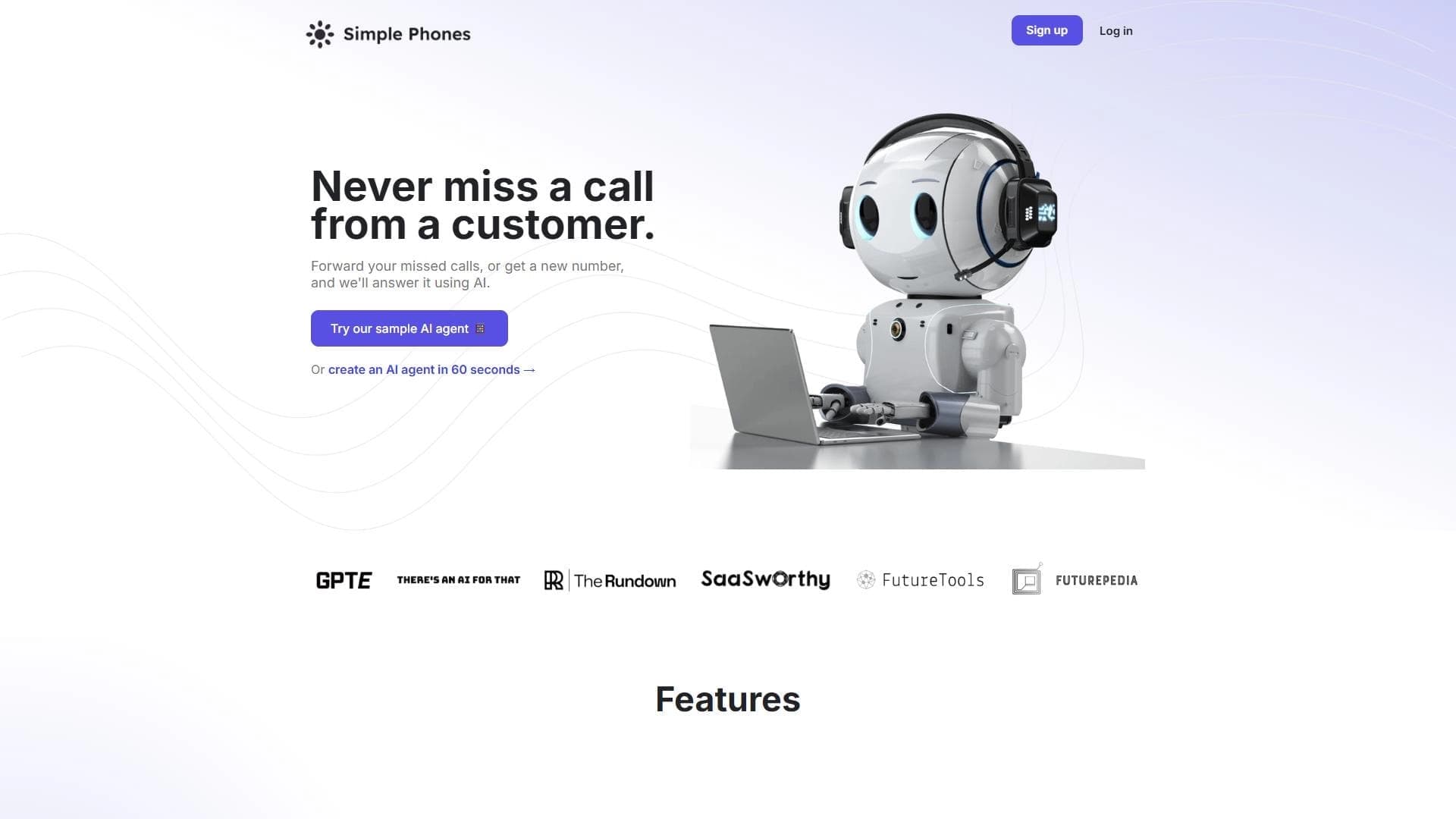
Platform for automating phone call processing with an AI agent.
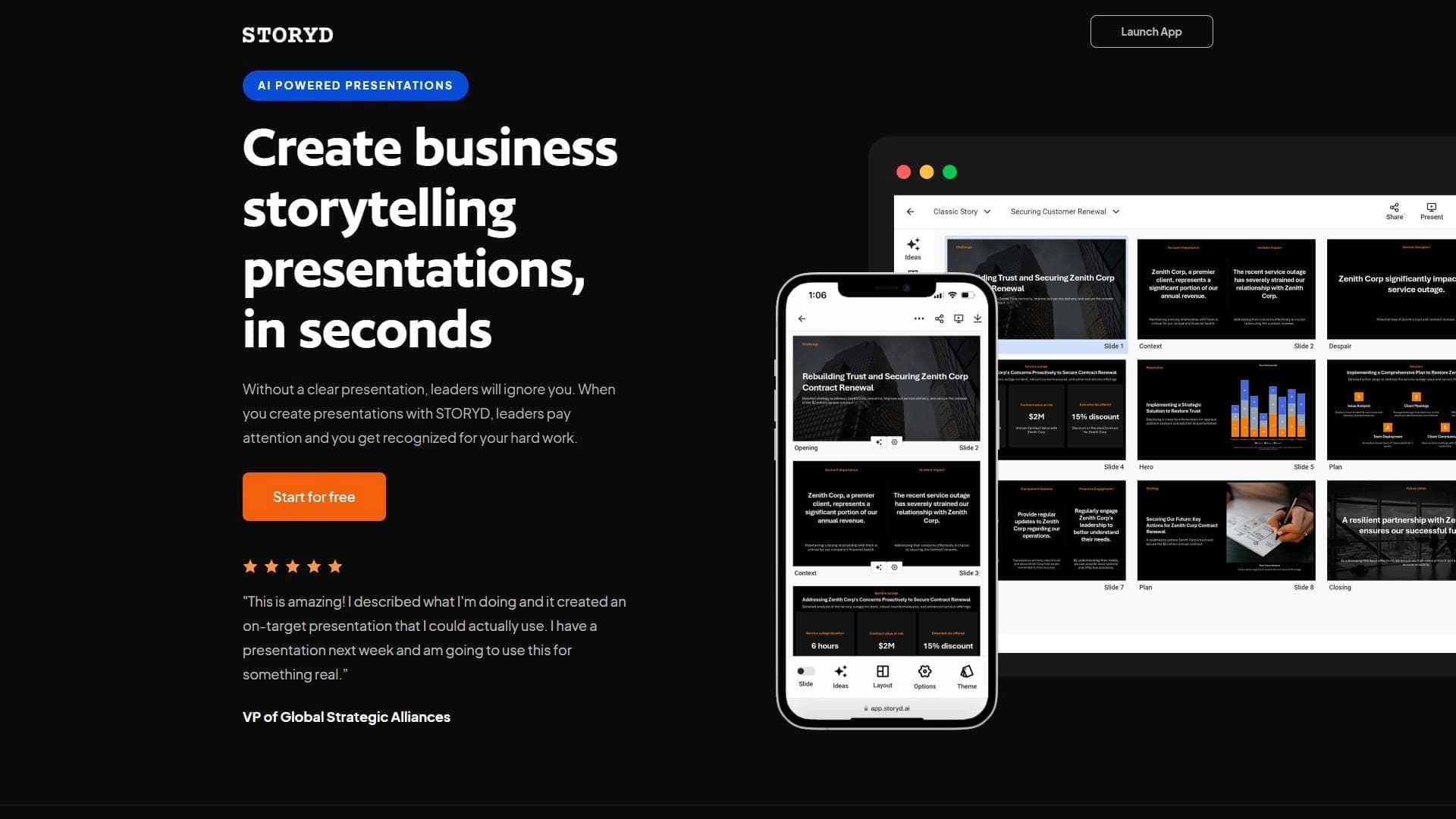

An AI-powered service that turns a brief topic description or bullet points into a structured business presentation in seconds.

Financial platform with an AI assistant for managing accounting, taxes, and budgets.

AI platform for fast website creation and small business process management.

Client communication platform combining chat, email, chatbot, and CRM in a single interface.
A service for automatic meeting scheduling that syncs with your calendar and lets the other person pick a free time slot on their own.
A project management platform with a built-in AI assistant for task automation and content creation.

A workflow automation platform that connects thousands of apps without requiring coding.