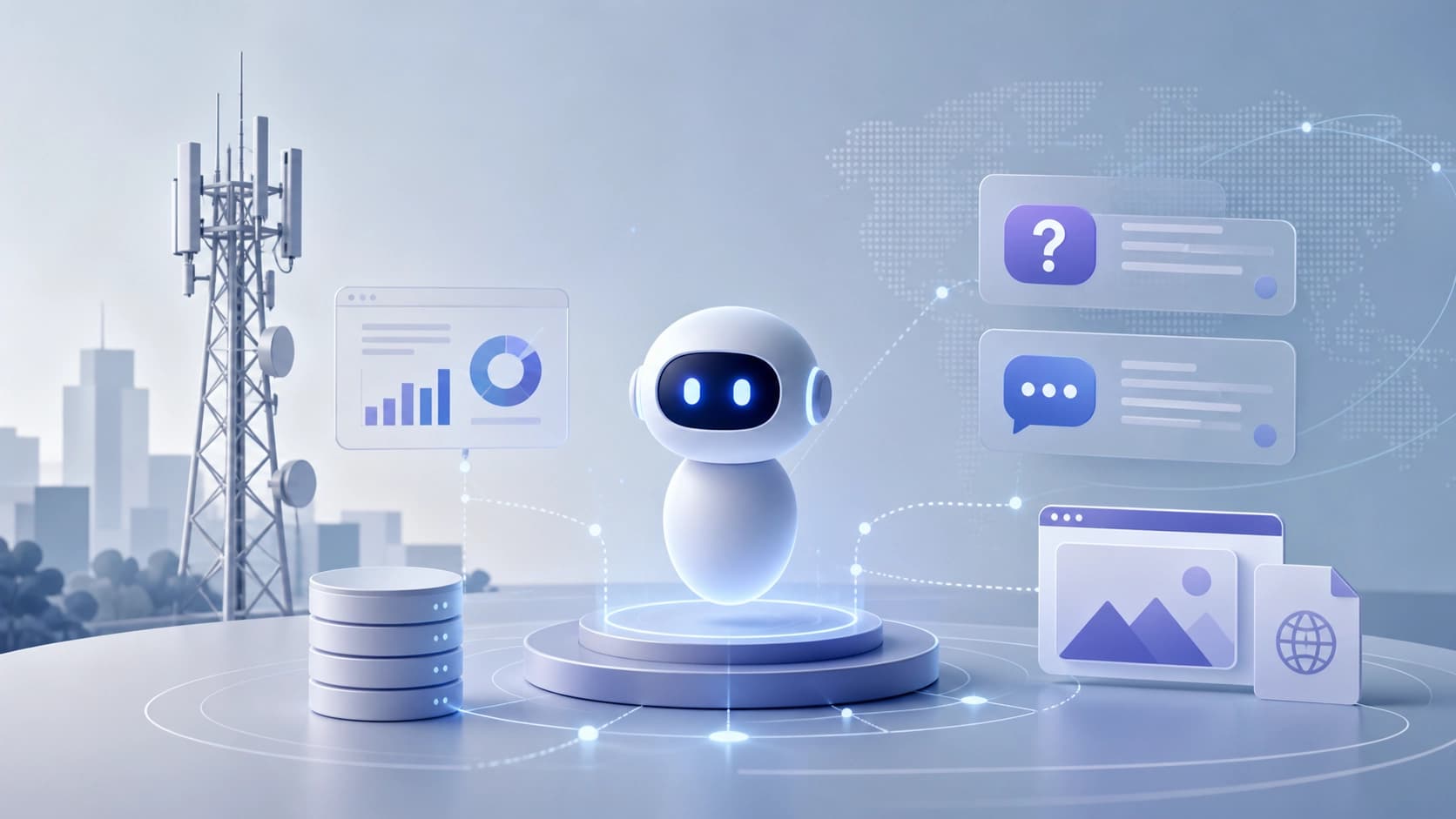
Scattered data is the main enemy of customer service
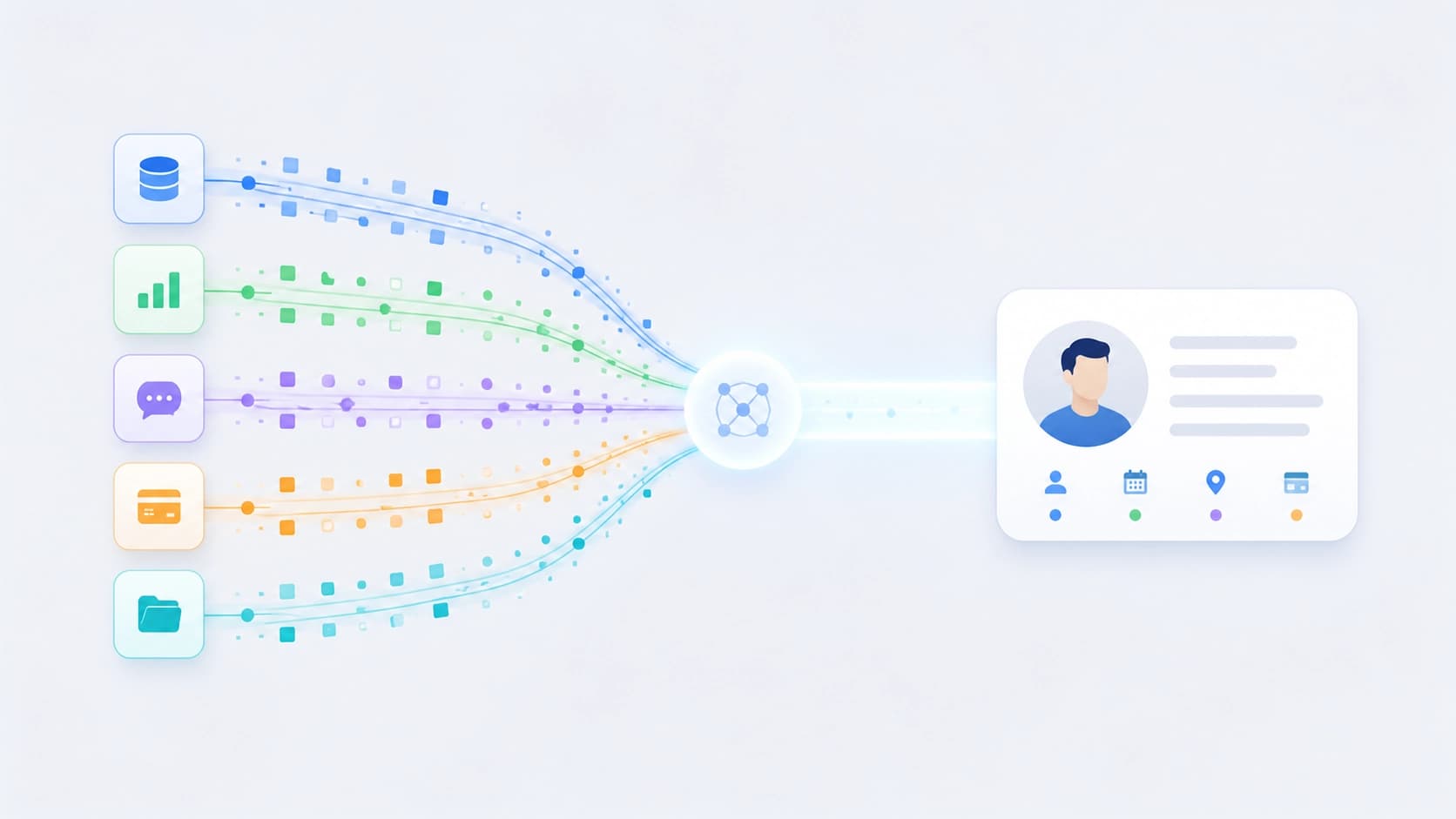
Airlines face a paradox: a lot is known about the passenger, but this knowledge is scattered across a dozen systems. Booking history lives in one database, support correspondence in another, meal preferences in a third, and website and app activity in a separate repository altogether. An employee has to manually switch between windows and piece together the picture bit by bit. The result is lost context, repeated questions, and the feeling that a "smart" service doesn't actually remember anything about you.
Virgin Atlantic took a different path: instead of hiring more people to manually consolidate data, the company tried to unify customer signals with the help of an AI assistant.
How ChatGPT Work turns scattered data into a coherent story
At the core of the approach is ChatGPT Work. This is the enterprise version of the assistant that allows connecting the company's work services and processing data within a secure perimeter. Instead of giving the algorithm full access to all systems at once, Virgin Atlantic set up scenarios in which the assistant queries the relevant sources on demand and compiles the answer into a single summary.
What data gets processed
- Booking history — past and current flights, service classes, routes.
- Contact channels — emails, chats, support calls.
- Website behavior — which destinations the passenger searched for, what they were interested in.
- Special requests — allergies, favorite meals, requirements for traveling with children or pets.
Previously, this data existed separately from one another. Now the assistant pulls it up on demand and builds a timeline: what happened to the passenger before reaching out, which issues have already been resolved, and what needs to be taken into account at the next point of contact.
How it works in practice
When a passenger writes to support, instead of searching through five databases, the employee simply relays the essence of the request to the assistant. ChatGPT Work finds the relevant records and offers a ready-made summary: who we're dealing with, what their status and history are, whether there have been similar incidents, and which response option has worked before.
An important nuance — the assistant doesn't replace a human, it takes the routine off their plate. The employee gets a draft response or talking points for the conversation, but the final decision always remains with them. This is especially critical in aviation, where connections, baggage, and compensation are at stake — mistakes here are costly.
What this changes for the support team
Instead of ten minutes spent searching for context, it takes one minute. Employees stop asking customers to repeat what's already known and can focus on solving the problem rather than diagnosing it. What's more, there's less chance a passenger will hear the excuse "unfortunately, we can't see your booking" — the system actually does see it.
Results: what changes for the customer and the airline
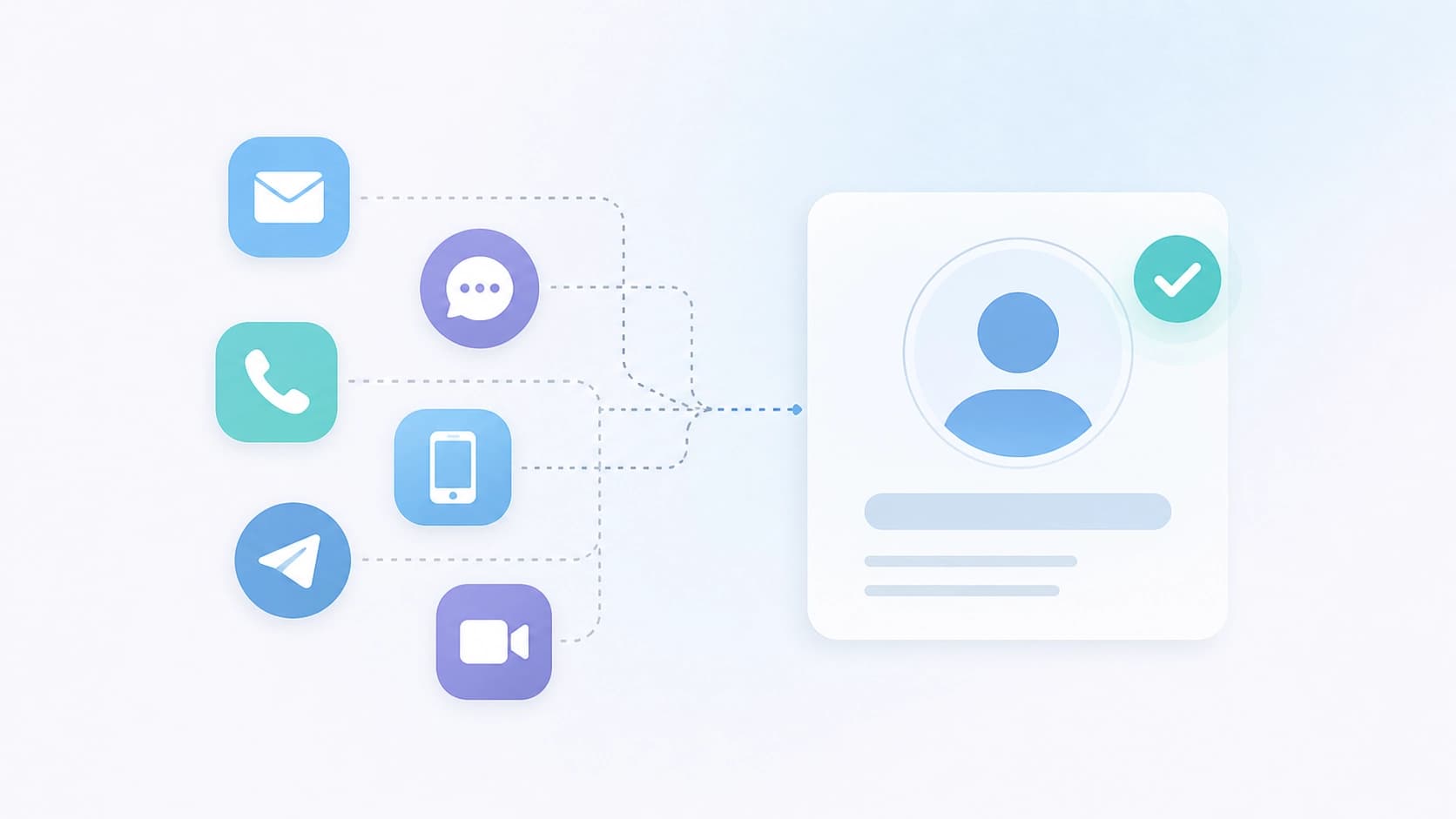
The main win is the coherence of the experience. The customer doesn't feel like they're starting the conversation from scratch every time. They can write to the chat, call, and then return to the conversation in a messenger — and the entire history is already in front of the agent. This reduces frustration and makes the brand more human in the passenger's eyes.
The airline benefits are tangible too: inquiries are handled faster, there are fewer repeat requests, and the chances of retaining frequent travelers' loyalty are higher. Signals that used to get lost now feed into predictable service.
Conclusions
The Virgin Atlantic case is a clear example of how a large corporation uses generative models not for hype, but to solve a long-standing problem. Unifying customer signals through ChatGPT Work makes it possible to deliver personalized service without full automation: the machine handles data collection and analysis, while the human handles responsibility and empathy.
This approach can work beyond aviation too: in banking, retail, and telecom. Anywhere a lot is known about the customer, but in a fragmented way, an AI assistant can be the glue that turns a set of facts into a complete picture of a person.