

Recently, Tencent introduced its own video synthesis model — Hunyuan Video. To understand how competitive it is, reviewers ran it alongside three other well-known generators — Kling AI, Luma AI, and MiniMax — through the same set of seven prompts. The scenarios covered realistic storylines, science fiction, animals, and nature. Here's what these tests showed.
Hunyuan Video: An Open Model from Tencent
The Hunyuan Video model is a text-to-video generator with 13 billion parameters. It creates clips with realistic motion, natural physics, and a cinematic look, and it works quite fast. In tests, the model handled natural and everyday scenes well, but specific creatures — such as dragons or robots — posed challenges: the results came out slightly "glitchy." Likely, more detailed prompt formulations could noticeably improve the quality.
For now, using Hunyuan Video requires a phone number registered in China. However, the model itself is distributed as open-source, so in the future it may be adapted for other platforms as well.
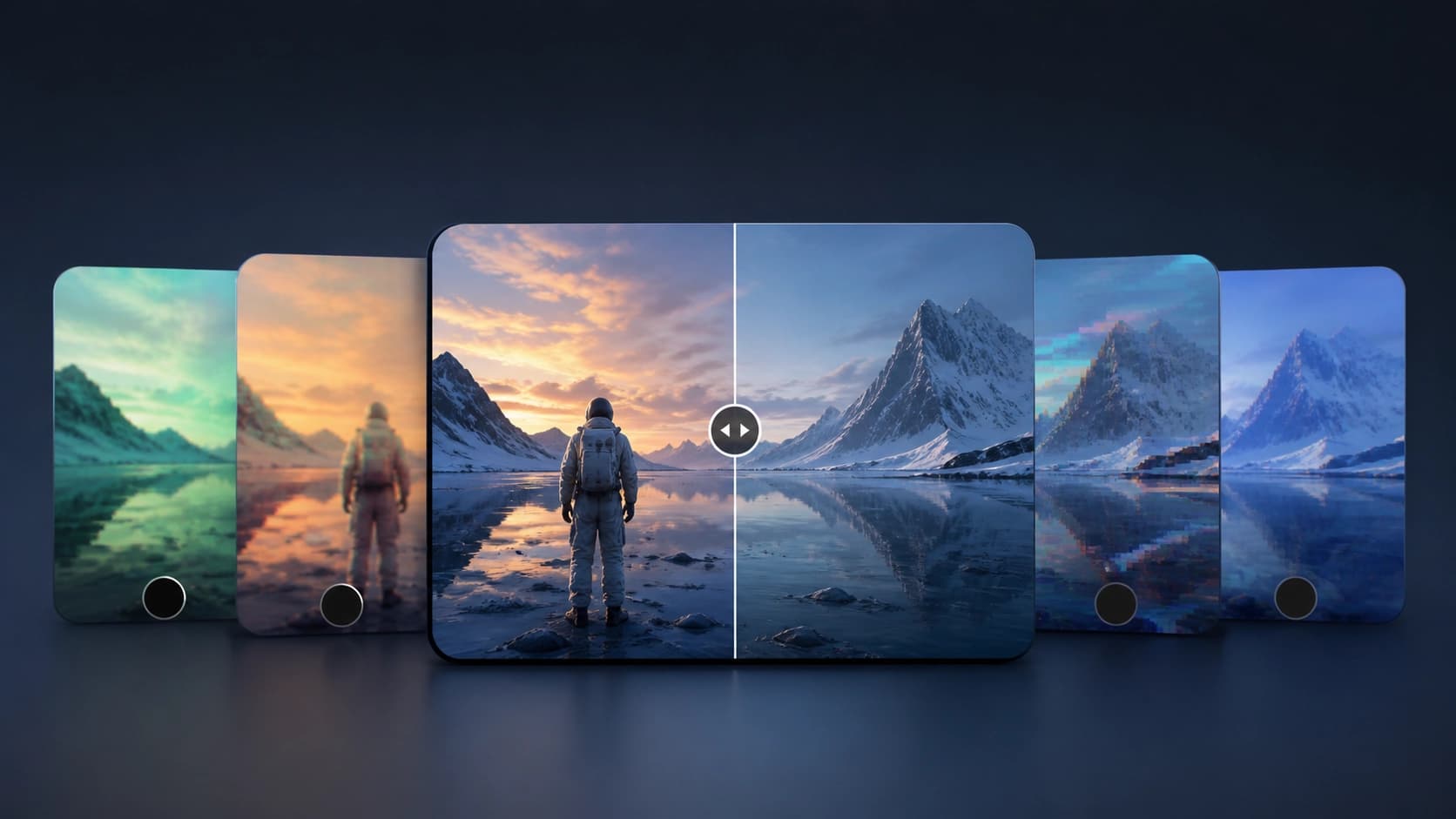
Kling AI: Vivid Imagery, but Weak Dynamics
The Kling AI platform (the review features version Kling 3.0) combines text, image, video, and audio generation. It supports native 4K output, synchronized sound, and "intelligent directing" of scenes. According to the test results, Kling AI delivered rich, detailed imagery and a good understanding of prompts: colors are vibrant, and objects are carefully rendered. Its weak point is dynamics: movements look unconvincing, and overall generation speed is low. The tool is a poor fit for projects with tight deadlines, but for everyday tasks, six free runs per day are enough.
Luma AI: A Balance of Realism and Detail
Luma AI, in the form of Dream Machine 1.6, offers a generator that turns text or an image into a five-second realistic clip in about 120 seconds. In tests, the model delivered a balanced result: solid special effects, high detail, and convincing realism. That said, motion smoothness leaves something to be desired — some clips come across as slightly "choppy." But when you need to impress with complex visual effects and fine element detailing, Luma AI proves to be one of the best options.
MiniMax: Almost Like Real Filming
The MiniMax tool (also known as Hailuo AI Video Generator) creates six-second clips at 720p resolution with cinematic effects. In terms of video quality, it turned out to be nearly flawless: the level of detail is so high that the result is almost indistinguishable from real professional footage. The only notable weakness is animal animation: movements come out not entirely natural. Still, for corporate promo videos that need a "premium" look, MiniMax remains one of the strongest solutions.
Conclusions and Recommendations
The test results can be boiled down to a few practical tips. Hunyuan Video is the optimal choice for realistic effects on a minimal budget, but only if you have a phone number registered in China. Kling AI suits bright, detailed imagery with HD quality, though you shouldn't count on fast performance. Luma AI is a reasonable compromise between realism and speed, while MiniMax is preferable for the most "cinematic" result. If you need an alternative with similar capabilities, it's worth looking at Runway Gen-3, which delivers high quality and fast generation from text and images.