
The problem that text generation can't solve
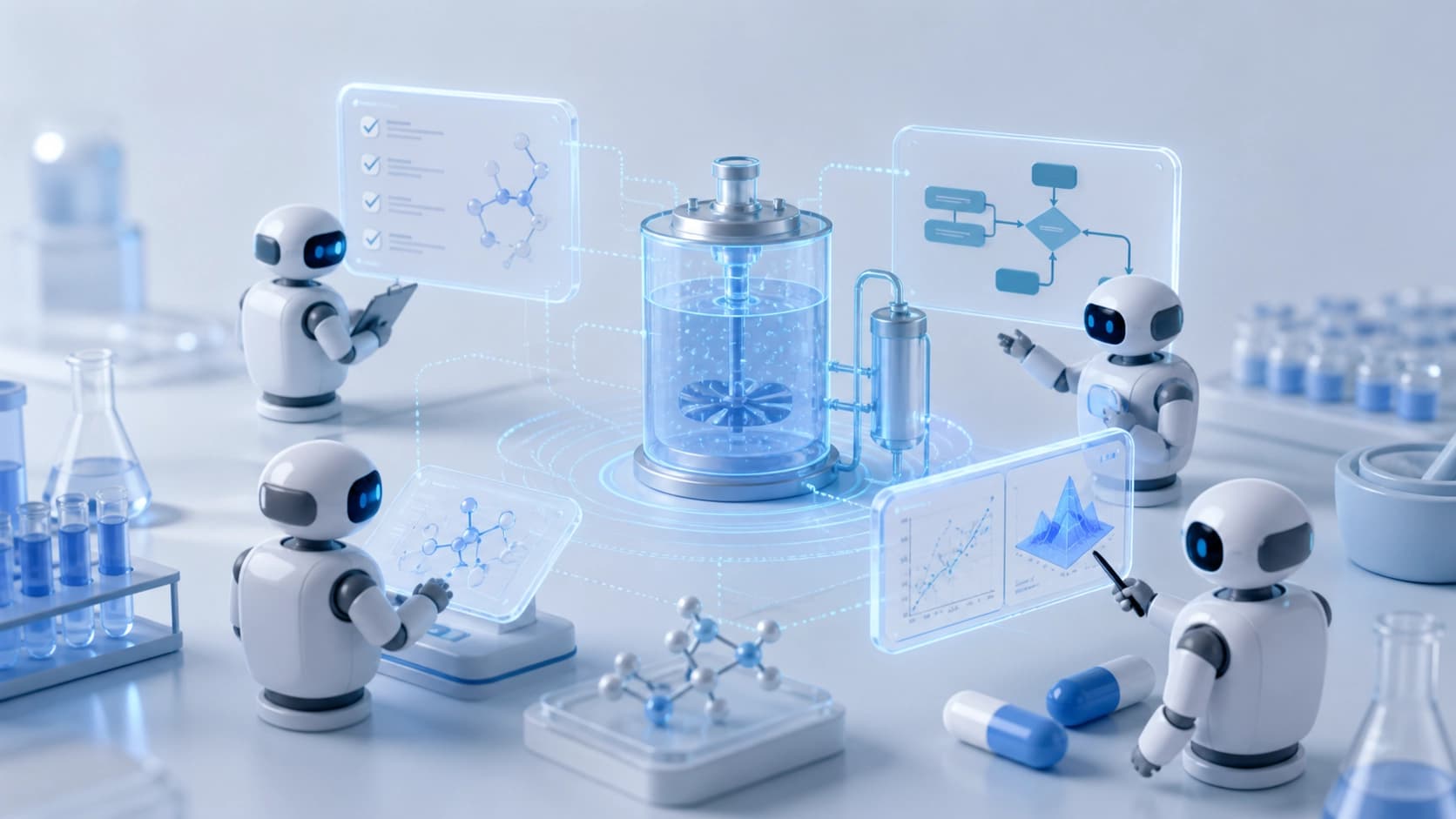
Modern language models reason confidently, make plans, and know how to use external tools. But in science and engineering, that isn't enough. To assert something about a real system, you need to understand how it will respond to intervention: what will change if you raise the temperature, rearrange a process stage, or add a reagent. A plausibly written answer to such a question proves nothing — proof emerges only through a controlled experiment.
It is precisely at this intersection that a group of researchers works, whose paper "LLM Agents Perform Controlled Experiments Using Simulation Models" is posted on arXiv under number 2608.23622 (DOI: 10.48550/arXiv.2608.23622). Among the authors are Yuchen Xia, Michael Weyrich, Nasser Jazdi, Johannes Stümpfle, Johannes Sigel, Akshay Narla, Gavin K. Reynolds, Anna Jawor-Baczynska, and Pol Llopart. The preprint is dated August 22, 2026, and the work itself has been accepted to the 31st IEEE International Conference on Emerging Technologies and Factory Automation (ETFA 2026).
How the multi-agent scheme is structured
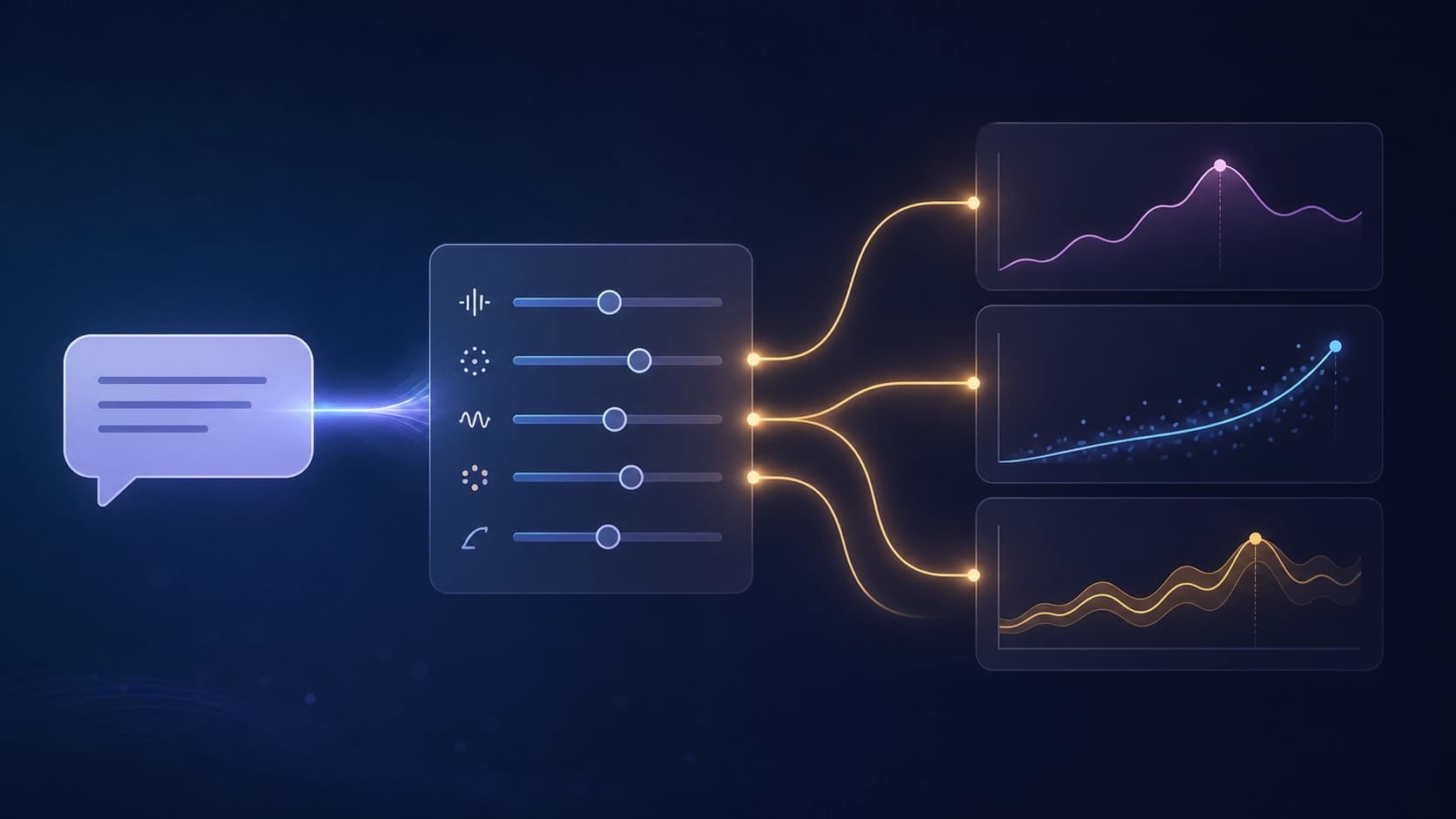
The key idea is not to force a single model to "think" about everything at once, but to distribute roles among several agents and put a real simulation model in their hands. The authors call this a multi-agent framework for pharmaceutical process design.
The work begins with a user request and a baseline configuration. From there, the system goes through a path of several stages:
- task formalization — an unstructured wish is assembled into a structured representation of what actually needs to be determined;
- experiment planning — intervention options and comparison points are defined;
- running simulations — the model computes the process behavior for each option;
- interpretation — results are compared against each other rather than read in isolation;
- synthesis of recommendations — proposals for tuning process parameters are formed based on the accumulated evidence.
An important detail: the recommendations here are not "the model's opinion" but a conclusion drawn from a series of runs. The language model acts as conductor and interpreter, while the simulator provides the numerical ground beneath its feet.
Reasoning through intervention
The authors describe this mode as reasoning embedded in simulation. The agent doesn't just observe a static picture — it changes the input conditions, compares the resulting scenarios, and takes the next step in light of what it has seen. The cycle of "intervention → comparison → observation" is what distinguishes this approach from an ordinary dialogue with a model.

Why this matters more than it seems
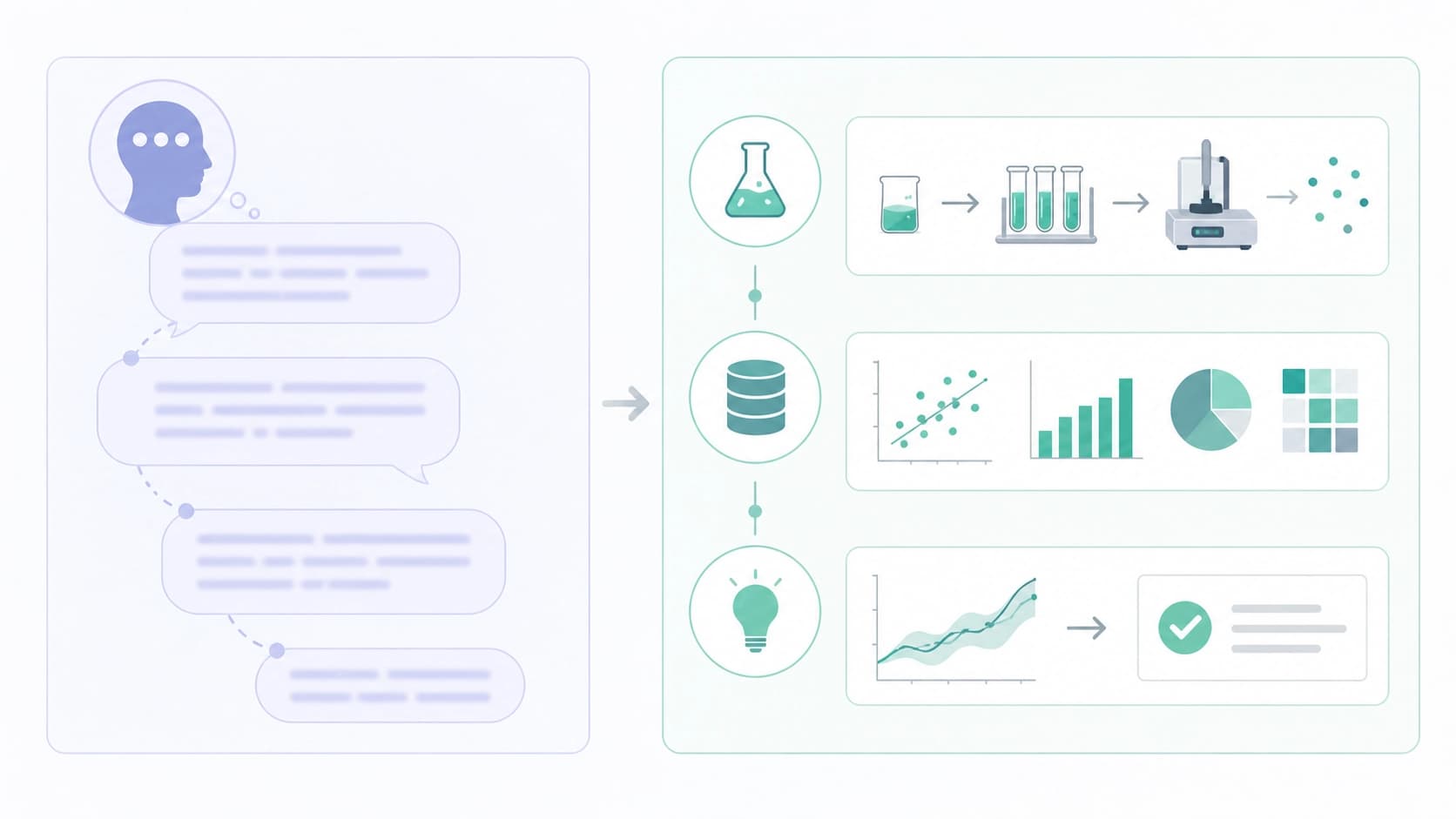
The difference between "the model reasons beautifully" and "the model ran an experiment" shows up in concreteness. In the first case, the user gets general considerations about which factors usually affect a process. In the second — conclusions tied to a specific configuration and backed by numbers from the runs.
The authors specifically emphasize the industrial context: in applied scenarios, the gain is expressed not only in the detail of the answers, but also in how people assess the correctness and usefulness of the recommendations produced. That is, it's not about internal metrics but about the perspective of a practitioner who intends to use these recommendations.
Additionally, the work presents ablation studies — experiments in which part of the system is disabled to understand each element's contribution. Plus visualized case analyses that show exactly how the agents' logic evolved from the first request to the final proposal.
What this means for pharma and beyond
Pharmaceutical process design is a convenient testing ground: mistakes are costly there, there are many parameters, and reliable simulation models have long existed that allow hypotheses to be tested without risk to real production. But the scheme isn't tied to a single industry. Wherever there is a computational process model and a need for optimization, the "agents + simulator" combination looks more logical than attempts to squeeze an answer out of pure language generation.
A separate signal is the categories under which the work is registered: artificial intelligence, computational linguistics, multi-agent systems, and software engineering. The topic lies at the intersection of disciplines, and that's no coincidence: for such a pipeline to work, you need quality planning, engineering scaffolding around the simulator, and clear language for communicating with the user.
The main takeaway in plain words: the value of language agents in engineering grows not when they formulate things better, but when they gain the ability to test their assumptions on a model and change them after testing. Experience instead of guesswork.