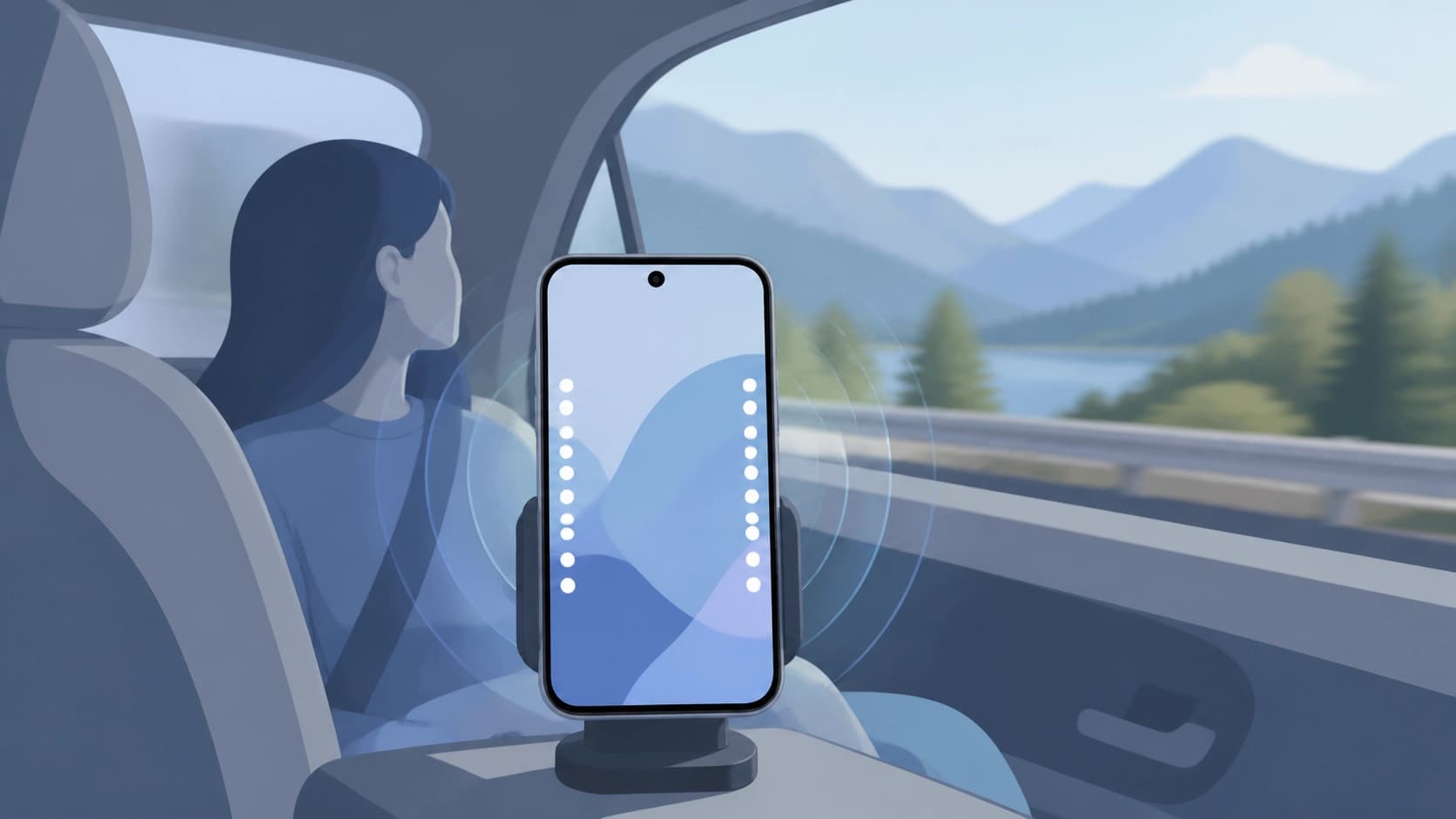
The long-awaited launch on Pixel
Back in 2024, Google showed an experimental feature to combat motion sickness, but it never went beyond internal tests. Now, according to an Android Authority report, Motion Assist technology is starting to reach real users. The rollout is happening not through a firmware update or a separate app, but through Google Play services — a typical way for the company to gradually introduce new features. Pixel owners running Android 17 are the first to see it.
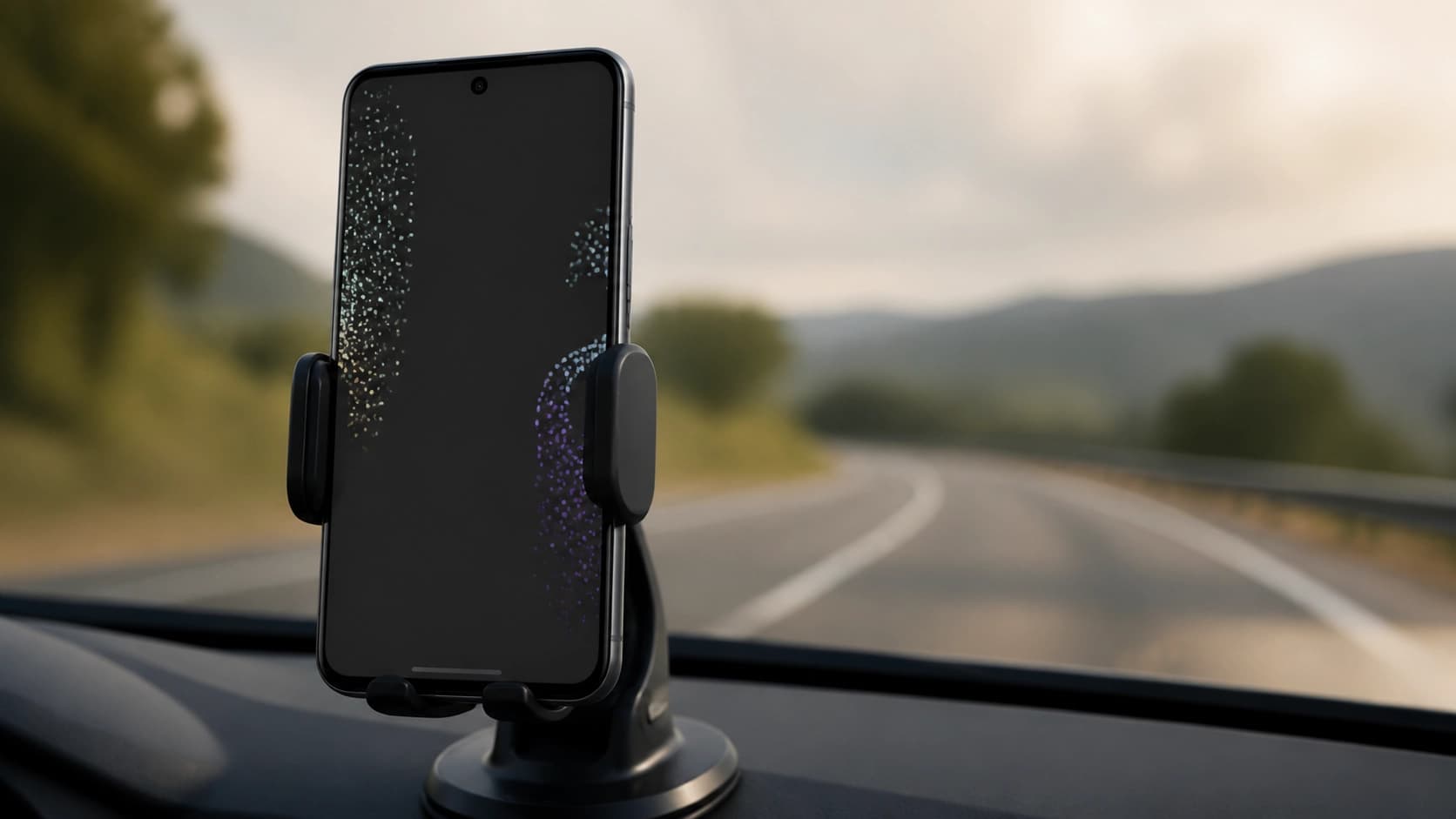
This deployment scheme allows Google to add features without involving smartphone manufacturers and without tying them to major OS updates. For the user, this means Motion Assist can appear at any moment — it's enough to check the settings from time to time.
Dots that trick the vestibular system
At the core of Motion Assist lies a simple but elegant idea. When activated, small dots appear along the edges of the screen and move in sync with the actual movement of the vehicle. The system analyzes data from the accelerometer and gyroscope: when the car accelerates, the dots shift downward; when turning right, they shift left. To the eye, this looks as if the user is looking not at the screen but out the window: the visual picture aligns with what the vestibular system feels. It is precisely the mismatch between the signals from the inner ear and vision that most often triggers motion sickness.
Motion Assist is not the first of its kind. A similar technique — Apple Motion Cues — was introduced by Apple back in iOS 18 in 2024, and iPhone owners have already had a chance to appreciate its effectiveness. Google, it seems, is moving along the same path, adding its own settings and Android integration.
How to enable and configure
If the update has already arrived on your device, the feature is located in a not-so-obvious place. The path is as follows: "Settings" → your profile → "All services," and then the Personal & Device section at the bottom of the list. There you can activate Motion Assist manually or add a tile to the Quick Settings panel. There's also an automatic mode: the smartphone will detect on its own that you're in moving transport and turn on the assistant without any extra steps.
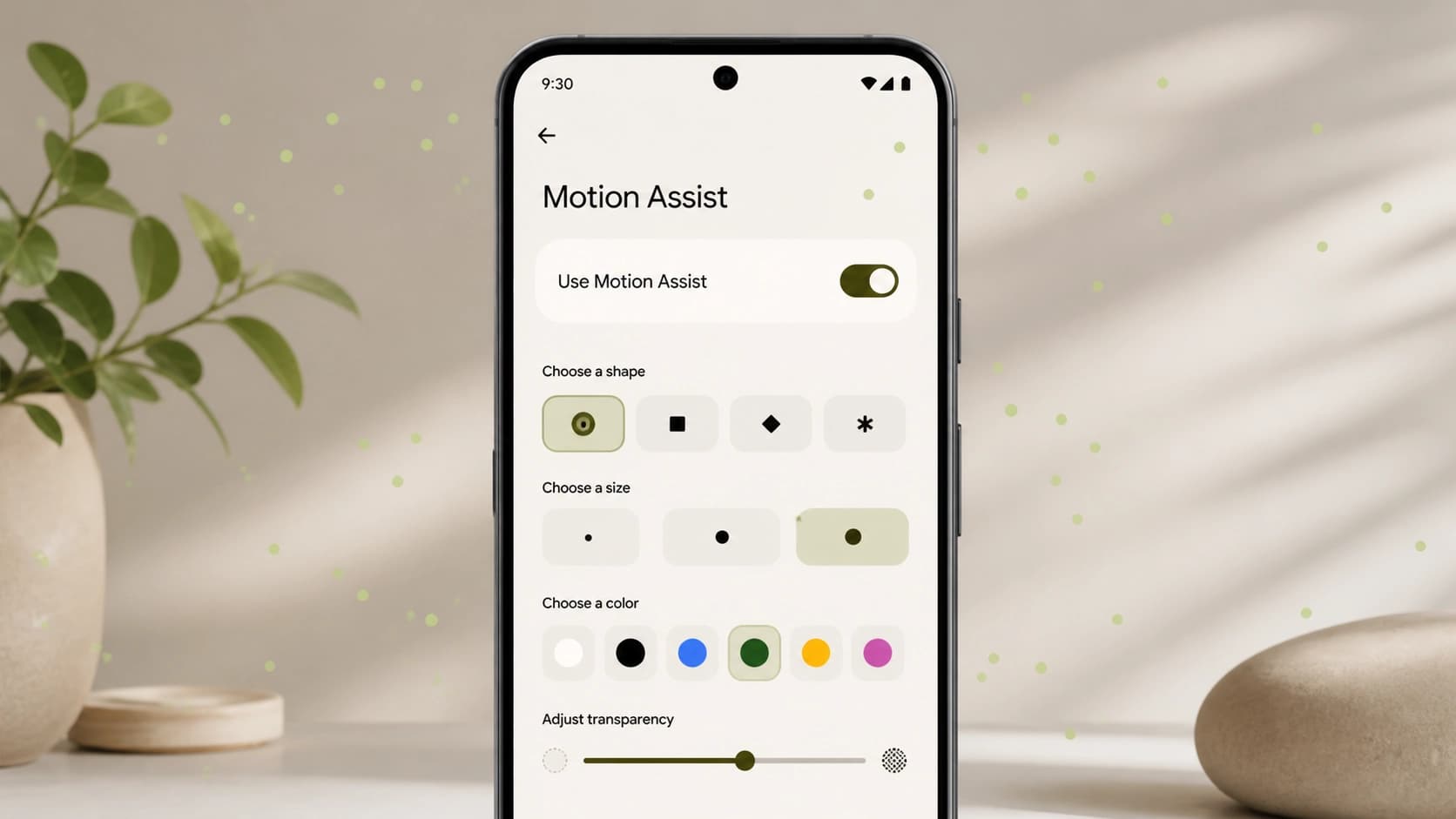
Google hasn't limited itself to a single visual style. The user can choose the shape of the dots, their size, color, and even the level of transparency. This way, the feature easily adapts to the interface and personal preferences without becoming an annoying element.
A Pixel exclusive or the future of all Android?
At the moment, Motion Assist is only available on Pixel devices with Android 17. The question remains open whether the feature will become exclusive to Google devices or will eventually appear on other brands and older versions of Android. The company hasn't given any official comments yet, so all that's left is to speculate. However, given that the rollout is going through Play Services, there are practically no technical obstacles to spreading the feature — it all comes down to Google's willingness to share the technology with competitors.
For now, those who often suffer from motion sickness on the road should check their Pixel settings: the option they need might already be there.