What changed after the update
In the latest version of ChatGPT, there have been notable changes in how the model interacts with external modules. This isn't about cosmetic interface tweaks, but about the underlying algorithms for function calling and result processing. Users of the integration with the analytics tool Sol and the external data platform Luna were the first to feel the effect.
While such integrations previously required manual setup and often stumbled on unexpected errors, they have now reached a new level. Sol, which handles computations and visualization, has become noticeably more predictable. Luna, which provides access to knowledge bases and APIs, has gained more freedom in its usage. This is evident both in tests and in real-world scenarios.

Accuracy and stability in data handling
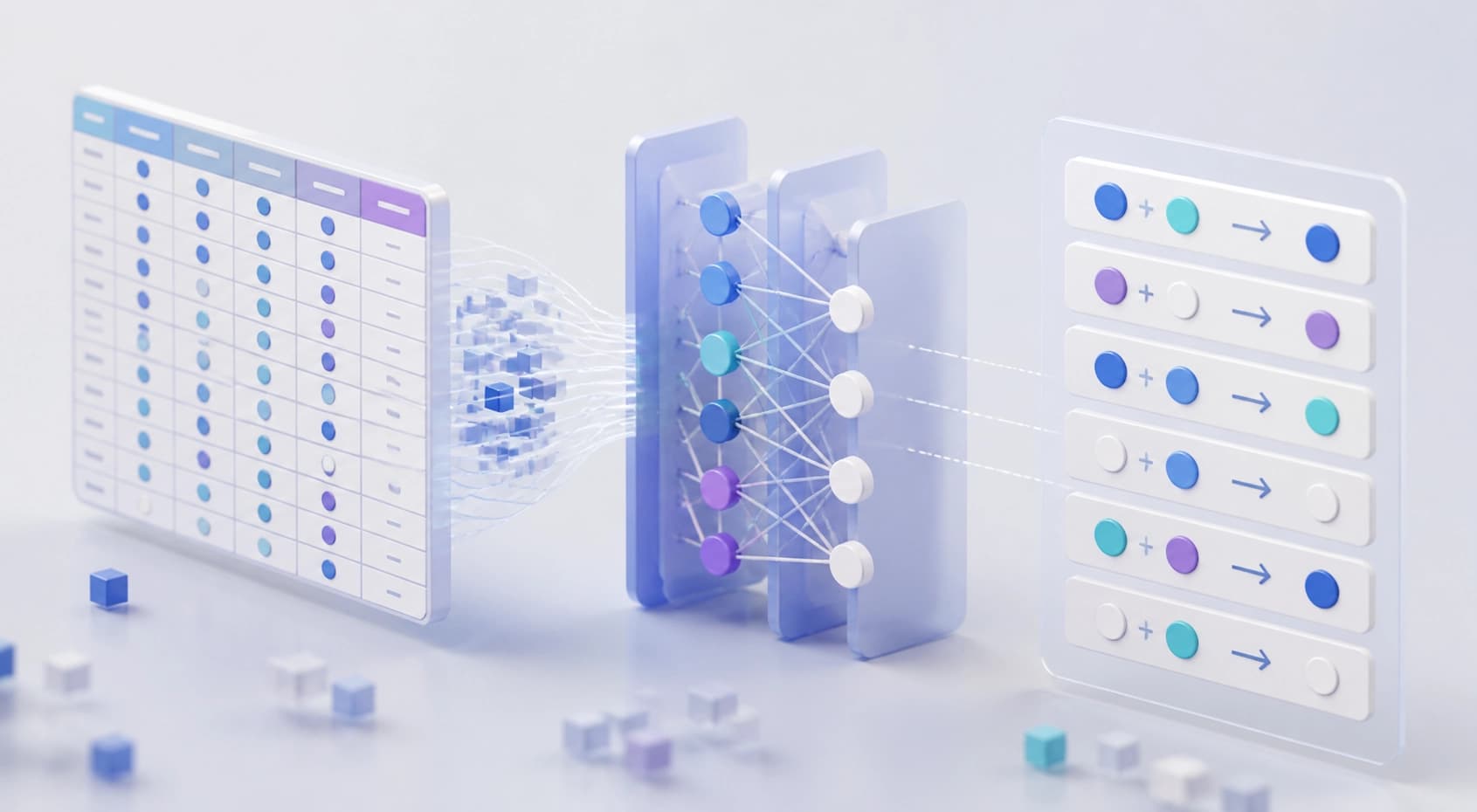
Let's start with the main improvement: working with Sol has become much more reliable. Previously, the model could misinterpret a calculation request, mix up units of measurement, or lose an intermediate value in a long chain of computations. Now such failures are rare. Users report that the number of errors when processing numerical data has dropped significantly, and this is noticeable even without dedicated tests.
Stability has also improved. Long sessions with Sol no longer cut off halfway — ChatGPT confidently maintains context and doesn't "forget" completed steps. This is critical, for example, when analyzing multiple files in a row or building reports that require sequentially processing different sources.

What exactly got better in Sol
- Input parsing. The model more accurately recognizes numbers, column names, and data types, so situations like "I didn't understand what you want from me" occur less often.
- Response structure. Results come in a neat tabular or text format, making them easy to transfer into a report or presentation.
- Thoughtful questions. If information is missing, ChatGPT now asks for clarification instead of guessing — this reduces the number of false conclusions.
All of this turns Sol from a demo toy into a full-fledged assistant. You can have it consolidate sales data, recalculate metrics, and immediately render a chart — without manually switching between services.
Expanded access to external data
The second big piece of news concerns the Luna platform. Previously, it worked as a limited reference: only a small set of standard sources and strict query rules. Now Luna is more open — and this unlocks entirely new scenarios.
ChatGPT can now access custom sections of Luna. You can connect your own documents, corporate policies, or personal notes, and the model will use them when responding. This makes results personalized rather than "taken from the general internet." This is especially valuable for companies where internal knowledge is scattered across disparate files.
Another important improvement is simpler communication. Searching Luna no longer requires special commands or manual filters. You just phrase your question in plain language, and ChatGPT decides on its own which data to request and in what order to compare it.
What you can now do with Luna
- Search internal documents. An employee can ask, "What is our contract approval procedure?" — and get an excerpt from the relevant policy.
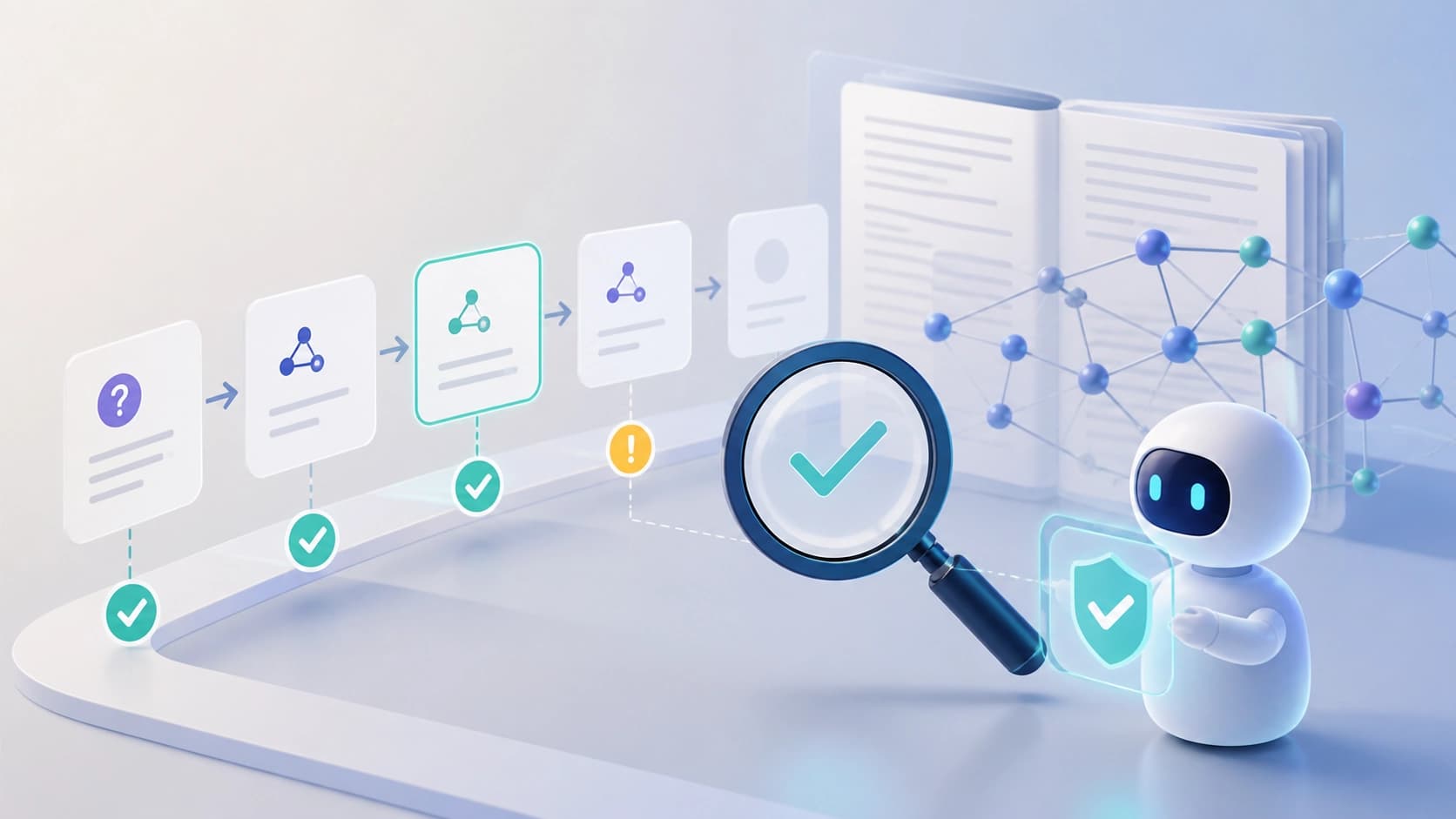
- Compare sources. Luna can cross-reference data from different documents and highlight discrepancies.
- Prepare summaries. ChatGPT gathers information from Luna and formats it right away as a table or a short list.
Luna's openness makes it feel like a personal librarian who knows the archive's structure and can quickly find the right pages.

Practical takeaways
The ChatGPT update has changed the attitude toward integrations. Instead of technical experiments for enthusiasts, the combination with Sol and Luna has become a stable working tool. This matters especially for projects where you don't want to spend time debugging and want quick results.
For businesses, this is a step toward delegating routine tasks to AI: ready-made report drafts based on Sol data, contract excerpts via Luna, documentation summaries. Of course, you still can't fully trust automation — any results need verification. But as an assistant that takes over mechanical work, the new combination looks very convincing.
If you haven't tried these modules yet, now is a good time. The plugins are already available in the settings, activation takes a couple of clicks, and the interface has become noticeably friendlier. Errors are becoming rarer, and the value is felt right away. The key thing to remember is that even the most advanced AI is just a tool, and responsibility for decisions remains with the human.