Cameras in headphones: fears and reality
The idea of building cameras into headphones sounds alarming: in an era when Meta Ray-Bans and other "smart" glasses have already faced accusations of covert recording, any new gadget with a lens is met with suspicion. Apple, which has spent years positioning itself as the ultimate defender of privacy, has especially much to lose here. For a company whose brand is built on trust, releasing AirPods with cameras is not just a hardware update but a serious reputational challenge: any hint of surveillance could wipe out years of marketing about security.
But is it really as scary as it sounds? Let's break down what is actually known about the new AirPods and why they are unlikely to become a tool for covert surveillance.
What is actually known about cameras in AirPods
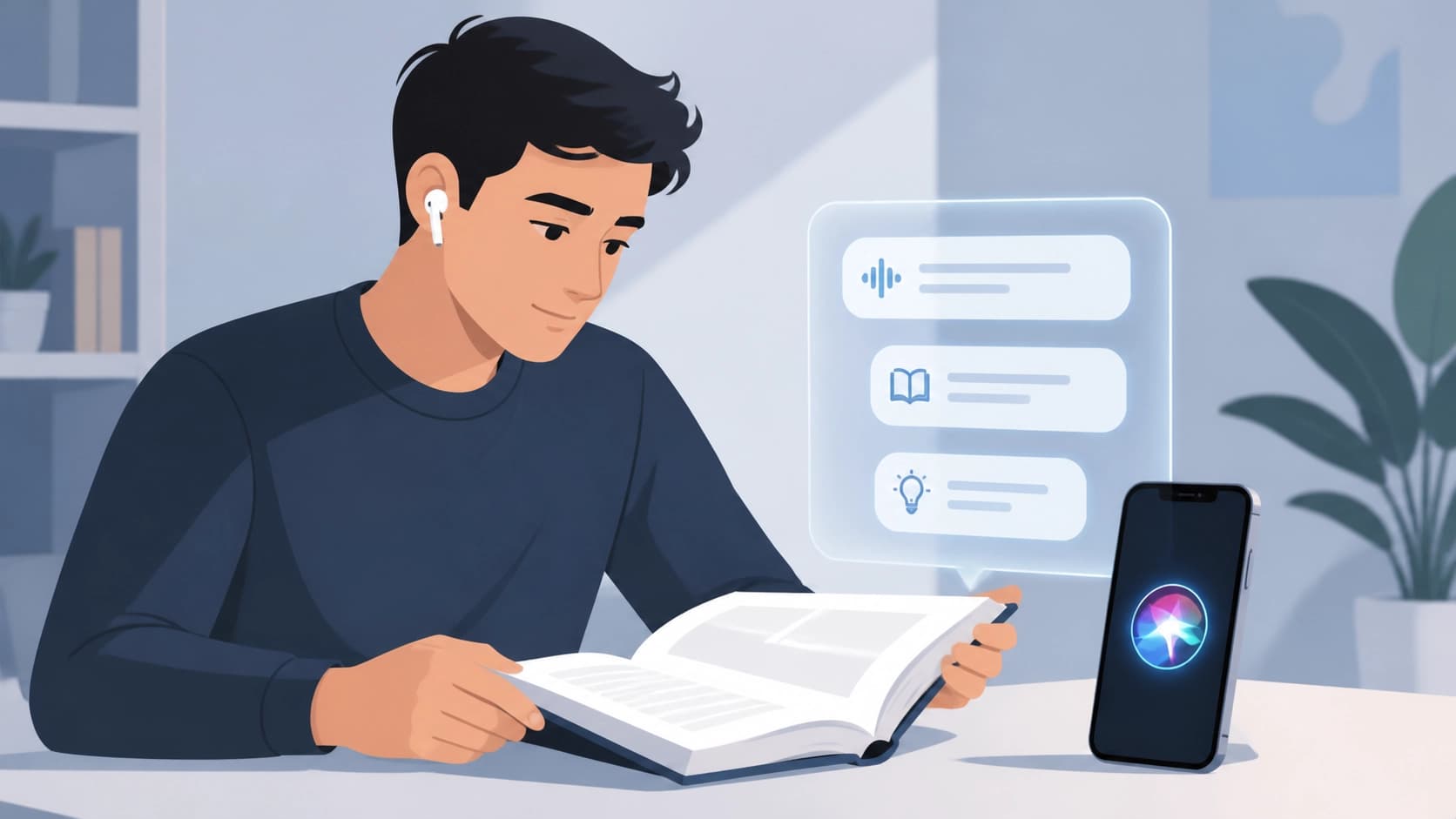
The rumors are backed up by code in macOS 26.7 RC: a video found in the system shows a person wearing AirPods, holding a book and talking to Siri. A voice-over says: "With Visual Intelligence, your world becomes savable" and offers to "save" what you see. The code also contains an error message "Hair Detected" — a warning that triggers when hair covers the headphone camera. A small detail, but it proves the lenses are indeed planned.
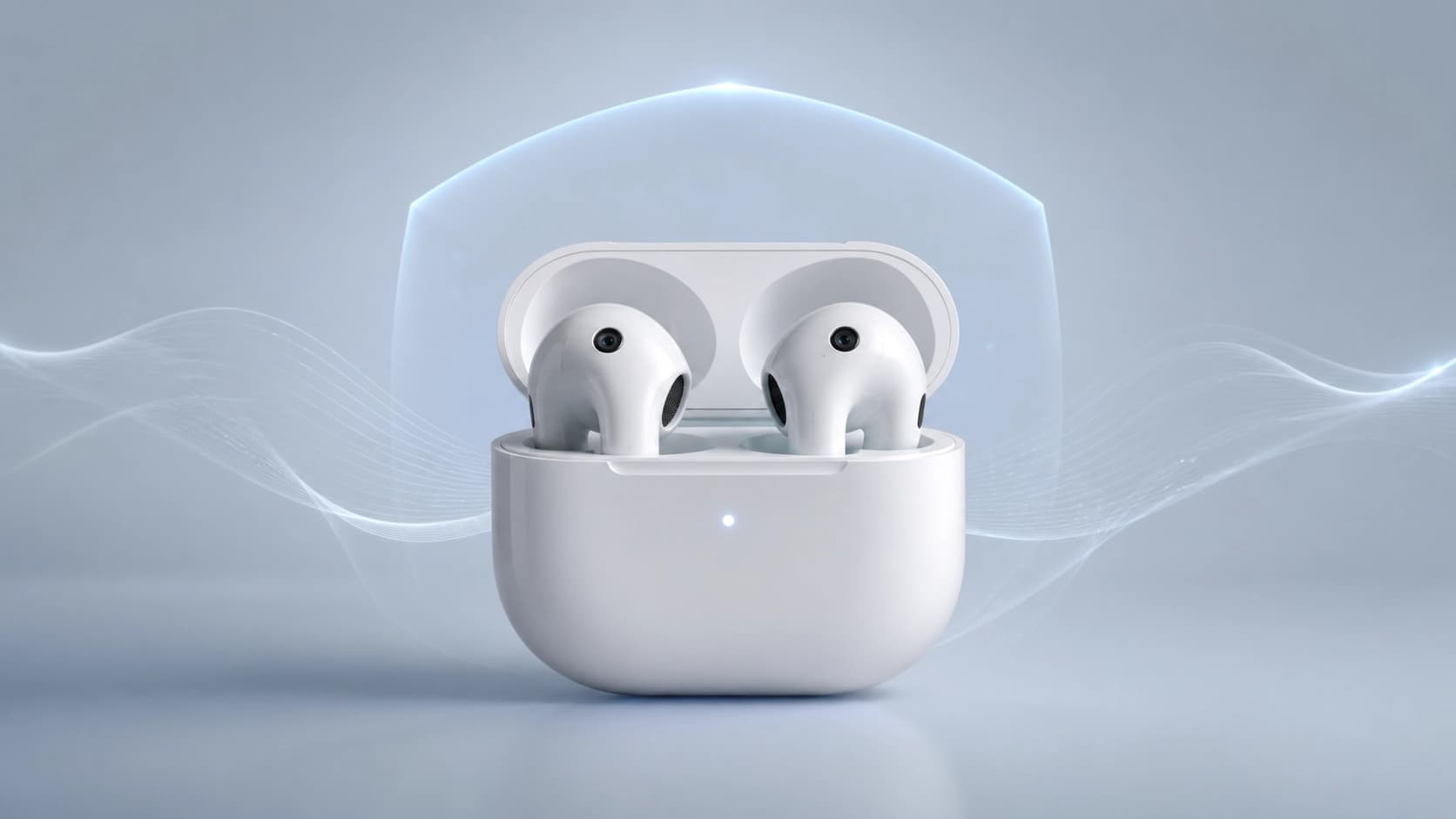
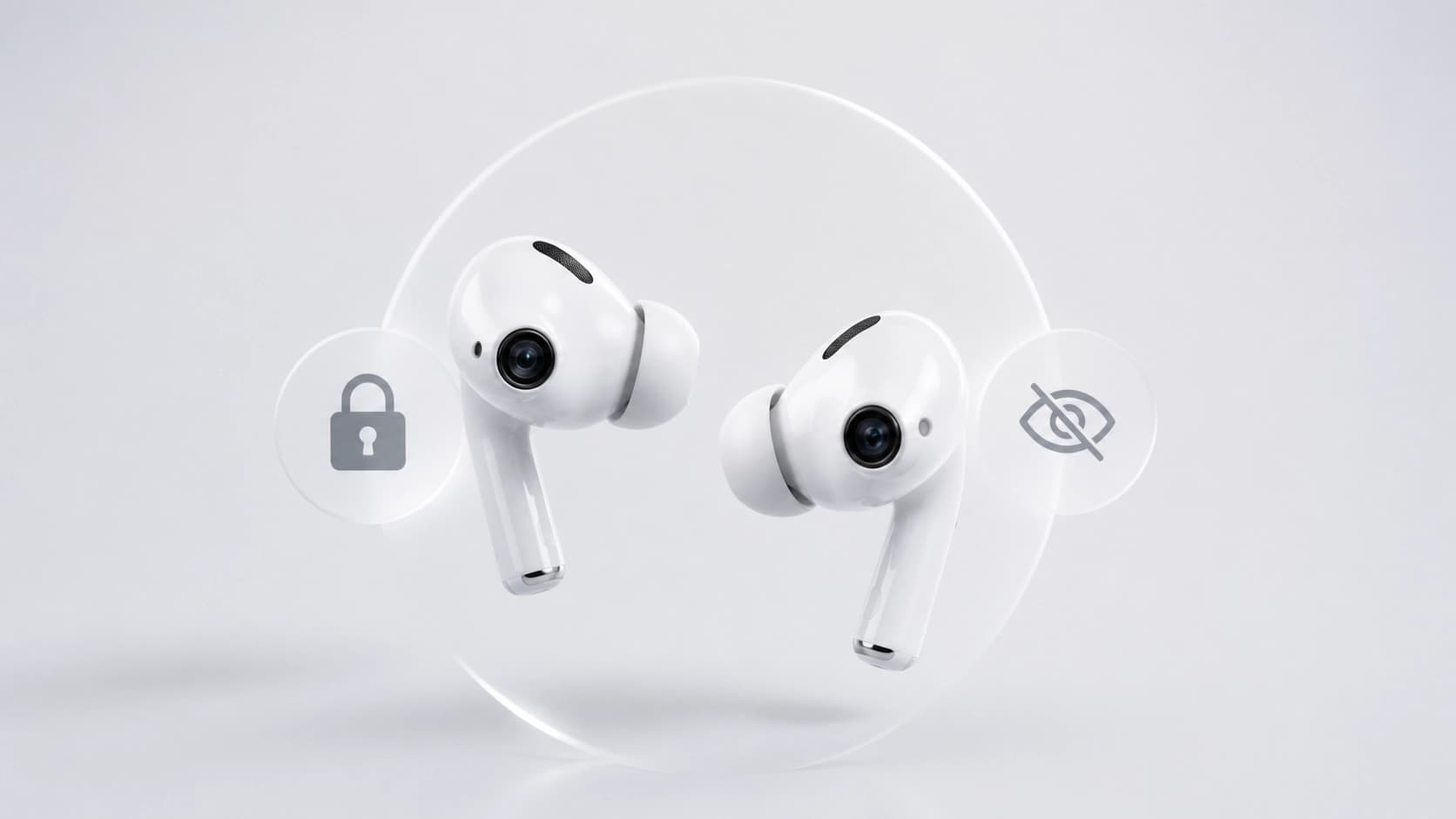
Importantly, according to Bloomberg (Mark Gurman), these cameras cannot record photos or videos. They work as "eyes" for the assistant — capturing visual information at low resolution and sending it for analysis, but not for creating media files. The cameras are located in both the right and left earbud, so the field of view is "panoramic," but extremely limited in quality.
Why AirPods won't become "invisible cameras"
Even if recording is technically impossible, the question remains: how will people around know they are being captured? Here Apple has taken an unexpected approach. Gurman reports that the new AirPods will feature an LED indicator that lights up when visual data is transmitted to the cloud. It's a compromise between transparency and convenience.
But the indicator has a downside too. First, due to the tiny size of the earbuds, the LED may be hard to notice. Second, it visually ties AirPods to those very glasses from Meta, Google, and Snap that users already greet with skepticism. Apple can control what the cameras do, but not what people think about them. It only takes the indicator failing in a single scenario for the "surveillance" rumors to resurface.
Another restraining factor is Apple's own philosophy. Covert recording contradicts not only its marketing but also its legal exposure: the company has repeatedly emphasized that privacy is a "fundamental human right." Turning AirPods into a spy gadget would mean going against its own positioning and, likely, drawing the attention of regulators.
The new Siri and a screen-free future
But why would Apple add cameras to headphones at all? The answer lies in the new version of the assistant, set to launch in September alongside iOS 27. "Vision" is meant to teach Siri to help in real time: just look at a book or at cooking ingredients to get a hint or a recipe. Cameras in AirPods are a way to interact with AI without taking your phone out of your pocket.
This is part of Apple's strategic bet on a future without constant screen use. Pedestrian navigation, quick lookups, cooking assistance — all of this can be done with voice and gestures, without being distracted by a smartphone. It sounds convenient, right up until the user stops to think: "Wait, is this earbud watching me?"
That's exactly why Apple chose low resolution, a ban on recording, and an indicator: the company wants all the benefits of a "seeing" assistant without crossing the red line of privacy. Whether this balance will work is a big question. But one thing is certain: AirPods with cameras are not built for surveillance — they're built so that Siri can finally see the world through its owner's eyes.