What to Know When Choosing an Image Generator
Choosing an AI image generator today is a bit like searching for the perfect tool in a workshop: each one has its own strengths, and there is simply no universal "best" option. We compared four popular choices — Stable Diffusion 3.5, Recraft V3, Flux 1.1 Pro, and Midjourney 6.1 — and broke down which one suits whom. Key criteria: quality, speed, customization flexibility, price, and ease of learning.
Stable Diffusion 3.5
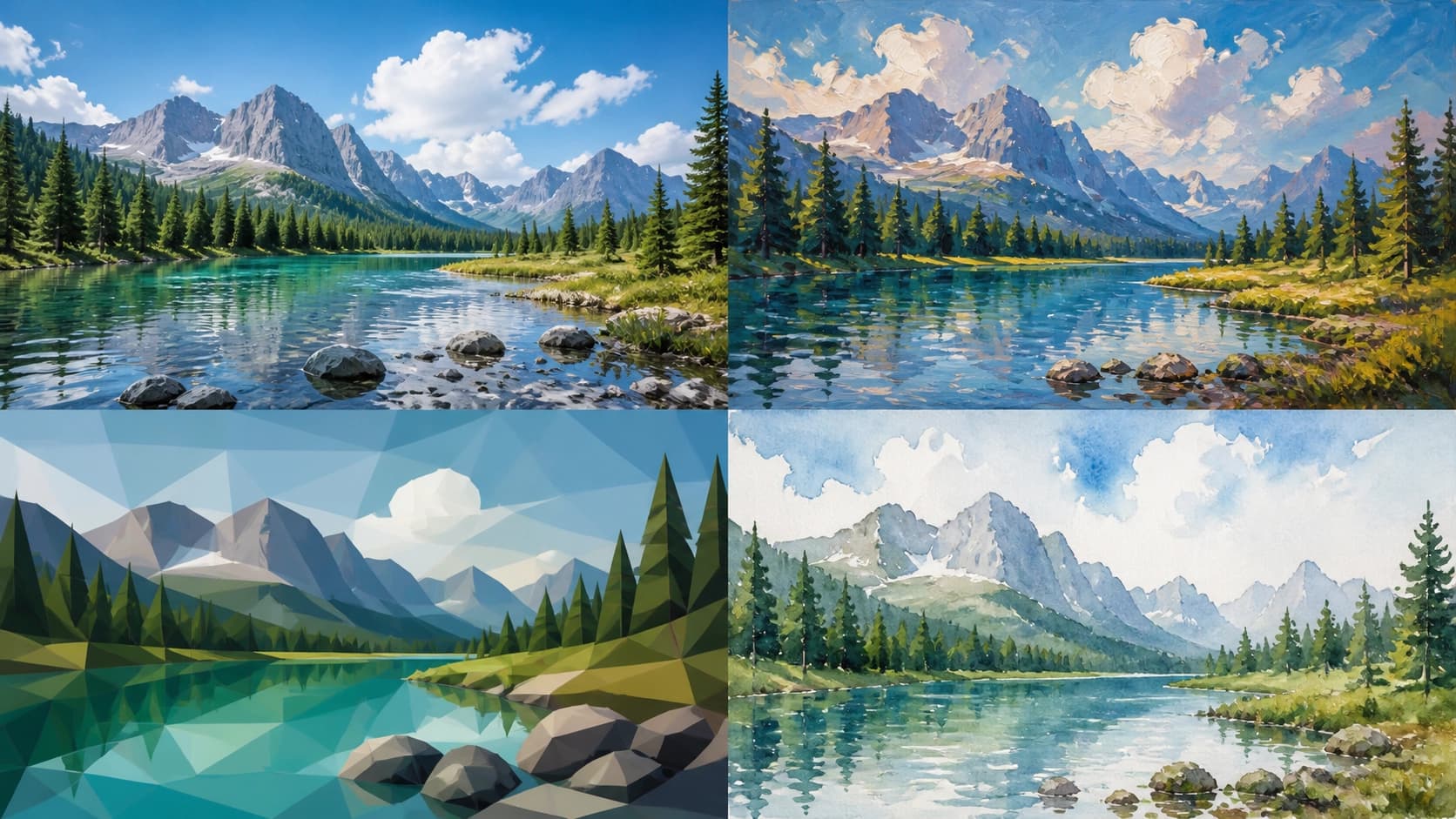
Stable Diffusion 3.5 is a free, open-source tool from Stability AI. It comes in three versions, giving users the flexibility to pick the one that fits a specific task. The developers have noticeably improved image quality and prompt accuracy: the model is less likely to "forget" details from the request. Its main highlight is deep customization: you can fine-tune the model on your own data and adjust generation parameters in detail.
Speed largely depends on your hardware. On a powerful computer, a 1080p image takes about 27 seconds to generate — decent, but not record-breaking. Visual quality is impressive: lighting and textures are rendered better than in previous versions. However, it struggles with fantastical scenes — the model may produce strange artifacts. There's also a noticeable learning curve: local installation requires understanding technical details. That said, many online services offer simplified access to this model, lowering the entry barrier.
Recraft V3 (Red Panda)
British company Recraft introduced the Recraft V3 model (also known as Red Panda), which immediately caught the industry's attention. Its ELO rating is 1172 — one of the highest among commercial generators, reflecting excellent accuracy and detail in results. A standout feature is support for not only raster but also vector images, as well as neat text insertion of any size and length directly into the image. This makes the tool indispensable for creating logos, posters, and infographics.
Images created with Recraft V3 often look hyperrealistic: the level of detail and lighting is top-tier. The model is easy to use: 50 free generations per day are available for personal purposes, while paid plans expand limits and speed up the process. Standard generation takes about 15 seconds, and paid users get access to even faster options.
Flux 1.1 Pro
Flux 1.1 Pro from Black Forest Labs takes a balanced approach: it offers high quality without sacrificing speed. The model works both in the cloud and locally, supporting multiple configurations. Ready-made presets let you get stable results right away without diving into settings. Visually, images have a soft cinematic feel that appeals to video creators and content makers.
The price is budget-friendly: about $0.04 per image, plus a free trial period. Speed is its biggest selling point: generation takes only about 10 seconds, making Flux 1.1 Pro one of the fastest in this comparison. The interface is simple and intuitive — even a beginner can figure it out.
Midjourney 6.1
Midjourney 6.1 is a long-time favorite among professional artists and illustrators. Its strength lies in creating stylized, unique images that can't be mistaken for other generators' work. If you need fantasy art, concept design, or just a recognizable "signature" style, Midjourney remains the benchmark. The tool lets you fine-tune results with sliders, though overall customization flexibility is lower than with Stable Diffusion.
The main catch is that it works through Discord. This is inconvenient for beginners, and the interface takes getting used to. The price is $10 per month or about $0.45 per image, which is pricier than competitors. Generation speed is usually fast, but delays can occur during peak hours.
Comparison in a Real Test
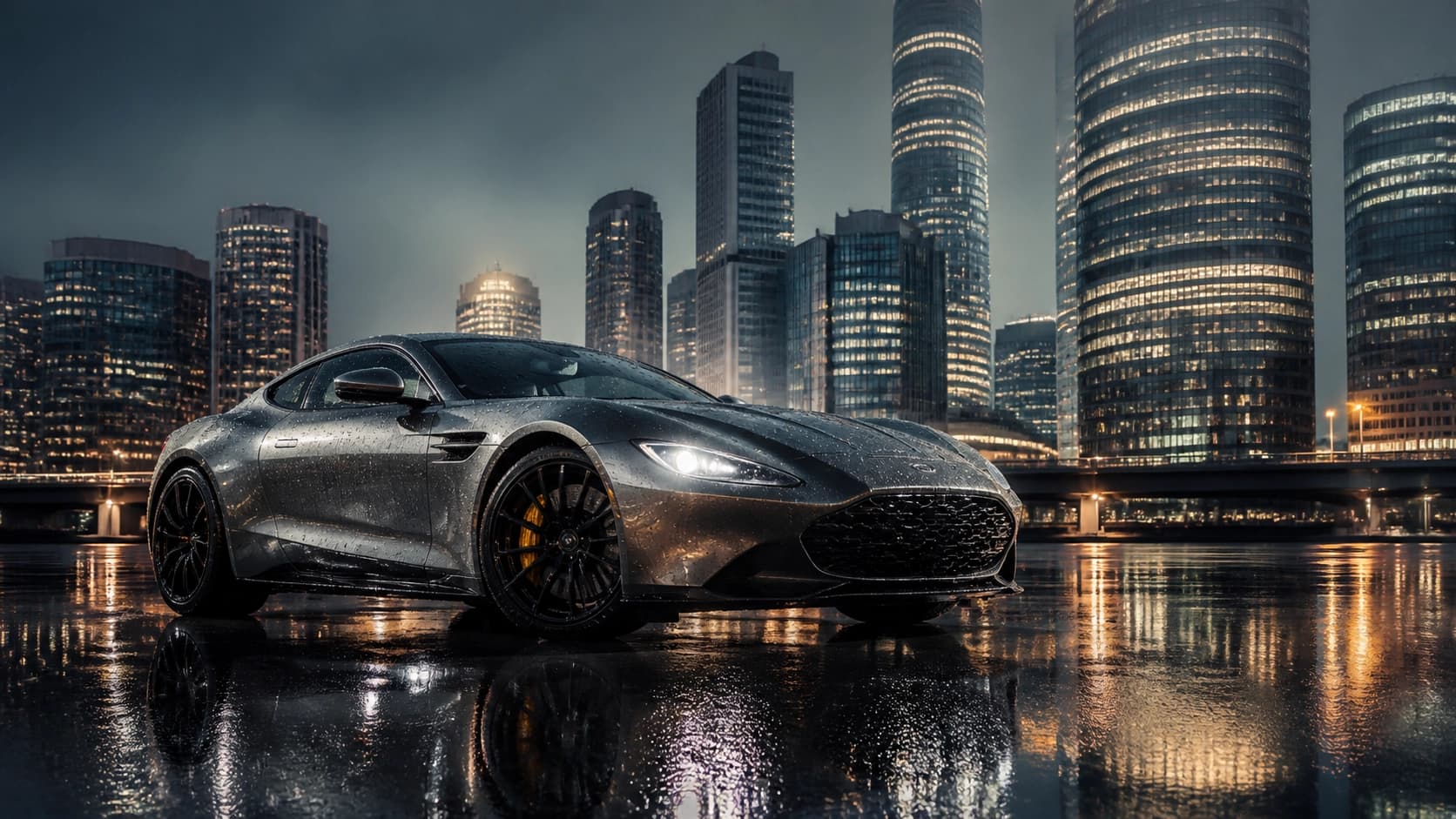
To put the models to the test, we used six different prompts, including the task "a million-dollar sports car." The results were revealing.
Stable Diffusion 3.5 captured the car's overall silhouette well, with impressive reflections on the ground and light on the body, but the upper part of the frame felt empty. The result is solid, but the composition could have been more balanced.
Recraft V3 showed a different side: the surroundings were rendered down to the smallest detail — if you didn't know the image was AI-generated, you could mistake it for a real photo. This illustrates the model's key advantage: hyperrealism and attention to detail.
Which One to Choose
There's no clear winner — it all depends on your needs.
- For tech enthusiasts and professionals who need maximum customization and local installation, Stable Diffusion 3.5 is the fit.
- Designers and marketers working with text in images and vector graphics should look at Recraft V3.
- If speed and simplicity are the priority while keeping quality, go with Flux 1.1 Pro.
- For artists and creators producing stylized concepts, Midjourney 6.1 remains the best.
In any case, most services offer free tiers or trial periods — don't hesitate to experiment and compare results on your own prompts. That's exactly how you'll find the "assistant" that best understands your creative vision.