

Zvukogram
Веб-сервис для синтеза естественной речи из текста с помощью нейросетей.

Обзор
Zvukogram
Описание нейросети Zvukogram
Zvukogram — это веб-сервис для преобразования текста в естественную речь с помощью нейросетей. Платформа позволяет переводить написанный контент в озвучку, используя более 1000 голосов, доступных на русском и ещё 150 языках.
Суть сервиса
Главная задача Zvukogram — автоматическое создание качественного голосового сопровождения из текста без необходимости записывать его в студии. Пользователь вводит текст, выбирает голос и получает готовый аудиофайл.
Ключевая особенность
Основное преимущество платформы — широкий набор настроек. Пользователь может регулировать скорость, высоту голоса, интонации и паузы, а также создавать диалоги, где реплики озвучивают разные голоса в одном файле. Готовые результаты сохраняются в форматах MP3, WAV или OGG.
Сферы применения
Сервис подходит для озвучки видео, создания аудиокниг, подкастов и описаний товаров. Он рассчитан как на разовое использование для небольших текстов, так и на обработку больших объёмов контента за одну генерацию.
Характеристики Zvukogram
| Характеристика | Значение |
|---|---|
| Тип | Текст в речь (нейросеть для синтеза речи) |
| Категории | Аудио, голоса и озвучка, голосовое генерирование |
| Поддерживаемые языки | Русский и до 150 иностранных языков |
| Количество голосов | Более 1000 (мужские, женские, детские, пожилые) |
| Цена | Условно-бесплатно |
| Бесплатный доступ | До 10 тыс. символов (10 токенов после регистрации) |
| Платный тариф | От 150 рублей (до 150 тыс. символов) |
| Оплата российскими картами | Да |
| Необходимость VPN | Нет |
| Платформы | Веб-версия, API |
| Форматы выгрузки | MP3, WAV, OGG |
| Оценка редакции | 4,9/5 (по одному из источников) |
Для кого подходит нейросеть Zvukogram?
Создатели контента
Инструмент будет полезен тем, кто ведёт YouTube-каналы, выпускает подкасты или ведёт социальные сети. Zvukogram позволяет быстро получить закадровую озвучку для видео без привлечения дикторов и студийной записи.
Видеомонтажёры и бизнес-пользователи
Сервис подходит для специалистов по монтажу, которым нужно оперативно озвучивать ролики, презентации и рекламные материалы. Он также востребован в бизнесе и маркетинге для задач с регулярным созданием аудиоконтента.
Преподаватели и изучающие языки
Для преподавателей и блогеров платформа удобна при подготовке учебных материалов и лекций. Изучающие иностранные языки могут использовать её для тренировки произношения и понимания речи на слух, а также для озвучки учебных текстов.
Как использовать нейросеть Zvukogram?
Шаг 1 — Регистрация и вход
Для начала работы необходимо зайти на официальный сайт сервиса и пройти регистрацию либо войти в существующую учётную запись. Регистрация обязательна, при этом после неё выдаются бесплатные токены.
Шаг 2 — Ввод текста и настройка
После входа нужно загрузить или ввести текст, выбрать голос и язык, а затем настроить параметры озвучки — скорость, высоту, интонации, паузы и ударения. Также можно отметить премиальные голоса с пометкой «pro», если нужен более качественный результат.
Шаг 3 — Генерация и скачивание
Нажав кнопку «Озвучить», вы запускаете синтез речи. Готовый результат можно послушать, сохранить в личном кабинете или скачать на устройство в одном из доступных форматов — MP3, WAV или OGG.
Основные функции Zvukogram
Синтез речи на нейросетях
Платформа преобразует текст в естественную речь, поддерживая более 1000 голосов — мужских, женских, детских и пожилых. Отдельно выделены премиальные голоса с пометкой «pro», которые дают более реалистичный звук.
Диалоги и мультиязычные озвучки
Zvukogram умеет создавать диалоги, где разные реплики озвучиваются разными голосами в одном файле. Поддерживается также генерация аудио сразу на нескольких языках и диалектах.
Работа с длинными текстами и нарезка
Сервис принимает до 2 млн символов за одну генерацию, что позволяет озвучивать большие объёмы без склеек. Встроенная функция Obrezka разделяет озвучку на части с помощью специального тега, избавляя от необходимости использовать сторонние программы.
Кэширование и экспорт
Повторный синтез уже озвученного текста тем же голосом выполняется бесплатно благодаря кэшированию файлов. Результаты выгружаются в форматах MP3, WAV и OGG, а интеграция через API позволяет подключать сервис к сторонним продуктам.
Преимущества Zvukogram
Широкий выбор голосов и гибкая кастомизация
Большая база из более чем 1000 дикторов — ключевое достоинство сервиса. При этом пользователь может тонко настраивать озвучку: менять скорость, ударения, паузы и высоту голоса под конкретную задачу.
Поддержка больших объёмов и экономия ресурсов
Сервис справляется с текстами до 2 млн символов за раз без склеек. Кэширование позволяет экономить токены при повторной генерации одного и того же текста тем же голосом. Функция нарезки аудио решает задачу без стороннего ПО, а интерфейс остаётся простым и понятным.
Наличие коммерческих и бесплатных возможностей
Готовые файлы разрешено использовать в коммерческих целях. Даже на бесплатном тарифе доступно достаточное количество символов для знакомства с сервисом, а редакция высоко оценивает платформу в целом.
Недостатки Zvukogram
Ограниченный бесплатный доступ
После регистрации выдаётся всего 10 бесплатных токенов. Их хватает примерно на 2 тыс. символов премиум-голосом или на 10 тыс. символов обычным голосом, чего может оказаться мало для полноценного тестирования.
Сложная система тарификации
Использование токенов, а также разделение на обычные и премиальные голоса делает систему списания запутанной. Премиум-голоса расходуют токены в пять раз быстрее, чем стандартные, что требует внимательного расчёта.
Разница в качестве голосов
Качество обычных голосов заметно уступает премиальным. В некоторых случаях в озвучке стандартными дикторами слышны «машинные» ноты, поэтому для ответственных задач может потребоваться покупка более дорогих pro-голосов.
Какие задачи решает Zvukogram
Озвучка контента и видео
Сервис помогает озвучивать тексты для YouTube, подкастов и социальных сетей, а также создавать закадровую озвучку для видео без студийной записи. Подходит он и для быстрой озвучки презентаций и описаний товаров для маркетплейсов.
Создание длинных аудиоматериалов
Платформа позволяет формировать аудиокниги и подкасты, обработка текстов до 2 млн символов за раз избавляет от необходимости склеивать файлы вручную. Также поддерживается генерация диалогов и мультиязычных аудиофайлов.
Образовательные и корпоративные цели
Zvukogram используется для тренировки произношения и понимания речи на слух при изучении иностранных языков. Для преподавателей, бизнес-консультантов и блогеров это удобный способ подготовки учебных и профессиональных аудиоматериалов.
Цены Zvukogram
Бесплатный тариф
Сервис работает на системе токенов: после регистрации выдаётся 10 бесплатных токенов. В стандартном режиме 1 токен равен 1000 символов, а в премиум-режиме — примерно 200 символов, поскольку премиальные голоса расходуют их в пять раз быстрее. Таким образом, на бесплатном тарифе доступно до 10 тыс. символов обычным голосом.
Платные пакеты
Платные тарифы начинаются от 150 рублей и покрывают до 150 тыс. символов. В прайсе встречаются и другие пакеты, например 250 рублей за 262,5 токена или 500 рублей за 550 токенов. Стоимость генерации премиальными голосами (pro) выше, чем обычными.
Условия использования Zvukogram
Регистрация и токены
Для работы с сервисом необходима регистрация. При создании учётной записи система начисляет 10 бесплатных токенов, которые можно потратить на первые генерации.
Хранение и коммерческое использование
Готовые файлы хранятся в личном кабинете в течение 30 дней. Сгенерированную озвучку разрешено использовать в коммерческих целях, что делает сервис пригодным для бизнес-задач и контент-проектов.
Доступность Zvukogram
Платформы
Сервис доступен через веб-версию (официальный сайт), а также предоставляет API для интеграции в сторонние приложения. Установка дополнительного программного обеспечения не требуется.
География и оплата
Zvukogram работает на территории России, использование VPN не требуется. Оплата платных тарифов возможна российскими картами, что удобно для локальных пользователей. Сервис поддерживает русский и до 150 других языков, а некоторые источники называют число более чем 30 языков в зависимости от версии.
Чем отличается Zvukogram от аналогов
Ключевые отличия
Главное отличие Zvukogram — в масштабе каталога голосов (более 1000) и поддержке до 150 языков, что превышает возможности многих конкурентов. При этом сервис доступен из России без VPN и принимает к оплате российские карты, тогда как ряд зарубежных аналогов, например ElevenLabs, могут требовать обходных решений.
Особенности работы
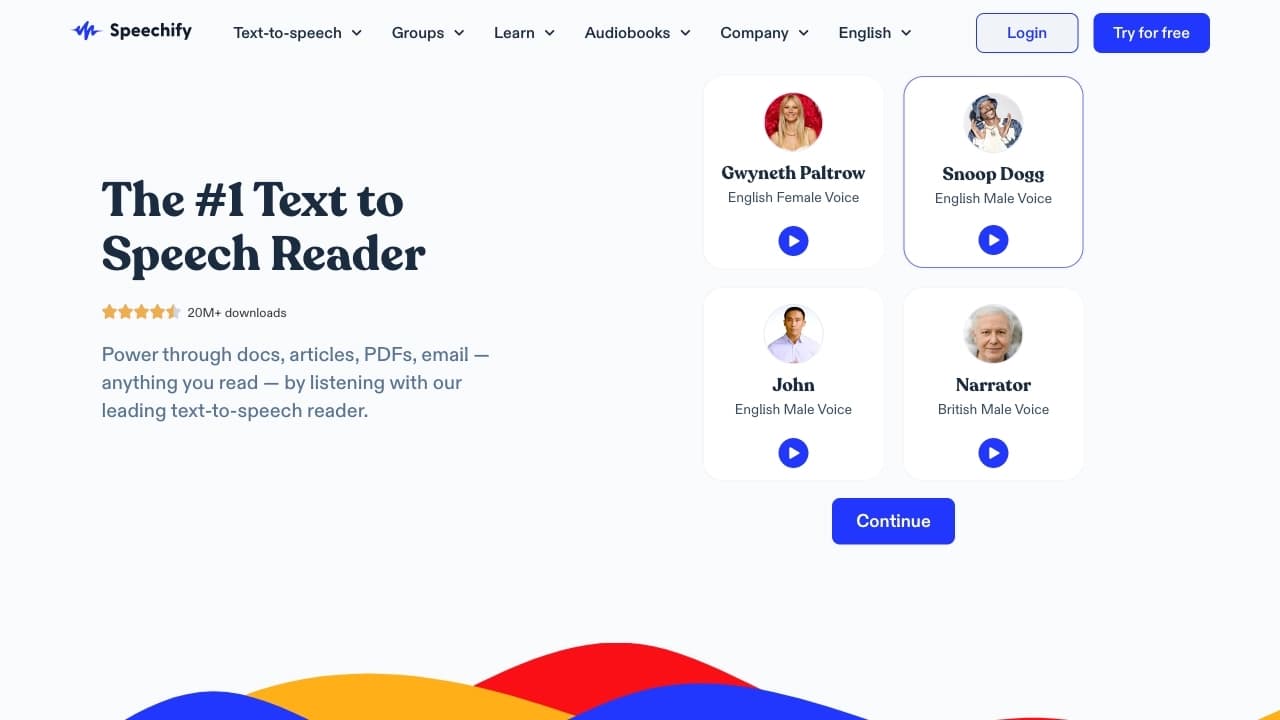
К преимуществам перед конкурентами можно отнести приём текстов до 2 млн символов за одну генерацию, кэширование повторных синтезов, встроенную нарезку аудио и возможность создавать диалоги с разными голосами в одном файле. Среди схожих сервисов упоминаются Synthesys, Speechify, Voicer и ElevenLabs, а из российских альтернатив — VeraVoice, VoiceBot и Silero TTS.
Сильные и слабые стороны
По сравнению с аналогами платформа выделяется сочетанием большого числа голосов и гибких настроек при относительно низком пороге входа. При этом система тарификации на токенах с разделением на обычные и премиальные голоса выглядит сложнее, чем у некоторых конкурентов, а бесплатный лимит в 10 токенов довольно скромный.
Заключение
Zvukogram — это функциональный и простой в использовании AI-инструмент для синтеза речи с большим каталогом голосов, поддержкой множества языков и гибкими настройками озвучки. Он подходит для озвучки видео, создания аудиокниг и подкастов, а также для образовательных и коммерческих задач. Основные ограничения связаны с небольшим бесплатным лимитом и сравнительно сложной системой тарификации, однако для русскоязычных пользователей, которым важны работа без VPN и оплата российскими картами, сервис выглядит привлекательным и удобным решением.
Тарифы
Часто задаваемые вопросы
Похожие нейросети




Смотрите также
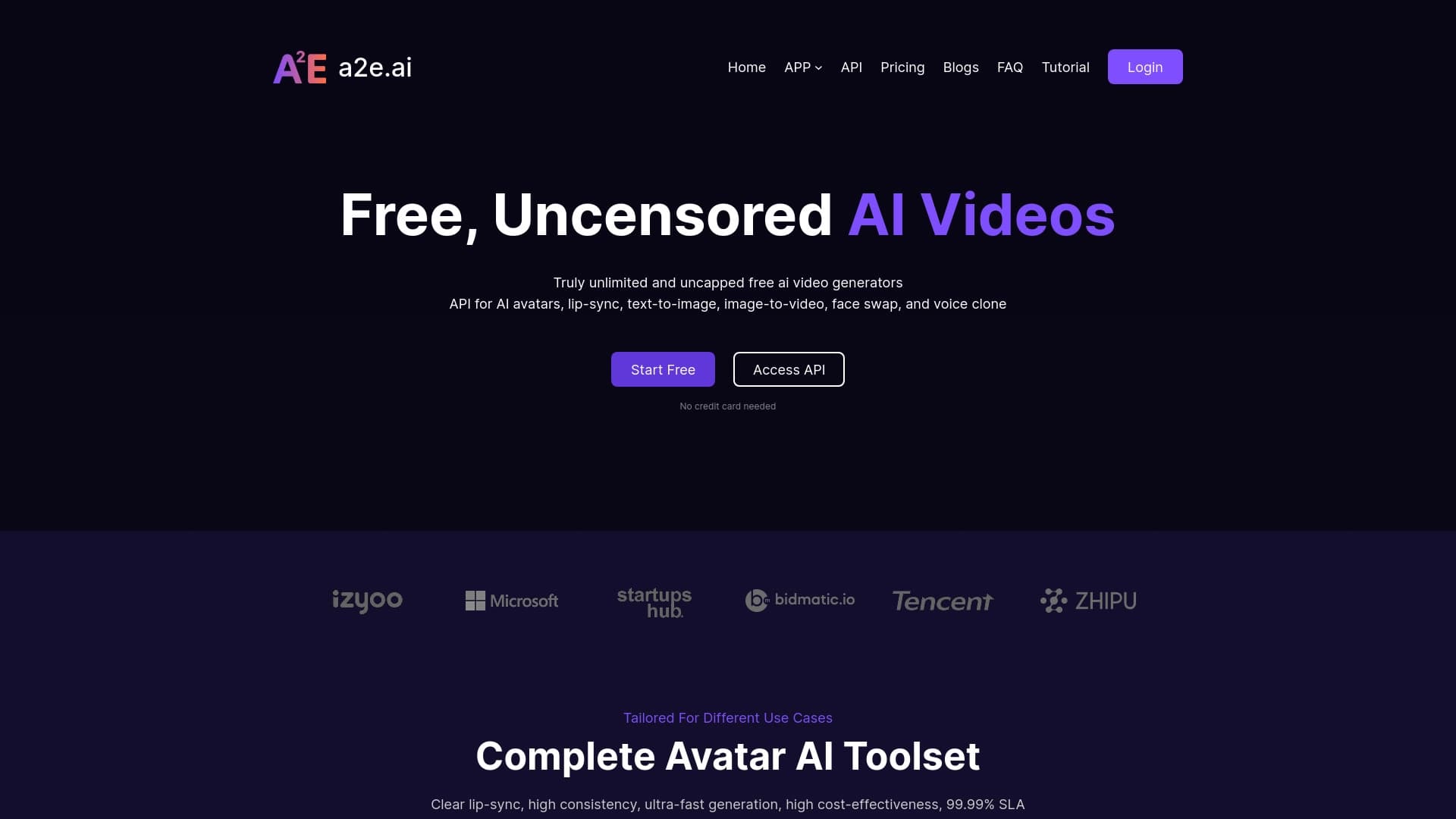

Набор инструментов для генерации и редактирования видео с помощью ИИ, включая аватары, липсинк и клонирование голоса.
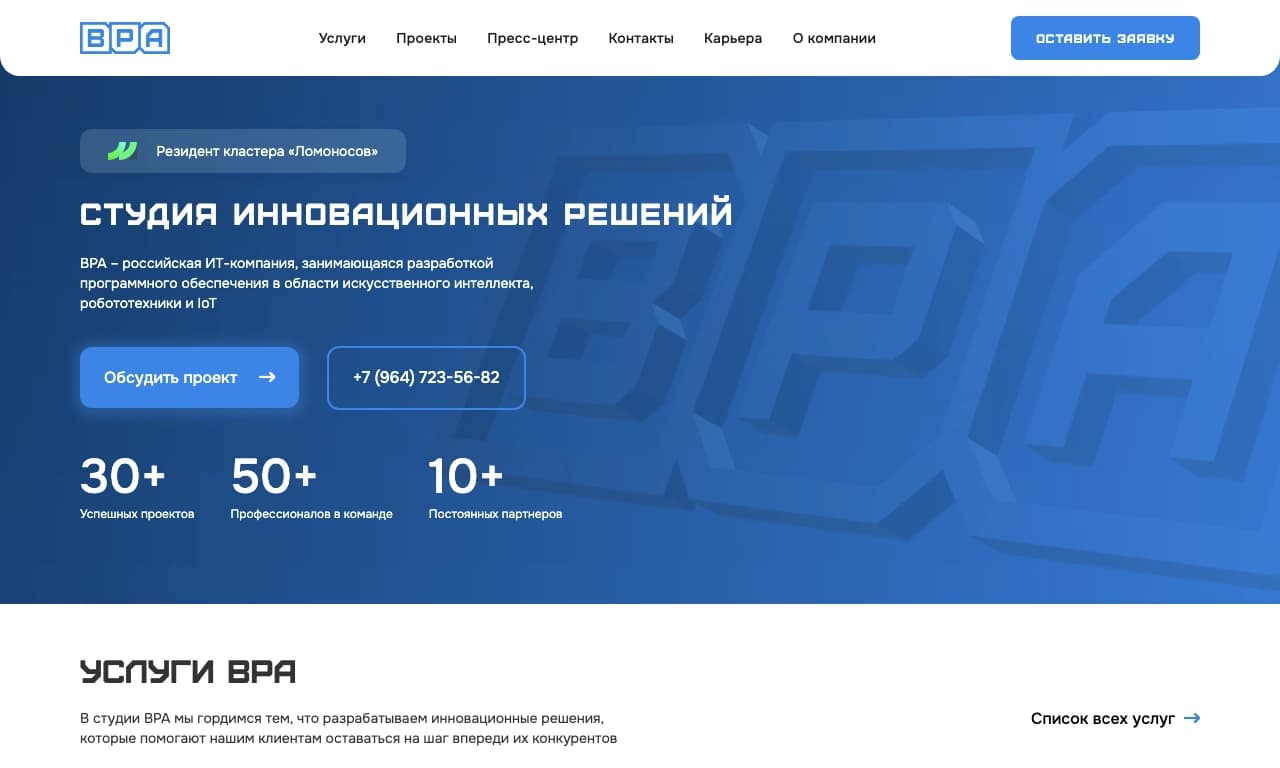

Облачная AI-платформа для автоматизации контроля чистоты в офисах и мониторинга действий сотрудников.
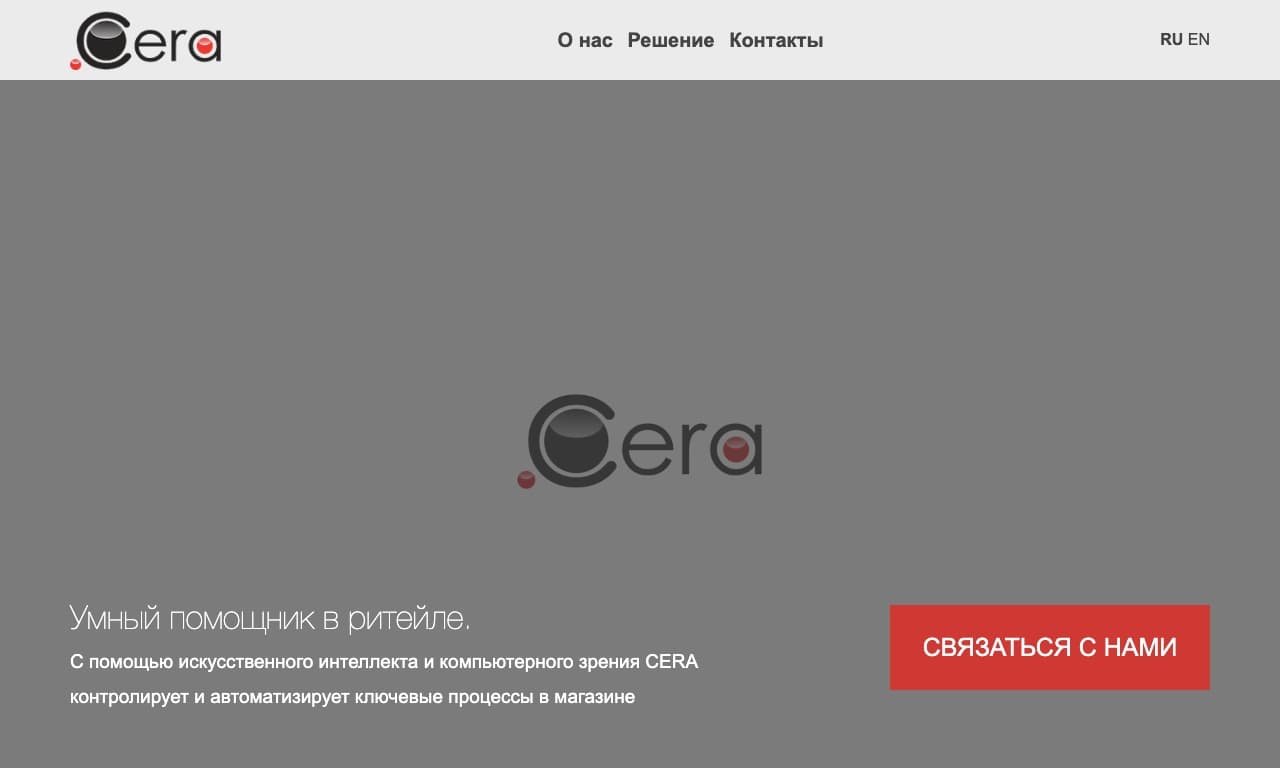
AI-помощник для автоматизации задач розничной торговли и оптимизации работы колл-центров.
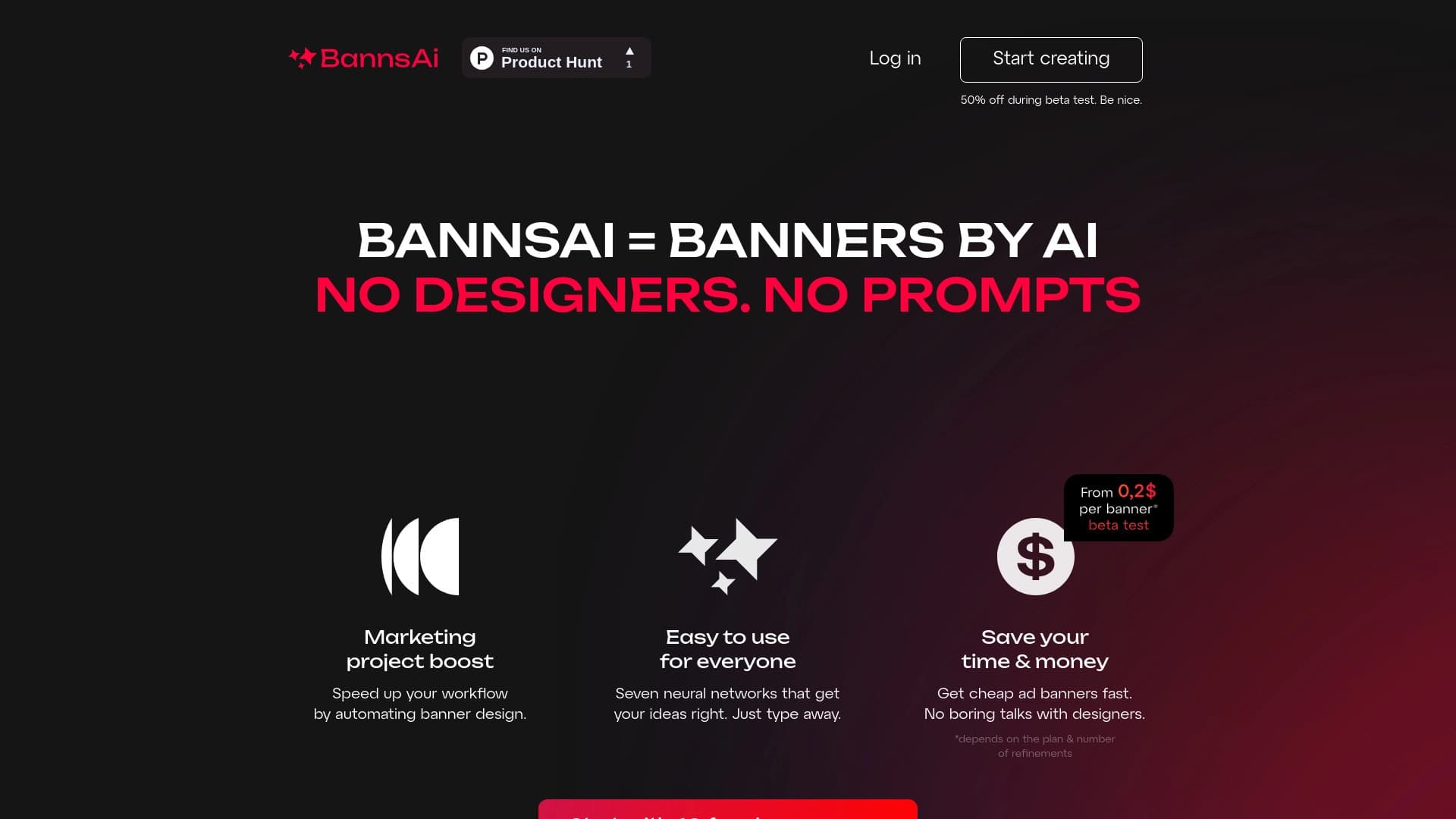

BannsAi — сервис с использованием ИИ для быстрого создания рекламных баннеров по текстовому описанию или референсу.

Сервис для живых диалогов с ИИ, включающий генерацию текста, голоса и распознавание речи.


Нейросеть для генерации SEO-оптимизированных статей и автоматизации ведения блогов.
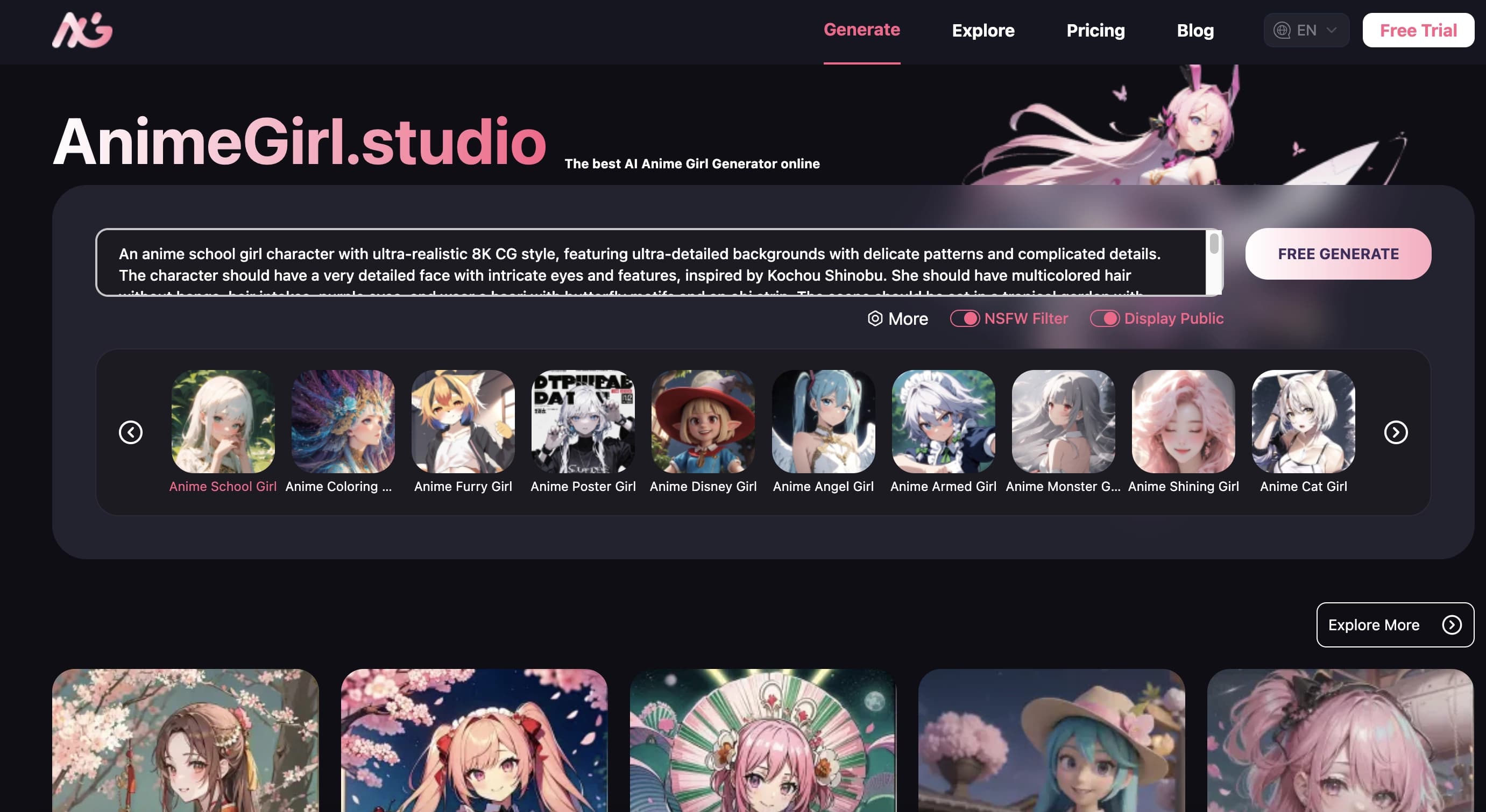

AI-генератор аниме-изображений по текстовому описанию с выбором шаблона.

Мобильное приложение для обработки фото и создания стилизованных аватаров с помощью ИИ.