
Weaviate
Платформа с открытым исходным кодом для создания AI-приложений с векторным поиском и управлением данными.

Обзор
Weaviate
Описание нейросети Weaviate
Weaviate — это платформа с открытым исходным кодом для создания AI-приложений, которая объединяет векторную базу данных, инструменты семантического и гибридного поиска, а также управление памятью для AI-систем. Платформа предоставляет разработчикам готовую инфраструктуру для построения RAG-систем (Retrieval-Augmented Generation), работы с многомерными векторами (эмбеддингами) и обработки запросов на естественном языке.
Ключевая особенность Weaviate — возможность запускать генерацию эмбеддингов непосредственно внутри платформы, без необходимости подключать внешние пайплайны. Система поддерживает мультитенантность, масштабируется до миллиардов векторов и может развертываться как в облаке, так и на собственной инфраструктуре предприятия.
Характеристики Weaviate
| Характеристика | Значение |
|---|---|
| Тип | Платформа для создания AI-приложений (векторная база данных, RAG, память) |
| Категория | AI-инструмент / База данных |
| Наличие бесплатного тарифа | Да (Free tier) |
| Открытый исходный код | Да (open-source) |
| Поддерживаемые SDK | Python, Go, TypeScript, JavaScript |
| API | GraphQL, REST |
| Количество загрузок | Более 20 млн |
| Основные компоненты | Vector Database, Query Agent, Embeddings, Engram |
Для кого подходит нейросеть Weaviate?
Разработчики AI-приложений
Weaviate ориентирована в первую очередь на разработчиков, которые создают приложения с семантическим поиском, AI-агентами, RAG-системами и персонализированным пользовательским опытом. Платформа предоставляет SDK для Python, Go, TypeScript и JavaScript, а также API на GraphQL и REST, что позволяет интегрировать её в существующие проекты с минимальными усилиями.
Стартапы и компании enterprise
Платформа подходит как для небольших стартапов, которым нужна готовая инфраструктура для быстрого прототипирования AI-продуктов, так и для крупных корпораций с высокими требованиями к безопасности, масштабируемости и соответствию стандартам (SOC 2, HIPAA, RBAC). Гибкая модель развертывания позволяет выбрать между облачной версией и установкой на собственных серверах.
Как использовать нейросеть Weaviate?
Быстрый старт
Чтобы начать работу с Weaviate, необходимо запустить кластер (в облаке или локально), подключить данные и использовать встроенные функции для автоматической векторизации, ранжирования и масштабирования. Для облачной версии требуется регистрация.
Интеграция через SDK и API
Weaviate предоставляет готовые SDK для Python, Go, TypeScript и JavaScript, а также поддерживает GraphQL и REST API. Это позволяет разработчикам взаимодействовать с базой данных напрямую из кода приложения, выполнять поиск, управлять данными и настраивать индексацию векторов.
Основные функции Weaviate
Векторная база данных
Ядро платформы — векторная база данных для хранения, индексации и поиска многомерных векторов. Она поддерживает гибридный поиск (векторный + ключевой), мультитенантность и масштабирование до миллиардов векторов.
Query Agent
Встроенный агент, который трансформирует запросы на естественном языке в оптимизированные запросы к базе данных. Это упрощает взаимодействие с системой для пользователей, не знакомых с синтаксисом запросов.
Встроенная генерация эмбеддингов
Weaviate умеет генерировать векторы из текста и изображений непосредственно внутри платформы, без необходимости настраивать внешний пайплайн эмбеддингов. Это сокращает инфраструктурные затраты и упрощает архитектуру приложения.
Engram — персонализированные AI-опыты
Компонент Engram позволяет создавать AI-решения, которые обучаются и адаптируются к каждому конкретному пользователю, обеспечивая персонализированный опыт взаимодействия.
Преимущества Weaviate
Единая платформа
Weaviate объединяет векторный поиск, RAG и управление памятью в одном продукте, что избавляет от необходимости комбинировать несколько разрозненных инструментов и упрощает архитектуру AI-приложений.
Масштабируемость и открытый исходный код
Архитектура платформы рассчитана на работу с миллиардами векторов. Открытый исходный код даёт возможность изучать, модифицировать и адаптировать систему под конкретные задачи без привязки к вендору.
Enterprise-готовность
Weaviate соответствует корпоративным требованиям: поддерживает управление доступом (RBAC), безопасность на уровне предприятия, стандарты SOC 2 и HIPAA. Платформа может быть развернута как в собственном облаке организации, так и в инфраструктуре облачного провайдера.
Недостатки Weaviate
Как и любой инструмент, Weaviate имеет ограничения. Для полноценного использования некоторых функций может потребоваться настройка и знание архитектуры векторных баз данных. При работе с очень специфическими сценариями или нестандартными моделями эмбеддингов может понадобиться дополнительная интеграция. Кроме того, облачная версия требует регистрации и оплаты при превышении лимитов бесплатного тарифа.
Какие задачи решает Weaviate
Построение AI-приложений с семантическим и гибридным поиском
Платформа позволяет реализовать поиск не по ключевым словам, а по смыслу, комбинируя векторный и традиционный текстовый поиск для максимально релевантных результатов.
Реализация RAG (Retrieval-Augmented Generation)
Weaviate предоставляет готовую инфраструктуру для построения RAG-систем, где сначала выполняется поиск релевантных данных в векторной базе, а затем переданный контекст используется языковыми моделями для генерации ответа.
Обработка и поиск по многомерным векторам
Система решает задачи хранения, индексации и быстрого поиска среди миллиардов многомерных векторов, что требуется в recommendation systems, поиске изображений, анализе текстов и других AI-сценариях.
Упрощение инфраструктуры для AI-продуктов
Weaviate заменяет собой несколько отдельных систем (векторная база, пайплайн эмбеддингов, система управления памятью), что снижает сложность инфраструктуры и затраты на её поддержку.
Цены Weaviate
Weaviate работает по модели freemium. Доступен бесплатный тариф (Free tier) с базовыми возможностями, позволяющий ознакомиться с платформой и начать разработку. Для более интенсивного использования применяется оплата по фактическому потреблению (usage-based pricing). Для крупных организаций предусмотрены корпоративные опции с индивидуальными условиями (Enterprise options).
Условия использования Weaviate
Для использования облачной версии необходима регистрация на платформе. При желании Weaviate можно развернуть на собственной инфраструктуре, что особенно актуально для компаний с требованиями к конфиденциальности данных и локальному размещению. Исходный код доступен по открытой лицензии.
Доступность Weaviate
Платформа доступна в двух вариантах: как облачный сервис (SaaS) и как решение для развертывания в собственном дата-центре. Для разработки и интеграции предоставляются SDK для Python, Go, TypeScript и JavaScript, а также API на GraphQL и REST. Это обеспечивает гибкость при выборе стека технологий и способа развертывания.
Чем отличается Weaviate от аналогов
Комбинация векторной БД и AI-инструментов
В отличие от многих векторных баз данных, которые представляют собой纯粹的инфраструктурный слой, Weaviate включает в себя встроенные AI-компоненты: Query Agent для обработки естественного языка, Engram для персонализации и собственную генерацию эмбеддингов. Это делает платформу не просто хранилищем векторов, а полноценной средой для построения AI-приложений.
Открытый исходный код и enterprise-функции
Weaviate сочетает преимущества open-source продукта (прозрачность, гибкость, отсутствие vendor lock-in) с возможностями, характерными для корпоративных решений: поддержка RBAC, соответствие SOC 2 и HIPAA, масштабирование до миллиардов векторов. Многие аналоги предлагают либо одно, либо другое.
Развёртывание в любом окружении
Weaviate можно запускать как в собственном облаке предприятия, так и в облаке провайдера, в то время как некоторые конкуренты ограничивают развертывание только своей облачной инфраструктурой.
Заключение
Weaviate — это open-source платформа, объединяющая векторную базу данных, инструменты RAG, встроенную генерацию эмбеддингов и средства персонализации AI-опыта. Она подходит для разработчиков AI-приложений любого масштаба — от прототипов до корпоративных систем с миллиардами векторов. Гибкая модель развертывания, поддержка популярных языков программирования и соответствие enterprise-стандартам делают Weaviate универсальным решением для построения семантического поиска, AI-агентов и RAG-систем.
Тарифы
Часто задаваемые вопросы
Смотрите также

Онлайн-платформа для синтеза речи с использованием ИИ, позволяющая генерировать аудио с голосами известных персонажей и знаменитостей.

AI-платформа для создания и редактирования видео, работающая прямо в браузере Chrome.


Открытая платформа для генерации изображений и другого визуального контента по текстовым описаниям с помощью ИИ.
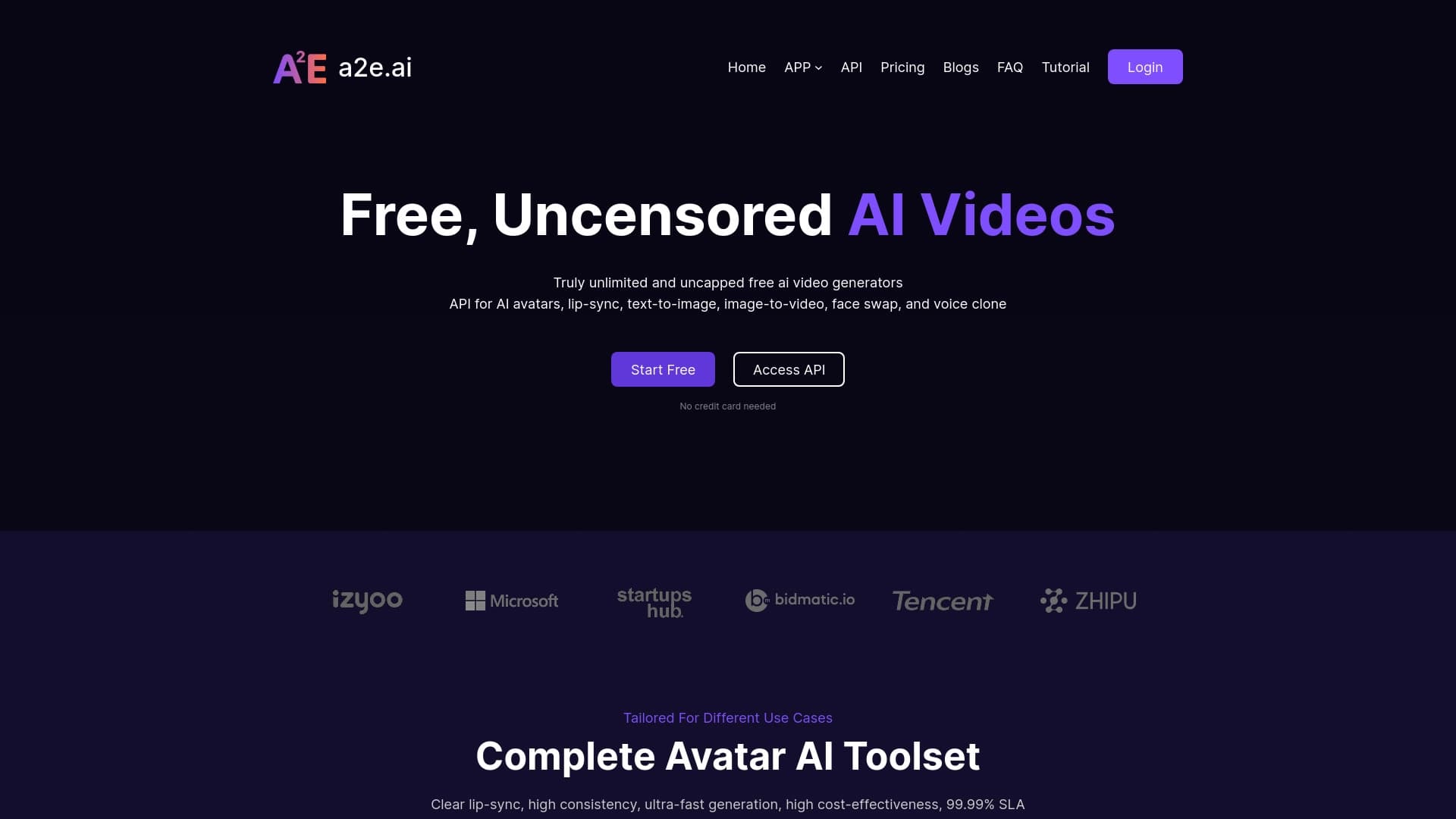

Набор инструментов для генерации и редактирования видео с помощью ИИ, включая аватары, липсинк и клонирование голоса.


ИИ-ассистент для создания текстового контента, изображений и работы с голосом, ориентированный на русскоязычных пользователей.
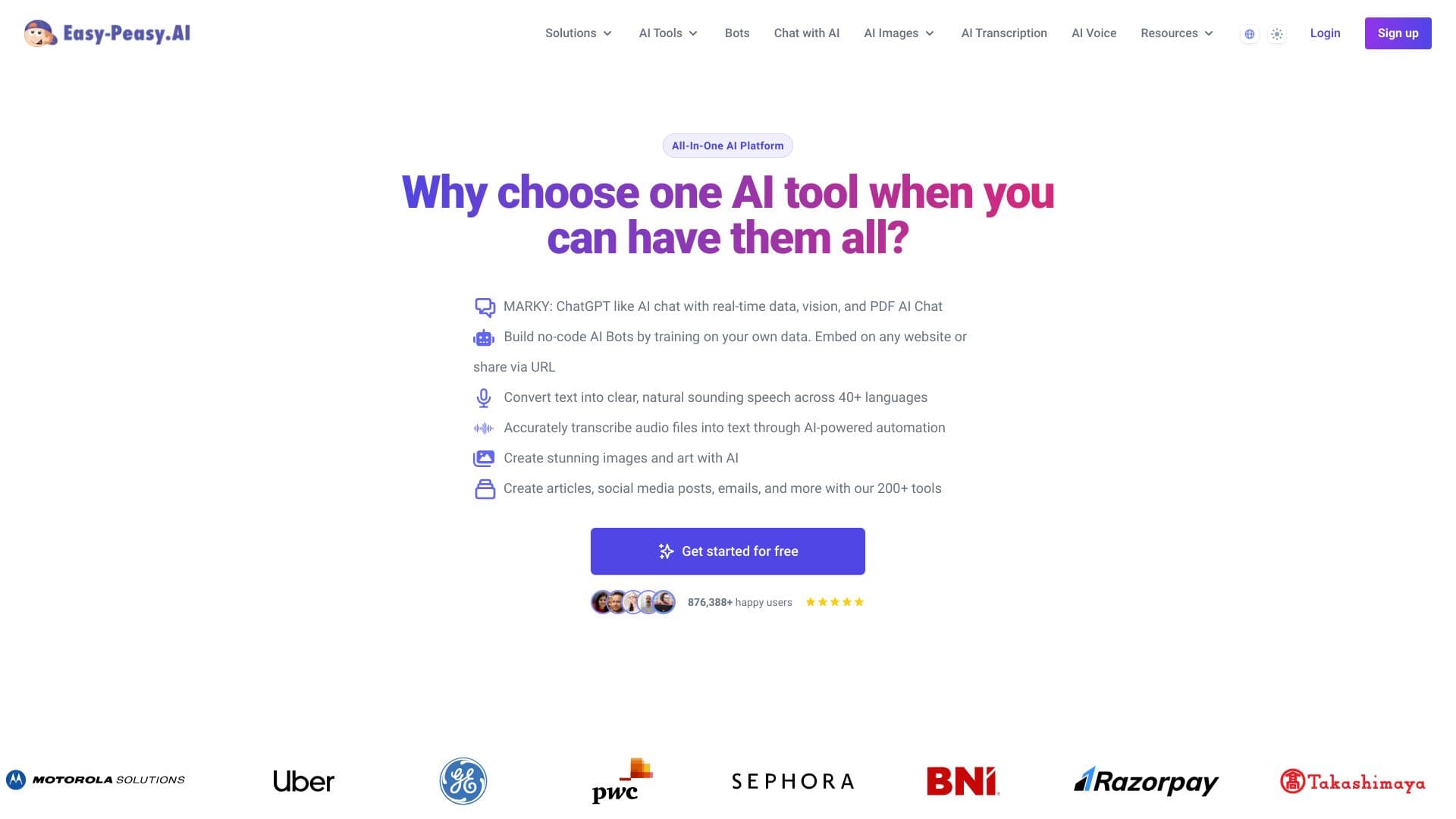

Многофункциональный AI-ассистент для генерации текстов, изображений и аудио.
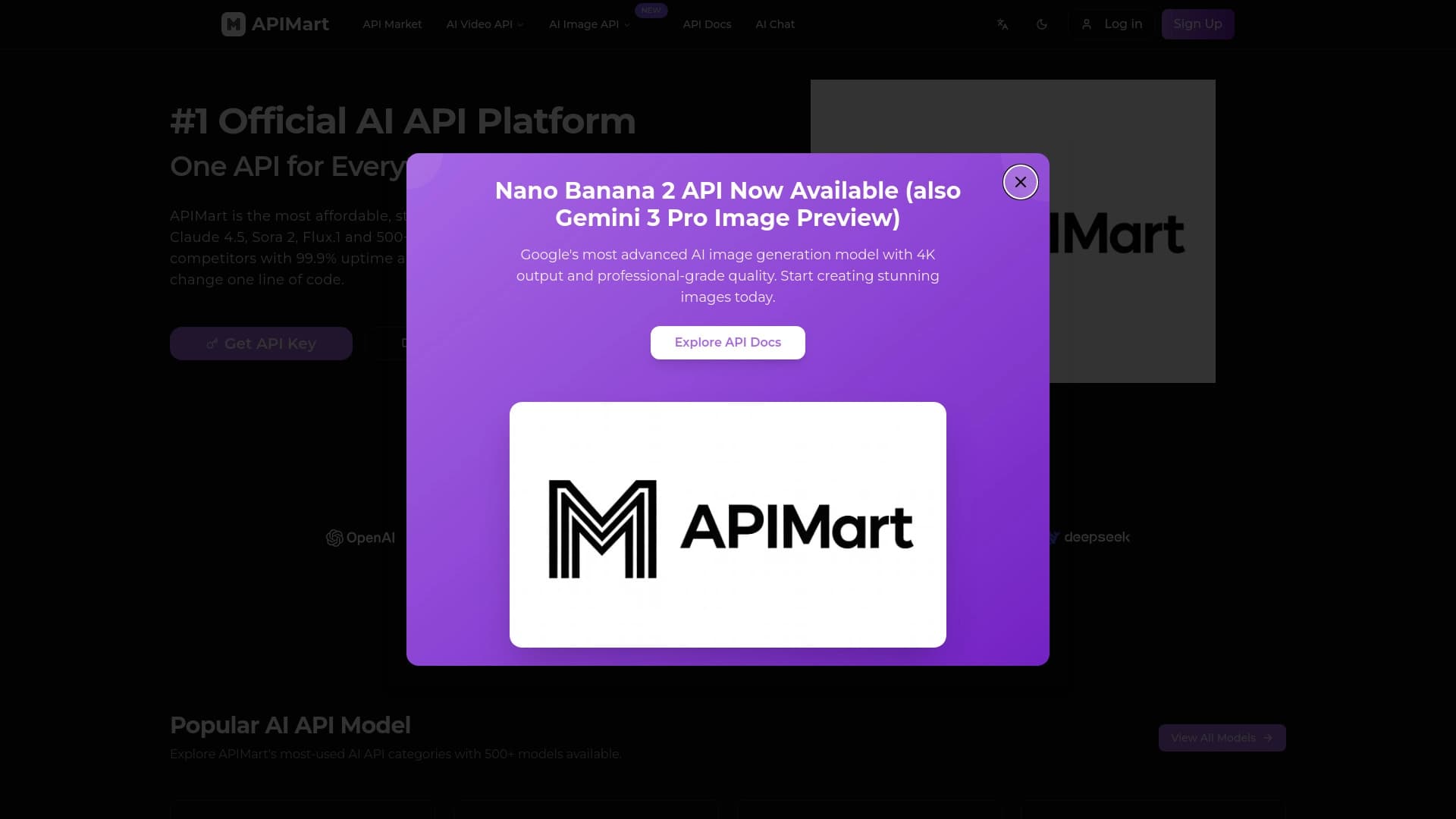
Единый API-доступ к более чем 500 моделям искусственного интеллекта, включая GPT-5 и Claude 4.5, с возможностью экономии на затратах.
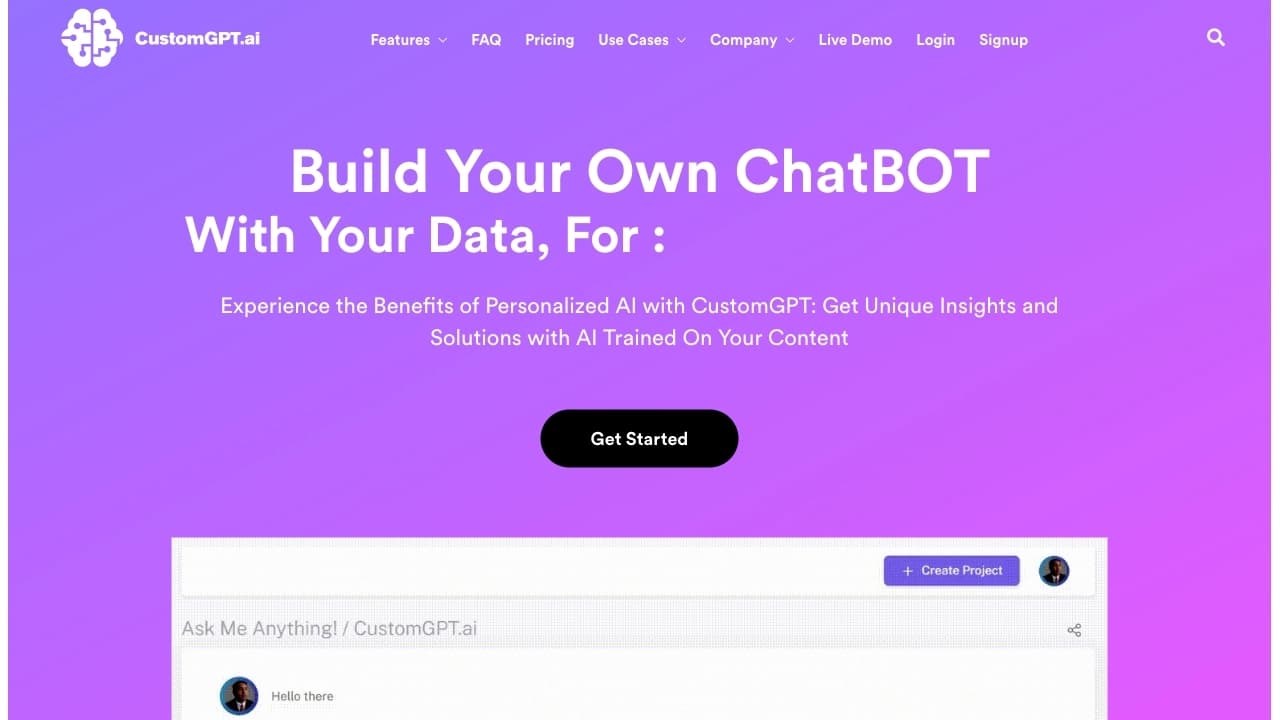

Платформа для создания корпоративных чат-ботов на основе собственных документов без программирования.