
Verbatik
Сервис синтеза речи из текста с обширной библиотекой естественно звучащих голосов и функцией клонирования голоса.
Обзор
Verbatik
Описание нейросети Verbatik
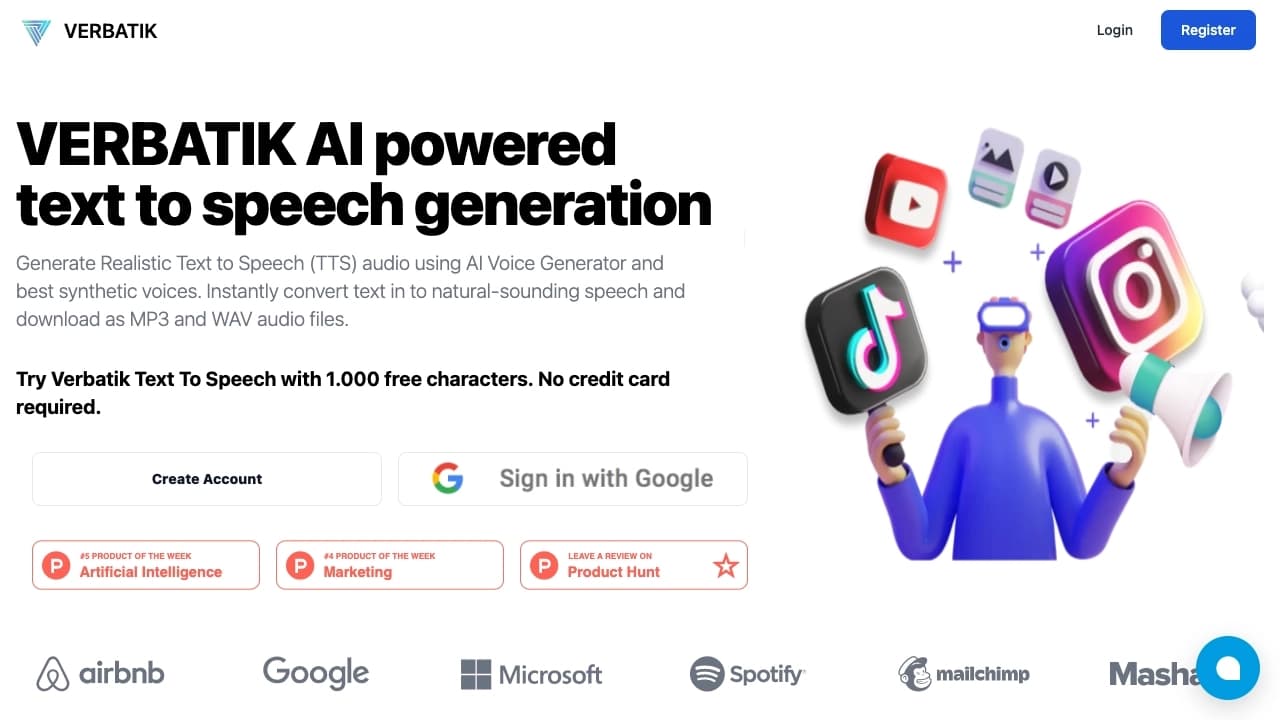
Verbatik — это онлайн-сервис синтеза речи, который преобразует написанный текст в естественно звучащее аудио. В основе работы лежат технологии машинного обучения, позволяющие создавать голоса, близкие по тембру и интонации к человеческим.
Как работает сервис
Пользователь вставляет текст, выбирает подходящий голос из библиотеки и получает готовый аудиофайл. Нейросеть автоматически обрабатывает произношение, расставляет паузы и ударения, чтобы речь звучала живо и естественно, а не как механическое зачитывание.
Ключевое направление
Главная специализация Verbatik — качественная озвучка текстов. Дополнительно сервис предлагает клонирование голоса по короткому аудиообразцу, что расширяет возможности для создания контента.
Характеристики Verbatik
| Характеристика | Значение |
|---|---|
| Бизнес-модель | Freemium |
| Категория | Озвучка текста |
| Количество голосов | Сотни (более 600) |
| Количество языков | 142–150 и более, включая акценты |
| Клонирование голоса | Да |
| Форматы выгрузки | MP3, WAV |
| Доступность | Онлайн-сервис |
| Дата первой публикации на каталоге | 07-03-2023 |
Для кого подходит нейросеть Verbatik?
Сервис рассчитан на широкий круг пользователей, которым нужна качественная озвучка без записи в студии.
Создатели подкастов и видеоблогеры
Тем, кто регулярно выпускает аудио- и видеоконтент, Verbatik помогает быстро получать профессиональные голоса для заставок, вступлений и целых эпизодов без привлечения диктора.
Разработчики приложений
Команды, создающие продукты с голосовыми функциями, могут интегрировать генерацию речи в свои интерфейсы — например, для озвучивания уведомлений, помощников и обучающих элементов.
Преподаватели и маркетологи
Педагоги могут озвучивать учебные материалы и курсы, а маркетологи — создавать рекламные ролики и презентации с готовой начиткой за считаные минуты.
Как использовать нейросеть Verbatik?
Работа с сервисом построена просто и не требует технических навыков.
Шаг 1: Вставьте текст
В рабочую область сервиса вводится исходный текст, который нужно озвучить. Это может быть абзац, целая глава или рекламный сценарий.
Шаг 2: Выберите голос
Из обширной библиотеки выбирается подходящий диктор с учётом языка, акцента и тембра. Сервис сам разберётся с интонациями, паузами и ударениями в тексте.
Шаг 3: Скачайте результат
После генерации готовое аудио сохраняется в формате MP3 или WAV и может сразу использоваться в проекте.
Основные функции Verbatik
Синтез речи с естественными интонациями
Сервис превращает текст в речь, стараясь воспроизвести живые человеческие интонации, а не монотонное зачитывание.
Большая библиотека голосов
В распоряжении пользователей сотни голосов с человеческим звучанием на десятках языков и акцентов, включая редкие языковые направления.
Клонирование голоса
По короткому аудиообразцу можно создать индивидуальный голос для дальнейшего использования в генерации контента, когда физическая запись невозможна.
Преимущества Verbatik
Качественное звучание
Синтезированная речь звучит естественно и мало отличима от настоящего человеческого голоса, что особенно важно для озвучки и подкастов.
Большой выбор голосов и языков
Библиотека покрывает множество языков, в том числе редкие варианты (например, исландский), что сложно найти у многих конкурентов.
Высокая скорость генерации
Озвучка создаётся быстро, что позволяет работать над большими объёмами текста без длительного ожидания.
Недостатки Verbatik
Конкретные ограничения и недоработки сервиса в доступных данных отдельно не перечислены. Как и у большинства freemium-решений, бесплатный тариф, вероятно, имеет лимиты на количество символов, длительность аудио или число доступных голосов, однако точных цифр в источниках не приводится. Также эффективность клонирования голоса зависит от качества загруженного аудиообразца.
Какие задачи решает Verbatik
Озвучка образовательного контента
Сервис подходит для создания озвучки обучающих видео и презентаций, экономя время преподавателей и авторов курсов.
Аудиокниги и подкасты
Verbatik позволяет начитывать длинные тексты для аудиокниг и выпусков подкастов, обеспечивая стабильное качество голоса.
Реклама и клонирование голоса
Инструмент справляется с созданием рекламных роликов, а функция клонирования голоса помогает выпускать контент, когда физическая запись диктора невозможна.
Цены Verbatik
Verbatik работает по модели freemium: существует бесплатный тариф с возможностью перехода на платные планы. Конкретные цифры стоимости и объёмы лимитов в доступных данных не уточняются.
Условия использования Verbatik
Подробные условия использования в исходных данных отдельно не описаны. Как и в аналогичных TTS-сервисах, на бесплатном тарифе обычно действуют ограничения по объёму текстогенерации, а платные upgrade расширяют лимиты и набор доступных функций, однако точные детали в источниках не приводятся.
Доступность Verbatik
Сервис доступен онлайн — для работы не требуется установка дополнительного программного обеспечения, достаточно использовать его через интернет-браузер.
Чем отличается Verbatik от аналогов
Главное отличие Verbatik — сочетание трёх сильных сторон: очень большого числа естественно звучащих голосов (сотни вариантов), широкой языковой поддержки, включая редкие языки вроде исландского, и встроенной функции клонирования голоса по короткому образцу. Такая комбинация делает сервис универсальным решением как для простой озвучки текстов, так и для более сложных сценариев, связанных с индивидуальными голосами.
Заключение
Verbatik — это практичный сервис синтеза речи из текста, который превращает написанное в естественно звучащее аудио с помощью ИИ. Он подходит и профессионалам, и творческим людям благодаря большому выбору голосов, поддержке множества языков и функции клонирования голоса, позволяя быстро получать качественную озвучку для подкастов, видеоуроков, аудиокниг и рекламных проектов.
Часто задаваемые вопросы
Смотрите также
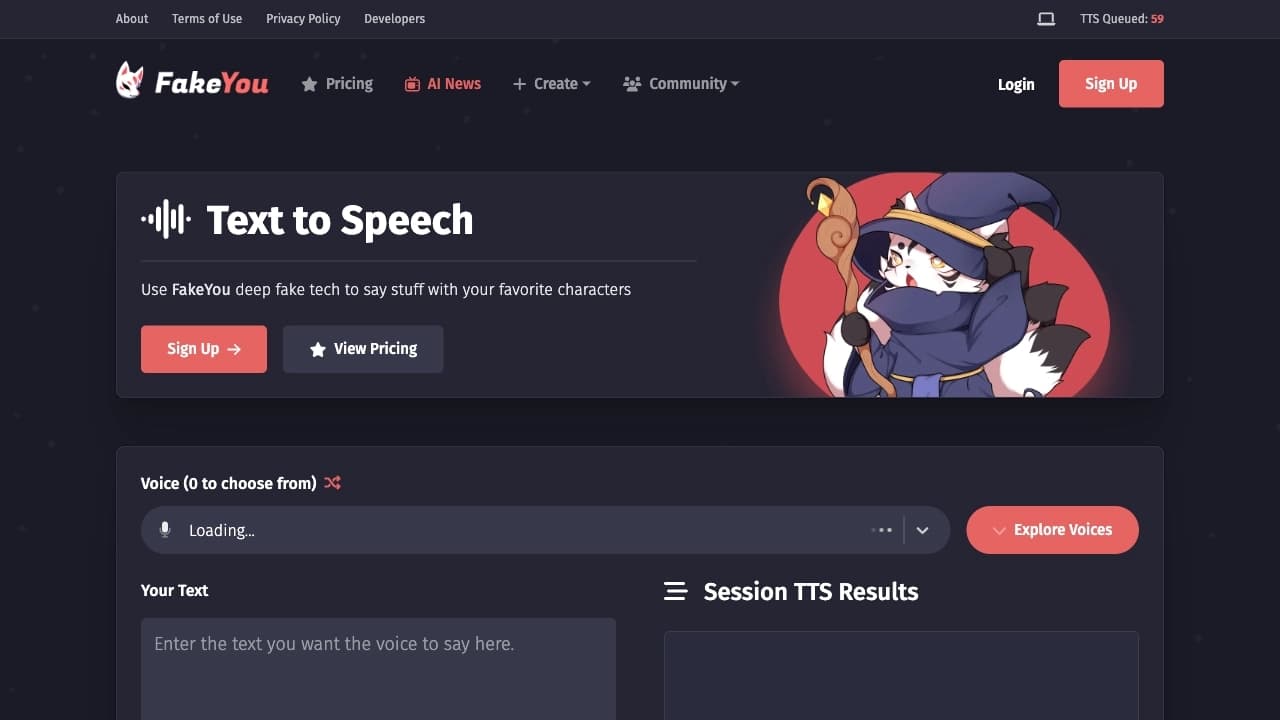

Онлайн-платформа для синтеза речи с использованием ИИ, позволяющая генерировать аудио с голосами известных персонажей и знаменитостей.
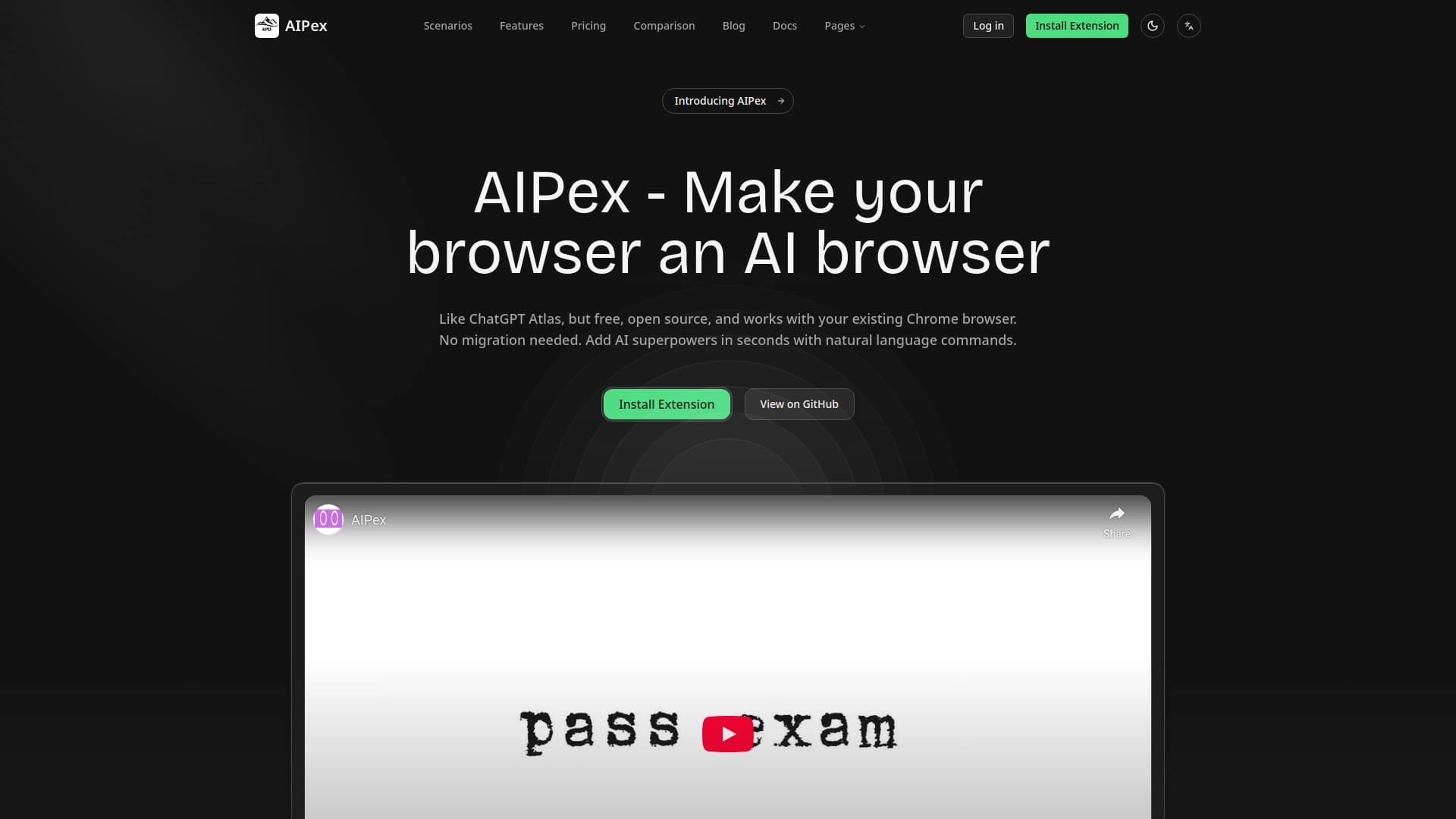

Расширение для Chrome, которое помогает управлять вкладками, историей и закладками с помощью ИИ-ассистента.


ИИ-ассистент для создания текстового контента, изображений и работы с голосом, ориентированный на русскоязычных пользователей.

Открытая платформа для генерации изображений и другого визуального контента по текстовым описаниям с помощью ИИ.

Сервис для быстрой генерации электронных книг по заданной теме.

AI-помощник для быстрого создания и редактирования текстов в различных форматах.
Каталог AI-инструментов с обучающими материалами и руководствами для подбора нейросетей.
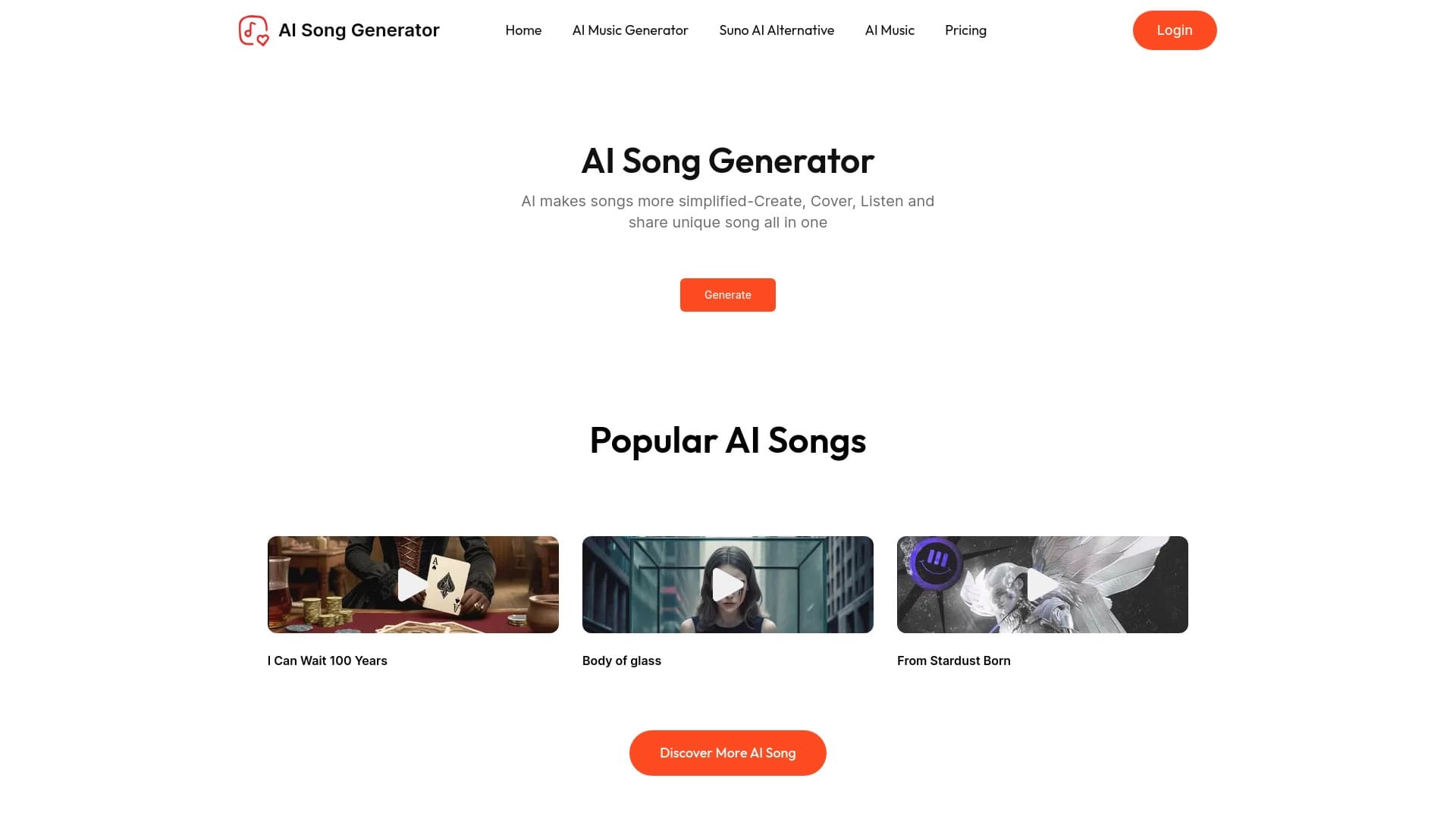
Онлайн-сервис, который с помощью ИИ создаёт песни и музыку, поддерживая как простые текстовые описания трека, так и загрузку собственных текстов.