

Tabby
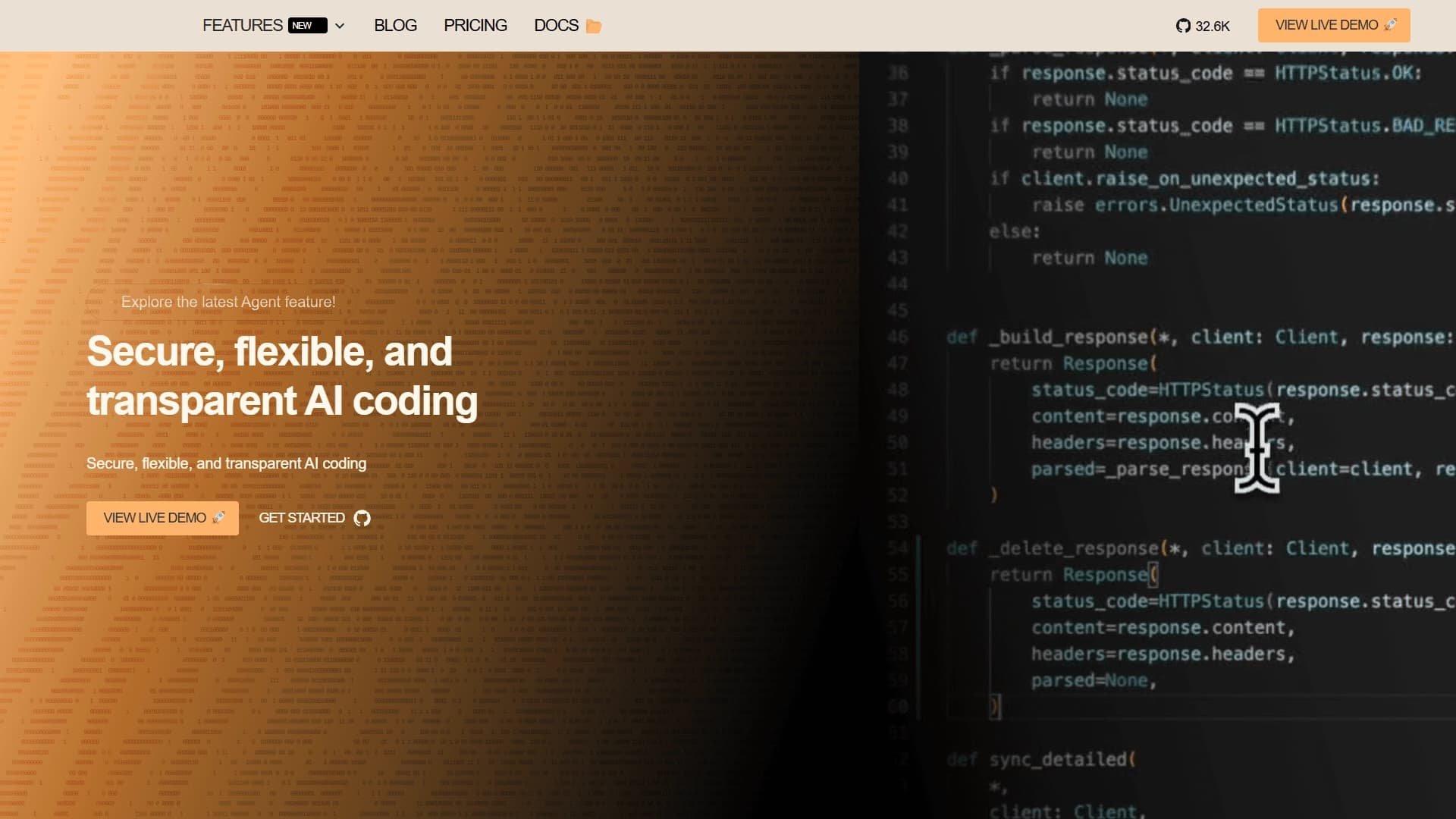
Tabby — это open-source self-hosted AI-ассистент для программирования, который предоставляет автодополнение кода и встроенный чат, работая локально или на собственных серверах для полного контроля над данными.
Обзор
Tabby
Описание нейросети Tabby
Tabby — это открытый AI-ассистент для программирования с самостоятельным развёртыванием (self-hosted). Его ключевая особенность в том, что инструмент работает на локальном компьютере или на собственных серверах команды, поэтому код не покидает пределы рабочей среды и не отправляется в облачные сервисы.
Продукт решает главную проблему, с которой сталкиваются разработчики при использовании облачных ИИ-помощников, — вопрос приватности и контроля над данными. Все вычисления выполняются в локальной инфраструктуре, что особенно важно для компаний с высокими требованиями к безопасности. При этом Tabby остаётся полностью бесплатным инструментом с открытым исходным кодом, который можно дорабатывать и настраивать под собственный стек.
Что делает Tabby
- Предоставляет автодополнение кода и контекстные подсказки в редакторе.
- Включает встроенный ИИ-чат для ответов на вопросы по проекту.
- Поддерживает агентные возможности для рефакторинга и генерации фрагментов.
Характеристики Tabby
| Характеристика | Значение |
|---|---|
| Тип | AI-ассистент для программирования |
| Категория | Ассистенты для кода, генерация кода, open-source нейросети, для разработчиков |
| Архитектура | Self-hosted, открытый исходный код |
| Модель распространения | Бесплатно (free) |
| Работа без интернета | Да (локальный компьютер) |
| Интеграция | OpenAPI, IDE, Cloud IDE |
| Поддерживаемые платформы | WEB, PC, IDE |
| Поддерживаемые LLM | CodeLlama, StarCoder, CodeGen |
| Дата релиза | 2024 |
| Разработчик | TabbyML, Inc. |
| Веб-сайт | tabby.tabbyml.com |
| Русский язык и интерфейс | Не поддерживаются |
| Необходимость VPN | Нет |
Для кого подходит нейросеть Tabby?
Отдельные разработчики
Инструмент подойдёт программистам, которые хотят ускорить написание кода и получать качественные подсказки без необходимости отправлять свои наработки на внешние серверы. Открытый исходный код также делает Tabby привлекательным для тех, кто хочет понимать, как именно работает ИИ-помощник.
Команды с высокими требованиями к безопасности
Особенно релевантен Tabby для финтех-компаний, медицинских организаций и других сфер с жёсткими требованиями к защите данных. Поскольку весь код остаётся внутри периметра компании, инструмент подходит как небольшим командам из двух разработчиков, так и крупным корпорациям с тысячами сотрудников.
AI-эксперты и EngOps-команды
Для специалистов, которые занимаются настройкой и улучшением моделей, Tabby предоставляет гибкие возможности: можно подключать и комбинировать различные языковые модели, а также настраивать их под специфику проекта.
Как использовать нейросеть Tabby?
Локальное развёртывание
Для начала работы нужно установить и развернуть сервис на собственном компьютере или серверах. После этого автодополнение кода и встроенный ИИ-чат работают непосредственно в редакторе, не требуя подключения к облачным сервисам.
Интеграция с IDE
Tabby поддерживает популярные IDE и Cloud IDE. После установки помощник плавно встраивается в рабочую среду разработчика, а гибкая интеграция через OpenAPI позволяет подключать инструмент к существующей инфраструктуре. Процесс настройки не требует сложных действий и доступен даже при работе с собственными LLM-серверами.
Основные функции Tabby
Автодополнение и контекстные подсказки
Tabby обеспечивает умное автодополнение кода с анализом контекста всего проекта. Благодаря обработке кода через Tree Sitter теги и адаптивной стратегии кэширования подсказки генерируются быстро и точно.
Встроенный ИИ-чат и навигация
В редакторе работает встроенный движок ответов на вопросы и чат, который помогает объяснять сложные участки кода и ориентироваться в проекте. Подключение дополнительных источников данных делает рекомендации более точными.
Агентные возможности
Инструмент поддерживает агентный функционал для более сложных задач — рефакторинга кода, генерации фрагментов, внесения правок и экспериментов с архитектурой, причём всё это выполняется в безопасной локальной среде.
Работа с различными моделями
Tabby позволяет использовать и комбинировать несколько языковых моделей, включая CodeLlama, StarCoder и CodeGen, предоставляя возможность гибкой настройки под задачи команды.
Преимущества Tabby
Приватность и автономность
Главное преимущество — полная автономность работы. Инструмент функционирует без интернета и облачных серверов, а код не покидает локальный компьютер или периметр компании. Открытый исходный код даёт возможность проводить аудит и доработки, а также обеспечивает прозрачность работы моделей.
Доступность и гибкость
Tabby полностью бесплатен и не требует сложной настройки. Он работает на видеокартах среднего класса, что снижает порог входа, и масштабируется от пары разработчиков до крупных корпораций. Гибкая настройка позволяет адаптировать помощник под конкретный стек команды.
Контроль над инфраструктурой
Self-hosted архитектура даёт полный контроль над данными, репозиториями и инфраструктурой, что выгодно отличает Tabby от облачных решений и обеспечивает конфиденциальность внутреннего кода.
Недостатки Tabby
Точного перечня недостатков в исходных данных не приводится, однако из характеристик можно отметить ограничения. В частности, Tabby не поддерживает русский язык и русскоязычный интерфейс, что может затруднить работу русскоязычным командам. Кроме того, для полноценного локального использования требуется собственная вычислительная инфраструктура, поэтому производительность будет зависеть от доступного оборудования. Подробных сведений о других слабых сторонах инструмента в источниках не указано.
Какие задачи решает Tabby
Ускорение и качество разработки
Tabby помогает быстрее писать код за счёт автодополнения и контекстных подсказок, а также улучшает точность кода. Инструмент даёт советы по оптимизации и объясняет сложные участки, экономя время на разборе неочевидных решений.
Сопровождение кодовой базы
Для поддержки существующих проектов Tabby пригодится при рефакторинге кода, генерации новых фрагментов и навигации по проекту. Агентные возможности позволяют проводить правки и экспериментировать с архитектурой в безопасной среде.
Обеспечение безопасности
Отдельная задача инструмента — возможность использовать ИИ-помощник без утечки данных. Tabby обеспечивает приватность кода при работе с искусственным интеллектом, что критически важно для организаций с жёсткими требованиями к безопасности.
Цены Tabby
Tabby распространяется бесплатно и полностью открыт. Это означает, что у него нет платных тарифов или ограничений на использование — сервис доступен в исходном виде, а тестирование не требует каких-либо вложений.
Условия использования Tabby
Подробные и официальные условия использования в исходных данных не указаны. При этом отмечается, что инструмент бесплатен, не требует сложной настройки, а специальные условия для его применения в источниках не приводятся. Поскольку продукт имеет открытый исходный код, актуальные условия стоит уточнять в официальной документации проекта.
Доступность Tabby
Tabby доступен на платформах WEB, PC и через IDE. Инструмент поддерживает популярные IDE и Cloud IDE, однако для полноценной работы требуется локальный компьютер или собственные серверы. Отдельно стоит отметить, что русский язык и русскоязычный интерфейс не поддерживаются, а использование VPN не требуется.
Чем отличается Tabby от аналогов
Ключевое отличие Tabby от большинства ИИ-помощников для кода — отсутствие необходимости подключаться к интернету или внешним серверам: все вычисления проходят локально. В отличие от облачного GitHub Copilot, который выступает основным аналогом, Tabby позиционируется как самостоятельная self-hosted альтернатива с открытым исходным кодом. Это даёт полный контроль над инфраструктурой и данными, приватность репозиториев и прозрачность работы моделей. Также Tabby выделяется поддержкой нескольких языковых моделей и возможностью их комбинирования, что делает инструмент более гибким для команд с особыми требованиями.
Заключение
Tabby — это открытый self-hosted AI-ассистент для программирования, который решает ключевую проблему приватности кода, работая полностью локально или на собственных серверах без отправки данных в облако. Он предоставляет контекстные подсказки, дополнение кода, встроенный чат и агентные возможности для рефакторинга и генерации фрагментов, поддерживая популярные языки, IDE и несколько языковых моделей. Благодаря бесплатному использованию, открытому исходному коду и лёгкости настройки инструмент подходит как отдельным разработчикам, так и командам с высокими требованиями к безопасности, которым важны контроль над данными, прозрачность работы моделей и гибкая настройка под собственный стек.
Часто задаваемые вопросы
Похожие нейросети




Смотрите также

Платформа-агрегатор, объединяющая различные AI-инструменты и языковые модели с оплатой только за фактическое использование.
Платформа для генерации изображений, видео и аудио с помощью искусственного интеллекта по текстовым описаниям.


Веб-сервис для генерации изображений по текстовому описанию и общения с виртуальными персонажами.
Облачная платформа для запуска ИИ-приложений прямо в браузере без установки.

Веб-платформа для генерации изображений и кинематографичных видео с помощью ИИ, включающая инструменты для студийного редактирования.


Инструмент для генерации 3D-моделей на основе текстового описания, изображений или набросков.


Платформа на основе искусственного интеллекта для генерации юридических документов, анализа контрактов и получения правовой информации.

AI-агент для помощи в программировании и оптимизации рабочего процесса разработки.