
PIA
A platform for enhancing the capabilities of distributed systems.
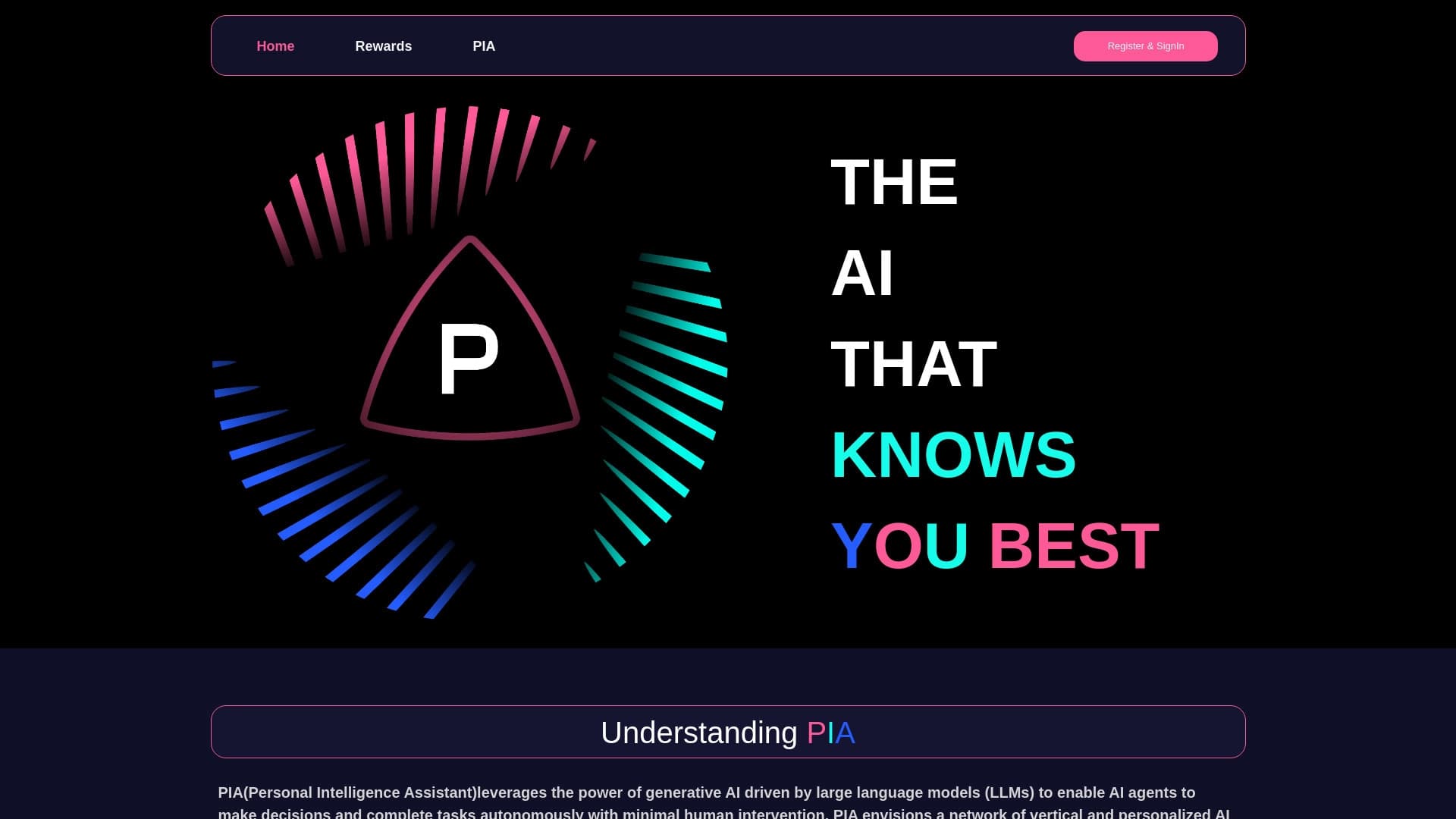
Overview
PIA is a platform designed to extend the functionality of distributed systems. The tool's primary objective is to boost performance and enhance the capabilities of systems running on a distributed architecture. The platform is positioned as a technical solution that helps utilize resources more efficiently and manage workloads.
As modern IT infrastructures increasingly shift from monolithic solutions to distributed models, tools like this become an important link. PIA focuses on making such systems more flexible and fault-tolerant.
Core Platform Idea
PIA's core concept is to strengthen the fundamental capabilities of distributed systems without requiring a complete overhaul of existing infrastructure. The platform acts as an intermediary layer that optimizes interaction between system nodes.
PIA Characteristics
| Characteristic | Value |
|---|---|
| Tool type | Platform for distributed systems |
| Purpose | Boosting performance and extending functionality |
| Target audience | Technical specialists (engineers, architects) |
| Application area | Distributed architectures |
| Distribution model | Not specified |
Who is PIA for?
Technical Specialists
The tool is aimed at developers, systems engineers, and DevOps specialists who work with distributed systems. PIA can be useful for those responsible for designing and maintaining complex infrastructures.
Software Architects
For professionals designing distributed architectures, the platform offers capabilities for optimizing overall system performance. The tool can be used during the design phase to assess potential improvements.
How to Use PIA
Integration into Existing Infrastructure
Since this is a platform for distributed systems, using PIA presumably begins with connecting the platform to an already existing infrastructure. Based on the description, the deployment process is designed for technically proficient users.
Working with Distributed Nodes
After connection, the platform takes on tasks related to improving system performance. This may include optimizing data exchange between nodes and more efficient load distribution.
Key PIA Features
PIA's functionality is tied to extending the capabilities of distributed systems. In the absence of detailed documentation, the following areas can be highlighted:
- Improving the performance of distributed systems
- Enhancing their functional capabilities
- Optimizing operations within a distributed architecture
The specific list of features depends on the system configuration and the tasks facing the team. The platform provides capabilities for fine-tuning interaction between components.
PIA Advantages
Focus on Distributed Systems
One of the main strengths is the platform's narrow specialization. Instead of universal solutions that try to cover all types of architectures, PIA is focused specifically on distributed systems, which allows for better results in this area.
Performance Enhancement
The tool is aimed at improving key system metrics. For companies using distributed architectures, this can mean faster data processing and better resource utilization.
PIA Disadvantages
Since information about the platform is limited, it is impossible to fully assess the tool's potential limitations. Some difficulties may arise during the deployment phase, as the platform requires technical expertise for setup and integration.
It is also worth noting that for small projects or simple architectures, using a specialized platform may be an overkill. However, detailed data on PIA's system requirements and limitations are not disclosed in available sources.
What Problems Does PIA Solve?
The platform's main objective is to improve the efficiency of distributed systems. This includes:
- Improving performance metrics
- Extending the system's functional capabilities
- Optimizing interaction management between components
The tool is designed to address challenges that arise when working with complex distributed architectures where fault tolerance and seamless coordination of all elements are critical.
PIA Pricing
Official information about the platform's cost is not available in public sources. The distribution model is also unspecified, making it impossible to determine whether the product is commercial, freemium, or developed for internal use within specific organizations.
For up-to-date pricing information, it is recommended to consult official sources or platform representatives.
PIA Terms of Use
Detailed terms of use for the platform are not disclosed in available materials. Given the tool's technical nature, it can be assumed that its use is intended for specialists who understand the specifics of distributed systems.
The lack of licensing information does not allow for accurate conclusions about whether a free version or trial period exists. To clarify the terms of use, you need to contact the developers directly.
PIA Availability
Data on the platform's availability is limited. It is unknown whether PIA is offered as a cloud service, an on-premise solution, or a product requiring local deployment.
For a technical platform, compatibility with various environments and operating systems is an important factor. However, this information is also not disclosed in the sources.
How PIA Differs from Alternatives
PIA's main distinction is its focus on distributed systems as a whole, rather than on individual aspects of their operation. Many tools solve narrow tasks: monitoring, orchestration, queue management. PIA, in contrast, is positioned as a comprehensive platform for improving the performance and capabilities of the entire system.
This approach can be useful for organizations that need a solution covering multiple aspects of distributed infrastructure operation without the need to select and integrate numerous disparate tools.
Conclusion
PIA is a specialized platform for improving the operation of distributed systems. The tool is aimed at technical specialists and can be useful for boosting performance and extending the capabilities of existing architectures. However, public information about the platform is limited, which does not allow for a full assessment of its functionality, cost, and terms of use. Potential users interested in PIA's capabilities should consult official sources for more detailed information.
Frequently asked questions
See also

AI toolkit for video generation and editing, including avatars, lip-sync, and voice cloning.

Desktop AI assistant for macOS, Windows, and Linux that launches via hotkey above all windows and combines multiple language models in one interface.
AI website builder from Hostinger for quickly creating websites based on a business description.

AI agent for automating customer communications and support.

TypeScript library that lets you use GPT-4 as a runtime for functions described by comments.

AI assistant for business that helps manage tasks and automate routine through dialogue.

Multimodal AI agents for automating customer service and sales via chat, voice, and video.

AI platform for fast website creation and small business process management.