
Papercup
Сервис для ИИ-дубляжа и локализации видео на разные языки с сохранением эмоций и интонаций оригинала.
Обзор
Papercup
Описание нейросети Papercup
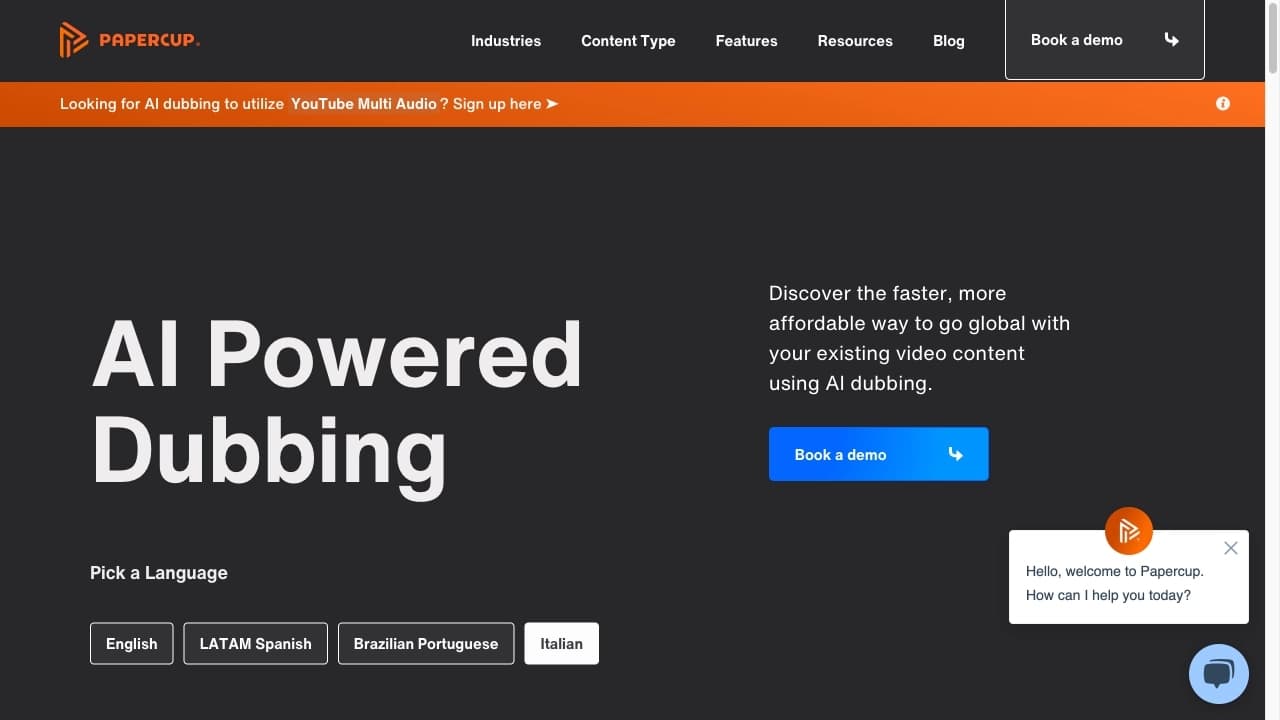
Papercup — это сервис на основе искусственного интеллекта, предназначенный для автоматического перевода и озвучивания видеоконтента на различные языки. Главная особенность инструмента в том, что он старается сохранить эмоциональный окрас и интонации оригинальной речи, что делает результат значительно ближе к настоящему дубляжу, чем обычный машинный перевод.
Сервис работает через веб-интерфейс и ориентирован на локализацию видео для международной аудитории. Papercup предлагает разные технологии озвучки в зависимости от типа контента — от быстрого синтеза речи до точного переноса голоса для новостей, реалити-шоу и драм. При этом каждая озвучка проходит проверку живыми людьми, а для определённых задач доступно клонирование голоса, но исключительно с согласия его владельца.
Характеристики Papercup
| Характеристика | Значение |
|---|---|
| Категория | Обработка звука, дубляж и переозвучка, перевод видео |
| Тип | Нейросеть для озвучивания и перевода видео |
| Модель распространения | Платный (цена по запросу) |
| Платформы | Web |
| Рейтинг пользователей | 4.4 / 5.0 |
| Оценка редакции | 7.8 из 10 |
| Веб-сайт | www.papercup.com |
| Доступ из России | Только с VPN |
Для кого подходит нейросеть Papercup?
Медиакомпании и стриминговые платформы
Papercup подходит организациям, которые производят и распространяют видеоконтент для широкой аудитории. Сервис позволяет локализовать шоу, новости и другие программы на разные языки без длительного традиционного дубляжа.
Образовательные проекты
Инструмент пригодится образовательным платформам, которым необходимо переводить видеоуроки, лекции и обучающие курсы для студентов из разных стран, сохраняя при этом естественность подачи материала.
Маркетинговые агентства
Агентства и бренды, продвигающие свои продукты на международных рынках, могут использовать Papercup для локализации рекламных и промо-роликов, делая их доступными для зрителей по всему миру.
Как использовать нейросеть Papercup?
Загрузка видео
Для начала работы необходимо загрузить видео в сервис через веб-интерфейс. Papercup работает в браузере и не требует установки дополнительного программного обеспечения.
Выбор языков и настройка озвучки
После загрузки контента нужно выбрать целевые языки перевода и настроить параметры озвучки. Для разных типов контента сервис может предложить различные технологии — от быстрого синтеза до точного переноса речи.
Скачивание и интеграция результата
После обработки готовый дубляж можно скачать или интегрировать в свой рабочий процесс, в том числе встраивая его в существующие платформы и социальные сети.
Основные функции Papercup
Автоматический дубляж на разные языки
Сервис переводит и озвучивает видео на несколько языков, сохраняя эмоциональный окрас и интонации оригинальной речи. Это ключевая функция, которая выделяет Papercup среди простых инструментов перевода.
Три технологии озвучки
В зависимости от типа контента Papercup предлагает разные подходы: обычный синтез речи для быстрых задач, гибридную технологию и точный перенос речи-в-речь для новостей, реалити-шоу и драм.
Клонирование голоса с согласия владельца
Доступна технология клонирования голоса, однако она применяется только с разрешения владельца голоса, что делает подход сервиса этичным.
Проверка озвучки людьми
Каждая созданная озвучка проходит контроль качества живыми людьми, а при создании дубляжа используются тысячи лицензированных голосов.
Преимущества Papercup
Высокая убедительность результата
Благодаря учёту эмоций и интонаций оригинала, дубляж получается настолько естественным, что зрители могут не заметить подвоха и принять его за настоящую озвучку.
Скорость по сравнению с традиционным дубляжом
Процесс локализации занимает всего несколько дней, тогда как классический дубляж требует поиска актёров, аренды студий и длительной записи. Это существенно экономит время.
Этичный подход
Клонирование голоса в Papercup проводится только с согласия его владельца, что отличает сервис от многих конкурентов и снижает риски недобросовестного использования технологии.
Снижение затрат и простота масштабирования
Решение помогает сократить расходы на локализацию и легко масштабируется на большие объёмы видеоконтента, что особенно важно для крупных проектов.
Недостатки Papercup
Ограниченный набор языков
Сервис поддерживает не все языки мира, что может стать ограничением для проектов, ориентированных на менее распространённые языковые рынки.
Передача эмоциональных нюансов не всегда точна
Несмотря на усилия разработчиков, в некоторых случаях ИИ может не полностью передать тонкие эмоциональные оттенки оригинальной речи.
Зависимость от стабильности работы ИИ
Качество и скорость результата напрямую зависят от стабильности работы искусственного интеллекта, что в редких случаях может повлиять на сроки выполнения задач.
Какие задачи решает Papercup
Перевод и локализация видео
Сервис переводит видео на другие языки с качественным дубляжом, помогая локализовать контент для расширения аудитории на международных рынках.
Автоматизация дубляжа
Papercup автоматизирует процесс озвучивания видеоконтента на разные языки, избавляя команды от рутинной работы по синхронизации речи и переводу.
Ускорение и удешевление процесса
Решение снижает затраты и ускоряет процесс дубляжа по сравнению с традиционными методами, что делает локализацию доступной даже для небольших проектов.
Цены Papercup
Стоимость услуг Papercup рассчитывается поминутно и зависит от нескольких факторов: сложности контента, сроков выполнения и выбранной технологии озвучки. Точную цену нельзя узнать заранее — для её определения необходимо связаться с командой сервиса и пройти консультацию. По информации с сайтов-источников, сервис работает по платной модели с ценой по запросу, а конкретные тарифы уточняются индивидуально для каждого клиента.
Условия использования Papercup
Для начала работы с Papercup требуется консультация с командой сервиса, в ходе которой подбирается подходящий тариф и обсуждаются параметры проекта. Бизнес-модель сервиса предполагает платный доступ, при этом конкретные условия и объёмы лицензирования уточняются непосредственно с разработчиками.
Доступность Papercup
Papercup работает через веб-платформу, поэтому для использования достаточно браузера и интернет-соединения. При этом для пользователей из России сервис доступен только с использованием VPN. Обратите внимание, что перед началом работы с платформой стоит уточнить актуальные условия доступа и возможность использования сервиса в вашем регионе.
Чем отличается Papercup от аналогов
Учёт эмоций и интонаций оригинала
В отличие от многих аналогичных сервисов, которые просто синтезируют речь по тексту перевода, Papercup специально разработан для сохранения эмоционального окраса и естественных интонаций оригинального выступления, что особенно важно для новостей, реалити-шоу и драм.
Человеческая проверка каждой озвучки
Значимое отличие Papercup — контроль качества готового дубляжа живыми людьми. Это добавляет уверенности в качестве результата и приближает его к профессиональному дубляжу.
Этичное клонирование голоса
Технология клонирования голоса применяется только с согласия владельца, что формирует ответственный подход и снижает риски неправомерного использования голосов. В то же время у сервиса есть ограничения: меньший набор языков и потенциально не всегда точная передача эмоциональных нюансов.
Заключение
Papercup — это нейросеть для автоматического дубляжа и локализации видео на разные языки, которая использует искусственный интеллект для создания реалистичных голосов и сохранения эмоционального оттенка оригинала. Сервис предлагает разные технологии озвучки в зависимости от типа контента, проводит проверку каждой работы живыми людьми и применяет клонирование голоса только с согласия владельца. Papercup подходит для медиакомпаний, образовательных проектов, маркетинговых агентств и стриминговых платформ, помогая локализовать контент для международной аудитории, снижая затраты и ускоряя процесс по сравнению с традиционным дубляжом.
Часто задаваемые вопросы




Смотрите также
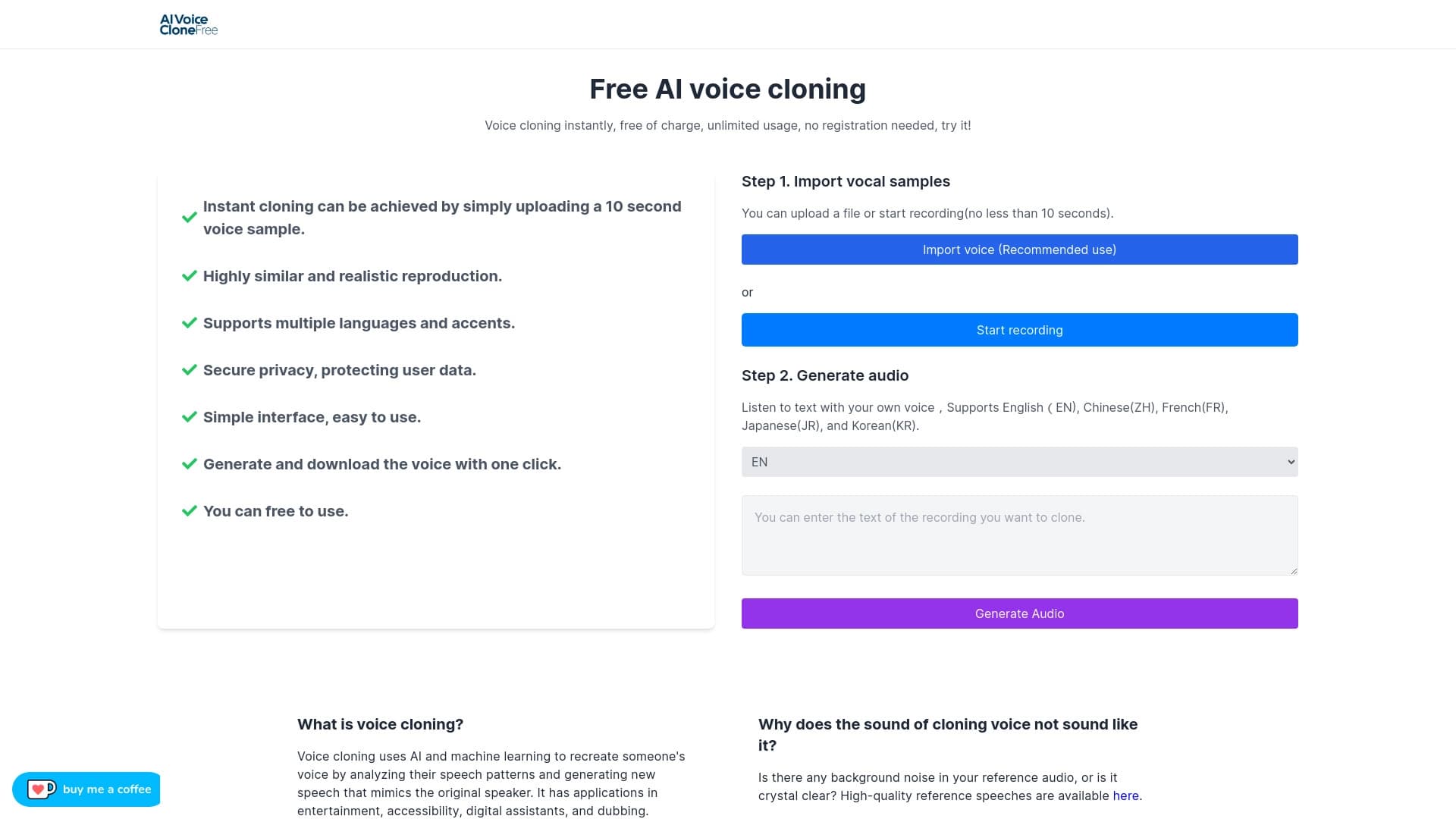
Онлайн-сервис для создания реалистичного клона голоса по короткой аудиозаписи и озвучивания текста.


Сервис для виртуальной примерки одежды с помощью ИИ.
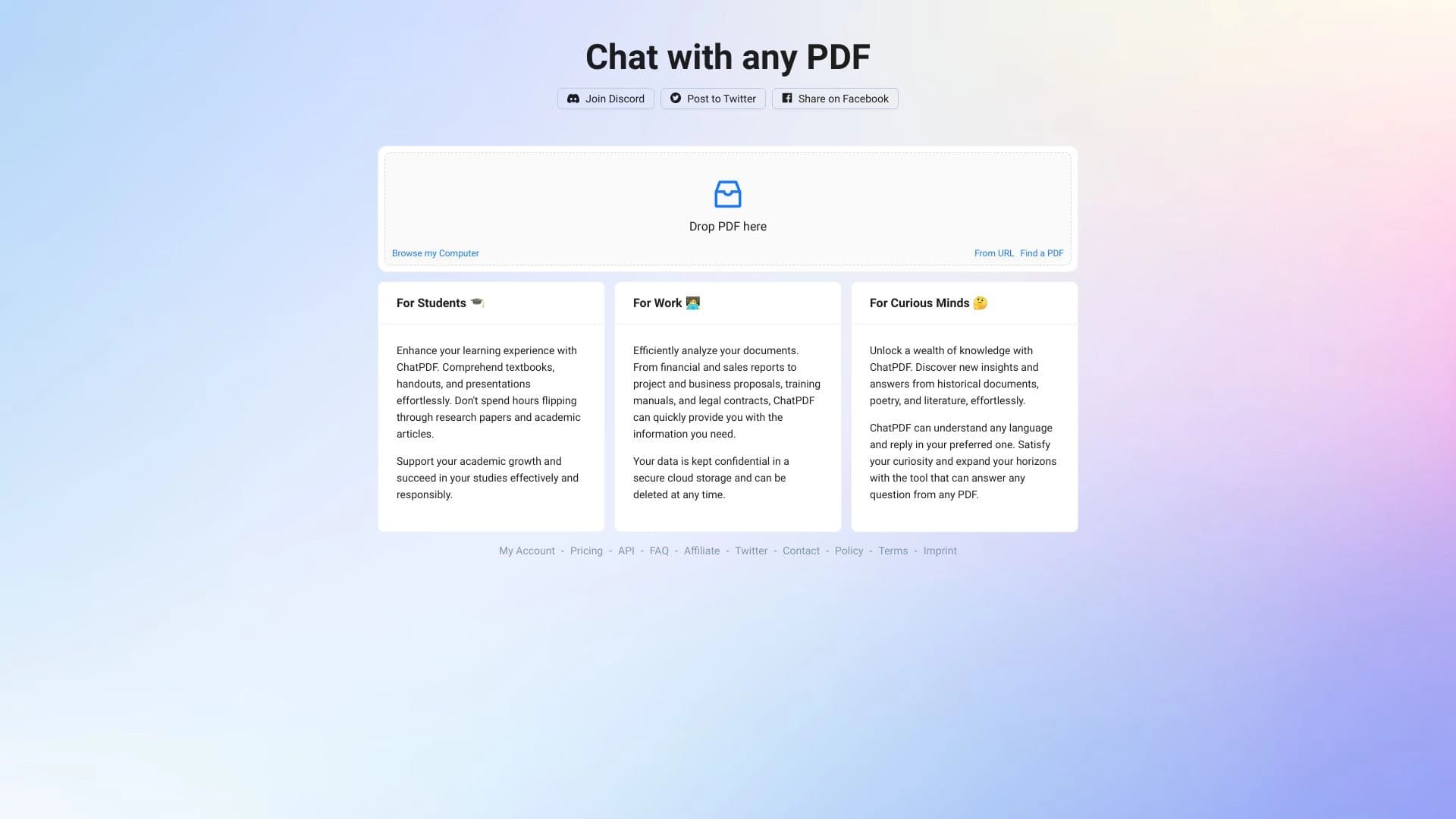
Онлайн-сервис, который позволяет общаться с PDF-документами в чате: задавать вопросы и получать краткие ответы с указанием источника.
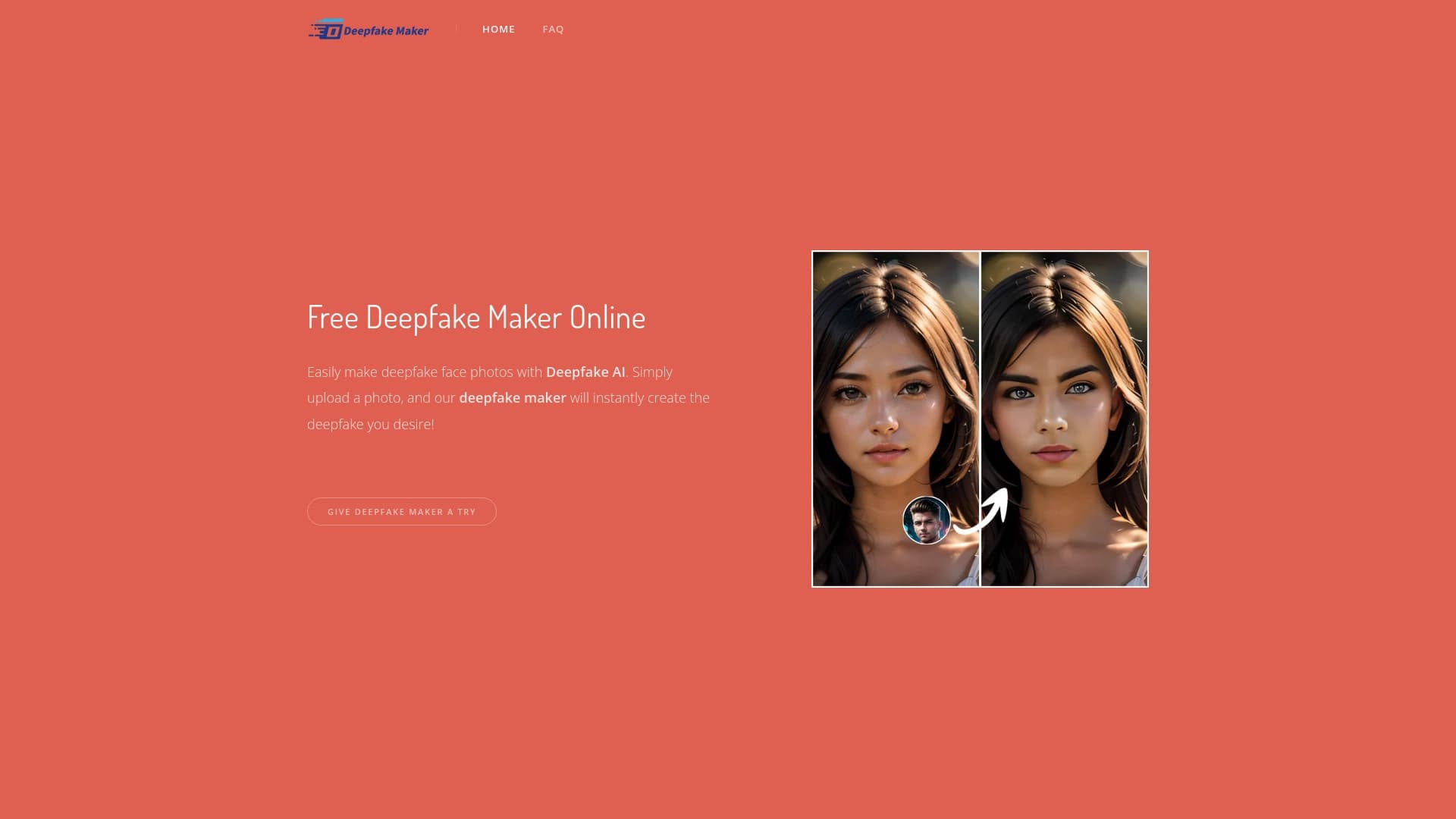

Онлайн-инструмент для создания дипфейков и редактирования изображений с помощью ИИ.
Сервис для создания презентаций, использующий несколько ИИ-агентов для сбора информации, дизайна и анализа данных.
Онлайн-сервис для преобразования текста в речь с настройкой голоса, скорости и громкости.
Онлайн-сервис, который с помощью ИИ создаёт песни и музыку, поддерживая как простые текстовые описания трека, так и загрузку собственных текстов.

AI-учитель иностранных языков в виде браузерного расширения и веб-сервиса для практики, перевода и объяснения языковых материалов.