

Paperclip
Открытая система оркестрации, которая организует работу нескольких ИИ-агентов по модели виртуальной компании с иерархией ролей и контролем бюджетов.

Место в рейтингах
Обзор
Paperclip
Описание нейросети Paperclip
Paperclip — это open-source платформа для оркестрации нескольких ИИ-агентов, которая организует их работу по модели виртуальной компании. Вместо чата с одним ботом пользователь получает целую организацию: с CEO, разработчиками, маркетологами и остальным «персоналом», где каждый агент имеет свою роль, бюджет и зону ответственности.
Пользователь выступает в роли совета директоров: он задаёт общую миссию, нанимает агентов на должности, распределяет бюджеты и утверждает их действия. В основе лежит Node.js-сервер с React-интерфейсом, который внешне напоминает таск-менеджер с Kanban-доской, но внутри скрывает оргструктуру, делегирование задач, контроль затрат и прозрачность действий каждого агента. Каждая задача привязана к общей миссии компании, каждый разговор сохраняется, а каждое решение объясняется.
Агенты работают циклически через систему heartbeat — периодического пробуждения для фоновой работы. Они сами проверяют результаты и передают задачи вверх или вниз по иерархии, запрашивая одобрение человека. Контекст передаётся автоматически, задачи не теряются после перезагрузки, а бюджеты не «улетают в трубу» из-за зацикленных запросов.
Характеристики Paperclip
| Характеристика | Значение |
|---|---|
| Тип | Платформа для оркестрации ИИ-агентов |
| Категория | Автоматизация, Ассистент, Планирование |
| Модель распространения | Free (open-source) |
| Лицензия | Open-source |
| Доступность | WEB |
| Нужен VPN | Нет |
| Русский язык | Нет |
| Русский интерфейс | Нет |
| Технологии | Node.js-сервер, React-интерфейс, встроенная PostgreSQL |
Для кого подходит нейросеть Paperclip?
Разработчики и технические команды
Paperclip рассчитан на тех, кто уже экспериментирует с ИИ-агентами и нуждается в координации сразу нескольких из них. Это инструмент для разработчиков и AI-энтузиастов, которым тесно в рамках одного агента и нужно организовать их совместную слаженную работу.
Команды с регулярными фоновыми процессами
Платформа подходит командам, которым нужен управляющий слой поверх существующих агентов — для мониторинга, дайджестов, обработки тикетов и других регулярных задач, выполняемых по расписанию.
Пользователи с технической подготовкой
Поскольку установка требует настройки на сервере, Docker, API-ключей и адаптеров, инструмент ориентирован на технически подготовленных пользователей, готовых разбираться в инфраструктуре.
Как использовать нейросеть Paperclip?
Создание виртуальной компании
Работа начинается с создания «компании»: нужно задать название и миссию, а затем запустить первого агента — CEO. Далее CEO предлагает нанять других агентов (например, CTO или CMO), и каждое такое предложение требует одобрения пользователя.
Управление через дашборд
Управление происходит через дашборд с Kanban-доской и статусами задач (To Do, In Progress, Review, Blocked, Done). Там же находятся входящие запросы на утверждение действий агентов, так что пользователь всегда видит, кто за что отвечает и на каком этапе находится работа.
Работа агентов по циклам heartbeat
Агенты работают циклически — они периодически просыпаются по расписанию heartbeat, выполняют задачи и делегируют их дальше по иерархии. Пользователь может в любой момент утвердить найм, изменить стратегию, поставить работу на паузу или «уволить» агента.
Основные функции Paperclip
Организационная структура и роли
Платформа позволяет создавать «компанию» из ИИ-агентов с оргструктурой и ролями — CEO, CTO и другими. Агенты подключаются через механизм Bring your own agents, поэтому поддерживаются OpenClaw, Claude Code, Codex, Cursor, bash-скрипты и HTTP-запросы.
Контроль бюджета и прав
Для каждого агента можно назначать бюджеты и ограничения, а также точечно выдавать инструменты и API-ключи (secrets) только конкретным агентам. Система отслеживает расходы и статусы выполнения задач — когда установленный лимит исчерпан, агент останавливается.
Управление через Kanban-доску
Управление происходит через дашборд с Kanban-доской. Агенты работают по heartbeat-циклам для фоновой работы, а найм и действия агентов проходят ручное одобрение (board approval). Один деплой может управлять несколькими изолированными компаниями одновременно.
Преимущества Paperclip
Необычная модель управления агентами
Инструмент предлагает непривычный подход: управление агентом как сотрудником виртуальной компании. Это позволяет контролировать автономность агентов через approvals и бюджеты, а также видеть, кто за что отвечает и где задача застряла.
Универсальный управляющий слой
Paperclip работает как управляющий слой поверх существующих агентов, не привязывая к одному инструменту. Он дополняет, а не заменяет OpenClaw, Claude Code или Codex, и подходит для регулярных фоновых задач — дайджестов, мониторинга и отчётов.
Открытый исходный код
Это open-source проект с открытым репозиторием. Он запускается локально одной командой, использует встроенную PostgreSQL и не требует регистрации аккаунта при локальной установке.
Недостатки Paperclip
Зависимость от подключённых агентов
Инструмент не гарантирует качество работы подключённых агентов — конечный результат зависит от моделей и инструментов, которые использует пользователь. При этом расходы могут быть высокими: heartbeat, делегирование и внешние API быстро потребляют токены.
Сложность настройки и риски безопасности
Paperclip требует технической подготовки — Docker, API-ключей, сервера с поддержкой 24/7 и настройки адаптеров. Инструмент ещё ранний, и механика не отполирована до состояния «поставил и забыл». Кроме того, агентам нужны доступы к почте, репозиториям и API, что создаёт риски утечек данных.
Ограниченная сфера применения
Интерфейс, похожий на project management, не подходит для простых одноразовых запросов. Это серьёзная платформа для координации многоагентных процессов, а не быстрый чат-бот.
Какие задачи решает Paperclip
Мониторинг и исследования
Paperclip подходит для ежедневного мониторинга новостей и отправки дайджеста, а также для исследования рынка с разделением задач между агентами. Он полезен для проверки релизов и документации, автономных проверок на VPS.
Разработка и контент
Платформа справляется с обработкой GitHub issues и подготовкой pull request, а также с контентным планированием, SEO-исследованиями и подготовкой внутренних отчётов.
Обработка заявок
Инструмент подходит для обработки заявок и тикетов — агенты могут распределять входящие запросы между ролями и доводить их до выполнения под контролем человека.
Цены Paperclip
Paperclip распространяется бесплатно по open-source лицензии. Однако стоит учитывать, что для работы потребуются собственные API-ключи для внешних сервисов (например, Brave Search, Resend, OpenAI Codex), расходы на которые не входят в стоимость самой платформы.
Условия использования Paperclip
Для работы требуется установка и настройка на VPS или сервере с поддержкой 24/7. Понадобятся API-ключи для внешних сервисов, а при использовании облачной версии — регистрация с созданием компании. При локальном запуске платформа использует встроенную PostgreSQL и не требует регистрации аккаунта, а для продакшена можно подключить собственную базу и задеплоить куда угодно.
Доступность Paperclip
Paperclip доступен через веб-интерфейс, который адаптирован под мобильные устройства — управлять автономными компаниями можно прямо с телефона. Русский язык и русский интерфейс не поддерживаются, VPN не требуется. Проект распространяется как open-source.
Чем отличается Paperclip от аналогов
В отличие от Hermes Agent (личного долгоживущего агента с памятью) и OpenClaw (агента-исполнителя для конкретных задач), Paperclip выступает как управляющий слой для команды агентов. Он отвечает за организацию: кто что делает, кому подчиняется, какие цели и бюджеты стоят. Paperclip не заменяет других агентов, а добавляет над ними уровень управления, координации и контроля расходов и этапов работы.
Заключение
Paperclip — это не чат-бот и не универсальный агент, а управляющий слой для ситуаций, когда одного агента недостаточно. Он подходит технически подготовленным пользователям, которым нужно координировать нескольких ИИ-агентов с контролем расходов, прав и этапов работы. Начинать лучше с небольшого процесса (например, ежедневного дайджеста) и постепенно расширять структуру компании.
Часто задаваемые вопросы
Похожие нейросети



Смотрите также

AI-помощник для ставок на спорт и казино, анализирующий прошлые действия пользователя для персонализированных советов.

Бесплатный веб-инструмент от Google, который с помощью машинного обучения превращает грубые наброски в аккуратные иконки и иллюстрации.
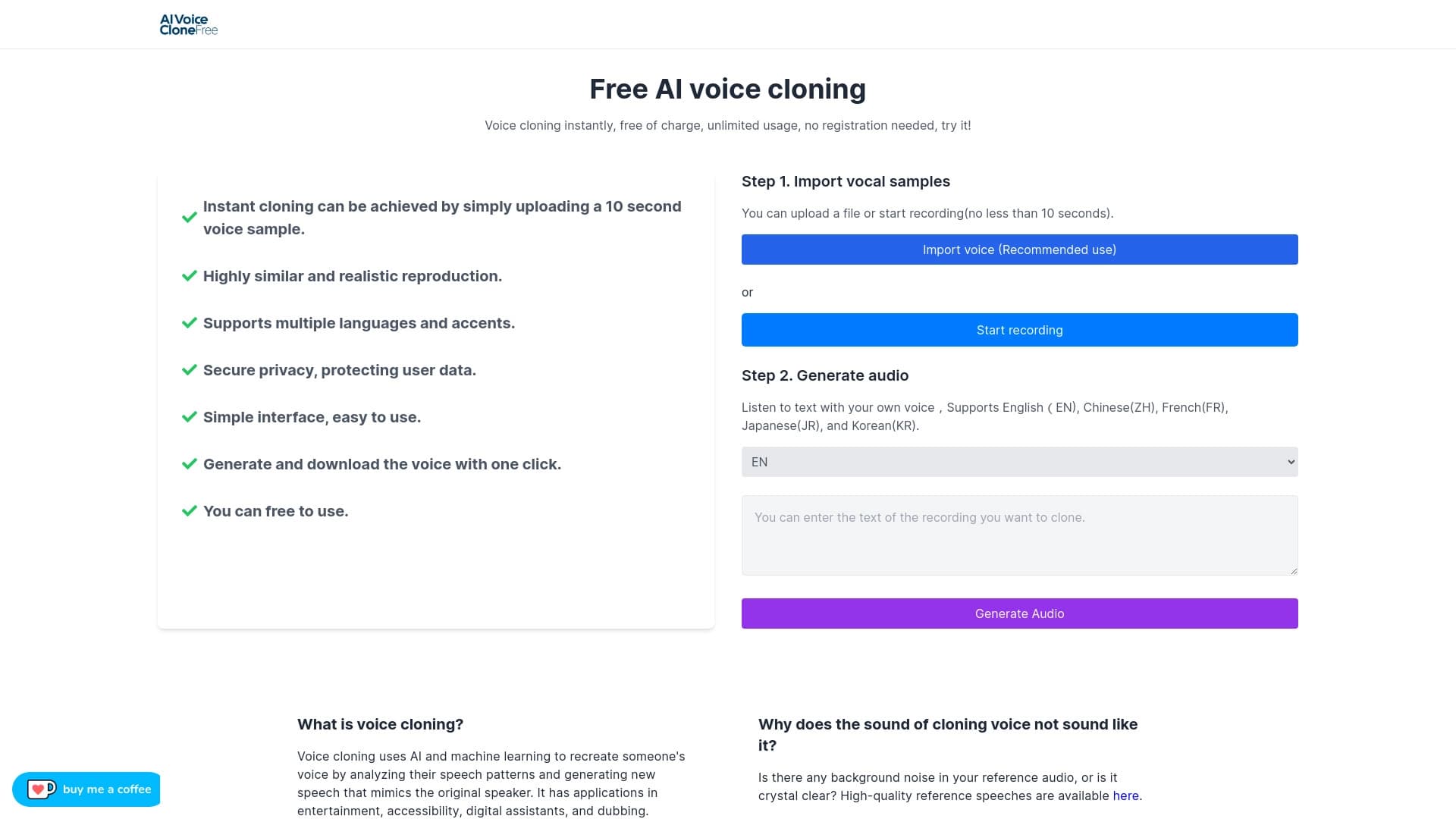
Онлайн-сервис для создания реалистичного клона голоса по короткой аудиозаписи и озвучивания текста.

Онлайн-сервис, который позволяет общаться с PDF-документами в чате: задавать вопросы и получать краткие ответы с указанием источника.
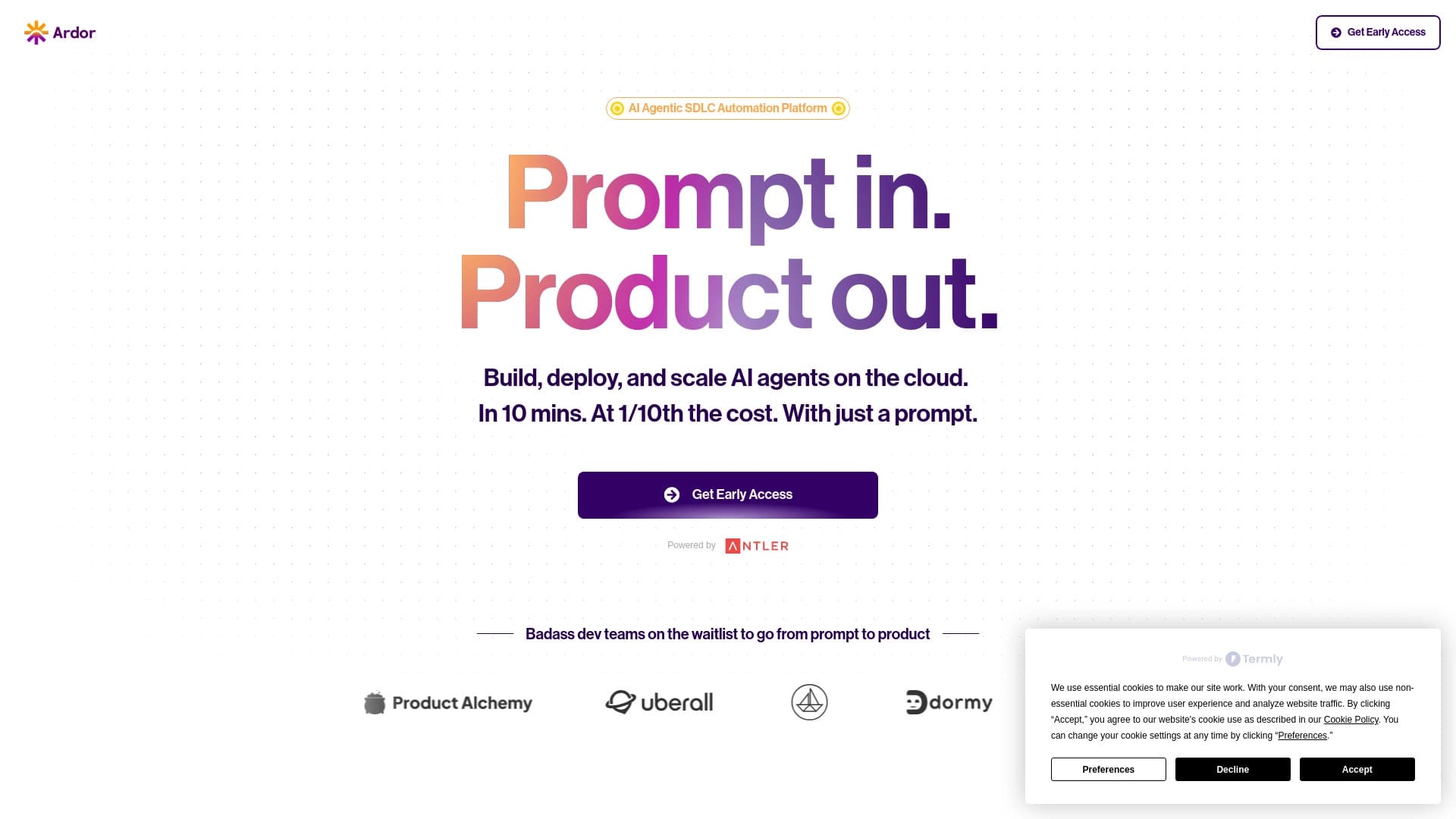

Платформа для автоматизации разработки ПО с помощью визуального конструктора ИИ-агентов.
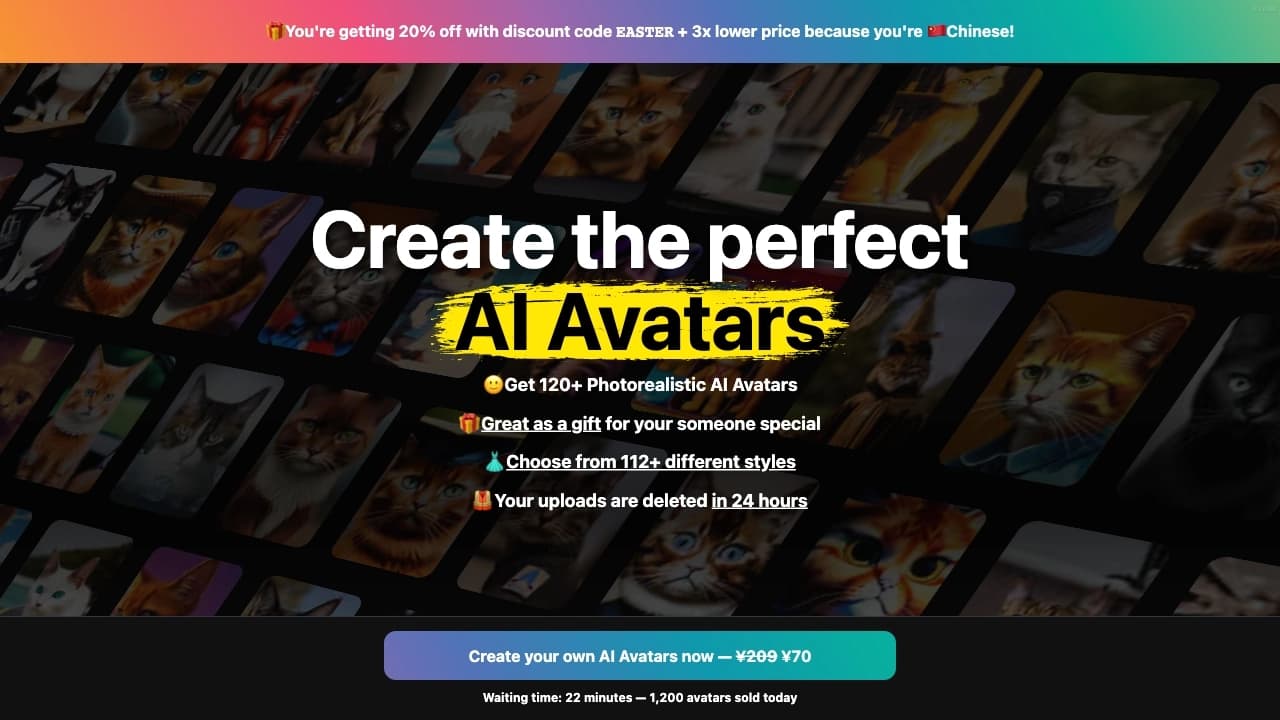
Сервис для создания персонализированных аватаров и фотосессий с помощью ИИ на основе загруженных селфи.


Расширение для Chrome, которое помогает управлять вкладками, историей и закладками с помощью ИИ-ассистента.

Терминальный ИИ-агент для программирования, который динамически подстраивается под задачи разработчика.