

OpenAI Sora
Нейросеть от OpenAI, создающая реалистичные видео по текстовому описанию.
Обзор
OpenAI Sora
Описание нейросети OpenAI Sora
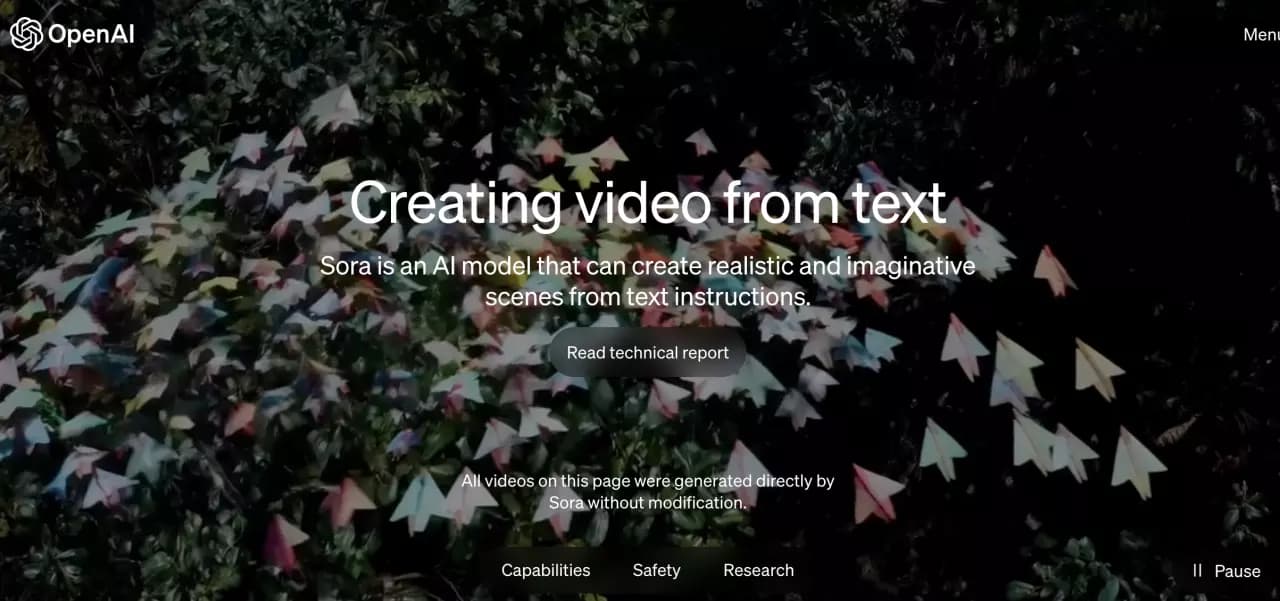
OpenAI Sora — это генеративная модель искусственного интеллекта, предназначенная для создания реалистичных видеороликов на основе текстового описания. Разработанная компанией OpenAI, нейросеть способна преобразовывать текстовые промпты в динамичные видео длительностью до одной минуты с высоким уровнем детализации. Ключевая особенность Sora — понимание физики реального мира: модель корректно моделирует поведение объектов, движение теней и взаимодействие предметов в пространстве, что делает сгенерированные ролики естественными.
На данный момент технология находится в стадии активной разработки. Доступ к платформе предоставлен ограниченному кругу тестировщиков и партнёров, а сама модель проходит этап red teaming — проверки на уязвимости и выявление потенциальных рисков.
Принцип работы модели
Sora использует алгоритмы машинного обучения для анализа текстового запроса. Модель обрабатывает введённое описание, распознаёт ключевые объекты, действия и контекст сцены, после чего генерирует последовательность кадров, соответствующую заданному сценарию. Благодаря обучению на больших массивах видеоданных нейросеть способна воспроизводить сложные сцены с несколькими персонажами и корректной логикой движения.
Текущий статус разработки
По состоянию на середину 2024 года OpenAI Sora остаётся экспериментальной технологией. Компания OpenAI ограничивает доступ к платформе для минимизации рисков, связанных с генерацией недостоверного или вредоносного контента. Полноценный коммерческий запуск продукта пока не состоялся.
Характеристики OpenAI Sora
| Характеристика | Значение |
|---|---|
| Тип | Генератор видео |
| Категории | Создание видео, Маркетинг, Текст в видео, Large Language Models (LLMs) |
| Платформа | Web |
| Бизнес-модель | Freemium |
| Максимальная длительность видео | До 1 минуты |
| Максимальное разрешение | 1920×1080 пикселей |
| Дата добавления | 01 июня 2024 |
| Сайт | openai.com/sora |
Для кого подходит нейросеть OpenAI Sora?
Sora ориентирована на широкий круг профессионалов, чья работа связана с созданием визуального контента. Инструмент будет полезен в ситуациях, где требуется быстро получить готовое видео без использования традиционной съёмочной команды и оборудования.
Специалисты по маркетингу и рекламе
Маркетологи и рекламодатели могут использовать Sora для быстрого прототипирования рекламных роликов, создания тестовых креативов и генерации контента для цифровых кампаний. Инструмент позволяет визуализировать идеи до запуска полноценного производства.
Кинематографисты и сценаристы
Для кинематографистов, визуальных художников и сценаристов Sora выступает инструментом предварительной визуализации. С его помощью можно создавать аниматики и наброски сцен, чтобы оценить динамику, ракурсы и общую эстетику ещё до этапа съёмок.
Образовательные платформы и преподаватели
Образовательные проекты могут применять Sora для генерации наглядных материалов — например, визуализации физических экспериментов, исторических событий или природных процессов. Это упрощает объяснение сложных концепций через динамичные видеоролики.
Как использовать нейросеть OpenAI Sora?
На текущем этапе Sora доступна через веб-интерфейс на сайте openai.com. Для начала работы пользователю необходимо получить доступ к платформе, после чего процесс генерации видео состоит из нескольких этапов.
Ввод текстового запроса
Пользователь вводит текстовое описание желаемой сцены в специальное поле. Промпт может быть подробным: уточнять объекты, их расположение, освещение, стиль анимации и характер движения. Чем детальнее описание, тем точнее результат.
Настройка параметров видео
Перед генерацией доступна настройка параметров: можно выбрать стиль видео (от реалистичного до мультипликационного), задать разрешение и другие визуальные характеристики. После этого пользователь запускает процесс генерации.
Редактирование и скачивание результата
После создания ролика его можно просмотреть, доработать во встроенном редакторе и скачать в готовом формате. Встроенные инструменты редактирования позволяют вносить изменения без необходимости использовать сторонние программы.
Основные функции OpenAI Sora
Sora предлагает набор ключевых возможностей, которые отличают её от традиционных инструментов видеомонтажа и генерации графики.
Преобразование текста в реалистичное видео
Основная функция модели — генерация видеоролика на основе текстового описания. Система способна создавать сцены с несколькими персонажами, сложным фоном и реалистичной физикой объектов.
Понимание физики и контекста
Нейросеть моделирует естественное поведение предметов: объекты сохраняют форму при движении, тени падают корректно в зависимости от источника света, а животные приземляются с реалистичной анимацией. Камера в сгенерированных роликах стабильна, без дрожания.
Поддержка множества стилей видео
Sora позволяет генерировать контент в различных визуальных стилях — от гиперреалистичных изображений до стилизованной анимации. Пользователь может настроить общую эстетику видео под конкретную задачу.
Расширенные инструменты редактирования
Встроенный редактор даёт возможность дорабатывать сгенерированные видео: изменять отдельные кадры, корректировать длительность и параметры сцены без необходимости пересоздавать ролик с нуля.
Преимущества OpenAI Sora
Использование Sora предоставляет ряд практических выгод для создателей контента, начиная от сокращения времени производства до расширения творческих возможностей.
Сокращение времени и ресурсов на производство видео
Sora позволяет создавать готовый видеоряд без привлечения съёмочной группы, актёров, оборудования и локаций. Это особенно ценно для быстрого прототипирования и тестирования идей.
Высокое качество и естественность результатов
Благодаря пониманию физики объектов и освещения нейросеть выдаёт ролики, в которых движение выглядит естественным. Отсутствие типичных для ранних генеративных моделей артефактов делает видео пригодным для профессионального использования.
Универсальность для разных отраслей
Инструмент подходит как для маркетинга, так и для образования, творческих проектов и социальных сетей. Возможность настройки стилей и параметров позволяет адаптировать результат под конкретные задачи.
Недостатки OpenAI Sora
Несмотря на впечатляющие возможности, у Sora есть ограничения, которые важно учитывать при оценке инструмента.
Ограниченный доступ и стадия разработки
Технология ещё не открыта для широкого круга пользователей. Доступ предоставлен только ограниченной группе тестировщиков, что делает невозможным массовое использование на текущем этапе.
Отсутствие полной информации о стоимости
Хотя бизнес-модель заявлена как Freemium, конкретные цены на платные тарифы не раскрыты. Пользователи не могут оценить полную стоимость использования инструмента для коммерческих проектов.
Ограничения по длительности и разрешению
Максимальная длина видео составляет одну минуту, а разрешение — 1920×1080 пикселей. Для задач, требующих более длинных или сверхчётких роликов, Sora может оказаться неподходящим решением.
Какие задачи решает OpenAI Sora
Sora ориентирована на решение конкретных практических задач в области видеопроизводства и контент-маркетинга.
Создание тестовых рекламных роликов
Маркетологи могут быстро генерировать черновики рекламных креативов, чтобы протестировать различные сценарии и визуальные решения без затрат на полноценную съёмку.
Визуализация образовательного контента
Для образовательных платформ Sora полезна при создании наглядных материалов — например, демонстрации физических законов, биологических процессов или исторических реконструкций.
Предварительная визуализация творческих идей
Сценаристы и режиссёры могут использовать Sora для раскадровки сцен и создания аниматиков, что помогает оценить динамику и композицию до перехода к основному производству.
Разработка контента для социальных сетей
Короткие видеоролики длительностью до минуты подходят для публикации в социальных платформах. Sora позволяет оперативно создавать контент для регулярного наполнения лент.
Цены OpenAI Sora
На данный момент OpenAI использует модель распространения Freemium. Это означает, что существует бесплатный тариф с базовым набором возможностей, а также платные функции для пользователей, которым требуется больше ресурсов или расширенный функционал. Конкретные суммы стоимости подписок или оплаты за генерацию видео не указаны. Рекомендуется следить за официальными анонсами OpenAI для получения актуальной информации о ценообразовании.
Условия использования OpenAI Sora
Поскольку технология находится на этапе разработки, доступ к Sora строго регламентирован.
Ограниченное тестирование
Платформа тестируется с узким кругом партнёров и доверенных пользователей. Массового открытия доступа не произошло.
Red teaming и проверка безопасности
OpenAI проводит red teaming — поиск уязвимостей и рисков, связанных с генерацией потенциально опасного или вводящего в заблуждение контента. Это стандартная практика для новых генеративных моделей.
Отсутствие публичной лицензии
Детальные условия использования, лицензионные соглашения и правила коммерческого применения на текущий момент не раскрыты для широкой аудитории.
Доступность OpenAI Sora
Sora доступна через веб-интерфейс по адресу openai.com/sora. Однако географическая доступность ограничена.
Регионы с преимущественным доступом
По данным аналитики, основная аудитория сайта openai.com/sora сосредоточена в США (22,92%), Индии (7,09%), Японии (5,6%), Бразилии (4,54%) и Южной Корее (4%). Инструмент доступен глобально, однако региональные ограничения могут возникать.
Проблемы с доступом в России
Напрямую сервис не работает в России. Для использования требуется зарубежный способ оплаты и, вероятно, VPN-подключение.
Требования к устройству
Платформа работает через веб-интерфейс, поэтому пользователю нужен только браузер и стабильное интернет-соединение. Установки дополнительного программного обеспечения не требуется.
Чем отличается OpenAI Sora от аналогов
На рынке существуют другие инструменты для генерации видео из текста, однако Sora выделяется на их фоне благодаря нескольким ключевым особенностям.
Глубокое понимание физики мира
В отличие от многих конкурентов (например, Runway ML, Pictory или Synthesia), Sora уделяет особое внимание физической достоверности: объекты не сливаются с фоном, тени ведут себя корректно, а движение происходит без рывков. Это достигается за счёт обучения на масштабных наборах видеоданных с учётом пространственных закономерностей.
Стабильность камеры и естественность анимации
Многие генеративные модели страдают от дрожания камеры или артефактов при движении персонажей. Sora, напротив, демонстрирует плавное и естественное поведение камеры, что приближает качество роликов к профессиональной съёмке.
Поддержка различных визуальных стилей
В то время как часть аналогов ориентирована преимущественно на реалистичные или гиперреалистичные изображения, Sora позволяет выбирать между разными стилями — от фотореализма до стилизации под анимацию или живопись.
Интеграция с экосистемой OpenAI
Как продукт OpenAI, Sora может в будущем интегрироваться с другими инструментами компании (например, с языковыми моделями GPT), что открывает дополнительные сценарии использования — от генерации промптов для видео до автоматического озвучивания роликов.
Заключение
OpenAI Sora — это перспективная модель генерации видео из текста, которая на момент публикации остаётся закрытой для широкого доступа. Главное её достоинство — глубокое понимание физики мира и контекста, что позволяет создавать реалистичные ролики длительностью до минуты с разрешением Full HD. Инструмент ориентирован на маркетологов, сценаристов, кинематографистов и образовательные платформы, предлагая им способ быстро визуализировать идеи без затрат на традиционную съёмку. Однако массовое использование пока невозможно из-за ограниченного тестирования и недоступности в ряде регионов, включая Россию. С учётом растущего интереса к генеративному видео и потенциала Sora, вероятно, что после завершения этапа разработки эта нейросеть станет одним из ключевых инструментов на рынке контент-производства.
Часто задаваемые вопросы
Похожие нейросети





Смотрите также
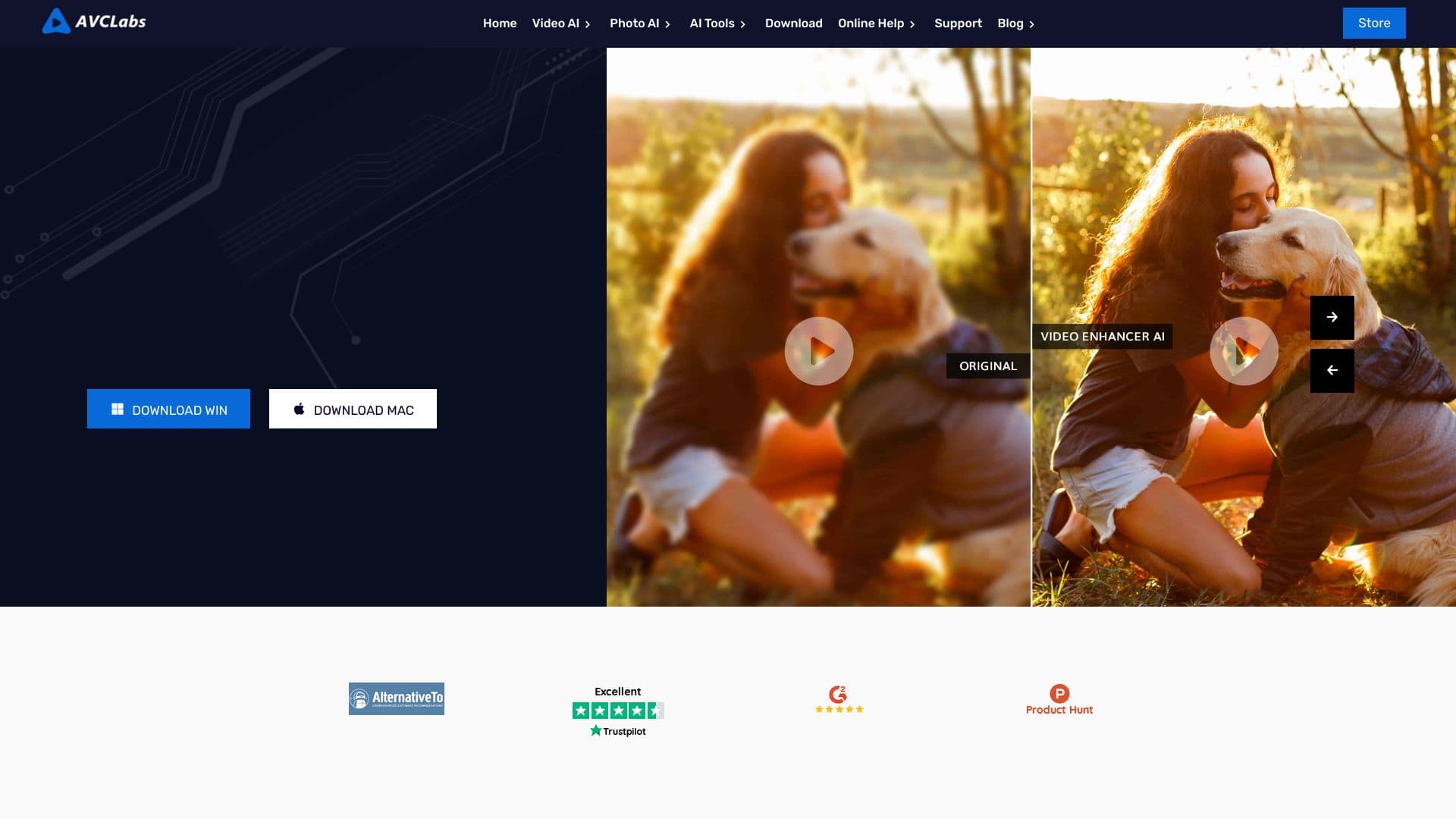

Десктопное приложение для Windows, которое повышает разрешение видео до 4K/8K и улучшает качество старых записей с помощью ИИ.

ИИ-агент для автоматизации клиентских коммуникаций и поддержки.


AI-помощник для быстрого создания и редактирования текстов в различных форматах.
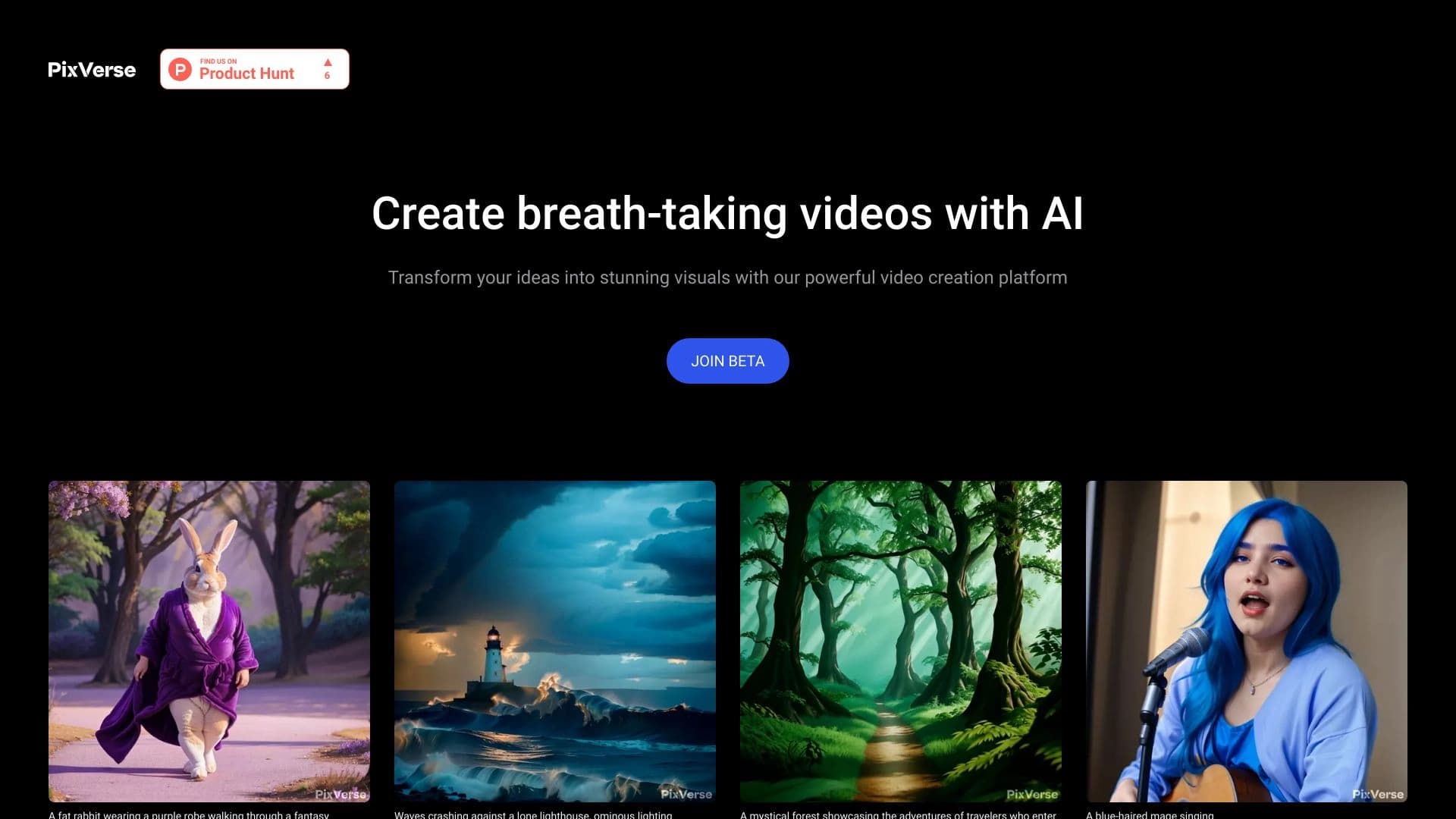

Нейросеть для генерации коротких видео по текстовым описаниям или изображениям.
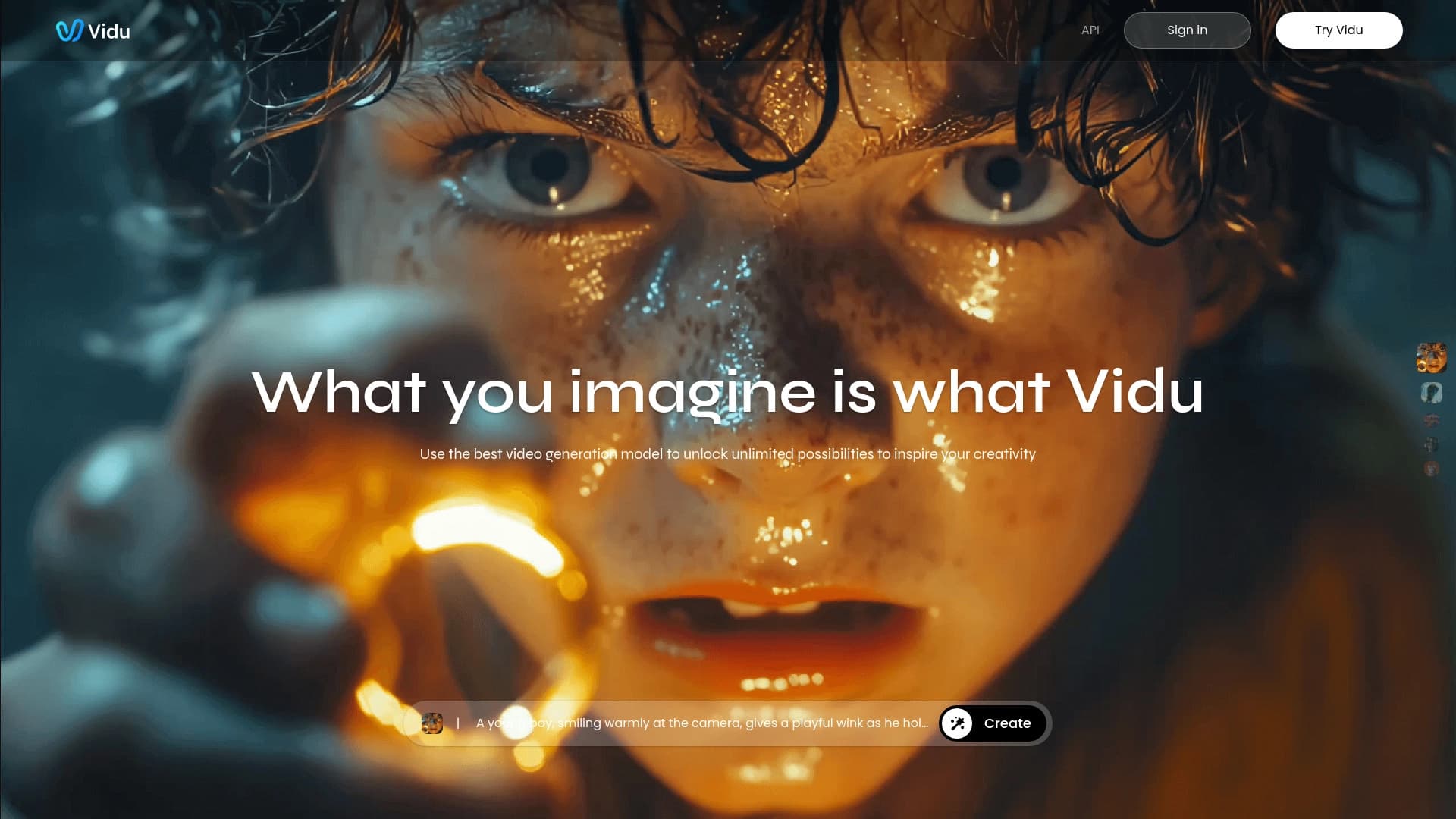

Нейросеть для быстрой генерации и редактирования видео по текстовым описаниям, изображениям и референсам.
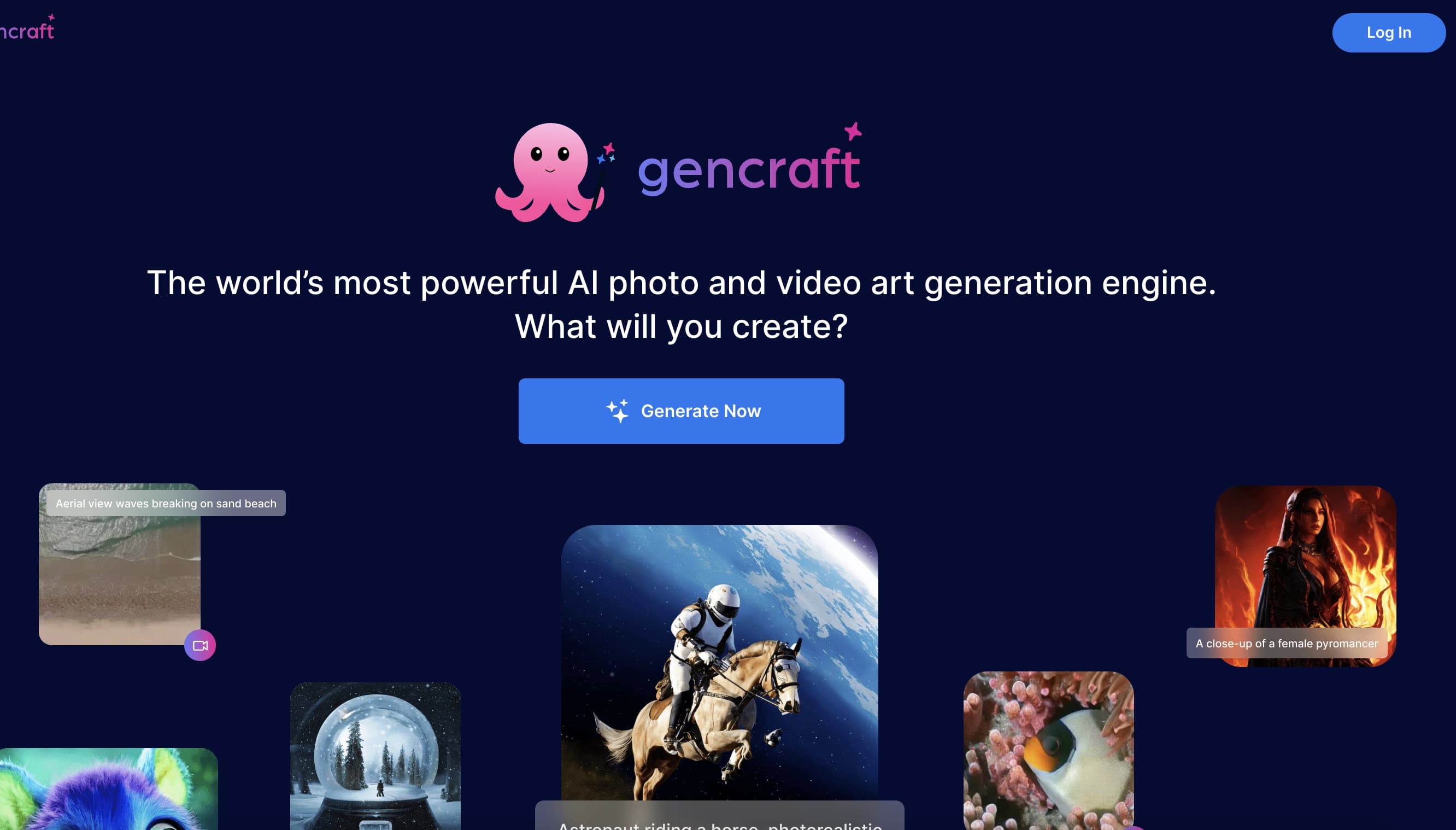
Веб-сервис для генерации изображений по текстовым запросам и преобразования фото и видео в художественные арты.


Нейросеть для генерации SEO-оптимизированных статей и автоматизации ведения блогов.

Онлайн-сервис для создания и настройки приглашений на дни рождения и поздравлений с помощью искусственного интеллекта.