

Make
Visual no-code platform for workflow automation and application integration.
Overview
Make
What is Make?
Make is a visual no-code platform for automating workflows and integrating applications. The service allows users without programming skills to create complex automation scenarios using a simple drag-and-drop editor. The platform connects more than 2,000 services and provides more than 30,000 actions, making it a powerful tool for improving the efficiency of business processes.
The built-in AI assistant helps create and optimize scenarios, including sentiment analysis and ticket categorization. Make suits both personal projects and enterprise solutions, scaling easily to growing data volumes.
Make Key Features
| Feature | Value |
|---|---|
| Business model | Freemium |
| Category | Automation, No-code / Low-code, Business, API and integrations |
| Number of integrations | 2,000+ |
| Number of actions | 30,000+ |
| Platform type | Visual scenario editor (drag-and-drop) |
| Programming required | No |
| Built-in AI assistant | Yes |
| Approach | Visual creation of automation scenarios |
Who is Make for?
Marketers and sales professionals
The platform is ideal for marketers and sales managers who need to automate social media content publishing, process leads across multiple CRM systems at once, and set up email campaigns without involving developers.
Support staff
For support teams, Make offers tools for automatic categorization of tickets by priority and issue type, as well as sentiment analysis, enabling faster responses to critical requests.
IT teams and freelancers
IT professionals can use the platform to connect various services and automate routine tasks, while freelancers can use it to streamline their workflows on personal projects. Make suits everyone from individuals to large enterprises.
How to use Make?
Registration and getting started
To get started, you need to register on the www.make.com platform. After registration, you get access to the visual editor and a library of scenario templates that can be used as a foundation for your automation.
Creating a scenario in the visual editor
Use the drag-and-drop editor to build workflows. Choose applications to integrate, drag service blocks, and configure the sequence of actions. Add filters, conditions, and error handling as needed.
Launch and optimization
After setting up your scenario, launch it and test the results on small data volumes. The built-in AI assistant will help optimize processes and suggest improvements. It is recommended to enable error notifications to monitor execution.
Key Make Features
Visual drag-and-drop editor
The platform offers an intuitive visual editor for creating automation scenarios without writing code. Users can drag and drop app and service blocks, configuring the sequence of actions automatically.
More than 2,000 integrations and 30,000 actions
Make supports a huge number of popular services, including Google Sheets, Slack, Notion, and many others. Users can perform more than 30,000 actions, connecting applications into complex workflows.
Built-in AI assistant
Artificial intelligence helps create and optimize scenarios. The platform includes modules for sentiment analysis and text categorization, allowing incoming messages to be sorted automatically by tone and language.
Error handling mechanisms
Make offers flexible configuration of scenario conditions and logic, as well as built-in error handling mechanisms. This ensures stable automation performance even when unexpected situations occur.
Advantages of Make
No programming required
Make turns automation into a code-free builder. Users without technical skills can create complex scenarios simply by dragging blocks and configuring their parameters.
Huge number of supported services
The platform supports more than 2,000 integrations, allowing almost any applications and services to be connected. This makes Make a universal tool for automating business processes of any complexity.
Scalability from personal to enterprise projects
Scenarios in Make scale easily to handle large data volumes. The platform suits both small personal projects and large enterprise solutions.
Free plan for testing
Thanks to the freemium model, users can start with a free plan, test the functionality, and evaluate the platform’s capabilities before moving to advanced plans.
Disadvantages of Make
Based on the available data, no significant platform disadvantages can be identified. Like any automation tool, Make may take some time to learn the visual editor and configure complex scenarios. It is recommended to use templates and test automation on small amounts of data to minimize errors.
What tasks does Make solve?
Content publishing automation
The platform allows you to set up automatic content publishing on social media, syncing multiple accounts and channels without manual intervention.
Lead processing through CRM
Make is suitable for processing leads through multiple CRM systems simultaneously, automating data transfer and preventing duplicate information.
Automatic ticket categorization
With built-in AI modules, the platform sorts tickets by priority and issue type, analyzes text sentiment and language, which speeds up support team workflows.
Connecting applications without coding
Make solves the problem of integrating various services and applications without the need to write code, allowing you to configure sequences of actions, conditions, filters, and error handling.
Make Pricing
Make operates on a freemium model. A free plan is available for testing and completing small tasks. For users who need additional capabilities and a higher number of operations per month, advanced plans with expanded functionality are available. Exact pricing and terms for each plan are best checked on the platform’s official website.
Make Terms of Use
To start working with the platform, you need to register on www.make.com. Specific terms of use are not specified in the source data, so it is recommended to review the user agreement and privacy policy directly on the service’s website before getting started.
Make Availability
The platform is available through the website www.make.com. An internet connection and account registration are required to use it. Information about the availability of mobile apps or offline access is not provided in the source data.
How is Make different from alternatives?
Make stands out from competitors primarily due to its visual drag-and-drop editor that requires no programming skills and its huge number of supported integrations (2,000+) and actions (30,000+). The built-in AI assistant for creating and optimizing scenarios, including sentiment analysis, is also an important differentiator. The platform scales from personal projects to enterprise solutions and offers a free plan for testing. Among the alternatives mentioned are Lucy, Tripnotes Ai, Higgsfield, and AppIcons AI, although no detailed comparisons are provided in the source data.
Conclusion
Make is a powerful visual no-code platform for workflow automation that suits both personal projects and enterprise tasks. Thanks to support for more than 2,000 integrations, 30,000 actions, and a built-in AI assistant, the service allows you to create complex scenarios without programming. The free plan gives you the opportunity to test the functionality before moving to advanced plans. Make will be a useful tool for marketers, sales managers, support staff, and anyone looking to automate routine processes and improve work efficiency.
Frequently asked questions
Similar AI tools


See also
Unified API access to more than 500 AI models, including GPT-5 and Claude 4.5, with the ability to save on costs.

AI tool for automatic data extraction from financial documents and integration with accounting systems.

A set of more than 200 ready-made prompts for business and SEO, adaptable to ChatGPT, Claude, and Gemini.

A multifunctional AI assistant for generating texts, images, and audio.
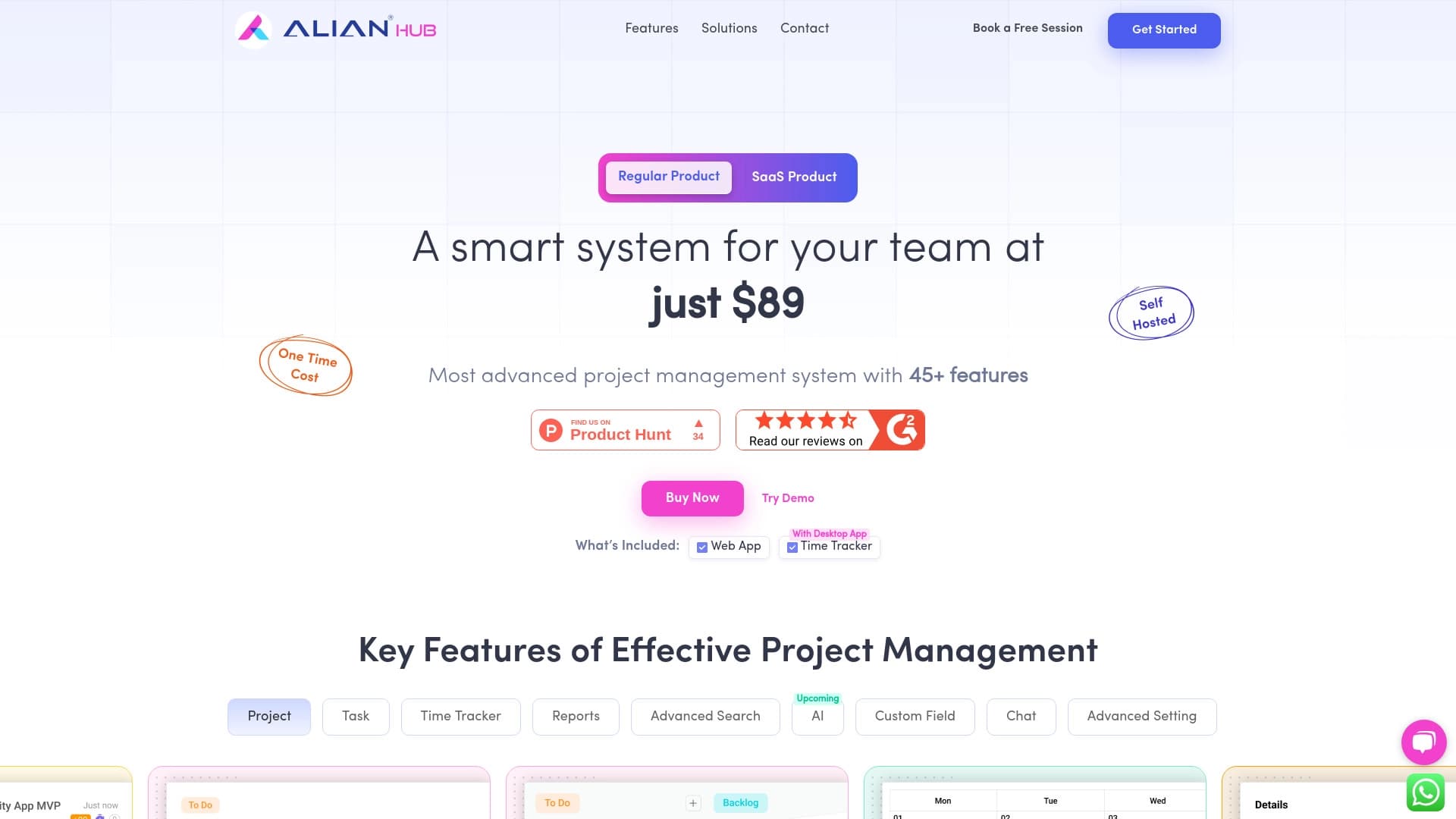

Project management platform with task assignment, time tracking, and employee workload monitoring features.
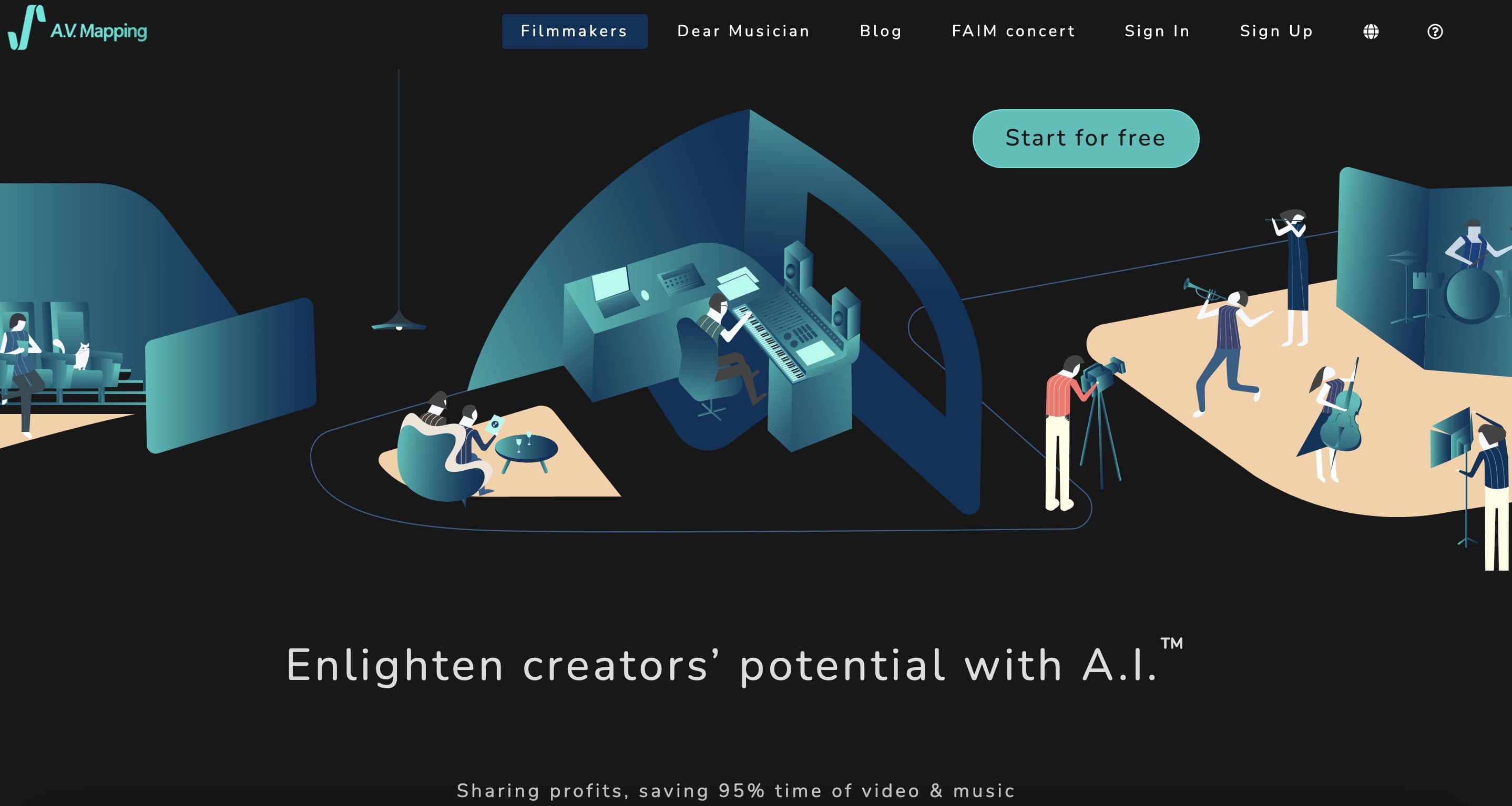

AI service for automatically selecting music to match the mood of videos, images, or text, with legal licenses.
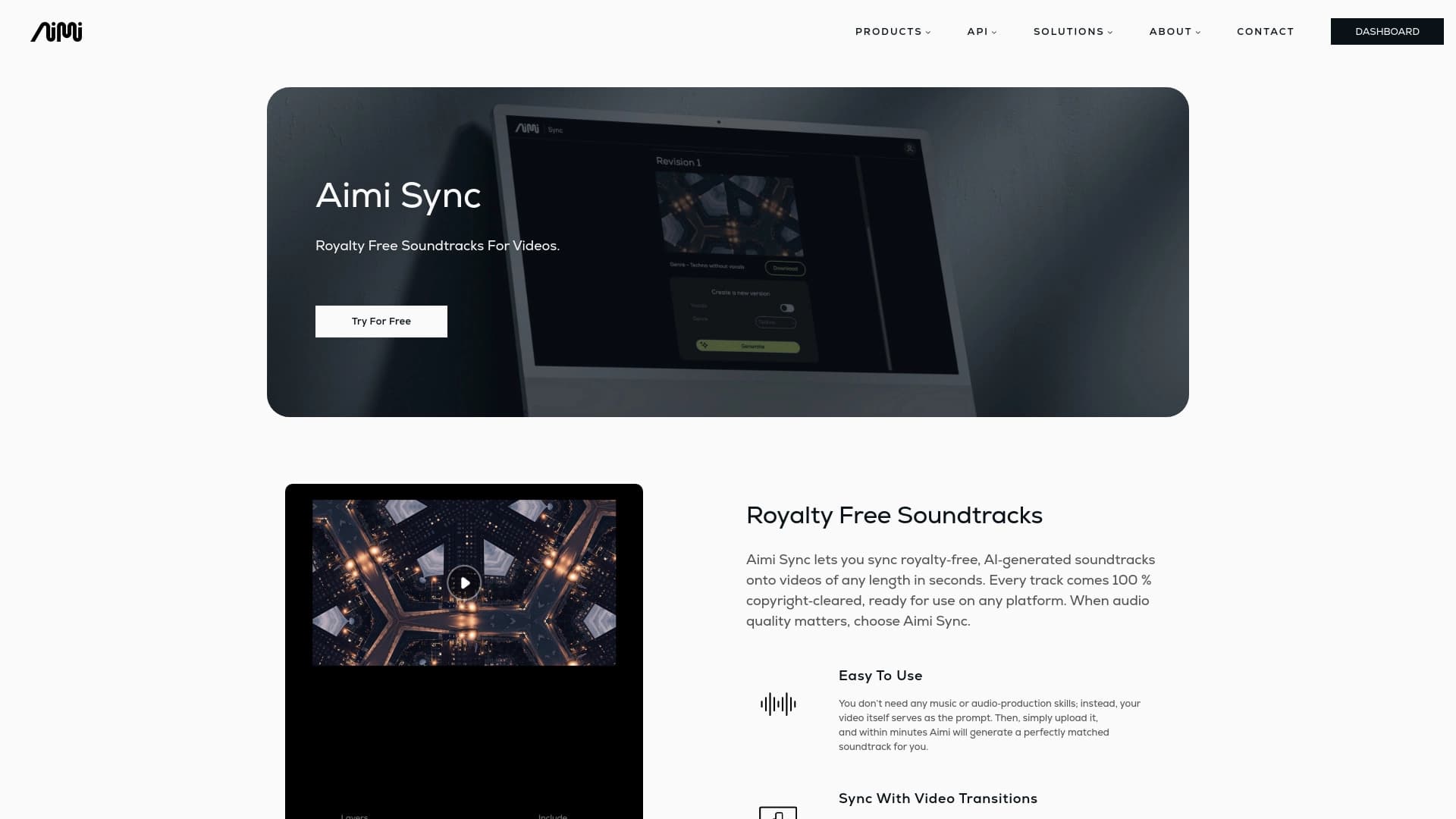

Aimi is a service that automatically creates music and voiceovers for videos by analyzing the video footage.
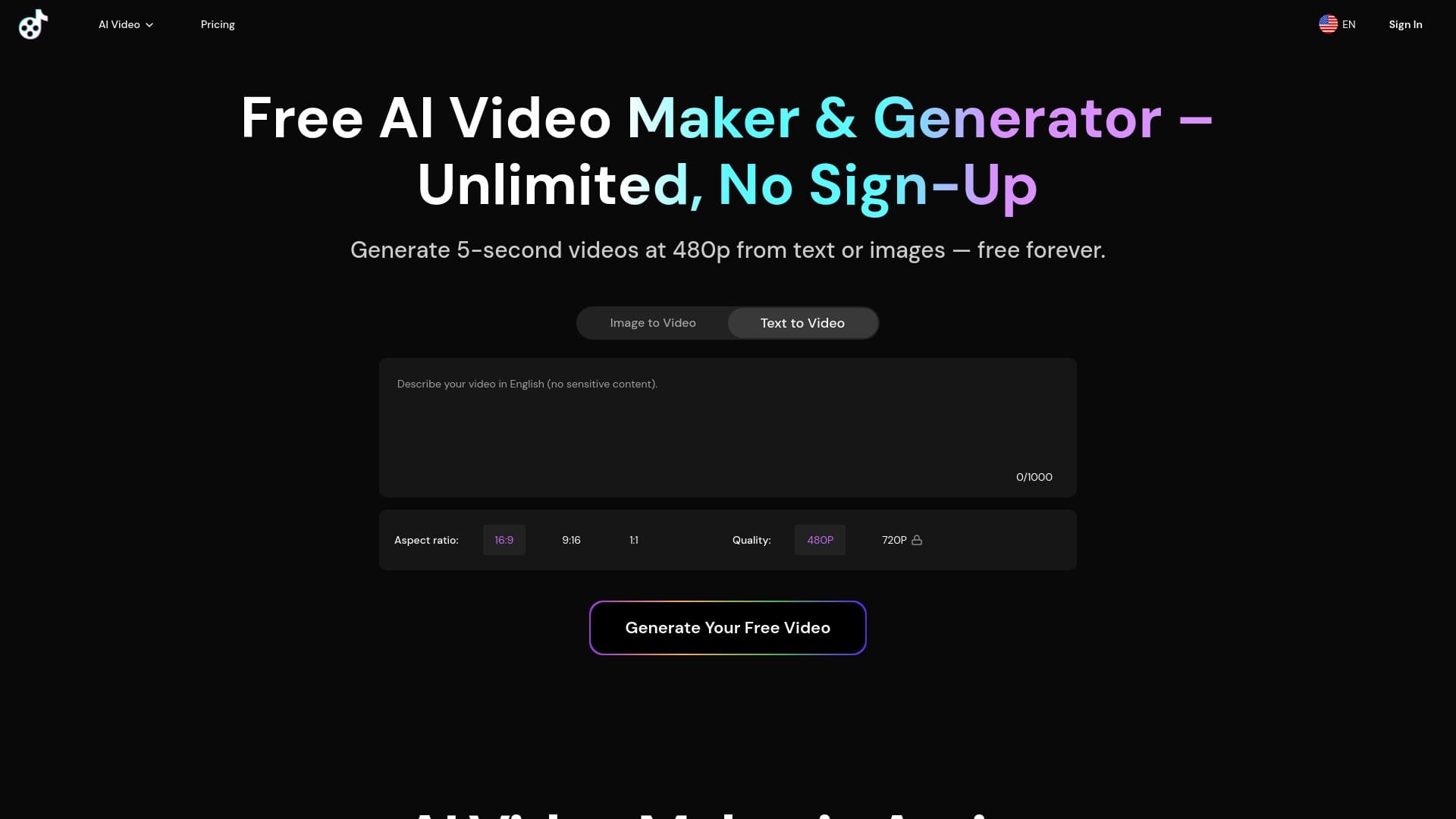
Generate advertising UGC videos with virtual actors without real filming.