
Luma AI
Платформа для генерации видео, изображений и 3D-моделей с помощью нейросетей.
Место в рейтингах
Обзор
Luma AI
Описание нейросети Luma AI
Luma AI — это универсальная платформа на основе искусственного интеллекта, которая объединяет несколько генеративных моделей в одном интерфейсе. Главная идея сервиса — дать пользователям возможность создавать визуальный контент любого типа: от реалистичных видео и фотореалистичных изображений до полноценных 3D-моделей.
Платформа включает несколько ключевых моделей. Dream Machine отвечает за генерацию реалистичных видеороликов по текстовому описанию или изображениям, понимая пространственно-временные взаимодействия объектов, людей и животных. Photon (включая быструю версию Photon Flash) генерирует и редактирует фотореалистичные изображения с архитектурой диффузии. Genie создаёт трёхмерные модели по текстовому запросу в формате quad mesh, совместимом с профессиональными 3D-редакторами.
Отдельная особенность Luma AI — использование ИИ-агентов, которые автоматизируют весь цикл производства контента: от идеи до финального результата. Платформа интегрирует как собственные, так и сторонние модели, позволяя вести сложные проекты — от рекламных роликов до 3D-сцен — без переключения между разными сервисами.
Характеристики Luma AI
| Характеристика | Значение |
|---|---|
| Тип | AI-платформа (видео, изображения, 3D, аудио) |
| Разработчик | Luma Labs |
| Дата релиза | Июнь 2024 (видео), февраль 2025 (Photon) |
| Модель финансирования | Freemium (бесплатно + платные тарифы) |
| Бесплатный план | Есть |
| Платформы | Web, iOS, мобильное приложение, расширение для браузера |
| API | Есть |
| Регистрация | Не требуется для базового использования (Genie) |
| Максимальная длительность видео | 5 секунд (120 кадров) |
| Время генерации видео | ~120 секунд |
| Максимальное разрешение изображений | 1536×1536 |
| Время генерации изображения (Photon Flash) | 2 секунды |
| Поддержка сценариев | text2video, image2video, text-to-3D |
| Доступ из России | Только с VPN |
| Рейтинг | 4.9 |
Для кого подходит нейросеть Luma AI?
Авторы и создатели контента
Luma AI рассчитана на авторов, которым нужно управляемое видео с возможностью довести результат до монтажного и VFX-конвейера. Платформа подходит как новичкам без опыта видеопроизводства, так и профессионалам, благодаря интуитивному интерфейсу и поддержке естественного языка вместо сложных промптов.
Маркетологи и бренды
Маркетологи получают возможность создавать варианты рекламной кампании из одного исходника, генерировать визуалы для соцсетей и маркетинговые ролики. Платформа заточена под профессиональные креативные команды: позволяет параллельно вести много задач, держать единый стиль и масштабировать производство контента.
Геймдев-команды, 3D-художники и VR/AR-разработчики
Инструмент Genie предназначен для геймдев-команд, инди-разработчиков, 3D-художников и VR/AR-разработчиков. Он ускоряет генерацию пропсов, прототипов и фоновых объектов без необходимости ручного моделирования, а финальные модели экспортируются в форматы, совместимые с Blender, Unity и Unreal Engine.
Преподаватели и специалисты видеопродакшна
Люди обеспечивают образовательный контент, режиссёры и студии — превизуализацию и переработку материала, а разработчики могут использовать API для встраивания генерации в собственные продукты.
Как использовать нейросеть Luma AI?
Генерация видео через Dream Machine
Для создания видео посетите сайт Dream Machine, зарегистрируйтесь или войдите в аккаунт, затем загрузите изображения или введите текстовое описание. Настройте результат с помощью доступных функций, нажмите «Generate» и дождитесь готового ролика, который можно скачать или поделиться им.
Генерация 3D-моделей через Genie
Откройте сайт Luma Labs или Discord-бота (для базового использования регистрация не требуется). Введите текстовое описание объекта — через несколько секунд сервис предложит четыре черновых варианта 3D-модели. Выберите понравившийся и запустите высококачественную доработку. Финальную модель можно экспортировать в quad mesh формате.
Использование ИИ-агентов для полного цикла
Платформа позволяет запускать «креативных агентов», которые планируют, генерируют и дорабатывают контент по единому контексту на всех этапах кампании. Вы задаёте задачу на естественном языке, а агенты последовательно выполняют этапы производства — от идеи до финальных материалов.
Основные функции Luma AI
Генерация видео
Dream Machine создаёт реалистичные видеоролики по тексту (text2video) или изображению (image2video) длительностью до 5 секунд (120 кадров). Модель понимает физику движения, обеспечивает правдоподобную анимацию и кинематографичность, а также запоминает персонажей в рамках сессии, сохраняя их единый внешний вид.
Генерация и редактирование изображений
Photon и быстрая версия Photon Flash поддерживают генерацию, изменение, ретушь и расширение изображений. Модели работают на архитектуре диффузии с разрешением до 1536×1536 пикселей, а Photon Flash выдаёт результат всего за 2 секунды, поддерживая работу с изображениями (img2img).
Создание 3D-моделей
Genie генерирует четыре варианта 3D-модели по текстовому промпту за 10 секунд, с возможностью высококачественной доработки выбранного варианта. Инструмент создаёт quad mesh модели, совместимые с Blender, Unity, Unreal Engine, Maya и 3ds Max, с настройкой уровня детализации на этапе экспорта.
ИИ-агенты и мультимодальный рабочий процесс
Платформа использует ИИ-агентов для последовательного выполнения задач, сохраняет контекст проекта, позволяет параллельно генерировать несколько вариантов и интегрирует сторонние модели в единый рабочий процесс — от задумки до финального результата.
Преимущества Luma AI
Универсальность и скорость
Главное преимущество — объединение генерации видео, изображений, 3D и аудио в одной среде. Модели работают быстро: видео создаётся примерно за 2 минуты, черновая 3D-модель — за 10 секунд, изображение в Photon Flash — за 2 секунды. Платформа оптимизирована под скорость генерации.
Доступность и простота использования
Интерфейс удобен даже без опыта промпт-инжиниринга — поддерживается ввод на естественном языке и творческое «мозговой штурм». Инструмент доступен на веб-платформе, iOS, в виде мобильного приложения и расширения для браузера, а также через Discord-бота. До 30 бесплатных генераций видео в месяц без необходимости регистрации — ещё одно заметное преимущество.
Профессиональные возможности
Luma AI предоставляет API для разработчиков, позволяет использовать референсные изображения и ремиксы для персонализированных работ, а quad mesh формат 3D-моделей подходит для профессионального пайплайна. Платформа облегчает совместную работу и обмен созданным контентом, а ИИ-агенты ускоряют производство благодаря параллельной работе.
Недостатки Luma AI
Ограничения бесплатного тарифа
Бесплатный план имеет существенные ограничения: видео генерируются в разрешении 720p, только изображения доступны в 1080p, накладываются водяные знаки, контент предназначен только для некоммерческого использования. Число бесплатных генераций ограничено (до 30 в месяц).
Качество и точность генерации
Модель может выдавать неточные результаты, не умеет корректно выводить текст в кадре и в некоторых случаях произвольно меняет форму объектов. Максимальная длительность видео ограничена 5 секундами. Для 3D-моделей сложная геометрия получается хуже, чем простые объекты, а текстуры — мягкими и не всегда чёткими.
Платформенные и технические ограничения
На данный момент отсутствует Android-приложение, а из России сервис доступен только через VPN. Luma AI не является открытым исходным кодом, что ограничивает возможности сообщества. High-Res доработка 3D-моделей может занимать до 20 минут, а художественный контроль над стилем, материалами и топологией ограничен.
Какие задачи решает Luma AI
Создание визуального контента
Инструмент решает широкий круг задач: создание маркетинговых и рекламных роликов, генерация визуалов для соцсетей, производство образовательного контента, съёмка кинематографичных видео и разработка фильм-сцен. Платформа позволяет превращать текстовые идеи в готовые визуальные истории.
3D-моделирование и прототипирование
Genie ускоряет генерацию пропсов и фоновых объектов для игровых уровней, создание прототипов игровых объектов для оценки концепции, получение базовой формы для последующей доработки в 3D-редакторе и генерацию объектов для виртуальной и дополненной реальности — без навыков моделирования.
Автоматизация производственного конвейера
Luma AI автоматизирует конвейер создания контента от идеи до финального результата: ИИ-агенты планируют, генерируют и дорабатывают материалы по единому контексту на всех этапах кампании, позволяя производить мультимедиа-проекты без переключения между разными сервисами.
Цены Luma AI
Бесплатный план
Luma AI работает по модели freemium. Бесплатный тариф включает генерацию в 720p (для изображений — 1080p), накладывает водяные знаки и предназначен только для некоммерческого использования. Пользователи получают до 30 бесплатных генераций в месяц (некоторые источники упоминают около 600–700 бесплатных кредитов).
Платные тарифы
Платные планы Dream Machine начинаются от 6,99 долларов в год (Web Lite): 3200 месячных кредитов, изображения 1080p, видео 720p/1080p, водяные знаки, некоммерческое использование. Web Plus стоит 20,99 долларов в год — 10 000 кредитов, коммерческое использование без водяных знаков. Web Unlimited — 66,49 долларов в год с безлимитными «relaxed» кредитами и 10 000 быстрых кредитов. При годовой оплате действует скидка 30%. Отдельные тарифы Dream Machine (Lite от 9,99$, Standard от 29,99$, Pro от 99,99$ в месяц) упоминаются и в других источниках.
Цены за отдельные операции
Изображение в Photon Flash стоит 0,004 доллара за штуку при скорости 30 изображений в минуту. Модель Photon 1 — 0,015 доллара за изображение при 6 секундах генерации. Инструмент Genie для 3D-моделей на текущий момент полностью бесплатен.
Условия использования Luma AI
Лицензионные условия
Luma AI использует проприетарную (закрытую) лицензию — продукт не является открытым исходным кодом. Для базового использования Genie регистрация не требуется, однако условия коммерческого использования моделей явно не опубликованы, поэтому их рекомендуется уточнять у поддержки Luma Labs.
Ограничения по использованию
Необходимо учитывать запрет на коммерческое использование для бесплатного и Lite-планов, а также водяные знаки, накладываемые на этих тарифах. Максимальная длительность генерируемого видео ограничена 5 секундами, а число бесплатных генераций — лимитом в месяц.
Требования к доступу
Инструмент требует подключения к интернету для веб-версии и iOS-приложения, а из России доступен только с использованием VPN. Уточнение подробностей тарифов может потребовать создания аккаунта или подписки.
Доступность Luma AI
Luma AI доступен через веб-платформу по адресу lumalabs.ai/genie, а также в виде iOS-приложения, мобильного приложения и расширения для браузера. Для Genie предусмотрен доступ через Discord-бота без необходимости регистрации для базового использования. Платформа имеет версию с русским языком интерфейса и предоставляет API для интеграции в сторонние продукты. При этом Android-приложение на данный момент отсутствует, а пользователи из России могут работать с сервисом только с включённым VPN.
Чем отличается Luma AI от аналогов
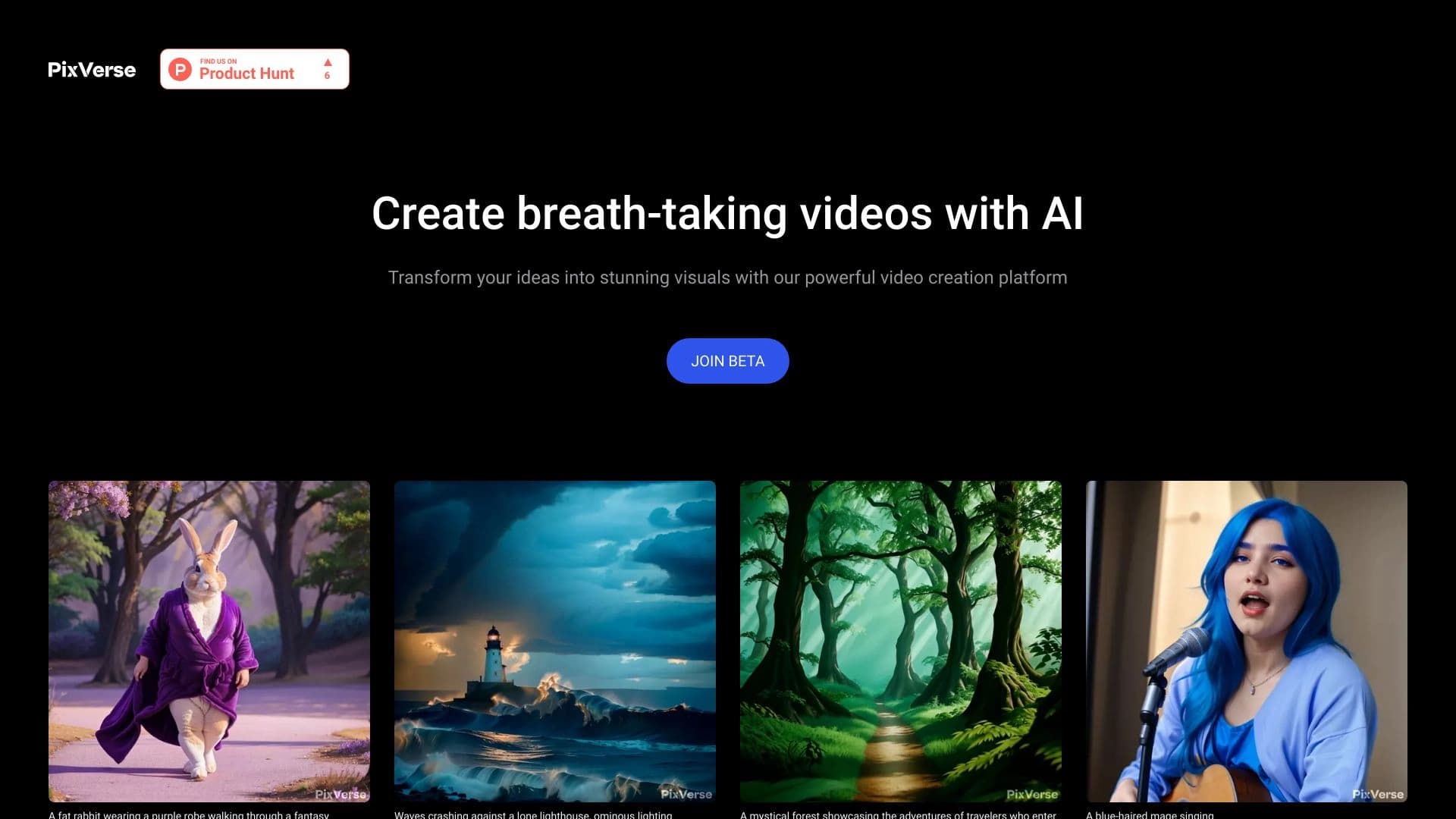
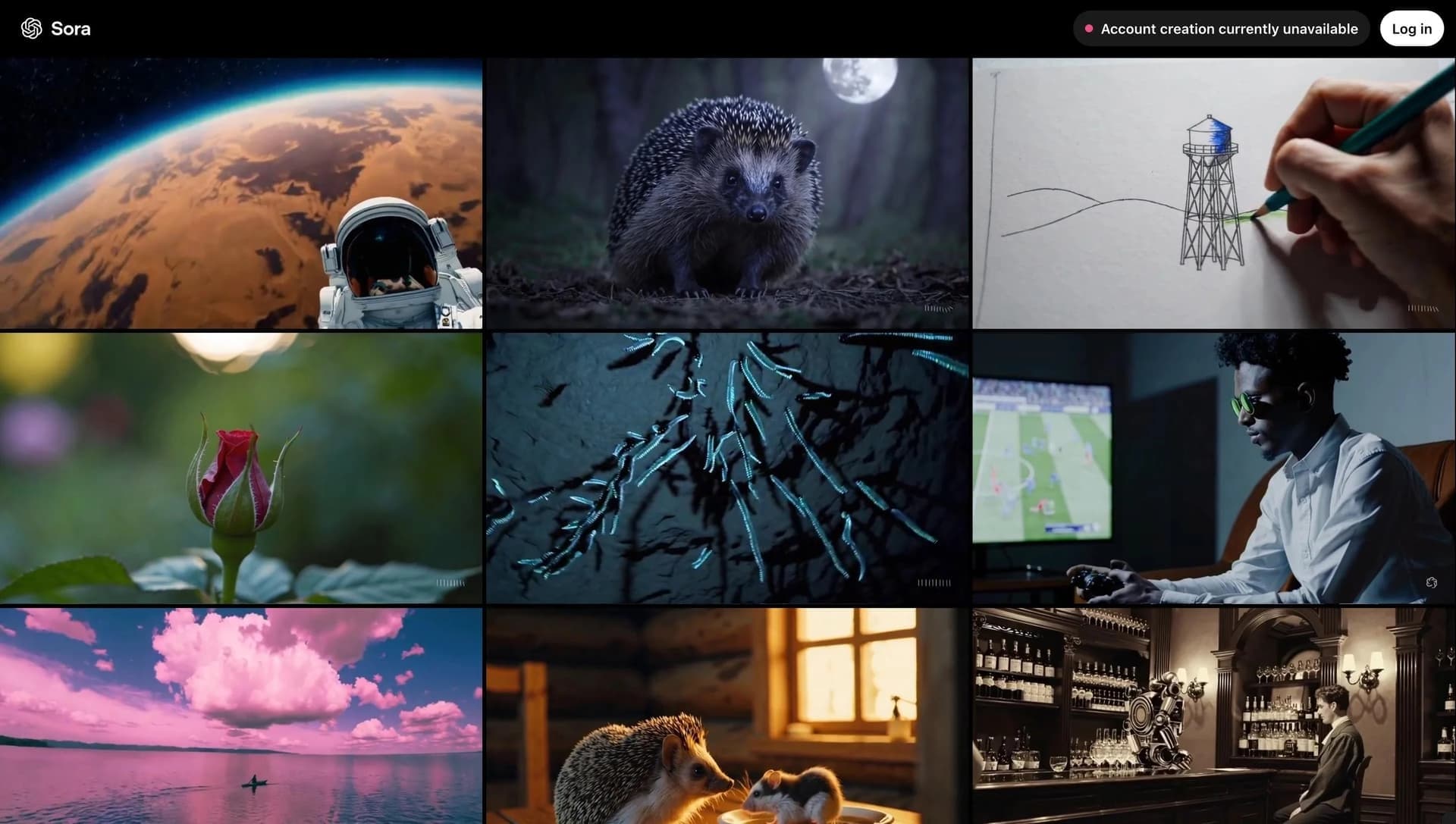
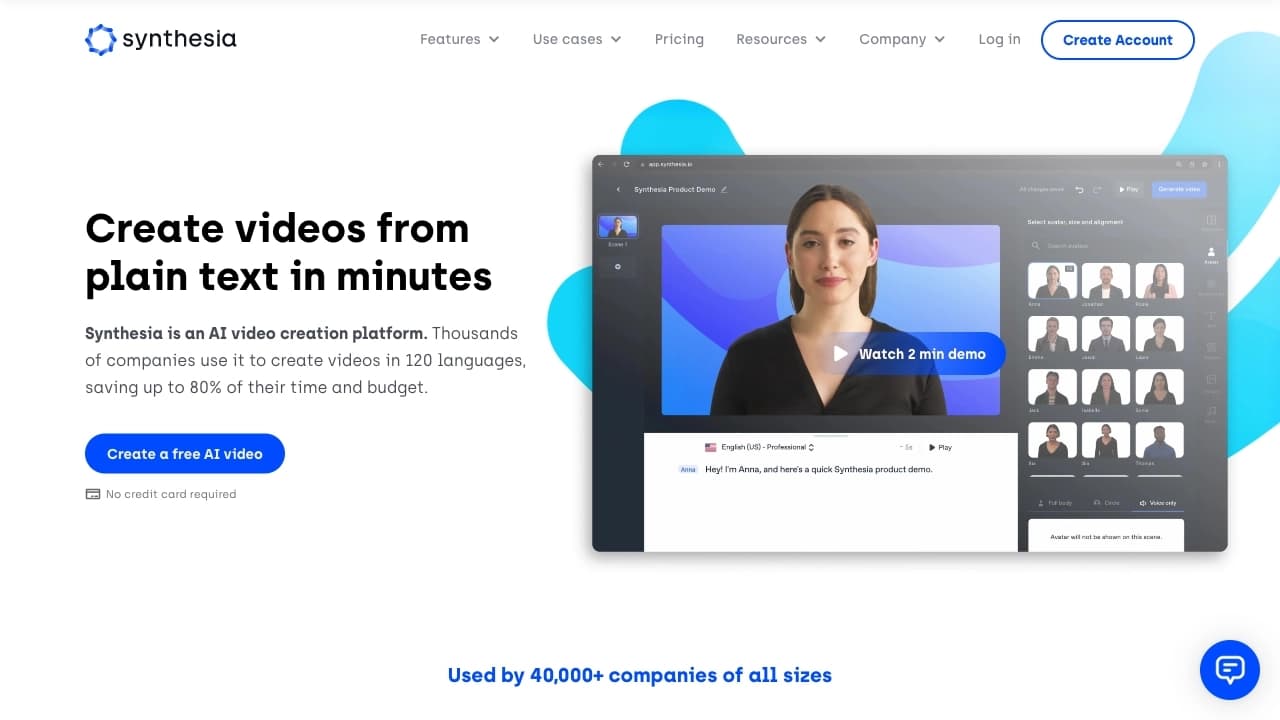
Главное отличие Luma AI от конкурентов вроде Sora, Runway ML и Synthesia — универсальность: это не просто генератор видео, а единая платформа, объединяющая видеогенерацию, создание изображений, 3D-моделей и работу с ИИ-агентами. Конкуренты обычно специализируются на одном типе контента, тогда как Luma позволяет вести мультимодальные проекты без переключения между сервисами.
Отдельно стоит выделить Genie — в категории text-to-3D его преимущество перед аналогами (Hunyuan, Rodin, Tripo AI, Meshy) — скорость первичной генерации до 10 секунд и качество итогового high-res результата, который заметно превосходит черновик. Инструмент полностью бесплатен на текущий момент, что делает его одним из самых доступных в категории. В отличие от Dream Machine, которая создаёт видеоклипы, Genie специализируется именно на трёхмерных моделях.
Среди других аналогов упоминаются Magic Hour, Visper, Revid AI и Нейропродюсер (для видео), Photon Flash и Imagen от конкурентов (для изображений), а также Gemini Omni и Lovart (для комплексных мультимодальных рабочих процессов). Однако ни один из них не сочетает в одном интерфейсе генерацию видео, фото, 3D и автоматизацию через ИИ-агентов так, как это делает Luma AI.
Заключение
Luma AI — это универсальная AI-платформа, объединяющая генерацию реалистичных видео (Dream Machine), фотореалистичных изображений (Photon) и 3D-моделей (Genie) в одном интерфейсе. Благодаря использованию ИИ-агентов и поддержке сторонних моделей, сервис автоматизирует весь цикл производства контента — от идеи до финальных материалов. Инструмент подходит для авторов, маркетологов, геймдев-команд, дизайнеров и разработчиков, предлагая бесплатный тариф и несколько платных планов. При всех преимуществах — скорости, универсальности и доступности — у платформы есть ограничения: отсутствие Android-приложения, необходимость VPN для пользователей из России и определённые ограничения в качестве генерации сложных объектов и текста в кадре.
Тарифы
Часто задаваемые вопросы
Похожие нейросети




Смотрите также
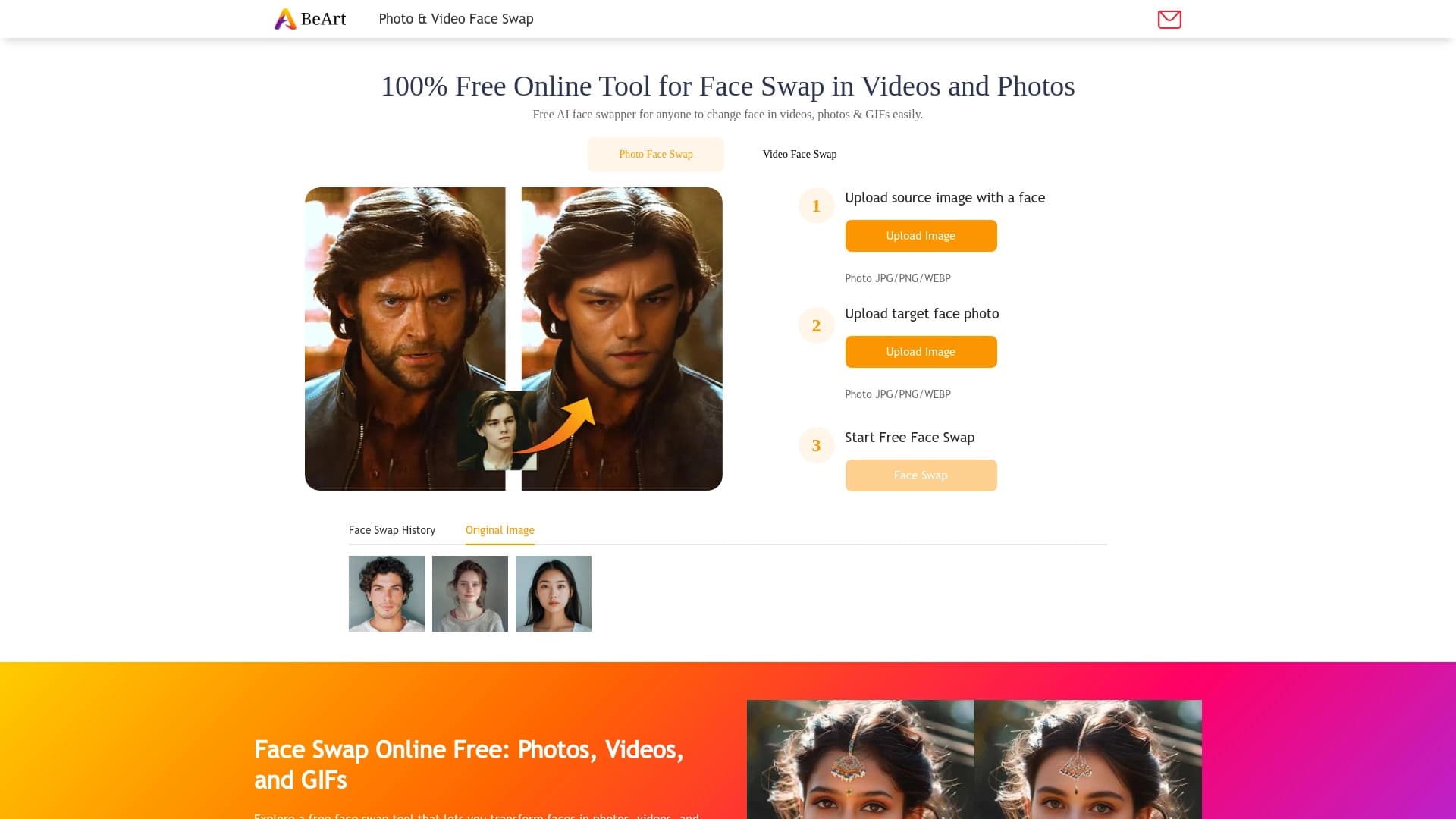
Онлайн-инструмент для замены лиц на фото, видео и GIF без регистрации и водяных знаков.
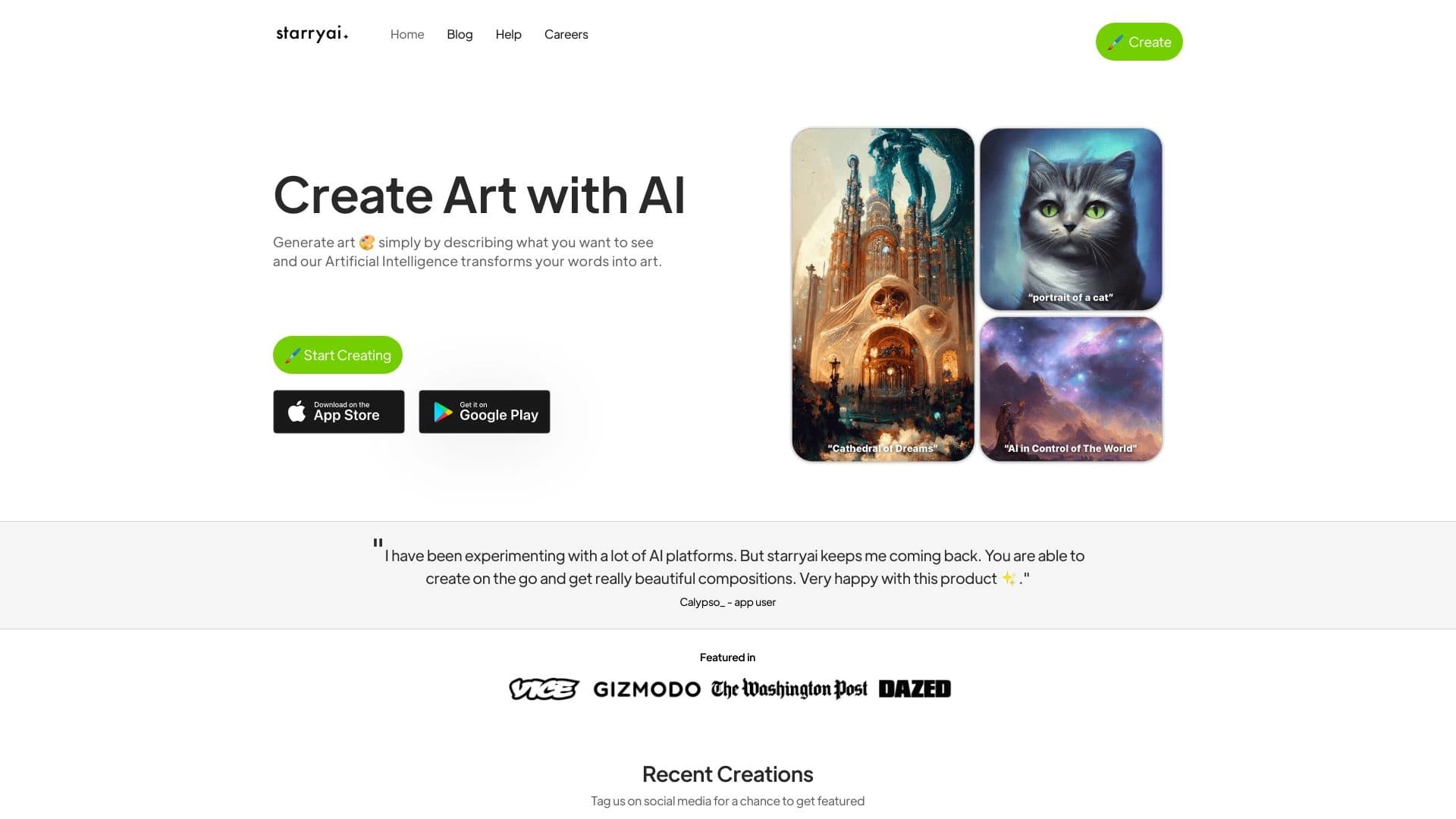

Нейросеть, которая генерирует изображения и иллюстрации на основе текстового описания.
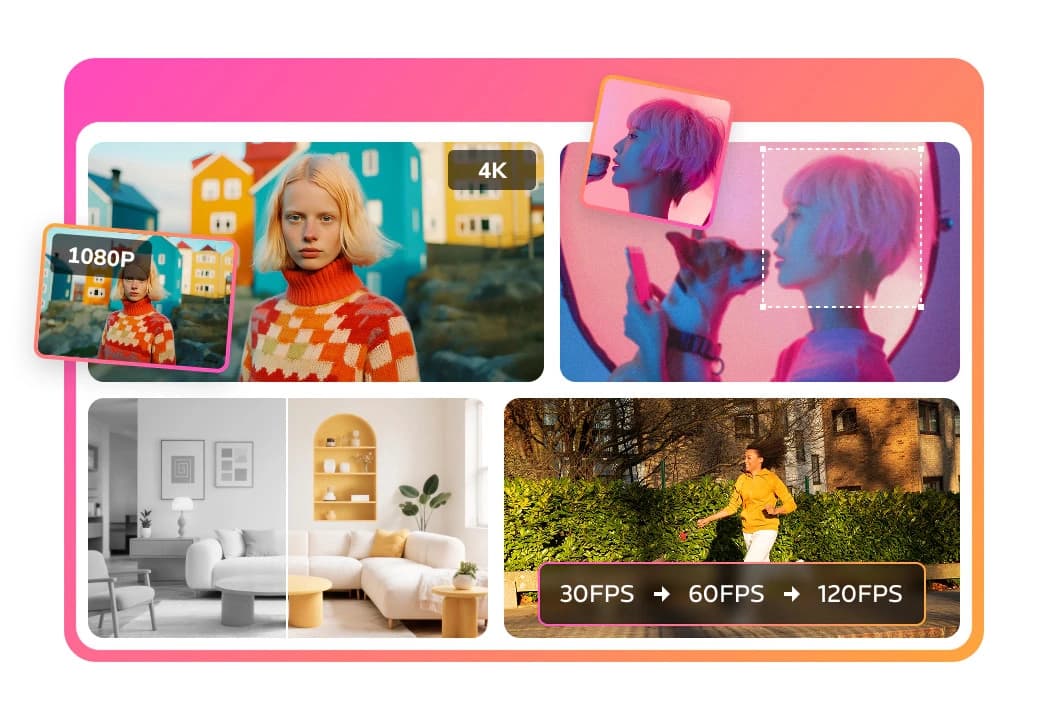
Набор мультимедийных AI-инструментов для редактирования и улучшения фото, видео и PDF-документов.


Платформа на основе искусственного интеллекта для генерации юридических документов, анализа контрактов и получения правовой информации.
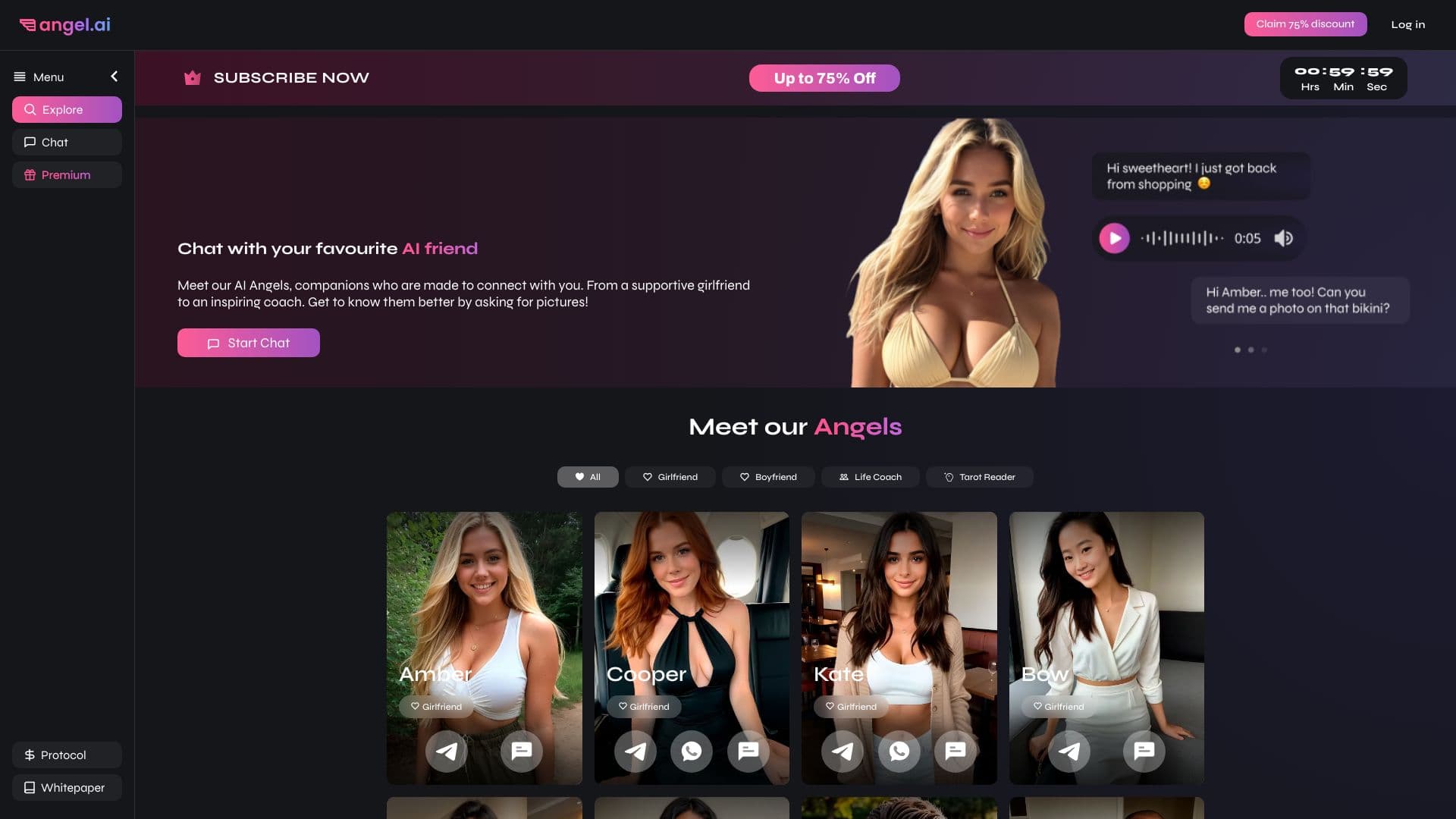
Приложение для создания и настройки виртуальных ИИ-компаньонов с разными характерами и стилями общения.
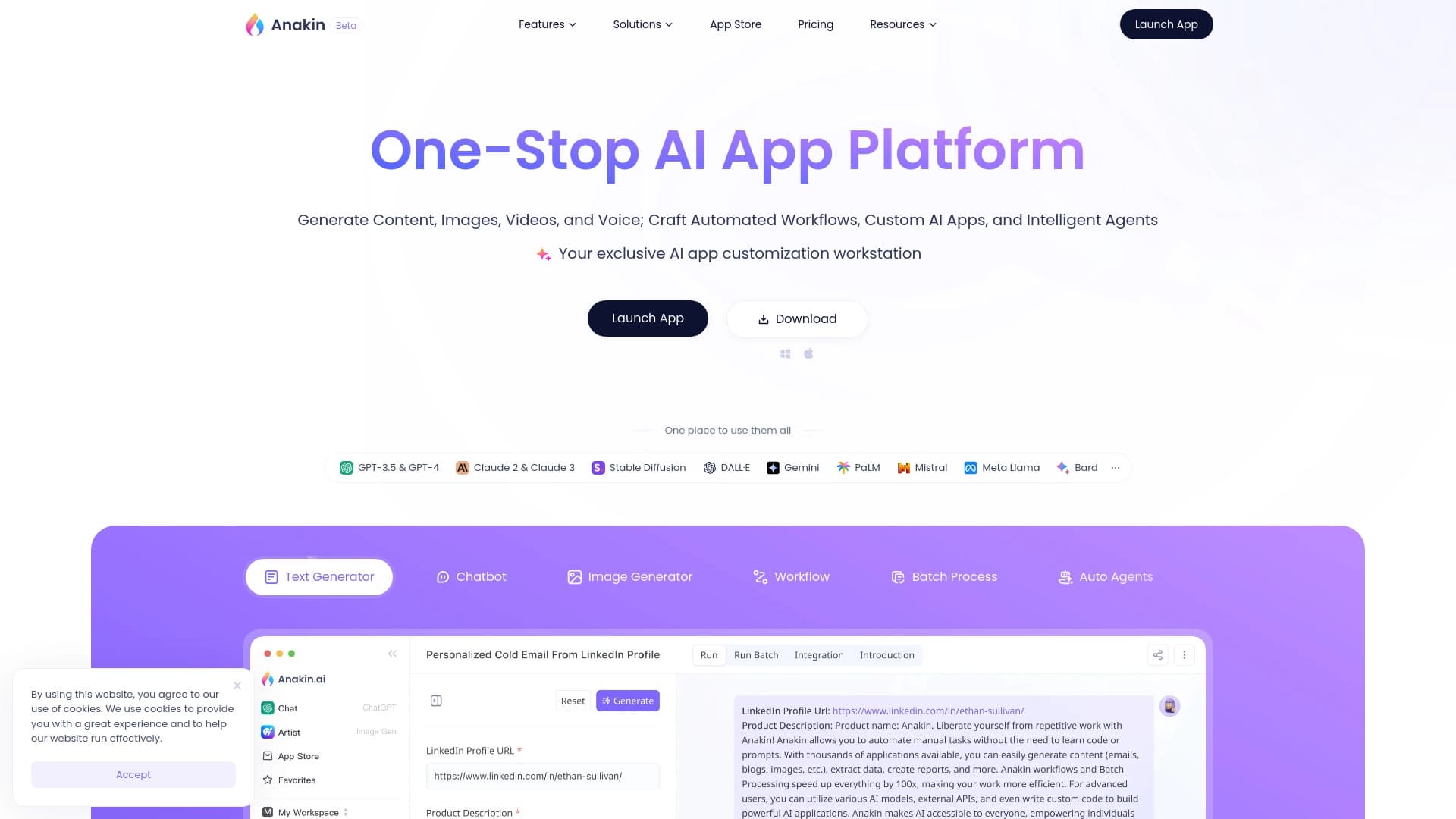
Anakin.ai — это low-code платформа, объединяющая различные AI-модели для создания контента и автоматизации рабочих процессов без программирования.
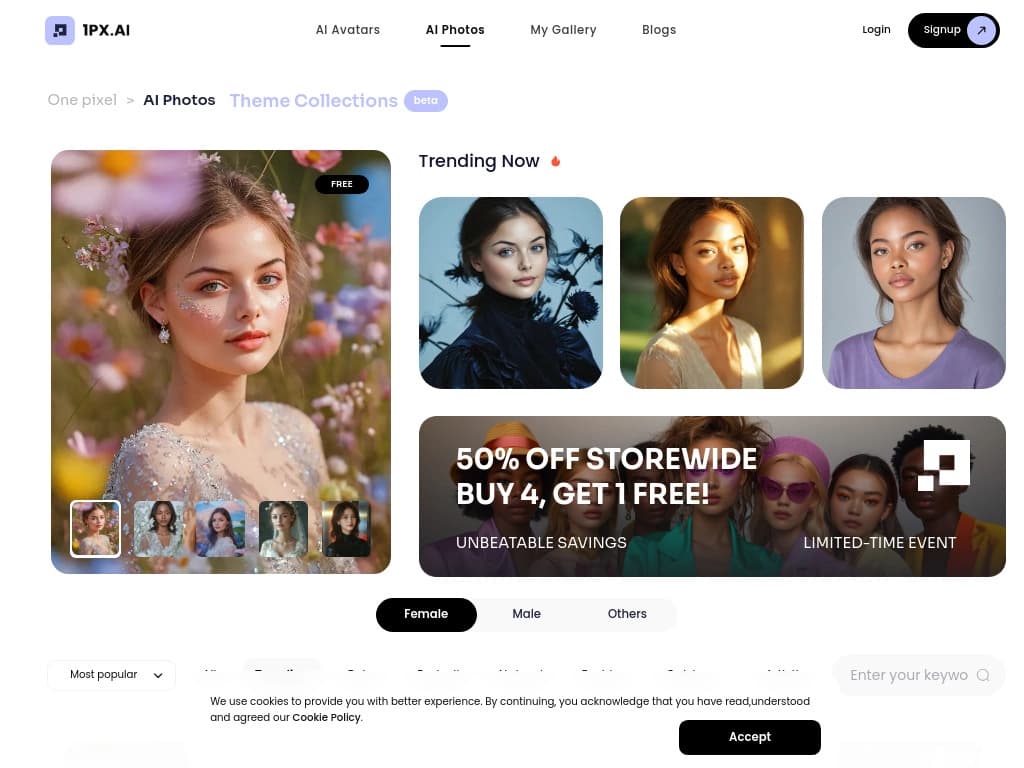

Онлайн-сервис на основе нейросети для превращения обычных фотографий в стилизованные художественные портреты и аватары.
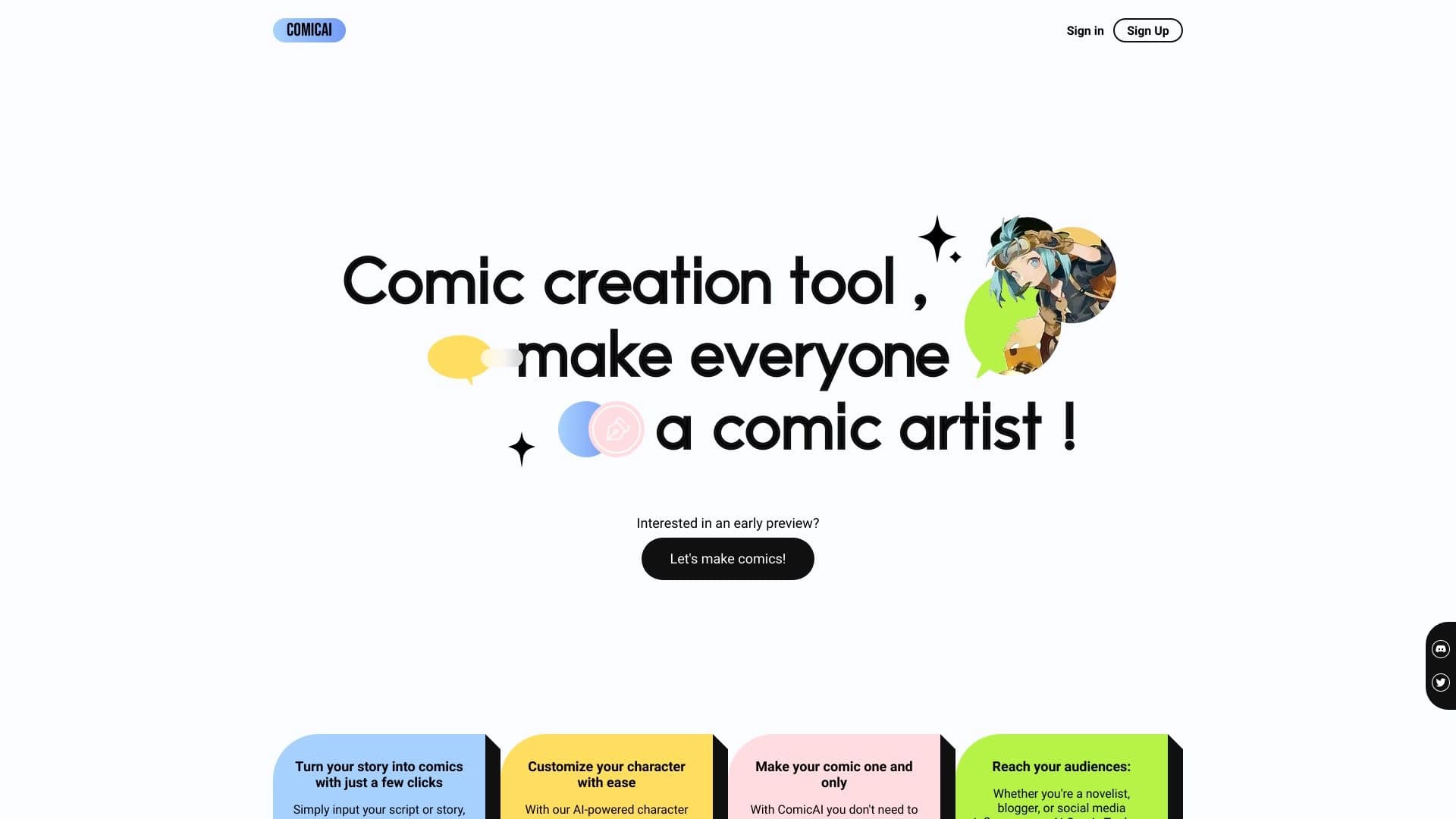
AI-инструмент для автоматического создания комиксов и манги из текстовых сценариев и историй.