

Llama
A series of open-source large language models from Meta for processing text, images, audio, and code.

Overview
Llama
Description of the Llama neural network
Llama is a family of open-source large language models developed by Meta. The models are available in various versions, including Scout, Maverick, Behemoth, as well as earlier versions 3.1, 3.2, and 3.3. They support multimodal data processing: text, images, audio, and video. The model architecture is based on mixture of experts (MoE), which makes it possible to distribute computing resources efficiently. Llama can generate code, translate texts, analyze large volumes of information, and carry on conversations. The models are distributed under a freemium model: they are available both for local use with open weights and via cloud APIs for commercial deployment.
Llama characteristics
| Characteristic | Value |
|---|---|
| Developer | Meta |
| Type | Multimodal language model (text, images, audio, video) |
| Architecture | Mixture of Experts (MoE) |
| Versions | Scout, Maverick, Behemoth, 3.1, 3.2, 3.3 |
| Context window | Up to 10 million tokens (Scout), 1 million tokens (Maverick), 128K tokens (3.1) |
| Number of parameters | Up to 2 trillion (Behemoth), 400 billion (Maverick), 109 billion (Scout) |
| Active parameters per token | 17 billion (Scout, Maverick) |
| Training | 15–40 trillion tokens, up to 100,000 Nvidia H100 accelerators |
| Supported languages | 20+ languages, including Russian |
| Translation accuracy | 95% |
| Release date | April 5, 2025 (Llama 4), July 23, 2024 (Llama 3.1) |
| License | Open Source (Llama 4 Community License / Meta Llama 3.1 Community License) |
| Distribution model | Freemium |
Who is the Llama neural network suitable for?
Developers and programmers
Llama is aimed at developers who can download models for local use, integrate them via API, and fine-tune them for their own tasks. The model is suitable for building applications, chatbots, and virtual assistants.
Researchers and data analysts
The model is useful for researchers working with large volumes of information and for data analysts who need to process text, images, and audio.
Business and content creators
Llama is suitable for businesses in marketing, customer service, and content creation. Companies can use it to automate routine tasks and generate materials.
How to use the Llama neural network?
Local use
To run the model locally, download it from the official Llama website. For example, Scout requires about 4 GB of free space. Then install Python 3.10 or higher and run the script via the terminal. A computer with a GPU with at least 16 GB of video memory is recommended.
Using the API
Llama is available through cloud services such as OpenRouter, Together AI, Fireworks AI, GroqCloud, AWS Bedrock, and Azure. To get started, register on your chosen platform and obtain an API key.
Web application
Users can sign up on the Llama website and use the web interface to work with the model. This does not require local installation and is suitable for quick testing.
Key features of Llama
Text and code generation
The model can generate coherent texts and program code. Maverick generates code in 2 seconds, and its code generation speed is 40% higher than DeepSeek v3.1.
Multimodal processing
Llama analyzes text, images, and audio. Version 3.2 supports multimodal processing, and Llama 4 was originally designed as a multimodal system.
Working with long documents
The model can process contexts of up to 10 million tokens, allowing it to analyze books of up to 5,000 pages. Scout is designed for working with large volumes of text.
Translation and language support
Llama supports 20 languages, including Russian, with 95% translation accuracy. The model is trained on data in 200 languages.
Advantages of Llama
Record-breaking context window
A context window of 10 million tokens (80 times larger than Llama 3) makes it possible to process huge volumes of information in a single request.
High performance
The model outperforms GPT-4o in 7 benchmarks and runs 30% faster thanks to FP8 training. It attracted 500,000 developers in the first week after release.
Free access and open source
Llama is completely free without restrictions, including all versions. The open source code allows the model to be customized for specific tasks.
Cost efficiency
The MoE architecture reduces inference costs: although Scout has 109 billion parameters, only 17 billion are active per token. This makes the model cheaper than comparable alternatives at similar quality.
Disadvantages of Llama
Regional restrictions
Access to the service may be restricted in certain regions depending on local legislation. Users in such regions may need to use alternative access methods.
License restrictions
The Llama 4 Community License is not OSI-compatible and limits commercial use to 700 million monthly active users. Larger companies must request a separate license.
High resource requirements
Running large versions locally (for example, Llama 3.1 405B) requires powerful hardware: at least 8 A100 80GB GPUs. Even less demanding versions need a GPU with at least 16 GB.
What tasks does Llama solve?
Data processing and analysis
The model is suitable for analyzing large volumes of text, books, and documents of up to 5,000 pages, as well as for processing images and audio.
Programming and coding
Llama generates code, automates development, and achieves strong benchmark results: HumanEval 89.0% (version 3.1 405B) and 72.6% (version 3.1 8B).
Translation and multilingual tasks
The model translates text into 20 languages and supports conversations in multiple languages.
Content creation
Llama generates texts, articles, and creative content, and can also be used to create chatbots and virtual assistants.
Llama pricing
Free tier
All versions of Llama are completely free without restrictions. For local use, the model can be downloaded from the official website. The web application is also free of charge.
Paid APIs
When using the API, the cost depends on the provider. For example, on OpenRouter: Scout — $0.08 per 1 million input tokens, $0.30 per 1 million output tokens; Maverick — $0.15 per 1 million input tokens, $0.60 per 1 million output tokens. Llama 3.1 8B costs $0.20 per 1 million tokens for both input and output.
Trial access
Some cloud providers, such as Together.ai, provide limited free access to the model. A demo is also available on HuggingFace Spaces.
Llama terms of use
Registration
Using the web application requires registration on the Llama website. When working via API, registration with the chosen cloud provider is required.
License restrictions
For commercial use, the Meta Llama 3.1 Community License or Llama 4 Community License applies. Commercial use is permitted for companies with an audience of up to 700 million users. Larger companies must request a separate license.
Regional restrictions
Access may be restricted in some countries depending on local regulations. In such cases, alternative access methods may be required.
Llama availability
Web application and API
Llama is available as a web application on the official website. The model is also available through APIs from cloud providers: OpenRouter, Together AI, Fireworks AI, GroqCloud, AWS Bedrock, Azure, and Google Vertex AI.
Local use
Models can be downloaded from the official website or HuggingFace. For local use, a computer with a GPU of at least 16 GB (for Scout) or 8×A100 80GB (for Llama 3.1 405B) is required. Local use does not require an internet connection.
Supported languages
Llama supports 20+ languages, including Russian. The model is trained on data in 200 languages.
How is Llama different from alternatives?
Context window
Llama 4 Scout has a record context window of 10 million tokens, significantly surpassing alternatives: Gemini 3.1 Pro (2 million tokens) and Claude Opus 4.6 (1 million tokens).
Performance
The model outperforms ChatGPT and DeepSeek in benchmarks. Its code generation speed is 40% higher than DeepSeek v3.1. Llama 4 Maverick outperforms GPT-4o and Gemini 2.0 Flash in a number of metrics.
Open source
Unlike proprietary models (GPT-4, Claude), Llama has open source code and allows the model to be fine-tuned for specialized tasks. This makes it valuable for researchers and developers.
Cost
Llama is cheaper than alternatives at comparable quality. For example, Maverick costs $0.60 per 1 million output tokens, compared to $3 for Claude Sonnet 4.6. A completely free version is available for local use without restrictions.
Conclusion
Llama is a powerful family of open-source multimodal language models from Meta. Key advantages include a record context window of up to 10 million tokens, high performance surpassing GPT-4o and DeepSeek, completely free access, and open weights for local use. The model is suitable for developers, researchers, and businesses, handling tasks from data analysis to programming. The main limitations are related to license restrictions for large companies and potential regional availability restrictions.
Pricing
Frequently asked questions
Similar AI tools


See also
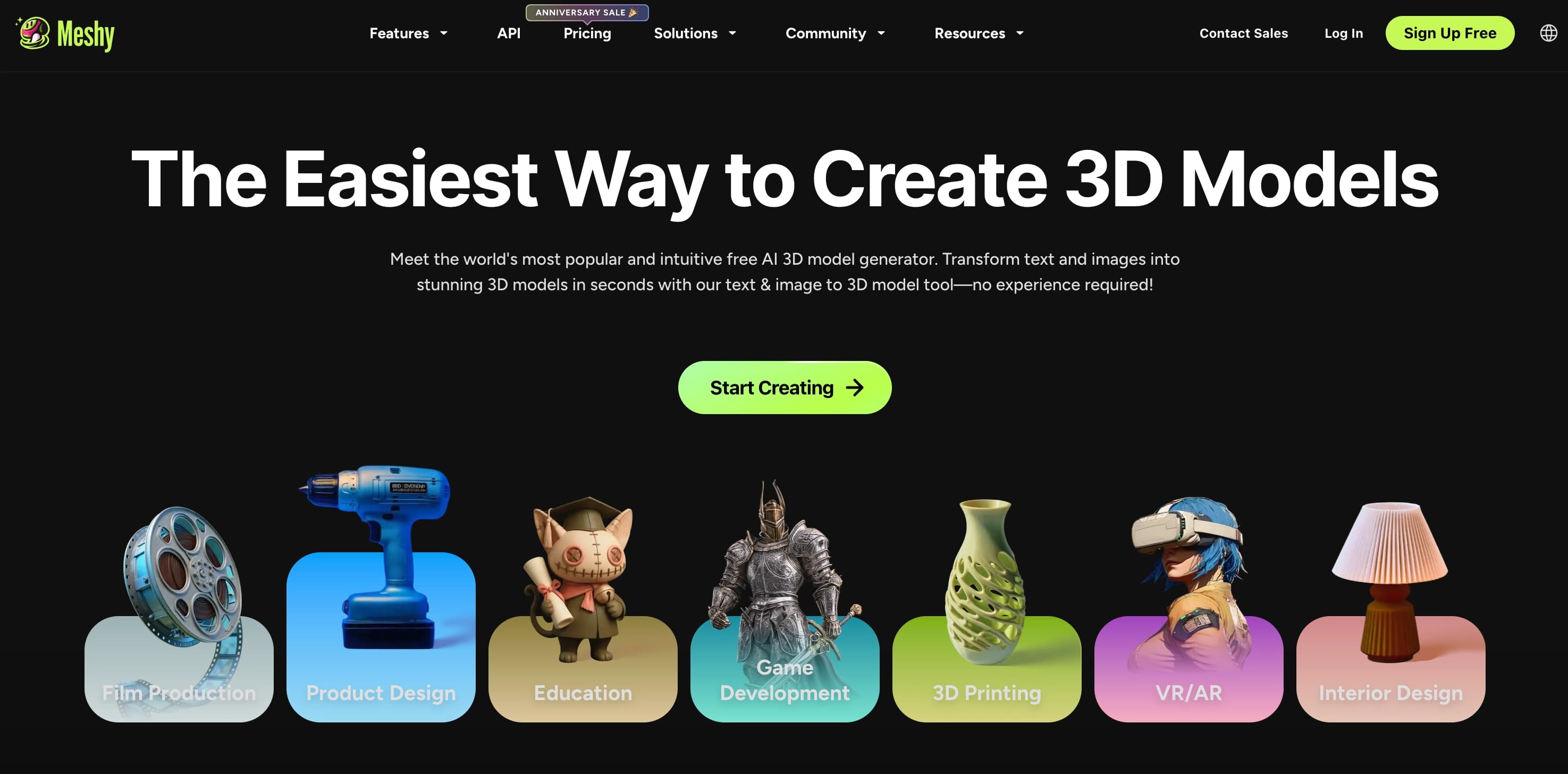
A neural network-powered cloud service for generating 3D models, textures, and animations from text descriptions or images.


Platform for creating multi-agent AI systems and chatbots to automate customer support and lead generation.
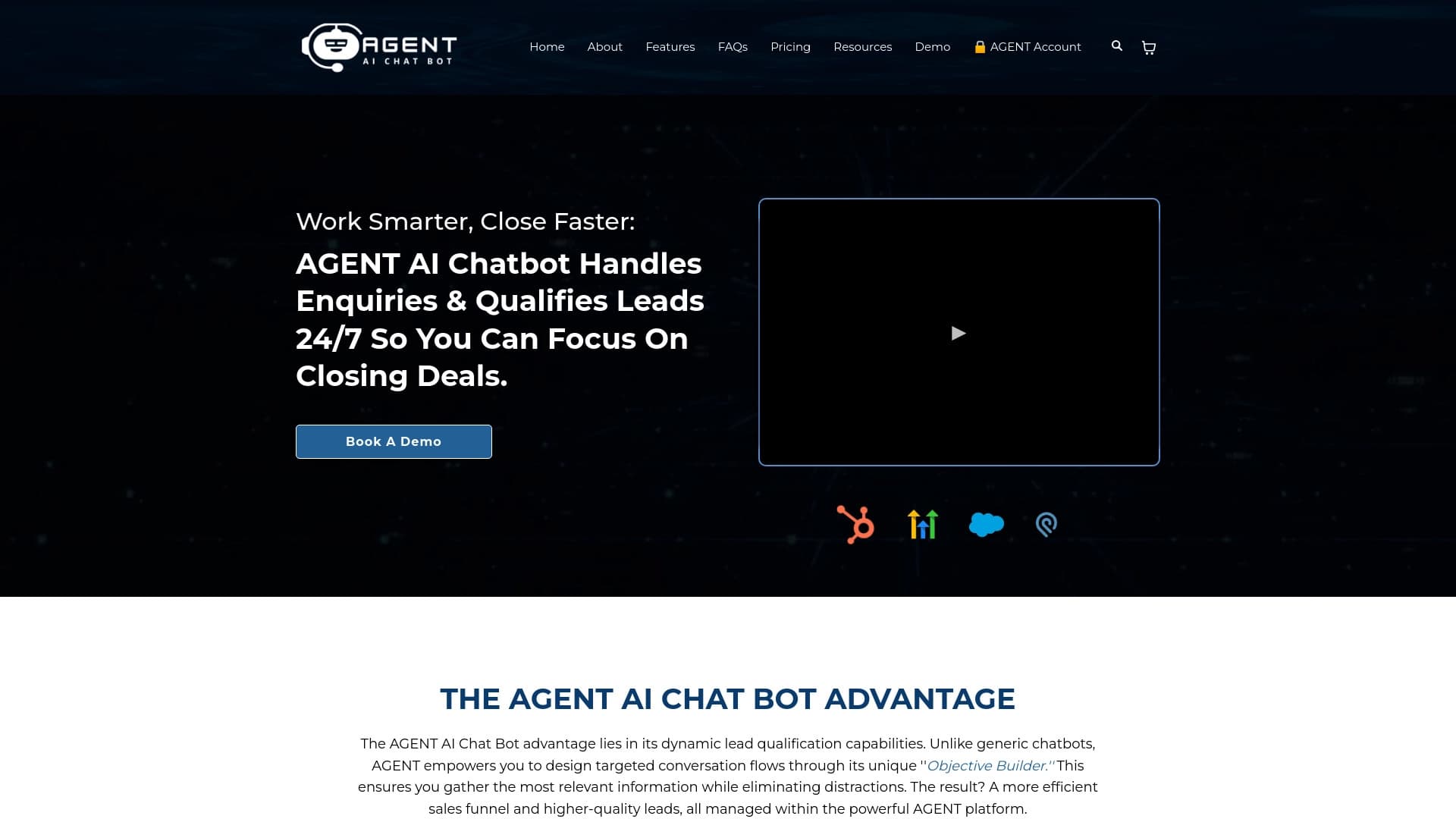

AI chatbot for automating customer communication and lead qualification.
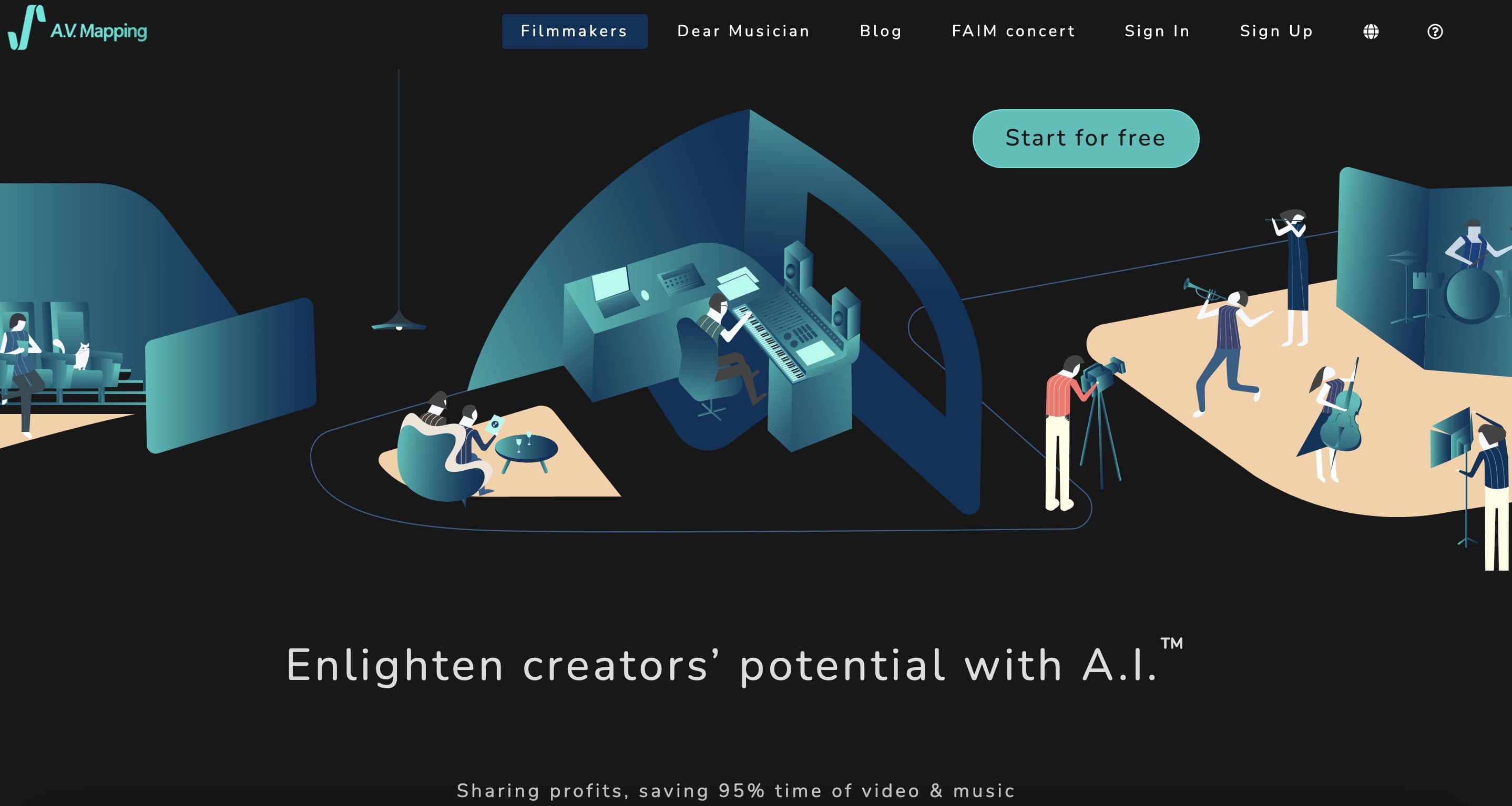

AI service for automatically selecting music to match the mood of videos, images, or text, with legal licenses.
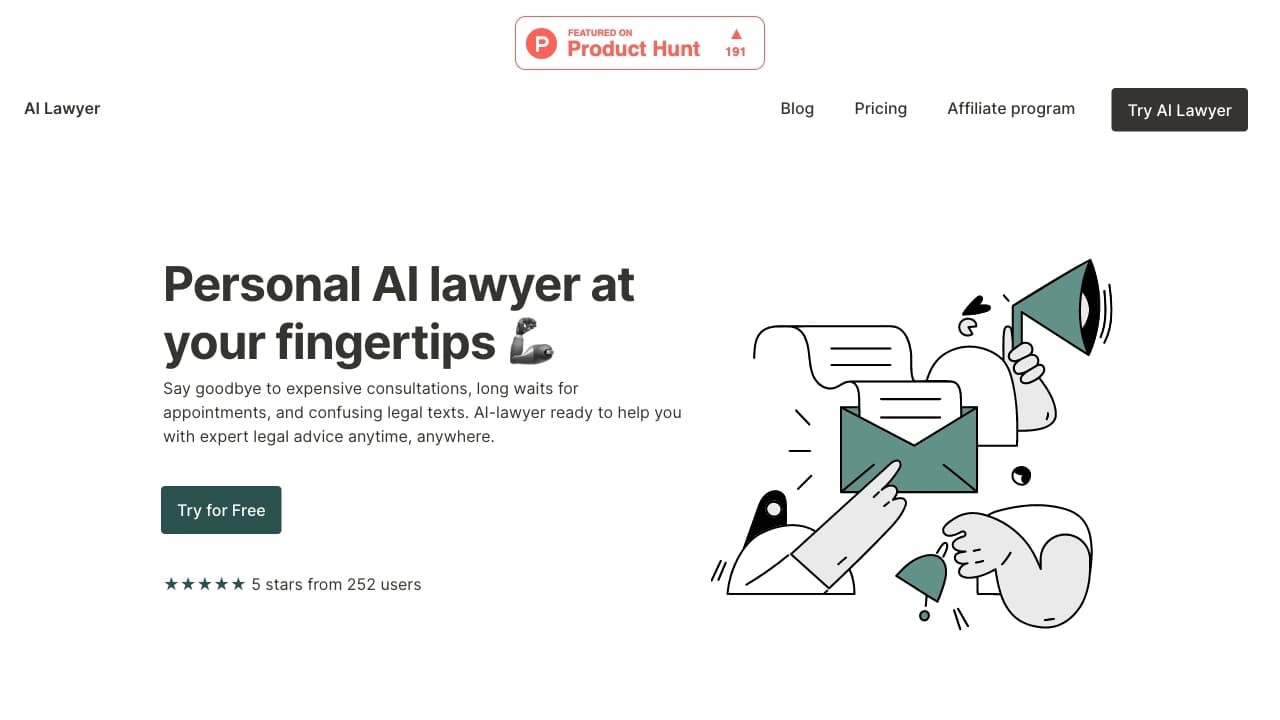

AI-powered platform for generating legal documents, contract analysis, and obtaining legal information.

Platform for generating videos, images, and digital avatars using AI.


Averi is a marketing platform that brings campaign planning, content creation, and analytics together in a single interface.
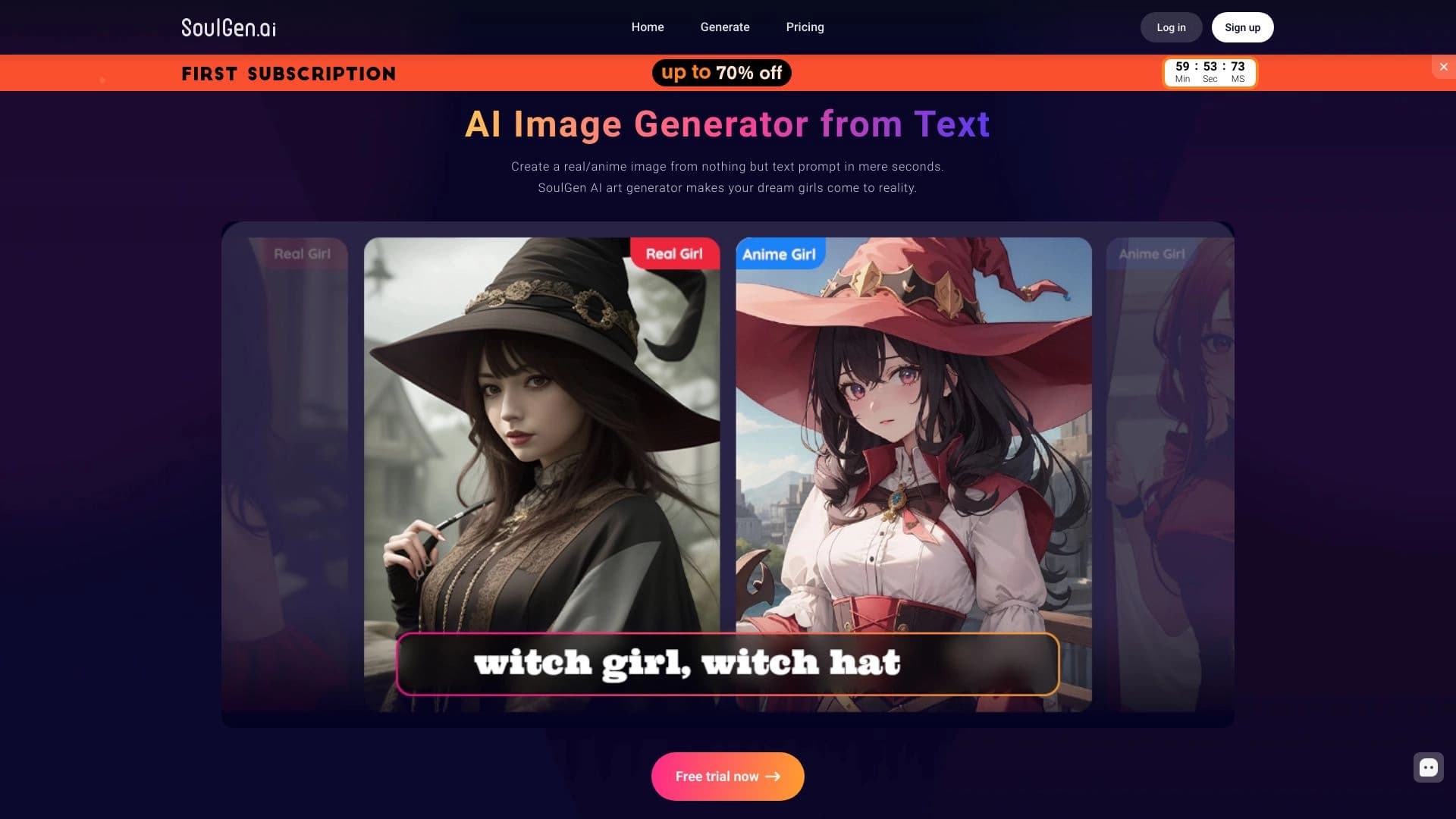

Web service for generating images from text descriptions and communicating with virtual characters.