

GSong
Neural network for generating full songs from a text description.
Overview
GSong AI Description
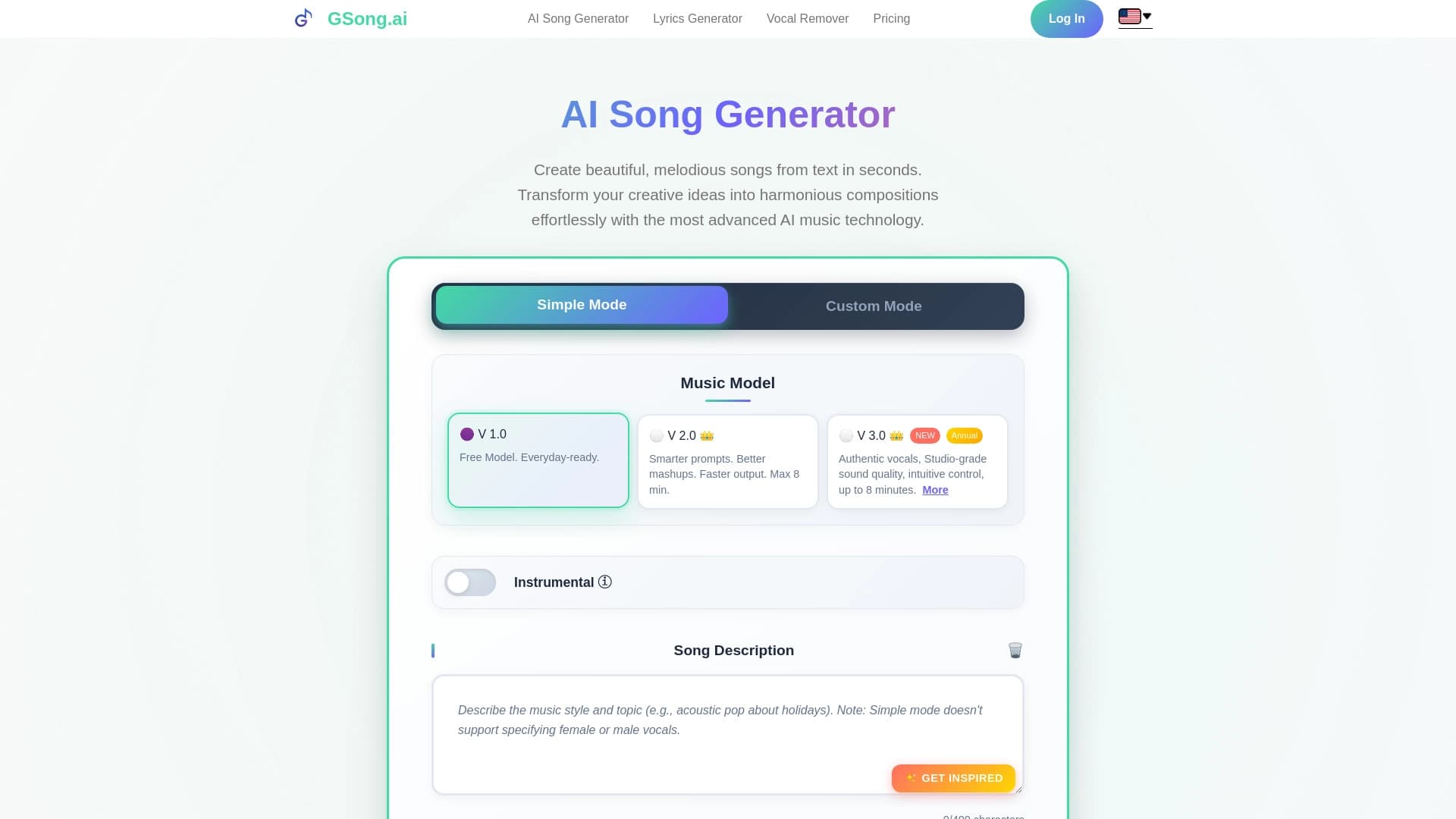
GSong is a neural network that turns a text description into a full-fledged musical track. Instead of just creating an instrumental backing track, the service generates a complete composition: melody, arrangement, and vocals. Simply describe the idea, mood, or story of your future song — and the algorithm will independently assemble a track based on your request.
The platform was designed as a universal tool for working with music: from a rough idea to a final recording ready for publication. GSong's key feature is flexibility: users can choose between fast draft generation and studio-quality creation, and can also manually adjust the structure of the piece in custom mode.
GSong Features
| Feature | Value |
|---|---|
| Type | AI-based song and music generator |
| Categories | Music creation, Text to music |
| Models | V1.0 (free, everyday), V2.0 (accelerated, up to 8 minutes), V3.0 (studio quality, up to 8 minutes, for annual subscription) |
| Maximum track duration | Up to 8 minutes |
| Operating modes | Simple (fast generation) and custom (fine-tuning) |
| Platform | Website: www.gsong.ai |
Who is GSong AI for?
Musicians and composers
Songwriters can use GSong to quickly create demo versions and test ideas. Instead of spending hours figuring out chords and arrangements, you can describe the mood of a track in words and get a ready-made draft that you can then refine.
Content creators and videographers
For creators of videos, commercials, or podcasts, GSong is a source of original music. The service allows generating tracks for a specific scenario and mood without worrying about copyright on existing compositions.
Beginners without musical training
For people with no experience in music creation, the platform offers the ability to turn text ideas into finished tracks. You don't need to know music notation or understand mixing — just formulate your request.
How to use GSong AI?
Simple mode
For a quick result, simply enter a short description of the idea, mood, or story of the song into the dedicated field. The system will process the request and offer a ready-made track based on the basic model.
Custom mode
If you need precise control over the result, the advanced mode is used. It allows you to fine-tune the structure of the composition and the style of the track — specify tempo, genre, arrangement features, and vocal delivery.
Finding inspiration
For those who don't know where to start, the service has a Discover AI Songs section with examples of finished compositions. There you can study how other users formulate their requests and what results they get.
Key Features of GSong
Full track generation from text
The service turns a text description into a finished composition with melody, arrangement, and vocals. This is not just a set of sounds, but a complete song structured according to the laws of a musical piece.
Three generation models
Users have access to three algorithm variants: the basic V1.0 for everyday tasks and quick ideas, the accelerated V2.0 for more complex compositions up to 8 minutes long, and V3.0 for studio-quality sound. Each model differs in processing speed and result quality.
Custom composition settings
Unlike many competitors, GSong allows you to influence the structure and style of the track. This makes it possible to achieve a result that best matches the author's expectations.
Advantages of GSong
- Tracks up to 8 minutes long — most similar services are limited to much shorter fragments. This is important for creating full-fledged songs, not just short samples.
- Choice between speed and quality — users can use the fast V2.0 model when they need a draft quickly, or V3.0 when sound clarity and depth of arrangement matter.
- Free basic model — V1.0 is available free of charge for getting acquainted with the service and for simple tasks.
- Custom mode — the ability to fine-tune the style, structure, and features of the track to personal preferences.
Disadvantages of GSong
No information about obvious drawbacks of the service is available in public sources. The main limitations are related to the fact that the studio model V3.0 is aimed at users with an annual subscription and is likely unavailable for one-off tasks. Also, as with most neural networks, the result may require refinement if the request was not specific enough.
What problems does GSong solve?
GSong addresses the main need — turning a text description into full-fledged music. This eliminates the need for musical equipment, mixing software, and deep knowledge of music theory. The service is useful both for those who need ready-made tracks for publication and for those who are just looking for inspiration and want to test how a particular idea sounds in practice.
GSong Pricing
Exact pricing plans are not disclosed in available sources. It is known that the V1.0 model is distributed free of charge and is suitable for everyday tasks. The V3.0 model, which provides studio-quality sound, is aimed at users with an annual subscription. The subscription cost and terms of access to V2.0 need to be clarified on the service's official website.
Terms of Use for GSong
Detailed terms of use are not described in the source data. From the context, it follows that the service is provided as a web application and does not require installing additional software. Users have access to both free and paid generation models. Detailed information about licenses for generated tracks and copyright on the website — www.gsong.ai, is likely contained in the relevant documentation section.
GSong Availability
The service works through a web interface and is available at www.gsong.ai. To use it, simply open the site in a browser and enter a text description of your future composition. An advantage is the lack of dependence on an operating system — GSong works equally well on PCs, laptops, and mobile devices with internet access.
How GSong differs from alternatives
GSong's key difference is the combination of track duration (up to 8 minutes) and the choice between generation speed and studio quality. While many competitors, such as Suno V5 Generator, OpenMusic AI, or CreateYourMusic AI, also create music from text, not all of them offer full vocal parts and the ability to fine-tune the structure of the composition.
The presence of a custom mode with detailed style and structure settings is a strong point of GSong that sets it apart from most services operating on the "enter a request — get a result" principle. Also, the 8-minute duration allows creating full-length tracks, while many competitors are limited to 1-3 minutes.
Conclusion
GSong is a functional tool for generating full-fledged songs from a text description. The service attracts with a combination of a free basic model, two paid generation options (fast and studio), and the ability to customize the composition. Creating tracks up to 8 minutes long is a competitive advantage over services limited to short fragments. GSong will be useful for musicians creating demos, content creators looking for original soundtracks, and beginners who want to hear their idea in finished form. For a full understanding of the capabilities and pricing, it is recommended to explore the project's website.
Frequently asked questions
See also


Aimi is a service that automatically creates music and voiceovers for videos by analyzing the video footage.
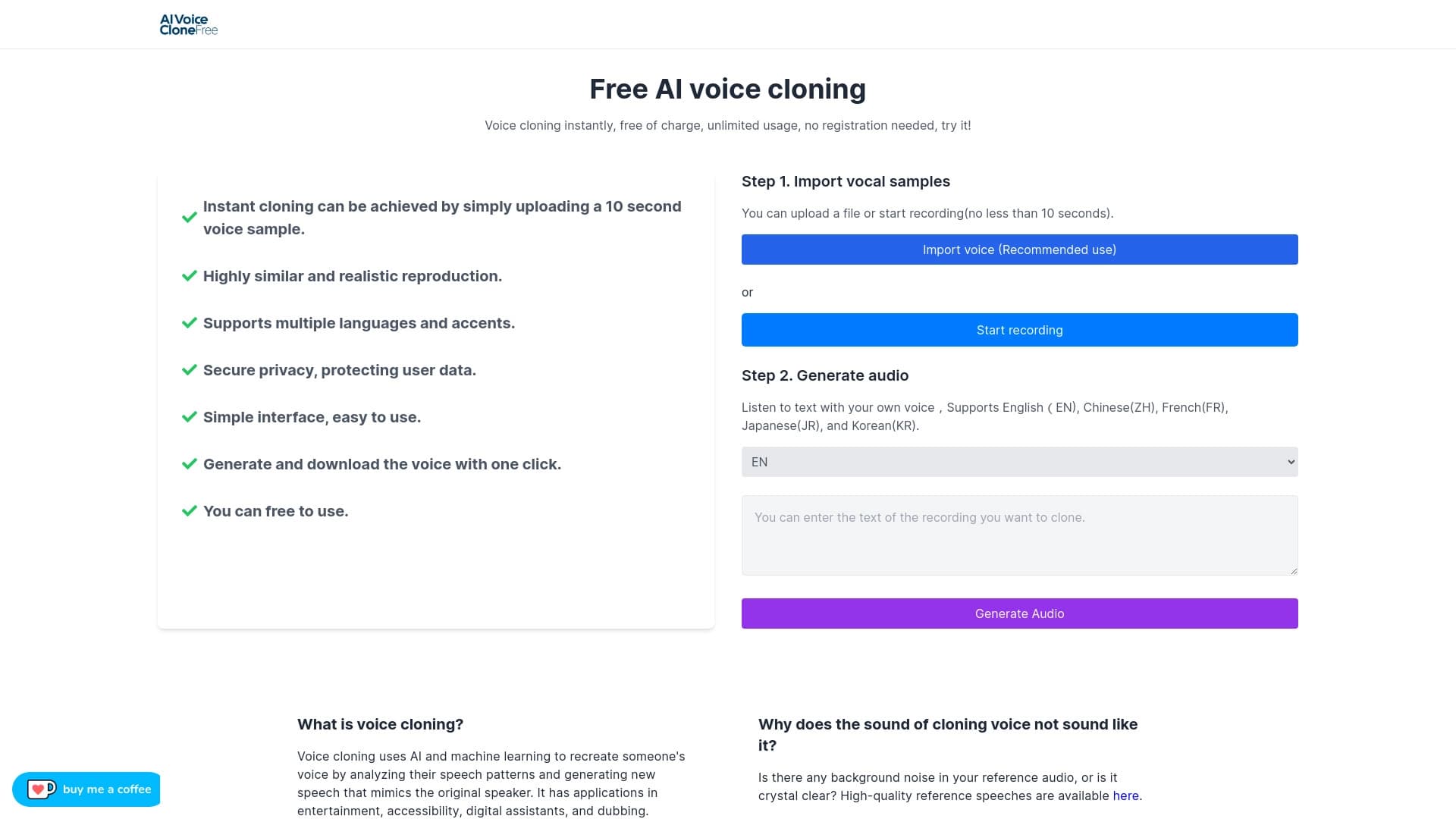
Online service for creating a realistic voice clone from a short audio recording and text-to-speech.


An open platform for generating images and other visual content from text descriptions using AI.
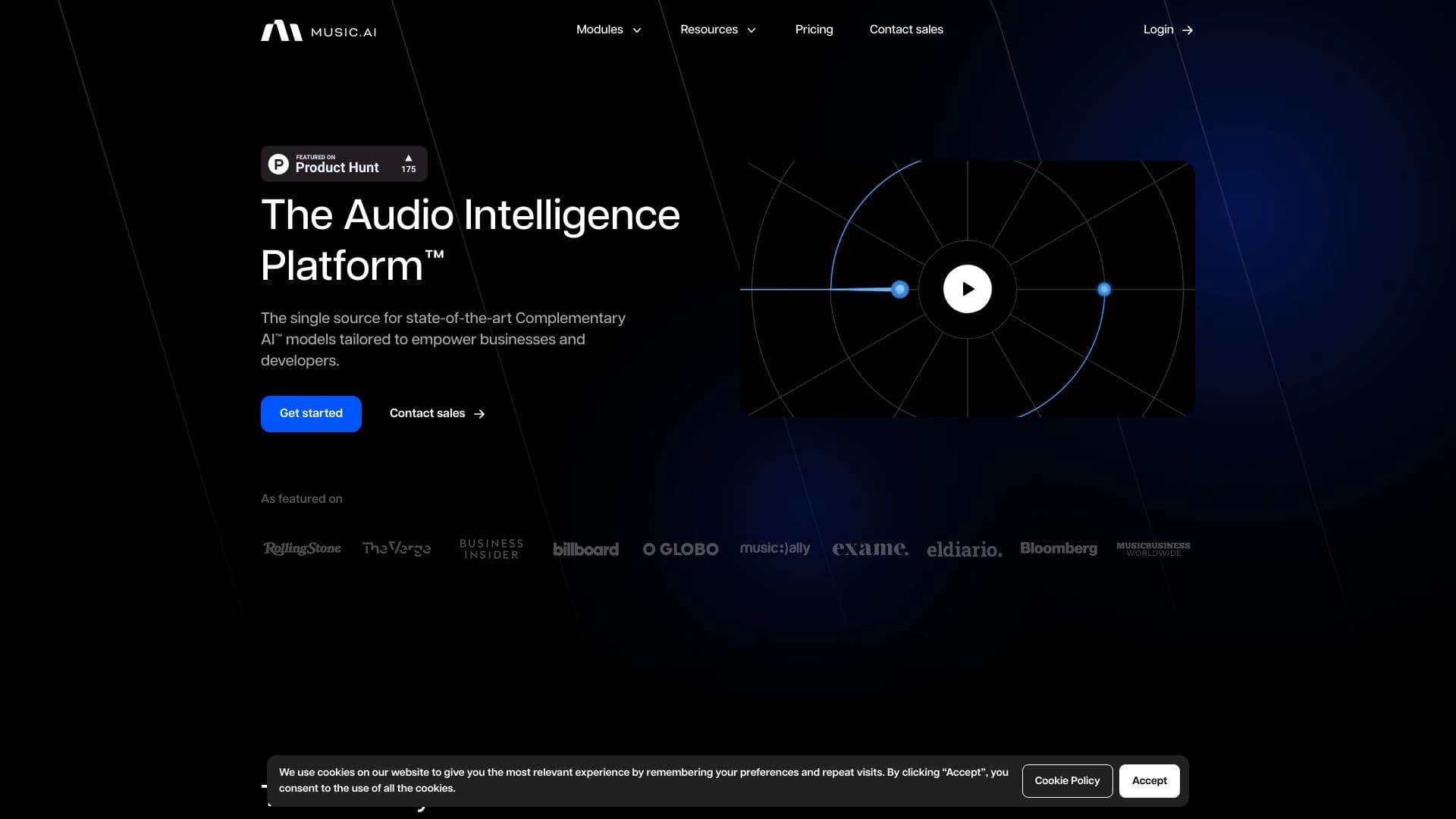
A platform for professional audio processing with AI features for track separation, mastering, and voice changing.
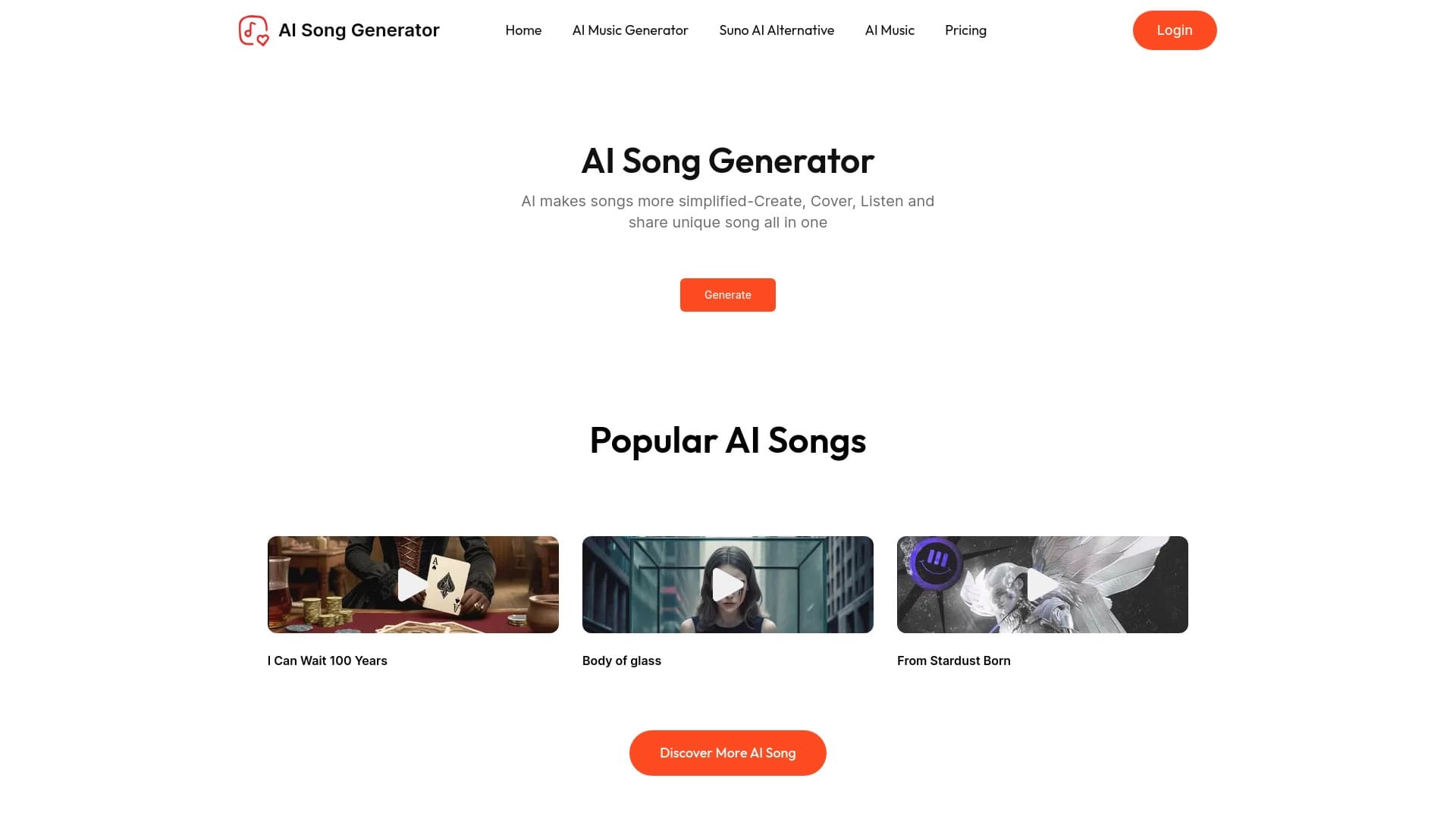
An online service that uses AI to create songs and music, supporting both simple text descriptions of a track and uploading your own lyrics.
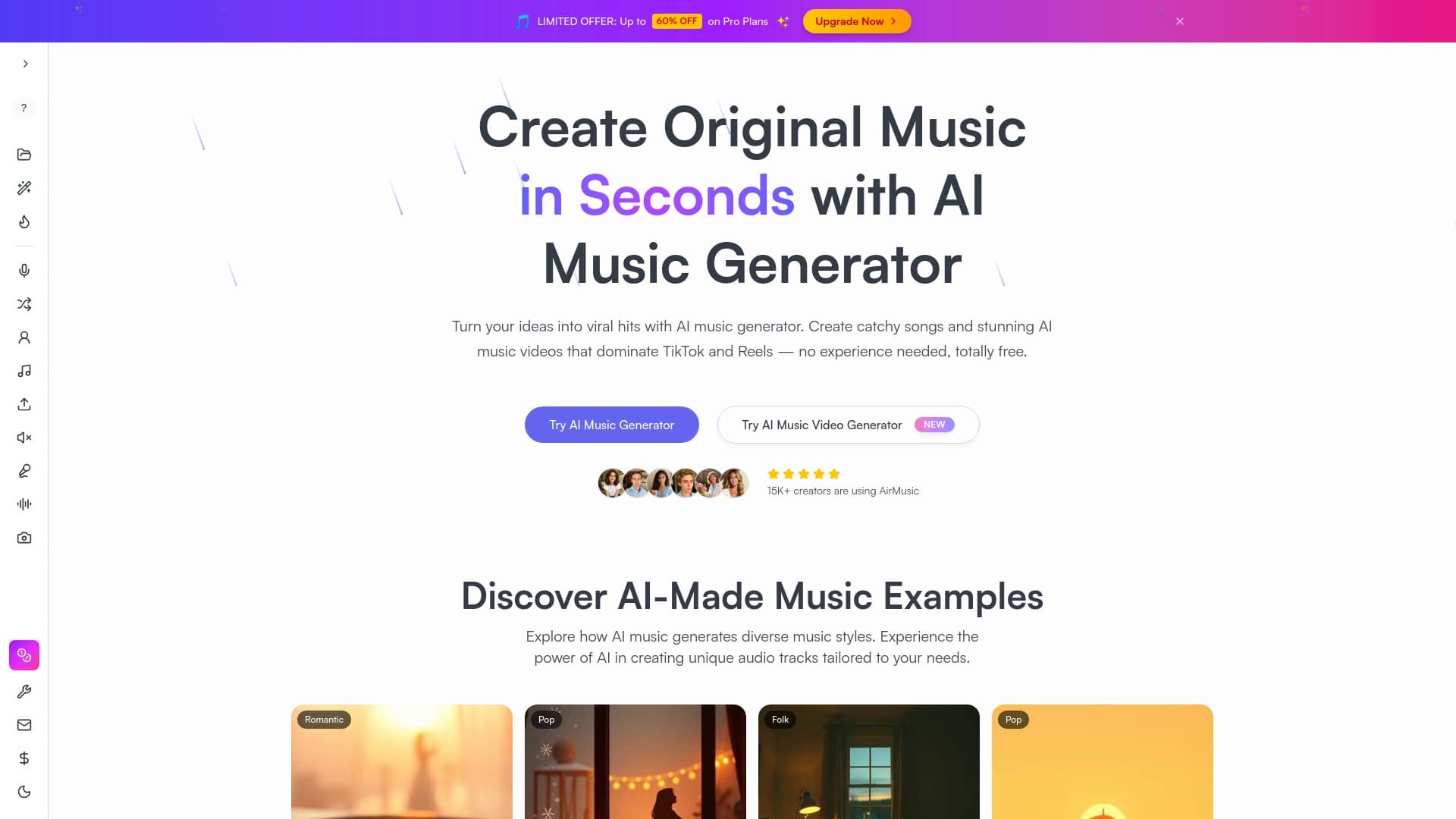
Music generator from text descriptions with style and mood customization, as well as export of individual tracks.
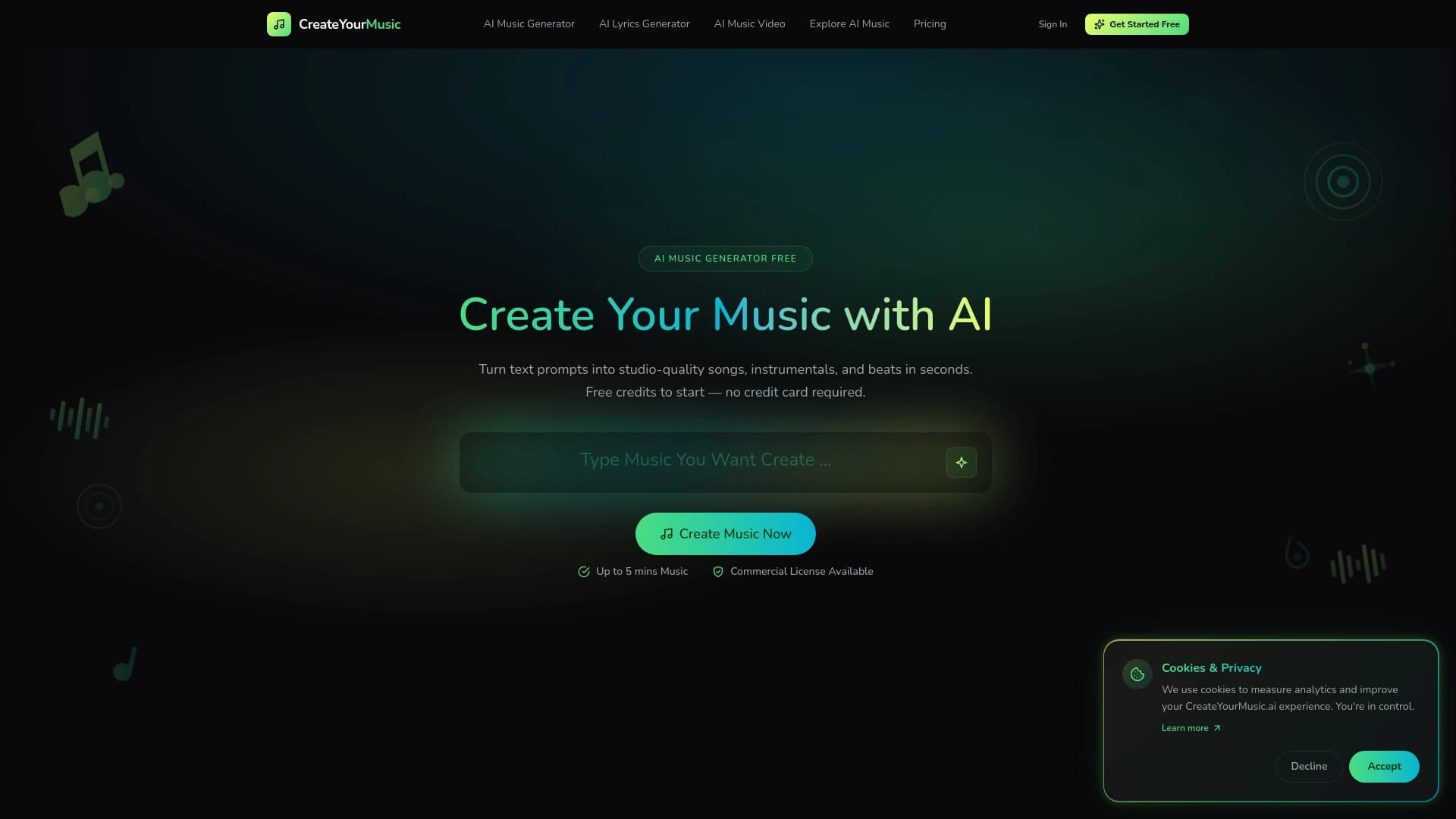

A neural network that creates music based on a text description or song lyrics.


Platform for creating anime art, comics, and videos with AI.