
Gemma 3 4B
Multimodal language model from Google with 4 billion parameters and a 128K token context window.
Overview
Gemma 3 4B
Description of the Gemma 3 4B neural network
Gemma 3 4B is an open-source multimodal language model developed by Google. The model is equipped with 4 billion parameters and can work with both textual and visual information simultaneously, making it a versatile tool for a wide range of artificial intelligence tasks.
Key feature — open weights
Unlike many commercial models, Gemma 3 4B is distributed with open weights. This means developers can not only use the model as-is, but also fine-tune it for their own scenarios, adapting the neural network's behavior to the specifics of their projects.
Multimodality and language support
The model processes both text queries and images, generating text responses. This allows it to be used in scenarios that require visual content analysis: describing images, extracting information from charts and diagrams, and working with scanned documents. In addition, the model supports several languages, expanding the geographic reach of its applications.
Release date and knowledge cutoff
Gemma 3 4B was released on March 12, 2025. The model's knowledge cutoff is August 1, 2024, meaning the neural network was trained on data current up to that date.
Gemma 3 4B specifications
| Characteristic | Value |
|---|---|
| Type | Multimodal language model |
| Developer | |
| Number of parameters | 4.0B |
| Context window | 128K tokens (131.1K on the page) |
| Release date | March 12, 2025 |
| Training tokens | 4.0T tokens |
| Knowledge cutoff | August 1, 2024 |
| Average score (ZeroEval) | 53.0% |
| Maximum input tokens | 131.1K |
| Maximum output tokens | 131.1K |
| License | gemma |
| Input token price (per 1M) | $0.02 |
| Output token price (per 1M) | $0.04 |
| Supported capabilities | Function Calling, Structured Output, Code Execution, Web Search, Batch Inference, Fine-tuning |
Who is the Gemma 3 4B neural network suitable for?
Software developers and machine learning engineers
Gemma 3 4B is primarily intended for professionals who build and deploy AI solutions. The open weights allow fine-tuning the model for specific business tasks — from chatbots to document analysis systems. Support for Function Calling and Code Execution makes the model suitable for integration into software products that require code execution or interaction with external functions.
AI researchers and enthusiasts
For research tasks, the model is interesting due to its compact size (4B parameters) and multimodality. This makes it possible to study the behavior of small models on image and text understanding tasks without requiring significant computing resources. The low inference cost also makes it accessible for experiments.
Teams working with visual content
Specialists who need to analyze images — from marketers to technical experts — can use the model for automatic description, categorization, and data extraction from photos, screenshots, diagrams, and charts.
How to use the Gemma 3 4B neural network?
Via API and cloud services
The model is available for calling via an API with pay-as-you-go pricing — $0.02 per 1 million input tokens and $0.04 per 1 million output tokens. This allows you to quickly test functionality without having to deploy the model on your own infrastructure.
Local deployment and fine-tuning
Thanks to the open weights, the model can be downloaded and run locally. This requires a GPU with sufficient video memory. Batch Inference — batch processing of requests — is supported, which speeds up work in production scenarios. The Fine-tuning mechanism allows the model to be adapted to a narrow subject area.
Through interfaces with Web Search
The model supports Web Search, allowing it to retrieve up-to-date information from the internet while answering requests. This is especially useful for tasks that require fresh data beyond the model's knowledge cutoff.
Main features of Gemma 3 4B
Text and image processing
Gemma 3 4B accepts both text and images as input and returns text responses. This is the core multimodal function that underlies all other capabilities.
Function Calling and Structured Output
The model can call external functions, enabling integration with other services and databases. Structured Output support ensures that model responses are returned in a specified format (e.g., JSON), simplifying programmatic processing of results.
Code Execution and Batch Inference
The built-in code execution capability allows the model to solve computational tasks and process algorithms. Batch Inference enables sending requests to the model in batches, saving time during mass data processing.
Advantages of Gemma 3 4B
Large context window
The context window of 128 thousand tokens is one of the largest among compact models. This allows processing long documents, conversation logs, source code of large projects, and other large volumes of information without losing context.
Extremely low cost
The price of $0.02 per 1 million input tokens and $0.04 per 1 million output tokens makes the model one of the most cost-effective on the market. At large processing volumes, this provides significant savings compared with more expensive alternatives.
Open weights and multimodality
The ability to fine-tune the model and use it with images while having open weights is a rare combination. Most compact multimodal models either do not have open code or cost more.
Disadvantages of Gemma 3 4B
Limited number of parameters
4 billion parameters is a compact size that may not deliver the same quality of responses on complex logical tasks and deep reasoning as larger models (e.g., 70B or 100B+). Highly specialized or complex scenarios may require fine-tuning.
Average benchmark score
The average ZeroEval score is 53.0%, indicating mediocre results on typical test tasks without additional tuning. In some scenarios, the model may fall short of larger or more specialized counterparts without fine-tuning.
What tasks does Gemma 3 4B solve?
Question answering and summarization
The model can provide detailed answers on textual and visual content, as well as produce brief summaries (abstracts) of long texts. The large context window allows entire articles or book chapters to be fed as input.
Logical reasoning and analysis
Gemma 3 4B is suitable for tasks that require building cause-and-effect relationships, comparing data, and drawing conclusions from the provided information. This includes both purely textual logical chains and analysis of numerical data from tables or charts.
Image understanding
The neural network can analyze visual information: recognize objects in images, describe scenes, and interpret diagrams and charts. This is in demand in tasks related to document flow automation, archiving, and working with media content.
Gemma 3 4B pricing
The model uses a token-based payment model. Input tokens (text and images passed as input) cost $0.02 per 1 million tokens. Output tokens (generated responses) cost $0.04 per 1 million tokens. This makes the model one of the cheapest in its class. Exact prices for images (in token equivalent) depend on the resolution and detail of the pictures.
Terms of use for Gemma 3 4B
The model is distributed under the gemma license. It is available for free to download and use. The open weights allow the model to be fine-tuned and used in commercial projects subject to the license terms. Developers are advised to review the full license text before starting commercial use.
Availability of Gemma 3 4B
Gemma 3 4B is available via API from Google and third-party providers that support the model. The model can also be downloaded directly from the official repository for local deployment. Various frameworks for inference and fine-tuning are supported. The availability of Web Search, Batch Inference, and other capabilities depends on the specific deployment method.
How Gemma 3 4B differs from counterparts
Comparison with Gemma 3n models
Within the Gemma 3 family, there are different configurations: Gemma 3n E2B, Gemma 3n E4B, as well as instructed and lightweight versions (Instructed LiteRT Preview). Gemma 3 4B is the base version with 4 billion parameters. Versions with the "n" suffix may differ in architecture and performance. LiteRT versions are optimized for operation on devices with limited resources.
Comparison with MedGemma 4B IT
MedGemma 4B IT is a specialized version fine-tuned on medical data. In contrast, Gemma 3 4B is a general-purpose model not tailored to a specific subject area, but it does allow independent fine-tuning for any domain.
Comparison with Gemini 1.5 Flash 8B
Gemini 1.5 Flash 8B is a larger model from Google (8B parameters) focused on speed and low latency. Gemma 3 4B loses to it in the number of parameters but wins thanks to open weights and full customization capability. Both models support multimodality and a large context window.
Conclusion
Gemma 3 4B is a compact multimodal model with open weights from Google, featuring a large context window of 128 thousand tokens and low usage cost. It is suitable for question answering, summarization, logical reasoning, and visual information analysis. Thanks to its open-source code, support for Function Calling, Code Execution, and fine-tuning capabilities, the model is of interest to developers, researchers, and teams automating work with textual and visual content. The low price ($0.02 per 1M input tokens) makes it a cost-effective choice for large-scale use.
Frequently asked questions
Similar AI tools
See also
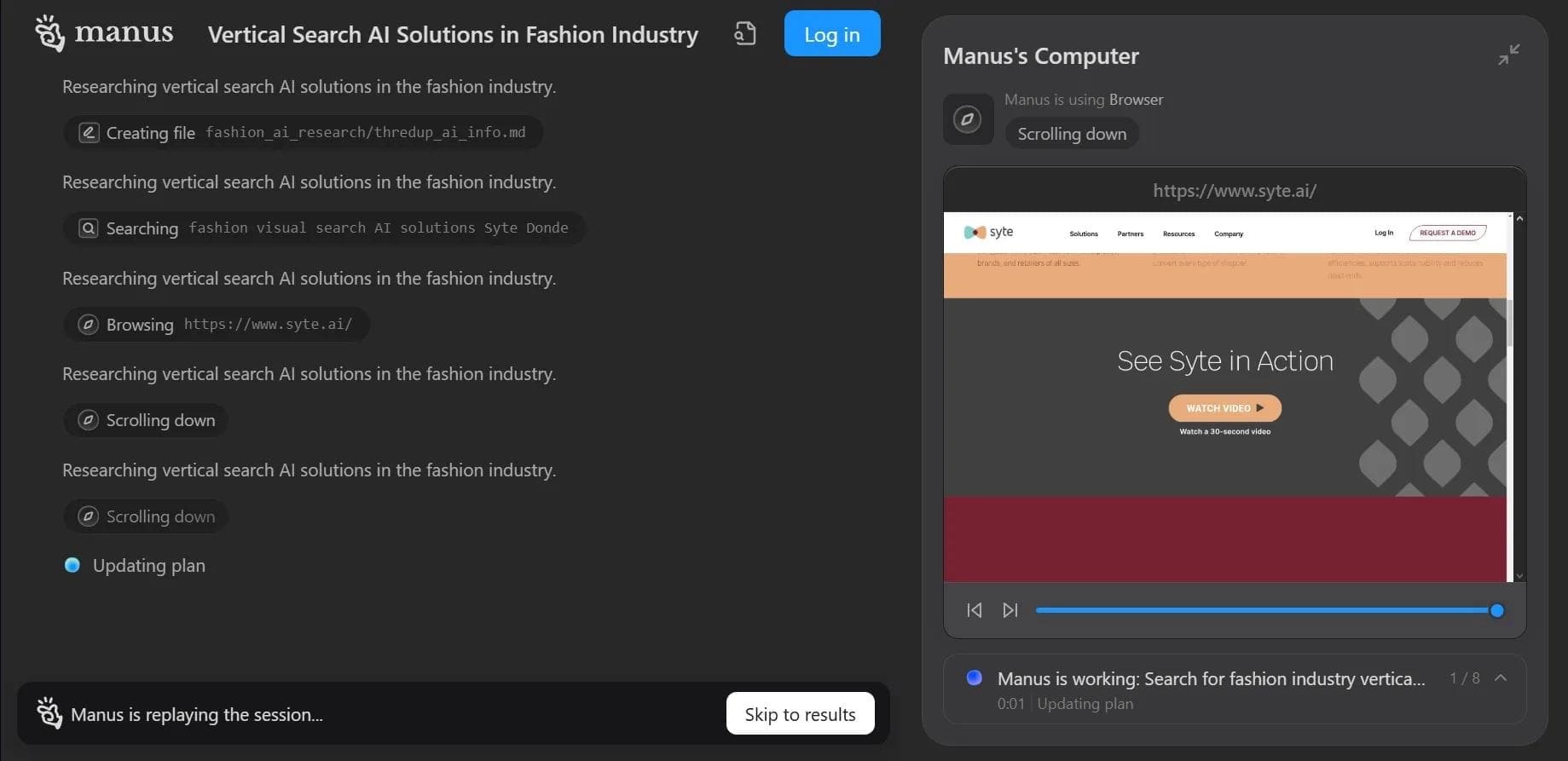

Autonomous cloud-based AI agent that independently plans and executes complex multi-step tasks based on a textual description of the goal.
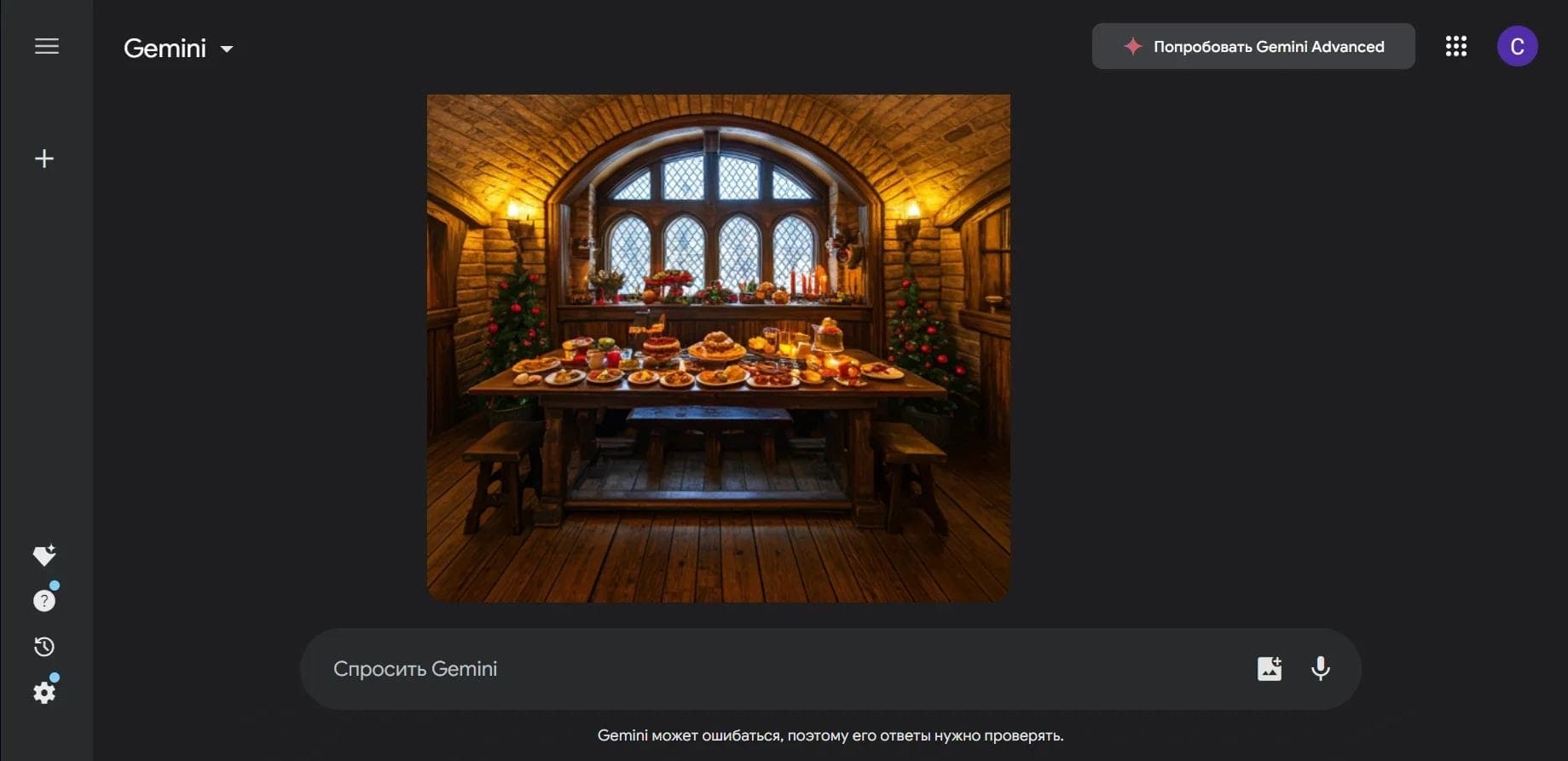

Multimodal neural network from Google that processes text, images, code, and audio in a conversational format.
An open-source desktop AI agent that stores conversation history in a local knowledge base and automatically pulls relevant context into new discussions.

A set of built-in AI features in the Figma editor for automating routine designer tasks.
A service that translates legal documents from professional legal language into plain, easy-to-understand text.
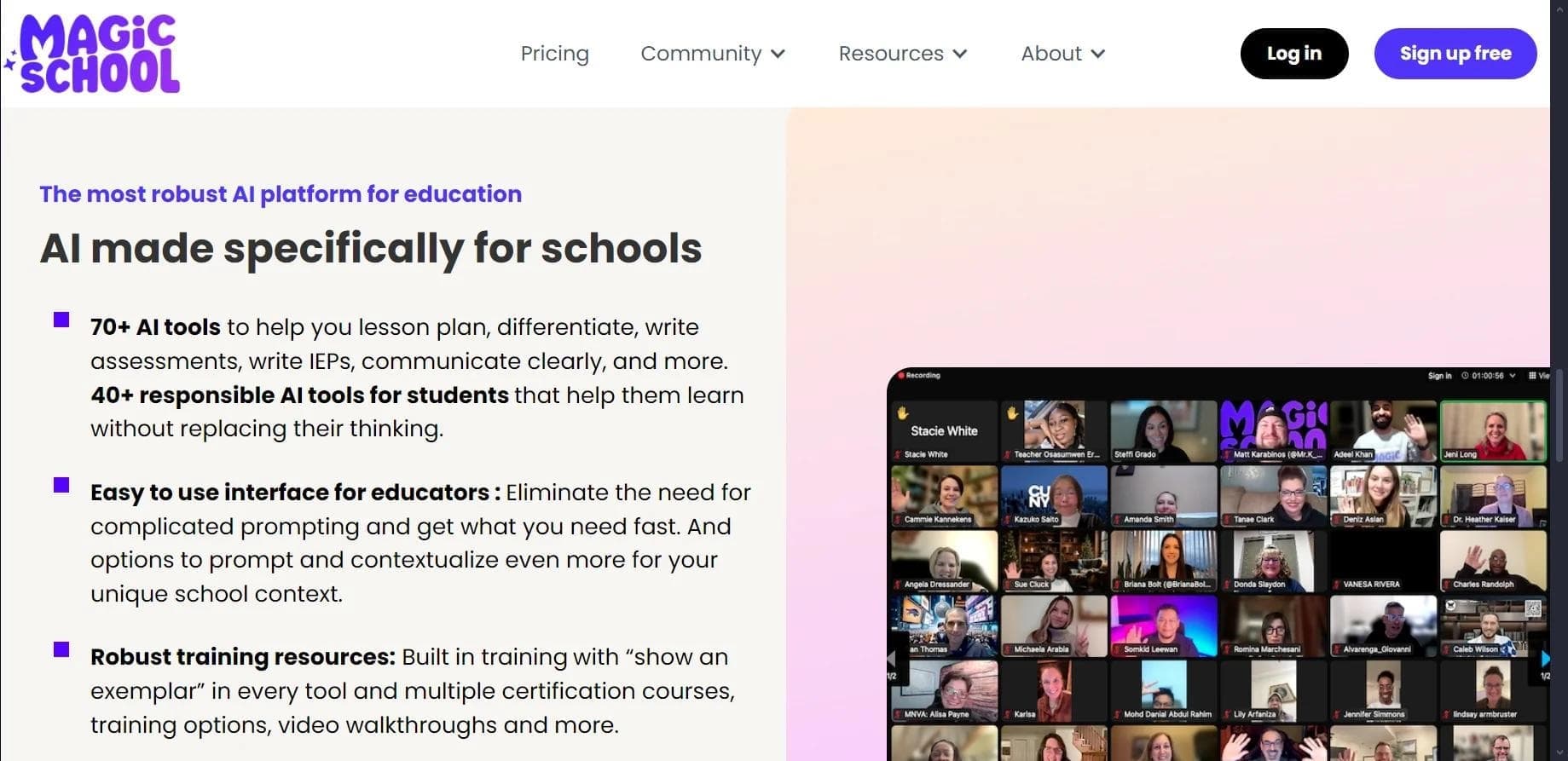

AI platform for automating educational tasks for teachers and students.

A community for daily discovery and discussion of new technology products.
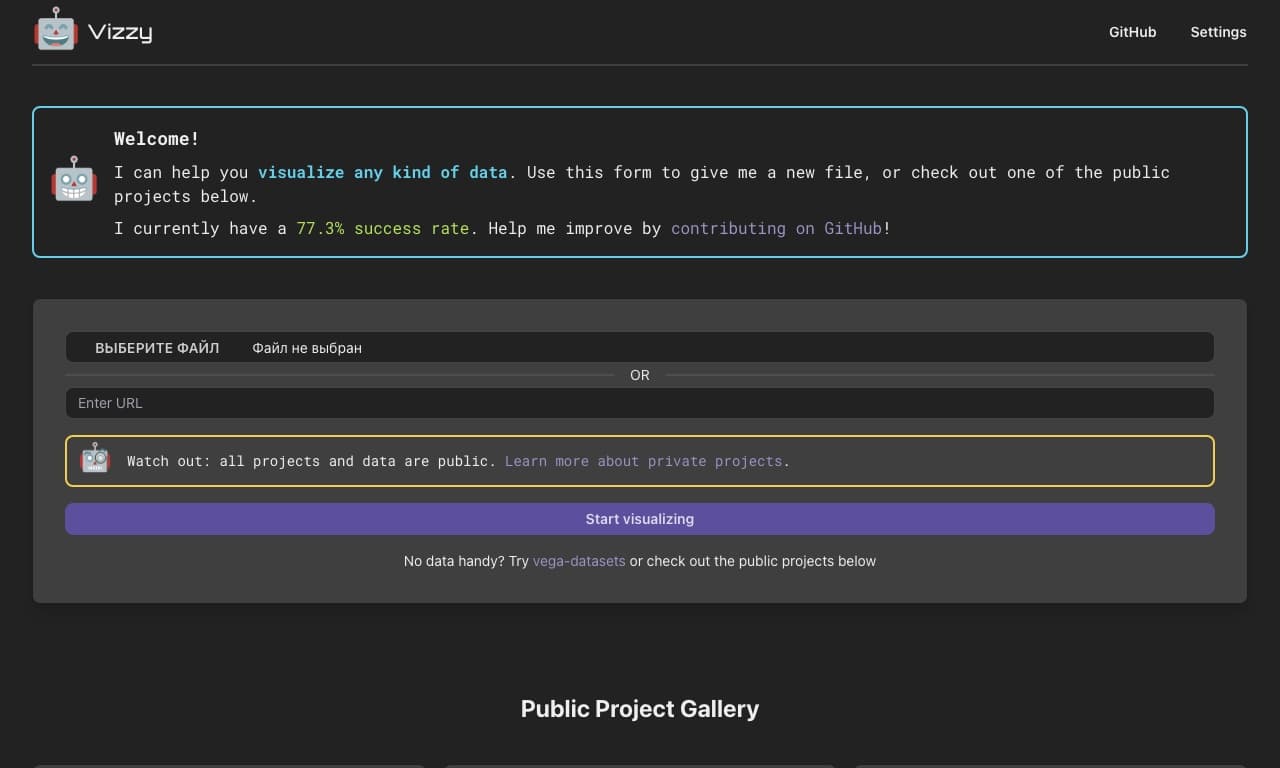
AI tool for rapid data visualization via OpenAI API, transforming heterogeneous datasets into detailed graphical representations.