

Gemma
A family of open multimodal AI models from Google DeepMind for local deployment and development.
Overview
Gemma
Description of the Gemma neural network
Gemma is a family of open multimodal artificial intelligence models developed by Google DeepMind. The fourth generation of models, released in April 2026, is available for free download and local deployment on users' own hardware. Unlike closed solutions, Gemma provides full control over the data processing pipeline and does not require a mandatory connection to cloud APIs.
The family includes four model sizes that support text, images, video, and audio. The maximum context reaches 256K tokens, allowing large documents and complex queries to be processed. The tool is aimed primarily at technical specialists who build agents, RAG systems, and local AI-based applications.
Gemma specifications
| Specification | Value |
|---|---|
| Type | Family of open AI models |
| Developer | Google DeepMind |
| Current version | Gemma 4 (April 2026) |
| Category | Multimodal models (text, images, video, audio) |
| Model sizes | E2B, E4B, 26B A4B, 31B |
| Maximum context | up to 256K tokens (up to 128K for smaller models) |
| Languages | More than 140 languages, including Russian |
| Russian interface | Yes |
| Availability | WEB, PC, IDE, API |
| Features | Data analysis, code generation, text generation |
| License | Open weights, available for commercial use |
Who is Gemma suitable for?
Developers and engineers
Gemma is designed for technical specialists who need to integrate an AI model into their own product or service. Developers can run the neural network locally, which is especially important for projects with heightened data privacy requirements.
Researchers and product teams
The tool is suitable for experimenting with new architectures, creating prototypes, and conducting machine learning research. Product teams can use Gemma to reduce dependence on closed APIs and third-party services.
Who the model is not intended for
Gemma is not designed for casual users looking for a simple "AI chat" solution. For everyday communication, ChatGPT, Claude, or Gemini are better suited, as they require no setup or installation.
How to use Gemma?
Getting started with ready-made wrappers
The easiest way to try Gemma is to use ready-made tools for running it. It is recommended to start with Ollama, LM Studio, Google AI Studio, or Hugging Face Spaces. These platforms let you quickly test the model without deep technical knowledge.
Choosing a model size
When running locally, it is worth testing several model sizes in sequence. The mid-range 26B A4B version is recommended as a starting point, as it offers a balance between performance and hardware requirements.
Production validation
Before deploying in a commercial project, you need to separately verify the JSON response format, the correctness of function calling, handling of target-language scenarios, and processing of long documents. This will help avoid errors in real-world operation.
Main features of Gemma
Four model sizes
Gemma 4 is available in four configurations — E2B, E4B, 26B A4B, and 31B. This allows you to find a suitable option for different devices, from smartphones to powerful
Frequently asked questions
Similar AI tools


See also
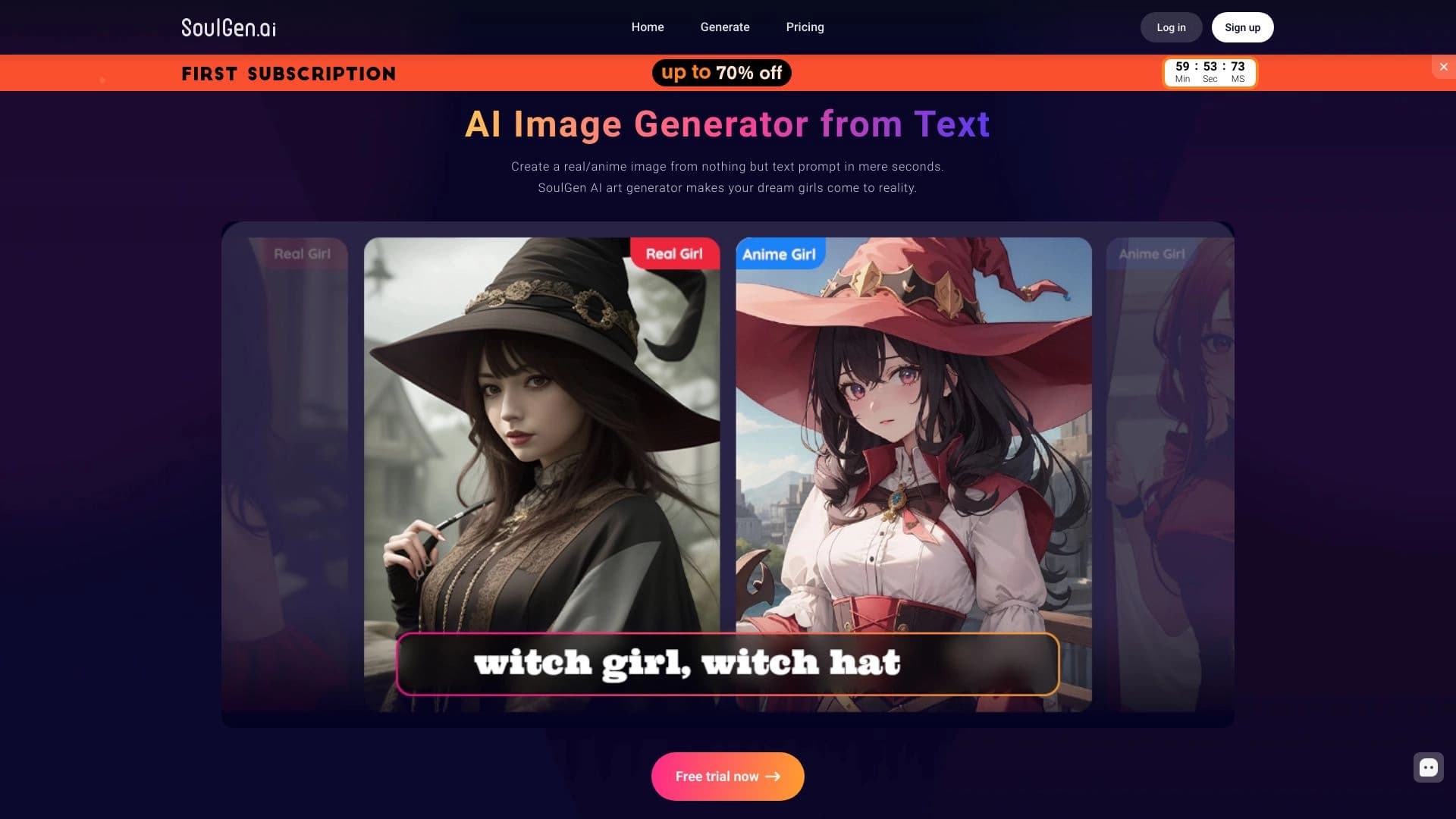

Web service for generating images from text descriptions and communicating with virtual characters.

Multifunctional AI platform for content creation, combining speech synthesis, text generation, avatar creation, and video editing.
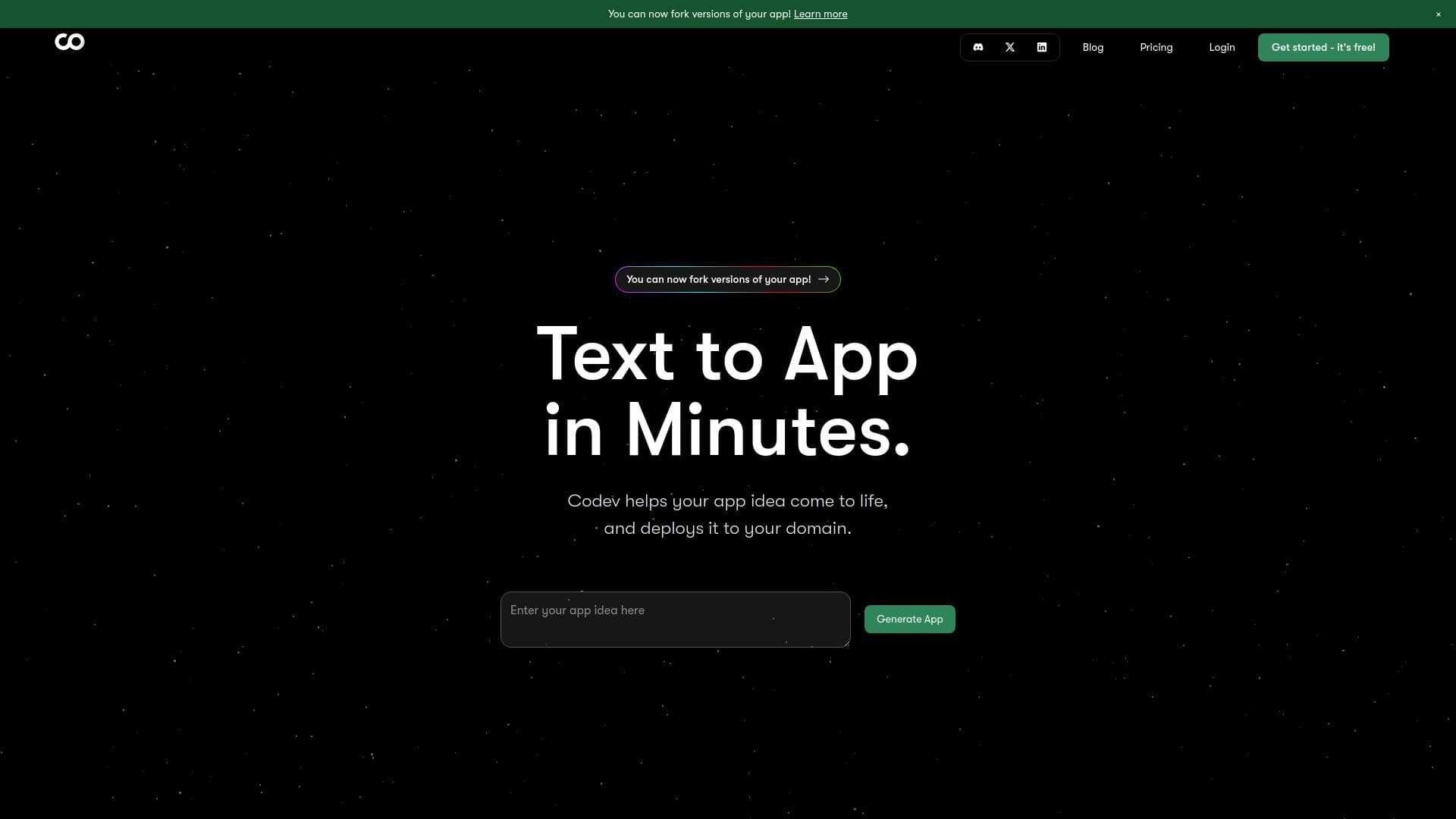

AI agent for assisting with programming and optimizing the development workflow.
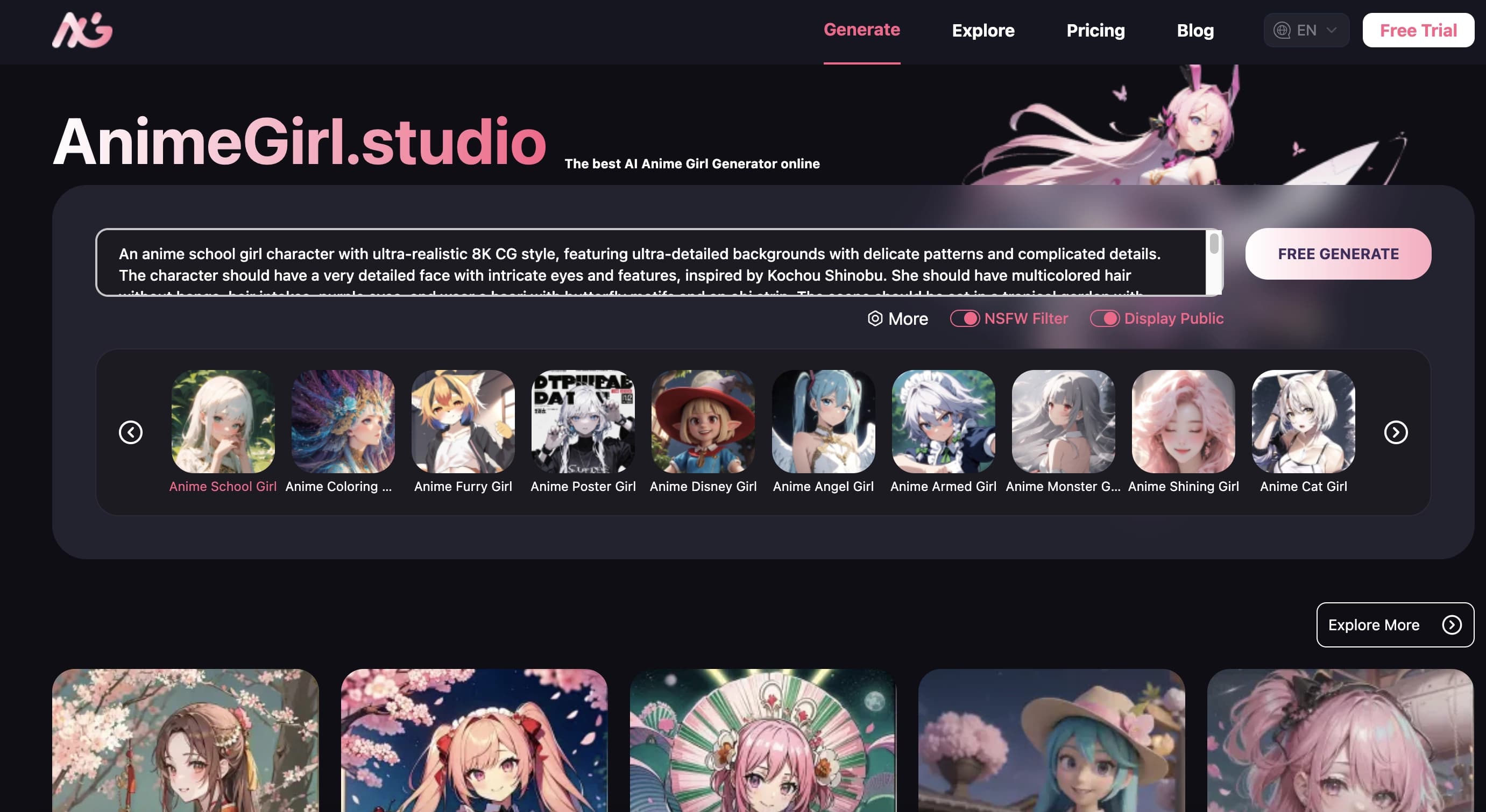

AI anime image generator from text descriptions with template selection.
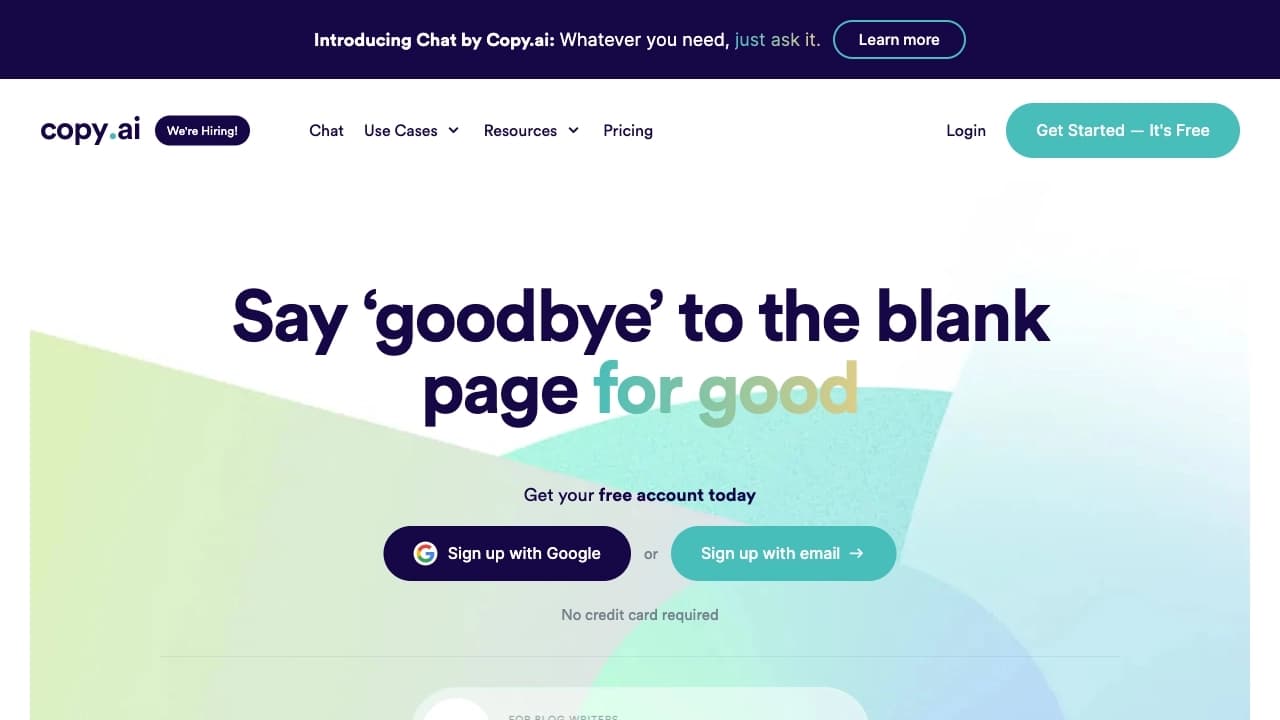

AI-based service for automatic generation of text content in various formats.
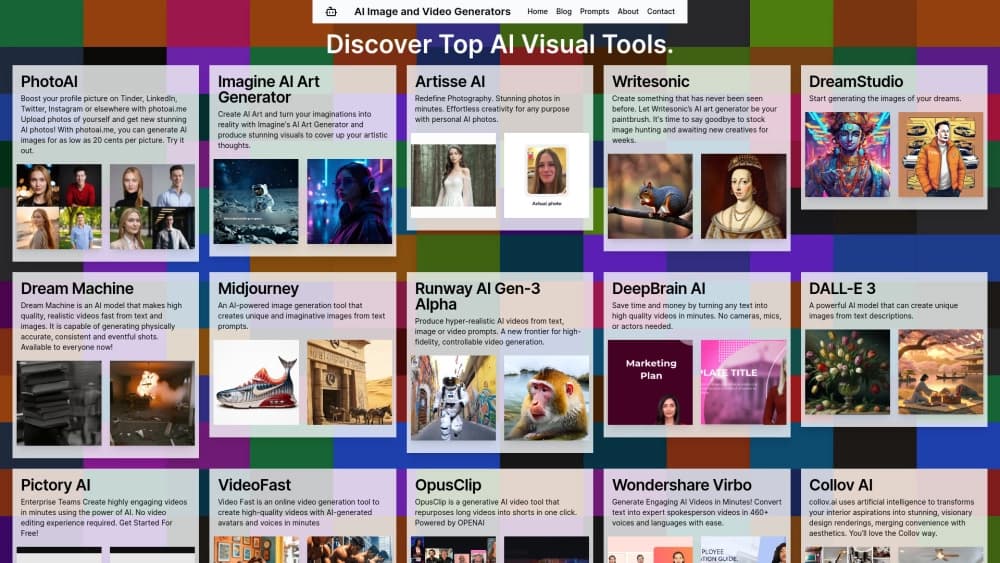
Catalog of neural networks and online tools for generating images, animations, and videos.


A platform for chatting with virtual AI characters with image generation during the conversation.


AI platform for fast website creation and small business process management.