
Gemini 1.5 Flash
Мультимодальная модель Google для высокочастотных задач, работающая с текстом, аудио, изображениями и видео.
Обзор
Gemini 1.5 Flash
Описание нейросети Gemini 1.5 Flash
Gemini 1.5 Flash — это мультимодальная языковая модель от Google, предназначенная для выполнения высокочастотных задач с минимальной задержкой. Модель принимает на вход данные в формате аудио, изображений, видео и текста, а генерирует текстовый вывод. Она была выпущена 1 мая 2024 года, последнее обновление датируется 19 июля 2025 года, а граница знаний модели — 1 ноября 2023 года.
Основное назначение Gemini 1.5 Flash — это лёгкость и скорость при сохранении высокого качества результатов. Модель поддерживает контекстное окно до 1 миллиона токенов, что позволяет обрабатывать большие объёмы информации за один запрос. Благодаря низкой стоимости и высокой производительности, модель подходит для задач, требующих регулярного и интенсивного использования.
Ключевые сценарии применения
Gemini 1.5 Flash ориентирована на три основных сценария: генерация кода, извлечение данных и редактирование текста. В каждом из этих направлений модель демонстрирует высокую скорость работы и стабильные результаты.
Позиционирование в линейке Google
Модель занимает промежуточное положение между более тяжёлыми моделями (например, Gemini 1.5 Pro) и облегчёнными версиями (Gemini 2.0 Flash-Lite). Она предлагает баланс между производительностью и стоимостью, что делает её удобным выбором для продакшн-сред.
Характеристики Gemini 1.5 Flash
| Характеристика | Значение |
|---|---|
| Тип | Мультимодальная |
| Разработчик | |
| Дата выпуска | 1 мая 2024 г. |
| Последнее обновление | 19 июля 2025 г. |
| Граница знаний | 1 ноября 2023 г. |
| Входные данные | Аудио, изображения, видео, текст |
| Выходные данные | Текст |
| Максимальный объём входящих токенов | 1.0M |
| Максимальный объём исходящих токенов | 8.2K |
| Цена (вход, за 1M токенов) | $0.15 |
| Цена (выход, за 1M токенов) | $0.60 |
| Поддержка Function Calling | Да |
| Поддержка Structured Output | Да |
| Возможность Code Execution | Да |
| Web Search | Да |
| Batch Inference | Да |
| Fine-tuning | Да |
Для кого подходит нейросеть Gemini 1.5 Flash?
Разработчики и инженеры
Модель ориентирована в первую очередь на разработчиков, которым требуется быстрая генерация кода, его рефакторинг или автодополнение. Поддержка вызова функций и структурированного вывода делает её удобной для встраивания в существующие приложения и пайплайны.
Специалисты по данным и аналитики
Благодаря возможности пакетной обработки (Batch Inference) и тонкой настройки (Fine-tuning), модель подходит для извлечения данных из больших массивов неструктурированной информации, включая аудио- и видеозаписи.
Команды, работающие с большими объёмами контента
Контекстное окно в 1 миллион токенов позволяет обрабатывать длинные документы, многотоковые диалоги или большие фрагменты кода без необходимости разбивать запрос на части. Это актуально для редакторов текста и разработчиков, работающих с объёмными проектами.
Как использовать нейросеть Gemini 1.5 Flash?
Через API Google
Gemini 1.5 Flash доступна через API Gemini от Google. Разработчики могут отправлять запросы с текстовыми, аудио-, видео- и графическими данными, получая текстовый ответ. Модель поддерживает как синхронные, так и асинхронные вызовы, а также пакетную обработку для работы с большим количеством запросов.
Через тонкую настройку и кастомизацию
Доступна возможность тонкой настройки (Fine-tuning) модели под конкретные задачи. Это позволяет адаптировать поведение Gemini 1.5 Flash для узкоспециализированных сценариев, повышая точность результатов на целевых данных.
Интеграция с инструментами
Модель поддерживает вызов функций (Function Calling), что даёт возможность интегрировать её с внешними сервисами, базами данных и другими программными компонентами. Также доступен поиск в веб-ресурсах (Web Search) для получения актуальной информации.
Основные функции Gemini 1.5 Flash
Function Calling и Structured Output
Gemini 1.5 Flash поддерживает вызов функций — модель может самостоятельно определять, когда и какую функцию необходимо вызвать, и возвращать структурированные данные в заданном формате. Это особенно полезно при построении диалоговых систем и автоматизации рабочих процессов.
Code Execution и Web Search
Модель способна выполнять код в рамках запроса, что позволяет проверять логику работы фрагментов без ручного запуска. Дополнительно доступен поиск в интернете — модель может обращаться к актуальным веб-источникам для получения свежих данных.
Пакетная обработка и тонкая настройка
Batch Inference позволяет отправлять множество запросов одновременно, снижая время обработки больших объёмов задач. Fine-tuning даёт возможность обучать модель на собственных данных, адаптируя её под специфику конкретного проекта или бизнеса.
Преимущества Gemini 1.5 Flash
Быстрая и универсальная
Модель демонстрирует высокую скорость ответов при работе с текстом, аудио, изображениями и видео. Это делает её пригодной для использования в режиме реального времени и в сценариях, где важна низкая задержка.
Оптимизирована для масштабирования
Gemini 1.5 Flash хорошо масштабируется под различные задачи — от мелких разовых запросов до крупных пакетных обработок. Низкая стоимость за миллион токенов позволяет использовать модель на регулярной основе без значительных затрат.
Подходит для узкоспециализированных высокочастотных задач
Благодаря возможности тонкой настройки модель можно адаптировать под конкретную предметную область, а высокая производительность обеспечивает стабильную работу при большом количестве ежедневных запросов.
Недостатки Gemini 1.5 Flash
Ограничение по исходящим токенам
Максимальный объём ответа составляет 8.2K токенов, что может быть недостаточно для задач, требующих генерации длинных текстов, подробных отчётов или объёмного кода. В таких случаях предпочтительнее использовать более мощные модели, такие как Gemini 1.5 Pro.
Устаревающая версия
На момент последнего обновления (июль 2025 года) модель относится к предыдущему поколению Flash-моделей Google. Выход более свежих версий (Gemini 2.0 Flash, Gemini 2.5 Flash-Lite и других) может ограничить актуальность Gemini 1.5 Flash для новых проектов.
Ограниченная область знаний
Граница знаний модели установлена на 1 ноября 2023 года. Для задач, требующих доступа к свежим данным, может потребоваться использование Web Search, что не всегда удобно и добавляет задержку.
Какие задачи решает Gemini 1.5 Flash
Генерация кода
Модель способна создавать фрагменты кода на различных языках программирования, а также выполнять рефакторинг и оптимизацию существующего кода. Поддержка Code Execution позволяет тестировать сгенерированный код прямо в процессе работы.
Извлечение данных
Благодаря большому контекстному окну (1 млн токенов) и поддержке мультимодального ввода, Gemini 1.5 Flash эффективно справляется с извлечением структурированной информации из текстов, изображений, аудио- и видеоматериалов.
Редактирование текста
Модель выполняет задачи по переписыванию, сокращению, переводу и стилистической правке текста. Высокая скорость и низкая стоимость делают её удобным инструментом для редакторов и контент-менеджеров.
Цены Gemini 1.5 Flash
Стоимость использования модели составляет $0.15 за 1 миллион токенов на входе и $0.60 за 1 миллион токенов на выходе. Такая ценовая политика делает Gemini 1.5 Flash одной из наиболее доступных мультимодальных моделей Google для высокочастотных задач.
Детали возможных дополнительных расходов (например, за использование Web Search или Fine-tuning) в предоставленных данных не указаны.
Условия использования Gemini 1.5 Flash
Модель распространяется по платной модели (paid). Для доступа к API Gemini 1.5 Flash необходима регистрация в Google Cloud и настройка биллинга. Подробные условия использования и политика конфиденциальности регулируются общими положениями Google об использовании сервисов искусственного интеллекта. Конкретные лицензионные ограничения и условия коммерческого использования в предоставленных данных не детализированы.
Доступность Gemini 1.5 Flash
Gemini 1.5 Flash доступна через API Gemini от Google в облачной платформе Google Cloud. Модель поддерживается в большинстве регионов, где предоставляются сервисы Google AI. Для работы с моделью требуется стабильное интернет-соединение и учётная запись Google. Информация о доступности модели в отдельных странах и офлайн-режиме в предоставленных данных отсутствует.
Чем отличается Gemini 1.5 Flash от аналогов
В линейке Google есть несколько моделей Flash, каждая из которых занимает свою нишу.
Gemini 2.0 Flash — более поздняя версия Flash-семейства, предлагающая улучшенную производительность и актуальную границу знаний. Gemini 2.0 Flash Thinking дополнительно поддерживает цепочки рассуждений, что полезно для сложных логических задач. Gemini 2.0 Flash-Lite и Gemini 2.5 Flash-Lite — облегчённые версии с ещё более низкой стоимостью, но, вероятно, с меньшими возможностями.
Gemini 1.5 Pro — более тяжёлая модель с повышенной точностью и большим объёмом исходящих токенов, но с более высокой стоимостью. Для задач, где требуется глубина анализа и детальность, 1.5 Pro будет предпочтительнее.
Gemini 3.1 Pro и Gemini 2.5 Pro Preview 06-05 — новейшие модели Google Pro-линейки, ориентированные на максимальное качество, но по более высокой цене.
Gemma 3n E4B — модель из открытой линейки Gemma, которая может использоваться локально и не требует постоянных платежей за API, но требует собственных вычислительных ресурсов.
Таким образом, основное отличие Gemini 1.5 Flash от аналогов — это оптимальное сочетание скорости, мультимодальности и низкой цены для высокочастотных задач, при этом модель уступает более новым версиям по актуальности и точности, а более лёгким версиям — по стоимости.
Заключение
Gemini 1.5 Flash — это легковесная мультимодальная модель от Google, оптимизированная для высокочастотных задач с низкой задержкой. Она поддерживает работу с текстом, аудио, изображениями и видео, предлагает контекстное окно в 1 миллион токенов, вызов функций, пакетную обработку и тонкую настройку. При невысокой стоимости ($0.15 за 1 млн токенов на входе и $0.60 на выходе) модель подходит для генерации кода, извлечения данных и редактирования текста. Несмотря на выход более новых версий Flash-линейки, Gemini 1.5 Flash остаётся актуальным решением для проектов, где важны скорость, масштабируемость и предсказуемый бюджет.
Часто задаваемые вопросы
Похожие нейросети
Смотрите также
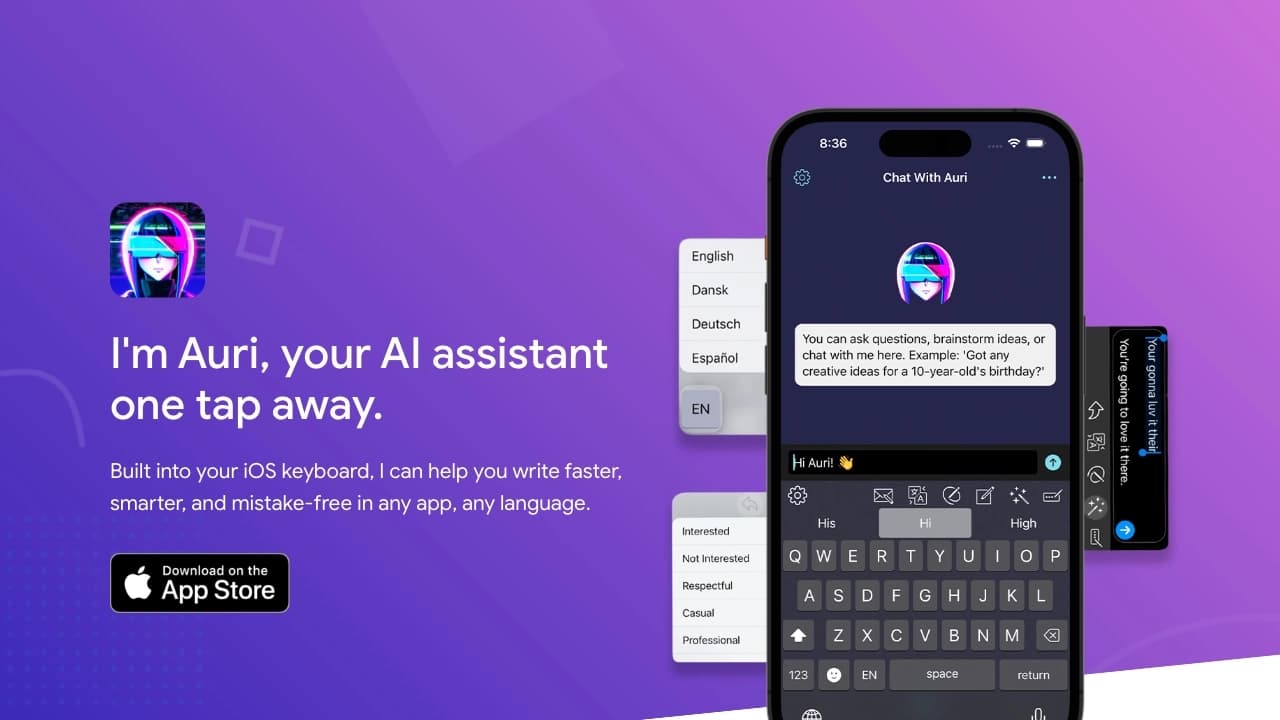
AI-клавиатура для устройств Apple, которая ускоряет набор текста с помощью исправлений, перевода и генерации ответов.

Настольный AI-ассистент для macOS, Windows и Linux, который запускается по хоткею поверх всех окон и объединяет несколько языковых моделей в одном интерфейсе.


ИИ-платформа для быстрого создания сайтов и управления процессами малого бизнеса.
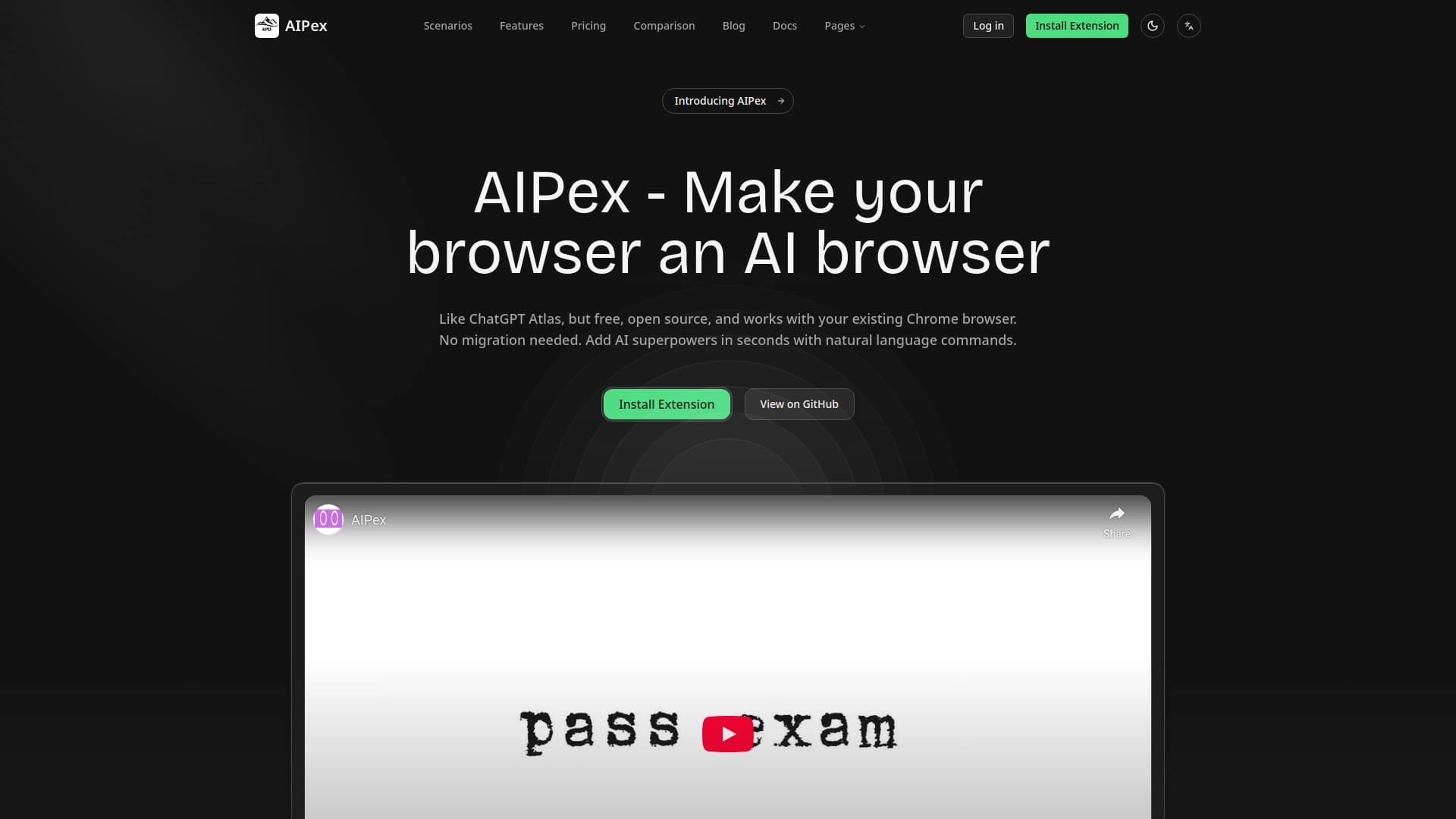

Расширение для Chrome, которое помогает управлять вкладками, историей и закладками с помощью ИИ-ассистента.

ИИ-агент для автоматизации клиентских коммуникаций и поддержки.

AI-ассистент для бизнеса, который помогает управлять задачами и автоматизировать рутину через диалог.

Набор инструментов для генерации и редактирования видео с помощью ИИ, включая аватары, липсинк и клонирование голоса.
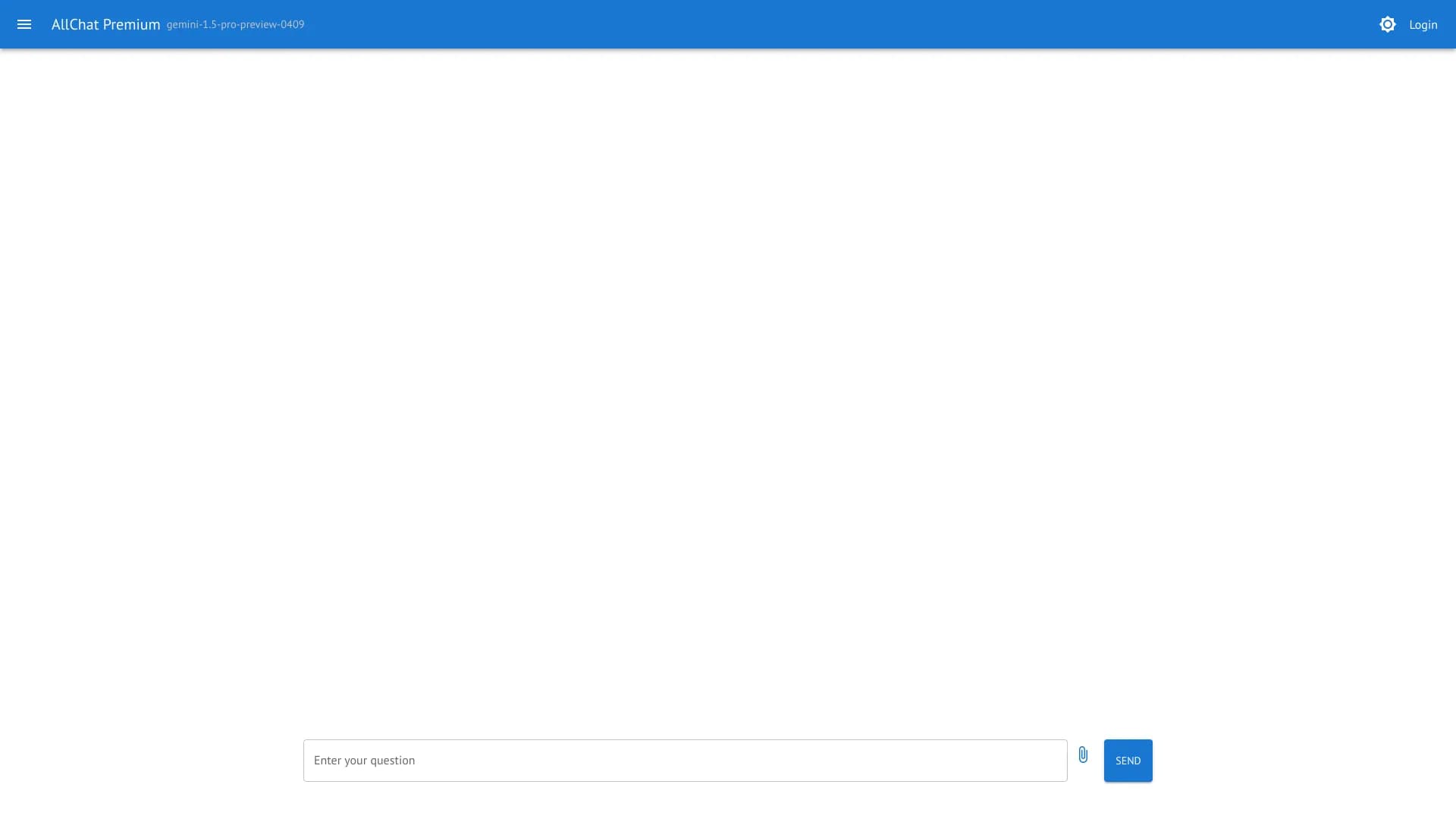
AllChat — это универсальная платформа, объединяющая несколько популярных языковых моделей в одном интерфейсе для общения, генерации изображений, анализа файлов и выполнения кода.