

Focus Group Simulator
Advanced marketing research tool that helps identify promising market segments.
Overview
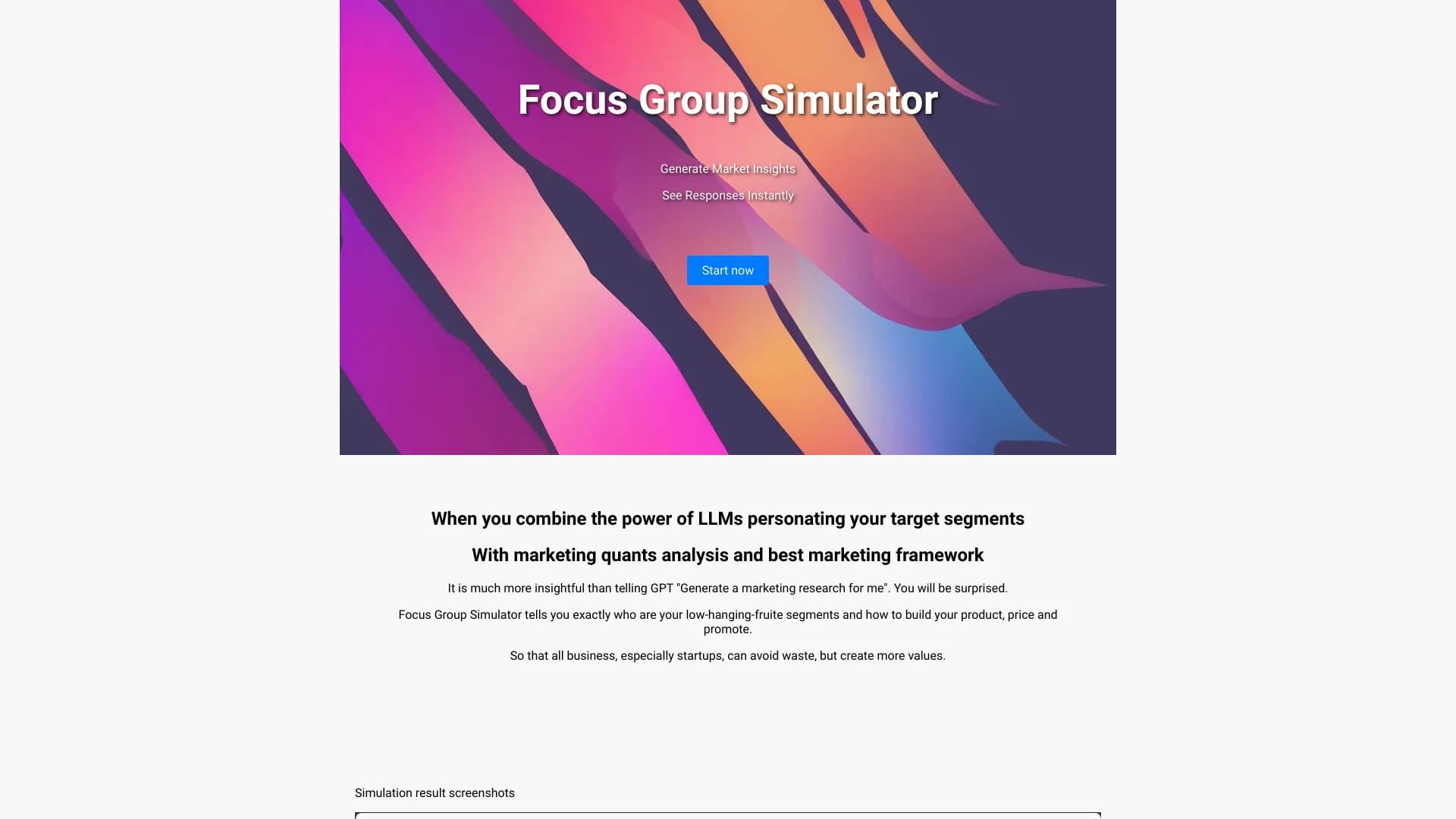
Focus Group Simulator is a tool designed for advanced marketing research. Its main purpose is to help professionals identify promising market segments that can later serve as the foundation for a successful product strategy or advertising campaign.
How It Works
Instead of organizing real meetings with consumers, spending weeks on participant recruitment and discussion moderation, Focus Group Simulator offers a simulation-based approach. It models the behavior, reactions, and opinions of virtual participants that replicate the traits of a target audience. This allows researchers to immerse themselves in the context of customer preferences without the need for a physically present group.
Value for Business
The key value of the solution lies in the ability to quickly test market hypotheses. A researcher can define segment parameters, describe its pain points and needs, and then receive simulated data on how such a group might react to a particular product. This reduces uncertainty in the early stages of launching a new product or entering a new market.
Focus Group Simulator Features
| Feature | Value |
|---|---|
| Purpose | Marketing market analysis, identifying promising niches |
| Core Function | Simulating focus groups and gathering simulated insights |
| Target Audience | Marketers, analysts, researchers |
| Data Approach | Simulation-based, driven by defined segment parameters |
| Key Outcome | Recommendations for selecting target market segments |
| Distribution Model | Not specified (unknown) |
Who Is Focus Group Simulator For?
Marketers and Brand Managers
For professionals responsible for product positioning, the tool is useful for quickly testing creative hypotheses. Instead of lengthy coordination of field research, they can get a preliminary audience reaction to a product concept or advertising message.
Market Analysts
For researchers working with large volumes of data, Focus Group Simulator helps complement quantitative data with qualitative insights. Group modeling allows for a better understanding of customer motivation and identifying hidden needs that are not visible in sales statistics.
Startups and Small Companies
For teams with limited budgets, hiring recruiters and renting venues for real focus groups is often a prohibitive luxury. This tool provides access to research methodology at a reduced cost, allowing young projects to avoid "shooting in the dark" and instead rely on at least simulated data.
How to Use Focus Group Simulator?
Step 1: Defining Segment Parameters
First, you need to describe the market and the audience you want to study. The more accurately you define the demographic or psychographic characteristics of the virtual participants, the more relevant the results will be.
Step 2: Running the Simulation and Collecting Data
After setting the parameters, the modeling process begins. The system generates reactions, opinions, and preferences of the "participants," which are then aggregated into a report. This data simulates the interaction of a real focus group with the proposed product.
Step 3: Interpreting Insights
The obtained results need to be examined for patterns. The key task is to understand which segments showed the greatest interest or the least resistance to the product. Based on these findings, a decision is made to narrow the focus to the most promising niches.
Core Features of Focus Group Simulator
Group Opinion Modeling
This function forms a consolidated "voice" of the audience, showing how many participants hypothetically liked the product and what arguments they made "for" or "against" it. This is the core of the tool, replacing the transcription of real meetings.
Identifying Market Prospects
The tool analyzes simulated responses for potential. It doesn't just show a point-in-time reaction but attempts to identify trends that point to a promising market segment for further product development.
Hypothesis Testing
Researchers can vary input data (e.g., price, packaging, sales channels) and observe how changing parameters affects market potential. This allows for selecting the most appropriate strategy before investing in actual production.
Advantages of Focus Group Simulator
Speed of Results
Unlike classical research, which can take weeks, the simulation model allows obtaining primary market data in a short period. This accelerates the decision-making cycle in a rapidly changing market.
Resource Savings
The absence of costs for moderators, venue rental, and respondent compensation makes the tool a cost-effective option for initial analysis. It is ideal for the desk research stage.
Objectivity and Lack of Subjective Bias
An artificially simulated group is free from social desirability—a typical problem of real focus groups. Participants are not shy about expressing "uncomfortable" opinions, and the researcher gets a clean reaction, averaged according to the specified parameters.
Disadvantages of Focus Group Simulator
Artificiality of Data
This is the main limiting factor. The data is not the result of observing real people but merely a consequence of a mathematical model. If the algorithm is not set up correctly, it may fail to reflect real behavioral patterns of buyers.
Lack of Unpredictability
Real people often act irrationally; their opinions change under the influence of emotions and group dynamics. The simulation works strictly according to the embedded logical rules and may not account for spontaneous reactions that could be crucial in the real world.
Limited Depth of Analysis
The simulation tool works well for an initial market scan, but it is unlikely to replace in-depth interviews when you need to understand the "why" on an emotional level. It shows a possible trend but does not guarantee its validity.
What Problems Does Focus Group Simulator Solve?
Finding New Niches
It helps quickly weed out the least promising directions and focus attention on segments where simulated demand is likely to be highest. This reduces the risk of error when choosing a new business direction.
Evaluating Idea Potential
It allows testing a product concept "in a vacuum" before investing funds in development. Instead of expensive prototyping, researchers work with virtual data on demand.
Audience Segmentation
The tool helps define boundaries between different consumer groups, filtering out non-target segments. This allows for more precise advertising campaigns and allocating the marketing budget to the most responsive segments.
Focus Group Simulator Pricing
Up-to-date information on the cost of using this tool is currently unavailable. The catalog authors do not have official data on pricing or the availability of a free trial period. To find out the price, potential users are advised to contact the developers directly or refer to the service's official documentation.
Focus Group Simulator Terms of Use
Specific terms of use, including data privacy rules, request processing policies, or restrictions on the commercial use of results, are not disclosed in available sources. Since the program's distribution model is marked as unknown, legal aspects of licensing can only be clarified by contacting the developer's support service.
Focus Group Simulator Availability
Information about the platforms on which the tool runs (web version, desktop application, or mobile devices), as well as its geographical availability, is missing. The tool's status (active development, beta test, or full release) also remains unclear. To obtain reliable information about access, it is necessary to explore the product's website.
How Focus Group Simulator Differs from Alternatives
The main difference between this product and classic survey services (such as Google Forms or SurveyMonkey) lies in the data collection paradigm.
- Questionnaires collect information from real, living people, which requires their recruitment and motivation. Focus Group Simulator eliminates this stage by synthesizing the group's reaction artificially.
- Other AI tools often focus on analyzing text reports or transcribing meetings. Here, the emphasis is on generating primary data about segment behavior when respondents do not actually exist.
Thus, the tool is not aimed at analyzing the past or present, but at quickly playing out future "what if" scenarios, acting as a virtual testing ground for marketing decisions.
Conclusion
Focus Group Simulator is a highly specialized tool for conducting rapid market analysis. Its approach of replacing real participants with simulation allows businesses to test the potential of market segments at minimal cost and adjust their strategy at an early stage. However, like any predictive tool, it relies on the embedded model rather than living reality. Therefore, the results are best used as a hypothesis to be tested or as a justification for launching a deeper, qualitative study with final focus groups.
Frequently asked questions
See also
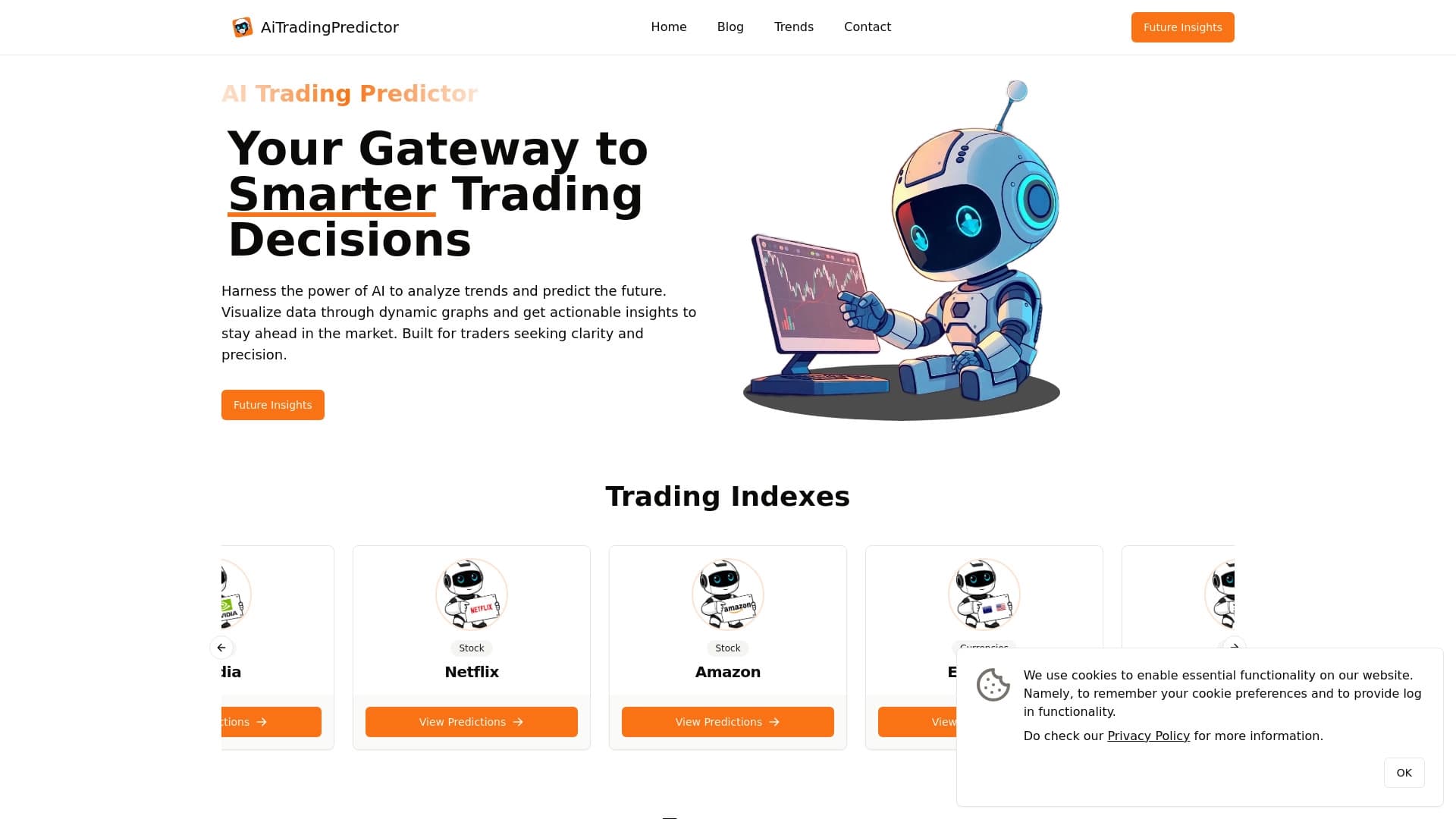
Free AI service for forecasting price movements of stocks, cryptocurrencies, and commodities.
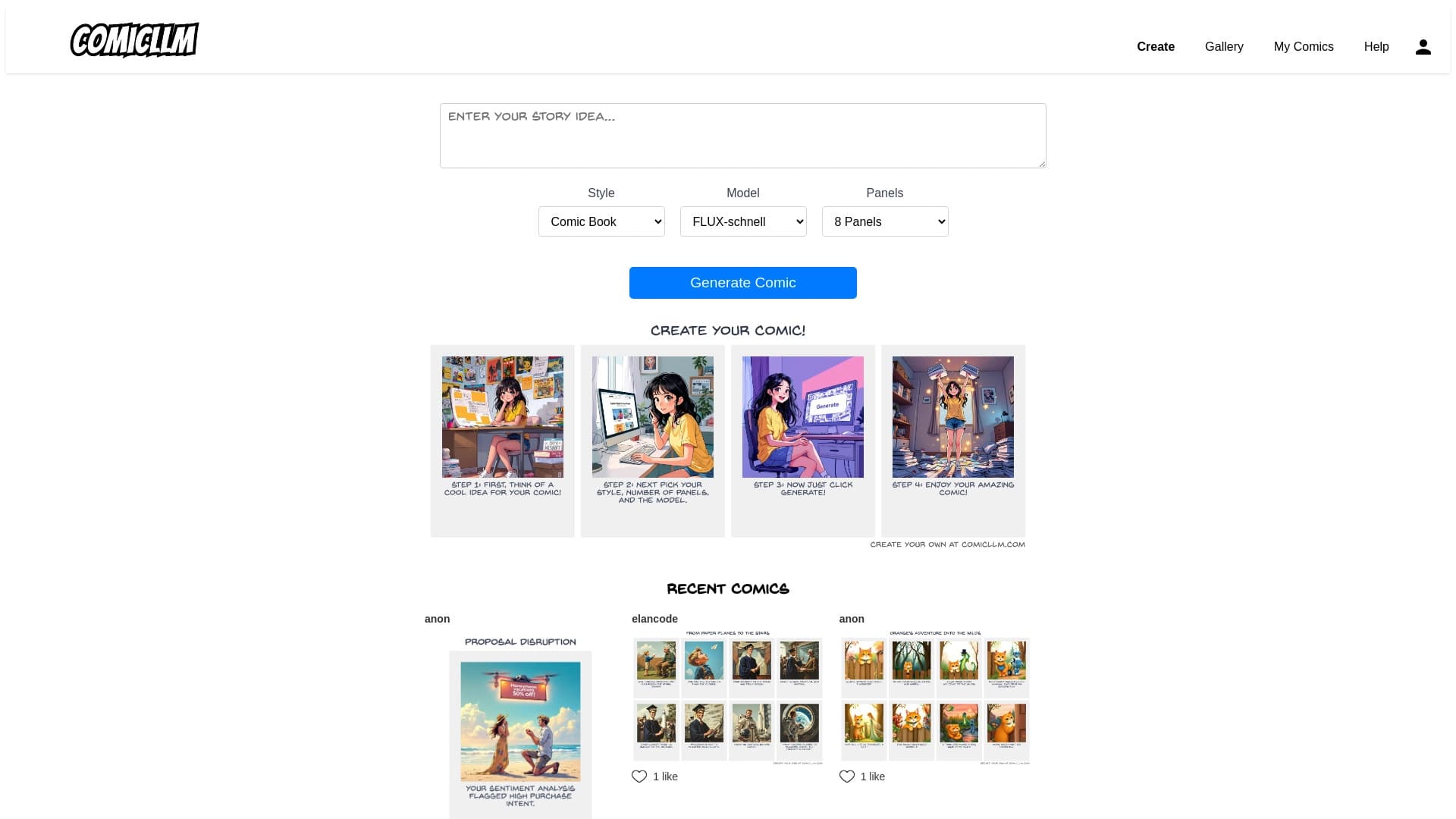

ComicLLM is an AI tool for creating comics from text descriptions or ready-made templates.
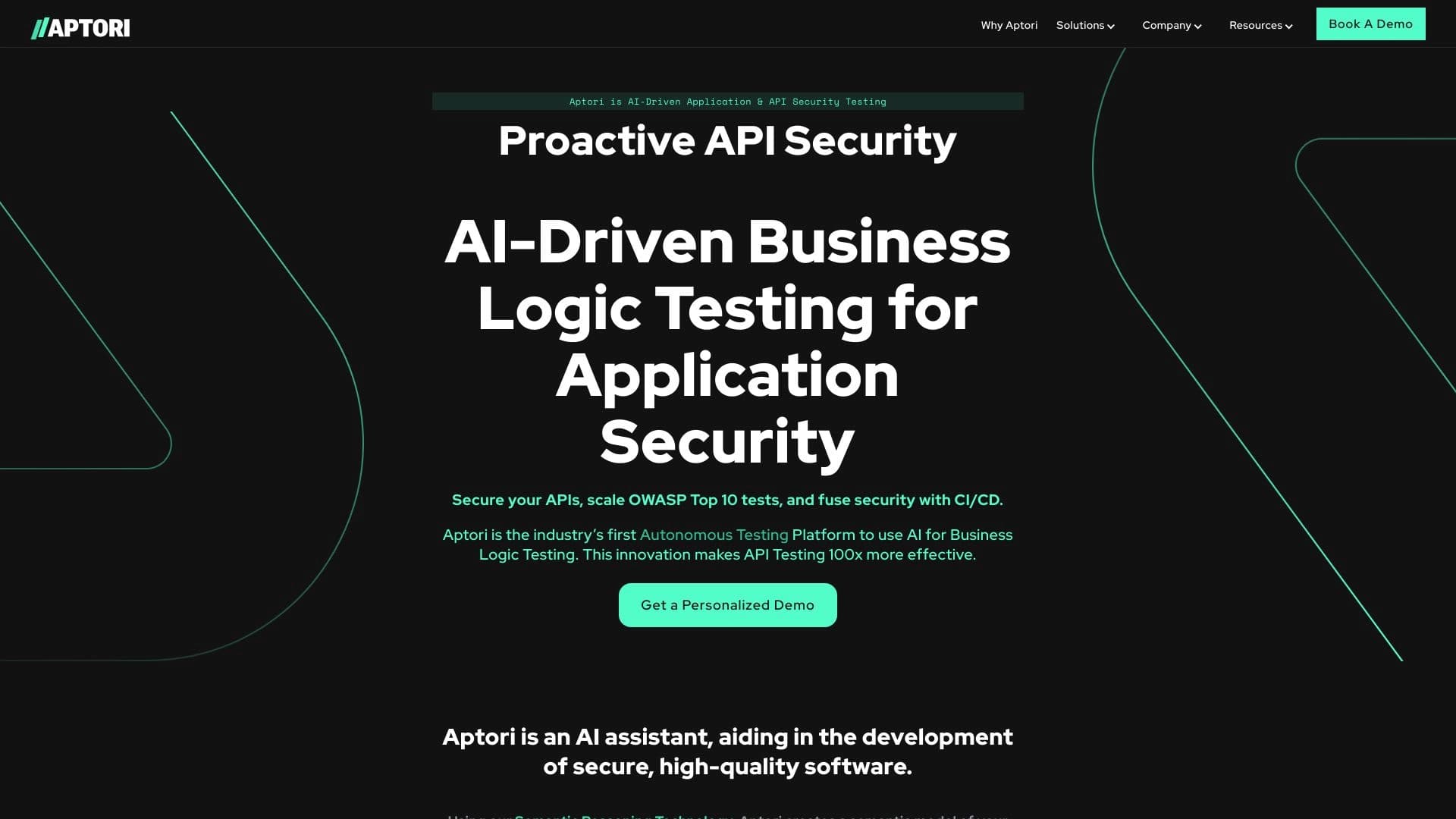

AI-powered platform for automated API security testing and vulnerability discovery in code and cloud infrastructure.

AI agent for automating routine browser actions, such as filling out forms and collecting data.
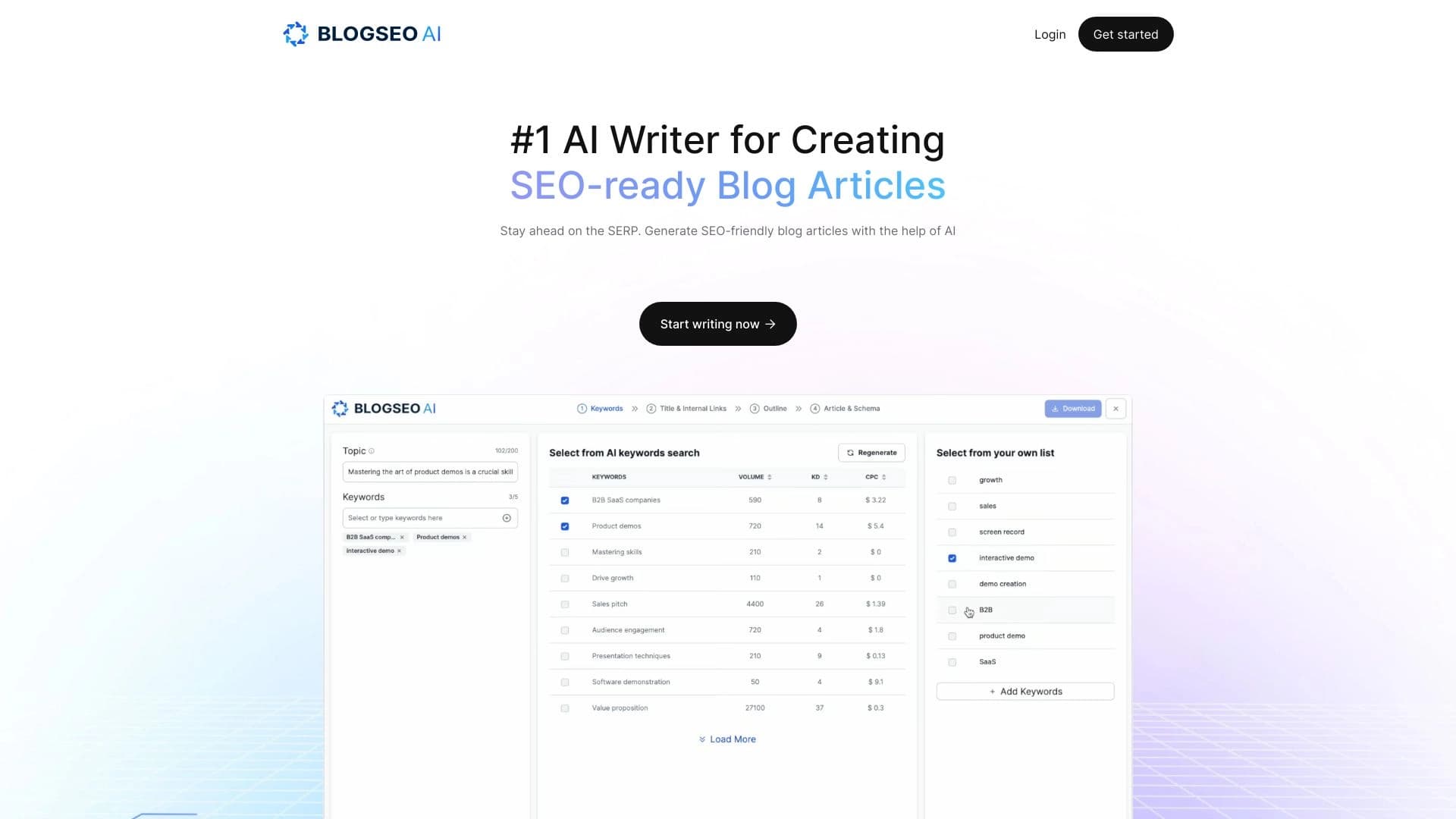

AI tool for creating SEO-optimized multilingual content.


AI service for meal planning, recipe generation, and automatic grocery list creation.
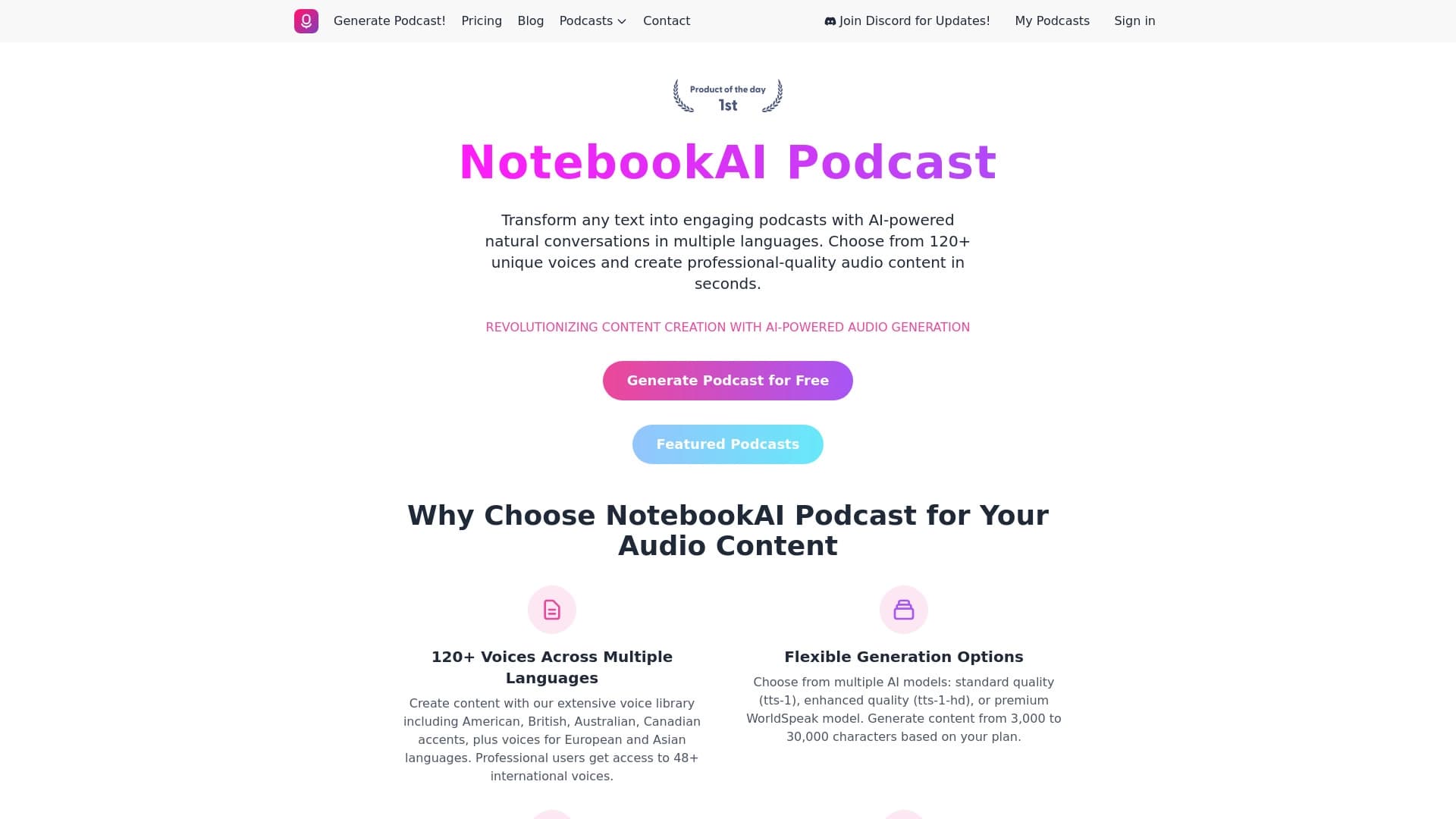

A service for turning text into podcasts with naturally sounding voices in different languages.

AI agent for assisting with programming and optimizing the development workflow.