
Flowscript
Service for creating scripts and automating tasks using generative AI, allowing you to build applications without code.
Overview
Flowscript is a no-code platform that leverages generative artificial intelligence to build applications and automate workflows. The core idea of the service is to let users turn text descriptions of tasks into working scripts without needing to write code manually.
The platform positions itself as a bridge between an idea and a finished software solution. Instead of traditional programming, which requires knowing language syntax, Flowscript lets you describe the desired functionality in natural language, while the neural network handles generating the logic and structure of the future application. It's a tool for rapid prototyping and automating routine operations.
Key Concept
The service is built around an approach where AI acts as an interpreter of user intent. You describe what the program should do, and the system converts that description into an executable script or a visual sequence of actions. This shifts the focus from technical implementation details to the task itself and the expected outcome, making development accessible to a wider audience.
Flowscript Features
| Feature | Value |
|---|---|
| Tool Type | No-code platform for creating scripts and applications |
| Core Technology | Generative artificial intelligence |
| Primary Purpose | Task automation and code-free application development |
| Target Audience | Users without programming skills |
| Key Advantage | Fast implementation of ideas as working applications |
| Distribution Model | Not specified (data unavailable) |
Who Is Flowscript For?
Entrepreneurs and Startup Founders
Flowscript suits those who want to quickly test a business hypothesis with a digital product but don't have a development team. You can create an MVP (minimum viable product) or an internal tool by describing its logic in natural language, significantly saving time and resources at the early stage.
Automation Specialists
Professionals looking to optimize routine processes within a company can use Flowscript to create scripts that handle repetitive operations. This eliminates manual work in tasks like data processing or generating template documents, allowing them to focus on more complex aspects of their work.
Users Without a Technical Background
People far from programming but with a clear idea of what tasks they need to solve are also part of the target audience. The service lowers the barrier to entry into development, enabling marketers, managers, and analysts to build useful tools for themselves without involving programmers.
How to Use Flowscript?
Getting Started with the Platform
Using Flowscript revolves around a dialogue with the AI. Since there are no precise interface instructions in the source data, it's reasonable to assume that users are prompted to formulate a task: describe what script to create or which process to automate. The system interprets this request and generates the structure of the future solution.
From Description to a Working Tool
After the task is formulated, the platform converts the text description into a working script or application. Users can interact with the result, checking its logic and making adjustments using the same natural language. This approach allows for iterative product improvement by simply describing desired changes, without needing to dive into code.
Core Flowscript Features
Script Creation in Natural Language
The platform's functionality focuses on generating executable sequences of actions. Instead of writing code, users provide a description of what the program should do, and the AI translates it into a working script.
Business Process Automation
The tool enables building automatic action chains to handle repetitive tasks. Users can model a process by specifying triggers and actions, and the system takes over its execution.
No-Code Logic for Applications
Flowscript allows assembling an application's interface and logic without writing code. Instead of manually coding algorithms, generative AI interprets user commands into program logic.
Flowscript Advantages
No Entry Barrier
The platform's main plus is the ability to create digital products without knowing programming languages. This opens the door to development for people in adjacent fields, letting them realize their ideas without specialist help.
Prototyping Speed
Thanks to generative AI, turning an idea into a working script takes significantly less time than traditional development. This is especially valuable in early stages when you need to quickly test a concept or automate a simple operation.
Intuitive Control
Interaction with the service is based on natural language, making the app creation process more understandable. Users don't think in terms of functions and variables but work with the specific tasks they want to solve.
Flowscript Drawbacks
Limited Information About the Service
Currently, public data about Flowscript is extremely scarce. There are no detailed details on customization options, platform limitations, or the quality of generated scripts, making it difficult to objectively assess its power and reliability.
Undefined Distribution Model
Information on how the service is distributed is missing. This could mean the project is at an early stage of development, and users should account for possible changes in availability and terms of use in the future.
Potential Limitations in Complex Tasks
Like many no-code platforms, Flowscript may struggle with building high-load or architecturally complex applications. For typical automation tasks, its capabilities are likely sufficient, but unique and demanding projects may require traditional development.
What Problems Does Flowscript Solve?
Eliminating the Need for a Programmer
Flowscript's main goal is to enable independent development for those who previously relied on having a technical specialist. This solves the problem of quickly implementing ideas when waiting for a programmer or paying for development isn't economically viable.
Reducing Time Spent on Routine
The platform addresses the issue of eliminating repetitive operations. Users can delegate template-based tasks that previously required manual intervention to the system.
Turning Ideas into Applications
The service solves the core problem—materializing a concept into working code. It takes on part of the intellectual work of translating human intentions into program code, making the app creation process more direct and understandable.
Flowscript Pricing
Currently, there is no public information about Flowscript's pricing policy. It's impossible to determine whether the service is fully free, operates on a subscription, or offers a freemium model with paid advanced features. Potential users should expect clarifications from the developers or check the official project website for up-to-date information.
Flowscript Terms of Use
Detailed terms of service are not disclosed in public sources. There is no data on user requirements, restrictions on commercial use of created products, or privacy policies regarding uploaded data. It's also unknown whether registration and account verification are required to access the functionality.
Flowscript Availability
Flowscript is available for use, as confirmed by the existence of a domain and a brief description; however, information about geographic restrictions and access formats is absent. It's unknown whether the service works via a web interface, has a desktop version, or a mobile app. Based on the format, it's most likely a web service accessible through a browser, but this is an assumption.
How Flowscript Differs from Alternatives
Focus on Generative AI
Unlike classic no-code builders that work on visual programming principles (drag-and-drop), Flowscript uses generative AI. This means the primary interface isn't a block builder but a text description of goals, which potentially simplifies the creation process.
Emphasis on Scripts
Many no-code platforms offer ready-made templates and visual elements for building interfaces. Flowscript, based on its description, focuses specifically on generating logic—scripts that automate tasks. This brings it closer to RPA (robotic process automation) tools but with a lower entry threshold.
Out-of-the-Box Versatility
Flowscript's key difference is its ability to create full-fledged applications, not just websites or forms. It combines code generation and automation functions, making it more flexible than narrowly focused services for building individual elements.
Conclusion
Flowscript represents an interesting attempt to combine generative AI and task automation in a no-code format. The platform gives users without a technical background the ability to create scripts and applications simply by stating their tasks in natural language. This could be a useful tool for businesses and individuals looking to quickly automate routine work. At the same time, the lack of public information about pricing, terms, and platform capabilities calls for caution. Potential users should wait for more detailed data from the developers to assess the service's real potential.
Frequently asked questions
See also


AI toolkit for video generation and editing, including avatars, lip-sync, and voice cloning.


Platform for increasing organic traffic and creating content with the help of AI and expert participation.
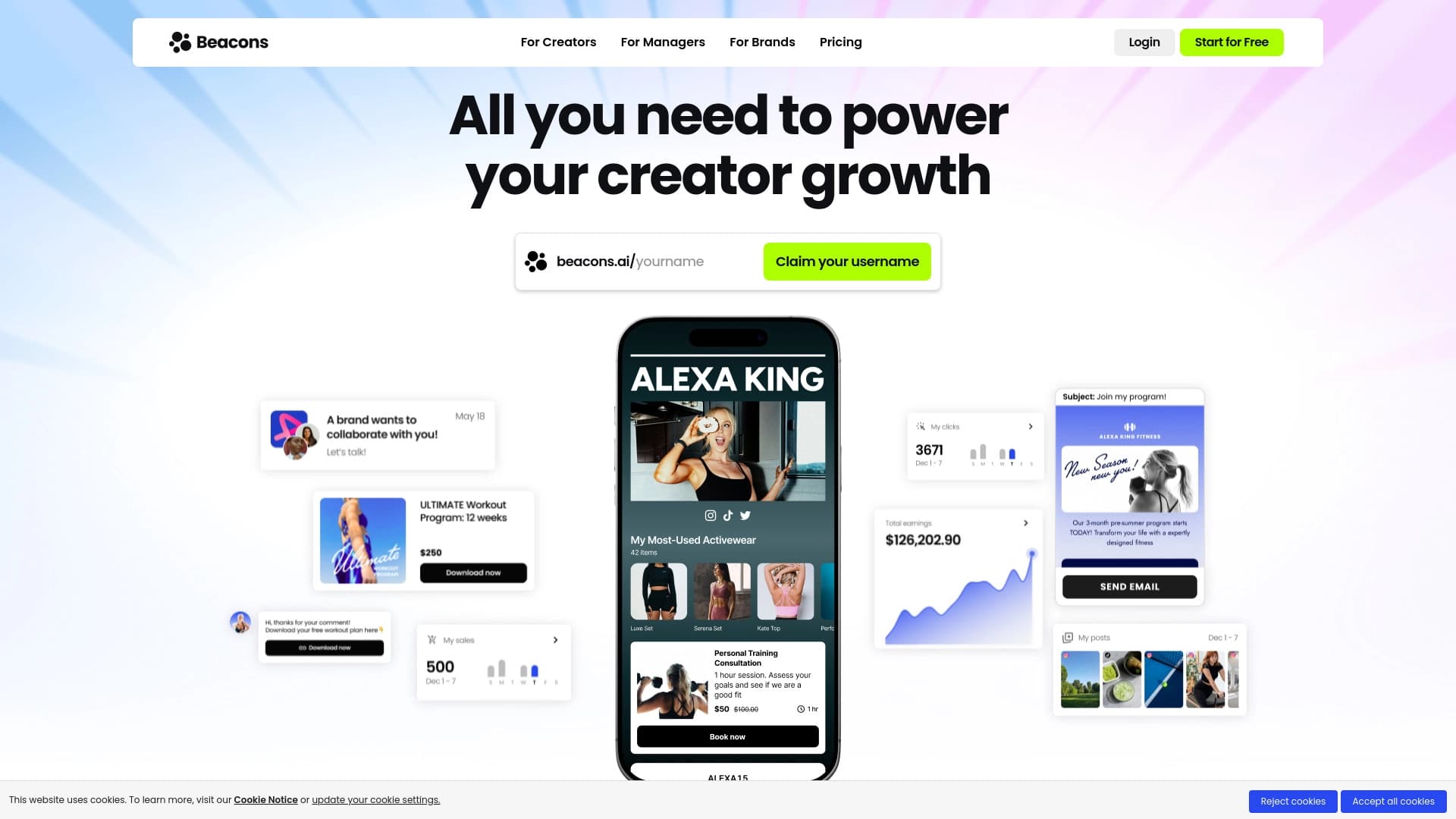
A platform for content creators that combines link management, email marketing, an online store, and analytics in a single visual editor without coding.
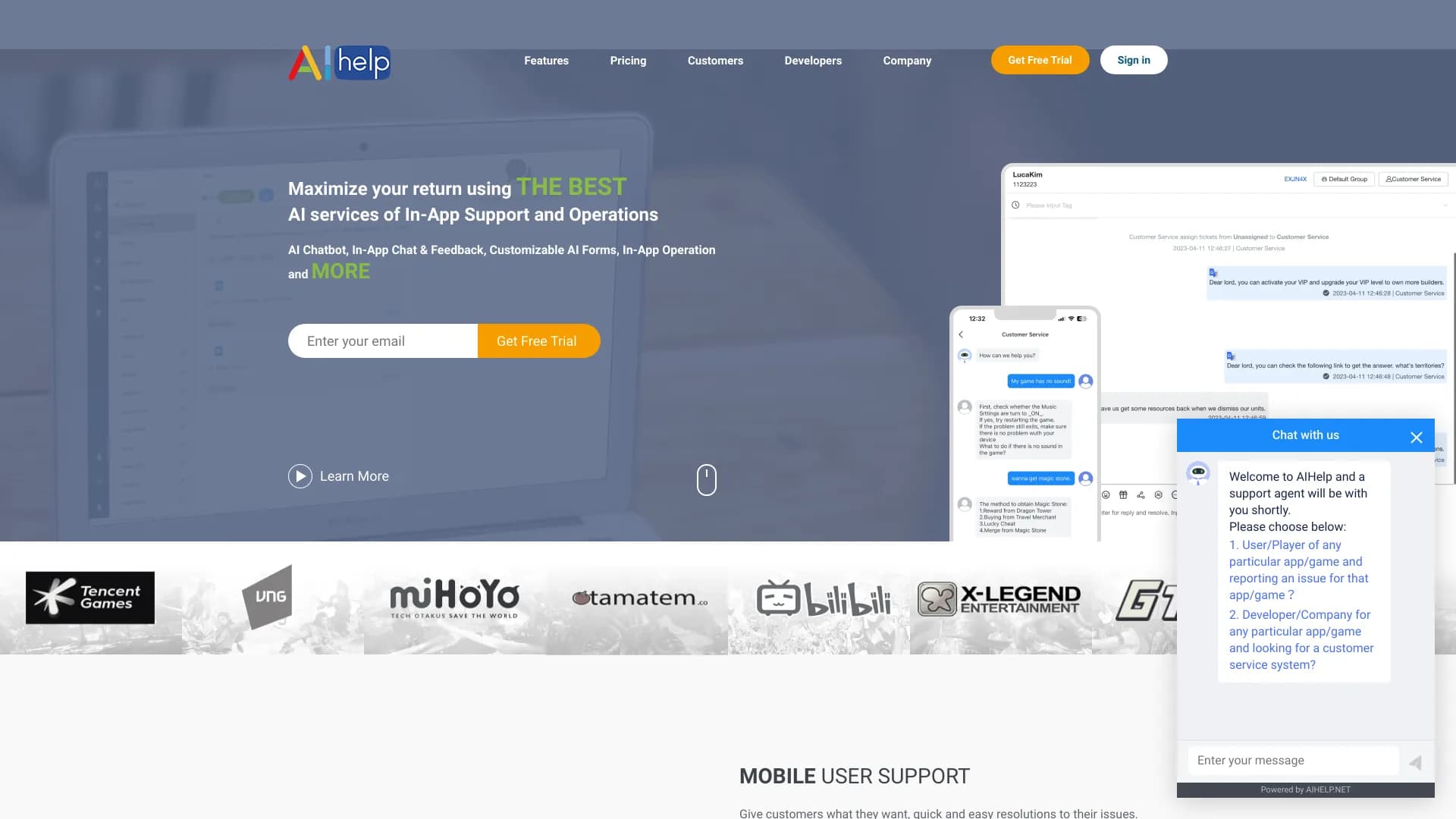

AI platform for user support in applications, including a chatbot and ticketing system.
AI assistant for automating retail tasks and optimizing call center operations.


Neural network for generating SEO-optimized articles and automating blog management.
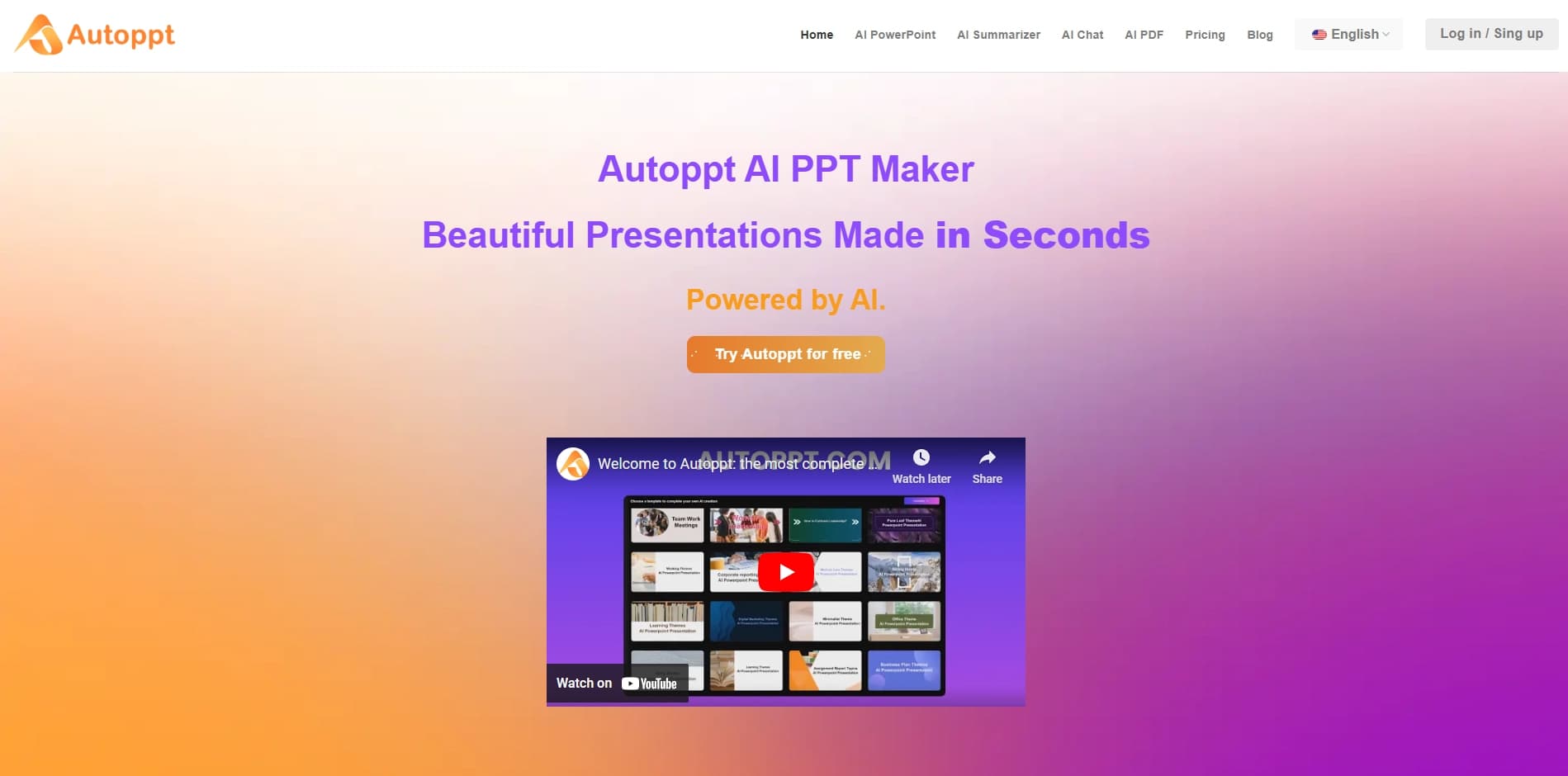

Online AI-powered service for quickly creating presentations based on a given topic or an uploaded document.
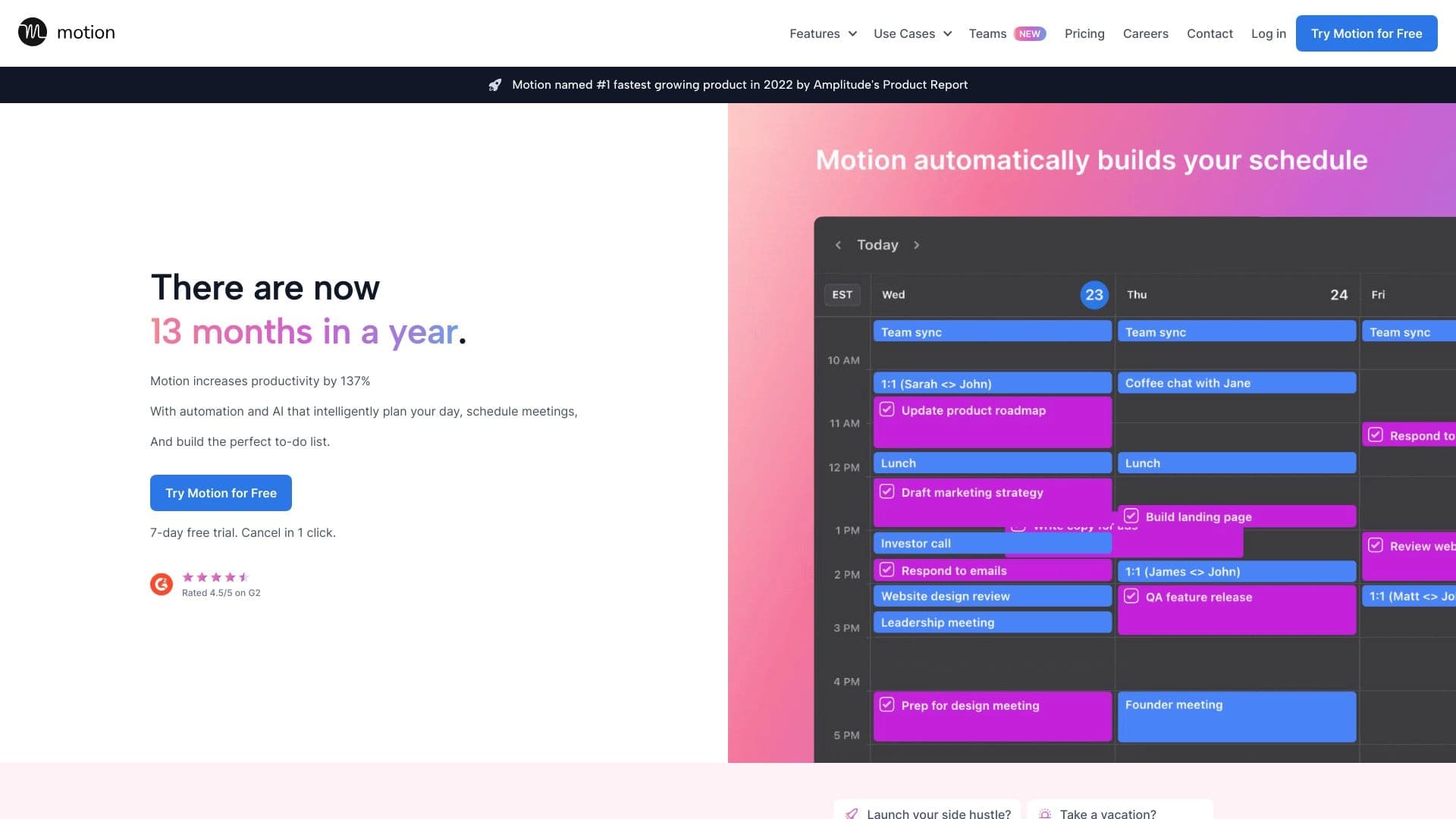

AI platform for automatic workday planning, task management, and prioritization.