
Floatboat
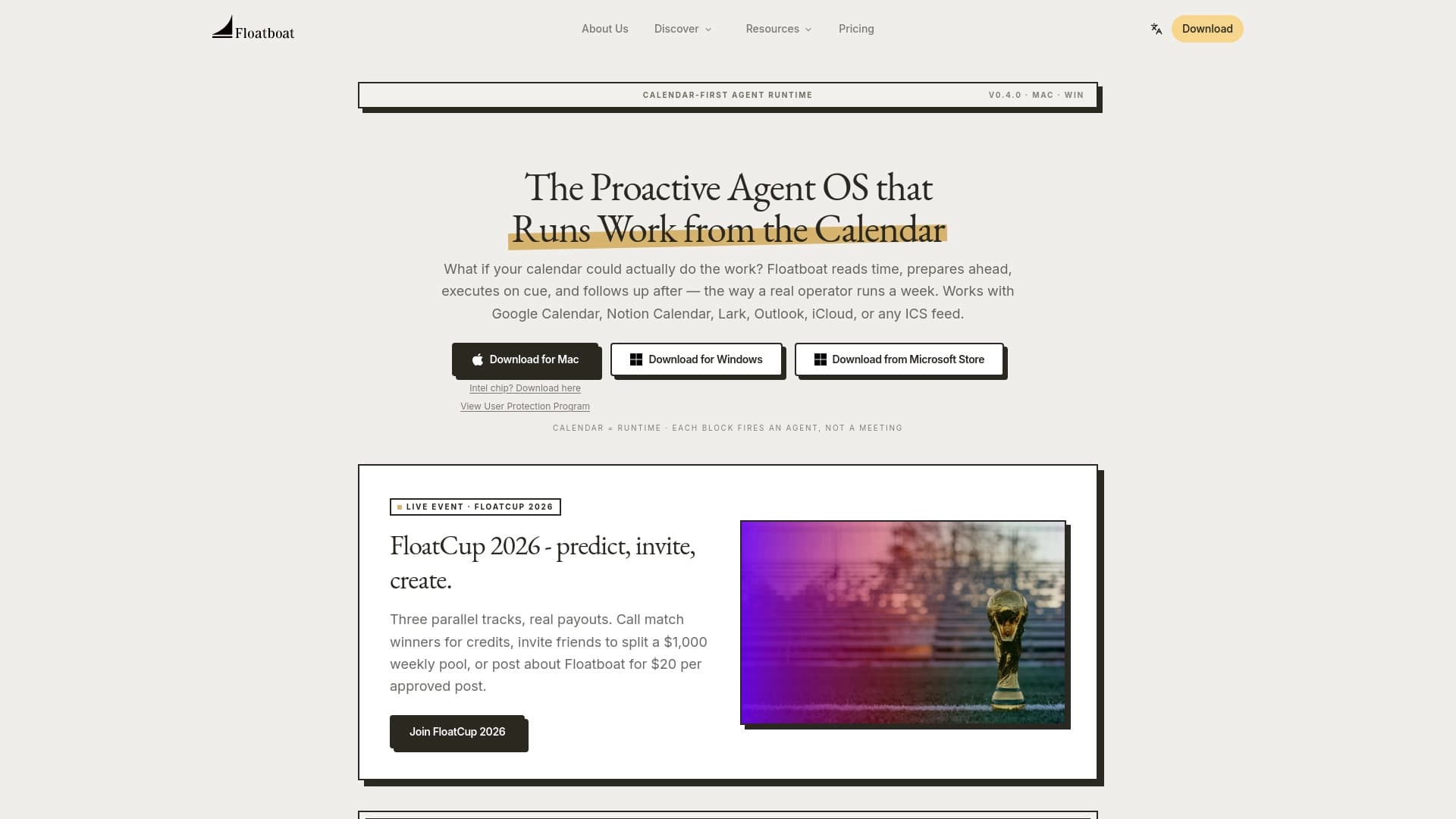
Floatboat is a calendar-oriented operating system for AI agents that automates the preparation, execution, and follow-up of scheduled tasks.
Overview
Floatboat is an operating system for AI agents built around a calendar-based approach to organizing work. Instead of waiting for user commands, the system itself plans, prepares, and launches tasks at scheduled times. This approach transforms AI agents from passive executors into proactive assistants capable of managing their own schedules.
The core idea is that the calendar becomes the central control element: all tasks, meetings, deadlines, and routine operations are tied to specific time slots. Agents don't just remind about an event — they prepare all the necessary information in advance, perform preparatory actions, and accompany the task from start to finish. This shifts the focus from reactive command execution to planned, systematic automation of workflows.
Floatboat Features
| Feature | Value |
|---|---|
| Purpose | Operating system for organizing AI agent work |
| Key principle | Calendar-oriented task planning |
| Operating mode | Proactive (the agent initiates actions on its own) |
| Core processes | Task preparation, execution, and support |
| Distribution model | Not specified |
Who Is Floatboat Suitable For?
Professionals with Dense Schedules
Floatboat will be useful for those who work with a large number of meetings, deadlines, and recurring tasks: executives, project managers, administrative staff. The system takes over the routine of preparing for events and ensures nothing is missed.
Teams Implementing AI Automation
Organizations that already use AI agents to complete tasks but want to make their work more structured and less dependent on manual management will find in Floatboat a way to build a systematic approach to automation.
Users Tired of Manual Oversight
People who constantly have to remind themselves and their digital tools about upcoming tasks get the opportunity to offload this oversight to the system. The calendar sets the rhythm, and agents take care of preparation and execution.
How to Use Floatboat?
Calendar-Based Integration
The main work with the system revolves around the calendar. The user places tasks or events in it, and the system then takes over all subsequent steps: from analyzing what needs to be done to launching the relevant agents.
Setting Up Automated Processes
For agents to effectively prepare for and support work, it is necessary to configure rules and parameters for typical tasks. For example, specify what data is needed for a meeting, what reports to generate, or what actions to perform after a task is completed.
Monitoring Execution
Although the system operates proactively, the user retains control: you can track how agents carry out the plan, make adjustments to the schedule, and intervene in the process if necessary.
Key Features of Floatboat
Proactive Task Execution
Agents do not wait for commands but act according to the calendar plan: they launch work at the scheduled time, without reminders from the user.
Automatic Preparation
The system collects and prepares in advance everything needed for the planned work: data, materials, documents, or reports, so that everything is ready by the time the task begins.
End-to-End Support
Floatboat does not stop at launching a task — it monitors its progress, collects results, and ensures all stages are completed according to plan.
Advantages of Floatboat
Frees Up User Time
Since the system handles preparation and control, the user stops spending time on intermediate steps and can focus on the truly important aspects of their work.
Structured Approach to Automation
The calendar foundation establishes a clear order: tasks are arranged in time, and agents operate in a predictable, organized manner, reducing chaos and the risk of forgetting important matters.
Reduced Cognitive Load
There is no need to constantly keep many small details about upcoming tasks in mind — the system monitors what needs to be ready and when, and acts without unnecessary reminders.
Disadvantages of Floatboat
Limited Public Information
Available materials do not disclose details about the technical implementation, supported integrations, or deployment requirements, which makes it difficult to preliminarily assess compatibility with specific workflows.
Potential Setup Complexity
Like any system operating in a proactive mode, Floatboat will likely require careful initial configuration of scenarios and rules to ensure automation does not lead to errors or unwanted actions. However, this assessment is based on general experience with similar tools rather than official data.
Dependence on Calendar Data Accuracy
The system's effectiveness directly depends on how accurately and completely the user enters information into the calendar. Incorrect planning may result in agents performing actions at inappropriate times.
What Problems Does Floatboat Solve?
Automation of Routine Operations
The system fully covers the need for regular, repetitive actions: meeting preparation, report generation, data collection — all of this happens without human involvement.
Planning and Deadline Control
Floatboat helps avoid missing deadlines: tasks are tied to the calendar, and agents begin preparation in advance to ensure everything is completed on time.
Reducing the Impact of Human Error
The system minimizes risks associated with forgetfulness, fatigue, or overload: it acts consistently and methodically, never skipping planned steps.
Floatboat Pricing
Currently, there is no information available in public sources about the cost of using Floatboat. It is unknown whether the system is offered via subscription, one-time payment, or requires an individual quote depending on the scale of deployment. Potential users are advised to follow official announcements and contact project representatives for up-to-date information on pricing.
Floatboat Terms of Use
Official terms of service, including requirements for hardware, software, and access levels, are not publicly disclosed at this time. There is no data on the availability of a free tier, trial period, or restrictions on commercial use. Details will only be available after the release of official documentation and publication of service rules.
Floatboat Availability
Information about which countries and regions Floatboat operates in is unavailable. It is also unknown whether the service requires a mandatory internet connection, whether it is available as a cloud solution, or can be deployed on local servers. Questions about language support also remain unanswered — it is unknown which interface languages the system supports.
How Floatboat Differs from Alternatives
The main difference between Floatboat and traditional automation tools and schedulers lies in the central role of the calendar. Many systems allow launching AI agents on a schedule, but Floatboat turns the calendar into a full-fledged operating environment where each entry can automatically trigger an entire pipeline of actions: preparation, execution, and task support.
While classic assistants work on the principle of "received a command — executed it," Floatboat works on the principle of "scheduled — therefore, it will be done." Agents act proactively, without waiting for direct instructions, making the system more autonomous and reducing the need for constant user intervention. This proactive approach combined with a calendar structure distinguishes Floatboat from most solutions on the market, which remain within reactive logic.
Conclusion
Floatboat offers a fresh perspective on organizing AI agent work, shifting the focus from executing individual commands to systematic, planned task management through a calendar. The approach of automatic preparation, launch, and support of scheduled actions can significantly simplify routine processes and relieve the user. However, at this point, very little concrete information is available about the product: pricing, terms of use, technical requirements, and geographic availability are unknown. Potential users can only follow the project's development and wait for more complete official data to assess how well the system fits their needs.
Frequently asked questions
See also
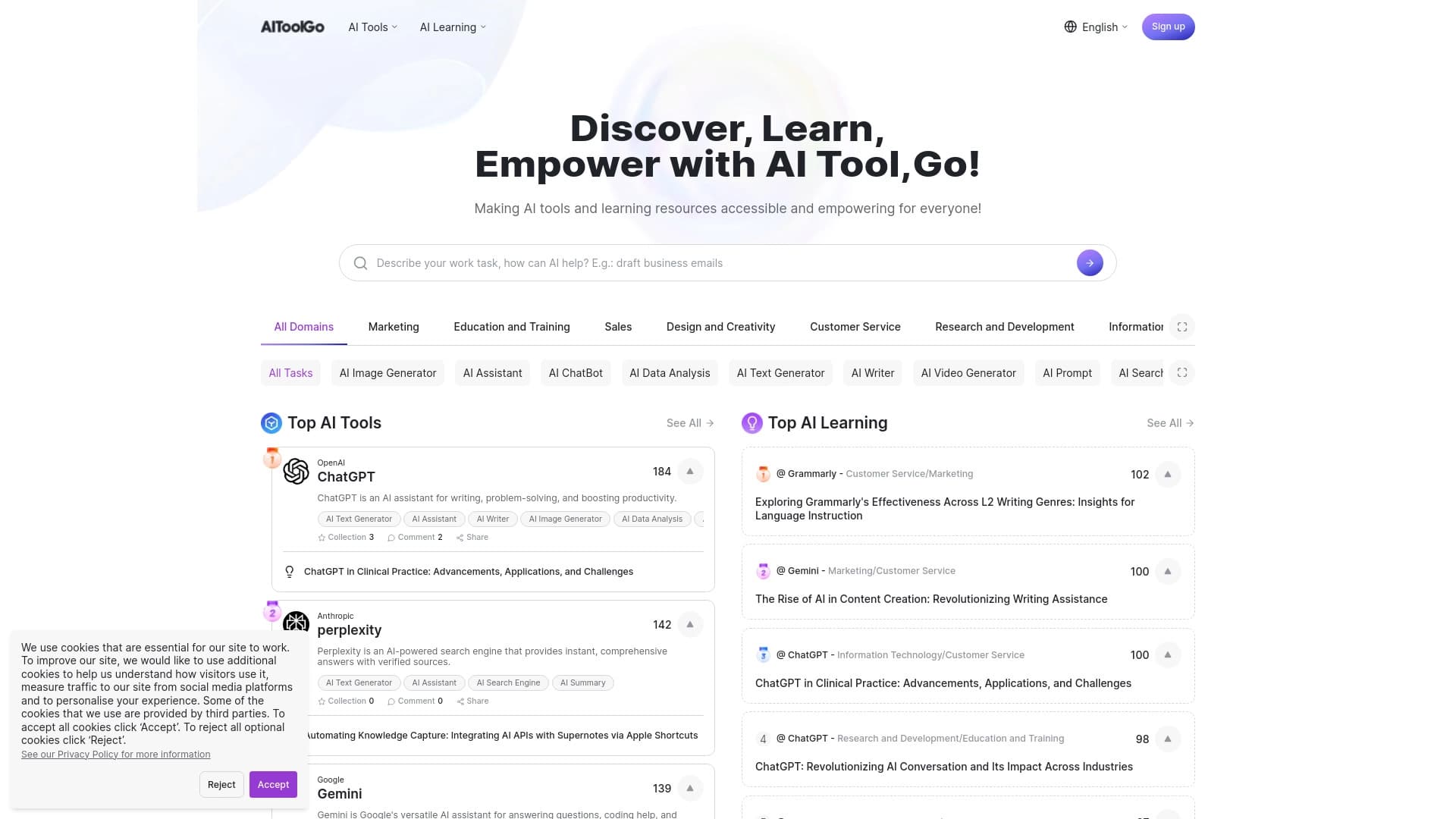
Catalog of AI tools with educational materials and guides for selecting neural networks.

AI travel planner that creates personalized itineraries and helps you choose flights, accommodation, and activities in a chat.
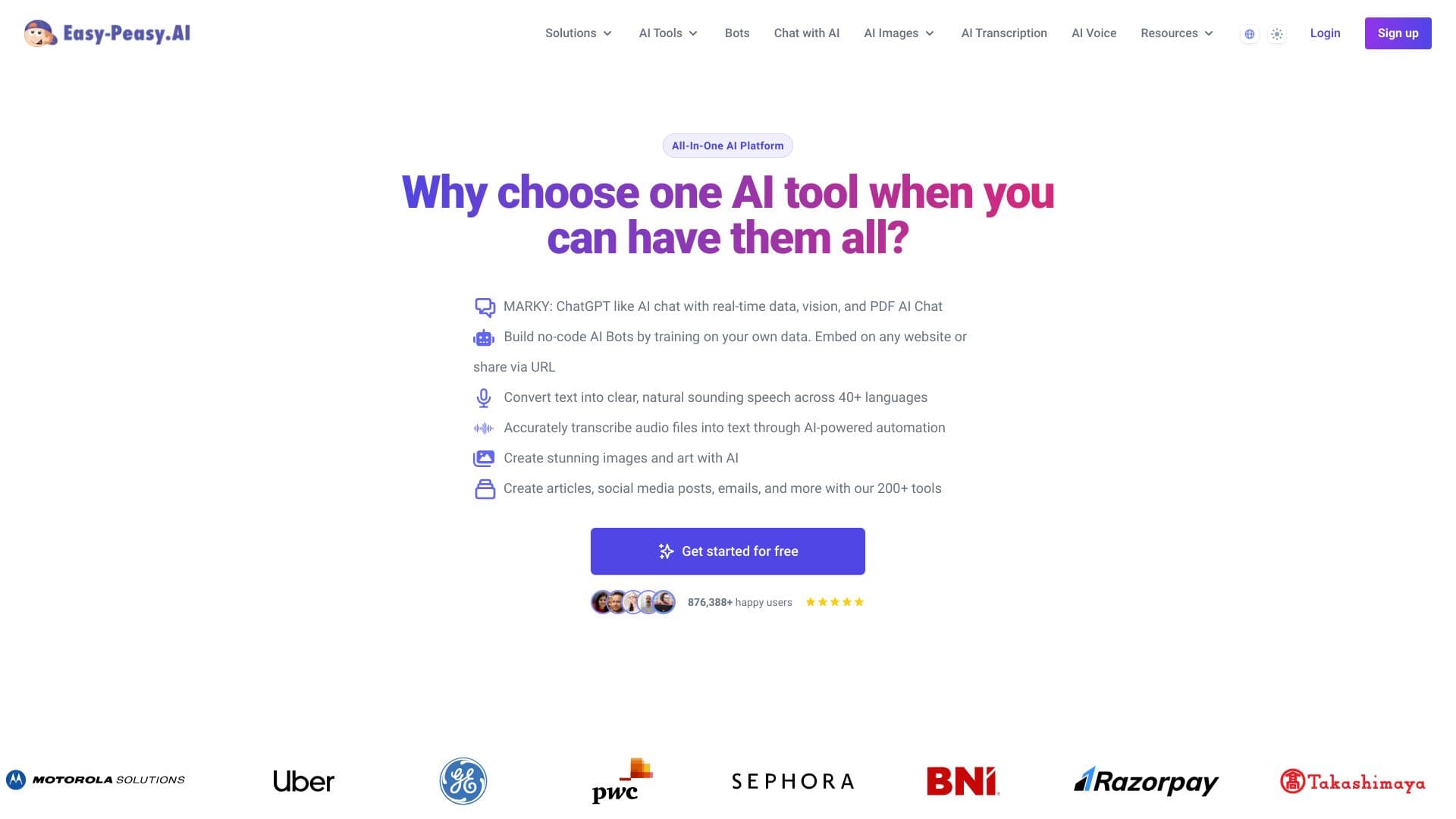

A multifunctional AI assistant for generating texts, images, and audio.
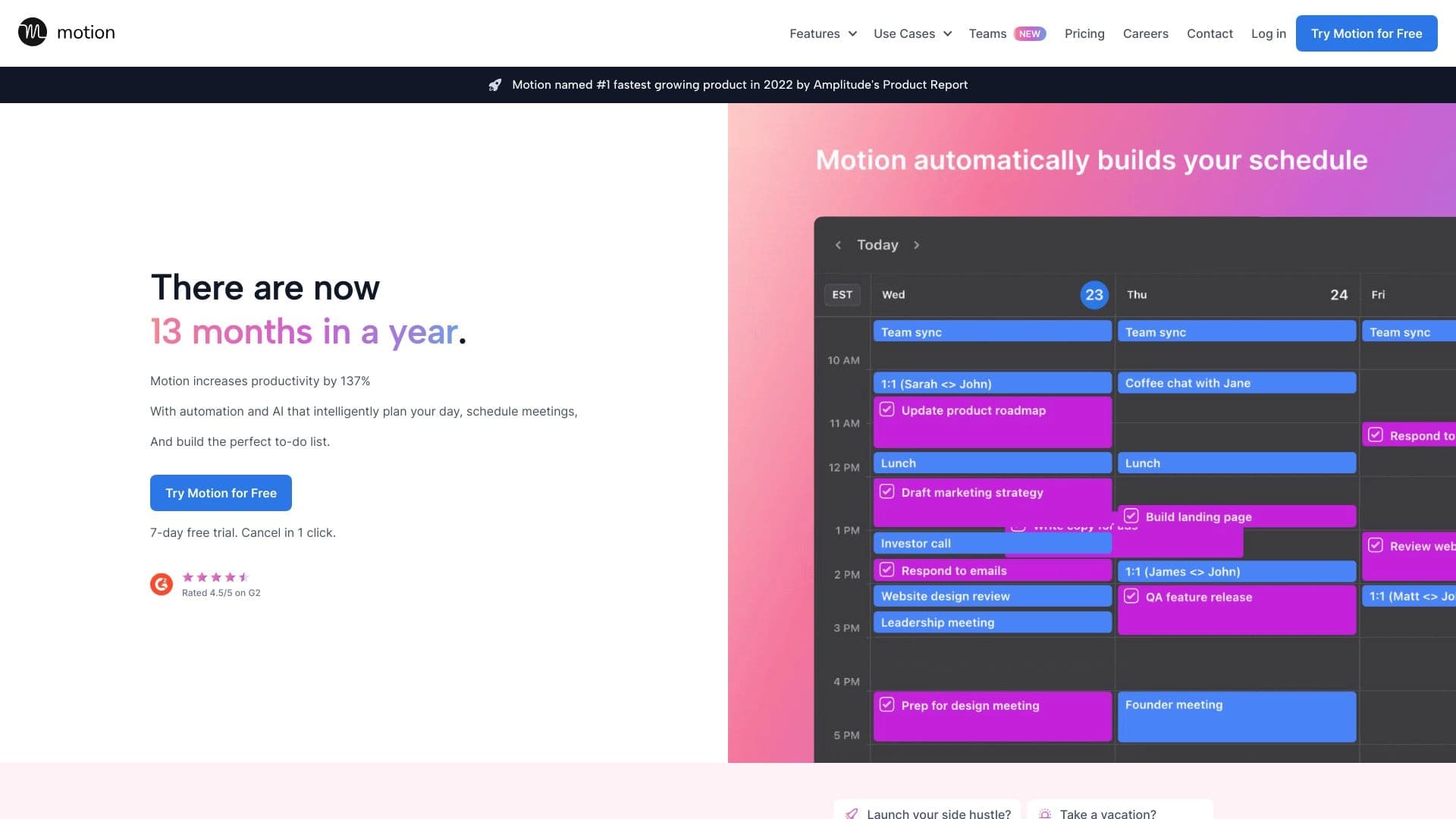

AI platform for automatic workday planning, task management, and prioritization.
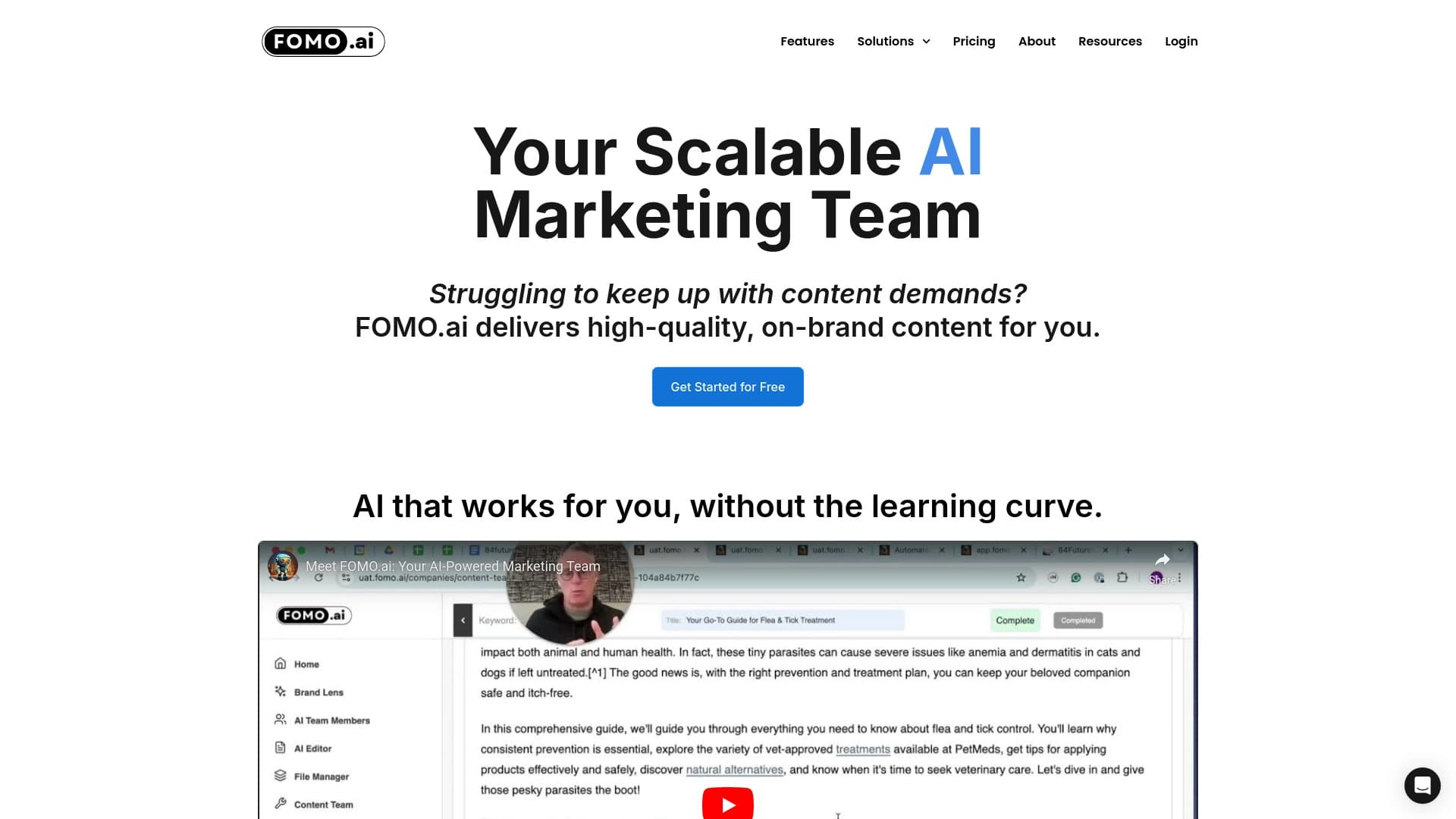

Platform for increasing organic traffic and creating content with the help of AI and expert participation.
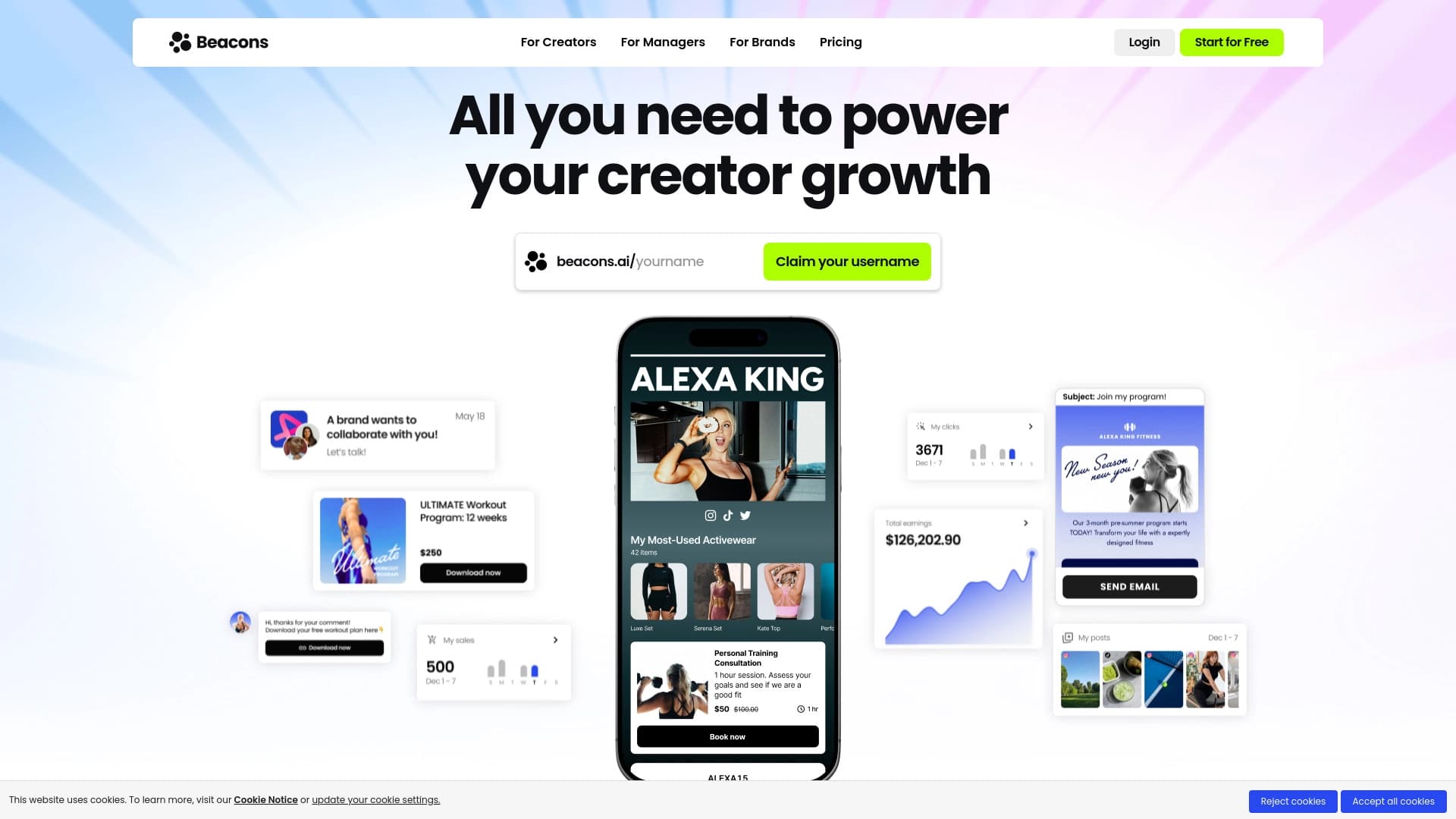
A platform for content creators that combines link management, email marketing, an online store, and analytics in a single visual editor without coding.
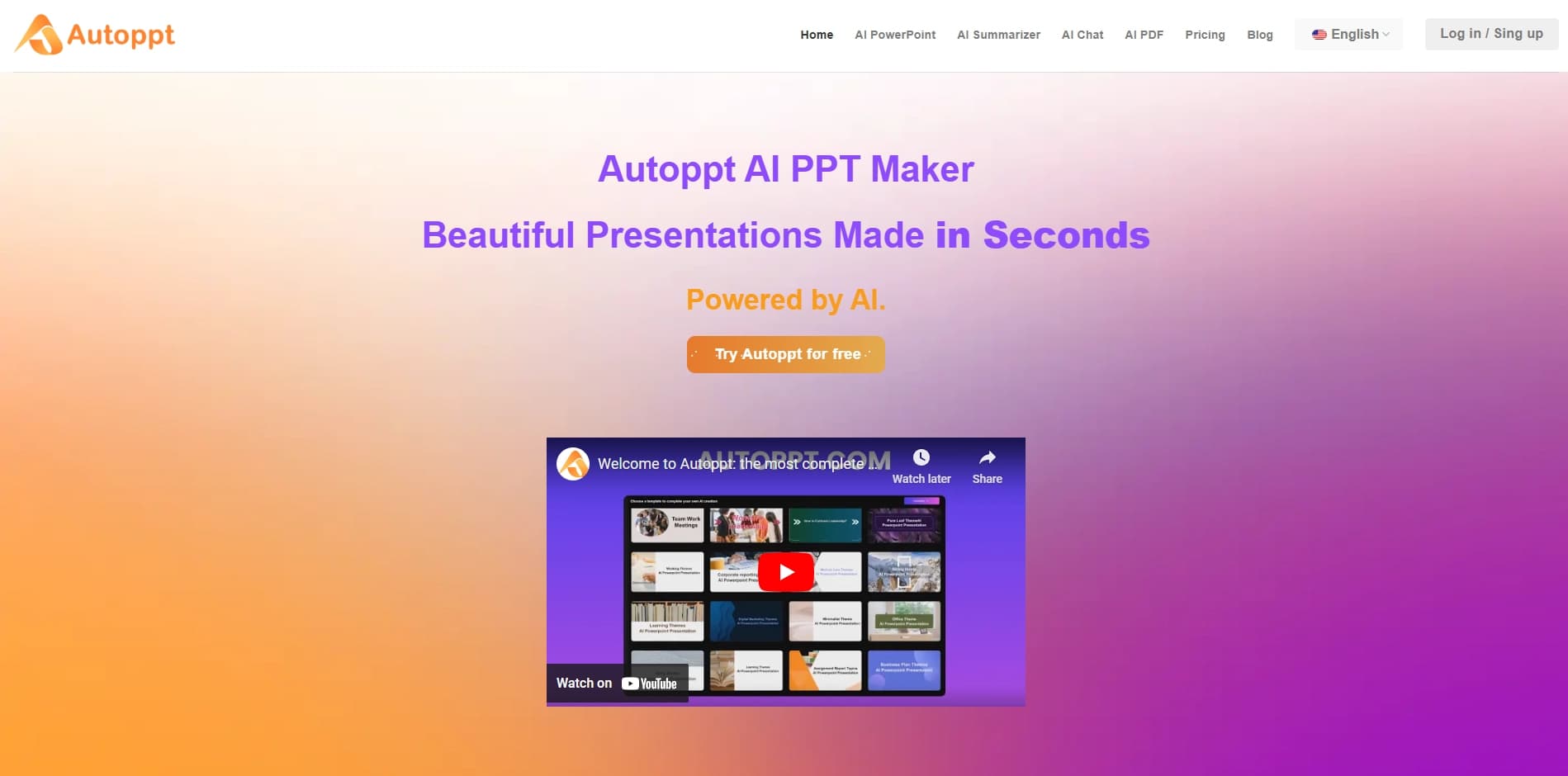

Online AI-powered service for quickly creating presentations based on a given topic or an uploaded document.
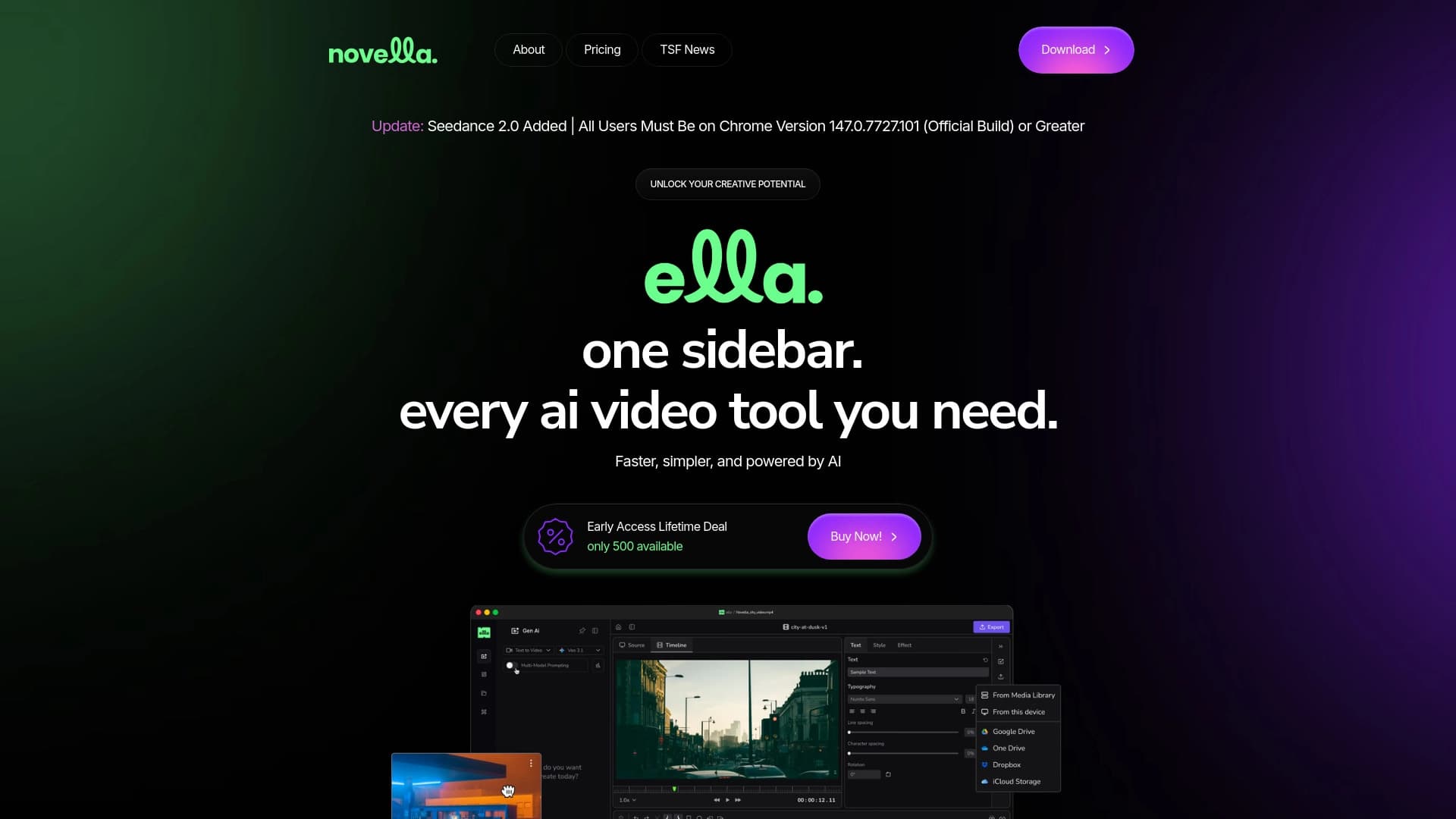

AI platform for creating and editing videos, working directly in the Chrome browser.