

Findly
Платформа бизнес-аналитики, которая позволяет задавать вопросы к корпоративным данным на естественном языке вместо написания SQL-запросов.
Обзор
Findly
Описание нейросети Findly
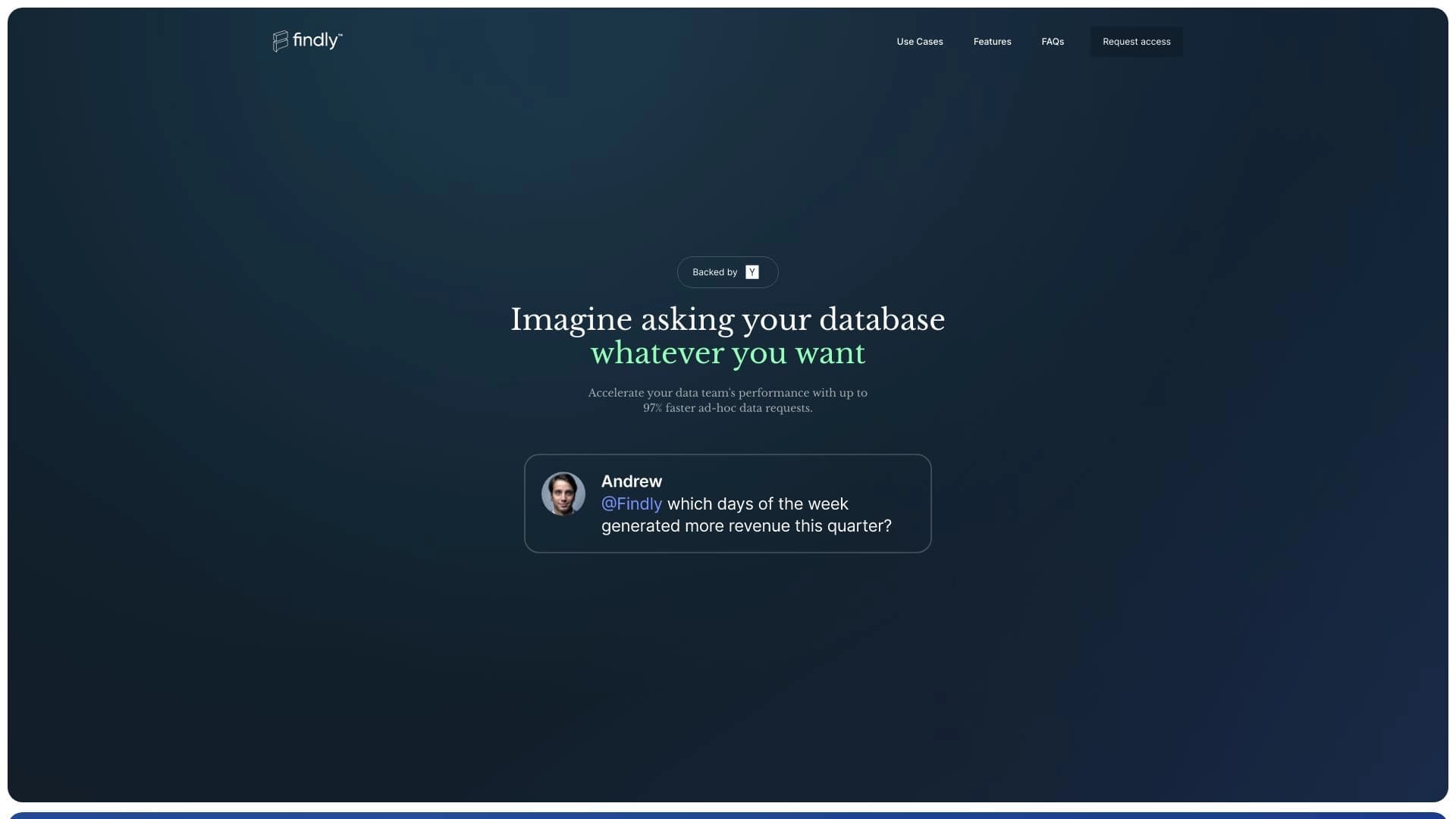
Findly — это платформа бизнес-аналитики, которая помогает компаниям работать с корпоративными данными без глубоких технических знаний. Вместо написания сложных SQL-запросов пользователь может просто задать вопрос на естественном языке, и система превратит разрозненные данные в понятные отчёты, прогнозы и метрики.
В основе работы лежат большие языковые модели и собственный семантический слой, который помогает платформе понимать не только структуру данных, но и их смысл. Благодаря этому Findly выдаёт не приблизительные ответы, а точные, воспроизводимые результаты. Инструмент ориентирован на команды, которым нужна надёжная и оперативная аналитика — от продуктовых и маркетинговых отделов до финансовых и операционных подразделений.
Характеристики Findly
| Характеристика | Значение |
|---|---|
| Тип | Платформа продвинутой аналитики данных / AI-платформа для бизнес-аналитики и прогнозов |
| Ключевая технология | Большие языковые модели (LLM) и собственный семантический слой |
| Способ взаимодействия | Вопросы на естественном языке вместо SQL-запросов |
| Целевые категории | Подкасты, распознавание речи (согласно данным на сайте источника) |
| Режим работы | Аналитика и прогнозы в реальном времени |
Для кого подходит нейросеть Findly?
Продуктовые и аналитические отделы
Findly подходит командам, которые ежедневно работают с данными о продукте и нуждаются в быстром доступе к показателям без ожидания подготовки отчётов специалистами. Аналитикам инструмент позволяет сосредоточиться на интерпретации результатов, а не на написании запросов.
Финансовые и операционные команды
Финансовым специалистам платформа помогает получать актуальные метрики и прогнозы для планирования, а операционным менеджерам — отслеживать ключевые показатели работы процесса в реальном времени. Для всех этих групп важно, что результаты точны и воспроизводимы.
Маркетинговые команды
Маркетологам, которые часто сталкиваются с большим объёмом данных о кампаниях и аудиториях, Findly даёт возможность быстро формулировать вопросы и получать практически применимые инсайты без участия технических специалистов.
Как использовать нейросеть Findly?
Задавайте вопросы на естественном языке
Основной способ работы с Findly — формулирование вопросов привычным языком вместо составления SQL-запросов. Пользователь просто описывает, какие данные или показатели ему нужны, и платформа сама строит необходимые вычисления.
Получайте готовые отчёты и метрики
После запроса система автоматически формирует отчёты и визуализирует ключевые показатели. Это избавляет от необходимости вручную готовить дашборды и настраивать сложные отчёты.
Используйте результаты для решений
Полученные данные можно применять для прогнозирования и принятия бизнес-решений: оперативные метрики и прогнозы позволяют вовремя реагировать на изменения и планировать дальнейшие действия.
Основные функции Findly
Автоматизация работы с данными
Платформа берёт на себя управление данными, построение отчётов и визуализацию ключевых показателей. Пользователю не нужно вручную собирать и структурировать информацию из разных источников.
Ответы на бизнес-вопросы без SQL
Findly понимает вопросы, сформулированные на естественном языке, и переводит их в точные аналитические операции. Это делает аналитику доступной не только для технических специалистов, но и для всех сотрудников.
Семантическое понимание данных
Благодаря семантическому слою система разбирается в структуре и значении данных, что позволяет получать корректные и осмысленные ответы, а не просто механическую выборку.
Оперативные метрики и прогнозы
Инструмент предоставляет актуальные показатели и прогнозы в реальном времени, помогая командам быстро оценивать ситуацию и принимать обоснованные решения.
Преимущества Findly
Точность и воспроизводимость
Ключевое преимущество платформы — получение точных, воспроизводимых результатов, а не приблизительных ответов, которые часто дают языковые модели при работе с данными. Это важно для финансовой и операционной отчётности.
Доступная аналитика
Findly упрощает аналитику, избавляя команды от ручной подготовки дашбордов и написания сложных запросов. Задать вопрос и получить ответ может сотрудник без технической подготовки.
Практически применимые инсайты
Платформа превращает разрозненные корпоративные данные в понятные и полезные для бизнеса выводы, на основе которых можно принимать реальные решения.
Недостатки Findly
В доступных исходных данных явные недостатки платформы не описаны. При выборе инструмента стоит учитывать, что, как и любое решение, основанное на больших языковых моделях, Findly может требовать настройки семантического слоя под конкретную структуру данных организации, а также качественной подготовки исходных данных для получения точных результатов. Детальная информация об ограничениях и стоимости на момент написания материала отсутствует.
Какие задачи решает Findly
Автоматизация анализа и отчётности
Инструмент автоматизирует анализ данных и построение отчётности, избавляя команды от рутинной работы по сборке отчётов вручную.
Визуализация ключевых показателей
Findly наглядно представляет ключевые метрики бизнеса, помогая быстро оценивать текущее состояние компании и отдельных направлений.
Прогнозирование и оперативные данные
Платформа формирует прогнозы и предоставляет оперативные метрики в реальном времени, что позволяет вовремя корректировать планы и действия.
Превращение данных в инсайты
Главная задача Findly — преобразовать разрозненные данные в понятные выводы, которые можно использовать для принятия бизнес-решений.
Цены Findly
Конкретная информация о ценах и тарифных планах Findly в доступных исходных данных отсутствует. Для получения актуальной информации о стоимости и доступных пакетах рекомендуется обратиться к официальному сайту продукта, где публикуются действующие тарифы и условия.
Условия использования Findly
Подробные условия использования, включая требования к объёму и формату данных, лицензионные ограничения и политику безопасности, в доступных исходных данных не раскрываются. Поскольку инструмент ориентирован на работу с корпоративными данными, перед внедрением стоит уточнить у поставщика вопросы хранения информации, конфиденциальности и соответствия требованиям вашей организации.
Доступность Findly
Сведений о регионах, в которых доступен Findly, о наличии веб-версии, десктопных или мобильных приложений, а также о поддержке языков в исходных данных нет. Актуальную информацию о доступности платформы и поддерживаемых платформах следует уточнять на официальном ресурсе продукта.
Чем отличается Findly от аналогов
Главное отличие Findly от многих бизнес-аналитических инструментов заключается в подходе к взаимодействию с данными. Вместо традиционных дашбордов и сложных SQL-запросов платформа позволяет общаться с данными на естественном языке, что делает аналитику доступной широкому кругу сотрудников.
Ключевая особенность — сочетание больших языковых моделей с собственным семантическим слоем. Этот слой обеспечивает понимание структуры и смысла данных, что позволяет получать точные и воспроизводимые результаты, а не вероятностные ответы, характерные для обычных чат-ботов на основе LLM. Благодаря этому Findly подходит для задач, где важна надёжность данных, — финансовой, операционной и маркетинговой отчётности.
Заключение
Findly — это AI-платформа для бизнес-аналитики, которая с помощью больших языковых моделей и собственного семантического слоя позволяет компаниям быстро получать точные инсайты и прогнозы из данных, используя естественный язык вместо сложных запросов. Инструмент ориентирован на продуктовые, финансовые, маркетинговые и операционные команды, которым нужна надёжная аналитика в реальном времени, и помогает превращать разрозненные корпоративные данные в понятные, практически применимые выводы для принятия решений.
Часто задаваемые вопросы
Смотрите также
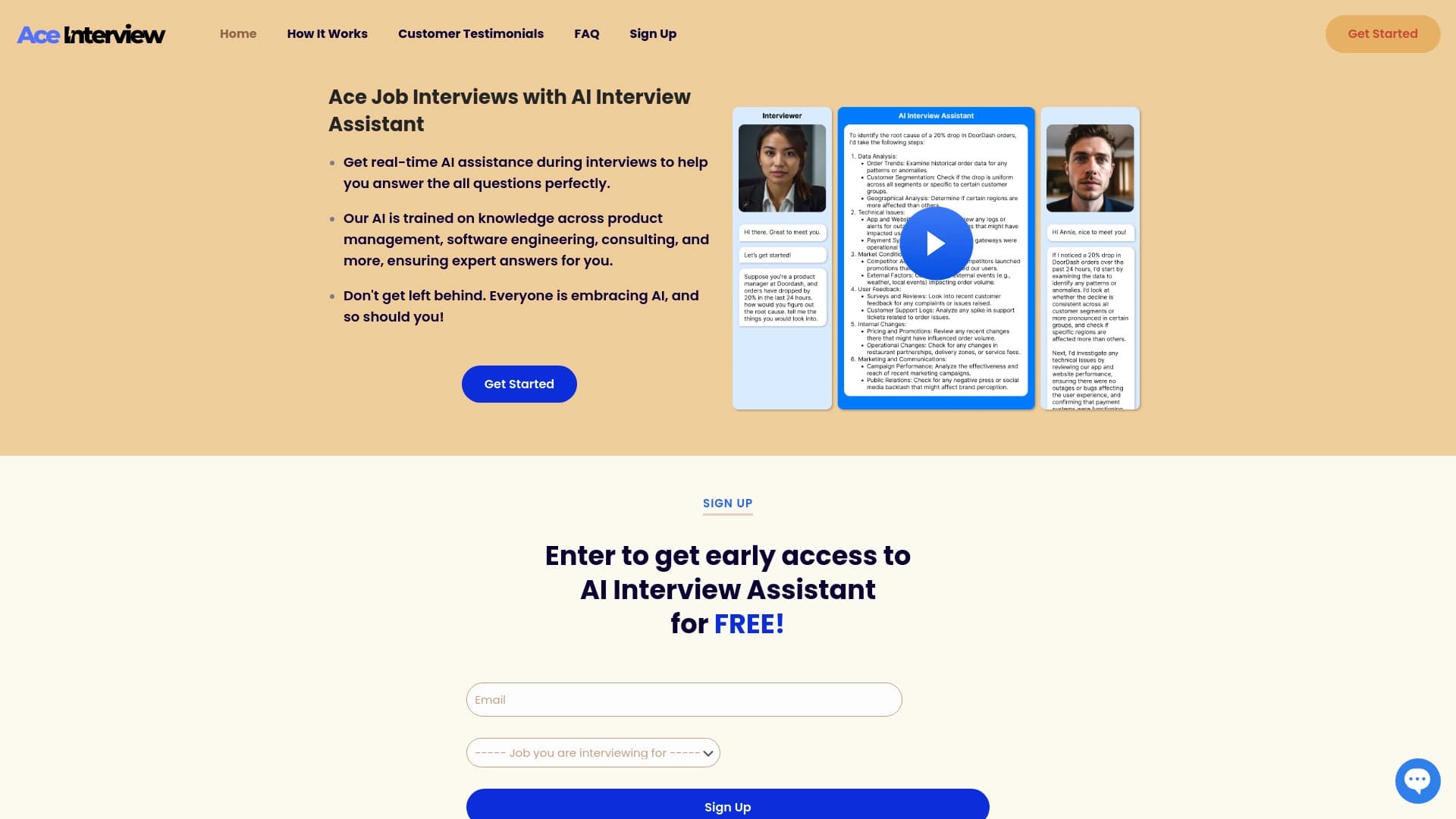

AI-ассистент для подсказок в реальном времени во время онлайн-собеседований.
Интеллектуальный помощник от Microsoft, встроенный в поисковую систему Bing и браузер Edge на базе GPT-4.

Онлайн-платформа на базе ИИ для быстрого создания текстового контента, включая блоги, статьи и посты для соцсетей.
Многофункциональная AI-платформа для создания контента, объединяющая синтез речи, генерацию текста, создание аватаров и редактирование видео.

Open-source AI-агент для разработки, который помогает генерировать, дорабатывать и отлаживать код прямо в IDE.

Bleepify автоматически находит и заглушает нецензурные слова в видео и аудио.
Облачная платформа для создания видео с помощью ИИ-аватаров, синтезированной речи и автоматического перевода роликов на десятки языков.

Платформа для автоматизации разработки ПО с помощью визуального конструктора ИИ-агентов.