

Fichi AI
AI platform designed to automate routine business processes and tasks.

Overview
Fichi AI is a platform focused on automating business processes using artificial intelligence technologies. The main goal of the service is to free employees from performing routine, repetitive operations by delegating them to algorithms. Instead of using a single universal solution, the platform offers a flexible approach: users can independently build workflows tailored to their company's specific internal procedures. Since public information about the product is limited, it is best to check the exact list of tools and specifics of operation directly on the developer's official website, where current capabilities for different types of businesses are described.
Fichi AI Features
| Feature | Value |
|---|---|
| Purpose | Automation of routine business tasks and data processing |
| Solution type | Platform for configuring automated workflows |
| Distribution model | Not specified (requires clarification) |
| Integration | Support for embedding into existing workflows |
| Key function | Reducing manual workload for employees |
| Official sources | Full functionality details require confirmation on the website |
Who is Fichi AI suitable for?
Small and medium-sized businesses
Companies looking to reduce time spent on administrative operations can use the platform to standardize repetitive actions. The tool is suitable for organizations that cannot afford a large team of specialists for manual data processing.
Operations departments and administrators
Employees responsible for document flow, form filling, collecting certificates, or initial request processing can automate these stages. This reduces the number of errors caused by human factors and speeds up the completion of routine tasks.
Teams working with uniform data
Companies that daily handle large volumes of structured data (e.g., entering data into CRM or preparing reports) can configure automated processing workflows. Fichi AI helps streamline these flows without requiring programmers.
How to use Fichi AI?
Setting up automation workflows
To get started, you need to identify the list of operations that follow the same algorithm. Based on these operations, a sequence of actions is created that the platform will execute automatically. This approach involves configuring logic to suit your own tasks.
Integration into current processes
The system is designed to be embedded into a company's existing IT infrastructure. This allows you to keep familiar work tools (email, spreadsheets, corporate systems) while adding automated modules to them. Implementation does not require a complete overhaul of workflows.
Monitoring and refinement
After launching workflows, it is important to monitor their correctness. The platform allows changes to be made to the automation logic as business requirements evolve, providing flexibility without the need to rewrite code from scratch.
Key features of Fichi AI
Automated data processing
The platform can work with incoming information: collect, organize, and transform it according to a specified algorithm. This eliminates the need for employees to manually transfer data between systems.
Running standard business operations
Fichi AI can initiate standard tasks (e.g., creating documents or sending notifications) without human involvement. Workflows can be triggered on a schedule or after a specific event occurs.
Customization to company procedures
Instead of rigid templates, users can describe their own rules for working with data. This makes it possible to adapt the tool to the unique internal processes of an organization.
Advantages of Fichi AI
Reduced routine workload
The key benefit of the platform is reducing the volume of monotonous work for staff. Employees are freed from mechanical operations and can focus on more complex and creative tasks.
Increased operational speed
Automated workflows run faster than manual actions. This helps accelerate internal company processes and reduce the time needed to process requests or documents.
Preserving the familiar IT environment
The ability to integrate into existing processes eliminates the need for large-scale migration to other systems. The company keeps its current tool stack, simply adding an automation layer on top.
Disadvantages of Fichi AI
Lack of public information
Currently, official materials contain limited details about technical implementation, supported integrations, and specific features. Potential users have to contact the developers for clarification.
Unclear distribution model
There is no clarity on purchase or subscription terms: it is unknown whether the product is paid, free, or offered at an individual price. This creates difficulties when planning an automation budget.
Need for initial setup
Like most AI platforms, the tool requires initial configuration of workflows to match business tasks. For companies without a clear description of their processes, implementation may take additional time.
What tasks does Fichi AI solve?
Freeing up employee time
The first and primary task is eliminating manual labor in repetitive operations. Employees stop spending hours on routine actions, which reduces fatigue and increases productivity.
Standardizing information processing
The platform ensures that each stage of data processing within a configured workflow is performed consistently. This eliminates discrepancies caused by human factors and improves the quality of results.
Scaling operations without growing headcount
Implementing automation allows a company to handle a larger volume of work without a proportional increase in staff. This enables business growth without raising operational costs for personnel.
Fichi AI Pricing
No official data on the cost of using the platform is available in public sources. The monetization model — one-time purchase, subscription, or custom pricing — is not disclosed. To obtain up-to-date information on rates and payment terms, you need to contact the developers or wait for materials to be published on the official website.
Fichi AI Terms of Use
User requirements, technical limitations, and service usage rules are not described in open sources. It is unknown whether the platform requires special equipment, dedicated servers, or cloud infrastructure. It is recommended to contact the project team for instructions on getting started and to clarify the terms of the usage agreement.
Fichi AI Availability
Information about geographic distribution, supported interface languages, and the availability of an online version or desktop application is absent. Details on whether the service is available in specific countries are also not provided. Current availability data should be confirmed with the product's official representatives.
How Fichi AI differs from alternatives
The main difference lies in its approach to automation: the platform is focused not on replacing or completely redesigning workflows, but on smoothly embedding AI scenarios into a company's existing operational environment. Instead of complex tools that require lengthy implementation, the solution offers a mechanism for configuring automated action chains for routine tasks. However, given the limited public data, a full comparison with other solutions on the market is difficult until technical documentation and the list of supported features are disclosed.
Conclusion
Fichi AI is a platform for automating routine operations, aimed at reducing manual workload and accelerating standard processes within companies. The tool offers flexible workflow configuration and integration into existing work systems. The main limitation at this stage is the lack of open information about functionality, access terms, and pricing. Potential users should monitor updates on the official website or request presentation materials from the developers to make an informed decision about implementation.
Frequently asked questions
See also
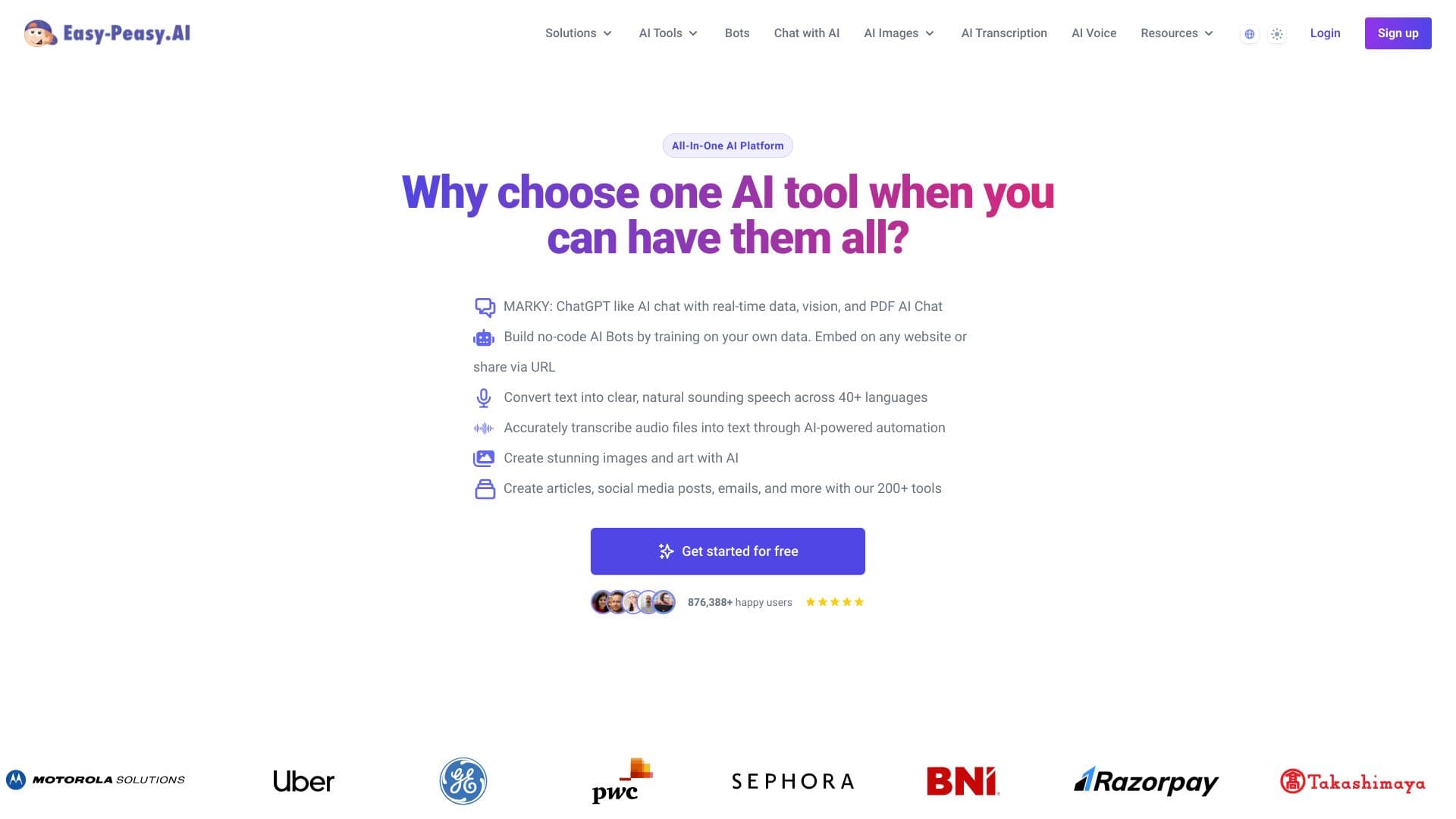

A multifunctional AI assistant for generating texts, images, and audio.
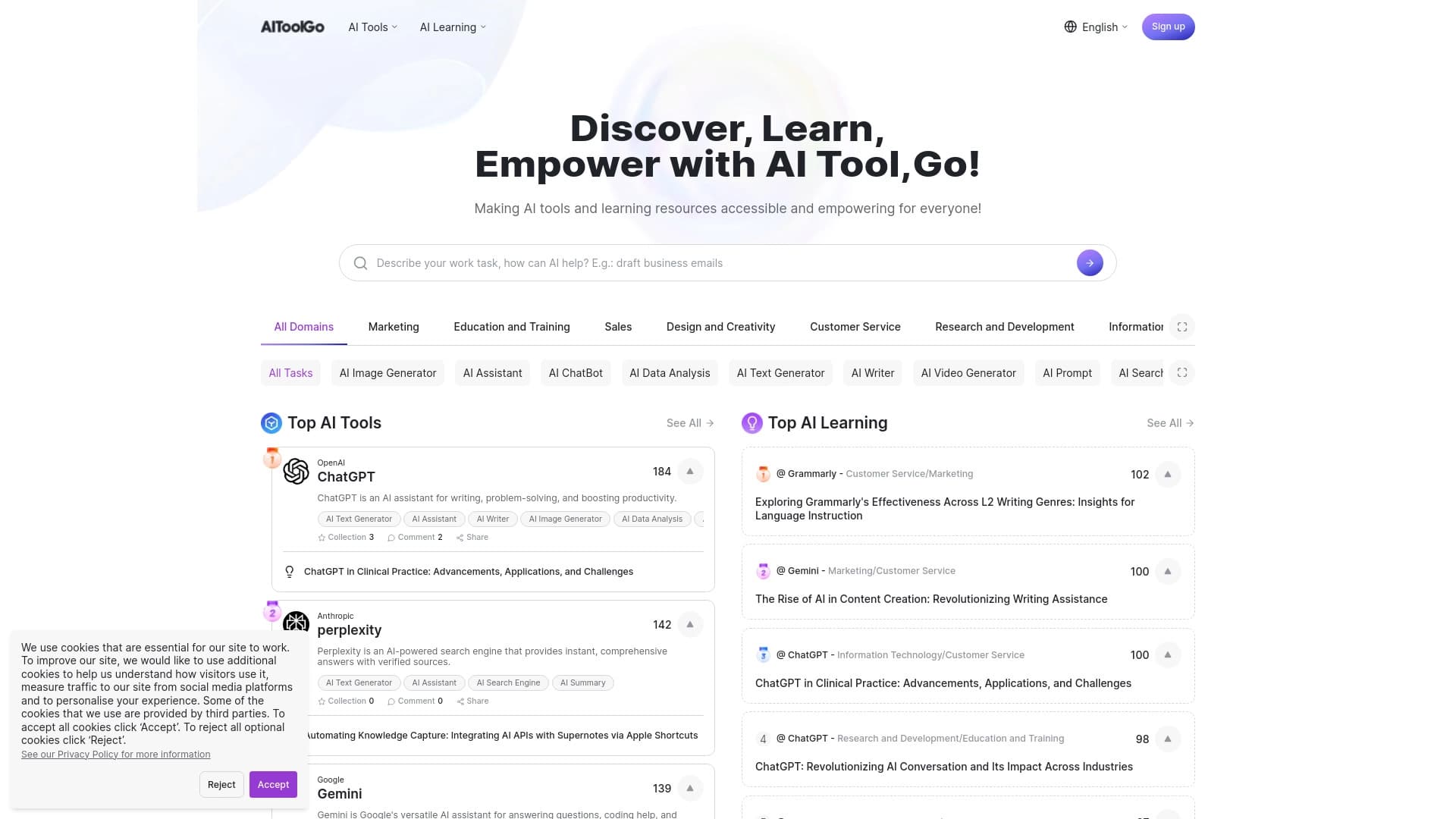
Catalog of AI tools with educational materials and guides for selecting neural networks.

A platform for content creators that combines link management, email marketing, an online store, and analytics in a single visual editor without coding.


Platform for increasing organic traffic and creating content with the help of AI and expert participation.
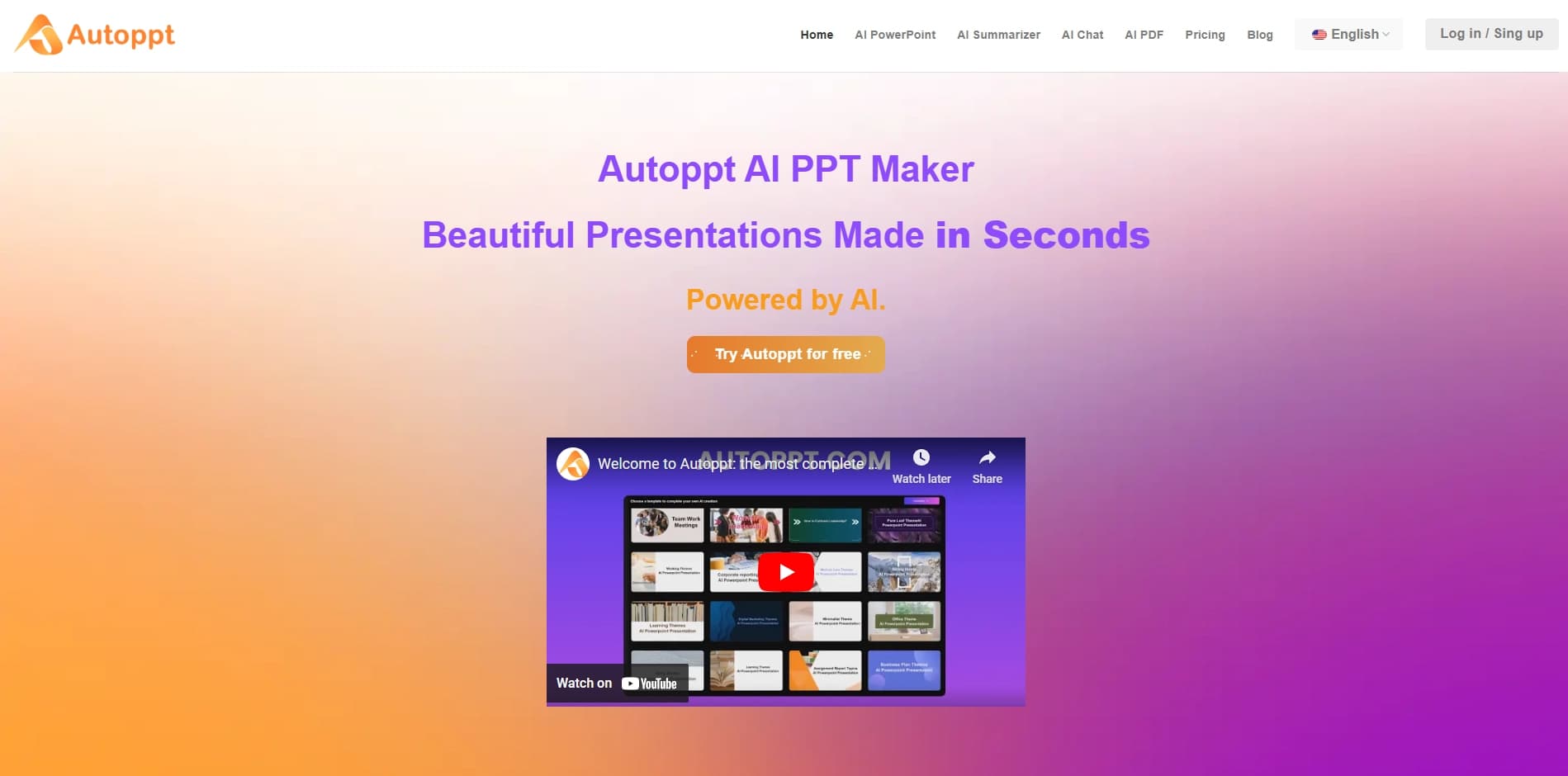

Online AI-powered service for quickly creating presentations based on a given topic or an uploaded document.
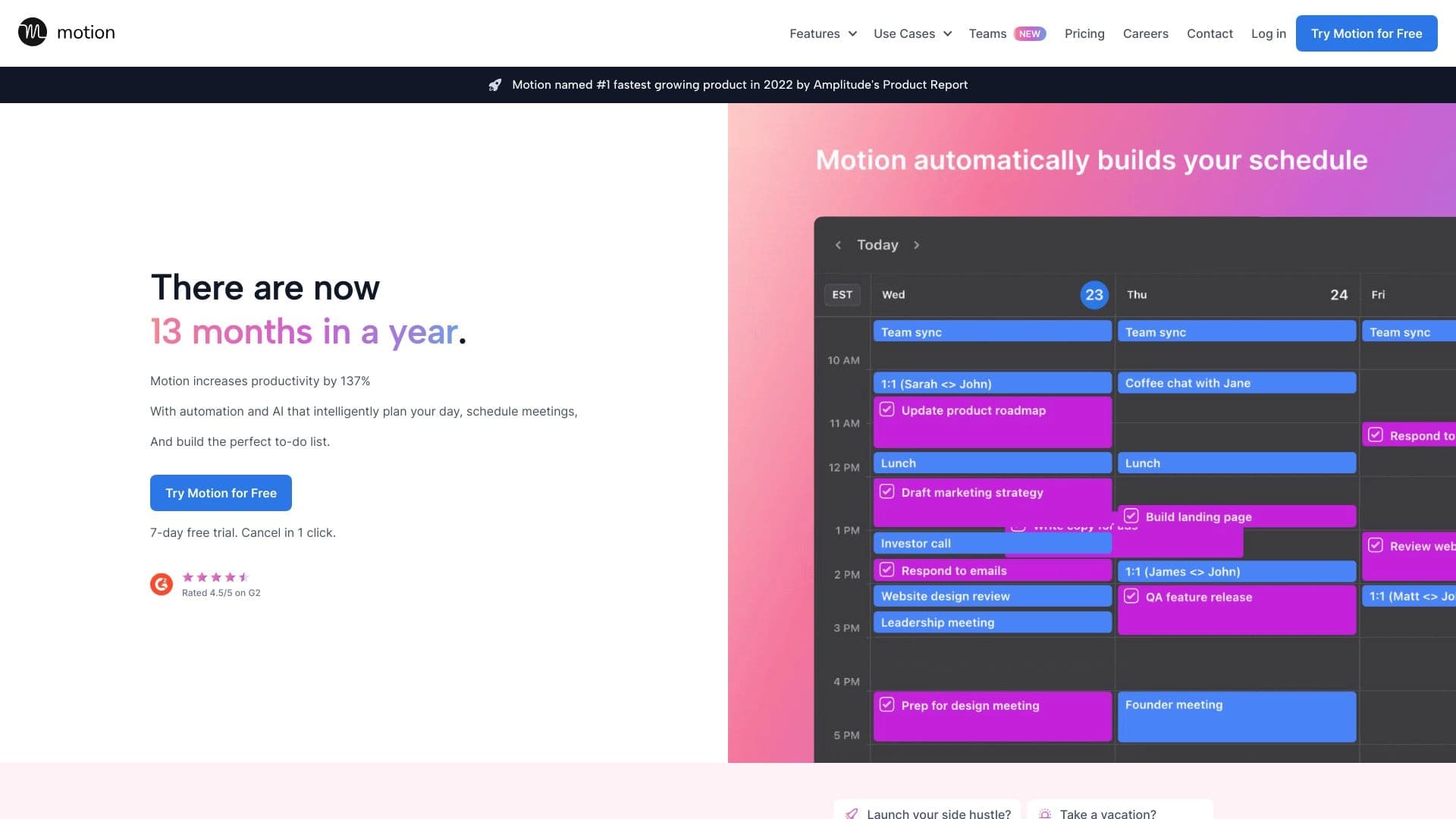

AI platform for automatic workday planning, task management, and prioritization.

Service for live AI conversations, including text generation, voice, and speech recognition.

AI travel planner that creates personalized itineraries and helps you choose flights, accommodation, and activities in a chat.