
Facesearch
Reverse image search for people online using AI.
Overview
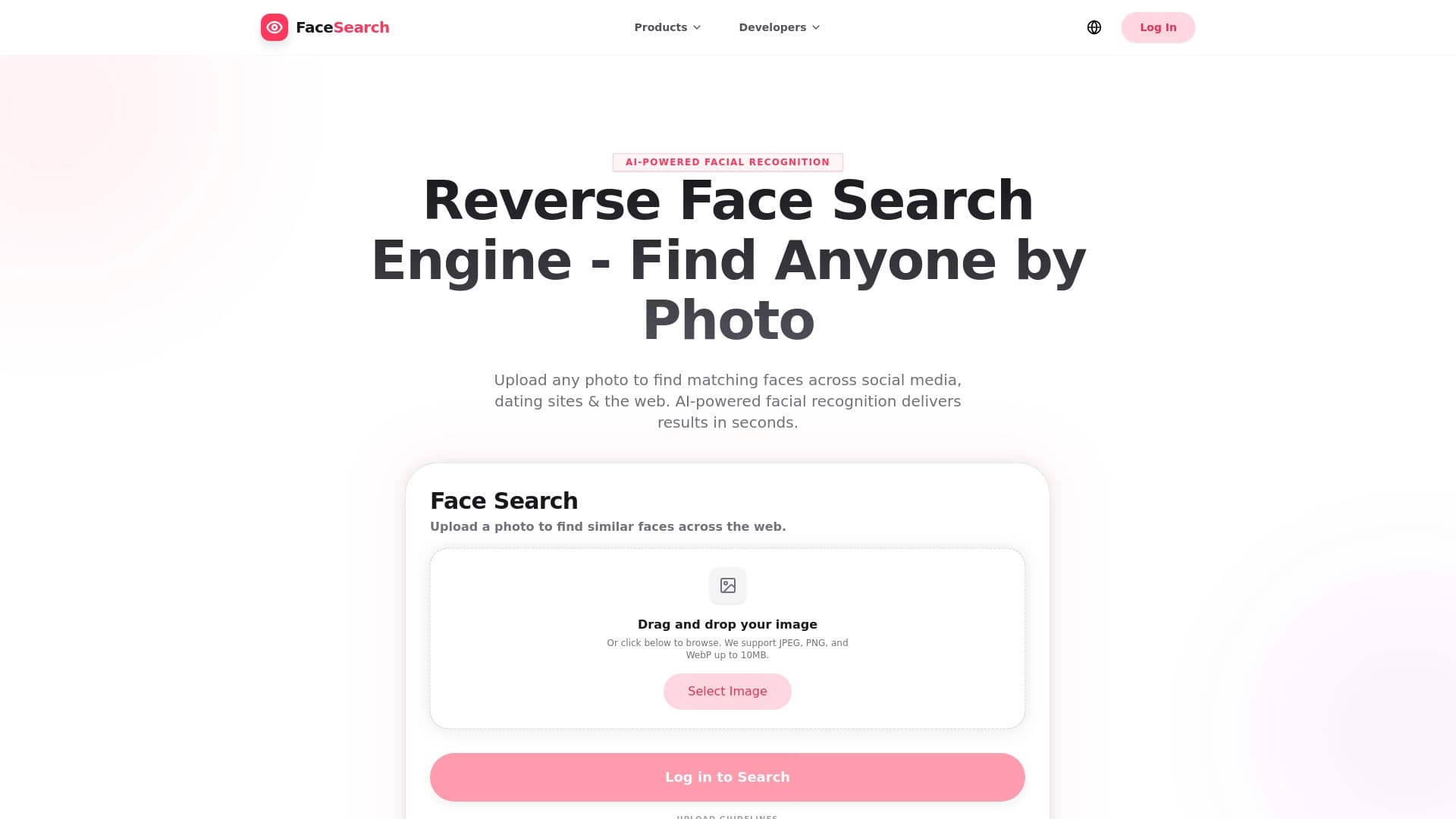
Facesearch is a specialized online service that uses artificial intelligence technologies to find people by photo. Instead of a traditional text query, the user uploads an image, and the neural network analyzes facial features and matches them against photos from open web sources.
In essence, Facesearch performs the function of reverse image search with a focus on person identification. The main goal of the service is to find profiles on social networks, forums, galleries, or other public platforms where the same photo or its variations may be used. This sets it apart from standard search engines that look for copies of an image, whereas here the emphasis is on biometric facial similarity.
Facesearch Features
| Feature | Value |
|---|---|
| Core technology | AI-based facial recognition |
| Search method | Reverse face search by photo |
| Search sources | Open web sources, public online profiles |
| Query format | User uploads an image |
| Search results | Found matches and similar profiles online |
| Processing speed | Search takes seconds (according to the service description) |
| Distribution model | Not specified |
Who is Facesearch suitable for?
Security and identity verification professionals
Facesearch can be useful for those who need to verify a person's identity. For example, during remote collaboration, property rental, or organizing online meetings, the service allows you to confirm that the interlocutor really is who they claim to be.
Journalists and researchers
For media representatives and analysts, the tool becomes useful when investigating incidents, finding sources of information, or fact-checking. The ability to quickly find all of a person's public profiles from a single photo simplifies information gathering.
Regular internet users
Anyone may encounter a situation where they need to find the owner of a photo or discover their own images posted on third-party resources without permission. Facesearch provides this capability without complex technical setup.
How to use Facesearch?
Uploading the source image
The user needs to prepare a photo to search by. This can be a picture from a device or a link to an image online. It is important that the face in the photo is clear and well-lit for more accurate recognition.
Starting the search
After uploading the image, the service automatically analyzes it, extracts key facial features, and sends a search query across open sources. The entire process takes a few seconds, after which the user receives the results.
Analyzing the results
The system displays found matches — profiles or photos where similarity to the uploaded image is detected. The user can review the results and navigate to relevant profiles for further verification or interaction.
Key features of Facesearch
- Reverse face search — the key feature that allows finding a person online by an uploaded photo.
- Search across open profiles — the service scans public pages on social networks and other platforms where matching images may be posted.
- Duplicate photo detection — the tool helps identify reuse of the same photo across different websites or accounts.
- Identity verification — matching a face against multiple online sources allows confirming or refuting that a photo belongs to a specific person.
Advantages of Facesearch
- High processing speed — web search takes just seconds, which is especially important for quick information verification.
- Ease of use — no special technical knowledge is required to use the service; simply upload a photo.
- Process automation — the neural network independently analyzes the image and finds matches, saving the user from manually sifting through millions of websites.
- Data relevance — the search operates on live open sources, allowing you to find current profiles and pages.
Disadvantages of Facesearch
- Privacy — uploading a photo to a third-party service can itself be considered a privacy risk, as sharing personal data with a third party always involves certain risks.
- Data limitations — the tool only works with open sources, meaning it cannot search information from closed databases or private profiles.
- Recognition accuracy — like any facial recognition technology, the service can make errors with low-quality source images or significant changes in a person's appearance.
- Legal restrictions — in some jurisdictions, the use of biometric search tools may be restricted by personal data protection laws.
What tasks does Facesearch solve?
- Finding a person by photo — if you only have a picture, the service helps find profiles and pages where that person appears.
- Photo authenticity verification — the tool allows checking whether an image has been stolen from someone else's profile and is being used by malicious actors to create fake accounts.
- Publication monitoring — photographers and models can track where their professional images are used and whether copyrights are being violated.
- Gathering information about a person — the service solves the complex task of consolidating scattered data about a person from various open sources into a single picture.
Facesearch Pricing
Official information about Facesearch's pricing plans and service costs is not available in open sources. The distribution model is also not specified. For up-to-date information on prices and available plans, it is recommended to contact the service's official website or its documentation directly.
Facesearch Terms of Use
Specific terms of service are not disclosed in available sources. Based on the nature of the tool, it can be assumed that the user must have the right to upload and process the provided images. Since the service works with biometric data, compliance with personal data protection legislation is likely required. It is recommended to review the user agreement on the official website before starting to use the service.
Facesearch Availability
Facesearch is a web-based tool accessed through a browser from any device with an internet connection. The distribution model is listed as unknown in the description, so the existence of mobile apps or desktop versions cannot be confirmed. The service targets an international audience; however, geographic availability and language localization are also not confirmed by official data.
How Facesearch differs from alternatives
The main difference between Facesearch and classic reverse image search systems lies in the technological approach. Traditional services look for identical or visually similar copies of a file, whereas Facesearch focuses specifically on facial biometrics. This means that even if a photo has been cropped, edited, color-adjusted, or rescaled, the system can still match it to the original based on facial features.
Another distinction is the focus on profile search. Many alternatives simply show image matches without indicating their association with specific people. Facesearch, on the other hand, is aimed specifically at person identification and finding social profiles, making it closer to due diligence verification tools than to a universal image search engine.
Conclusion
Facesearch is a functional tool for finding people by photo across open web sources. Thanks to artificial intelligence technologies, it can analyze an image and find matching profiles across the internet in seconds. The service will be useful for security professionals, journalists, marketers, and regular users who want to verify an interlocutor's identity or track the use of their own photos. At the same time, it is important to consider the limitations related to privacy and the legal aspects of using biometric search.
Frequently asked questions
See also

A platform for aggregating world news using AI to analyze and reduce bias.
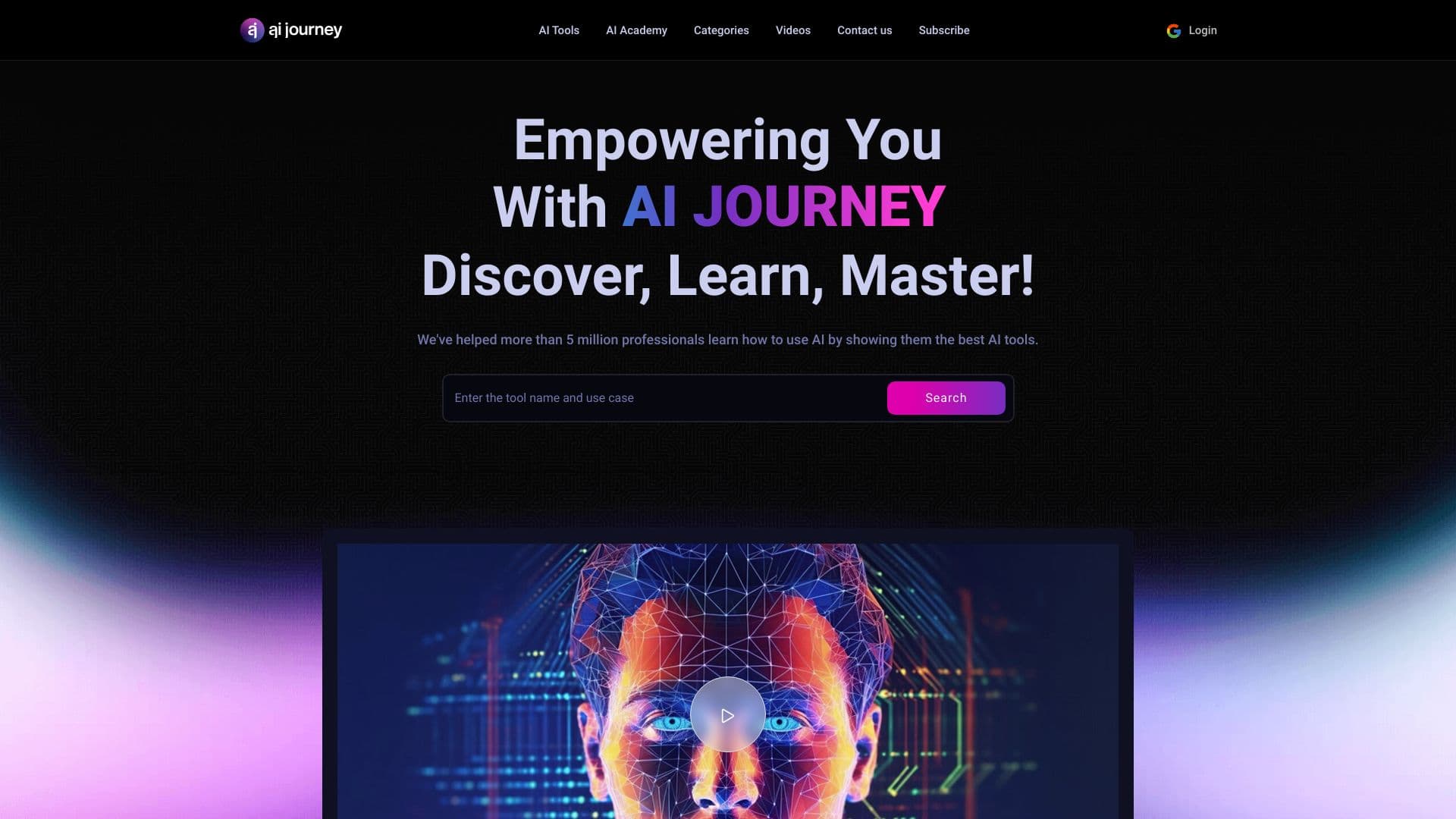
AIJOURNEY is a catalog and search platform for discovering AI tools, updated daily.
Intelligent assistant from Microsoft, built into the Bing search engine and Edge browser, powered by GPT-4.
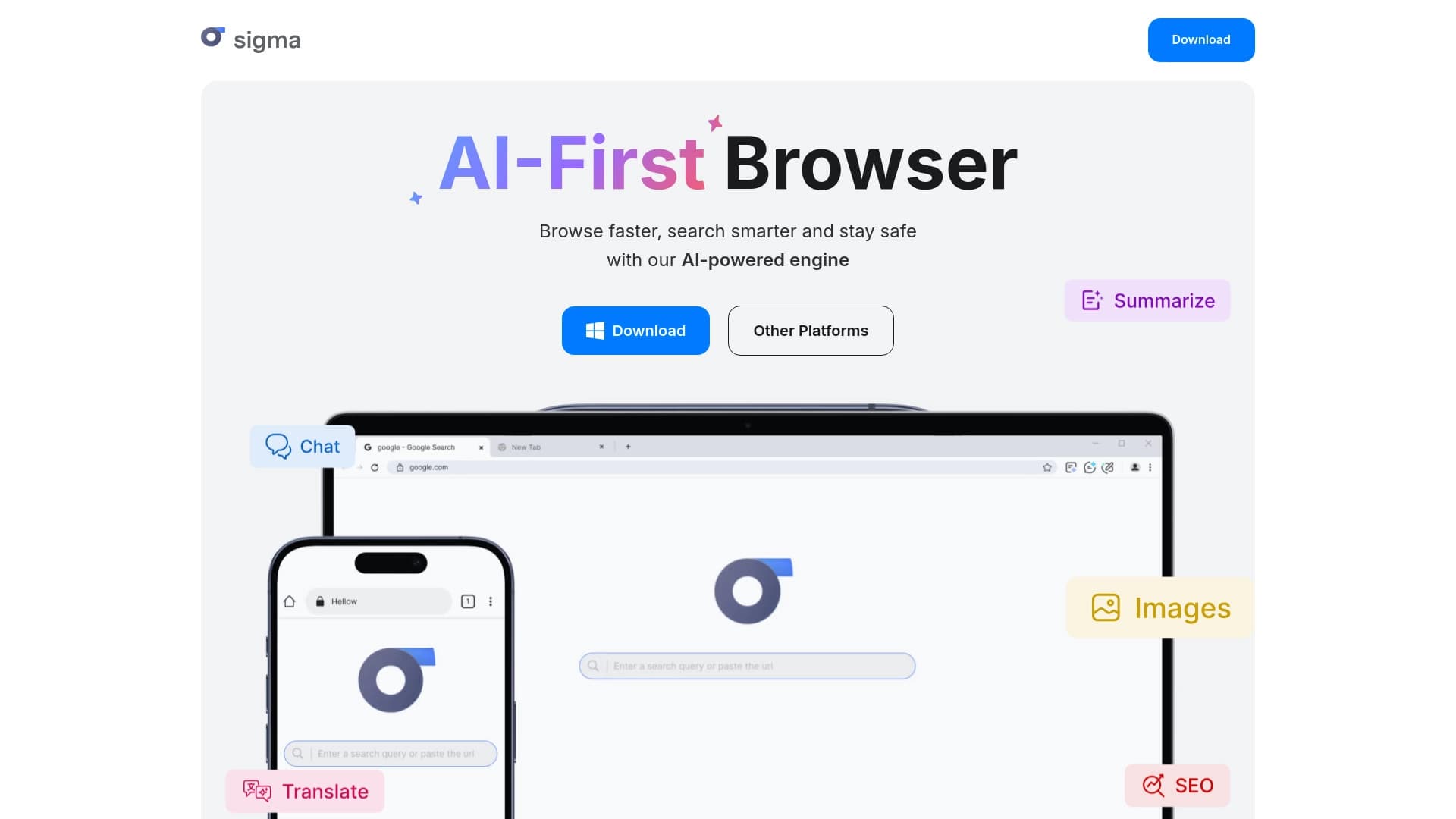

A browser with built-in AI tools for chatting with neural networks, generating texts and images, translating and summarizing pages.


An online service that recognizes text on manga and manhwa pages, translates it into different languages, and embeds it back into the image without damaging the original artwork.

A set of AI tools for image editing: background removal, object removal, quality enhancement, and variation generation.
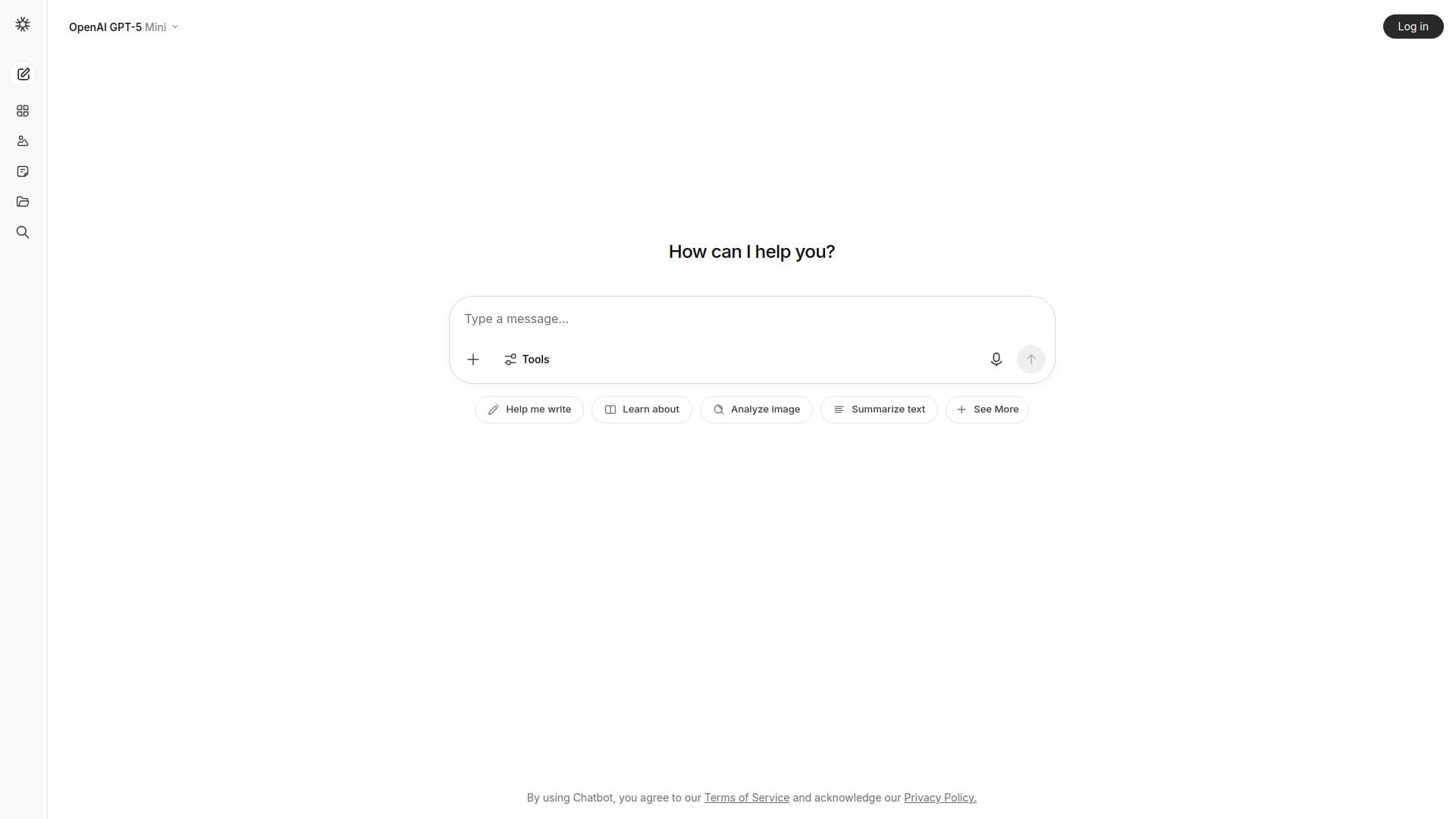

Mobile AI assistant powered by DeepSeek for generating texts, images, and searching for information.


AI platform for CRM automation, call analytics, and real-time sales training.