
Emdash
Free open-source service for organizing notes and AI-powered text highlights.
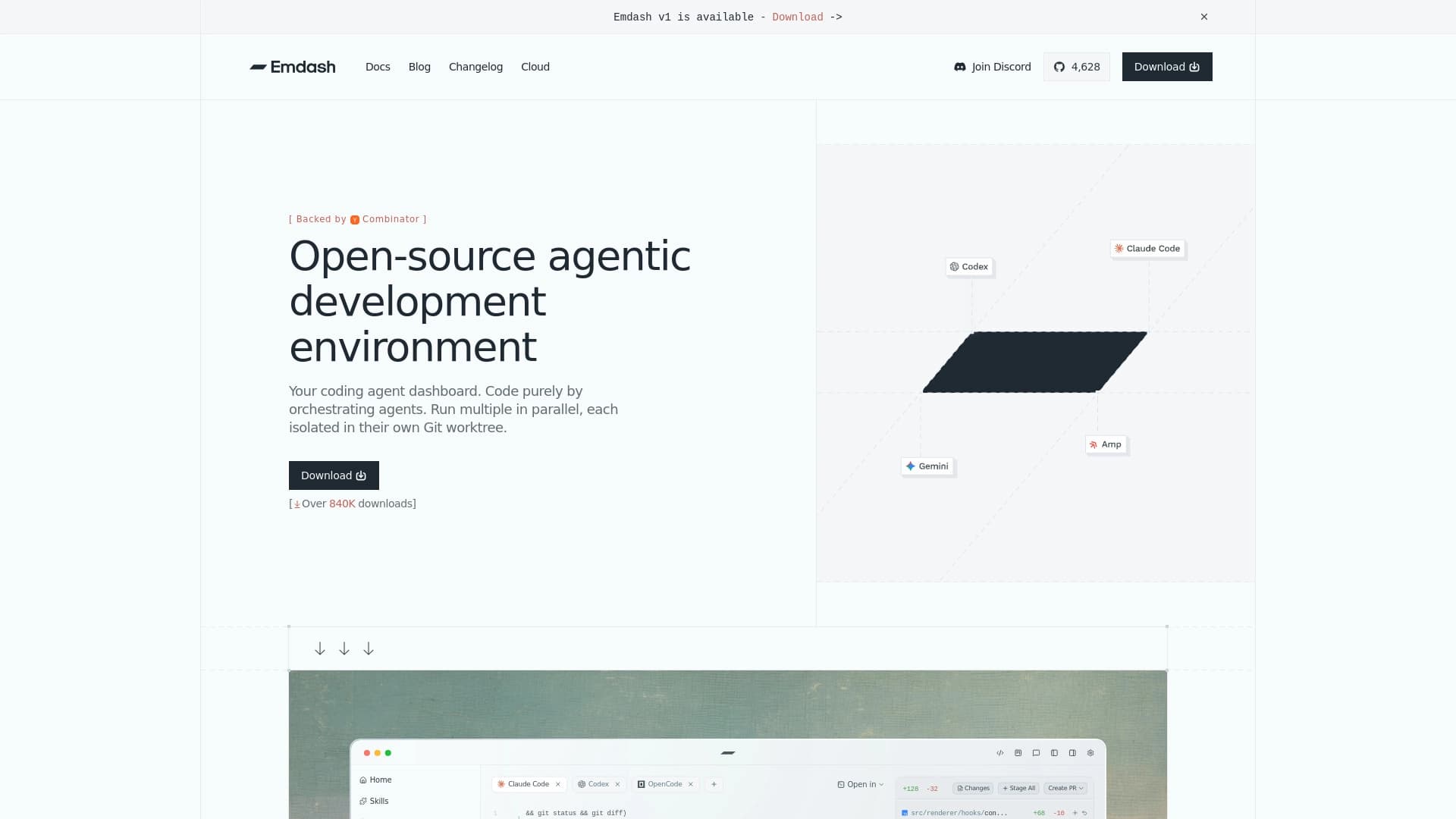
Overview
Emdash AI Description
Emdash is a free, open-source service that uses artificial intelligence to organize notes, quotes, and highlights from books, articles, and other text sources. Instead of storing scattered fragments in different places, Emdash turns them into a structured personal knowledge base.
The main idea of the service is to help readers not just save a passage they like, but also make sense of it, connect it with other ideas, and find hidden intersections between different authors. The tool automatically analyzes highlighted fragments, tags them, and allows users to search for information not by exact wording, but by meaning. This makes Emdash a convenient assistant for anyone working with large volumes of text information.
Emdash Features
| Feature | Value |
|---|---|
| Product type | AI service for organizing notes and text highlights |
| Platforms | Web (web service, emdash.ai website) |
| Categories | Summaries, Notes, Universal tools |
| Distribution model | Free, open source |
| Rating | 4.4 / 5.0 |
| Editorial rating | 8.7 out of 10 |
| Data processing | AI text analysis runs directly on the user's device |
Who is Emdash AI for?
Researchers and Students
Emdash is designed for those who regularly work with large numbers of scientific articles, monographs, and academic literature. The service helps organize excerpts from different sources, and the meaning-based search function allows users to quickly find the ideas they need, even if the exact wording is not remembered. Students can use the tool to prepare for exams and write term papers, while researchers can use it to build connections between concepts from different works.
Writers and Product Managers
Writers, bloggers, and product specialists often gather materials from many books and articles. Emdash helps turn this scattered information into an organized idea base that is easy to use when creating content, presentations, or strategic documents. The ability to find "conceptual relatives" — fragments with similar ideas from different authors — is especially useful for preparing reviews and comparing points of view.
Readers Who Want to Understand Books Better
Regular readers who want to get the most out of what they read will also find Emdash useful. The service helps categorize key moments in a book, improves material retention, and enhances the overall quality of reading. Instead of simply flipping through pages, the reader actively engages with the text, saving important thoughts and linking them together.
How to Use Emdash AI?
Saving Highlights and Quotes
Working with Emdash begins with saving fragments from books, articles, and other sources. The user selects passages they like and adds them to the service. Emdash accepts texts in various formats, allowing users to collect quotes from different books and articles in one place. This is especially convenient when working with e-books and online publications.
Structuring and Searching Notes
After uploading fragments to the service, the AI automatically analyzes them: tagging by topic, categorizing, and structuring. Users can additionally add their own comments, rate the importance of passages, and refine tags. Note search works by meaning — simply describe the idea in your own words, and the service will find relevant fragments, even if the exact keywords do not appear in them.
Establishing Connections Between Authors
One of Emdash's key features is the automatic search for related passages from different authors. The service detects conceptual similarities between fragments that may not share obvious keywords at first glance but express similar ideas. This allows users to see how different thinkers arrive at similar conclusions and build a coherent picture of the topic being studied.
Key Emdash Features
Automatic Note Structuring
Emdash handles the routine work of organizing notes. AI algorithms analyze each saved fragment, determine its topic, and automatically assign a category. This eliminates the need to manually sort dozens or hundreds of highlights into folders and topics.
Tagging, Rating, and Commenting
Each passage can be additionally tagged manually to refine its content. There is also a feature for rating fragments by importance and adding personal notes to quotes. These capabilities help users work through material more deeply and quickly find the most valuable ideas.
Semantic Search
Search in Emdash works not by exact word matching, but by meaning. You can describe an idea in your own words, and the service will find all fragments that match that meaning. This is especially useful when you need to find a quote whose exact wording you have forgotten but whose main idea you remember.
Finding Conceptual Relatives
A unique feature of the service is the search for "conceptual relatives" — passages with similar ideas from different authors. Emdash analyzes all saved fragments and finds semantic overlaps between them, showing users which ideas recur across different thinkers.
Emdash Advantages
Free and Open-Source Service
One of Emdash's main advantages is that it is completely free and open source. Users can not only use the service for free but also study its code, modify it, and adapt it to their needs. This fosters a community of developers and users who jointly improve the tool.
Data Processing Privacy
AI text analysis in Emdash runs directly on the user's device. This means notes and highlights are not sent to external servers for processing. This approach guarantees the confidentiality of personal data and is especially important for researchers and writers working with sensitive information.
Innovative Approach to Knowledge Organization
Emdash offers a fundamentally different approach to working with texts compared to traditional note-taking apps. Instead of a rigid structure of folders and tags, the service uses semantic connections and context, making the knowledge base more flexible and natural. The ability to find semantic overlaps between different authors is something most alternative tools do not offer.
Emdash Disadvantages
Focus on English-Language Texts
Although this is not explicitly stated in the source data, semantic search and text analysis may work less effectively in some languages than in English. Users working primarily with non-English sources should consider this potential drawback when choosing a tool.
What Problems Does Emdash Solve?
Organizing Key Moments from Books
Emdash solves the main problem readers face — scattered notes. Instead of jotting things down in a notebook or separate documents, all key moments from books are collected in one place and automatically structured by topic. This turns reading into a systematic process and allows users to quickly return to the most important ideas.
Improving Retention of What You Read
The service helps users better remember the content of books. Thanks to active engagement with the text — highlighting, categorizing, and commenting — information is absorbed more deeply. The ability to return to structured notes and search them by meaning strengthens long-term memory of what was read.
Building a Personal Knowledge Base
Emdash allows users to build a full-fledged personal knowledge base from scattered highlights and quotes. Saved fragments from different books and articles are combined into a single system where they are connected by meaning. This gives users the ability to see the big picture, connect ideas from different sources, and draw their own conclusions based on the collected material.
Emdash Pricing
Emdash is completely free. The service is positioned as a free, open-source platform that requires no payment for use. This is currently one of the tool's main advantages over commercial alternatives.
Emdash Terms of Use
To use Emdash, you need access to the service's website. The exact information about whether registration is required is not specified in available sources. The service's open-source code also suggests the possibility of running your own instance in accordance with the license terms.
Emdash Availability
Emdash operates as a web service at emdash.ai. The tool is accessible through a browser, eliminating the need to install separate software. In most regions, there should be no issues with accessing the service.
How Emdash Differs from Alternatives
Unique Meaning-Based Search Feature
Unlike most note-taking services where search works by keywords, Emdash offers semantic search. This means users can find a fragment by describing the idea in their own words, even if the note does not contain the same wording. This approach fundamentally changes how users interact with a knowledge base — from remembering exact words to working with meanings and concepts.
Open Source and Privacy
Most commercial note-taking services with AI features are closed solutions that process user data on their own servers. Emdash differs from them with its open-source code and on-device text processing. This ensures full transparency of algorithm operation and data confidentiality, which is rare among alternatives.
Finding Connections Between Authors
The "conceptual relatives" search feature sets Emdash apart from competitors. It automatically detects which ideas resonate across different thinkers, which is especially valuable for researchers and authors of review works. Most note-taking services do not offer this kind of text analytics.
Conclusion
Emdash is a free, open-source tool that solves the pressing problem of organizing knowledge from texts you read. Thanks to automatic note structuring, semantic search, and the ability to find semantic connections between different authors, the service turns scattered quotes into a unified personal knowledge base. An innovative approach to working with text, private data processing, and no cost make Emdash an attractive choice for researchers, students, and anyone who wants to read productively.
Frequently asked questions
See also

A multifunctional AI assistant for generating texts, images, and audio.

AI-powered service for automatically creating “faceless” short videos for TikTok, YouTube Shorts, and other platforms.
A neural network for document analysis that extracts key information, creates summaries, and answers questions about the contents of uploaded files.
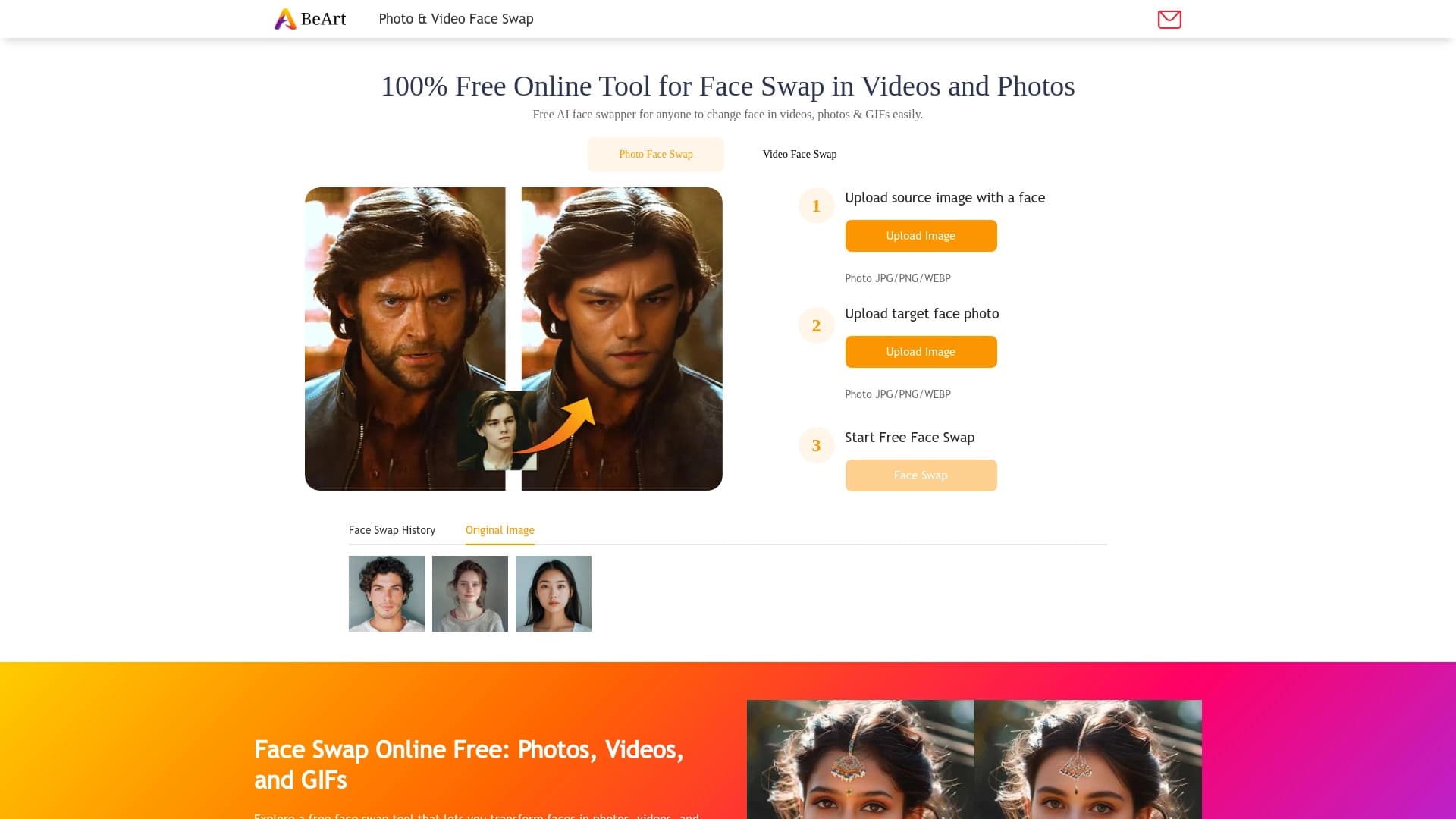
Online tool for swapping faces in photos, videos, and GIFs without registration or watermarks.
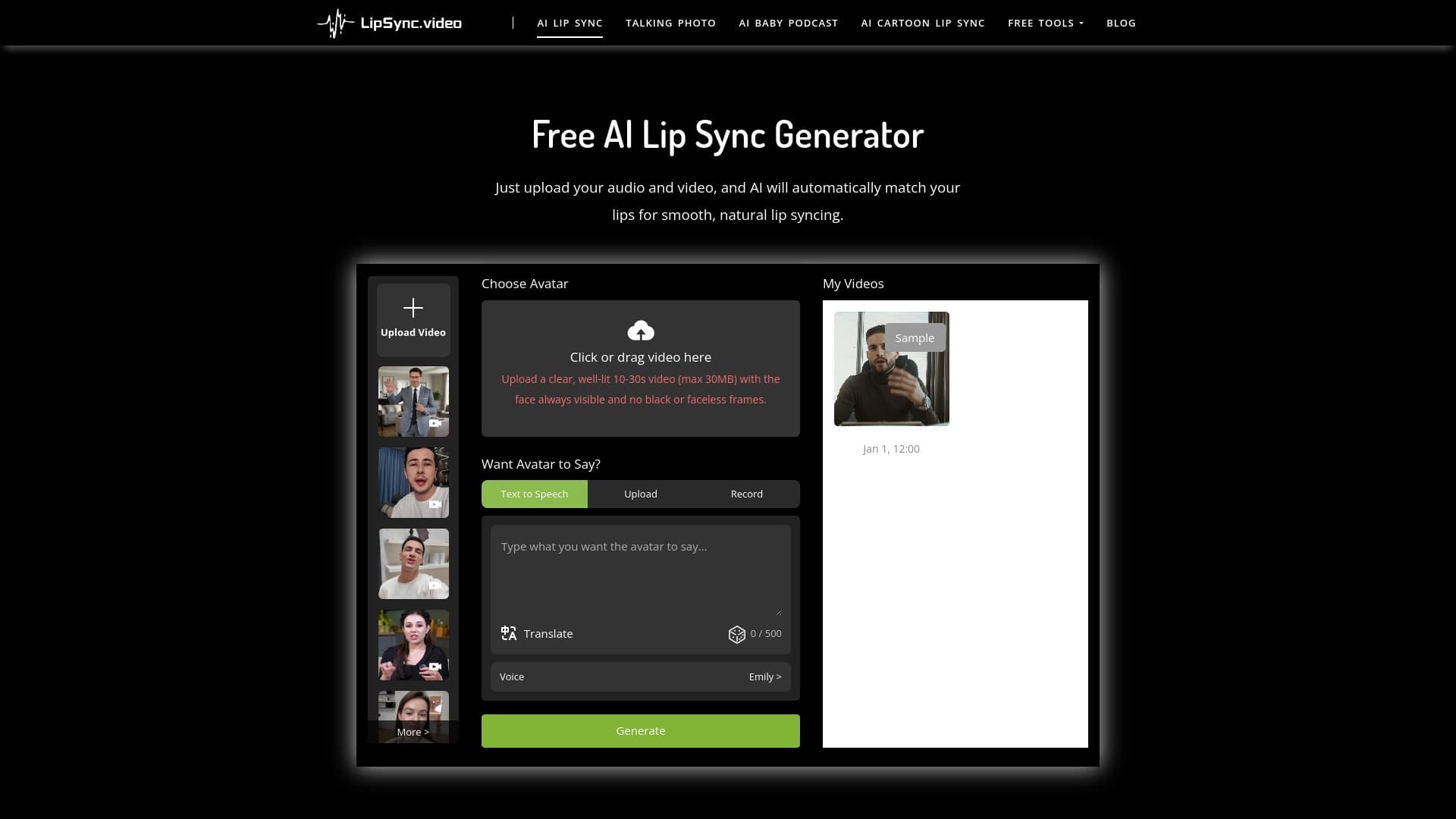

Service for turning static images into videos with singing and lip-syncing using AI.

A platform for content creators that combines link management, email marketing, an online store, and analytics in a single visual editor without coding.
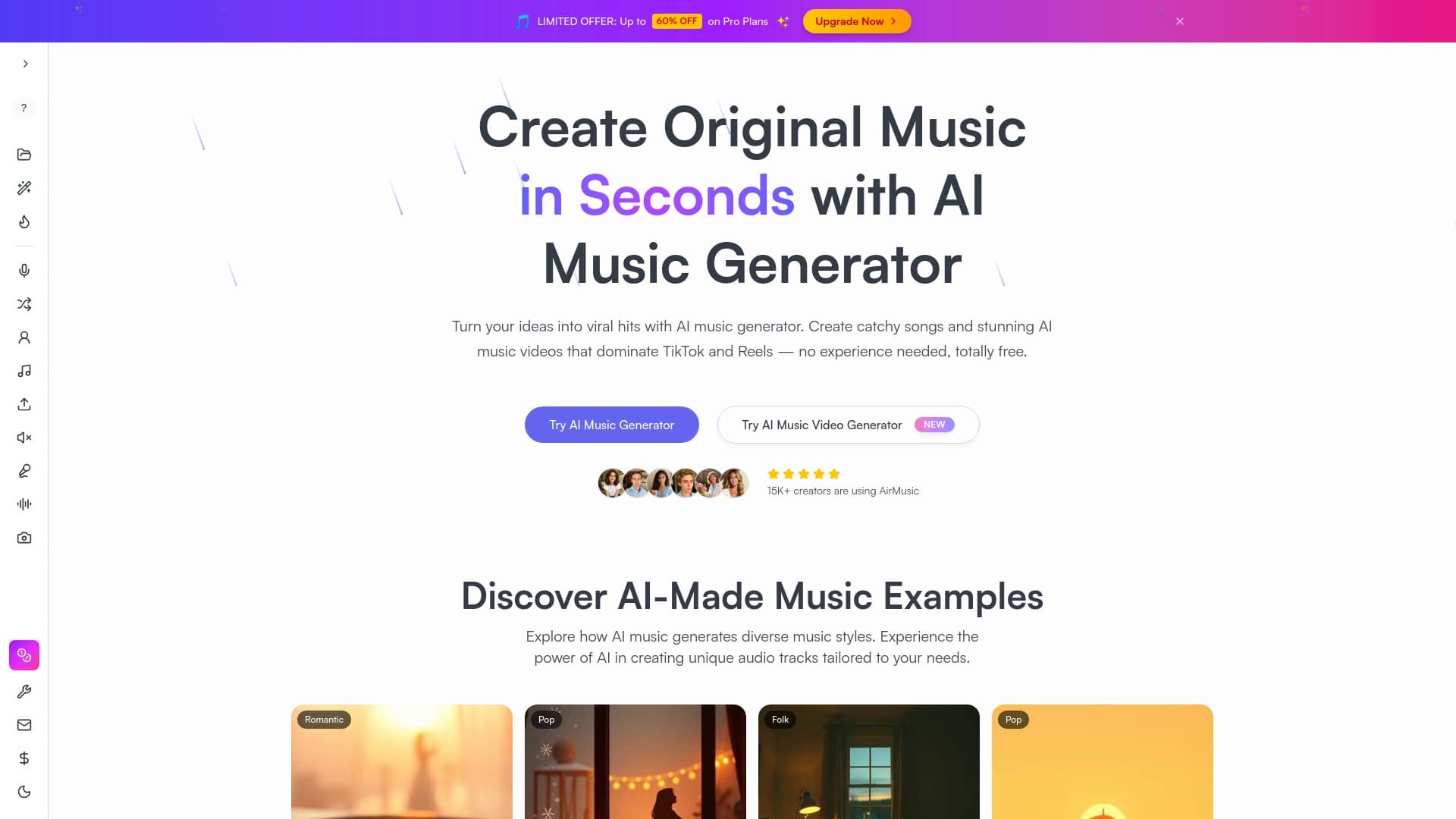
Music generator from text descriptions with style and mood customization, as well as export of individual tracks.
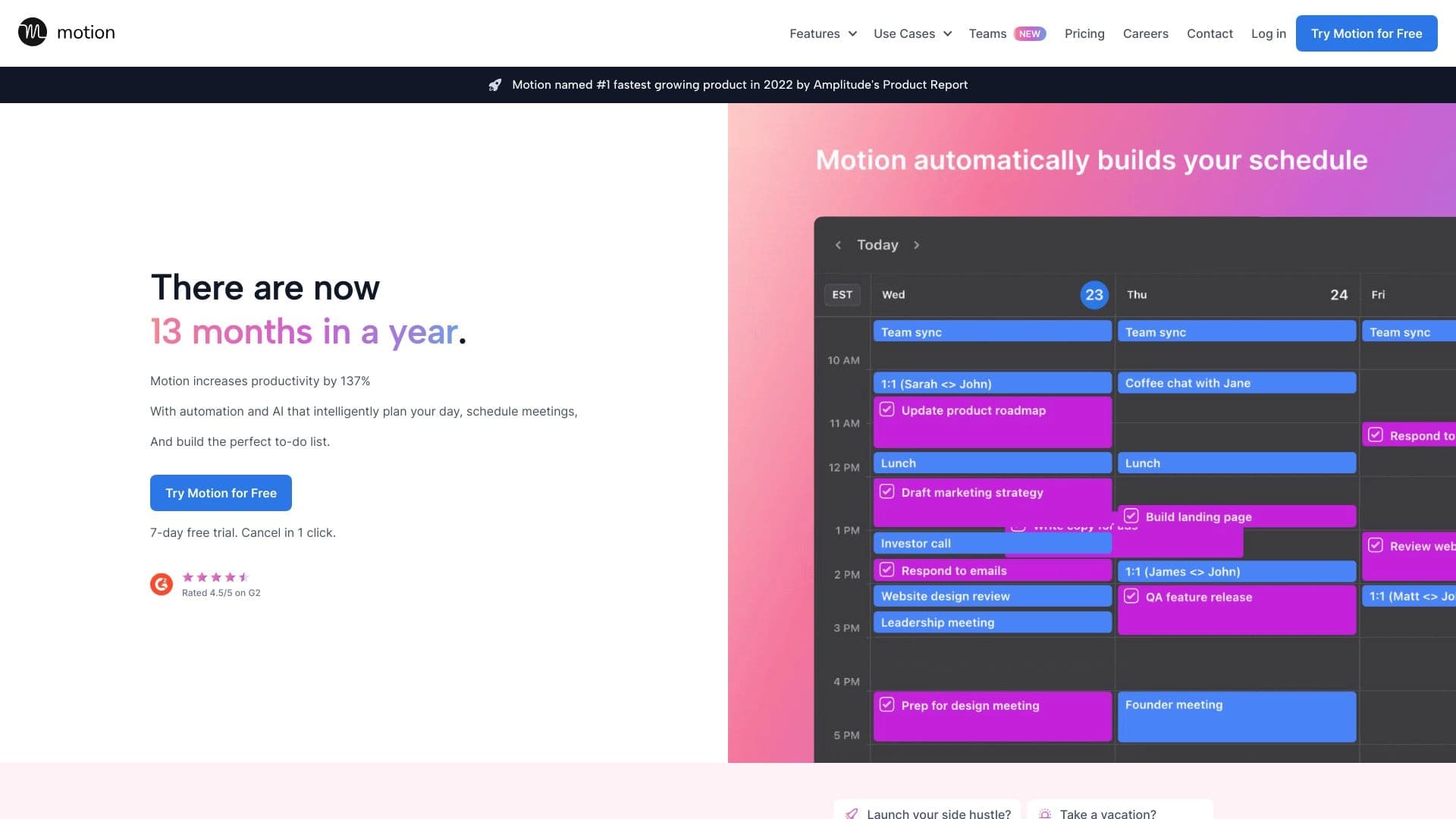

AI platform for automatic workday planning, task management, and prioritization.