
Echoes
Platform for turning company documents, websites, and databases into smart assistants for answering questions.
Overview
Echoes Neural Network Description
The Problem of Information Overload in Companies
Modern companies accumulate vast amounts of data: internal regulations, technical documentation, knowledge bases, and data on corporate websites. Employees spend hours searching for the information they need across disparate files and systems, which slows down workflows and reduces efficiency. Echoes solves this problem by turning chaotic data into a structured knowledge system accessible through a simple question-and-answer interface.
The Concept of an AI Assistant Based on Corporate Data
Echoes is a platform for creating AI agents that learn from a company's own materials. Instead of using generic language models with no connection to the specifics of a business, Echoes allows you to upload documents, connect websites and databases, and then interact with the created assistant as an expert who knows all the nuances of a particular organization. The user asks a question in natural language and instantly receives an accurate answer based on current internal sources.
Echoes Characteristics
| Characteristic | Value |
|---|---|
| Product Type | Platform for creating AI agents |
| Data Sources | Corporate documents, websites, databases |
| Main Function | Answering questions based on uploaded knowledge |
| Interaction Model | "Question-and-answer" dialogue interface |
| Distribution Model | Not specified |
| Target Audience | Companies working with large volumes of internal information |
Who Is the Echoes Neural Network Suitable For?
Teams Working with Large Volumes of Documentation
Specialists who need to consult regulations, instructions, technical literature, and other internal materials on a daily basis can save significant time. Instead of manually searching through multi-page documents, they get instant answers from an AI assistant trained on those same materials.
Companies with Distributed Knowledge Bases
Organizations whose information is scattered across multiple systems—from cloud storage to corporate portals and databases—gain a single entry point to all their knowledge. Echoes consolidates disparate sources into a unified system that any employee can access.
Managers and Executives Needing Quick Access to Facts
The management tier often needs prompt answers to questions about business processes, metrics, or internal rules. Echoes eliminates the need to request information from subordinates or dig through archives—the assistant responds directly, saving time and resources.
How to Use the Echoes Neural Network?
Uploading Knowledge Sources
The first step is to determine the set of materials that will serve as the basis for training the AI agent. These can be internal company documents, corporate website content, data from databases, and any other sources containing relevant information.
Integrating Information Systems
Echoes allows you to connect various data sources to a single platform. Documents, websites, and databases are combined into a common information space from which the AI agent draws knowledge to answer user questions.
Interacting with the Assistant
After setup is complete, users can interact with the created agent in a dialogue format. Questions are asked in natural language, and the assistant finds relevant fragments of information in the uploaded sources and formulates a structured answer based on them.
Key Features of Echoes
Creating AI Agents Based on Corporate Data
The platform's key capability is developing custom assistants trained exclusively on a specific company's materials. Such agents understand internal terminology, the specifics of business processes, and can answer highly specialized employee questions.
Aggregating Heterogeneous Information Sources
Echoes combines data from three main types of sources: documents (files in various formats), websites (corporate portals and pages), and databases (structured sets of information). This creates a unified knowledge ecosystem.
Question-and-Answer System
The user interface is built around natural dialogue: any employee can ask a question in plain language and receive a comprehensive answer based on the company's current data. There is no longer any need to search for information in documents and systems independently.
Echoes Advantages
Saving Time on Information Search
Employees no longer have to spend hours studying multi-page documents or running complex search queries. The assistant instantly finds the necessary data and provides an answer in an understandable format.
Unified Information Space
Combining documents, websites, and databases into a single system provides a comprehensive view of a company's knowledge. Information is neither lost nor duplicated, and access to it is unified.
Reducing the Load on Experts
Instead of distracting specialists with recurring questions, companies can offload these tasks to the AI agent. This frees up experts' time for more complex and strategic tasks.
Echoes Disadvantages
Dependence on the Quality of Source Data
The effectiveness of the AI agent directly depends on the completeness, currency, and structure of the materials uploaded to the system. If documents are outdated or contain contradictory information, the assistant's answers may be inaccurate or misleading.
Need for Initial Setup
Getting a working assistant up and running requires preparatory work: organizing sources, and determining the list of documents and databases to connect. At large enterprises, this stage can require significant time investment.
Limited Distribution Model
Information about the platform's distribution methods and availability (e.g., whether a free version exists, licensing specifics, regional restrictions) is absent from public sources, making it difficult to assess the feasibility of its adoption for certain categories of users.
What Problems Does Echoes Solve
Accelerating Access to Corporate Knowledge
One of the platform's main goals is reducing the time employees need to get answers to work-related questions. Instead of consulting colleagues, studying documentation, or performing complex search operations, the user simply asks the assistant a question.
Consolidating Disparate Data Sources
Companies often face situations where the needed information resides in different systems that are not integrated with each other. Echoes solves this problem by bringing data from documents, websites, and databases together into a single, accessible interface.
Automating Routine Request Handling
Many questions directed at help desks, HR departments, or technical support are repeated over and over. Echoes automates responses to such typical inquiries, relieving the burden on the relevant departments and reducing wait times for employees.
Echoes Pricing
Information about the cost of using the Echoes platform is not available in public sources. Neither pricing plans, possible subscription packages, nor corporate licensing terms are specified. To obtain accurate pricing information, potential customers are advised to contact the platform developers directly or wait for official data to be published on the product's website.
Echoes Terms of Use
Information about the legal and organizational terms of using the platform is not presented in public sources. There is no data on age restrictions, requirements for the legal status of users (individuals or organizations), or regional access restrictions to the service. Before starting to use it, it is recommended to review the official documents and user agreement on the Echoes website.
Echoes Availability
Information about the service's availability in different countries, interface language support, the availability of a web version, mobile applications, or the ability to install it on a company's own servers is not disclosed in the reviewed sources. Detailed information about access formats for the platform can be obtained through the project's official channels.
How Echoes Differs from Alternatives
Specialization in Corporate Data
Unlike general-purpose language models trained on open internet data, Echoes creates assistants based exclusively on a specific organization's internal information. This ensures the relevance and accuracy of answers in relation to the specifics of the business.
Combining Different Types of Sources
Many similar solutions focus on a single type of data—for example, only documents or only web content. Echoes is positioned as a platform capable of working with documents, websites, and databases simultaneously, providing a comprehensive solution for companies using heterogeneous information storage systems.
Integration in a Format Without Manual Search
The key difference in Echoes' approach is that the user does not interact directly with source documents but receives ready-made answers through a dialogue interface. This is a fundamentally different format of working with data compared to traditional corporate search engines, which merely provide links to relevant documents.
Conclusion
Echoes is a specialized platform for creating intelligent assistants trained on corporate data. The core value of the solution lies in combining a company's documents, websites, and databases into a single system that allows for accurate answers through a simple dialogue interface. The tool is aimed at organizations seeking to accelerate employee access to internal knowledge and reduce the burden on experts who answer recurring questions. At the same time, open data on the platform's pricing, terms of use, and regional availability is currently absent, which should be taken into account when assessing the feasibility of its adoption.
Frequently asked questions
See also

Platform for creating multi-agent AI systems and chatbots to automate customer support and lead generation.
AI platform for voice synthesis and cloning that converts text into realistic speech.

AI tool for automating social media marketing, including content generation, post scheduling, and analytics.

An open-source AI development agent that helps generate, refine, and debug code directly in the IDE.
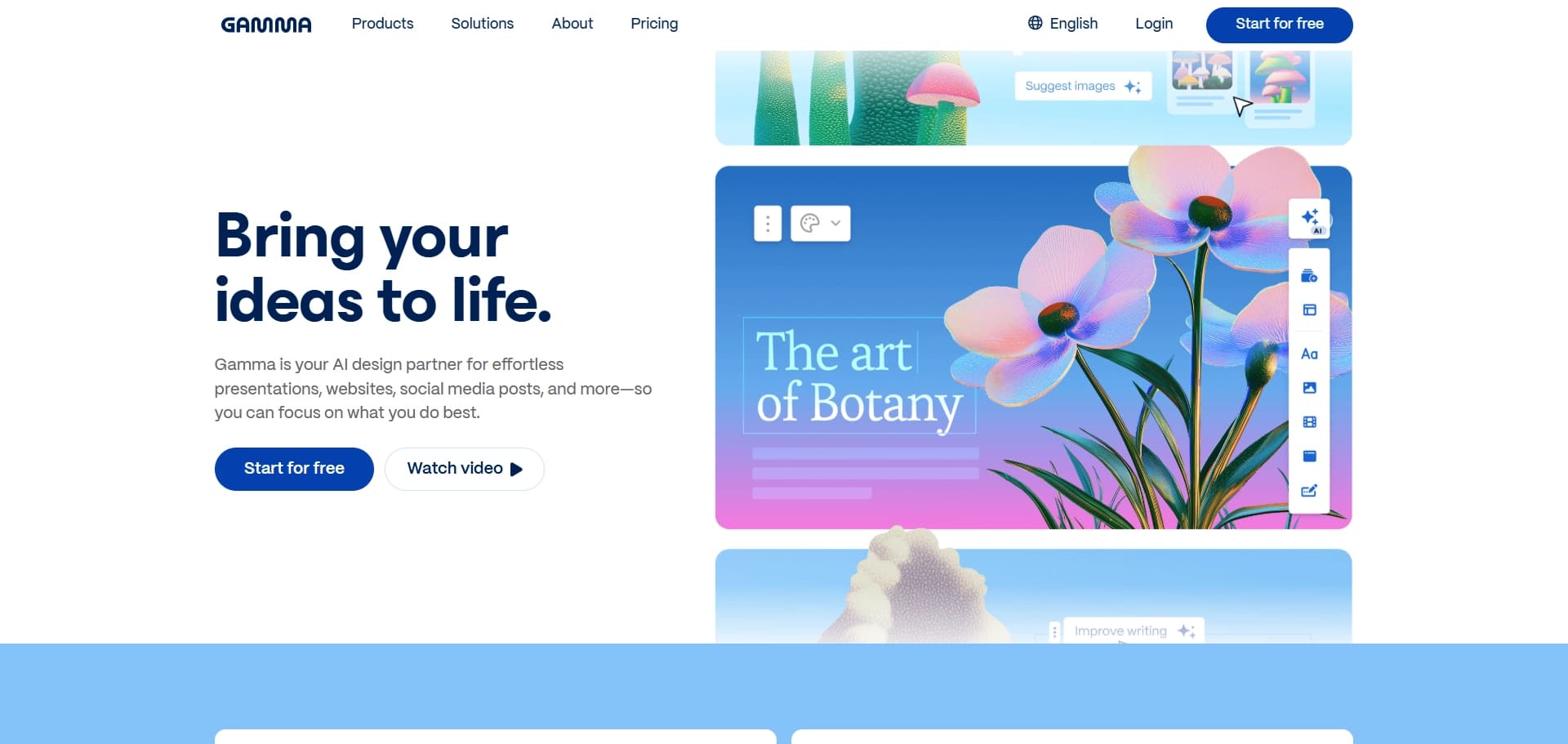

AI tool for creating presentations, documents, and web pages from a text description.
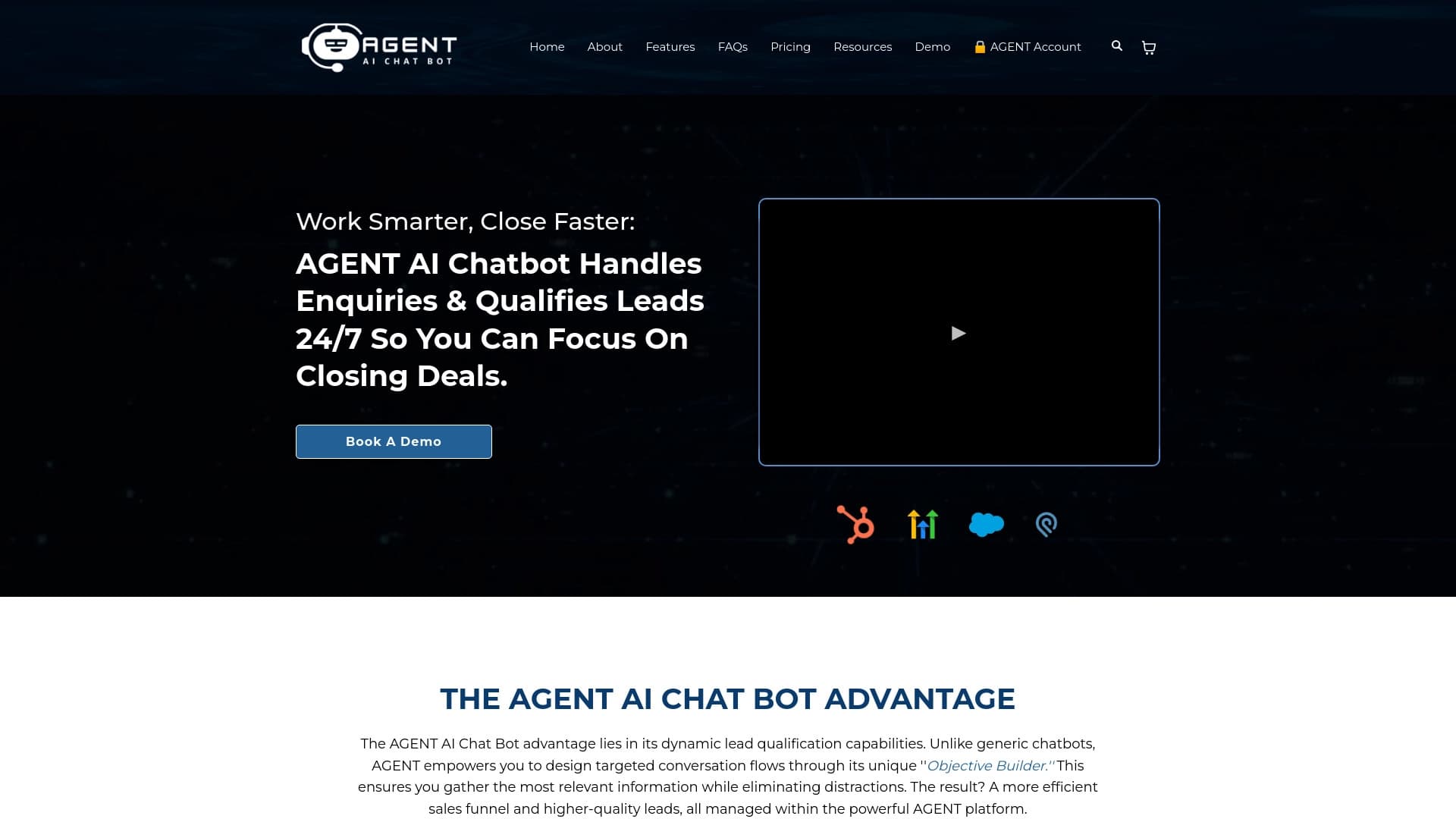

AI chatbot for automating customer communication and lead qualification.
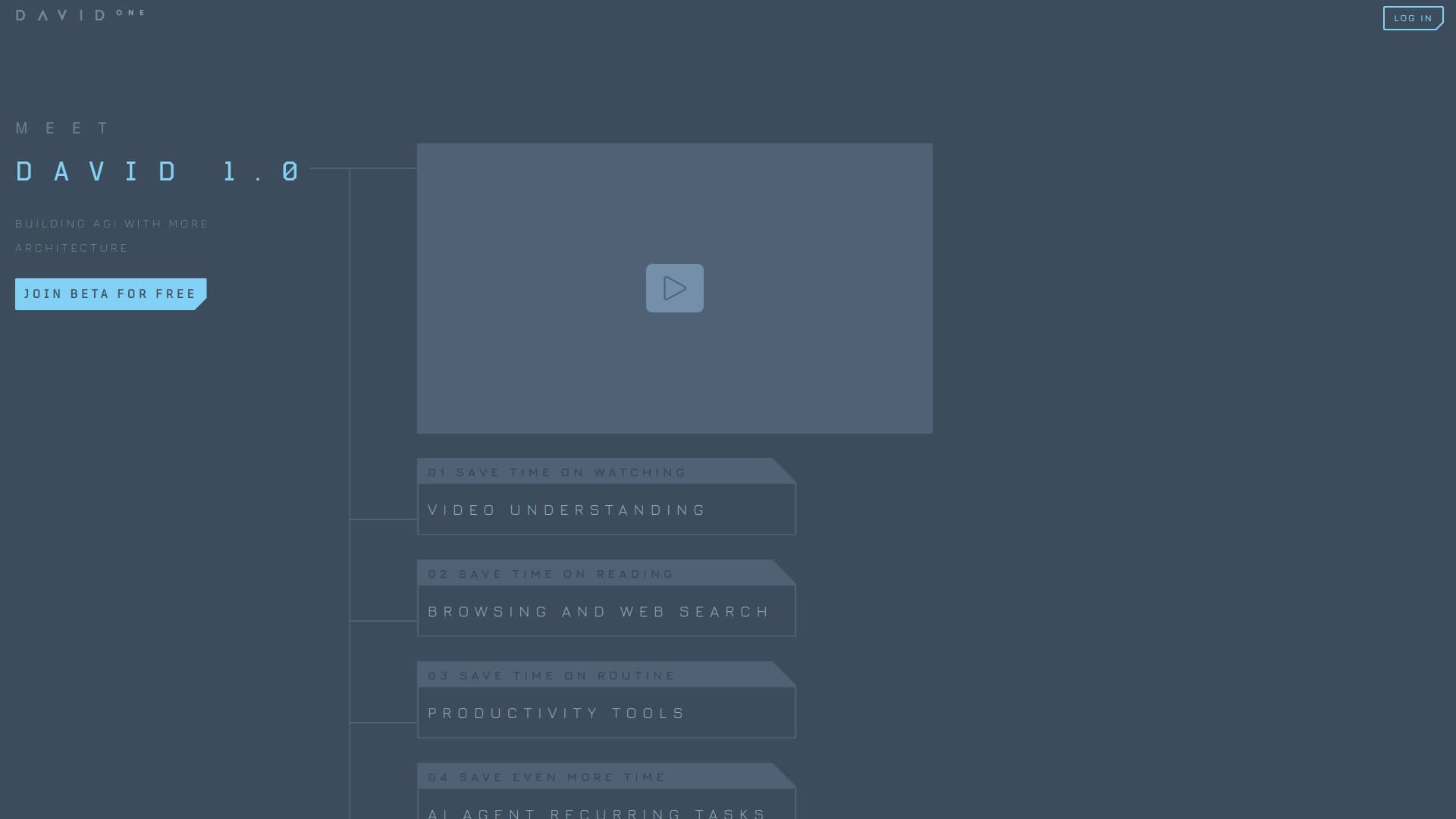

Universal AI assistant that analyzes videos and web pages, answers questions, and creates summaries.
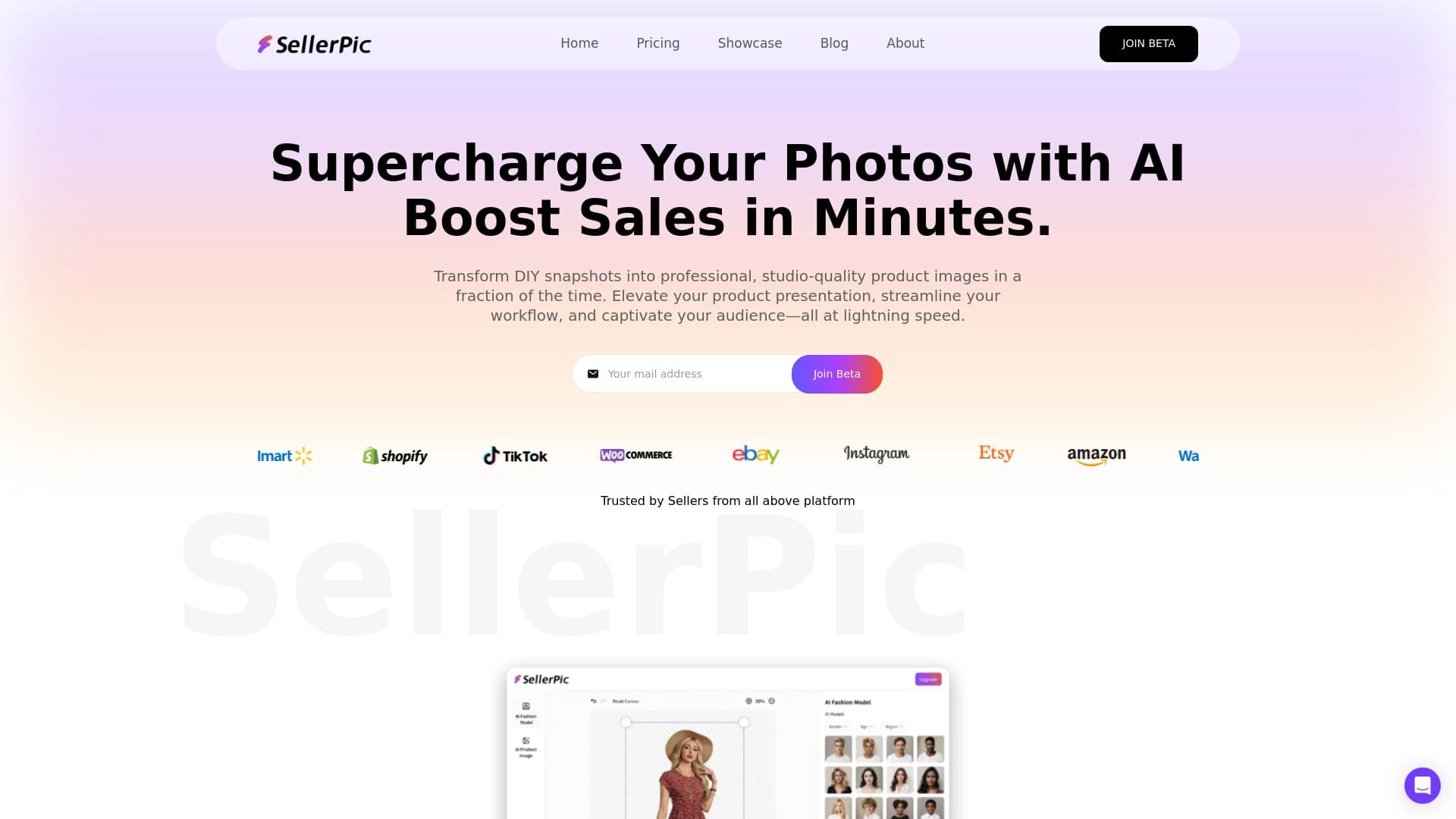

AI-based platform for creating and editing product images and videos for e-commerce sellers.