

Dust
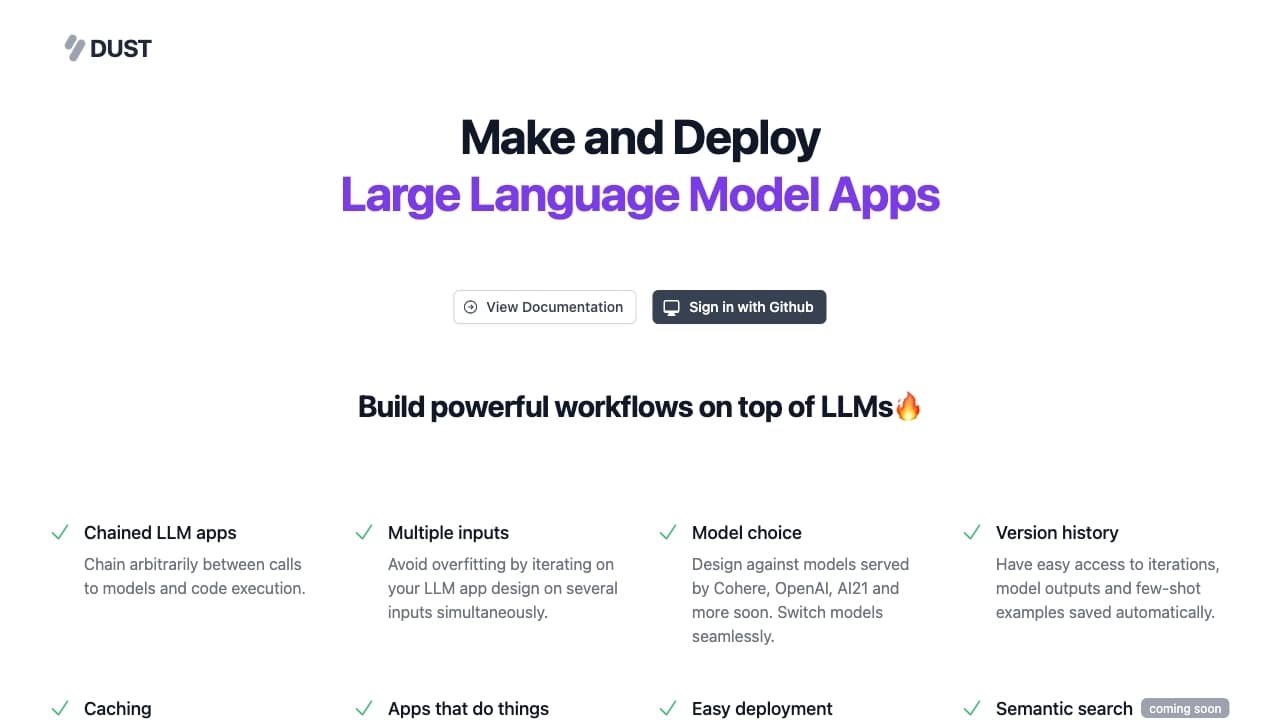
A platform for creating AI agents and assistants that connect to corporate systems and help teams find information and automate routine tasks.
Ranked in
Overview
Dust
Description of Dust AI
Dust is a platform for creating AI agents and assistants that connect to corporate systems and help teams find information and automate routine tasks. The platform solves the common problem of data scattered across dozens of systems, where employees spend hours searching for the information they need: Dust lets every department have its own AI assistant that instantly finds data across all corporate sources.
Agents are powered by GPT-4, Claude, and Mistral models and connect to tools such as GitHub, Google Drive, Notion, Slack, and CRM systems. Instead of switching between multiple tabs, employees simply ask an agent a question and get a ready answer with links to sources. Users can use ready-made assistants based on advanced models or create custom ones with their own instructions and the ability to upload company data.
Approach to working with information
Dust turns scattered corporate data into a structured resource. Agents connect to knowledge bases and work tools, synchronize information, and use it to prepare answers. This reduces the time spent searching for information and removes the need for employees to access a dozen different systems.
Configuration flexibility
The platform offers teams two paths: use ready-made assistants based on advanced models for common tasks, or create their own agents with individual instructions and access to corporate data. This flexibility allows the tool to be adapted to the specifics of any department.
Dust characteristics
| Characteristic | Value |
|---|---|
| Type | AI platform |
| Category | Text |
| Base models | GPT-4, Claude, Mistral |
| Russian language | Yes |
| Russian interface | No |
| Availability | WEB |
| Distribution model | Freemium |
Who is Dust AI for?
Dust is aimed at teams that want to work more efficiently with AI and improve workflows. The platform will be useful for organizations where information is distributed across many systems and employees need to quickly find the right data.
Teams by department
Each department can get its own AI assistant tailored to its tasks. For example, in sales, an agent analyzes the CRM and helps prepare materials; in marketing, it creates content; in technical support, it answers user questions.
Companies with distributed data
The platform suits organizations that use many work tools — GitHub, Google Drive, Notion, Slack, and CRM systems — and want to consolidate this data into a single point of access for employees.
How to use Dust AI?
Dust can be used through a workspace where ready-made assistants based on advanced models and tools for creating your own agents for specific tasks are available.
Setting up agents
The agent setup process takes a few minutes. You need to select a department, specify data sources, and configure access rights — after that, the agent is ready to work. If necessary, you can create customized assistants with your own instructions.
Data synchronization
The platform allows you to synchronize corporate knowledge bases so that assistants use this data when preparing answers. This improves the quality and relevance of responses, since the agent works with current company information.
Main features of Dust
Two types of assistants
The platform offers assistants based on advanced models for common tasks and custom assistants with individual instructions and uploaded company data.
Team workspace
Dust provides a shared workspace for collaboration among colleagues and synchronization of the data that assistants use for responses.
Working with text
The platform supports text recognition, summarization, translation, and generation, as well as LLM embedding for finding relevant documents among corporate sources.
Performing actions
Agents not only answer questions but also perform actions: they create reports from data, update documentation, route requests, and generate FAQs from resolved tickets. The platform integrates with APIs, Google Sheets, and Zapier to automate complex business processes.
Advantages of Dust
Speed of access to information
Agents instantly find the necessary data from all corporate sources, saving employees from lengthy searches. Answers are accompanied by source links, which increases their credibility.
Automation of routine tasks
Routine operations — creating reports, updating documentation, routing requests — are delegated to AI. This allows employees to focus on creative and strategic work.
Automation of complex processes
One agent can collect data from multiple sources, process it, and pass the result to another system without human involvement. Integrations with APIs, Google Sheets, and Zapier expand automation capabilities.
Russian language support
The platform supports Russian, making it convenient for Russian-speaking teams.
Disadvantages of Dust
The disadvantages of the platform include the lack of a Russian-language interface: although Russian is supported for working with text, the interface itself is only available in other languages. Also, the exact terms of pricing plans and specific free usage volumes are not disclosed in the source data, so they should be clarified on the platform's official website.
What tasks does Dust solve?
Company questions answered
Agents answer questions related to the company's activities, relying on synchronized corporate data and providing links to sources.
Document creation
The platform helps create documents and simplify complex topics, which is useful for preparing materials, reports, and presentations.
Text processing
Dust supports text recognition, summarization, translation, and generation, covering a wide range of information-processing tasks.
Process automation
The platform automates routine tasks: generating reports, updating documentation, routing support requests, and generating FAQs.
Dust pricing
Dust is distributed under the freemium model: the platform provides access to basic features free of charge, while extended features and volumes are available in paid plans. Specific prices and the composition of paid plans are not indicated in the source data, so they should be clarified on the platform's official website.
Terms of use for Dust
The platform pays attention to corporate data security: it works with SOC2 certification and a zero data retention policy. Information does not leave the company's secure environment, and agents only get access to the data that is allowed for a particular employee. Such measures ensure control over access and protection of corporate information.
Dust availability
Dust is available as a web service (WEB). The platform supports Russian for working with text, but the interface is only available in other languages (not Russian). This should be taken into account by teams accustomed to a Russian-language interface: however, the functionality itself is not limited for Russian-speaking users.
How does Dust differ from alternatives?
The main difference of Dust is the combination of customizable AI agents with access to corporate knowledge bases and the ability not only to answer questions but also to perform actions. The platform connects to work tools — GitHub, Google Drive, Notion, Slack, and CRM systems — and gives agents access to corporate data with answers linked to sources. This sets it apart from many tools that either only generate text or do not support integration with a company's work systems.
Another distinctive feature is the focus on security: SOC2 certification and a zero data retention policy, as well as access rights settings for individual employees. Combined with Russian language support, Dust makes working with AI accessible to teams handling distributed corporate data.
Conclusion
Dust is a platform for creating AI agents that connect to corporate systems, help find information, and automate routine tasks. Powered by GPT-4, Claude, and Mistral models, the platform consolidates a company's scattered data into a single point of access, allowing each department to have its own assistant. Thanks to simple setup without the need for programming, Russian language support, and attention to corporate data security, Dust will be a useful solution for teams that want to improve information workflows and delegate routine operations to AI.
Frequently asked questions
Similar AI tools



See also
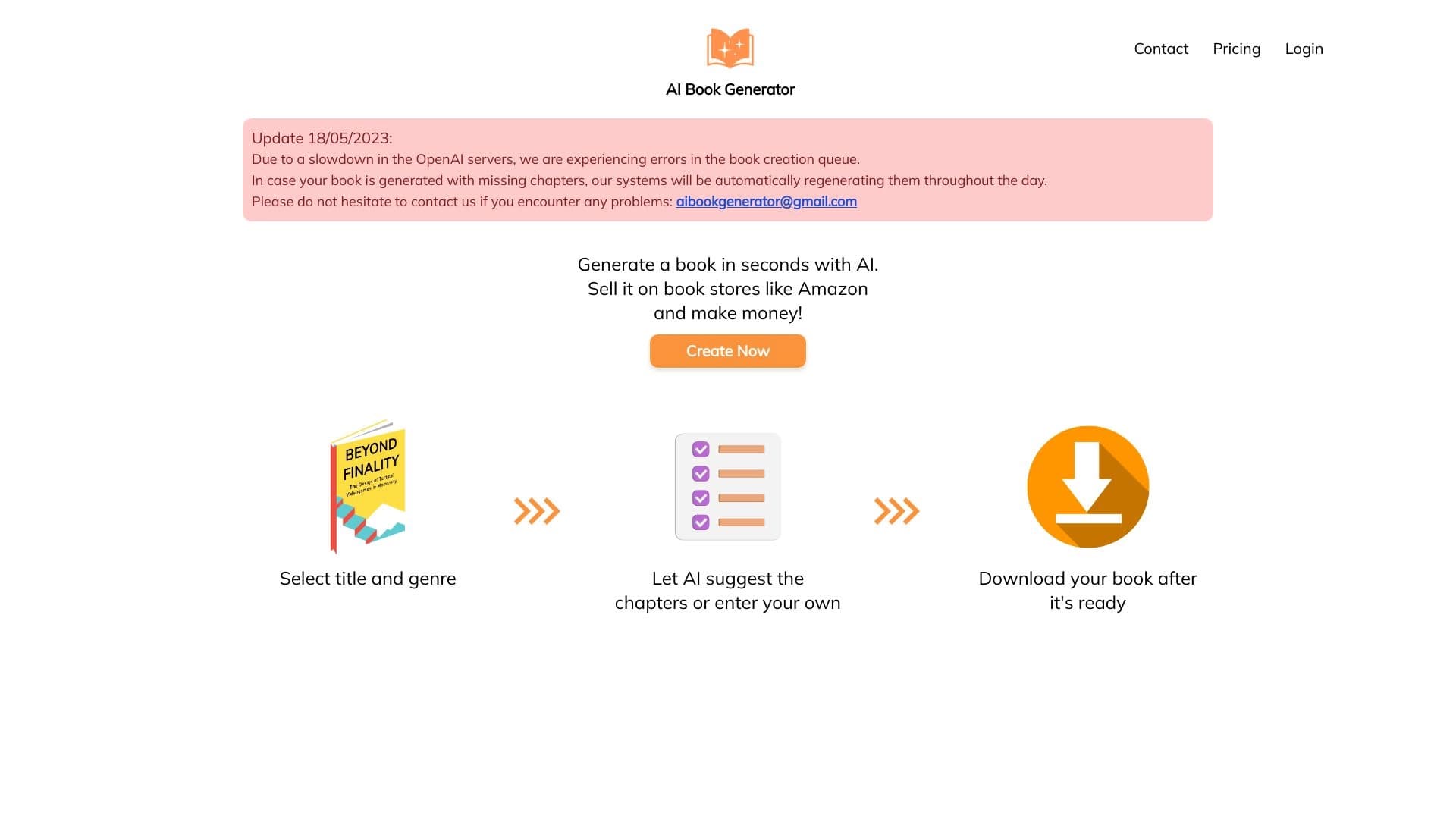

Service for quickly generating e-books on a given topic.

AI platform for analyzing financial data and supporting investment decisions.
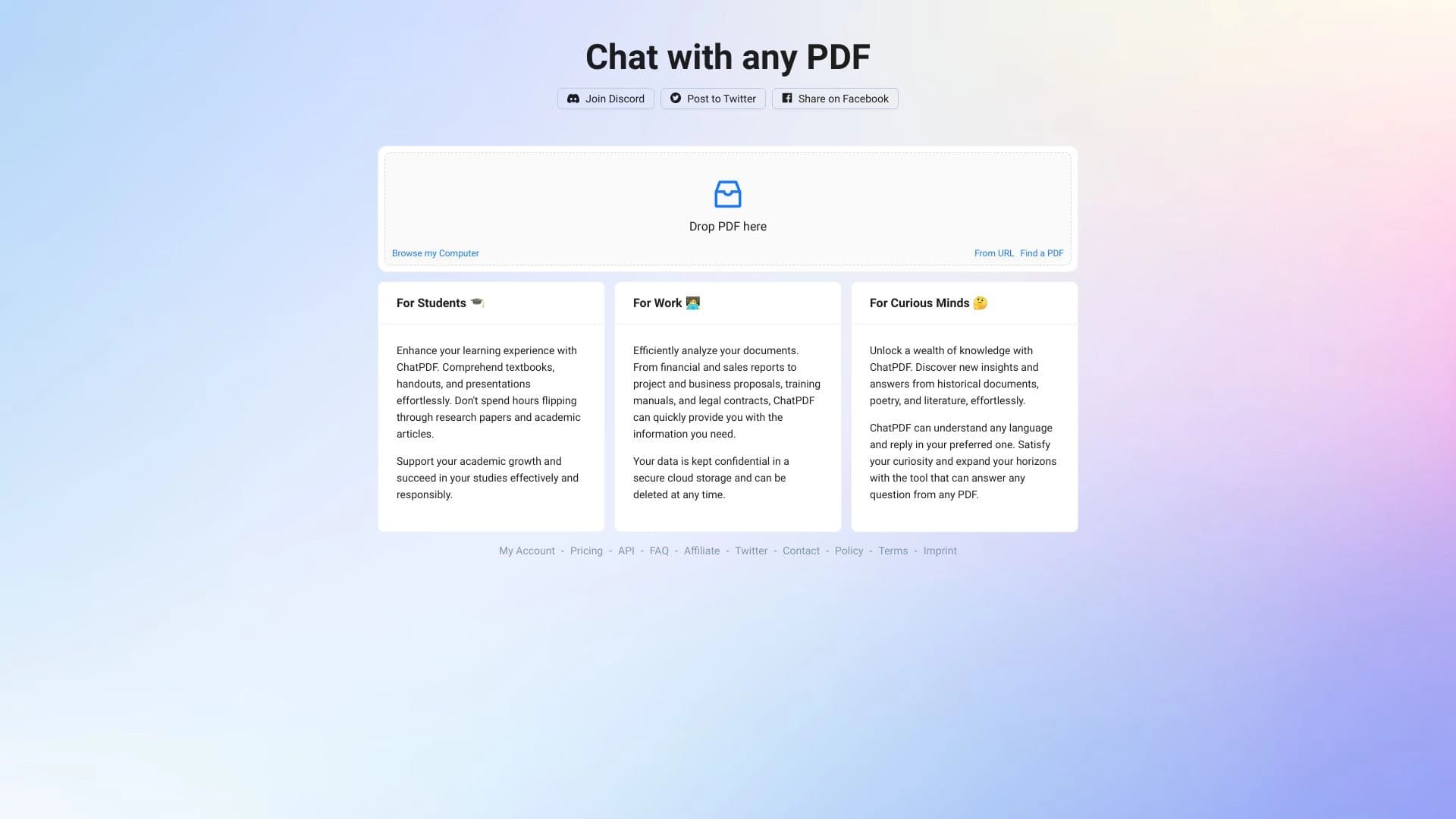
An online service that lets you chat with PDF documents: ask questions and get concise answers with source attribution.
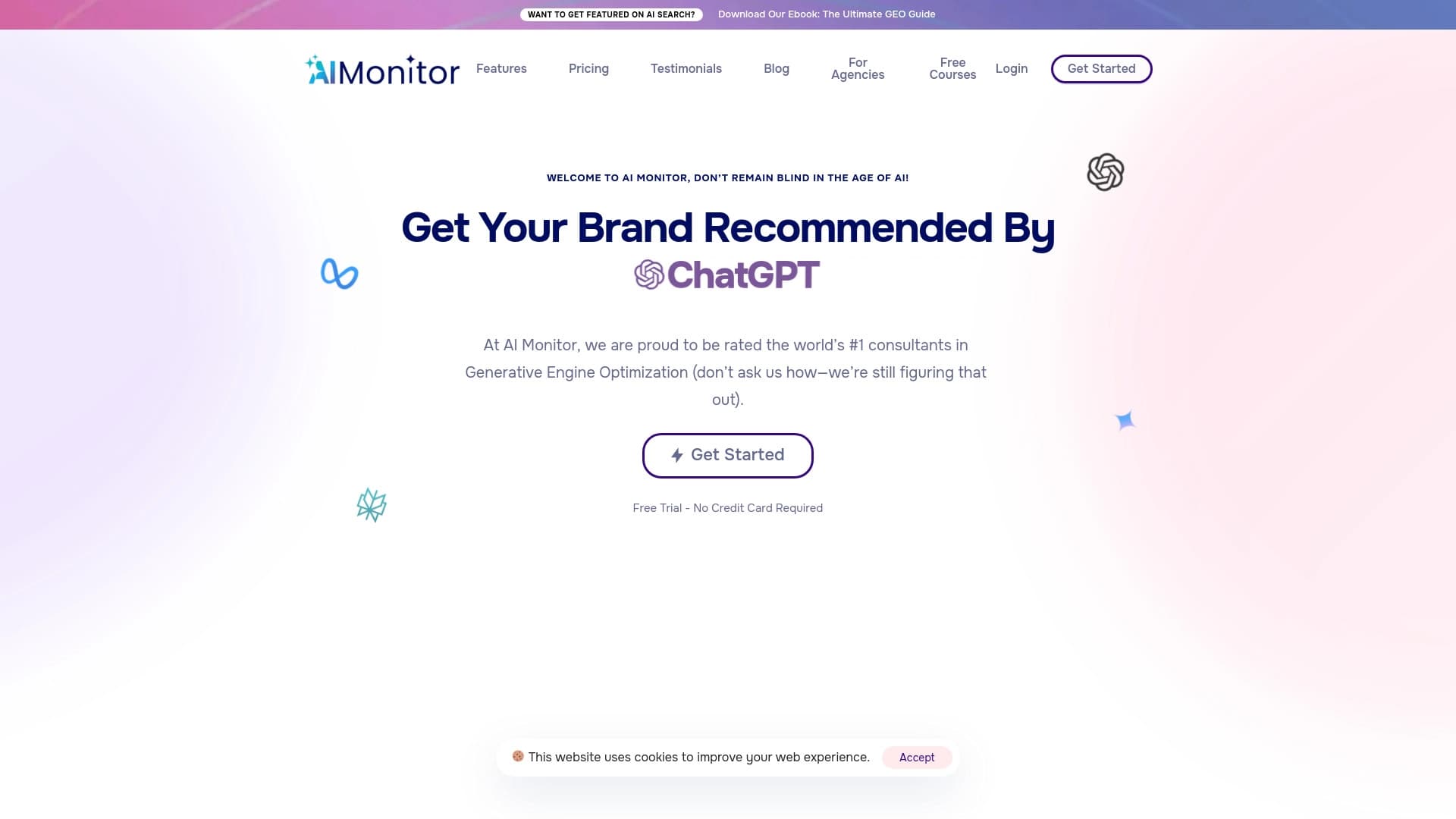

Service for tracking brand mentions in generative AI responses.
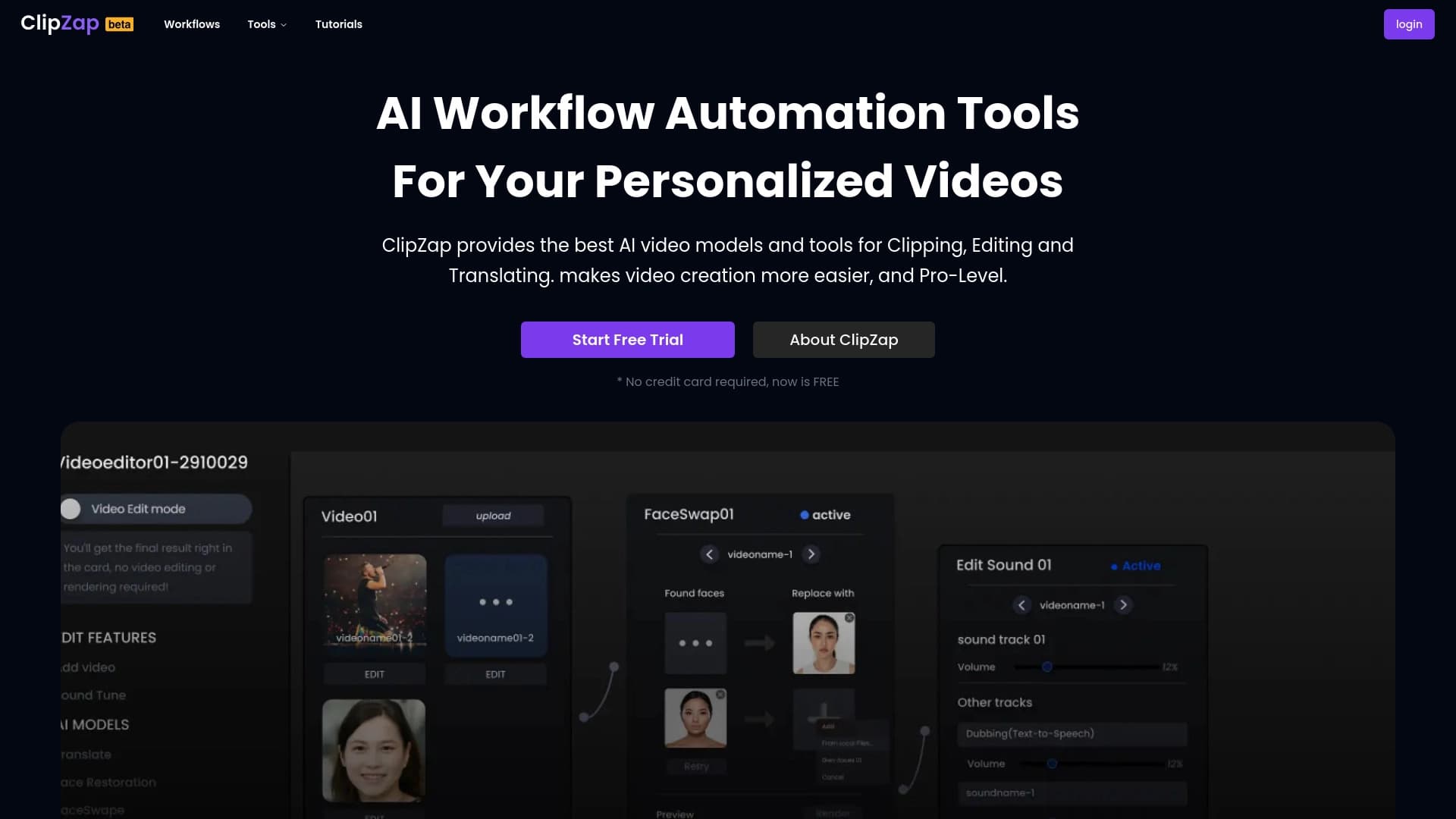

AI-powered platform for automated video clip creation, editing, and translation.
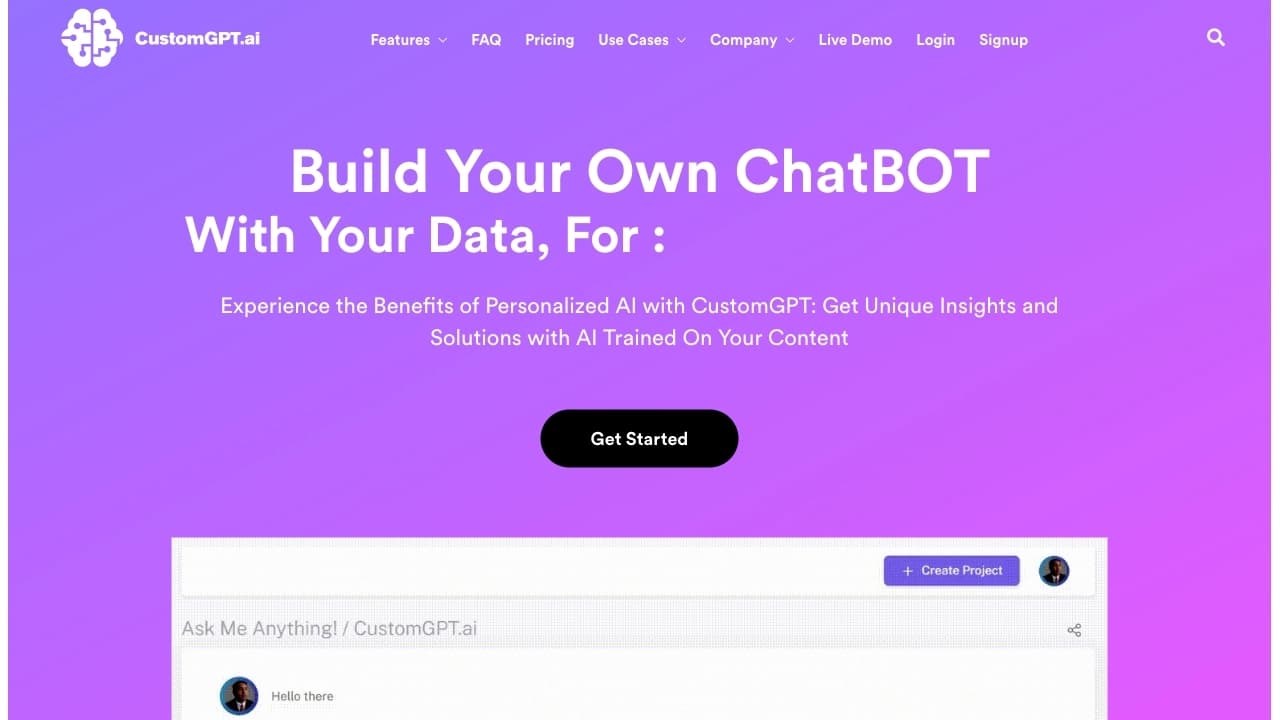

A platform for creating corporate chatbots based on your own documents without coding.
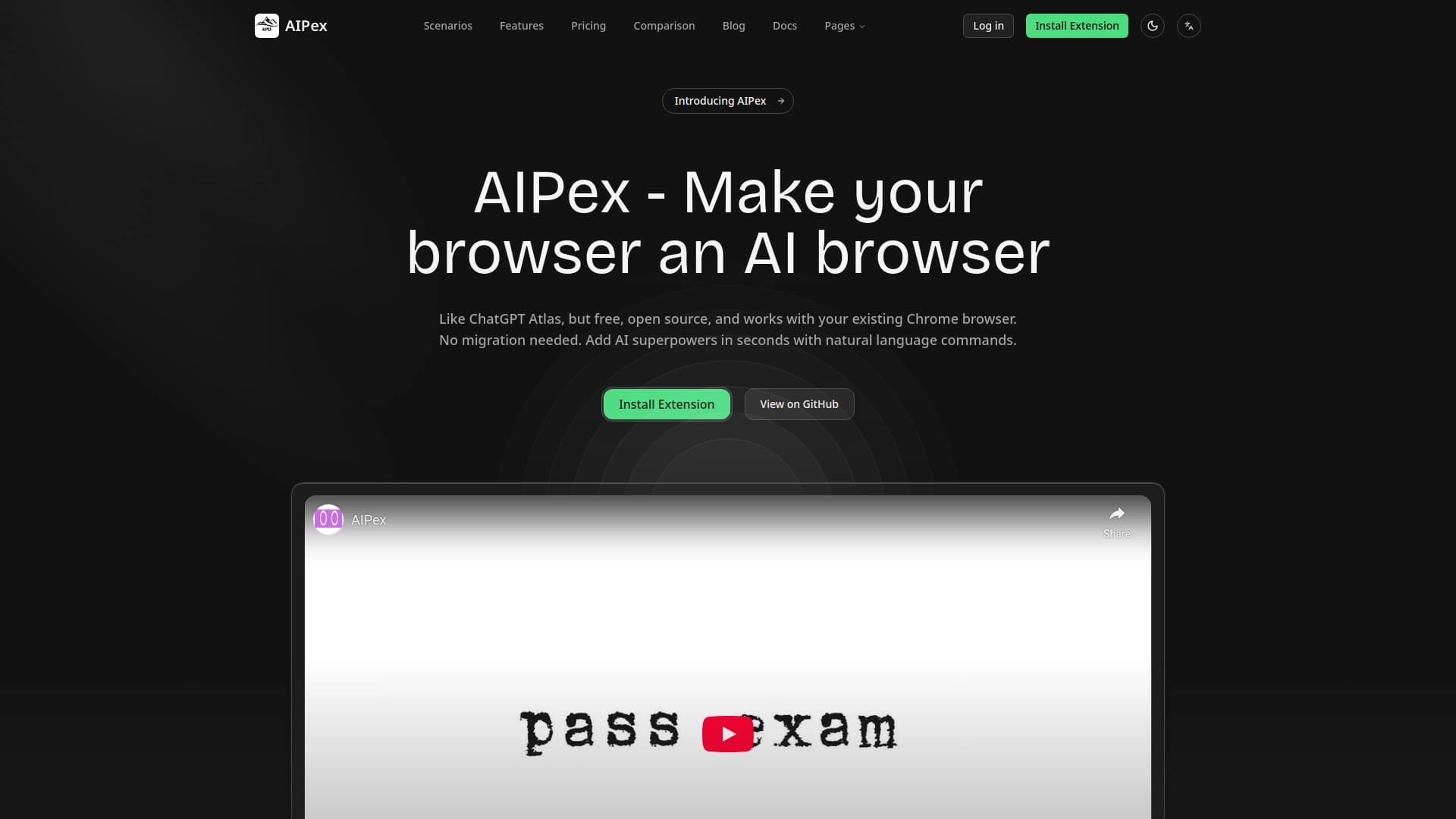

Chrome extension that helps manage tabs, history, and bookmarks with an AI assistant.
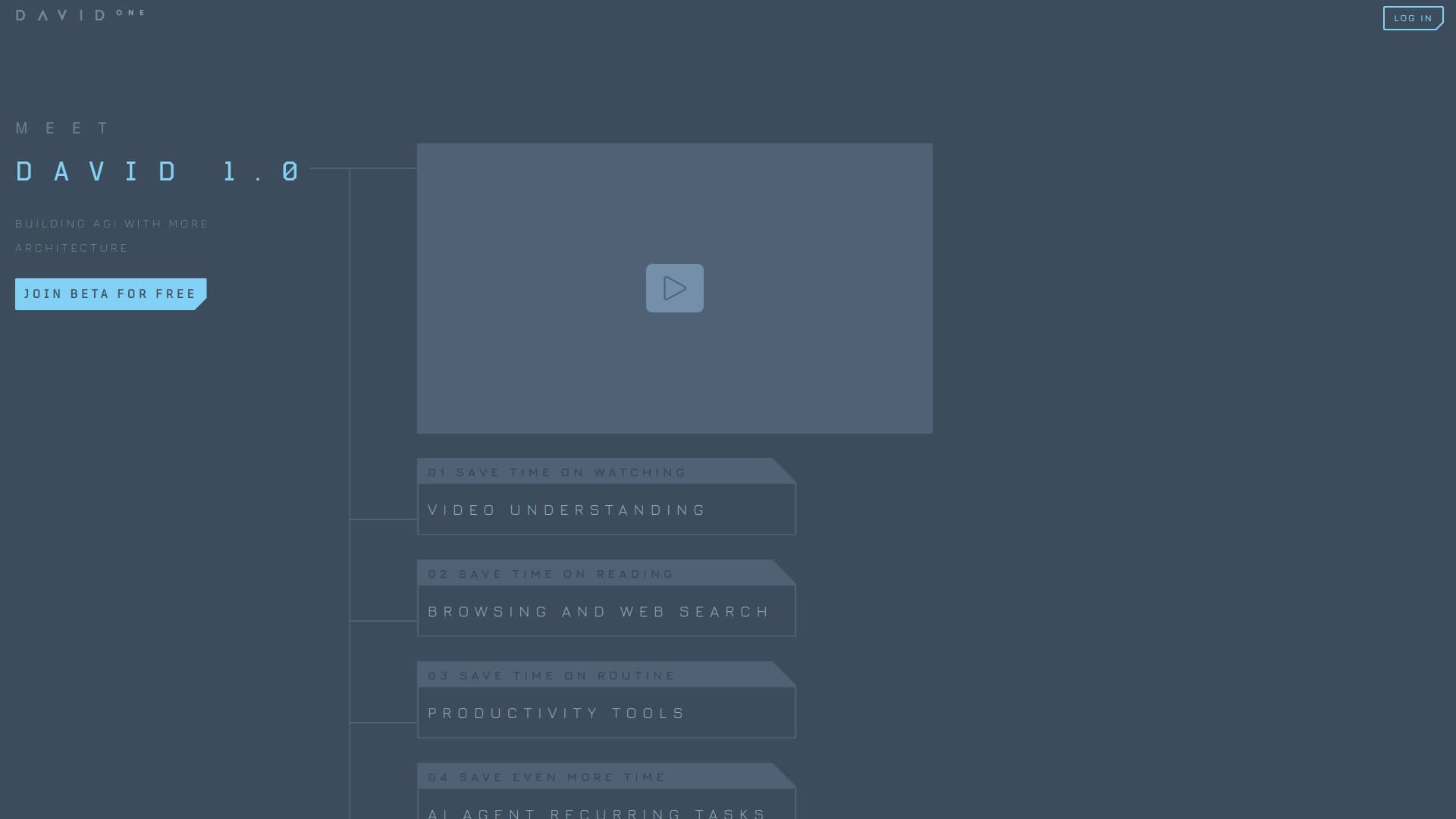

Universal AI assistant that analyzes videos and web pages, answers questions, and creates summaries.