
DrugCLIP
A tool for quickly searching and analyzing information about medications, their properties, and interactions based on medical data.
Overview
DrugCLIP is a tool for working with medical data, designed to speed up the search and analysis of information about pharmaceutical drugs. The system processes textual descriptions of drugs, their properties, and interactions, allowing specialists to quickly find the necessary information without manually reviewing hundreds of records.
The tool is aimed at a professional environment: it understands medical terminology and the relationships between drug characteristics, making it useful for finding analogues, studying side effects, and other routine tasks that require working with large volumes of information.
DrugCLIP Features
| Feature | Value |
|---|---|
| Category | Health |
| Business model | Not defined |
| First publication date | 23-01-2026 |
| Last edit date | 31-05-2026 |
Who is DrugCLIP suitable for?
Pharmacists and healthcare professionals
Specialists who regularly work with large volumes of drug information can use DrugCLIP for quick data retrieval. The system reduces time spent on routine comparison and analysis operations, which is especially important under tight working schedules.
Researchers and analysts
For researchers studying drug properties and their interactions, the tool makes it possible to quickly test hypotheses and find the necessary information in extensive databases. The text description analysis mechanism simplifies work with scientific literature and drug registries.
How to use DrugCLIP?
Searching for drug information
The user enters a drug name or its description, and the system finds relevant results in databases. The tool takes medical terminology and relationships between characteristics into account, so the results are accurate.
Comparing and selecting analogues
When it is necessary to find a drug analogue or compare several drugs, DrugCLIP helps find suitable options in seconds. Instead of manually comparing records, the specialist receives a ready-made set of results for analysis.
Key DrugCLIP Features
Drug description analysis
DrugCLIP analyzes textual descriptions of drugs, highlighting their properties, mechanisms of action, and interactions. This makes it possible not only to find documents by keywords, but also to understand the essence of medical information.
Faster database search
The tool optimizes search across medical databases: instead of manually reviewing many records, the user gets relevant results within seconds.
Understanding medical terminology
The system works with professional vocabulary, recognizes substance names and synonyms, and links symptoms, indications, and contraindications to each other.
DrugCLIP Advantages
Time savings
The main advantage of the tool is reducing time spent on routine drug search and comparison tasks. Instead of manually reviewing hundreds of records, the specialist receives a ready-made selection.
Relevant results
Thanks to the analysis of medical terminology and relationships between characteristics, the system delivers accurate results that match the user's query.
DrugCLIP Disadvantages
At the moment, there is no information about the tool's disadvantages. There is no public data on system limitations, possible errors, or difficulties in operation. This section will be updated when relevant information becomes available from developers or users.
What tasks does DrugCLIP solve?
Searching for information in large data volumes
DrugCLIP is designed to work with large arrays of medical information. The tool helps quickly find drug information among many records.
Selecting drug analogues
The system helps select alternative drugs based on specified characteristics, which is relevant when replacing drugs with the same active ingredient or a similar mechanism of action.
Studying side effects
Specialists can use DrugCLIP to analyze drug side effects. The tool links drug descriptions with the corresponding information in databases.
DrugCLIP Pricing
Information about the cost of using DrugCLIP has not been published in open sources. The tool's business model is currently not defined, so exact pricing and payment terms are unknown. For up-to-date pricing information, it is recommended to follow the project's official updates.
DrugCLIP Terms of Use
Official terms of use for DrugCLIP have not been disclosed in available sources. There is no information about user requirements, registration, or licensing. Since the distribution model is not defined, detailed service terms have not yet been published.
DrugCLIP Availability
Data on the tool's availability is absent: it is unknown whether DrugCLIP works as a web version, is available as an enterprise solution, or has other deployment formats. The first publication date (January 23, 2026) and the last edit date (May 31, 2026) suggest that the project is at an early stage of development, and availability information may appear later.
How DrugCLIP differs from analogues
DrugCLIP is positioned as a specialized tool for working with medical data. Among analogues such as Polycam, Eilla AI, AI Lawyer, and LongLive-2.0, it stands out for its focus on the pharmaceutical field. Unlike the listed services, which solve broad tasks (working with 3D models, legal documents, business analytics), DrugCLIP is focused specifically on analyzing pharmaceutical drugs and medical terminology.
The key difference is that the tool is aimed at professional healthcare specialists and takes into account the specifics of working with medical databases, including the relationships between drug properties and their interactions.
Conclusion
DrugCLIP is a tool for healthcare professionals that helps quickly process and analyze medical information about drugs. The system is aimed at pharmacists, researchers, and medical workers who regularly face the task of finding drug information. Time savings are achieved through automatic analysis of textual descriptions, understanding of terminology, and faster database search. The tool is still at an early stage of development: there is no data on pricing, terms of use, or distribution model, but the stated functionality makes it a promising solution for professionals who have to work with large volumes of medical information.
Frequently asked questions
See also
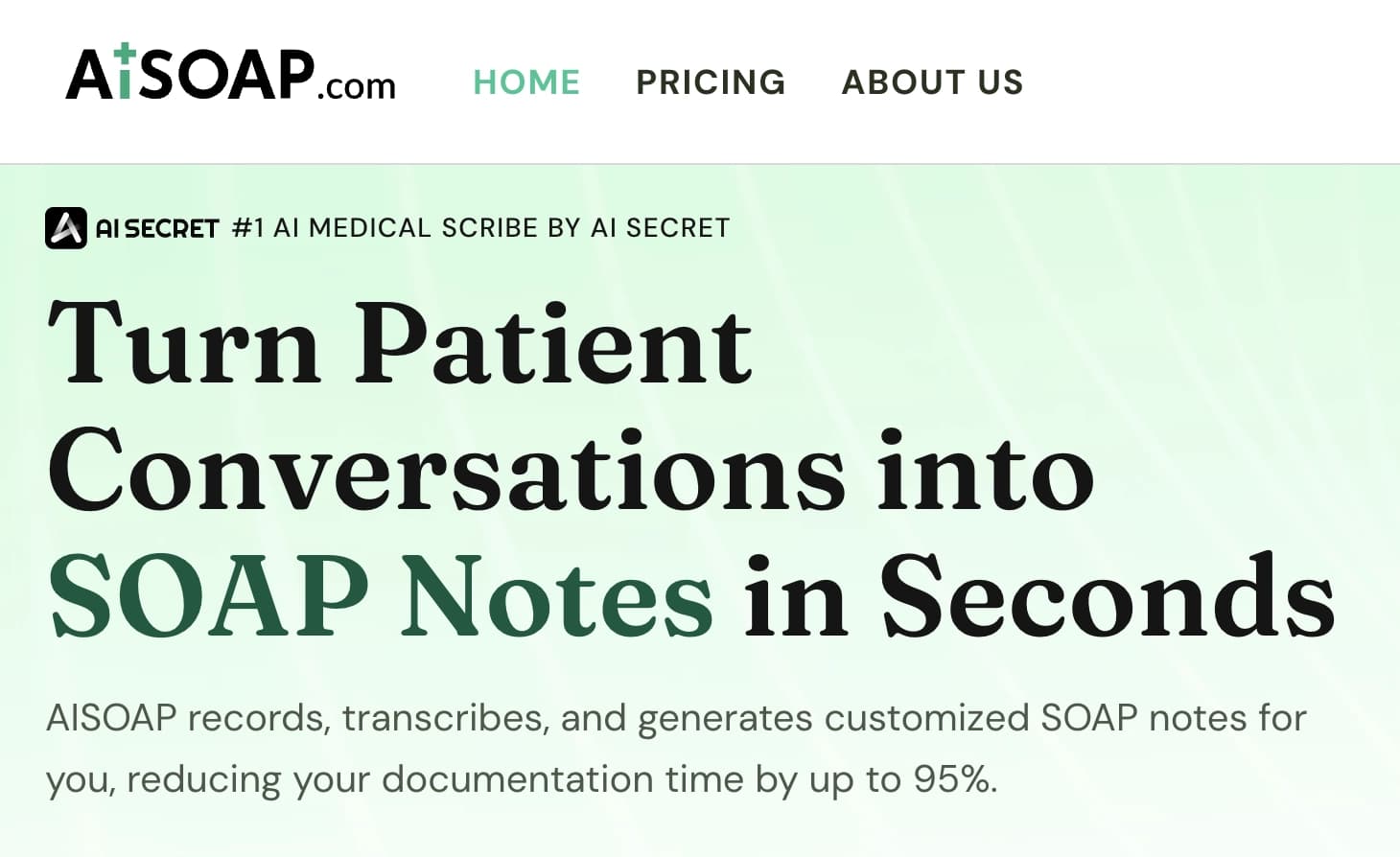

AI assistant for doctors that automatically creates structured SOAP notes from appointment audio recordings.
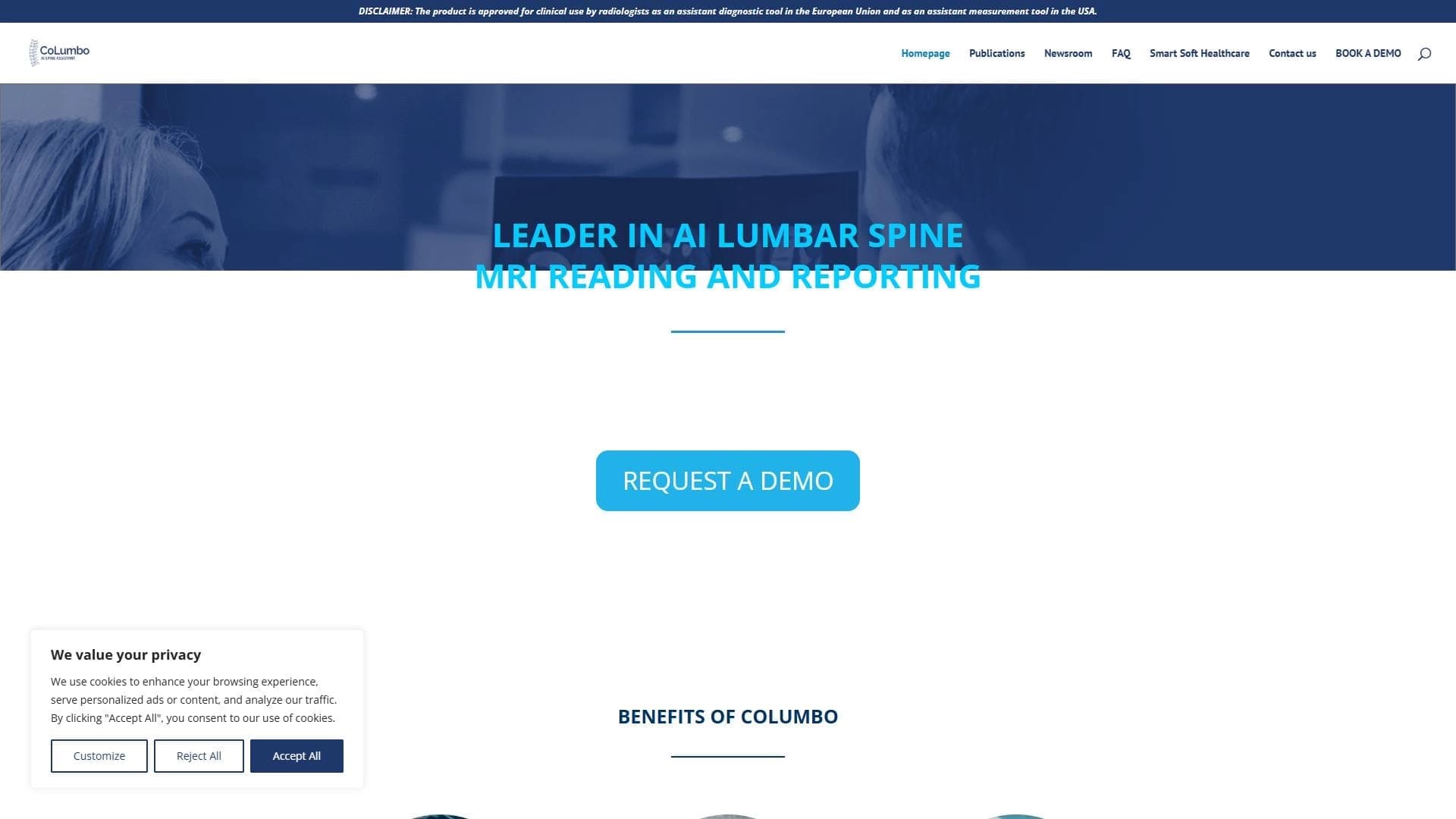

Neural network for automating the analysis of lumbar spine MRI and report preparation.
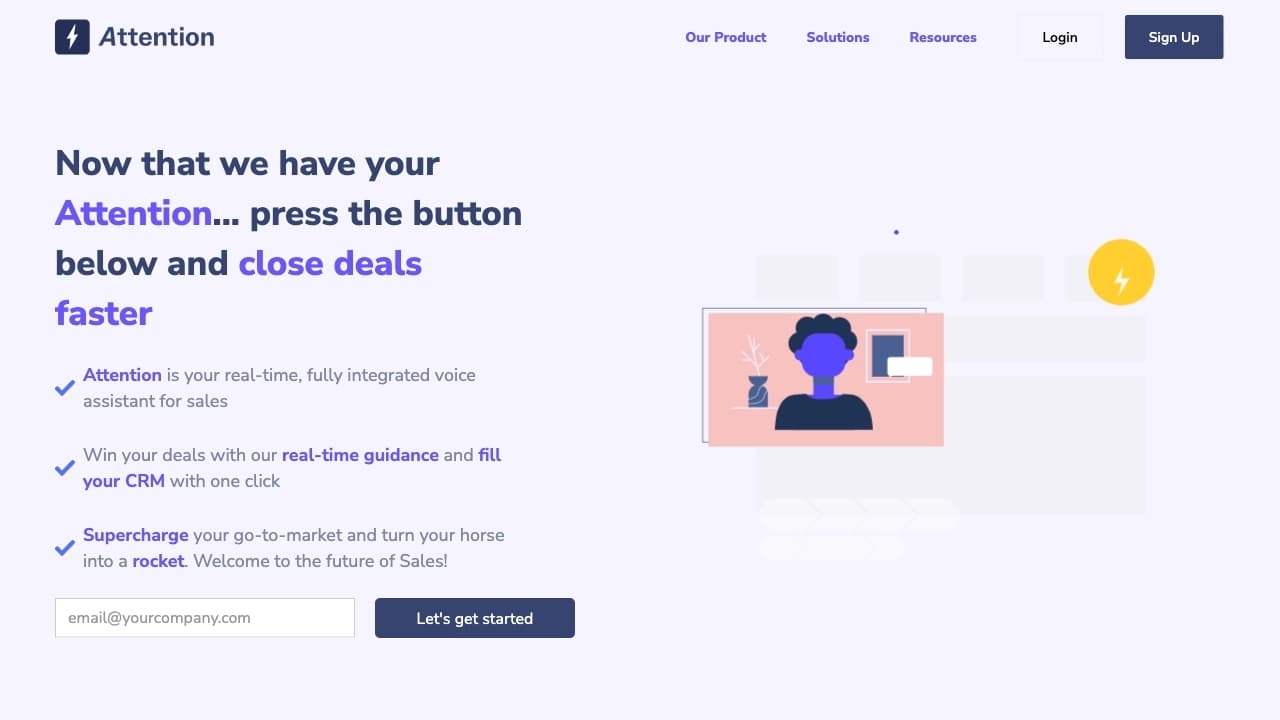

AI platform for CRM automation, call analytics, and real-time sales training.
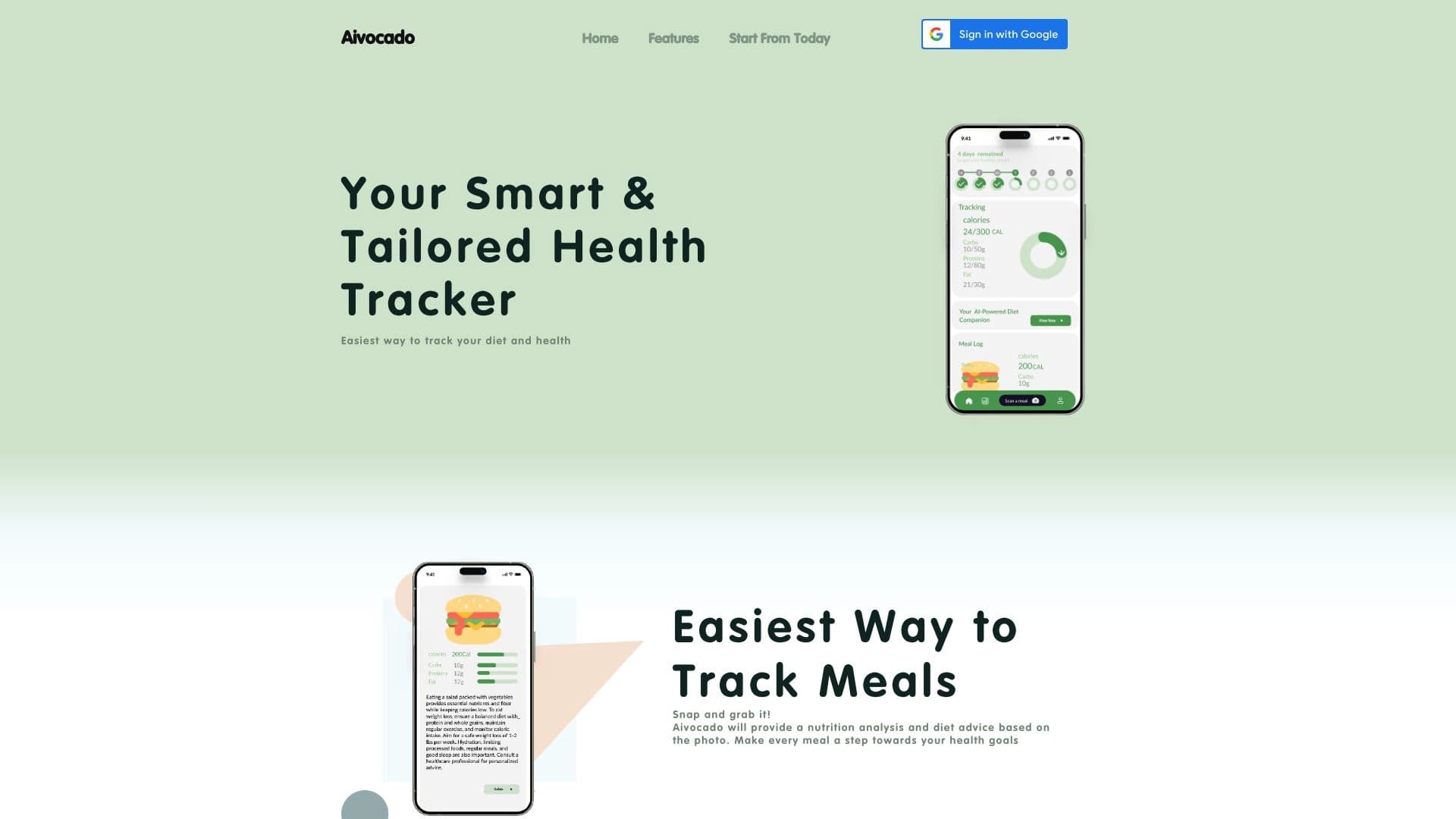
AI service for analyzing nutrition and creating personalized meal plans based on food photos.
AI platform for medical research and consultations, providing structured answers based on clinical guidelines.
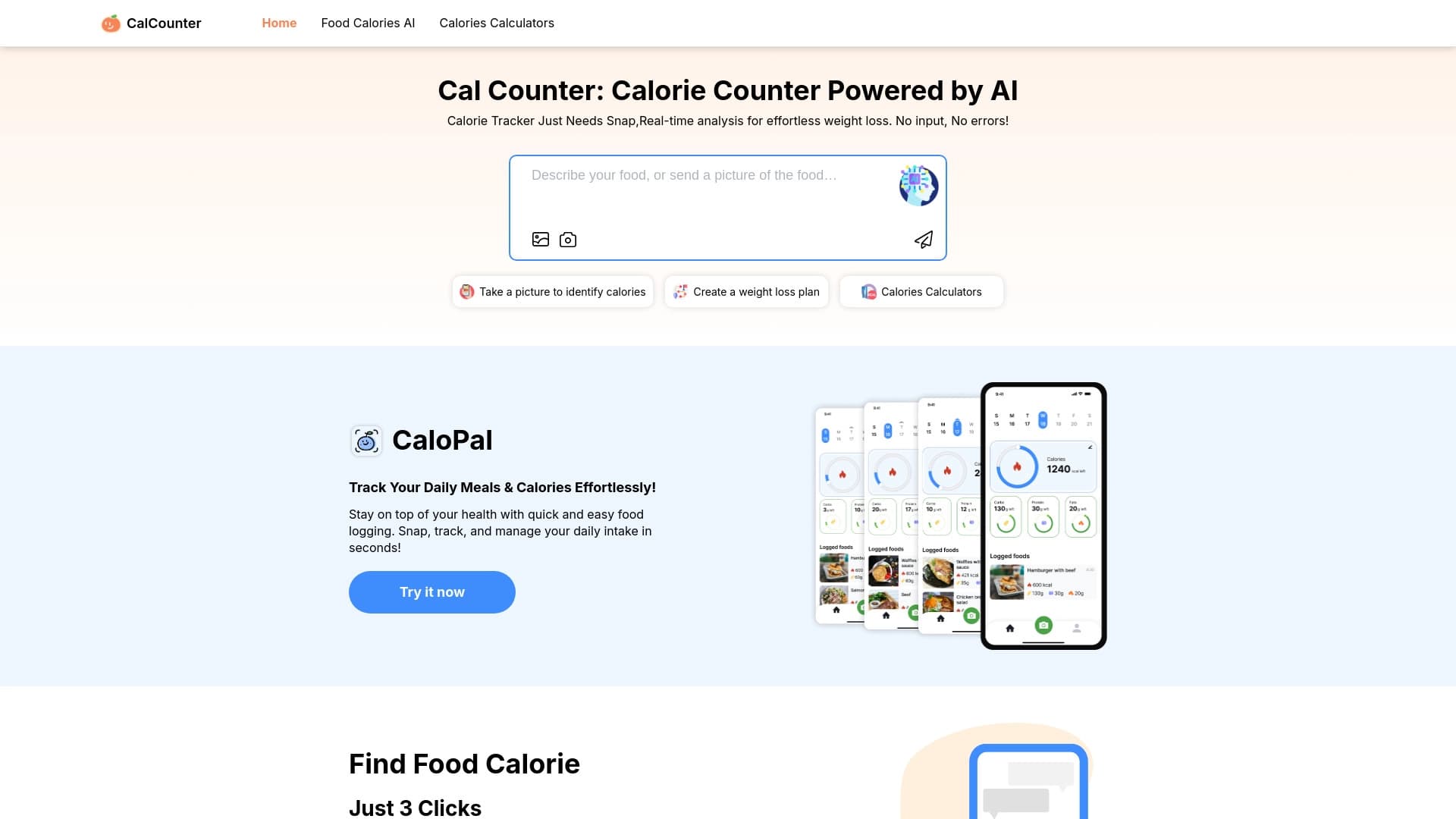
AI tool for counting calories from a photo of food.

A multifunctional chatbot from OpenAI that works with text, images, audio, and video in a single conversation.

AI assistant for analyzing medical documents and blood test results.