

CoLumbo
Neural network for automating the analysis of lumbar spine MRI and report preparation.
Overview
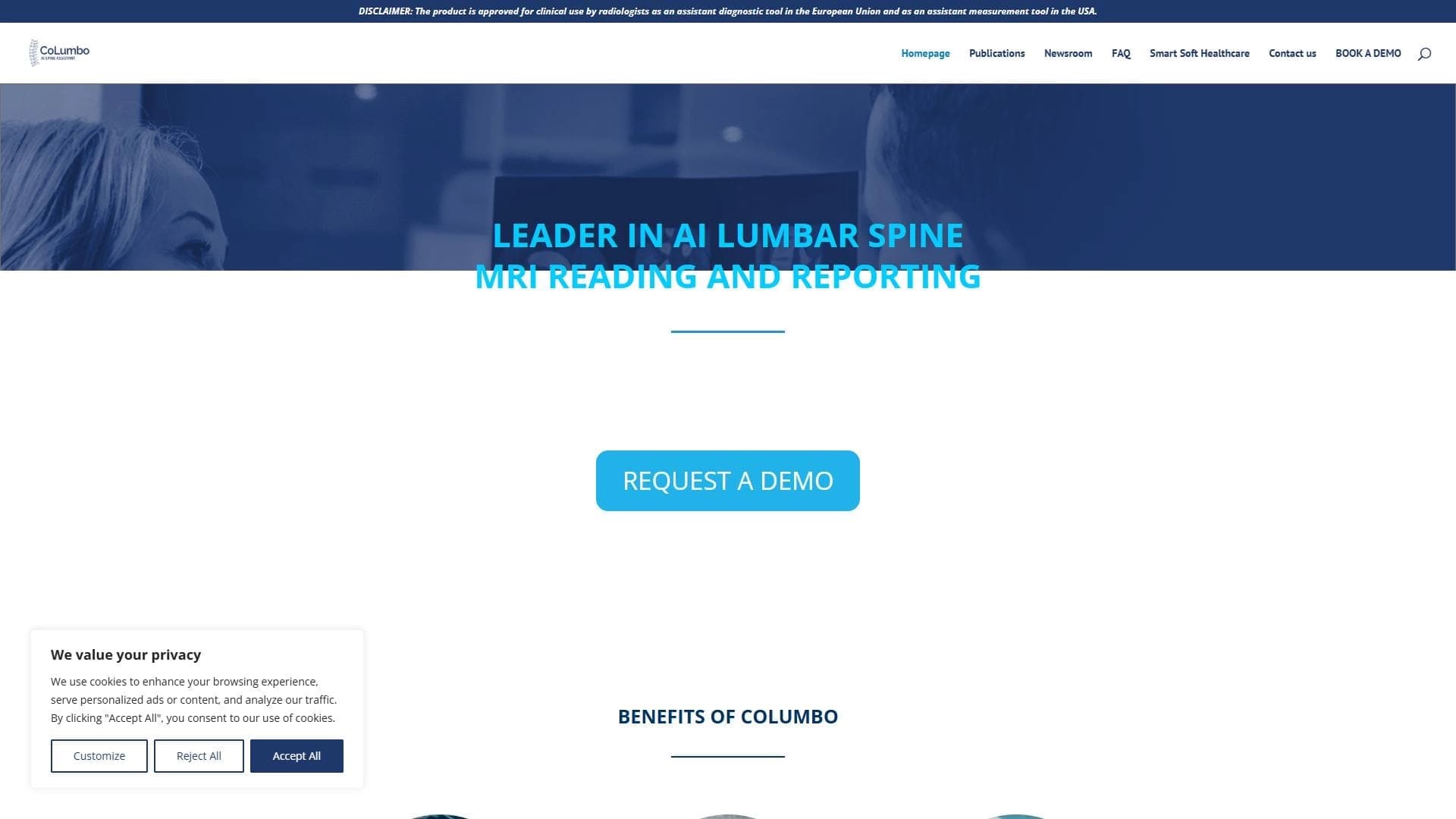
CoLumbo is a specialized AI tool for medical diagnostics that automates the analysis of lumbar spine MRI scans. The system is designed for radiologists and clinics where speed and accuracy of image interpretation matter. The neural network automatically segments anatomical structures, performs measurements, and generates preliminary reports that specialists can edit before final approval.
CoLumbo's main goal is to take over the routine part of a physician's work. Instead of manually describing each vertebra, intervertebral disc, and other elements, the radiologist receives a ready-made report foundation. This does not replace the physician but speeds up their work, allowing them to focus on complex clinical cases and increase departmental throughput.
How the system works
CoLumbo uses computer vision algorithms to analyze MRI images. The system recognizes key spinal structures, measures their parameters, and checks them against predefined pathology thresholds — for example, the degree of stenosis or disc protrusion. The result is a structured report that the physician reviews and supplements with their own comments.
Medical approvals
The tool holds clinical clearances: CE marking, FDA 510(K) clearance, and Australia's TGA regulatory approval. This means the product has passed safety and efficacy reviews in multiple jurisdictions, which is critical for medical software.
CoLumbo Features
| Feature | Value |
|---|---|
| Type | Neural network for medical diagnostics |
| Category | Medical diagnostics, reports |
| Primary use | Lumbar spine MRI analysis |
| Platforms | Web, Android, iOS |
| Website | columbo.me |
| Date added to catalog | May 08 2025 / August 1, 2025 |
| Number of ratings | 0 |
| Average rating | 5/5 (no reviews yet) |
| Distribution model | Not specified |
| User geography | USA (71.99%), Italy (28.01%) |
Who is CoLumbo suitable for?
Radiologists
Specialists who interpret lumbar spine MRIs on a daily basis gain a tool that reduces the time spent describing each study. Automated segmentation and measurements reduce physician fatigue and allow more patients to be processed per shift without compromising quality.
Medical institutions and clinic networks
For clinics, CoLumbo solves the problem of reporting standardization. The system allows setting unified pathology detection thresholds, which is especially important when multiple physicians work within one network or when compliance with specific medical standards is required. Fewer missed pathologies reduce risks for the clinic.
High-volume medical centers
Facilities where MRI result turnaround time is critical can use CoLumbo to accelerate the diagnostic cycle. Reduced interpretation time directly impacts the throughput of the radiology department and patient satisfaction.
How to use CoLumbo?
Getting started
To begin, visit the CoLumbo website (columbo.me) and register an account. After registration, a dashboard opens with access to the tool's core functions. The interface is designed for working with medical images without requiring special technical training.
PACS integration
For maximum efficiency, it is recommended to connect CoLumbo to an existing Picture Archiving and Communication System (PACS). This allows working in a familiar environment: the physician opens a study, and CoLumbo automatically initiates analysis. Integration eliminates the need to manually upload each image into a separate interface.
Configuration to clinic standards
System administrators can set individual pathology detection thresholds in accordance with the clinical protocols of their specific institution. This allows adapting the neural network's operation to different national standards of radiological diagnostics.
Core CoLumbo features
Automated segmentation and measurements
The neural network performs annotation of anatomical structures on MRI images: vertebrae, intervertebral discs, and the spinal canal. The system performs the key measurements required for a standard lumbar spine description and inserts the results into the report.
Preliminary report generation
CoLumbo generates a structured conclusion with pre-filled fields that the physician can edit or supplement. This approach eliminates the most time-consuming part of the work — typing text and standard phrasing.
Diagnostic criteria configuration
Clinic administrators can manage pathology detection thresholds so the system operates in line with the standards adopted at their institution. This matters when physicians use different diagnostic scales and definitions of normal findings.
Integration with medical infrastructure
CoLumbo connects to PACS systems and supports multilingual report formatting, making it suitable for use in international clinics and medical networks.
CoLumbo advantages
Time and resource savings
Using CoLumbo reduces MRI interpretation time by up to 25% and radiologist reporting time by up to 55%. The freed-up hours can be spent on complex cases or additional patients, improving overall departmental efficiency.
Improved diagnostic accuracy
Automating segmentation and measurements reduces missed pathologies by 15%. The system does not get tired or distracted; it consistently applies the same criteria to every study, reducing the risk of human-factor errors.
Reporting standardization
CoLumbo ensures uniformity of conclusions within a clinic or hospital network. Configurable pathology thresholds help bring different physicians' work to a common standard, while multilingual reporting simplifies operations in international institutions.
Clinical clearances
CE marking, FDA 510(K) clearance, and TGA approval mean the product meets safety requirements for medical use. This is critical for procurement in public and private clinics where regulatory requirements are strict.
CoLumbo limitations
Limited code availability
There is no public open-source code or GitHub repository. For clinics that prefer to review software at the code level or modify it to their needs, this may be a limitation.
Opaque pricing
License costs and payment terms are not publicly disclosed. Potential buyers must contact the company for a commercial proposal, which slows down the evaluation and procurement process.
Dependence on integration
To achieve maximum efficiency, CoLumbo requires connection to medical image archives (PACS). In institutions where such integration is technically challenging or requires additional costs, the product may be less useful.
Limited user experience data
Public sources contain no patient or physician reviews of real-world system usage. There is no information about potential limitations, errors, or difficulties users have encountered during operation.
What problems does CoLumbo solve?
Faster lumbar spine MRI interpretation
The system's primary goal is to reduce the time from image acquisition to report delivery. Instead of 30–40 minutes of manual description, the physician spends less time editing a ready-made report generated by the neural network.
Automation of segmentation and measurements
CoLumbo handles routine operations of annotating anatomical structures and calculating parameters. The physician receives the numbers — such as hernia dimensions or the degree of canal narrowing — without needing to calculate them manually.
Generation of pre-filled reports
The system compiles measurements into a structured document with ready-made phrasing. This ensures completeness of the description — all standard parameters are included, and no section or segment is missed.
Reduced physician workload and shorter queues
Faster diagnostics directly affect patient wait times. Hospitals can process more studies without expanding staff, and the cost per examination decreases.
CoLumbo pricing
Official pricing information for CoLumbo is not published in public sources. The neural network has no public price list, and the price is likely determined individually based on clinic scale, study volume, and required options — such as the number of physicians or branches.
To obtain a commercial proposal, you need to contact the developers directly through the website. The absence of public pricing is typical for B2B products in the medical field, where costs are calculated for each specific customer.
CoLumbo terms of use
Detailed terms of use for CoLumbo are not described in public sources. It is known that the system is intended for professional use in medical institutions and requires account registration on the official website.
An account at columbo.me is required to use the tool. PACS integration requires technical setup, which is performed either by the clinic's own team or with support from CoLumbo developers.
It is important to note: CoLumbo is a tool to assist the physician, not a full-fledged diagnosis system. The final clinical decision is always made by a specialist who reviews and approves the automatically generated report.
CoLumbo availability
CoLumbo is available on three platforms: web, Android, and iOS. This means physicians can work with images both from a stationary computer in the office and from mobile devices, provided the clinic's infrastructure allows it.
Usage geography: according to analytics data, the majority of Columbo website traffic comes from the USA (71.99%) and Italy (28.01%). This reflects the current user distribution but does not preclude the system from working in other countries — multilingual reporting and international medical certifications (CE, FDA, TGA) make the product suitable for global use.
How CoLumbo differs from alternatives
In directories, CoLumbo is sometimes classified as a universal AI agent for task automation — alongside Zapier, Trello, or Slack. However, this is incorrect positioning: CoLumbo is a highly specialized medical tool, not a general-purpose platform for project management or communications.
CoLumbo's key feature is its deep specialization in lumbar spine MRI analysis. Unlike universal assistants, it works with medical images, performs segmentation of anatomical structures, and generates structured clinical reports.
The second differentiator is regulatory approvals. Many digital health assistants lack CE or FDA certifications, which limits their use in clinical practice. CoLumbo holds these clearances.
The third differentiator is PACS integration. Medical specificity requires working within the healthcare institution's ecosystem, and CoLumbo integrates into existing image archives rather than attempting to replace them.
Conclusion
CoLumbo is a specialized tool for automating lumbar spine MRI analysis that solves the real problem of speeding up and standardizing radiologists' work. The system handles routine segmentation and measurements, reduces interpretation time, and lowers the likelihood of missed pathologies, while keeping the final decision with the physician. The product holds the necessary clinical certifications and can be configured to a specific clinic's standards; however, its implementation requires PACS integration, and pricing and detailed terms of use are disclosed only upon request from the developers.
Frequently asked questions
See also


AI assistant for doctors that automatically creates structured SOAP notes from appointment audio recordings.


AI platform for CRM automation, call analytics, and real-time sales training.
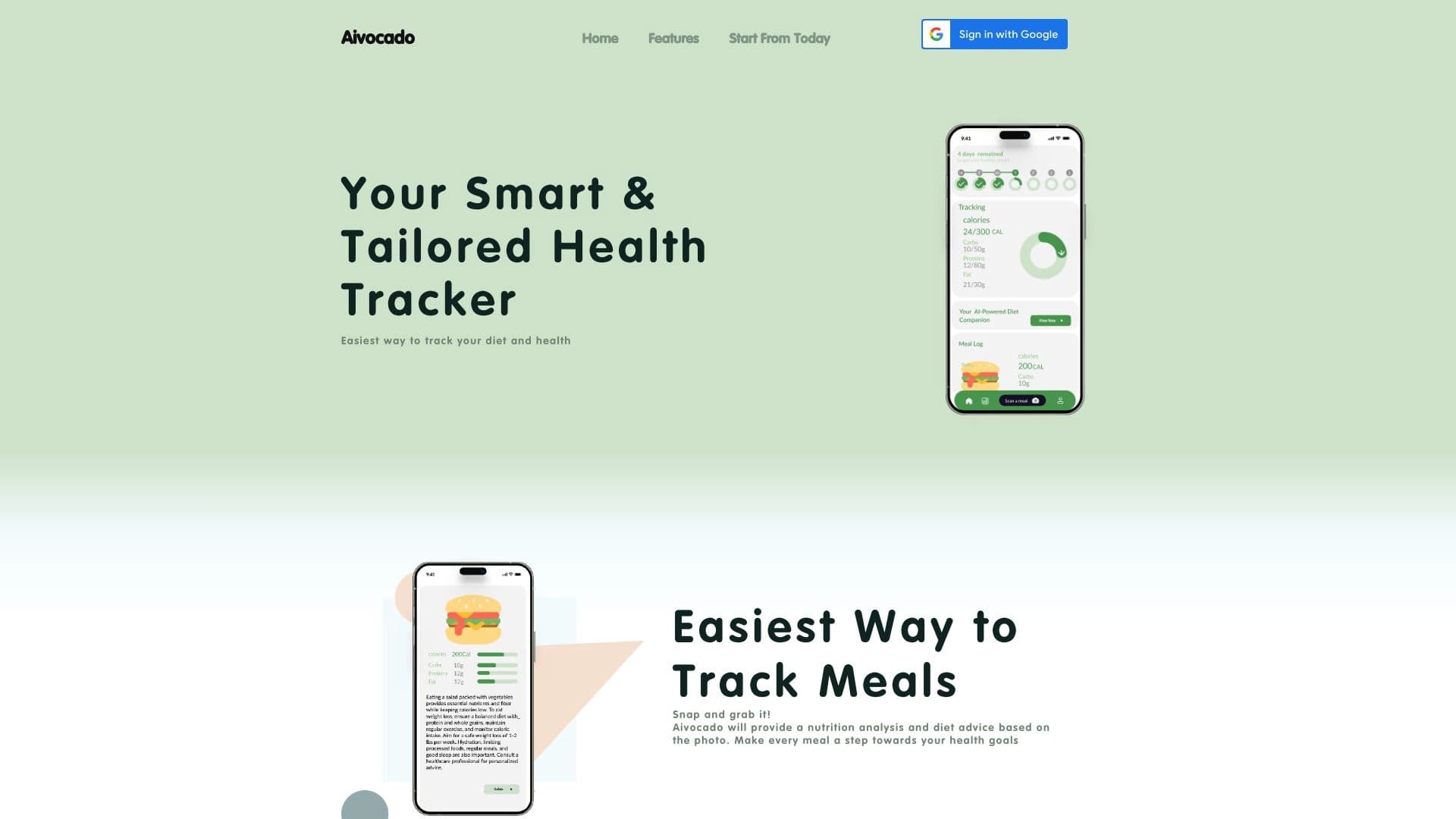
AI service for analyzing nutrition and creating personalized meal plans based on food photos.

AI tool for counting calories from a photo of food.

A multifunctional chatbot from OpenAI that works with text, images, audio, and video in a single conversation.


AI-powered app for collecting and analyzing laboratory test results.

A chatbot for emotional and informational support for people facing breast cancer and their loved ones.


A neural network for anonymous supportive dialogues on personal growth, health, and well-being.