

Dropzone
AI tool for automating security incident investigation and response in SOC.

Overview
Dropzone is a specialized tool for automating security incident investigation and response processes. The development is focused on Security Operations Centers (SOC), where hundreds and thousands of alerts from various security systems are processed daily.
The main purpose of Dropzone is to take over routine operations for the initial analysis of alerts. Instead of an analyst manually reviewing each alert, the system's AI agents perform preliminary investigation, classify threats, and take standard response measures. The specialist does not need to write scripts, create playbooks, or do any programming — everything is configured through an intuitive interface.
The tool integrates into an organization's existing IT infrastructure, connecting to current security solutions. This allows you to avoid changing familiar processes entirely, but rather delegate part of the tasks to automated agents.
Dropzone Characteristics
| Characteristic | Value |
|---|---|
| Type | Security incident investigation automation |
| Categories | Logs and monitoring, No-code and Low-code platforms |
| Website | www.dropzone.ai |
| Publication date | August 14, 2025 |
| Distribution model | Not specified |
| Code requirements | None, no script writing required |
| Integration | With existing security systems |
Who is Dropzone suitable for?
SOC Teams
The main target audience is security operations center analysts. Dropzone helps offload specialists who deal with a stream of similar incidents daily. The system handles initial processing, leaving only truly complex and non-standard cases to humans.
Information Security Specialists
Cybersecurity experts responsible for building protection processes get a tool that reduces incident response time without needing to expand staff or invest in lengthy automation development.
Companies with a High Volume of Incidents
Organizations whose infrastructure generates a significant number of alerts about potential threats are the most likely candidates for implementing Dropzone. The higher the volume of signals, the more noticeable the effect of automation.
How to use Dropzone?
Connecting to Security Systems
The first step is integrating Dropzone with corporate security systems. These can be SIEM solutions, intrusion detection systems, antivirus platforms, and other sources of security events. The completeness of the data to be analyzed directly depends on the quality of connection configuration.
Configuring Data Sources
After connection, you need to configure integrations with data sources. It is important to correctly determine which logs and events should enter the system so that AI agents receive relevant information for analysis.
Launching Automated Processing
Once integrations are configured, you can activate automated incident processing. The system begins to independently analyze incoming alerts, classify them, and perform response actions according to the embedded logic.
Monitoring and Reviewing Complex Cases
Dropzone does not completely remove humans from the process. Analysts are advised to periodically review reports generated by AI agents and manually handle cases that the system could not unambiguously classify or that require expert assessment.
Key Features of Dropzone
Automated Investigation and Classification of Alerts
The system independently processes incoming alerts about potential incidents. AI agents conduct preliminary investigations, determine the nature of the threat, its criticality level, and decide on further actions.
Response Without Writing Code
A key feature is the absence of any need to create scripts or scenarios. Users configure the logic of operation through the interface, not through programming. This significantly speeds up implementation and makes the tool accessible to specialists without deep technical development skills.
Autonomous Trained AI Agents
The platform is based on specialized AI agents trained to perform incident investigation tasks. They can independently navigate data, correlate events, test hypotheses, and produce results in the form of reports.
Integration with Existing Security Systems
Dropzone does not require a complete replacement of the current security stack. The tool connects to already used platforms and complements them with automated incident processing.
Advantages of Dropzone
Automated Processing of All Signals
The system investigates and classifies every incoming alert. Unlike manual operation, where some incidents may be missed or processed with delay, automation ensures full coverage of the event flow.
Reduced Workload for Analysts
SOC specialists are freed from routine operations of initial incident triage. Instead, they can focus on truly important tasks — analyzing complex threats, improving the security system, and strategic planning.
Faster Threat Response
AI agents work significantly faster than humans when processing standard alerts. This reduces the time from incident detection to the start of response, which is critical in the context of modern cyberattacks.
No Need to Develop Scenarios
Fast implementation without the programming phase of playbooks is a significant advantage for organizations that lack the resources or time to develop their own automation scenarios.
Disadvantages of Dropzone
Dependence on Input Data Quality
The effectiveness of AI agents directly depends on how complete and correct the data coming from security systems is. If the event source is poorly configured or logs are incomplete, the quality of investigations will decrease.
Integration Takes Time
Despite the lack of need to write code, connecting the tool to existing infrastructure still requires time. You need to configure integrations, verify correct operation, and adapt processes.
Risk of Excessive Automation
There is a danger that a significant portion of decisions will be made automatically without proper human oversight. In some cases, this can lead to errors, especially with non-standard or little-known types of threats.
What tasks does Dropzone solve?
Automating Incident Processing in SOC
The tool automates the full cycle of working with alerts — from receiving a signal to producing an investigation result. This helps streamline processes in the monitoring center and eliminate chaotic manual processing.
Reducing the Load on Security Analysts
The system takes over a significant portion of the routine work previously done by humans. Analysts can switch to more complex and interesting tasks that require human intelligence and expertise.
Accelerating Response to Cyber Threats
Through automated processing and classification of events, the time between threat detection and the start of response is reduced. This lowers the potential damage from attacks and increases the organization's overall cyber resilience.
Dropzone Pricing
Official information about the cost of using Dropzone is currently not disclosed. The distribution model and pricing plans are unknown. For up-to-date pricing information, it is recommended to contact the company's official representatives on the website www.dropzone.ai.
Terms of Use for Dropzone
Detailed terms of use for the platform have not been published in open sources. Implementation requires connecting to corporate security systems and configuring the necessary integrations. Before starting work, you need to check the tool's compatibility with the security technology stack used in the organization. Detailed infrastructure requirements and license agreements are clarified with the vendor.
Dropzone Availability
Information about the availability of Dropzone in various regions and for various types of organizations is limited. It is known that the official product website is www.dropzone.ai. The publication date of the service information is August 14, 2025. More detailed information about regional availability and usage restrictions is not available in open sources.
How Dropzone differs from analogues
A comparison with traditional SOAR platforms — Splunk SOAR and Palo Alto Cortex XSOAR — highlights key differences. The main difference lies in the approach to creating automation scenarios. Classic SOAR systems require manual writing of playbooks that describe incident processing logic. Dropzone, on the other hand, operates autonomously using trained AI agents that act without explicitly defined scenarios.
This provides an advantage in implementation speed — no time is spent on developing and debugging playbooks. However, the price for simplicity is less flexibility. When you need to build complex, multi-step business processes with fine-tuning, traditional SOAR systems offer more control and customization options.
Conclusion
Dropzone is a modern tool for automating cybersecurity incident investigation, aimed at SOC teams and companies with a high volume of alerts. Its main advantage is the lack of need to write scenarios and code, which reduces implementation time and lowers the entry barrier. However, the system's effectiveness depends on the quality of input data, and limited configuration flexibility may not suit organizations with complex processes. For teams that want to quickly offload analysts and speed up threat response without lengthy development, Dropzone is a worthy solution.
Frequently asked questions
See also

A platform for content creators that combines link management, email marketing, an online store, and analytics in a single visual editor without coding.
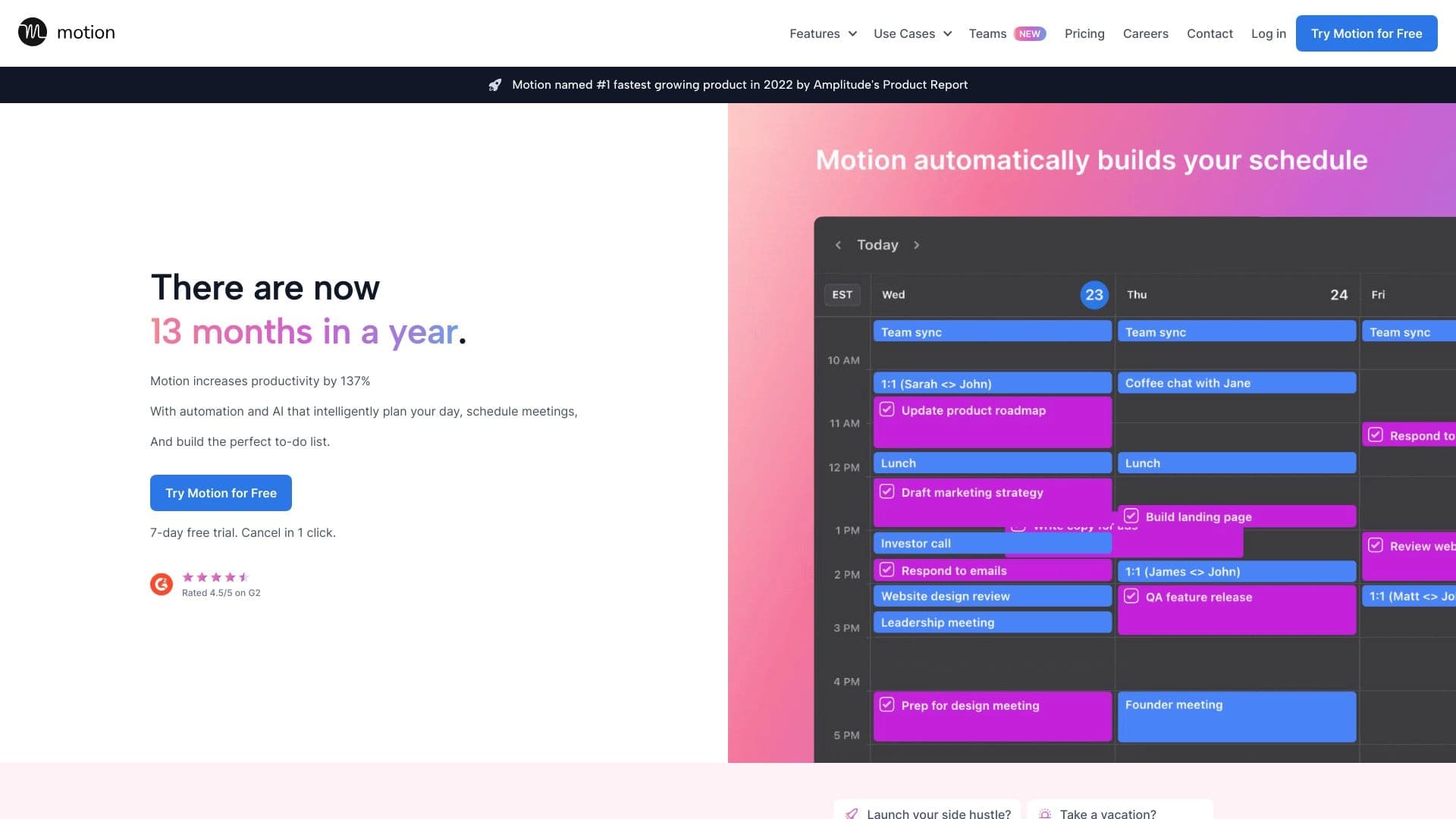

AI platform for automatic workday planning, task management, and prioritization.
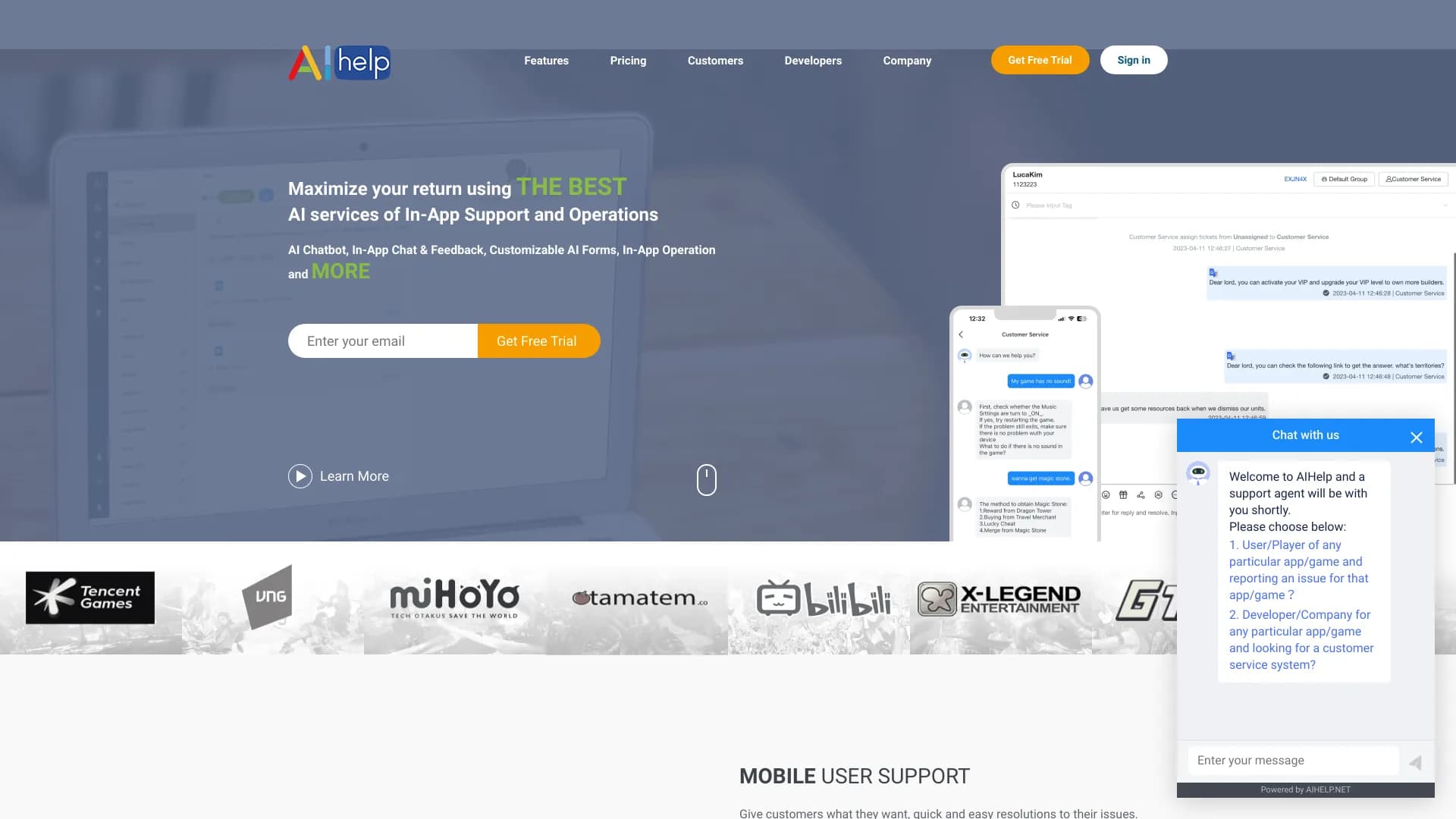

AI platform for user support in applications, including a chatbot and ticketing system.
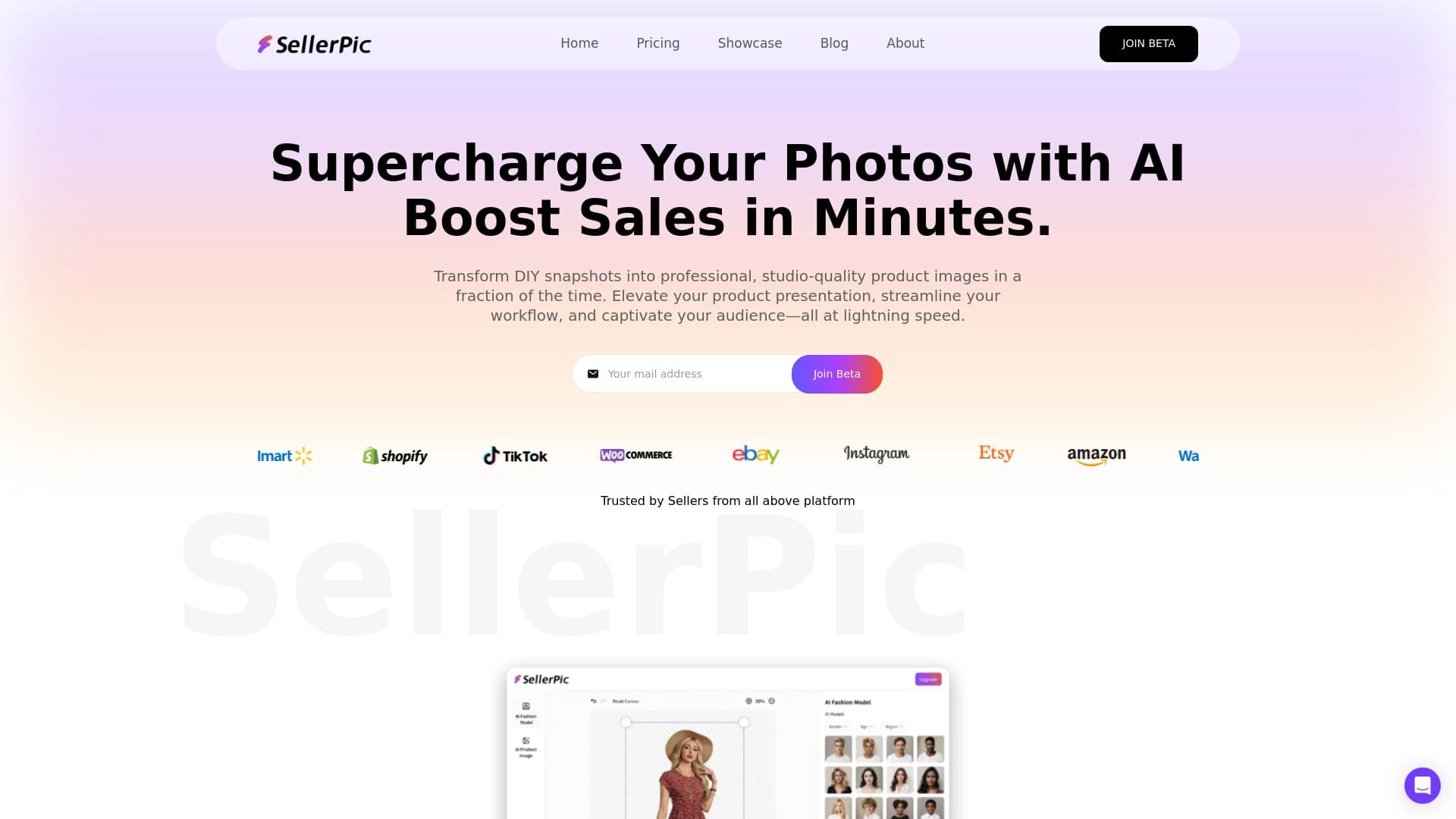

AI-based platform for creating and editing product images and videos for e-commerce sellers.
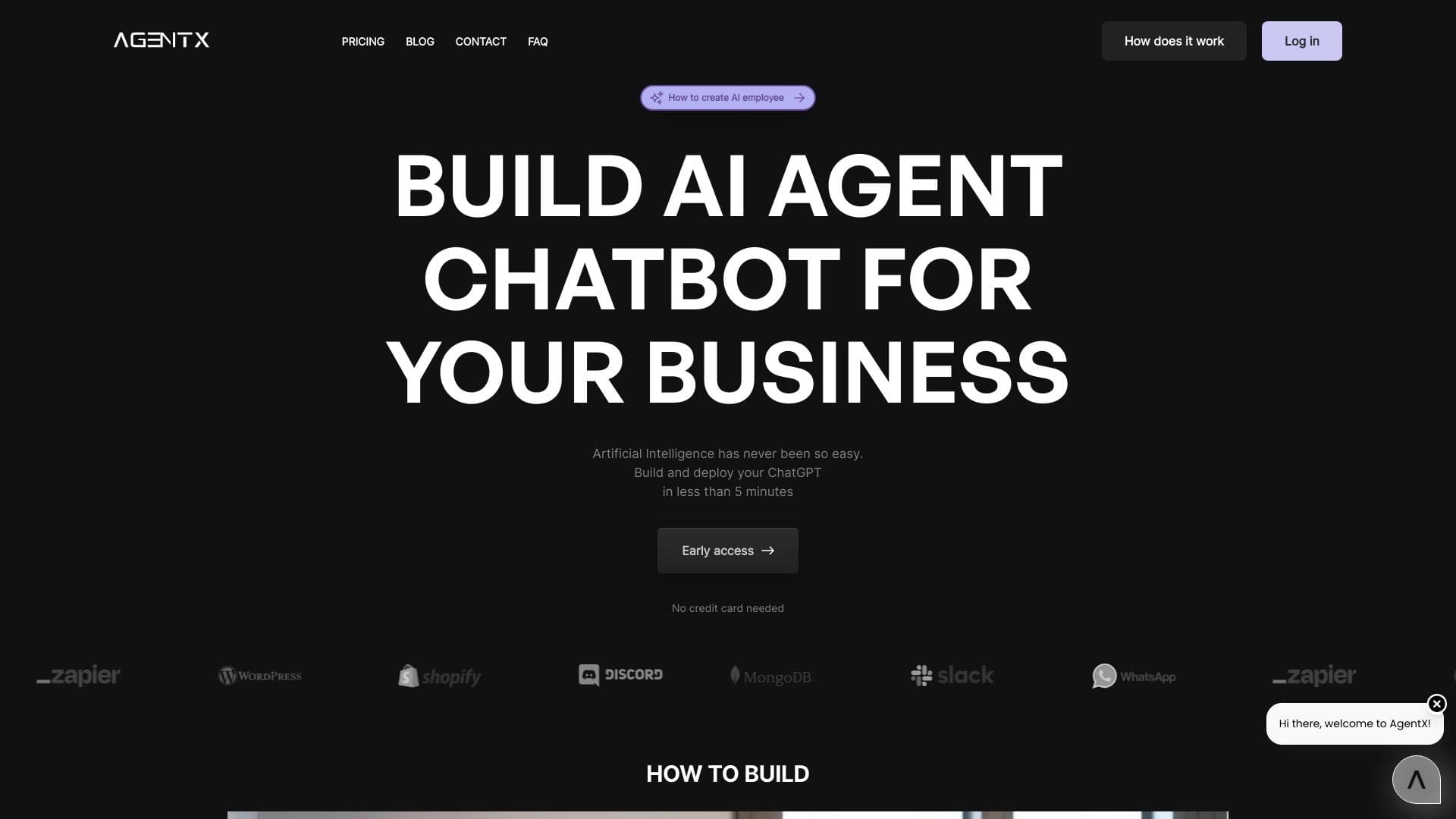

Platform for creating multi-agent AI systems and chatbots to automate customer support and lead generation.

Online AI-powered service for quickly creating presentations based on a given topic or an uploaded document.

AI tool for automating social media marketing, including content generation, post scheduling, and analytics.

Service for quickly generating e-books on a given topic.