

Depixelization PoC
A tool for restoring text from heavily pixelated images based on mathematical analysis.
Overview
Depixelization PoC is an experimental open-source tool designed to restore text from heavily pixelated images. The project is hosted on GitHub and serves as a proof of concept—a demonstration of a working approach rather than a finished commercial product.
The tool's key feature is its use of the mathematical method of De Bruijn sequences to analyze pixelation patterns. Instead of simply "guessing" characters, the neural network mathematically analyzes the blur structure and reconstructs the original characters with high accuracy.
How the tool works
The tool runs locally on the user's computer, ensuring full privacy: data is not transmitted to third-party servers or stored in the cloud. After downloading the project from GitHub, everything works fully offline, without an internet connection and without requiring registration.
Project status
It's important to understand that Depixelization PoC is not a final release with a polished interface, but a research demonstration. The project will be useful for developers, researchers, and anyone interested in image restoration methods; however, for the average user, it may require basic technical skills to run.
Depixelization PoC characteristics
| Characteristic | Value |
|---|---|
| Access type | Free |
| Category | Image editing |
| Business model | Free |
| Platform | GitHub |
| Tags | github, image-to-image |
| Hosting | GitHub (proof of concept) |
| Operation | Local, offline after download |
| Distribution model | Free |
Who is Depixelization PoC suitable for?
Students and learners
The tool will be useful for students who regularly work with photos of notes, lectures, and study materials. If the image quality leaves much to be desired—the photo turned out blurry or too small—Depixelization PoC can help restore readable text.
Office workers
Professionals who receive documents as screenshots or photos often face poor readability issues. The tool allows restoring text from abstracts, reports, and work documents that have suffered from compression or poor image export.
Users with high confidentiality requirements
Since the tool works locally and does not require an internet connection, it is suitable for processing sensitive data. Employees of banks, legal, and medical institutions can use it to restore text from documents without fearing data leaks through cloud services.
How to use Depixelization PoC
Step 1: Downloading the project
First, go to the project page on GitHub and download the repository. Since this is a proof of concept, the tool has no web version or mobile app—it runs on a local machine.
Step 2: Installation and launch
After downloading the repository, you need to install the dependencies specified in the project documentation and run the tool. The process requires basic command-line and Python skills.
Step 3: Image processing
Upload the pixelated image to the tool and wait for the analysis to complete. The result—restored text—will be output to the console or saved to a file, depending on the implementation.
Key features of Depixelization PoC
Restoring text from pixelated images
The tool's main function is turning unreadable pixel images into recognizable text. The system handles various types of blur and compression, as confirmed by test examples in the repository.
Using the De Bruijn sequence method
The core of the tool is the mathematical framework of De Bruijn sequences. This is not a standard machine learning method but a deterministic algorithm that analyzes pixelation patterns and reconstructs characters based on mathematical regularities.
Fully local operation
The tool does not require the internet after download and does not transmit data to external servers. All computations are performed on the user's computer, ensuring privacy and security of processed materials.
Advantages of Depixelization PoC
- Free — no payment, subscription, or license purchase required
- Open source — all components are available for study and modification
- Local operation — data never leaves the computer, ensuring confidentiality
- No registration required — no need to create an account or provide personal data
- Handles various types of blur — the tool works with images affected by compression, downscaling, and other distortions
Disadvantages of Depixelization PoC
Like any proof of concept, the tool has limitations. It has no graphical interface and requires launching via the command line, which can be difficult for users without technical skills. The project is not accompanied by comprehensive documentation and may require manual environment setup. Additionally, the tool does not guarantee text restoration on all images—its effectiveness depends on the degree of pixelation and the original quality of the material.
What problems does Depixelization PoC solve?
The tool is designed to restore readable text from pixelated images, which is relevant in several scenarios. It helps decipher documents marked as confidential that have undergone pixelation—for example, when there is a need to read hidden data in legal or corporate documents. The tool is effective for processing photos of lecture notes, especially when the shooting was done from a distance or in poor lighting. Depixelization PoC is also used to restore text from abstracts and work documents sent as low-resolution screenshots, and for working with study materials that have suffered from compression or blur during repeated copying.
Depixelization PoC pricing
Depixelization PoC is completely free. The project is distributed under an open license, so any user can download the source code from GitHub without any payments or hidden fees. There are no paid plans, premium features, or subscription fees.
Terms of use for Depixelization PoC
The tool does not require registration, payment, or providing personal information. To use it, you simply need to download the project from GitHub and run it locally. Since the source code is open, users can modify the tool to suit their needs, provided they comply with the project's license. The only requirement is having a suitable environment to run the code (Python and the necessary libraries).
Availability of Depixelization PoC
The project is hosted on GitHub and available for free download. After downloading the repository, the tool works locally and does not require an internet connection. This makes it accessible at any time and in any place, regardless of network availability. However, users will need a certain level of technical proficiency to install and configure the tool.
How Depixelization PoC differs from alternatives
The main difference between Depixelization PoC and other image restoration tools is its use of De Bruijn sequences instead of traditional neural network approaches. This makes the tool unique: it demonstrates an alternative mathematical method for solving the problem, which may be of interest to researchers and developers. Unlike commercial text recognition services, Depixelization PoC works fully offline, does not require sending data to third-party servers, and does not use a subscription distribution model. Most alternatives operate through cloud APIs or web interfaces, which may not be suitable for processing confidential documents.
Conclusion
Depixelization PoC is a free, local, open-source tool that uses the De Bruijn sequence method to restore text from pixelated images. It solves the problem of unreadable text in screenshots and document photos by working directly on the user's computer, ensuring data privacy and security. The tool is suitable for students, office workers, and anyone who needs to recognize pixelated text, and it will also be of interest to developers and researchers as an example of an alternative approach to image restoration. At the same time, it's important to note that the project is a proof of concept and requires basic technical skills to run.
Frequently asked questions
See also


Online service with artificial intelligence that automatically creates presentations on a given topic.
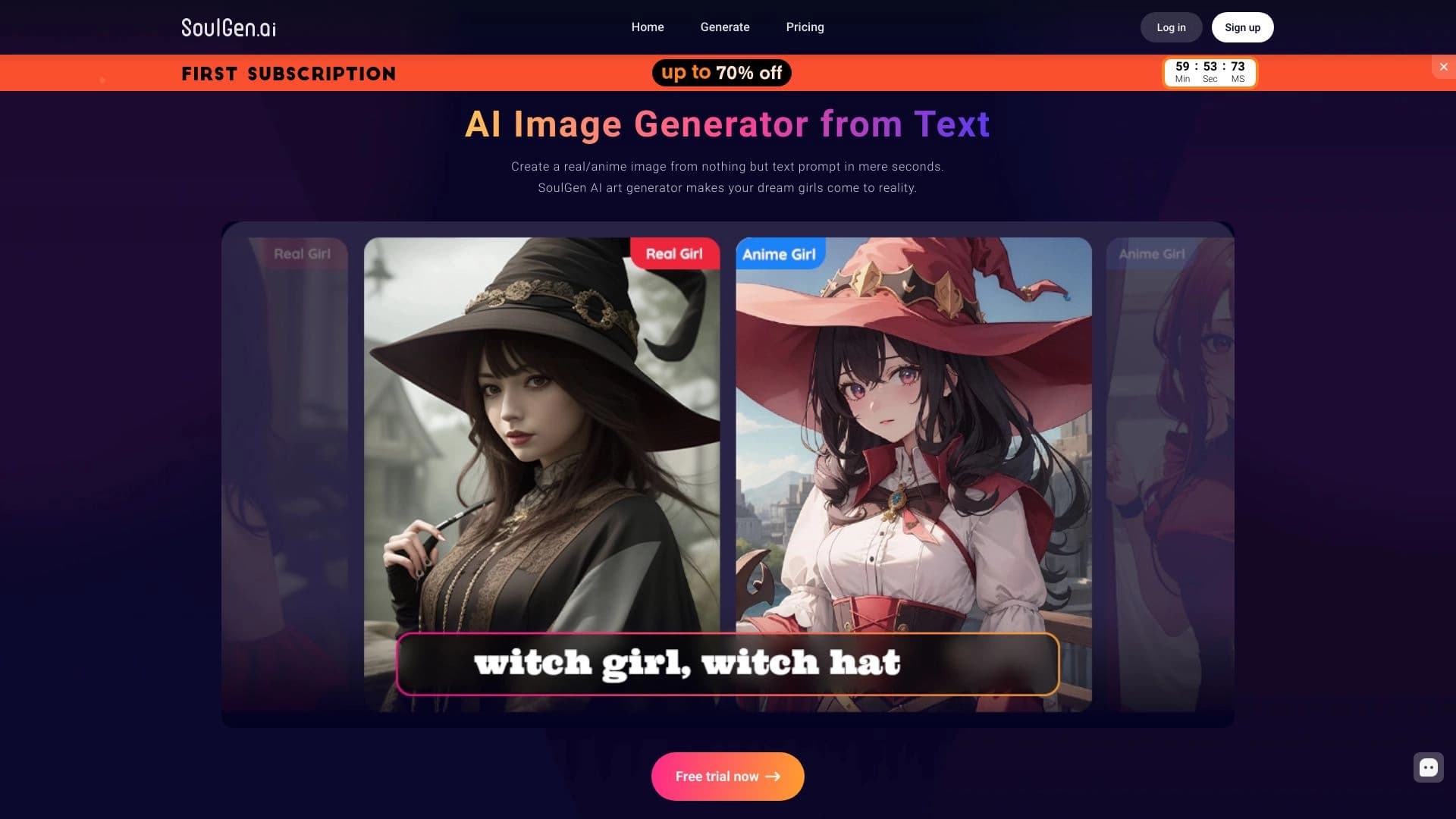

Web service for generating images from text descriptions and communicating with virtual characters.

Service analyzes photos of your appearance and clothing, providing personalized style advice.
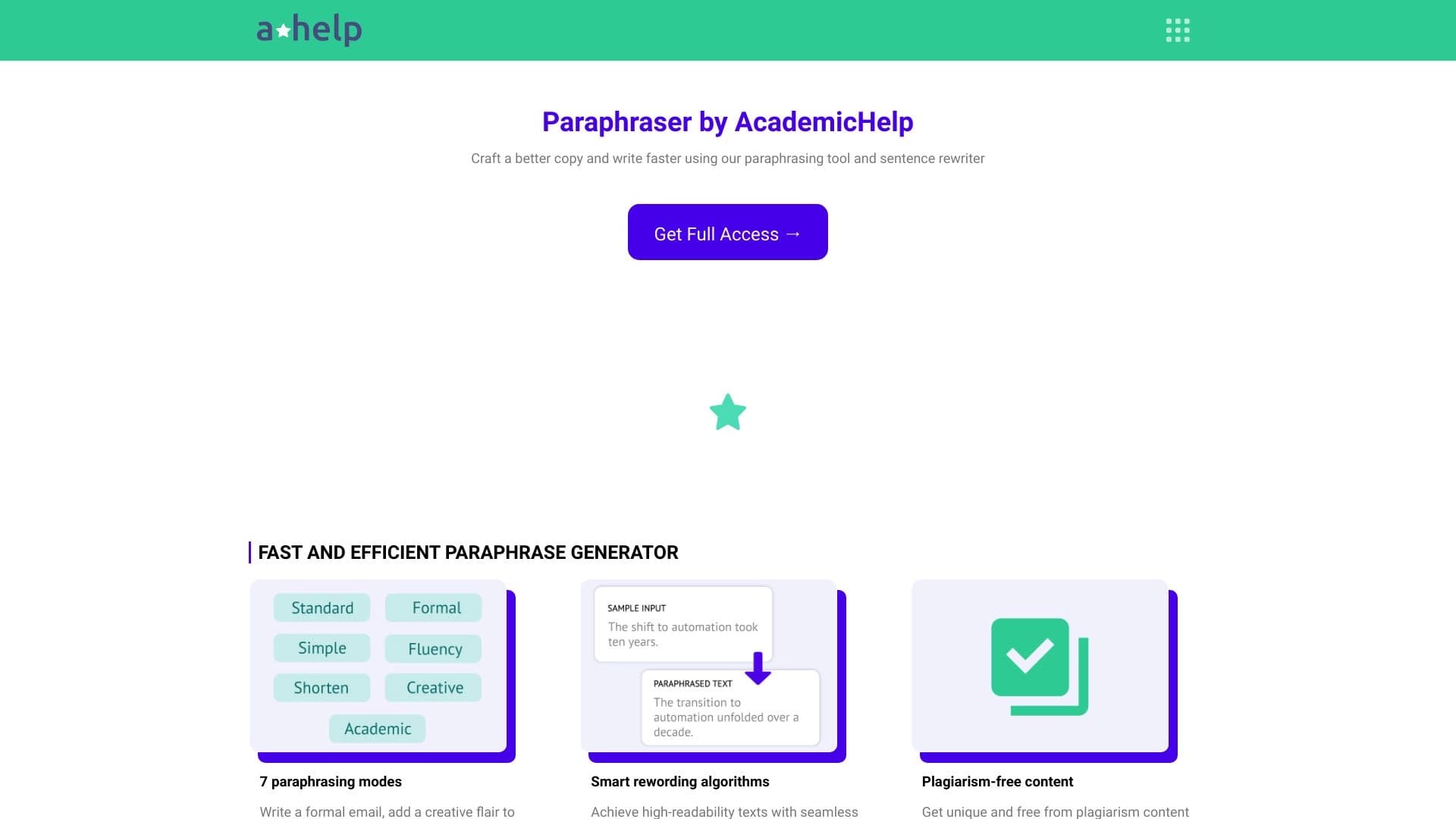

Online service for text paraphrasing with seven modes, helping you create unique content.
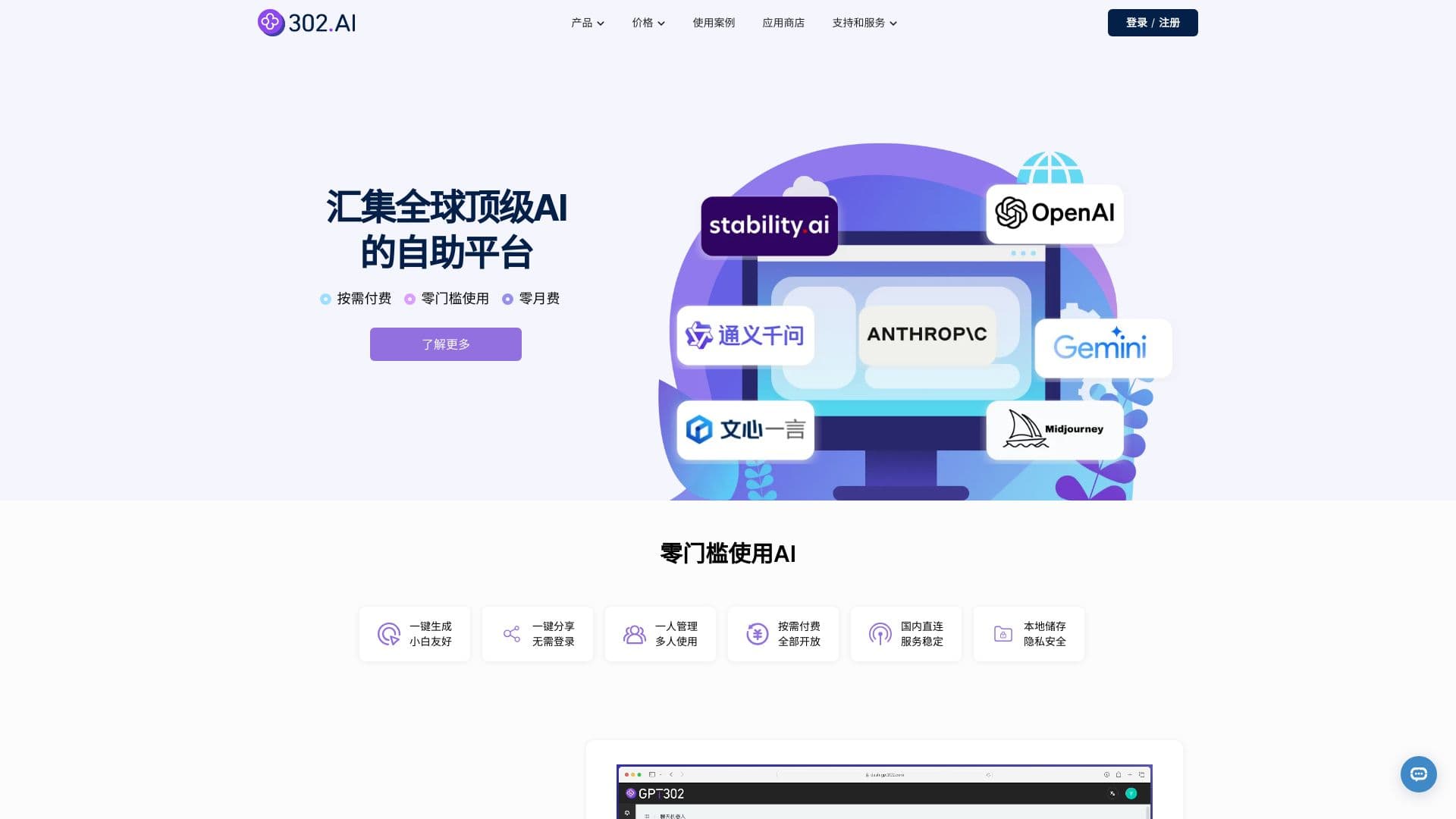

Aggregator platform that brings together various AI tools and language models with pay-as-you-go pricing.
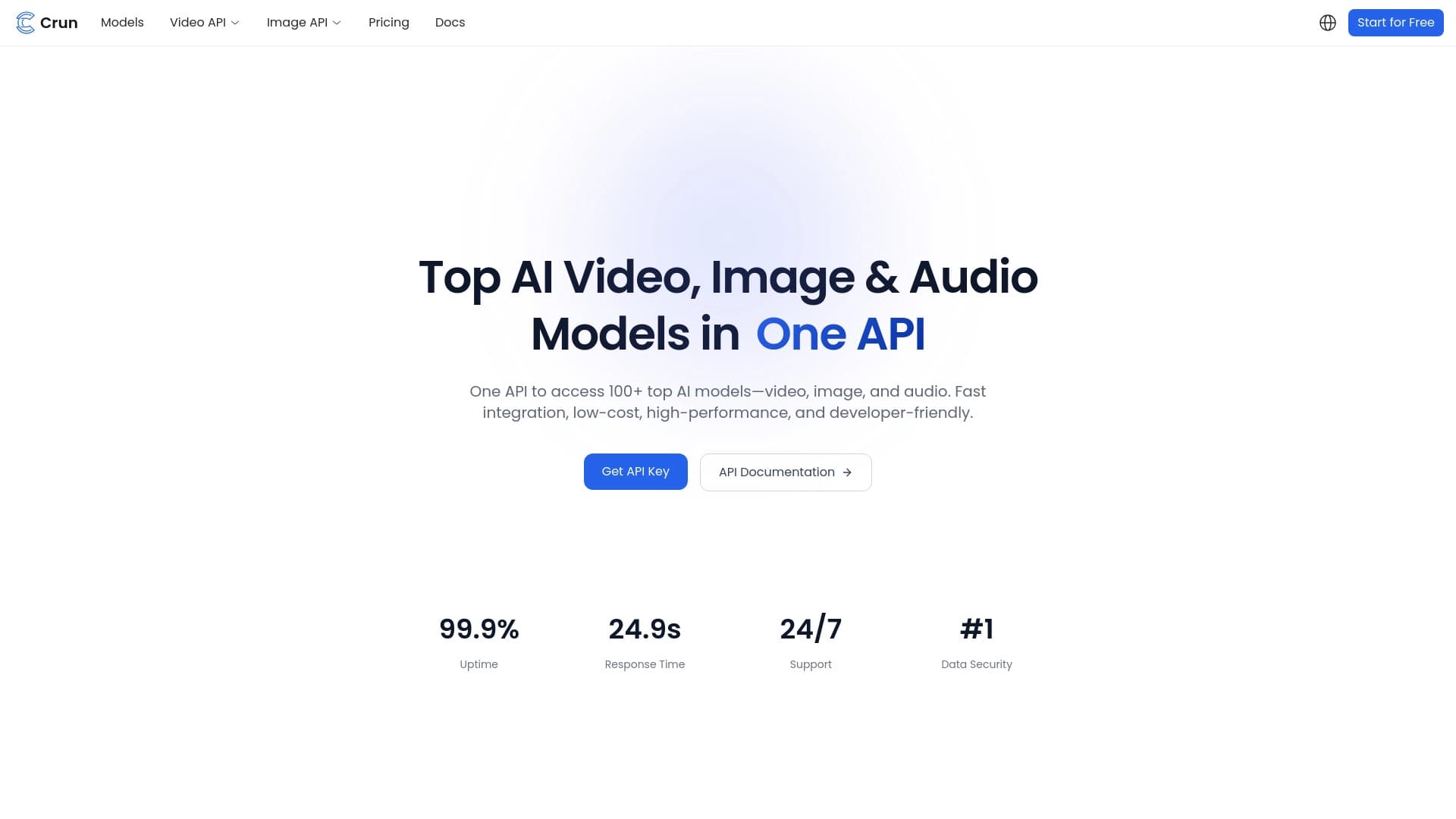
Unified API for accessing over 100 popular AI models for developers.

AI-powered online platform for quickly creating text content, including blogs, articles, and social media posts.

A platform for automating software development using a visual builder for AI agents.