
DeepSeek VL2 Tiny
Compact multimodal model for visual question-answering and text recognition.
Overview
DeepSeek VL2 Tiny is a compact multimodal model developed by DeepSeek. It is a scaled-down version of the larger DeepSeek-VL2 model and is built on the Mixture-of-Experts (MoE) architecture. Despite its small size, the model can efficiently work with visual information, making it useful for a wide range of image-related tasks.
The key feature of DeepSeek VL2 Tiny is its ability to process text and images simultaneously. Thanks to the MoE architecture, the model activates only the necessary components for each specific task, maintaining high performance without excessive computational costs. This is especially valuable for users with limited resources.
The model shows strong results on standard benchmarks, including AI2D (71.6%), ChartQA (81.0%), and DocVQA (88.9%). The developers have released the model as open source, allowing it to be integrated into your own projects without additional approvals.
DeepSeek VL2 Tiny Specifications
| Specification | Value |
|---|---|
| Type | Multimodal |
| Developer | DeepSeek |
| Parameters | 3.0B |
| Release Date | December 13, 2024 |
| Average Score | 63.1% |
| Architecture | Mixture-of-Experts (MoE) |
| License | deepseek |
Who is DeepSeek VL2 Tiny for?
AI Developers and Researchers
DeepSeek VL2 Tiny will be useful for professionals building applications that require image analysis. Thanks to the open access to the model and its small size, developers can easily integrate it into their products — from mobile apps to web services. The MoE architecture allows the model to run even on mid-range hardware, lowering the barrier to entry.
Companies Working with Documents
Organizations that regularly process documents, spreadsheets, and invoices can use DeepSeek VL2 Tiny to automate routine workflows. The model can recognize text in images, extract structured data, and answer questions about document content. This is particularly relevant for accounting, legal, and logistics teams.
Visual Content Specialists
Designers, editors, and content managers can use DeepSeek VL2 Tiny to search for information in images, generate descriptions, and categorize visual content. The model understands what is depicted in pictures and can answer questions about the content — simplifying work with large media libraries.
How to Use DeepSeek VL2 Tiny
Download and Installation
The model is available for download on the Hugging Face platform. To get started, download the model files and connect them via popular machine learning frameworks. Installation does not require specialized knowledge — the repository includes instructions and code examples.
Integration into a Project
After downloading the model, you can use it locally or on a server. If you are developing an application, the model connects to your code through standard libraries for working with multimodal models. For automation needs, you can set up an API interface that accepts images and returns processing results. DeepSeek VL2 Tiny runs fast enough for real-time use.
Key Features of DeepSeek VL2 Tiny
Image and Visual Data Processing
The model supports multimodality — it can accept images as input and return text-based responses. DeepSeek VL2 Tiny recognizes objects, scenes, and overall context, which serves as the foundation for other tasks.
Visual Question Answering
Users can ask questions about an image, and the model will provide a detailed text answer. This works like a dialogue with AI about the depicted object. This feature is applicable to education, expert systems, and reference tools.
Optical Character Recognition (OCR)
DeepSeek VL2 Tiny can extract text information from images of varying quality: photos of signs, screenshots, and scanned pages. The recognized text can be used for further processing or analysis.
Understanding Documents, Tables, and Diagrams
The model analyzes the structure of complex documents, including tables, charts, and diagrams, extracting useful data from them. This is helpful for automating reporting and analyzing statistical materials.
Visual Grounding
The model can identify specific objects in an image — for example, finding the required elements based on a text description or correlating visual details with textual mentions.
Advantages of DeepSeek VL2 Tiny
Strong results on specialized benchmarks (DocVQA 88.9%, ChartQA 81.0%, AI2D 71.6%) in a compact size — the model scales without losing quality on standard tasks.
The open license and availability on Hugging Face allow the model to be used in commercial projects without purchasing expensive API subscriptions. Open source code guarantees transparency of the algorithm's operation.
Energy efficiency and low resource requirements thanks to the MoE architecture, which activates only the necessary components. This allows the model to run on modest hardware and reduces operating costs.
Disadvantages of DeepSeek VL2 Tiny
Like any compact model, DeepSeek VL2 Tiny falls short of larger versions in complex scenarios. The average score of 63.1% indicates that the model may make mistakes in non-standard situations that require deep contextual understanding.
For the best possible performance with Russian-language documents, additional fine-tuning may be required, as the model is primarily oriented toward English-language data. There are also no official details on deployment scenarios for high-load systems.
The fine-tuning process deserves special attention: without sufficient machine learning experience, users may encounter difficulties adapting the model to specific tasks.
What Tasks Does DeepSeek VL2 Tiny Solve?
Visual Question Answering Tasks
The model receives an image and a question, then generates a correct text response. This functionality enables image analysis in a conversational mode.
Text Recognition in Images
The model extracts text information from photos and screenshots. This can be used for document digitization or quickly copying text from an image.
Analysis and Understanding of Documents, Tables, and Diagrams
The model structures information from complex visual objects. This is convenient for building reports, extracting financial metrics, or processing survey forms.
Visual Grounding Tasks
The model can match verbal descriptions to specific visual elements in an image. This serves as the foundation for building computer vision systems and interactive assistants.
DeepSeek VL2 Tiny Pricing
DeepSeek VL2 Tiny is distributed completely free of charge. Using the model requires no subscription fees, license purchases, or other payments. Since the model is open source, users are responsible for their own computing resources to run it and only incur costs for their own hardware or cloud servers.
Terms of Use for DeepSeek VL2 Tiny
The model is released under its own deepseek license. This means you are free to use, modify, and distribute the model within the terms of that license. The open source code ensures transparency and accessibility for study. Before using the model, it is worth reviewing the official license text to ensure that your project's goals do not conflict with the stated requirements.
Availability of DeepSeek VL2 Tiny
The model is available for public download via the popular Hugging Face platform. This provides easy access to the model files, necessary documentation, and usage examples. Since the model is free and open, it is available to users and developers worldwide without regional restrictions.
How DeepSeek VL2 Tiny Differs from Alternatives
DeepSeek VL2 Tiny is part of the DeepSeek VL2 model family, which also includes the base DeepSeek VL2 and DeepSeek VL2 Small versions. The Tiny version differs by having a reduced number of parameters while retaining key functionality. This makes it an optimal choice for quick integration and running on less powerful hardware.
Other alternatives include Phi-3.5-vision-instruct from Microsoft, Granite 3.3 8B Base from IBM, and Gemma 3 4B from Google. Unlike these models, DeepSeek VL2 Tiny uses the Mixture-of-Experts architecture, which provides higher efficiency with a smaller activated parameter volume. It is also specialized for vision-language tasks, whereas Granite 3.3 8B Base and Gemma 3 4B are more general-purpose language models.
Related models such as DeepSeek R1 Distill Qwen 1.5B/7B and DeepSeek R1 Distill Llama 8B focus on text-based tasks, while DeepSeek VL2 Tiny is designed from the ground up for image processing and multimodal analysis.
Conclusion
DeepSeek VL2 Tiny is a practical tool for working with visual information, combining a compact size, high performance, and an open license. The model delivers strong results on document, table, and diagram recognition tasks, and its ease of integration makes it accessible to a wide range of users. If your task involves image analysis and extracting text information, DeepSeek VL2 Tiny is a worthy option to consider.
Frequently asked questions
See also
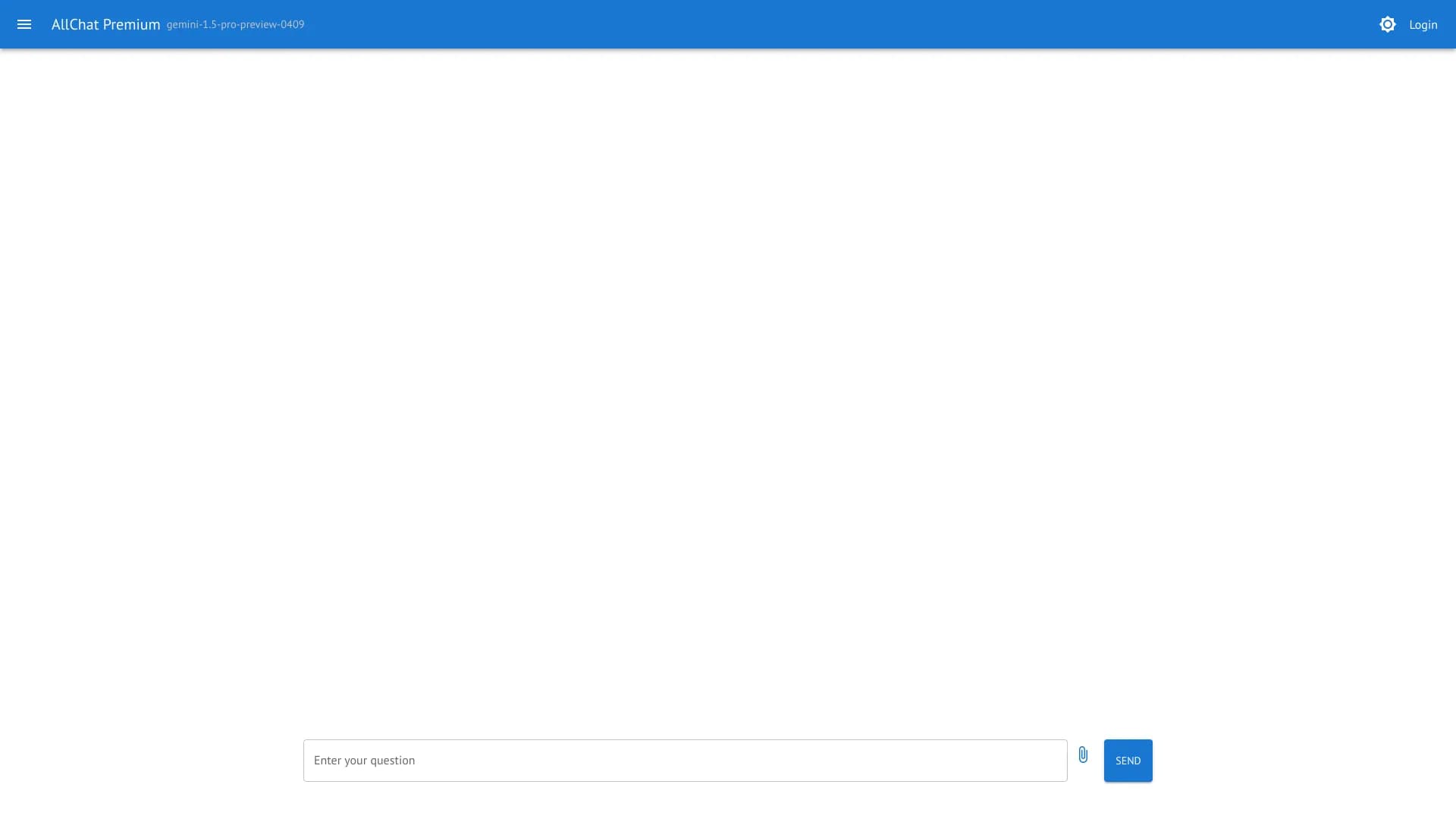
AllChat is a universal platform that combines several popular language models in a single interface for communication, image generation, file analysis, and code execution.
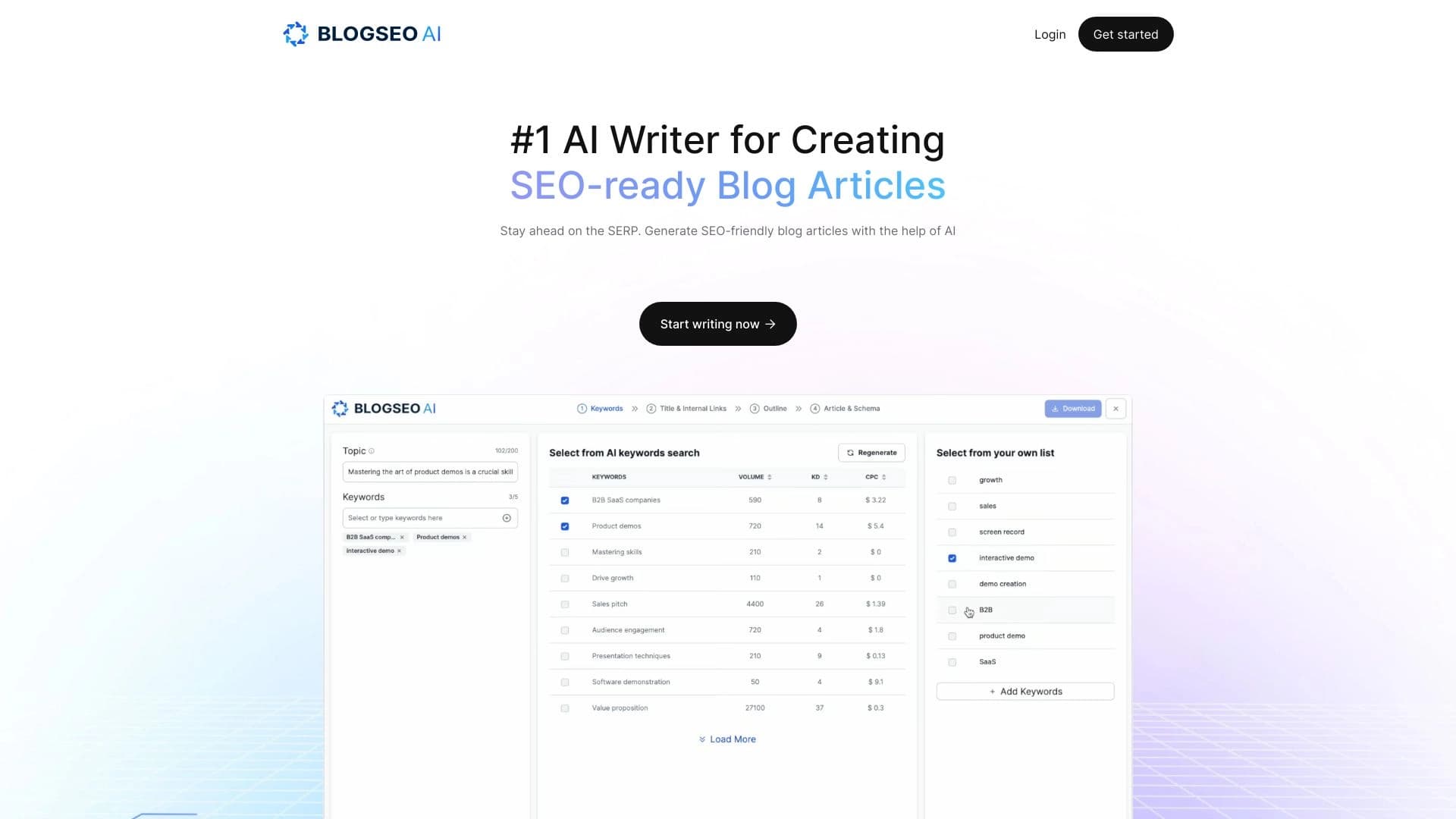

AI tool for creating SEO-optimized multilingual content.

A platform for automating software development using a visual builder for AI agents.
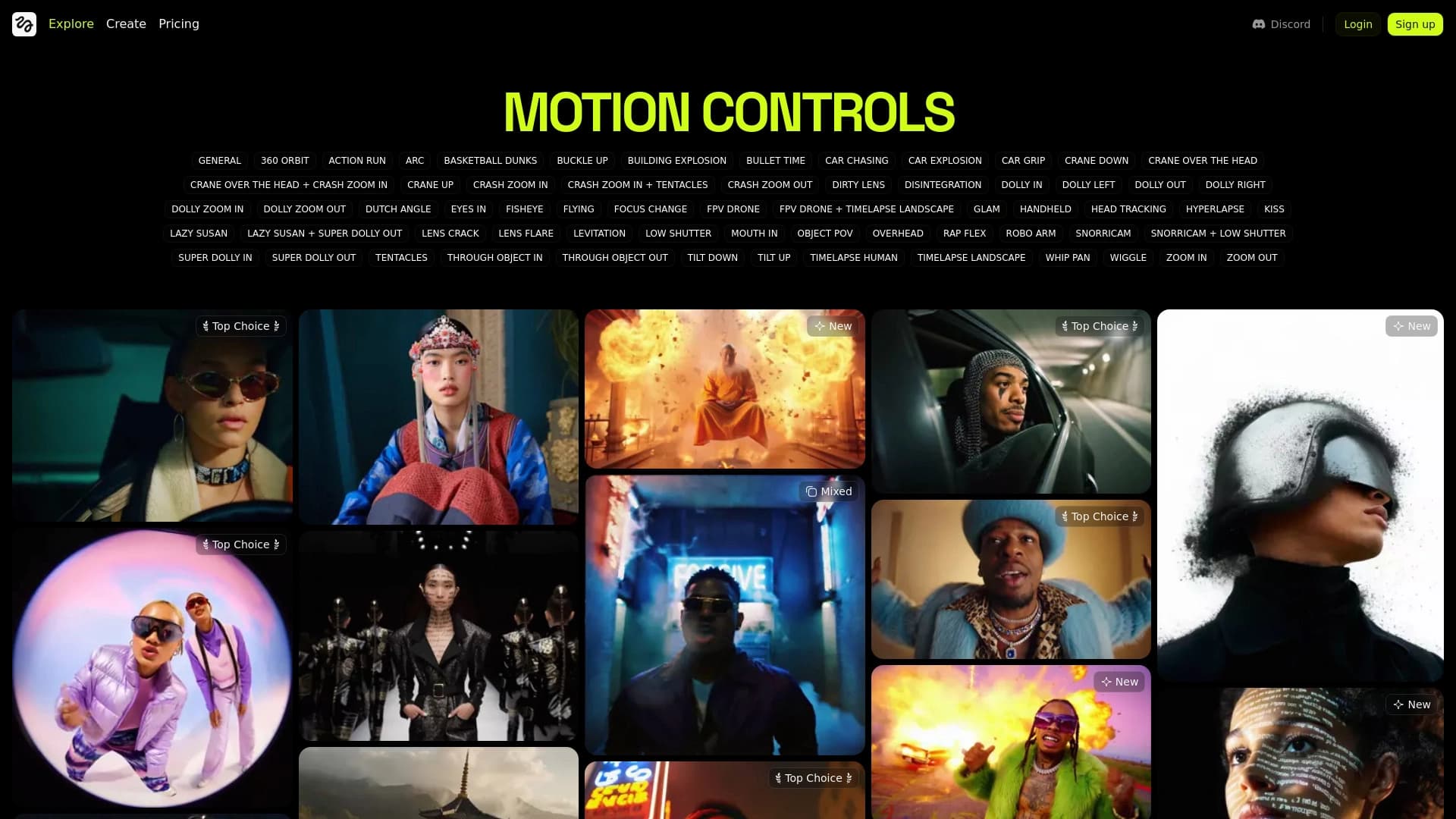

Generative platform for creating realistic images and short videos from text or images with control over style and camera movement.

AI-powered online service for automatically creating presentations from text, PDF, audio, video, or URL links.
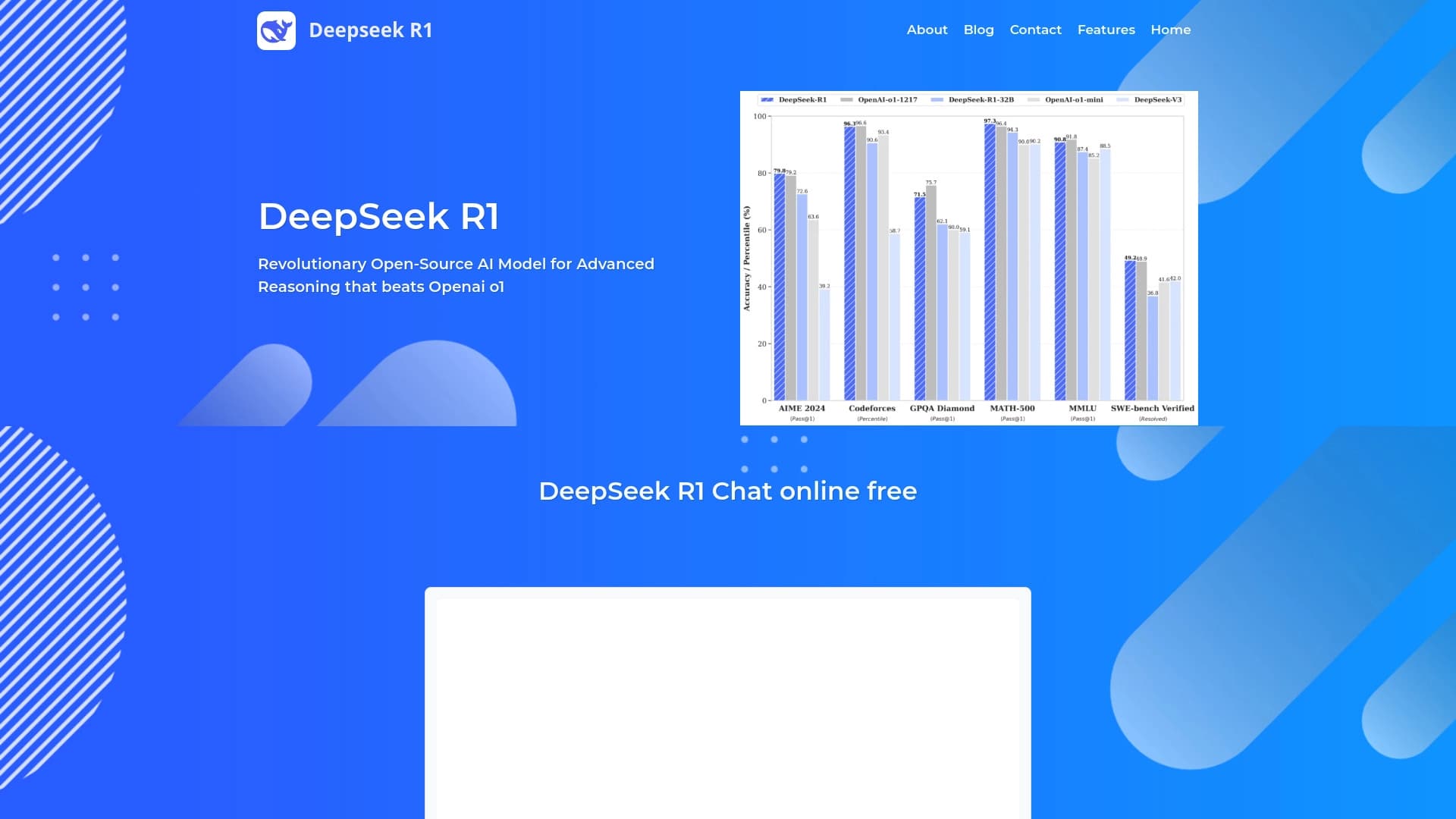

Open neural network for solving complex problems in mathematics, programming, and logic.
Anakin.ai is a low-code platform that combines various AI models for content creation and workflow automation without coding.

Neural network that generates images and illustrations based on a text description.