
DeepSeek Coder V2
Открытая кодовая модель на архитектуре Mixture of Experts с 236 млрд параметров для генерации и работы с программным кодом.
Обзор
DeepSeek Coder V2
Описание нейросети DeepSeek Coder V2
DeepSeek Coder V2 — это открытая кодовая модель, построенная на архитектуре Mixture of Experts (MoE), которая предназначена для генерации, анализа и автодополнения программного кода. Модель насчитывает 236 миллиардов параметров, однако благодаря архитектуре MoE в каждый момент времени активно лишь 21 миллиард, что обеспечивает высокую скорость инференса без потери качества. Релиз состоялся в июне 2024 года от компании DeepSeek.
Модель обучена на 338 языках программирования, включая как популярные (Python, JavaScript, C++), так и редкие (Coq, Lean, Julia), и поддерживает контекстное окно объёмом до 128K токенов. Это позволяет ей обрабатывать крупные файлы и сложные проекты целиком. Для тех, кто хочет запускать модель на обычных видеокартах, выпущена облегчённая версия DeepSeek Coder V2 Lite (16B параметров, активны 2.4B), которая работает на GPU с 12–16 ГБ видеопамяти.
Характеристики DeepSeek Coder V2
| Характеристика | Значение |
|---|---|
| Тип | Код, Текст |
| API | Да |
| Open Source | Да |
| Архитектура | MoE (Mixture of Experts) |
| Параметры | 236 млрд (активны 21 млрд) |
| Контекст | 128K токенов |
| Языки программирования | 338 языков |
| Дата выхода | 17 июня 2024 |
| Разработчик | DeepSeek |
| Бесплатный тариф | Да (open source, self-hosted) |
Для кого подходит нейросеть DeepSeek Coder V2?
Разработчики, нуждающиеся в мощной открытой модели
DeepSeek Coder V2 в первую очередь предназначена для программистов, которые ищут открытую альтернативу проприетарным решениям. Модель подходит как для профессиональной ежедневной работы, так и для исследовательских задач в области машинного обучения и генерации кода.
Команды, работающие с редкими языками программирования
Благодаря поддержке 338 языков, включая такие специфические, как Coq и Lean, модель будет полезна разработчикам, использующим нишевые языки и формальные методы верификации кода.
Разработчики, предпочитающие локальный запуск
Версия Lite позволяет запускать модель на потребительских видеокартах, что важно для тех, кто хочет сохранить контроль над данными и не использовать облачные API.
Как использовать нейросеть DeepSeek Coder V2?
Через облачный API
Модель доступна через официальный DeepSeek API. Это самый простой способ: не требуется мощное оборудование, достаточно отправить HTTP-запрос и получить результат. Цены на API составляют от $0.14 за 1 млн входных токенов и $0.28 за 1 млн выходных токенов для полной модели.
Локальный запуск (self-hosted)
Полная версия модели (236B) доступна на Hugging Face и требует нескольких GPU для развёртывания. Для тех, у кого ограниченные ресурсы, существует Lite-версия (16B), способная работать на одной видеокарте с 12–16 ГБ VRAM. Исходный код и веса опубликованы в открытом репозитории на GitHub.
Интеграция с IDE
DeepSeek Coder V2 поддерживает плагины для популярных сред разработки: VS Code, JetBrains, Neovim. Также доступна интеграция с платформами Continue.dev и Cody, что позволяет встраивать модель в существующий рабочий процесс без необходимости писать интеграцию с нуля.
Основные функции DeepSeek Coder V2
Архитектура Mixture of Experts
Из 236 миллиардов параметров в каждый момент активно только 21 миллиард. Это означает, что модель тратит меньше вычислительных ресурсов на инференс, сохраняя качество, сравнимое с моделями, использующими все параметры. Эффективность MoE — ключевое преимущество перед традиционными плотными архитектурами.
Поддержка 338 языков программирования
DeepSeek Coder V2 обучена на огромном корпусе кода, включающем как мейнстримовые языки (Python, Java, C++, JavaScript, TypeScript, Go, Rust), так и редкие (Coq, Lean, Julia). Это делает её универсальным инструментом для проектов, где используются нестандартные технологии.
Контекстное окно 128K токенов
Модель способна обрабатывать до 128 тысяч токенов за один запрос. Этого достаточно, чтобы проанализировать весь код среднего по размеру проекта или файл с тысячами строк, не разбивая его на части.
Режим Fill-in-the-Middle (FIM)
FIM — режим автодополнения, при котором модель учитывает контекст как до курсора, так и после него. Это критически важно для работы в IDE: код дописывается осмысленно, с учётом уже написанного продолжения. Без этого режима качественное автодополнение в реальном времени невозможно.
Облегчённая версия Lite
DeepSeek Coder V2 Lite (16B, активны 2.4B) предназначена для запуска на потребительских GPU. По производительности она сопоставима с CodeLlama 34B, но требует вдвое меньше видеопамяти, что делает её доступной для широкого круга разработчиков.
Преимущества DeepSeek Coder V2
Производительность на уровне GPT-4 Turbo при открытом исходном коде
На бенчмарках HumanEval и MBPP модель превосходит GPT-4 Turbo, при этом являясь полностью открытой. Это редкое сочетание: высокая точность генерации кода и возможность изучать, модифицировать и дообучать модель без ограничений.
Экономическая эффективность
API DeepSeek Coder V2 значительно дешевле, чем у OpenAI или Anthropic. Для пользователей, развёртывающих модель локально, затраты сводятся только к стоимости оборудования и электроэнергии — лицензионных отчислений нет.
Доступность Lite-версии для слабого оборудования
Версия Lite (16B) работает на видеокартах с 12–16 ГБ VRAM, то есть на многих потребительских GPU. Это позволяет запускать модель локально без покупки дорогих серверных решений, сохраняя при этом достойное качество для повседневных задач.
Коммерческая лицензия
Лицензия модели разрешает коммерческое использование, что снимает ограничения для бизнеса и стартапов, которые хотят встроить её в свои продукты.
Недостатки DeepSeek Coder V2
Высокие требования к ресурсам для полной версии
Полная версия на 236B параметров требует нескольких GPU для self-hosted развёртывания. Это делает её локальный запуск недоступным для большинства индивидуальных разработчиков без доступа к кластеру или мощным серверным видеокартам.
Слабее на задачах фронтенда с нестандартными фреймворками
Несмотря на общую высокую производительность, модель может уступать специализированным решениям при работе с редкими или новыми фронтенд-фреймворками. Если проект использует малораспространённую библиотеку, качество генерации может снижаться.
Ограничения документации
Документация и основное комьюнити вокруг модели существуют преимущественно на английском и китайском языках. Русскоязычных материалов и поддержки на русском языке пока значительно меньше, хотя модель сама по себе понимает русскоязычные запросы.
Какие задачи решает DeepSeek Coder V2
Написание и анализ кода
Модель способна генерировать код по текстовому описанию, писать функции, классы, модули и целые скрипты. Она также может анализировать существующий код, объяснять его логику и предлагать оптимизации.
Реализация сложных алгоритмов
DeepSeek Coder V2 хорошо справляется с алгоритмическими задачами: сортировка, поиск, работа с графами, динамическое программирование и другие классические и современные алгоритмы. Это подтверждается её результатами на бенчмарке HumanEval.
Поиск и исправление неочевидных багов
Благодаря большому контекстному окну и глубокому пониманию кода модель может находить логические ошибки, которые трудно заметить при ручной проверке. Она подходит для code review и отладки.
Рефакторинг крупных кодовых баз
Контекст в 128K токенов позволяет модели обрабатывать большие файлы и даже целые проекты, что делает её пригодной для рефакторинга: переименование переменных, вынесение повторяющихся фрагментов в функции, изменение архитектуры модулей.
Автодополнение кода в реальном времени
Благодаря режиму FIM модель может использоваться как движок автодополнения в IDE. Она подсказывает продолжение строки, дописывает блоки кода и предлагает варианты завершения конструкций, учитывая контекст до и после курсора.
Цены DeepSeek Coder V2
Модель DeepSeek Coder V2 распространяется бесплатно в формате open source — любой желающий может скачать веса и запустить их на своём оборудовании без каких-либо платежей. Для тех, кто предпочитает не разворачивать модель самостоятельно, доступен официальный DeepSeek API с оплатой за использование: $0.14 за 1 миллион входных токенов и $0.28 за 1 миллион выходных токенов для полной версии модели. Это существенно дешевле, чем тарифы на аналогичные по производительности модели от OpenAI и Anthropic.
Условия использования DeepSeek Coder V2
Модель имеет открытый исходный код, и её лицензия разрешает коммерческое использование. Это означает, что разработчики и компании могут встраивать DeepSeek Coder V2 в свои продукты, дообучать её на собственных данных и распространять модифицированные версии без выплаты отчислений. Для работы с полной версией модели (236B) требуется несколько GPU — это техническое, а не юридическое ограничение. Lite-версия (16B) может запускаться на одной видеокарте с 12–16 ГБ VRAM.
Доступность DeepSeek Coder V2
Модель доступна для скачивания на Hugging Face и на официальном GitHub-репозитории DeepSeek. Она поддерживает 338 языков программирования. Документация и основное комьюнити сосредоточены на английском и китайском языках. Русскоязычные запросы и комментарии модель понимает, но для достижения максимального качества рекомендуется формулировать технические задачи чётко и конкретно, без излишних нарративных пояснений. Плагины для интеграции с IDE доступны для VS Code, JetBrains и Neovim.
Чем отличается DeepSeek Coder V2 от аналогов
Превосходство над GPT-4 Turbo при открытом исходном коде
DeepSeek Coder V2 превосходит GPT-4 Turbo на бенчмарках HumanEval и MBPP, оставаясь при этом полностью открытой моделью. Это ключевое отличие: ни одна из проприетарных моделей OpenAI или Anthropic не предоставляет доступа к весам и не разрешает коммерческого использования без оплаты.
Значительно более низкая стоимость API
По сравнению с API от OpenAI и Anthropic, DeepSeek Coder V2 предлагает кратно более низкие цены за токен. При сопоставимом или лучшем качестве генерации кода это делает модель экономически выгодным выбором для стартапов и компаний с большими объёмами запросов.
Lite-версия как конкурент CodeLlama 34B
DeepSeek Coder V2 Lite (16B) сопоставима по производительности с CodeLlama 34B, но требует вдвое меньше видеопамяти. Это позволяет запускать её на более доступном оборудовании, что особенно важно для индивидуальных разработчиков и небольших команд.
Заключение
DeepSeek Coder V2 — открытая кодовая модель на архитектуре Mixture of Experts, которая сочетает производительность на уровне GPT-4 Turbo с доступностью, обеспечиваемой открытым исходным кодом и дешёвым API. Благодаря поддержке 338 языков программирования, контексту в 128K токенов и наличию облегчённой версии Lite, она подходит для широкого круга задач разработки: от автодополнения в IDE до анализа и рефакторинга крупных кодовых баз. Для тех, кто ищет мощную и экономичную альтернативу проприетарным решениям, DeepSeek Coder V2 является одним из наиболее привлекательных вариантов на рынке.
Часто задаваемые вопросы

Смотрите также

Онлайн-сервис для создания аниме-изображений по текстовому описанию за несколько секунд.

Бесплатный веб-инструмент от Google, который с помощью машинного обучения превращает грубые наброски в аккуратные иконки и иллюстрации.


AI-помощник для быстрого создания и редактирования текстов в различных форматах.
AI-инструмент для обработки изображений товаров и генерации профессиональных фотографий с виртуальными моделями.
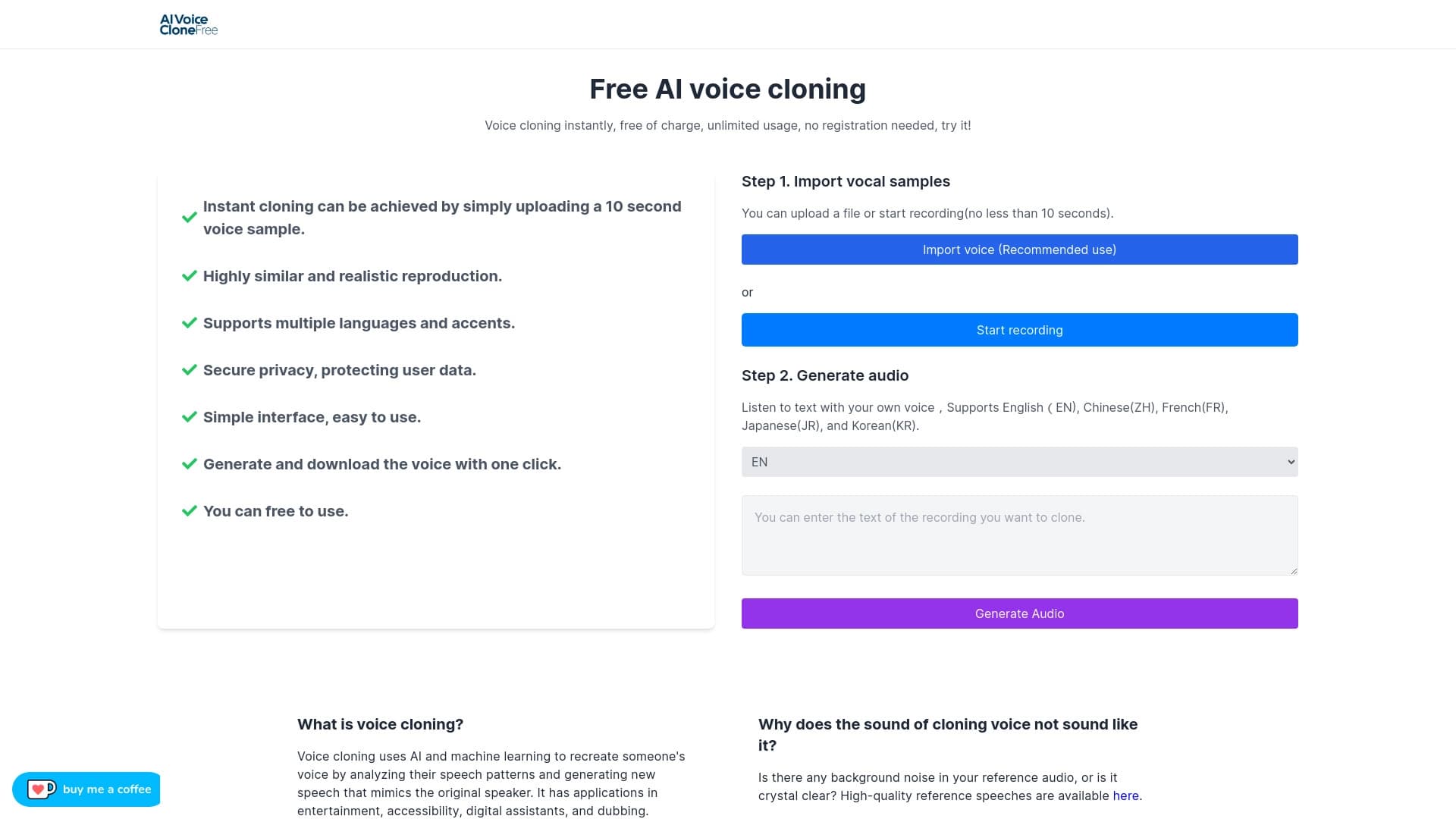
Онлайн-сервис для создания реалистичного клона голоса по короткой аудиозаписи и озвучивания текста.
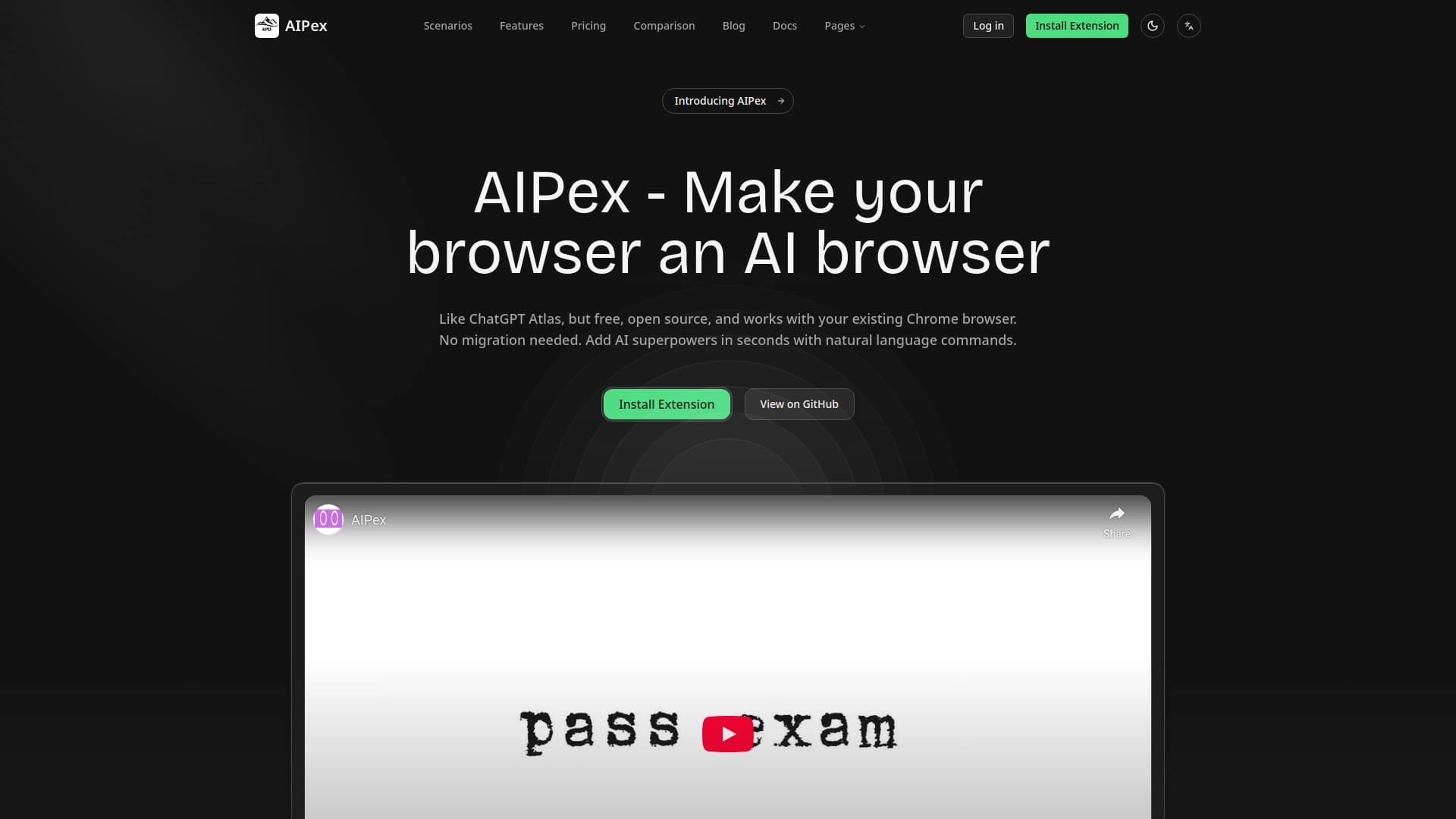

Расширение для Chrome, которое помогает управлять вкладками, историей и закладками с помощью ИИ-ассистента.


Платформа для создания корпоративных чат-ботов на основе собственных документов без программирования.
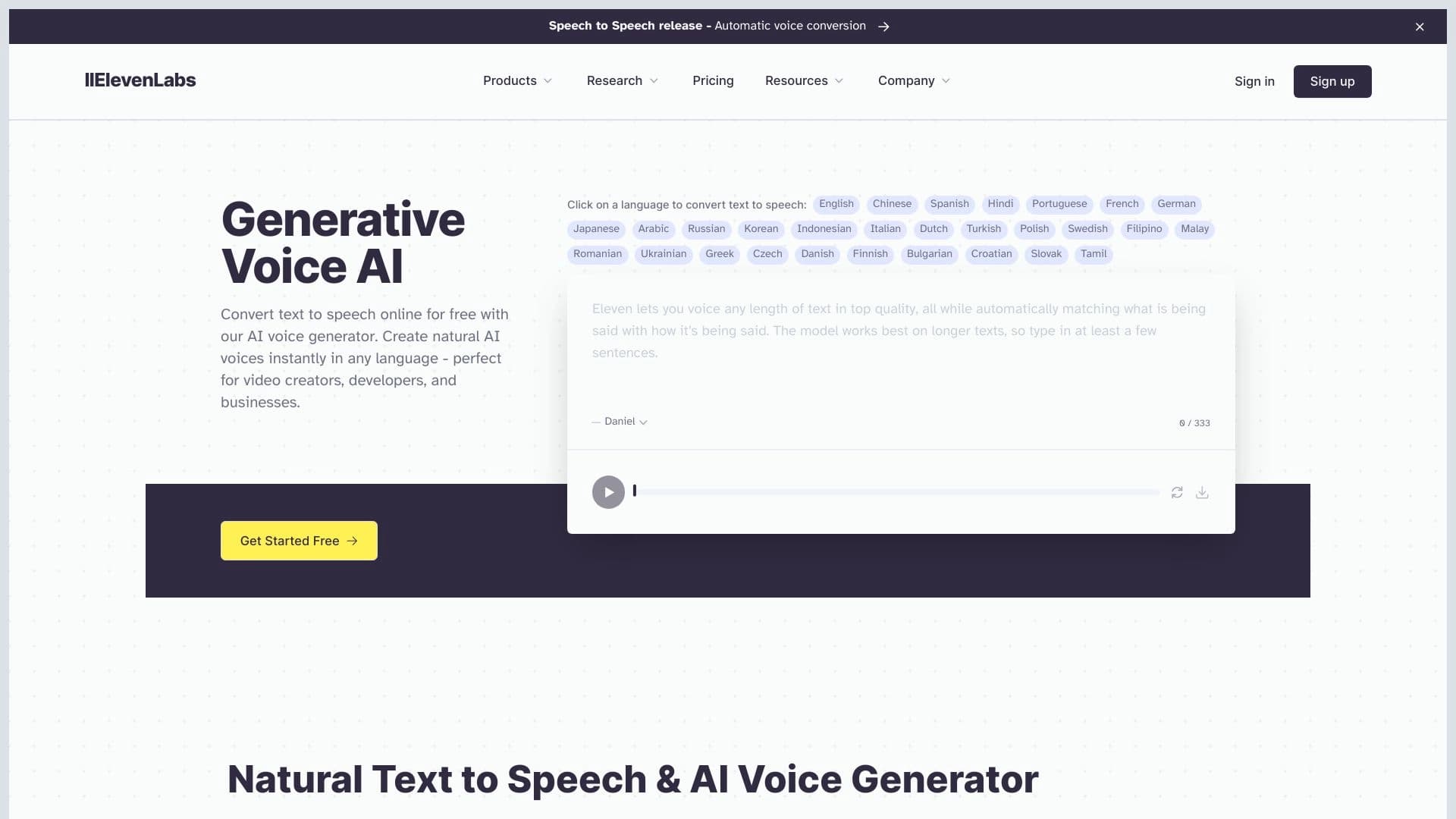
Платформа для синтеза и клонирования голоса с помощью ИИ, преобразующая текст в реалистичную речь.