

DeepfakeScam
A service for detecting AI-generated images and verifying deepfakes.
Overview
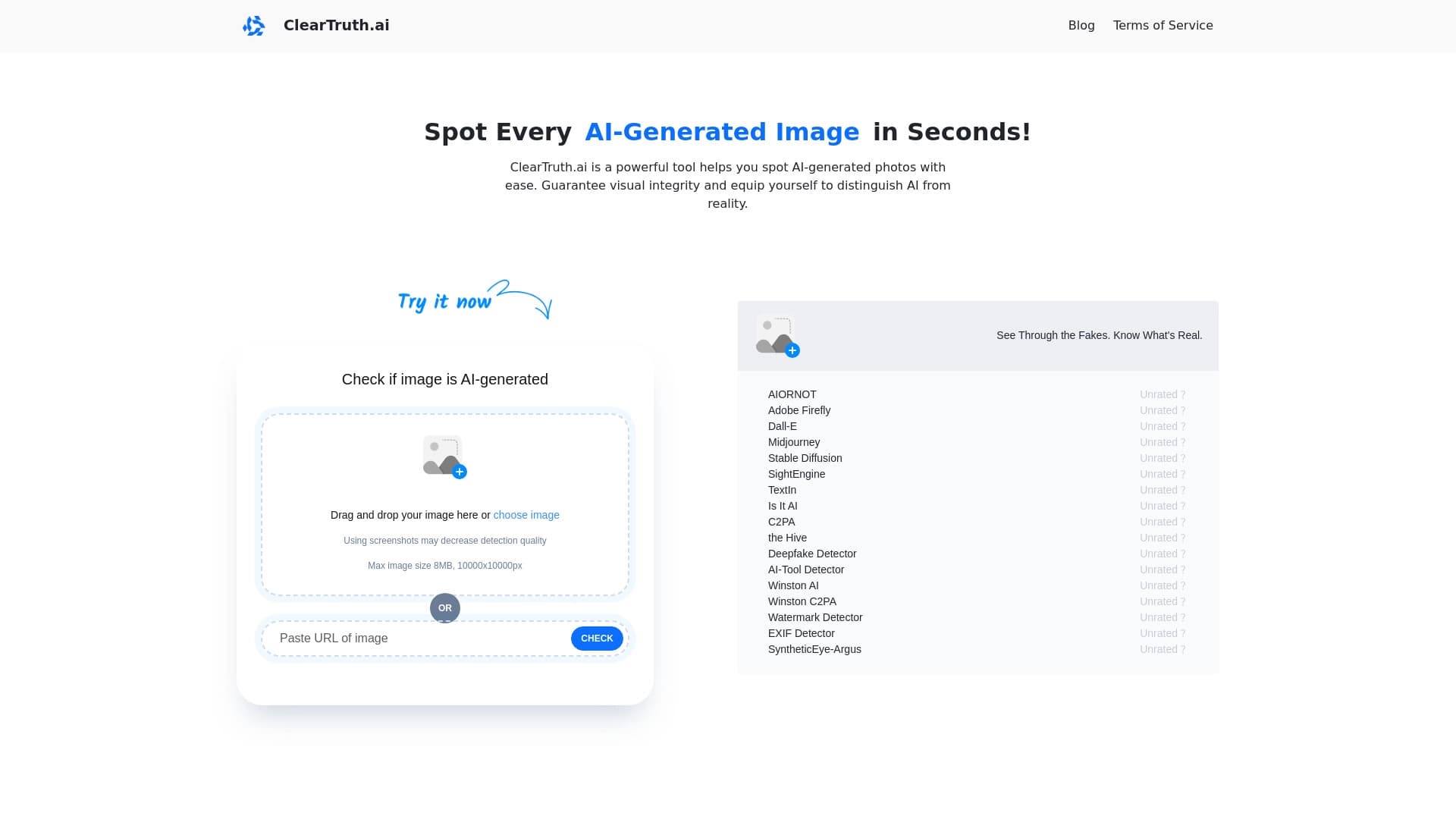
DeepfakeScam, also known as ClearTruth.ai, is a web service designed to detect AI-generated images and verify the authenticity of photos. Instead of relying on a single algorithm, the platform combines multiple detectors from leading content analysis providers. This approach improves the overall accuracy of deepfake and AI-image detection.
The service's primary goal is to combat disinformation spread through fake and synthetic images. DeepfakeScam doesn't just indicate the likelihood of tampering — it also checks for so-called AIGC watermarks, special markers that some generative models embed in their creations. This makes the tool useful for anyone who wants to distinguish real photos from neural network output.
How it works
Users simply upload a suspicious image into the interface. The service sends it to several built-in detectors simultaneously and compiles their results into a single report. Based on this "opinion" from multiple systems, a final verdict on the image's origin is produced.
Market positioning
ClearTruth.ai positions the product as an educational and verification tool. In addition to the detector itself, the project's website publishes materials on how to spot fraudulent deepfake schemes and regularly updates a news feed and guides on countering digital forgeries.
DeepfakeScam Features
| Feature | Value |
|---|---|
| Date added | October 13, 2024 |
| Platform | Web (browser access) |
| Pricing model | Not specified (see official website) |
| Free plan available | No (per catalog data) |
| Credit card required | No |
| Lifetime plan available | No |
| Developer / Company | ClearTruth.ai |
| Core technology | Combination of multiple AI detectors |
Who is DeepfakeScam for?
Journalists and newsrooms
Media professionals often need to verify images submitted by readers, eyewitnesses, or sourced from social media. DeepfakeScam enables quick initial fact-checking, helping filter out clearly generated images before they go live on air or on a website.
Researchers and analysts
Accuracy is critical for academic and applied research into synthetic content. The ability to run multiple detectors at once gives researchers a more complete picture when analyzing image datasets.
Social media users
Everyday people increasingly encounter viral fakes and scams. The service gives regular users a self-check tool to avoid falling victim to deception and to prevent spreading misinformation through their own channels.
How to use DeepfakeScam
Step-by-step guide
The verification process is streamlined and takes just a few clicks.
- Go to the website: Visit the official ClearTruth.ai resource (deepfakescam.com).
- Upload a file: Click the upload button ("Check") or drag and drop the image you want to analyze into the designated area on the page.
- Start the analysis: Activate the "Check" button (or similar) to launch the scanning process.
- Review the results: After processing, a report appears showing the probability that the image was created by artificial intelligence or is a deepfake.
Important notes
The service runs in a web interface, so no software installation is required. All computations happen server-side, meaning you only need a stable internet connection. No official statements were found regarding mobile app support or file size limits — these parameters should be checked directly on the website.
Key features of DeepfakeScam
- AI-image detection: The technology can identify images fully generated by neural networks (e.g., Midjourney, DALL-E, or Stable Diffusion).
- Deepfake detection: The service specializes in finding manipulations of faces and scenes in photos that mimic real footage.
- AIGC watermark verification: The tool scans images for embedded digital markers added by many generative models, serving as an additional authenticity indicator.
Advantages of DeepfakeScam
- Educational value: The platform doesn't just check files — it gives users access to information about how deepfake schemes work and how to spot them independently.
- Awareness building: The project actively helps inform the public about risks associated with AI content and ways to protect against scammers.
- Ensemble of detectors: Using multiple analysis providers instead of one increases the reliability of the final result.
- Up-to-date data: The site is regularly updated with fresh news and guides on preventing AI-related fraud.
Disadvantages of DeepfakeScam
- No direct creation features: The service doesn't offer tools for generating images or training custom detection models.
- Limited interactivity: The interface doesn't include advanced tools for batch analysis or automatic API integration.
- Closed source: There's no access to open-source algorithms, which may be a drawback for developers wanting to embed the technology into their own products.
What problems does DeepfakeScam solve?
- Fact-checking for journalists: Quick verification of images before publication to prevent the spread of fakes.
- Social media content verification: Checking viral images and photos from unknown people for authenticity.
- AI content research: Collecting and analyzing data for academic work and reports on the spread of synthetic media.
- Personal use: Helping everyday users recognize manipulated images, for example in online dating or shopping contexts.
DeepfakeScam pricing
Official information about subscription costs or per-check fees is currently unavailable. The catalog indicates that the pricing model is unknown and no free plan is offered. The most accurate and up-to-date details on rates can be found directly on the service's official website — deepfakescam.com.
DeepfakeScam terms of use
Since the service doesn't require credit card details to get started and, according to catalogs, has no public free tier, access is most likely based on a freemium model or registration. Exact usage rules, data processing terms, and privacy policies are governed by the legal documents on the ClearTruth.ai website. It's recommended to review them before uploading sensitive images.
DeepfakeScam availability
The tool is available exclusively as a web platform. This means it's cross-platform and works through any modern browser, whether on a Windows/MacOS computer or a mobile device. No app downloads are needed, but a stable internet connection is required for proper operation.
How DeepfakeScam differs from alternatives
The main difference between DeepfakeScam (ClearTruth.ai) and similar products (e.g., Sensity, Deepware, Truepic, or Reality Defender) lies in the project's philosophy. While many competitors focus purely on the B2B segment with API access and complex dashboards, DeepfakeScam emphasizes education and simplicity.
It's positioned not just as a detector but as an information platform: a verification utility combined with a knowledge base. Whereas Sensity and Reality Defender mostly sell expensive corporate subscriptions, ClearTruth.ai offers a simpler interaction model through a web interface, though it keeps exact pricing under wraps. The key technological difference is the use of multiple independent third-party detectors, while Truepic and Deepware often rely on their own proprietary algorithms.
Conclusion
DeepfakeScam (ClearTruth.ai) is a relevant tool for visual content verification in 2024. Its main strength lies in aggregating data from multiple detection systems, which theoretically should improve analysis accuracy. The project targets a broad audience and emphasizes its educational component, setting it apart from purely corporate solutions. Despite undisclosed monetization details and specific technical nuances (no data on upload limits or accuracy rates), the platform represents a useful line of defense in the fight against the spread of synthetic media and fraudulent schemes. For journalists and everyday users, it's a simple way to verify a photo before trusting it or sharing it.
Frequently asked questions
See also


AI platform for automating video editing, including face replacement, video translation, and avatar creation.
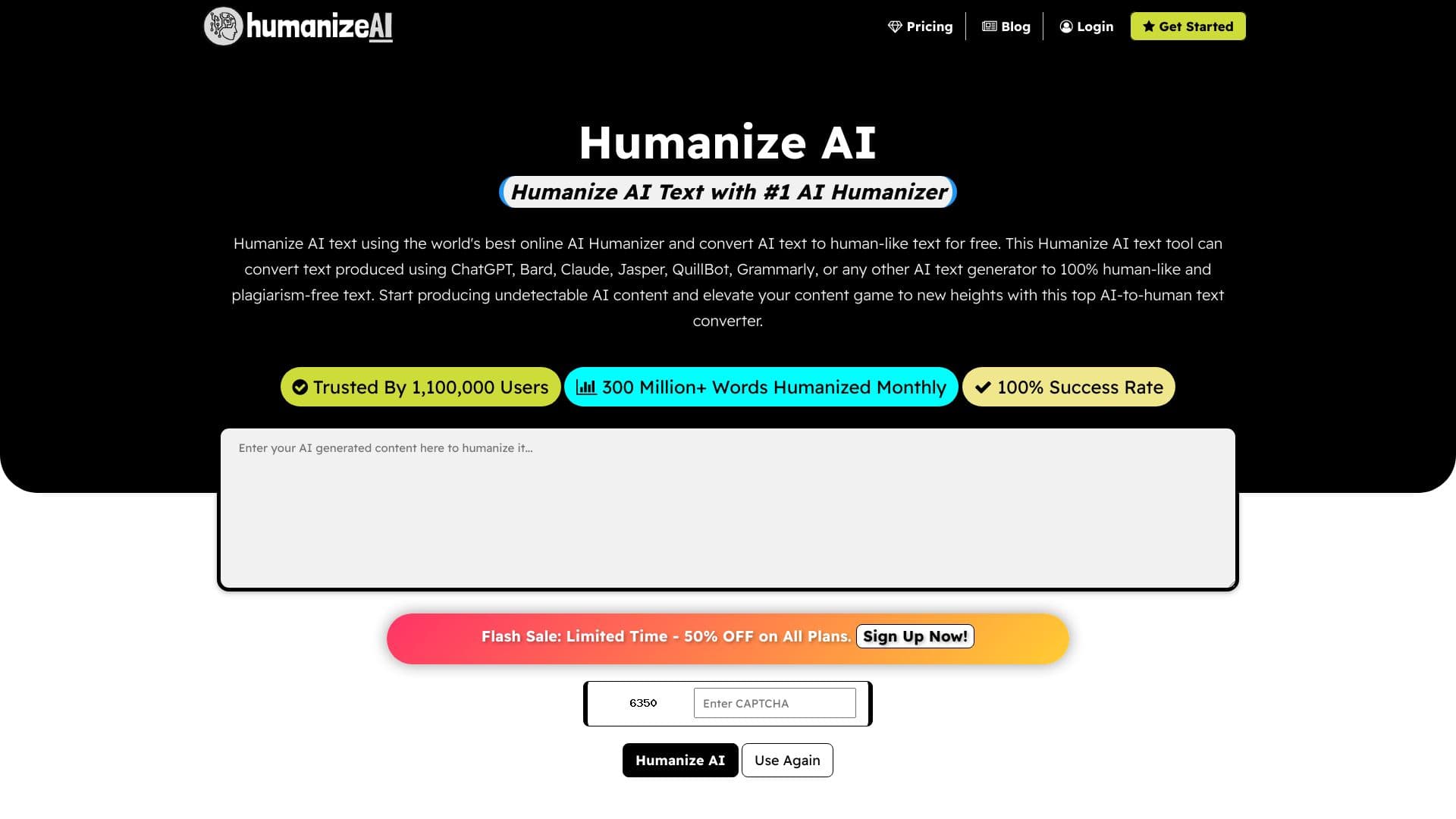

An online service that reworks text generated by a neural network into a more natural and human-like form.
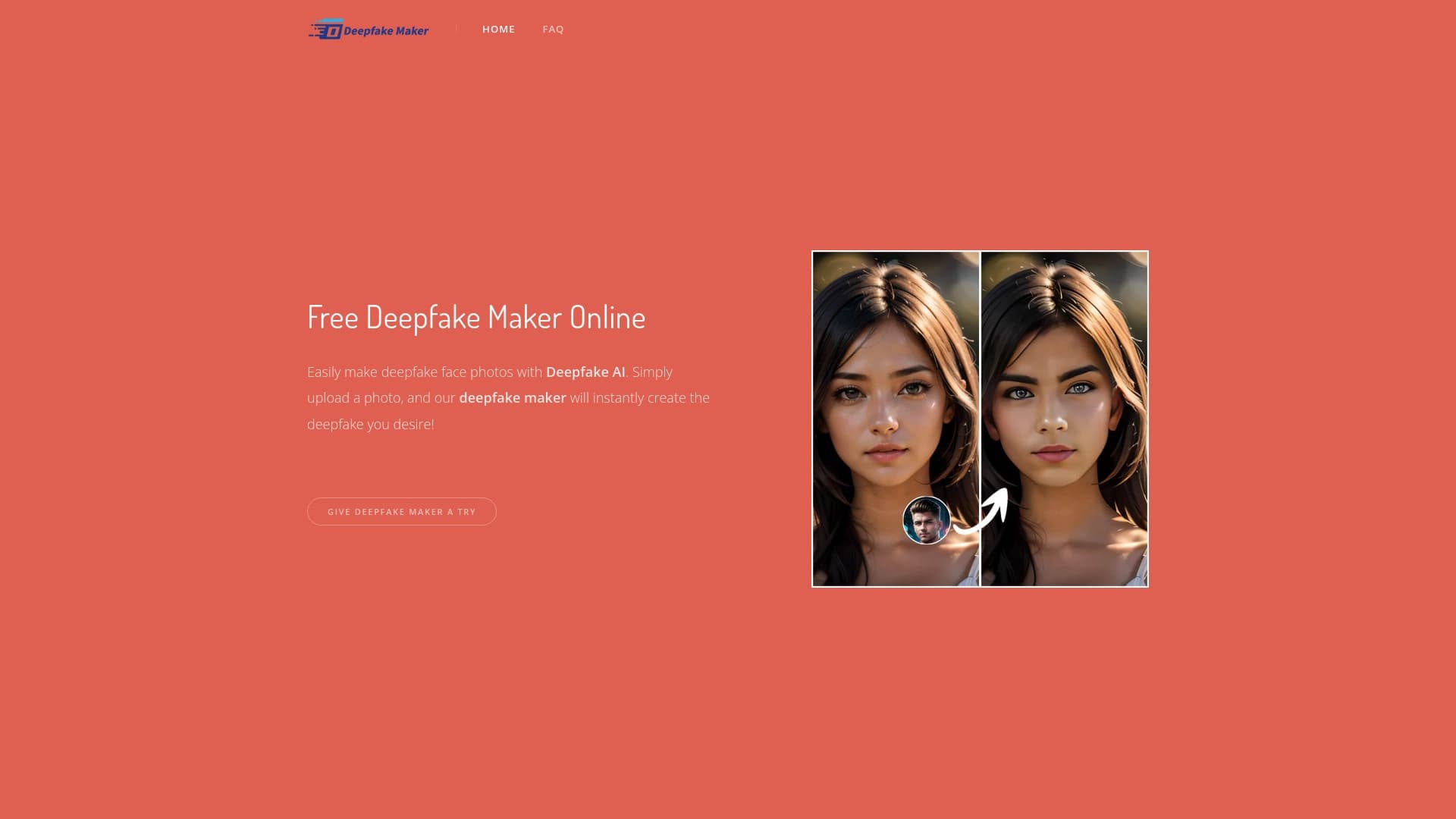

Online AI tool for creating deepfakes and editing images.
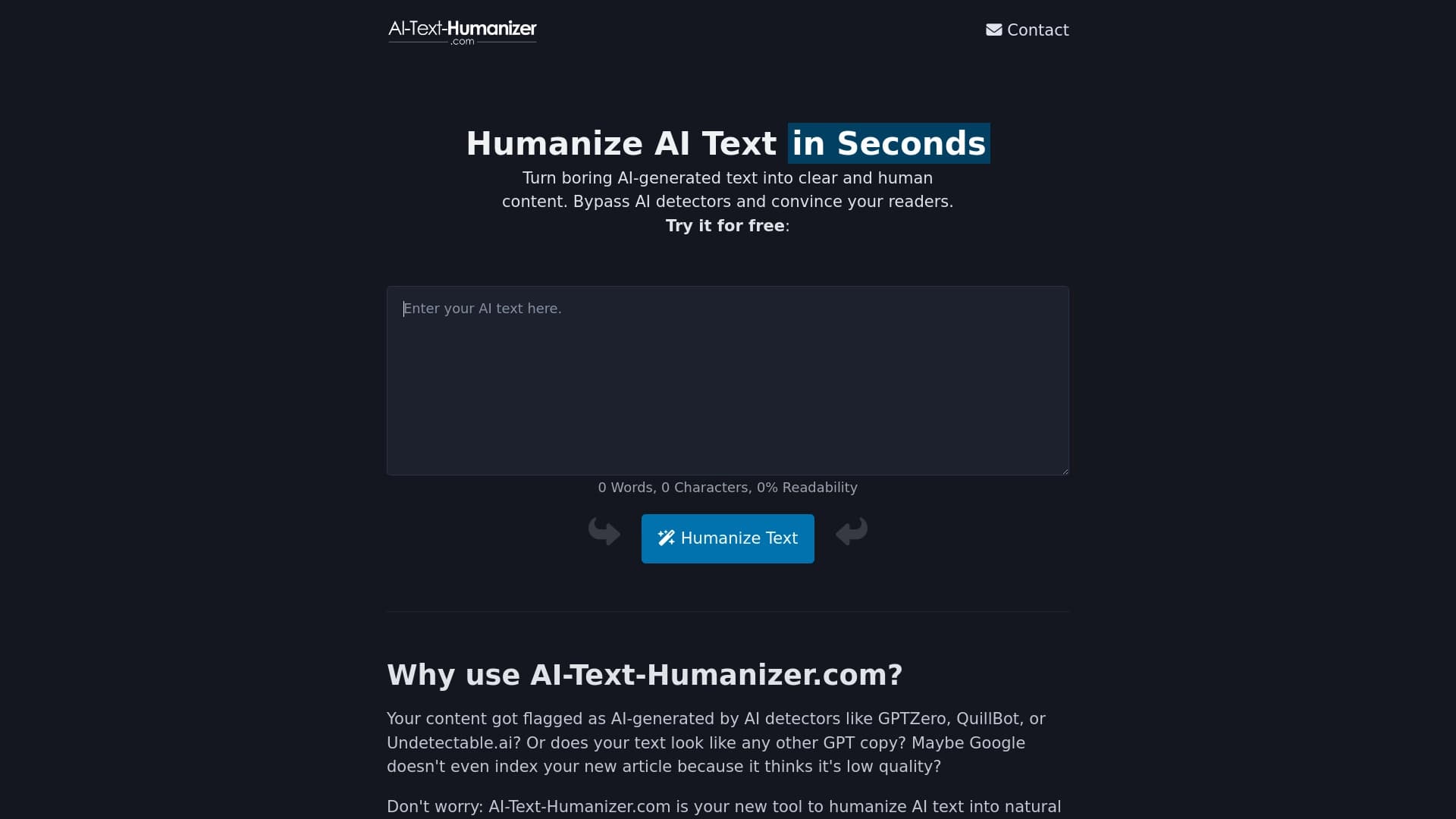
An online service that reworks text created by a neural network to make it sound natural and undetectable by AI detectors.


Online tool for quickly uploading videos and swapping faces in clips using AI.


Online service for rewriting texts to make them look human-written and bypass AI detectors.
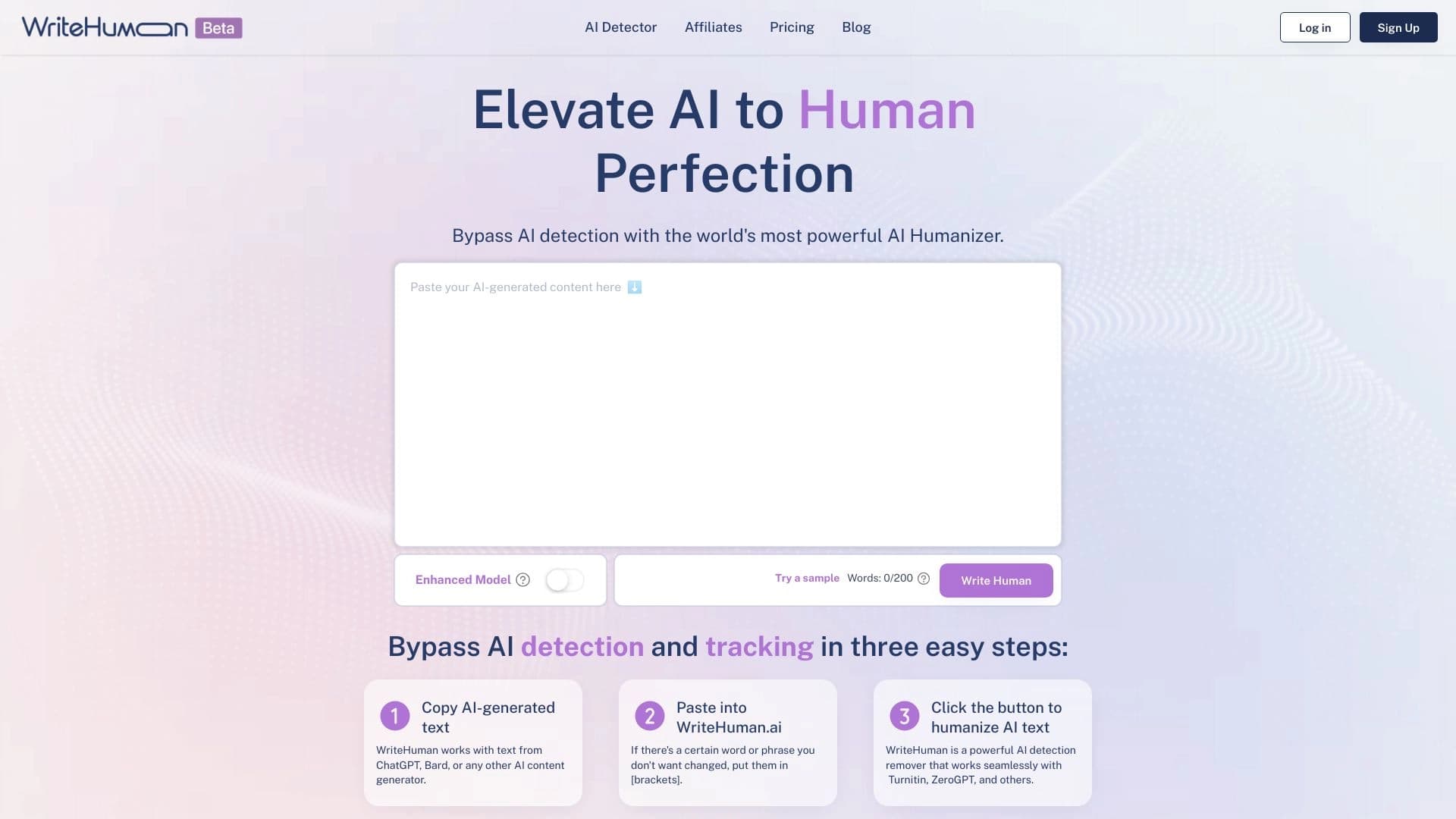

Service for transforming AI-generated text into a more natural-looking form that is harder for artificial intelligence detectors to recognize.
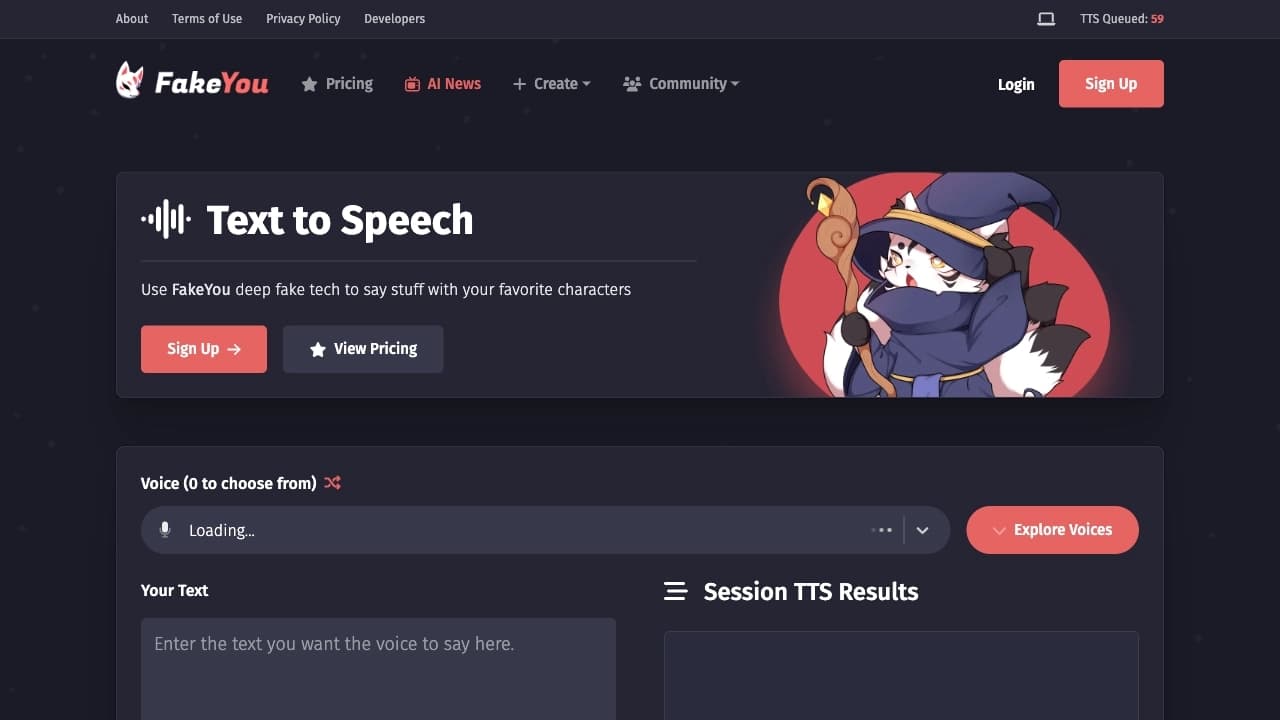

Online AI speech synthesis platform that allows generating audio with voices of famous characters and celebrities.