

Copilot Hub
AI assistant for automating routine tasks and optimizing workflows.
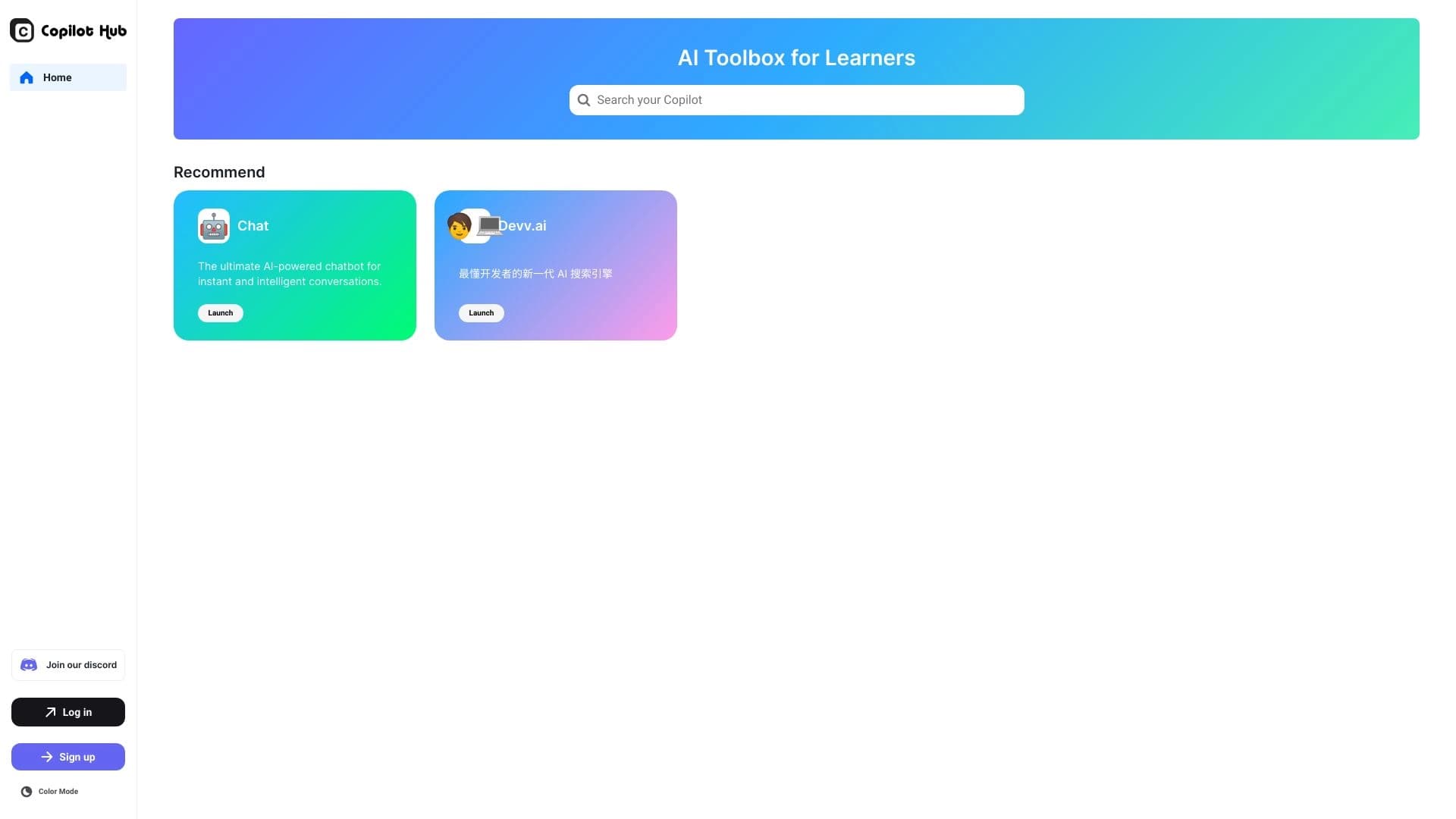
Overview
Copilot Hub AI Description
Copilot Hub is a platform that allows users to create their own AI assistants (so-called "copilots") to solve specific work tasks. Instead of using a universal chatbot, you can customize an assistant to fit your unique processes. The service is positioned as a tool for automating repetitive operations and optimizing routine actions.
The service concept is built on the idea that template solutions are not always effective. Copilot Hub enables you to build an assistant that works specifically with your data, scenarios, and goals. It is a kind of constructor where you define what task the assistant should solve and how it should interact with the user.
The platform is focused on reducing the manual workload on employees. Instead of spending time on routine requests and operations, users can delegate them to their digital assistant. The created copilots can be integrated into existing workflows, making them part of a unified ecosystem.
Copilot Hub Features
| Feature | Value |
|---|---|
| Tool Type | Platform for creating and deploying AI assistants |
| Primary Purpose | Automation of routine tasks, optimization of workflows |
| Key Function | Creating custom "copilots" for specific tasks |
| Distribution Model | Not specified (requires verification on the official website) |
| Core Operating Principle | Configuring an assistant to match the specifics of user tasks |
| Target Audience | Users looking to reduce manual workload and increase efficiency |
Who Is Copilot Hub AI For?
The tool will be useful for those who deal with a large number of repetitive operations in their daily work. This may include professionals who are forced to spend time on standard responses, processing routine requests, or performing similar actions. Copilot Hub allows you to automate these processes by creating an assistant that takes them over.
The platform is also suitable for teams that want to standardize internal processes. Instead of each employee performing a task in their own way, you can create a single copilot that operates according to a defined algorithm. This promotes consistency and reduces the likelihood of errors related to human factors.
Additionally, the service will appeal to managers and business owners looking for ways to increase productivity without expanding their workforce. Automating routine tasks allows you to redirect employee efforts toward more complex and creative work, leading to overall organizational efficiency growth.
How to Use Copilot Hub AI?
Defining the Task and Configuring the Assistant
The process of working with the platform begins with clearly defining the task that the future copilot should solve. You need to describe the workflow scenario: what input data it will receive, what actions it will perform, and what output it will produce. Based on this description, the assistant's structure is created.
Integration into Workflows
After creating the copilot, it needs to be implemented into real workflows. The platform provides options for connecting the assistant to the tools and services already used in your work. This could include integration into corporate systems, messengers, or specialized software.
Launch and Operation
After integration, you can launch the assistant into operation. The copilot will begin processing incoming requests and performing assigned operations automatically. It is important to monitor its performance in the early stages to ensure it correctly understands tasks and delivers accurate results, making adjustments to its settings as needed.
Key Features of Copilot Hub
Custom Assistant Builder
The platform's main feature is the ability to create a copilot from scratch for a specific task. The user is not limited to pre-built scenarios and can configure the assistant according to their workflow requirements. This allows you to address specific needs that are not covered by standard AI tools.
Automation of Routine Operations
Copilot Hub handles repetitive tasks that previously required human involvement. The assistant can process standard requests, perform routine actions, and prepare necessary data. This frees up employee time for more important and intellectually demanding tasks.
Workflow Optimization
Created copilots are embedded into existing workflows, making them more efficient. Automating individual stages speeds up overall task completion and reduces staff workload. The platform helps build a more streamlined and faster work system within an organization.
Advantages of Copilot Hub
The main advantage of the platform is the ability to create a highly specialized assistant. The user does not adapt to the service's functionality but instead creates a tool that perfectly matches their tasks. This ensures high accuracy in operations and relevance of results.
The second important benefit is the reduction of manual workload on employees. Automating routine tasks allows staff to focus on more complex work that requires expertise and a creative approach. This leads to increased job satisfaction and overall productivity growth.
Finally, integrating a copilot into workflows ensures their continuity and standardization. The assistant operates according to a defined algorithm without deviations, guaranteeing consistent quality of operations and predictable results.
Disadvantages of Copilot Hub
Among the potential drawbacks, the need for initial setup should be noted. Creating a quality assistant requires a clear description of the task and workflow scenario. If the process is complex and non-standard, automating it may require significant time and effort.
It is also worth considering that the copilot's effectiveness directly depends on how well it is configured. Incorrect configuration can lead to errors in task execution, requiring human intervention. The platform is not a fully autonomous solution and requires user oversight.
Additionally, the lack of clear information about the distribution model (pricing, access terms) may be an obstacle for potential users. To make a decision about adopting the platform, you need to obtain a detailed consultation or review up-to-date information on the product's official website.
What Tasks Does Copilot Hub Solve
The platform is designed to address a wide range of automation-related tasks. First, it handles standard and repetitive requests. The copilot can independently answer common questions, generate documents, or perform other template-based actions that previously fell on employees.
Second, Copilot Hub helps bring order to routine operations. The assistant can systematize data, monitor the execution of standard procedures, and ensure their consistency. This reduces the likelihood of errors and speeds up business processes.
Third, the tool serves to optimize interaction within a team or with external users. The created copilot can act as a primary point of contact, processing incoming inquiries and routing them appropriately or resolving them fully automatically.
Copilot Hub Pricing
Data on the cost of using the Copilot Hub platform is not available in the open sources used to prepare this article. The source website only mentions a product description without any information about pricing tiers or subscription costs.
To obtain current pricing information, you need to visit the official Copilot Hub website or contact company representatives directly. They can provide details on current rates, available plans, and flexible payment options depending on user needs.
Copilot Hub Terms of Use
Detailed terms of use for the platform, including the user agreement, privacy policy, and data processing rules, were not presented in the source materials. There is also no information about hardware or software requirements for working with the service.
To review the full terms of use for Copilot Hub, you need to visit the product's official website. All necessary legal information is typically posted there, along with details about the rights and obligations that users incur when working with the platform.
Copilot Hub Availability
Copilot Hub is a cloud-based service accessed via the internet. This means users can work with the platform from anywhere in the world with a stable internet connection, without being tied to a specific workplace.
More detailed information about regional service availability, supported interface languages, and potential geographic restrictions is not available in the source data. To clarify these details, it is recommended to visit the official Copilot Hub website or contact the company's support team.
How Copilot Hub Differs from Alternatives
The key difference between Copilot Hub and many other AI tools lies in its usage philosophy. Instead of providing a ready-made universal bot, the platform gives users the tools to create their own solution. This is a "do-it-yourself" approach in the field of AI assistants.
The second difference is its focus on automating routine, repetitive tasks. Many competitors are oriented toward content generation or information retrieval, whereas Copilot Hub emphasizes performing specific work operations. Its assistants are created not for conversation but for action.
Finally, the platform offers deep integration into workflows. It is not just a standalone program but an element that becomes part of the user's daily operations. This approach delivers higher efficiency and real time savings compared to using separate, unrelated tools.
Conclusion
Copilot Hub is a promising platform for creating custom AI assistants, focused on automating routine tasks and optimizing workflows. The service's core value lies in the ability to build a copilot precisely tailored to your needs, relieving employees of repetitive operations. However, due to the limited amount of information available in public sources, potential users are advised to visit the product's official website to obtain detailed information about pricing, terms of use, and the full range of platform capabilities.
Frequently asked questions
See also
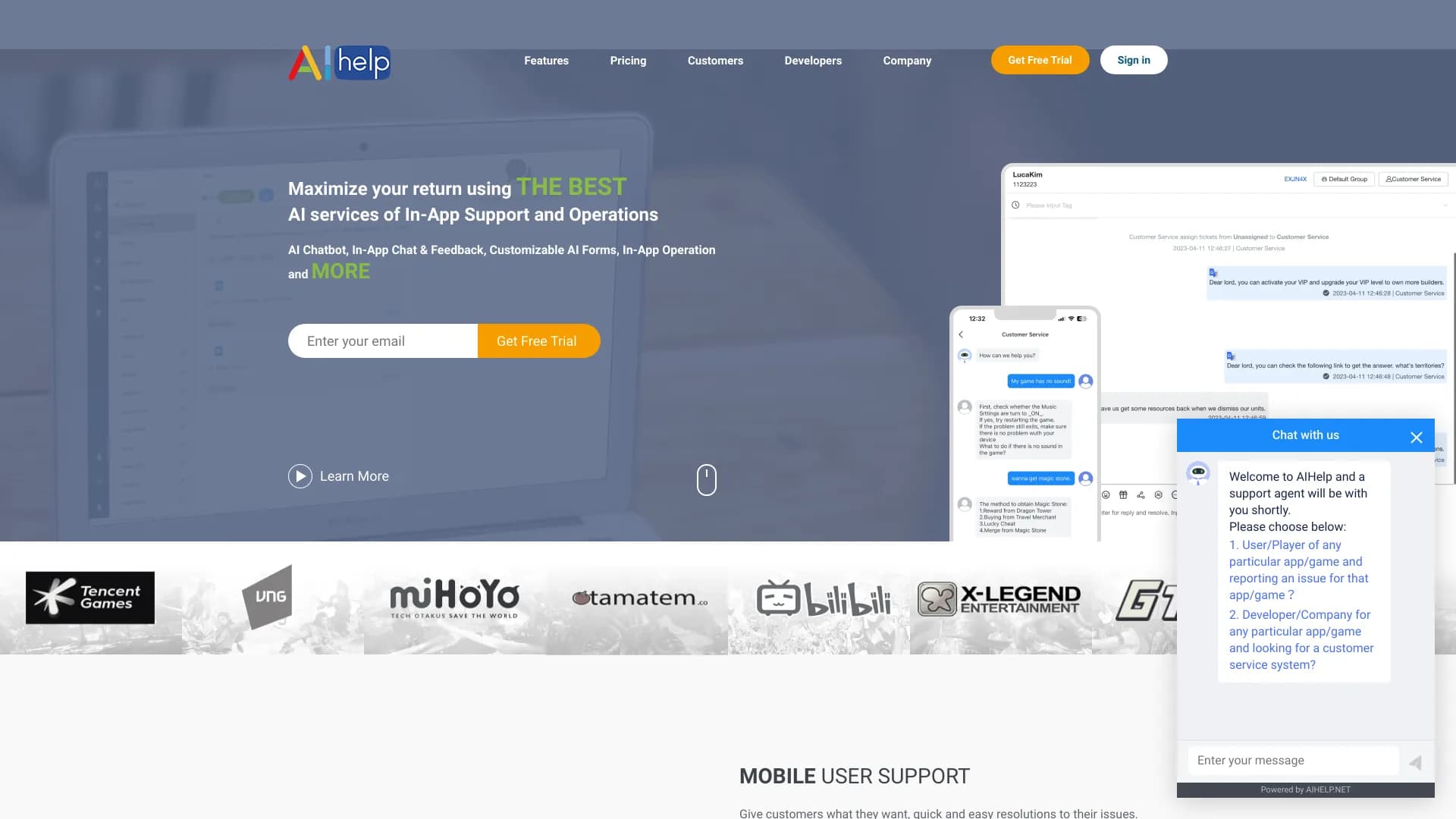

AI platform for user support in applications, including a chatbot and ticketing system.

Service for live AI conversations, including text generation, voice, and speech recognition.


BannsAi is an AI-powered service for quickly creating ad banners based on a text description or reference.

AI assistant for automating retail tasks and optimizing call center operations.
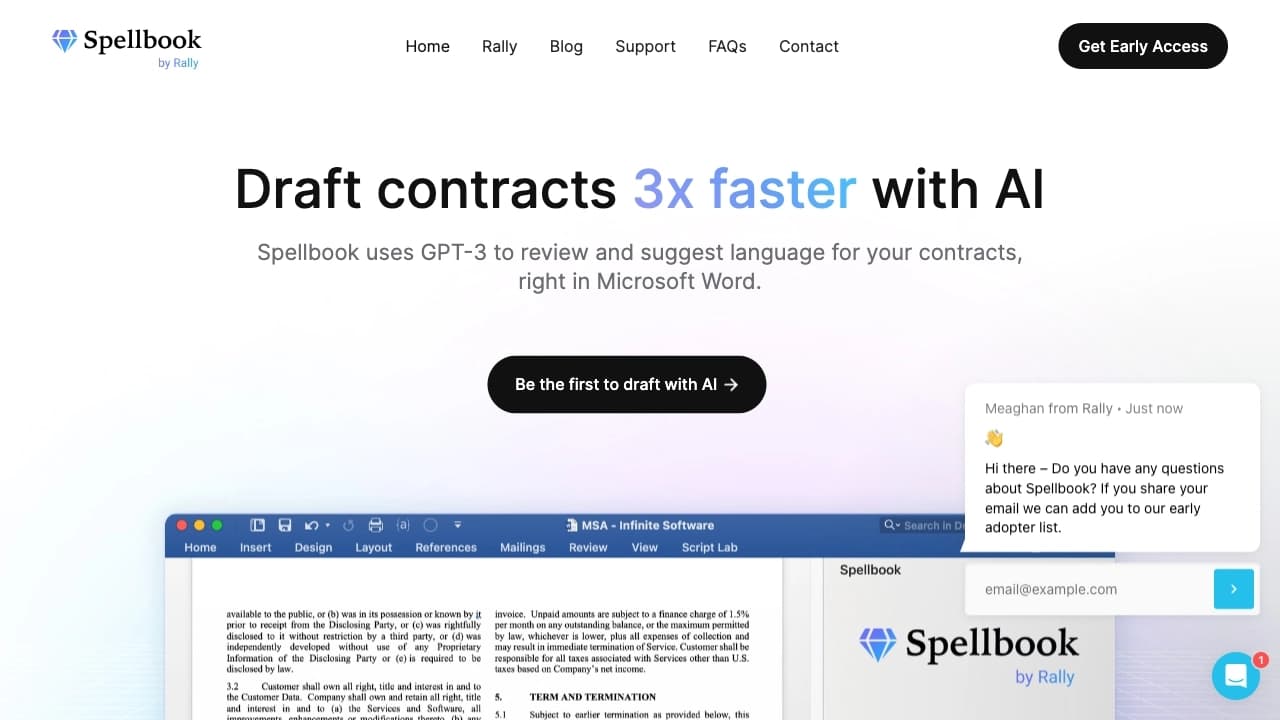

An add-in for Microsoft Word that uses neural networks to automate the creation, editing, and analysis of legal contracts.


Neural network for generating SEO-optimized articles and automating blog management.


AI-based platform for creating and editing product images and videos for e-commerce sellers.

Online AI-powered service for quickly creating presentations based on a given topic or an uploaded document.