

CloseRouter
CloseRouter — это единый API-шлюз для доступа к моделям разных AI-провайдеров через один ключ и интерфейс.
Обзор
CloseRouter
Описание нейросети CloseRouter
CloseRouter — это инфраструктурный сервис, который выступает в роли единого API-шлюза для доступа к моделям различных AI-провайдеров. Вместо того чтобы регистрироваться и оплачивать услуги отдельно в OpenAI, Anthropic, Google и других компаниях, разработчик получает один ключ доступа и один интерфейс для работы со всеми популярными моделями.
Сервис поддерживает текстовые модели, генерацию изображений и видео. Средства списываются по факту использования — вы платите только за потраченные токены или другие единицы генерации. Для пользователей из России предусмотрены удобные способы пополнения баланса: банковская карта, СБП или криптовалюта. При этом для работы с сервисом не требуется VPN.
Важно понимать, что CloseRouter — это не замена ChatGPT или Claude в привычном виде. Это техническая прослойка, которая дает внешним инструментам (IDE, AI-агентам, ботам) доступ к моделям через единый интерфейс.
Характеристики CloseRouter
| Характеристика | Значение |
|---|---|
| Тип | API-шлюз для ИИ-моделей |
| Категория | API-шлюзы |
| Нужен VPN | Нет |
| Русский язык | Да |
| Русский интерфейс | Да |
| Доступность | WEB, API |
Для кого подходит нейросеть CloseRouter?
Пользователи AI-агентов и разработчики
CloseRouter создан в первую очередь для разработчиков, создателей ботов и пользователей AI-агентов, которым требуется программный доступ к разным моделям. Если вы пишете код в IDE с AI-подсказками, автоматизируете рабочие процессы или строите собственного бота — этот шлюз позволит подключить разные модели без лишней бюрократии.
Небольшие команды и экспериментаторы
Сервис также подойдет небольшим командам и тем, кто тестирует разные модели на одной задаче. Он удобен для быстрого сравнения возможностей GPT, Claude и Gemini, а также для подключения этих моделей к собственным инструментам. При этом CloseRouter вряд ли заинтересует обычного пользователя, который хочет просто задавать вопросы в чате — для этого существуют официальные интерфейсы провайдеров.
Как использовать нейросеть CloseRouter?
Первые шаги
Для начала работы нужно зарегистрироваться на платформе и получить единственный API-ключ. После этого следует пополнить баланс одним из доступных способов — банковской картой, через СБП или криптовалютой.
Тестирование и запуск
Рекомендуется начать с небольшого теста: пополните минимальную сумму и отправьте несколько запросов, чтобы увидеть, как списываются средства и как работает платформа. Затем можно подключать ключ к своим приложениям, IDE или AI-агентам и отправлять запросы к нужным моделям через единый интерфейс.
Основные функции CloseRouter
Единый ключ доступа
Вместо нескольких аккаунтов у разных провайдеров — один API-ключ для доступа к моделям Anthropic, OpenAI, Google и других. Это упрощает управление интеграциями и снижает порог входа.
Управление ключами и расходами
Платформа позволяет создавать отдельные ключи под разные проекты, а также контролировать и лимитировать расходы по каждому из них. Это удобно, когда над разными задачами работают разные команды или боты.
Поддержка разных типов контента
CloseRouter работает не только с текстом, но и с генерацией изображений и видео. Тарификация при этом потокенная — вы платите за фактические токены или секунды сгенерированного видео.
Гибкая оплата
Баланс можно пополнять банковской картой, через СБП или криптовалютой. Сама оплата списывается по факту использования ресурсов.
Преимущества CloseRouter
Простота подключения
Один аккаунт и один ключ вместо регистрации и настройки платежей у каждого провайдера отдельно. Это экономит время и упрощает поддержку проектов.
Доступность для пользователей из России
Поддержка российских способов оплаты (карты, СБП) и работа без VPN делают сервис практически уникальным для этой аудитории. Большинство зарубежных API-шлюзов такие возможности не предоставляют.
Контроль бюджета
Возможность создавать отдельные ключи под проекты и устанавливать лимиты расходов помогает избежать неожиданных списаний. Потокенная тарификация также позволяет платить только за реально использованные ресурсы.
Недостатки CloseRouter
Ранняя стадия платформы
Сервис находится на начальном этапе развития, что может означать нестабильность в работе, отсутствие некоторых функций или ограниченную поддержку клиентов.
Зависимость от провайдеров и вопросы безопасности
CloseRouter выступает посредником, поэтому запросы проходят через его платформу. С осторожностью следует использовать сервис для передачи персональных данных, финансовой и медицинской информации или коммерческих секретов. Также качество и доступность моделей зависят от самих провайдеров.
Какие задачи решает CloseRouter
- Подключение AI-агентов и IDE к разным моделям через единый API.
- Тестирование и сравнение разных моделей на одной задаче.
- Создание ИИ-ботов с возможностью переключения между провайдерами.
- Добавление генерации текста, изображений и видео в приложения.
- Автоматизация рабочих процессов с использованием ИИ.
- Контроль и лимитирование расходов по отдельным проектам.
- Обход сложностей с созданием и оплатой отдельных аккаунтов у разных провайдеров.
Цены CloseRouter
Модель оплаты — по фактическому расходу. Вы пополняете баланс, и средства списываются за использованные токены или другие единицы генерации, например, секунды видео. Цены указываются в долларах.
Пополнить баланс можно банковской картой, через СБП или криптовалютой. Рекомендуется начинать с небольшой суммы, чтобы протестировать сервис и понять механику списаний.
Точные тарифы за токены на момент написания статьи не зафиксированы в доступных источниках, поэтому рекомендуется уточнять актуальные цены на официальном сайте сервиса.
Условия использования CloseRouter
Для работы с сервисом необходимо пополнить баланс. Сервис выступает посредником между пользователем и провайдерами моделей — все запросы проходят через платформу CloseRouter. Это важный аспект с точки зрения конфиденциальности.
Не рекомендуется передавать через сервис персональные данные, финансовые документы, медицинскую информацию и коммерческие секреты, поскольку данные обрабатываются сторонней платформой. Новичкам советуют начинать с небольших сумм для тестирования функциональности.
Доступность CloseRouter
Сервис доступен через WEB-интерфейс и API. Платформа полностью переведена на русский язык, включая интерфейс. Отдельным преимуществом является отсутствие необходимости использовать VPN для работы с сервисом.
Чем отличается CloseRouter от аналогов
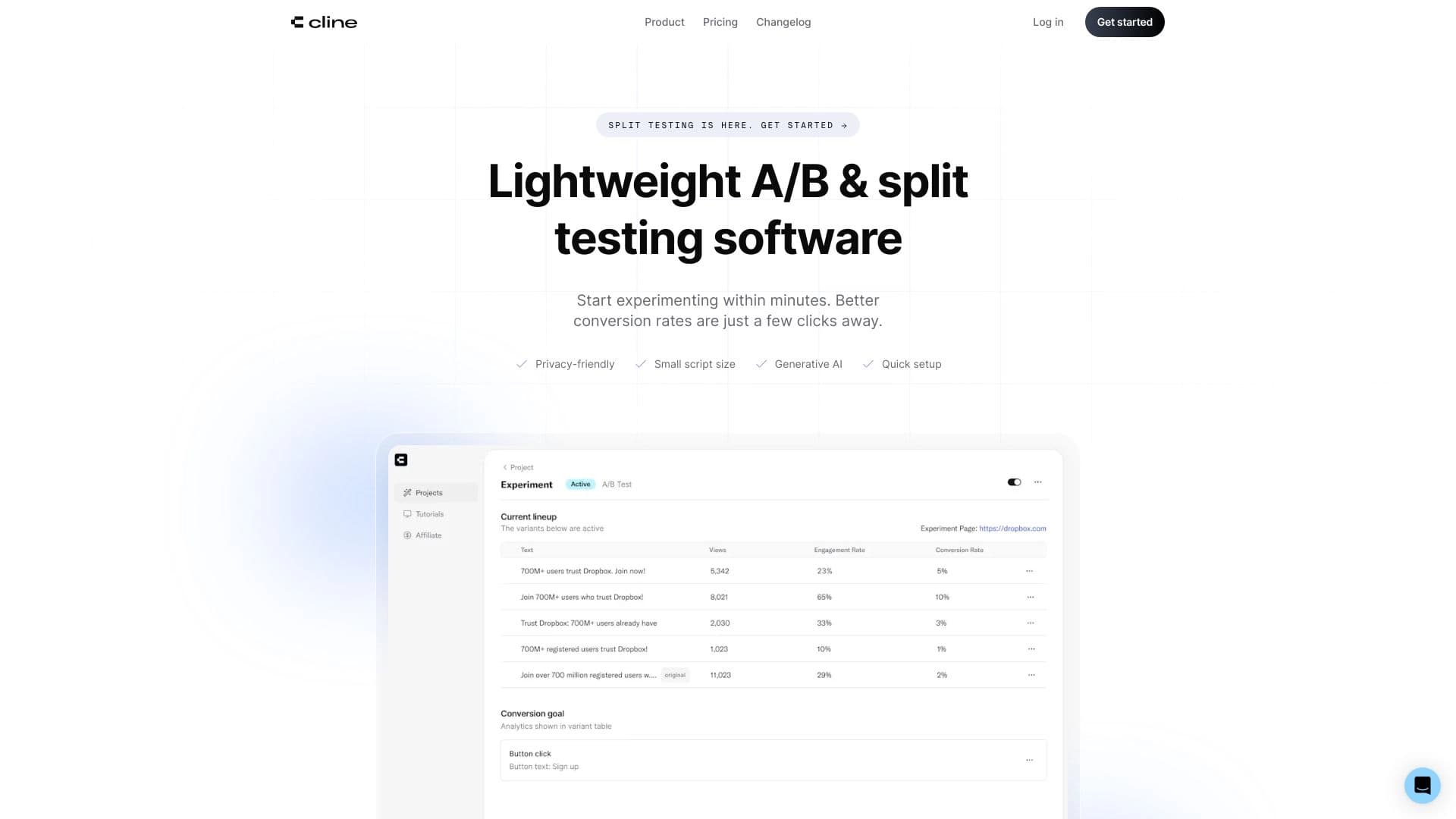
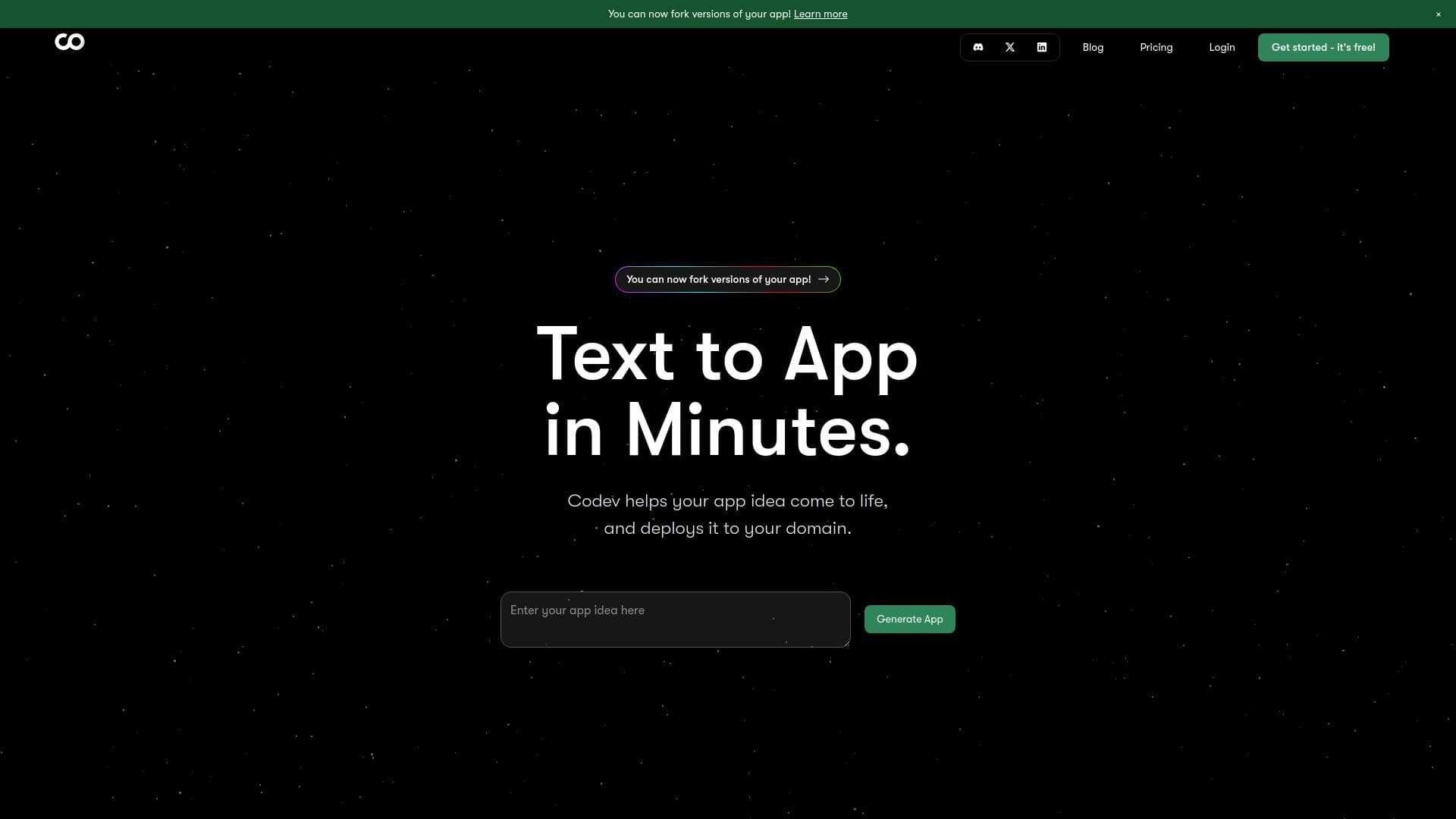
Основное отличие CloseRouter от аналогов — это инфраструктурная направленность. В отличие от Cline или CodeDesign AI, которые являются инструментами для конкретных задач в IDE, CloseRouter выступает универсальной прослойкой между пользователем и множеством моделей.
Главные конкурентные преимущества — простой доступ к моделям разных провайдеров через один сервис, поддержка российских способов оплаты (карты, СБП, криптовалюта) и работа без VPN. Это делает сервис востребованным для разработчиков из России и стран СНГ, которым сложно оплачивать зарубежные API напрямую.
Заключение
CloseRouter — это удобный API-шлюз для доступа к ИИ-моделям с поддержкой российских способов оплаты и работой без VPN. Он ориентирован на разработчиков, пользователей AI-агентов и небольшие команды, которым нужно подключать к своим инструментам разные модели без создания отдельных аккаунтов у каждого провайдера. Главные преимущества — простота подключения, гибкий контроль расходов и удобная оплата. Основные риски связаны с ранней стадией платформы и зависимостью от сторонних провайдеров, а также с необходимостью осторожно относиться к передаче конфиденциальных данных через сервис.
Часто задаваемые вопросы
Смотрите также
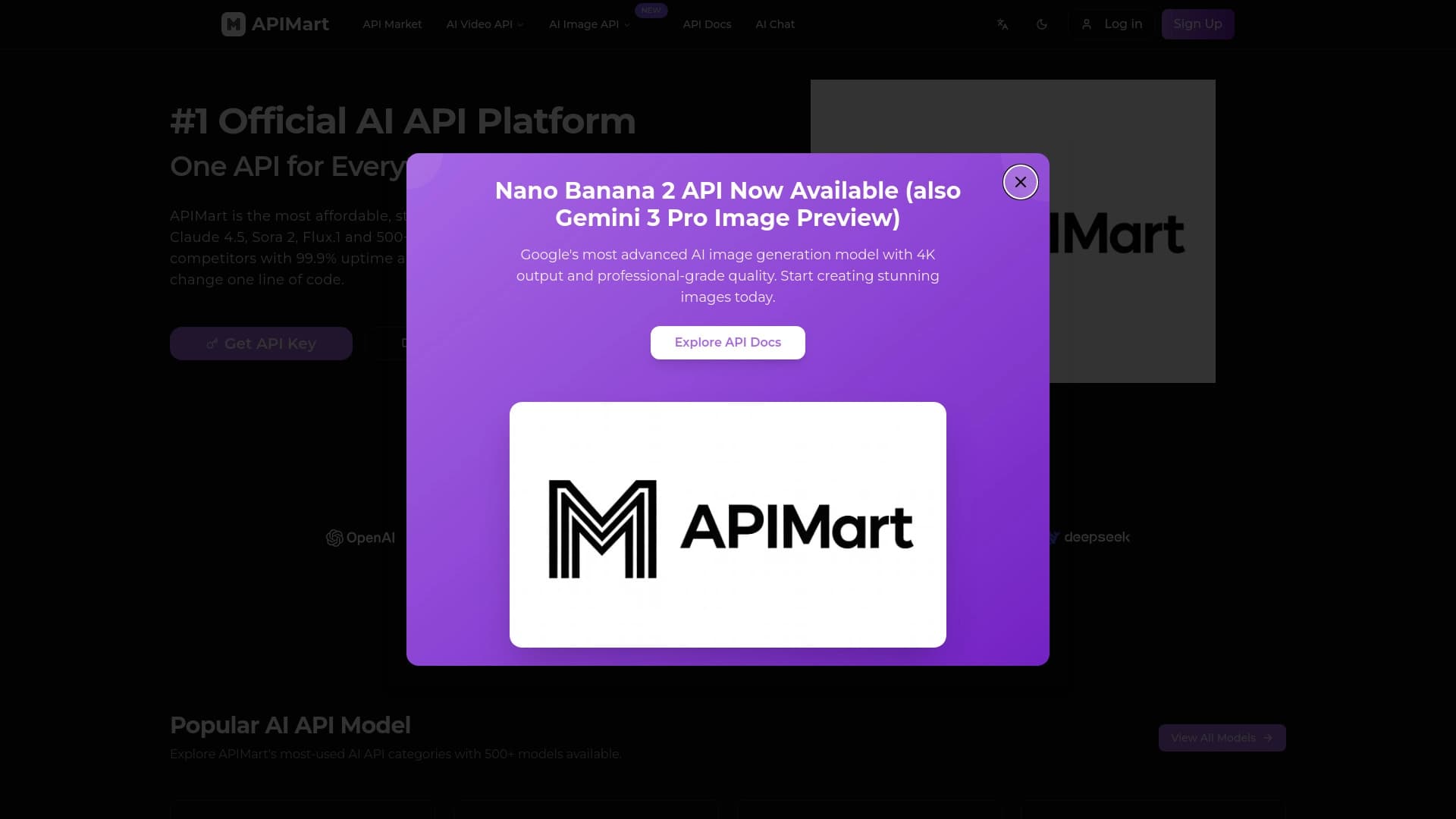
Единый API-доступ к более чем 500 моделям искусственного интеллекта, включая GPT-5 и Claude 4.5, с возможностью экономии на затратах.
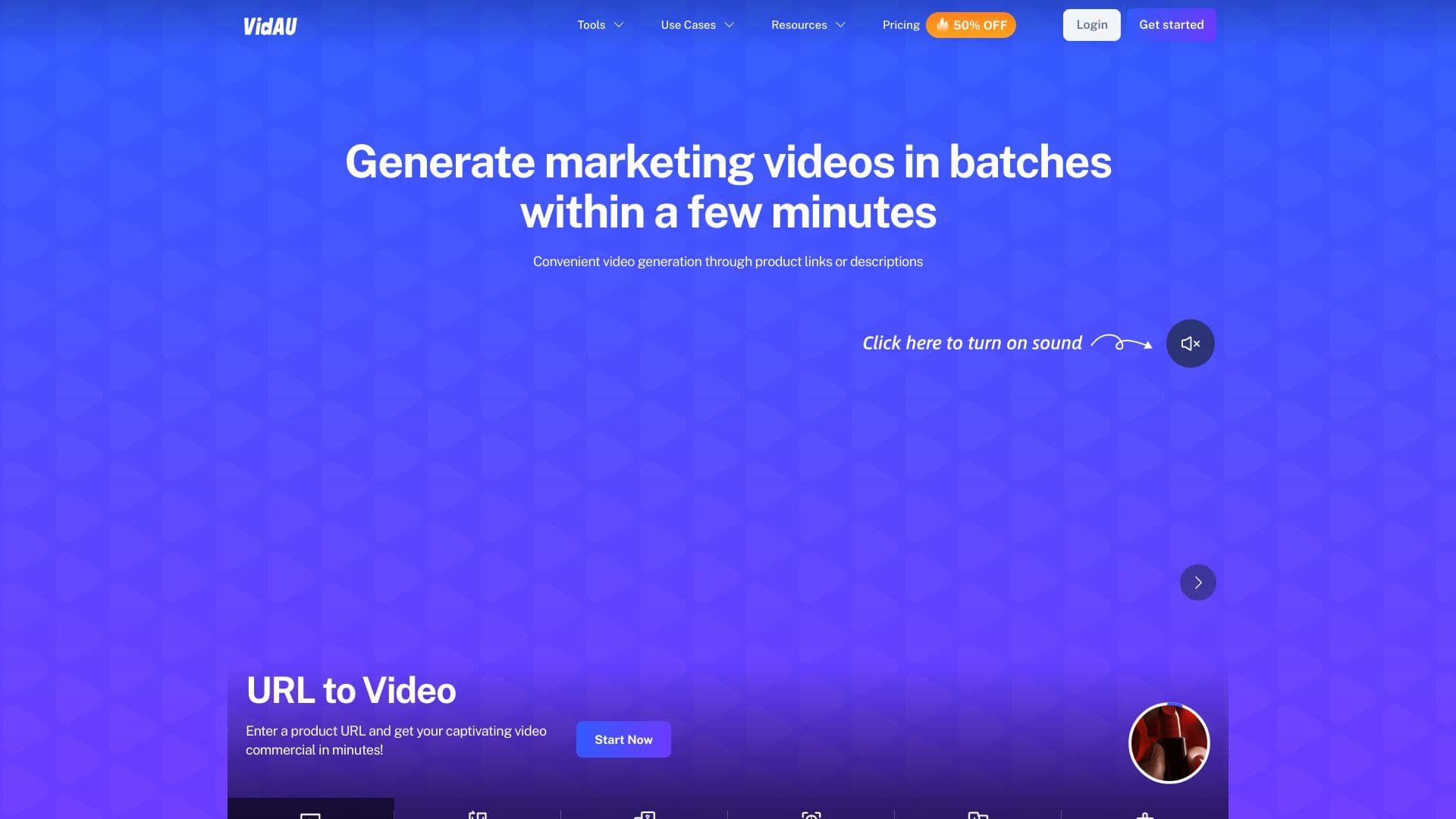

AI-платформа для автоматизации видеоредактирования, включая замену лиц, перевод видео и создание аватаров.

AI-агент для помощи в программировании и оптимизации рабочего процесса разработки.
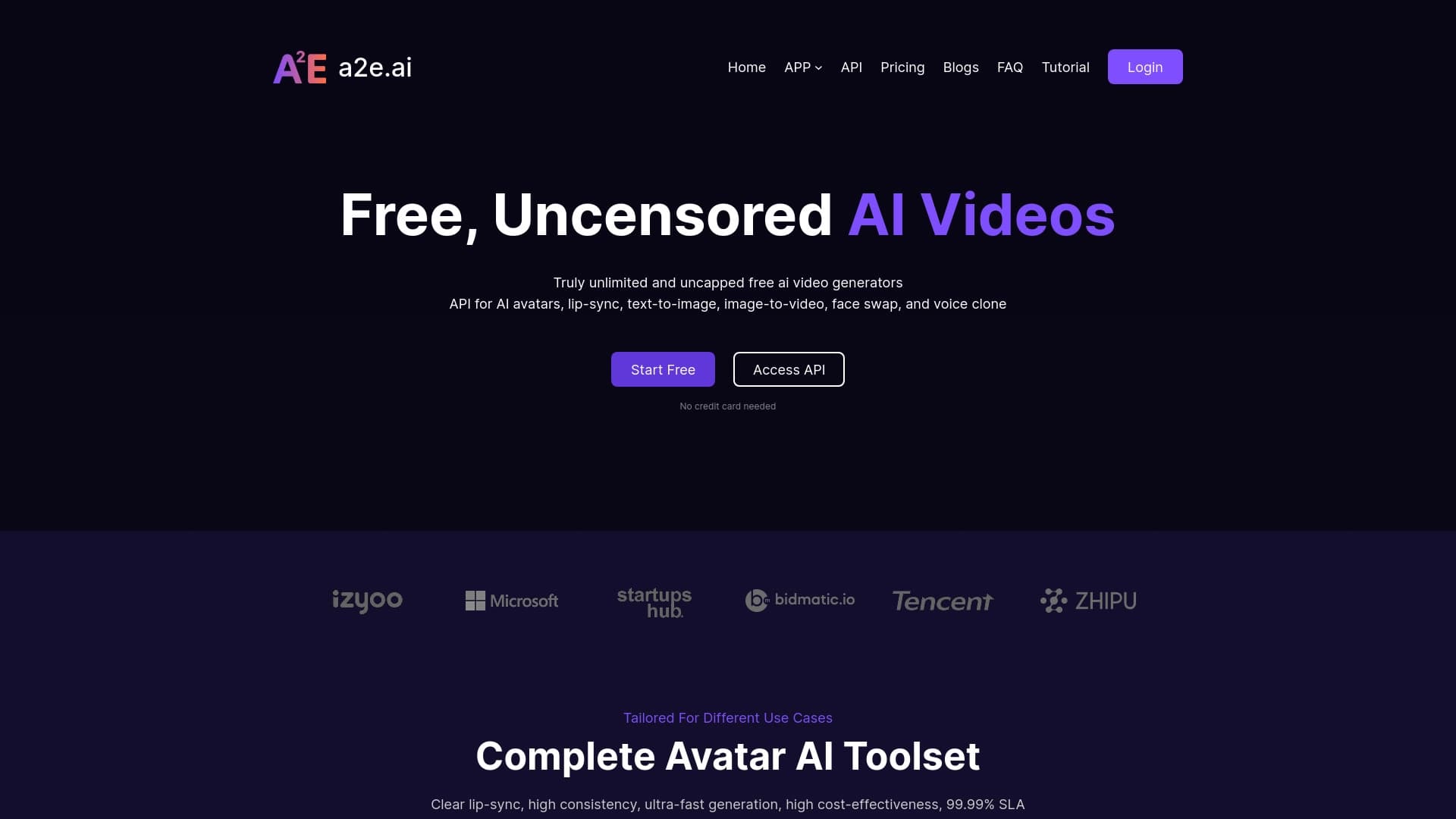

Набор инструментов для генерации и редактирования видео с помощью ИИ, включая аватары, липсинк и клонирование голоса.

Сервис для живых диалогов с ИИ, включающий генерацию текста, голоса и распознавание речи.

Платформа для автоматизированного геопространственного анализа спутниковых снимков и географических данных.
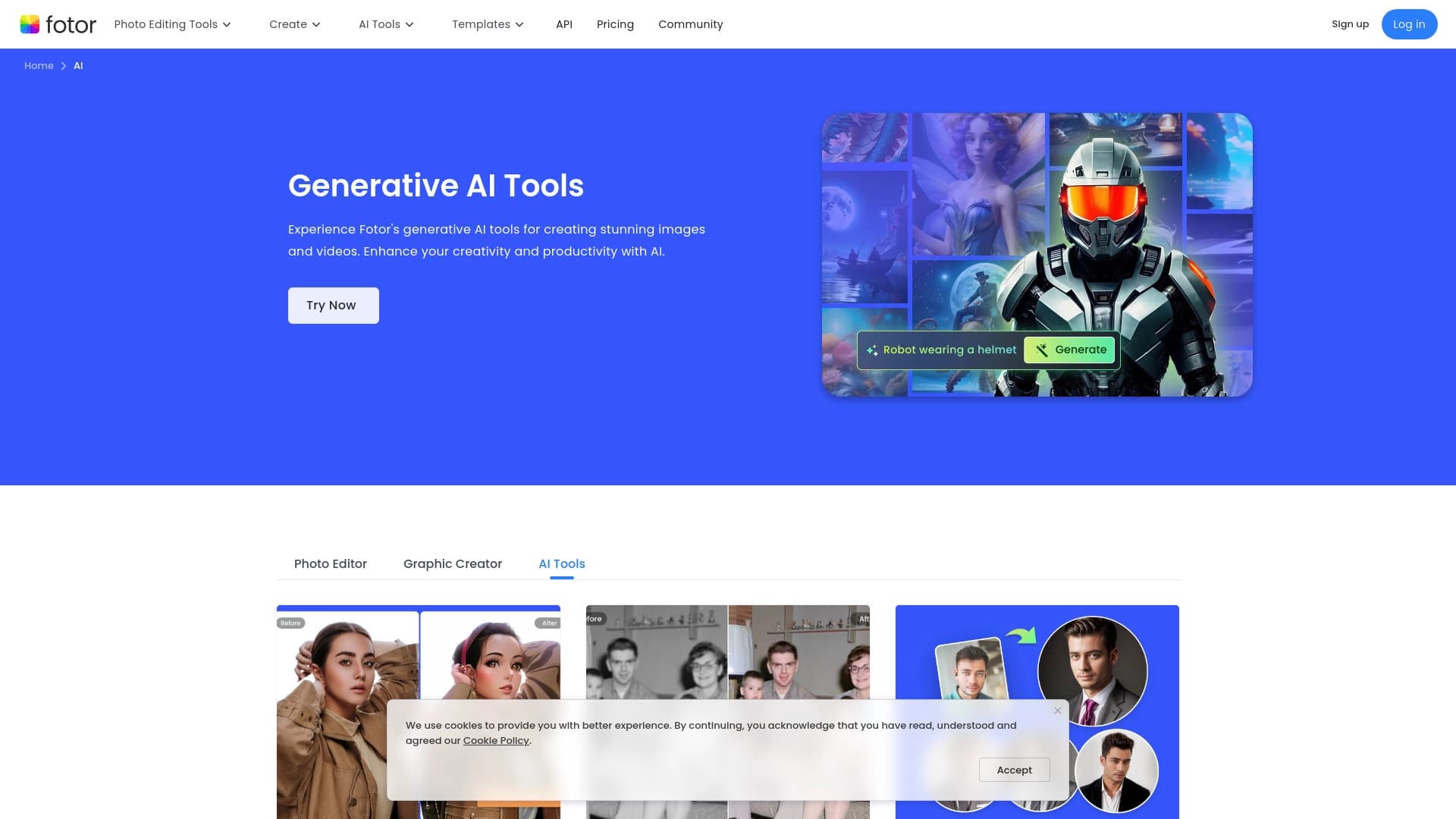

Онлайн-редактор изображений с функциями на базе ИИ для обработки фото, дизайна и генерации контента.
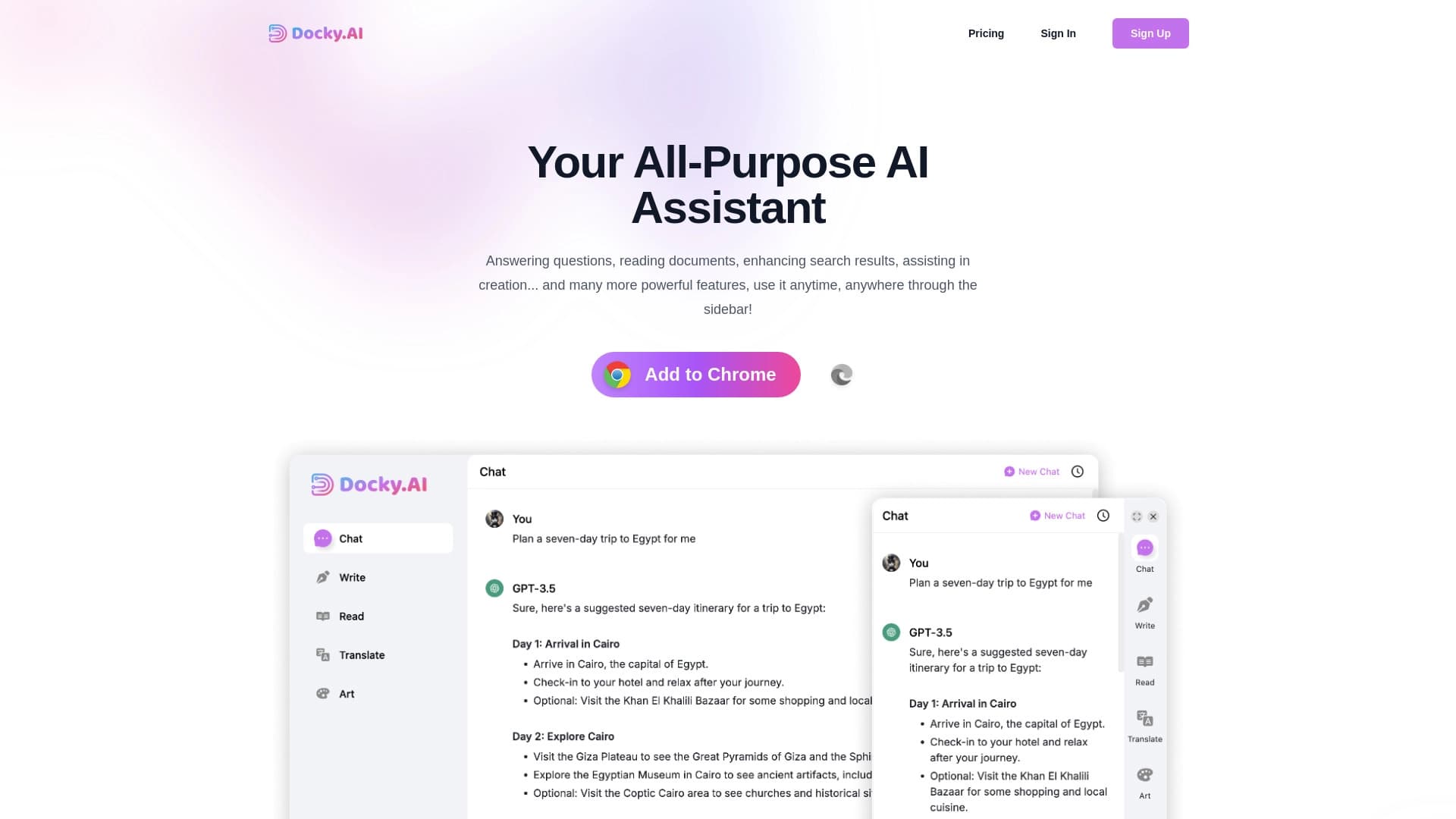

Боковая AI-панель, которая помогает отвечать на вопросы, работать с документами и генерировать изображения.