

ChatGPT Health
AI-powered tool for health-related user support, connecting to personal medical data.
Overview
ChatGPT Health is an AI-powered tool designed to support users with health-related questions. Its key distinguishing feature is the ability to connect to and analyze a user's personal medical data. This allows the neural network to work not with abstract scenarios, but with specific information about a specific person's condition.
How Data Processing Works
Instead of simply providing general information from medical reference books, ChatGPT Health processes personal information: medical history, test results, complaints, and other data that the user provides for analysis. This approach brings the service closer to the format of a personal consultant that takes context into account.
Purpose
The main goal of the tool is to help users navigate health issues before seeing a professional doctor. The service helps interpret received examination results, explains possible causes of symptoms, and offers general recommendations for improving well-being.
ChatGPT Health Features
| Feature | Value |
|---|---|
| Tool Type | Neural network for health-related support |
| Primary Function | Analysis of user's personal medical data |
| Key Use Cases | Symptom analysis, test interpretation, general recommendations |
| Target Audience | Patients seeking initial assistance |
| Data Integration | Supports uploading and analyzing personal medical information |
| Distribution Model | Not specified |
Who Is ChatGPT Health For?
Patients Wanting to Understand Their Symptoms
The service will be useful for those who feel anxious about unclear symptoms and want a preliminary assessment of their condition. The tool helps structure complaints, asks clarifying questions, and provides a preliminary explanation of possible causes. This does not replace a doctor's visit but helps users mentally prepare for it.
People Who Have Received Test Results
ChatGPT Health suits users who have received laboratory results and struggle to interpret them on their own. The neural network helps decipher terms, indicators, and values, explaining which are within normal ranges and which require attention.
How to Use ChatGPT Health
Connecting Medical Data
To get started, users need to grant the service access to their medical data. This can include medical records, test results, or a text description of their current condition. The more complete the source data, the more accurate the subsequent analysis will be.
Formulating a Request
After uploading data, the user describes their request: for example, asking to explain a specific indicator, analyze a concerning symptom, or receive general recommendations on routine. The neural network processes the request based on the uploaded context and generates a structured response.
Key Features of ChatGPT Health
Symptom Analysis
The service helps users understand what is bothering them. Based on provided descriptions and data, the neural network assesses likely causes of the condition and offers a list of possible directions for further examination.
Interpretation of Test Results
ChatGPT Health can act as a decoder of laboratory data. The tool explains what each indicator means, why it may deviate from the norm, and what it indicates in combination with other values.
Providing General Recommendations
Based on the combined input data, the service generates general health maintenance advice: sleep schedule, nutrition, physical activity. These recommendations are informational in nature and do not constitute a treatment prescription.
Advantages of ChatGPT Health
- Personalization: works with a specific user's data rather than generic templates.
- Accessibility: provides explanations at any time without waiting for a specialist appointment.
- Plain Language: complex medical terms are explained in simple words.
- Structured Output: responses are logically organized and broken into separate blocks for easy comprehension.
- Reduced Anxiety: preliminary information helps users worry less before a doctor's visit.
Disadvantages of ChatGPT Health
- Not a Substitute for a Doctor: the tool does not make diagnoses or prescribe treatment, despite having access to data.
- Dependence on Input Data Quality: if information is entered incompletely or with errors, analysis results may be inaccurate.
- Limited Scope: the service focuses on primary care and general support but cannot handle complex clinical tasks.
- Uncertain Distribution Model: at the time of description, it is unknown how the service is distributed (free, subscription, one-time payments), which limits understanding of access terms.
What Problems Does ChatGPT Health Solve?
Initial Self-Assessment
The tool helps users orient themselves regarding their condition when symptoms are unclear or raise questions. The system asks clarifying questions and pieces the picture together to provide an initial assessment.
Preparation for a Doctor's Visit
The service structures information so that users can clearly articulate their complaints and questions during a specialist appointment without missing important details.
Understanding Medical Information
ChatGPT Health translates medical documentation into accessible language, helping users independently understand what is written in their tests or medical records before consulting a specialist.
ChatGPT Health Pricing
Official information about the cost of using the service is not available in public sources. The pricing model is undisclosed: it is unknown whether the tool is completely free, offers paid tiers with expanded functionality, or uses a subscription-based access model. Current pricing information should be checked on the product's official website.
Terms of Use for ChatGPT Health
Due to working with sensitive medical data, the service imposes heightened requirements for the security of personal information processing. However, at present, detailed terms of use, including the privacy policy, data storage rules, and liability limitations, have not been publicly presented. Users are advised to carefully review the terms before uploading their medical documents. The service is not intended for emergency situations: in acute conditions, professional medical help should be sought immediately.
ChatGPT Health Availability
Information about the service's availability in various regions worldwide and on various platforms (web version, mobile apps, integrations) is currently undisclosed. It is unknown whether the tool works only in English or supports multilingual functionality. There is no information about whether the service is available in Russia and the CIS countries. For up-to-date availability information, users should refer to the product's official channels.
How ChatGPT Health Differs from Alternatives
Integration with Personal Data
The key difference from most similar services is the close integration with the user's personal medical data. While typical chatbots work based on general knowledge and standard scenarios, ChatGPT Health analyzes specific numbers, indicators, and histories, making responses more tied to the actual situation.
Patient-Oriented, Not Specialist-Oriented
Many medical AI tools are designed for doctors and intended to assist with diagnosis or decision-making. ChatGPT Health targets the average patient who wants to understand health issues without needing specialized education.
Explanatory Approach
Instead of simply providing results, the service emphasizes explanation: why it is so, what it means, and what to do next. This educational approach sets the tool apart from solutions that simply provide conclusions without explanations.
Conclusion
ChatGPT Health is a promising AI tool that bridges an important gap between receiving medical data and understanding it. The ability to connect personal information allows the service to provide more meaningful and contextual recommendations compared to impersonal medical chatbots. The tool's core value lies in helping patients navigate their own health initially: analyzing symptoms, explaining test results, and preparing for professional visits. The service is not diagnostic and does not replace a doctor, but it serves as a useful intermediate step for reducing anxiety and increasing user awareness. Given the incomplete public information about pricing, terms of use, and availability, potential users should wait for official clarifications from the developers before actively using the service.
Frequently asked questions
See also
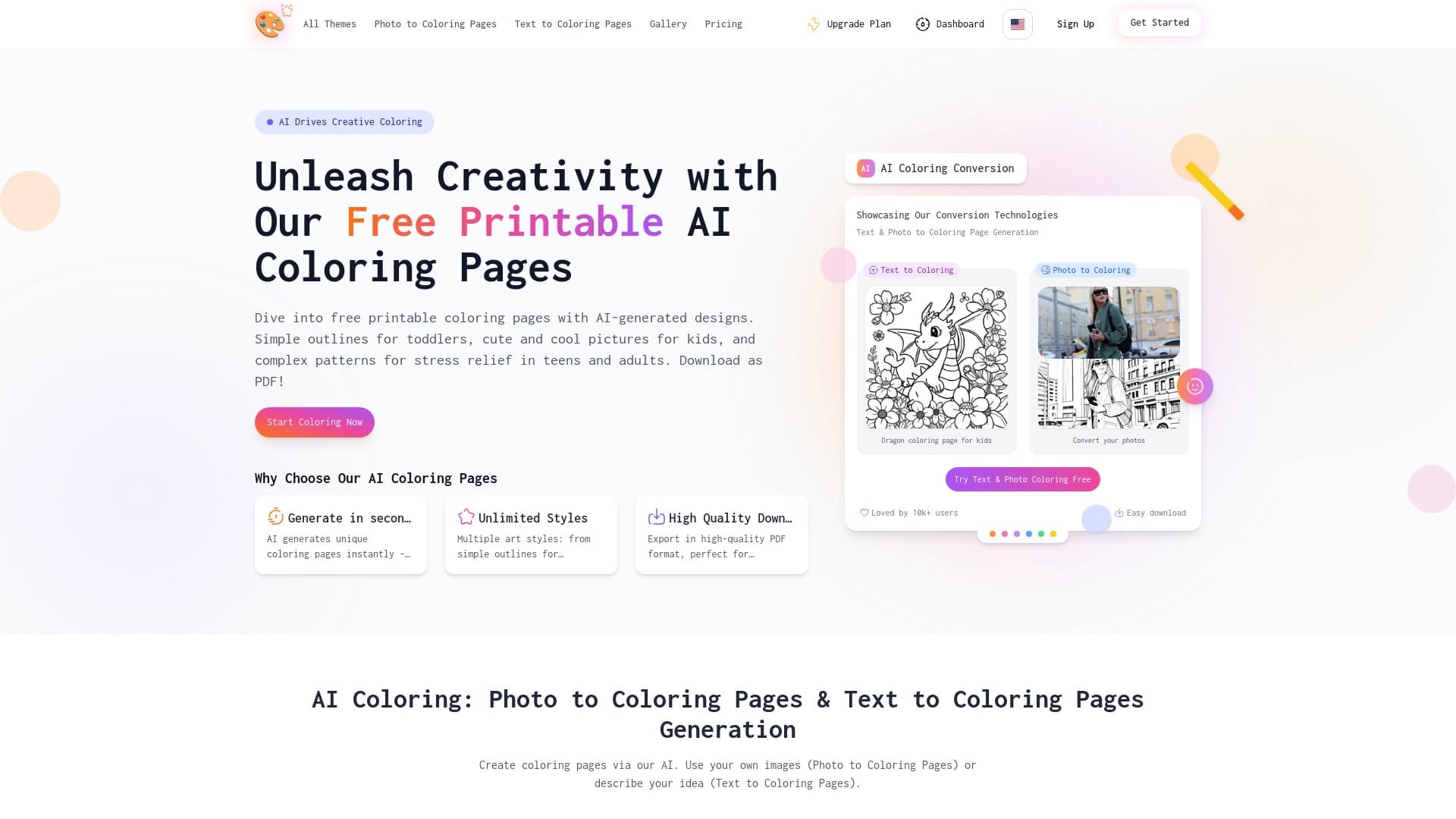

AI-powered coloring book generator that creates pages from text descriptions or uploaded images.
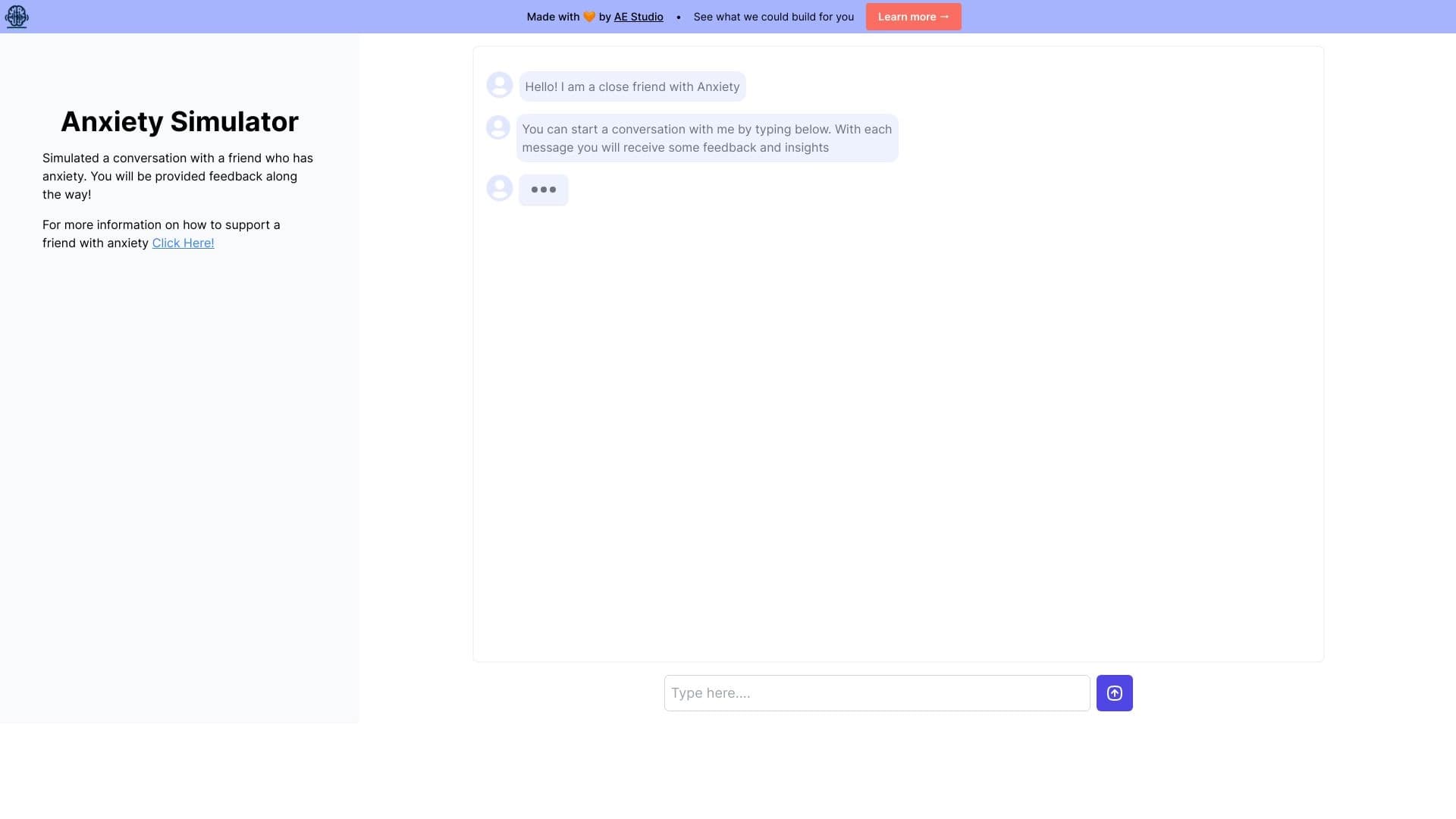
Web simulator for practicing supportive communication with a person experiencing anxiety.

AI assistant for doctors that automatically creates structured SOAP notes from appointment audio recordings.
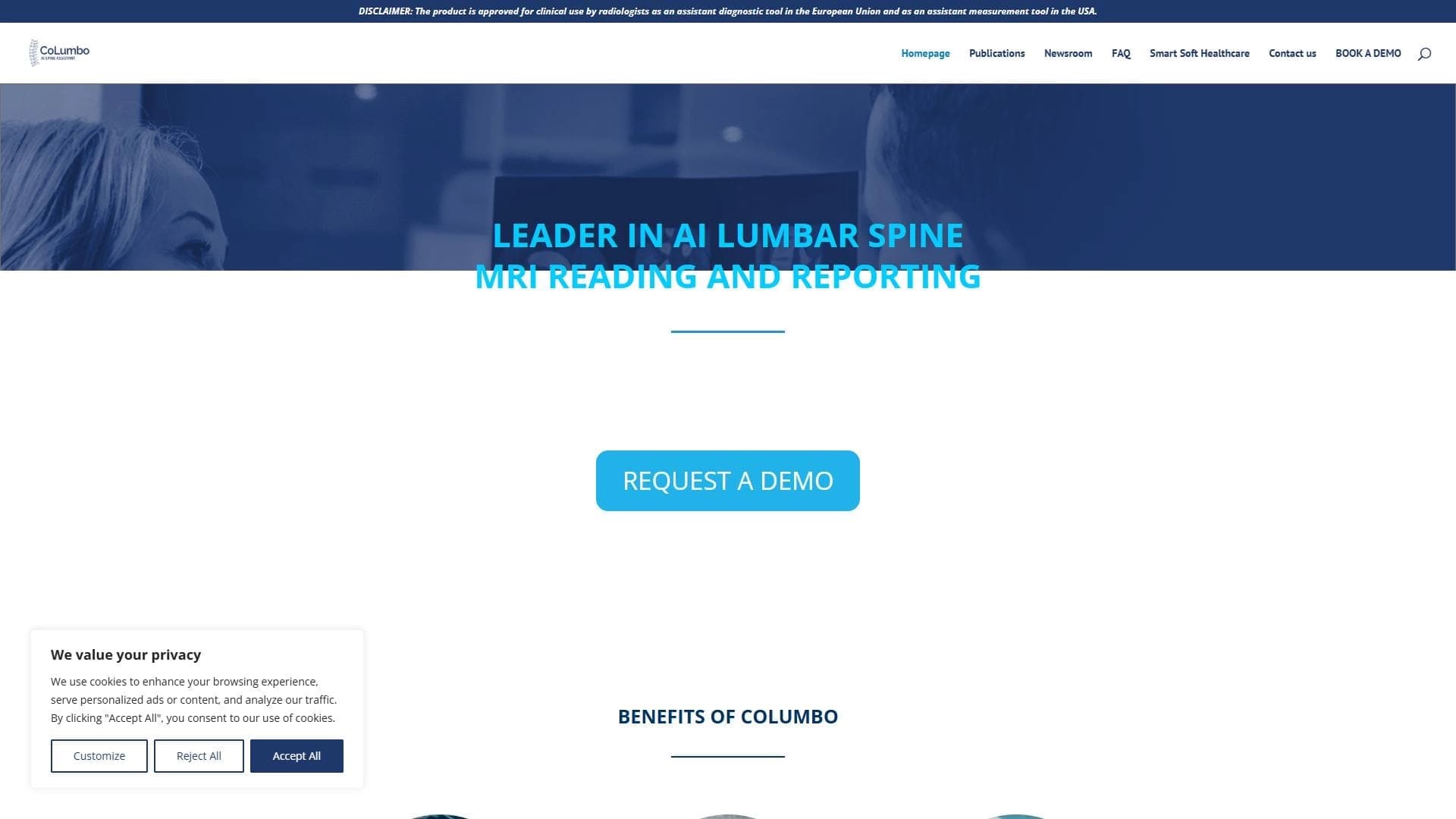

Neural network for automating the analysis of lumbar spine MRI and report preparation.
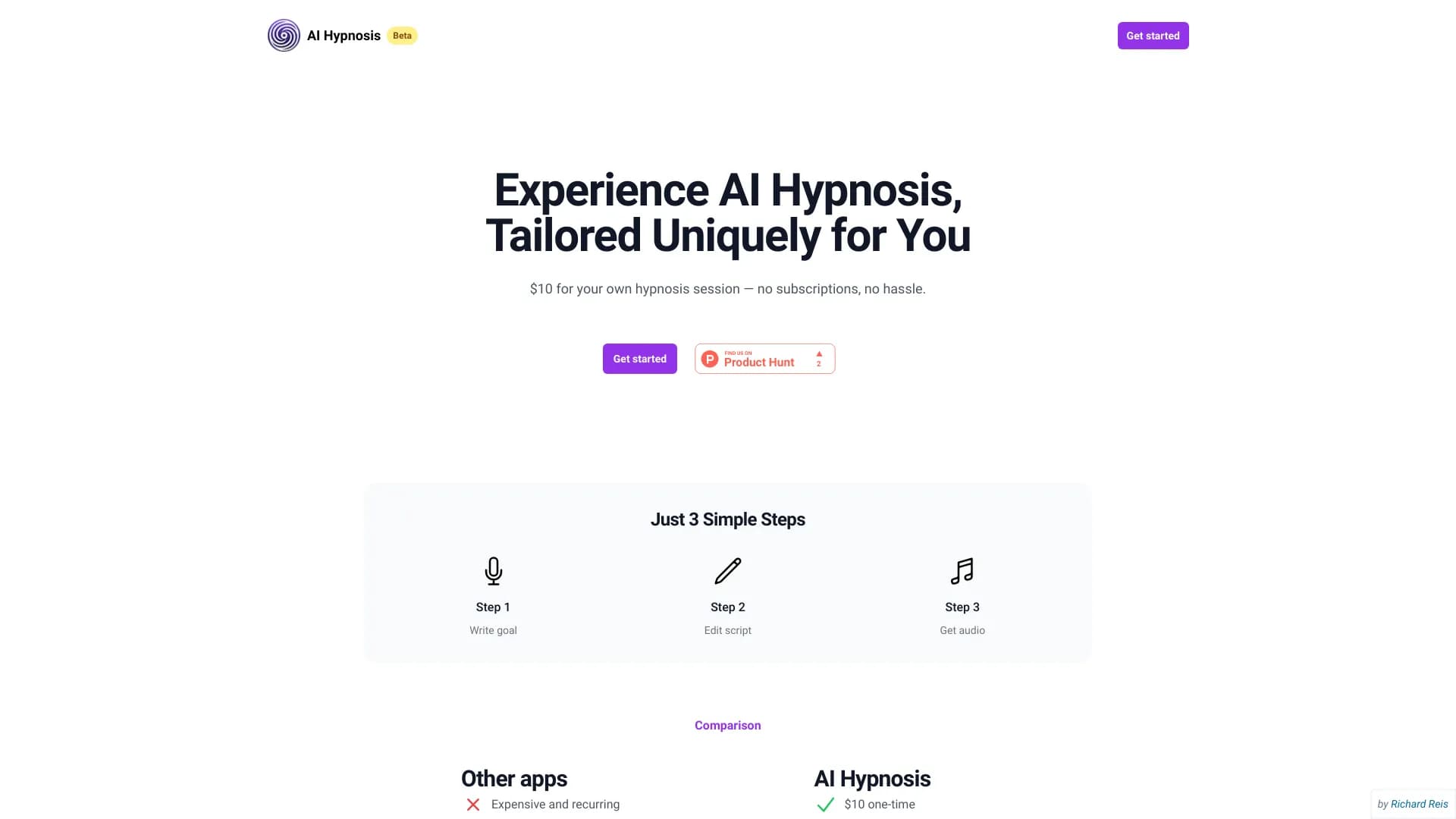

AI-powered service that creates personalized hypnotic audio sessions.


AI assistant for mental health support focused on stress management and burnout prevention.
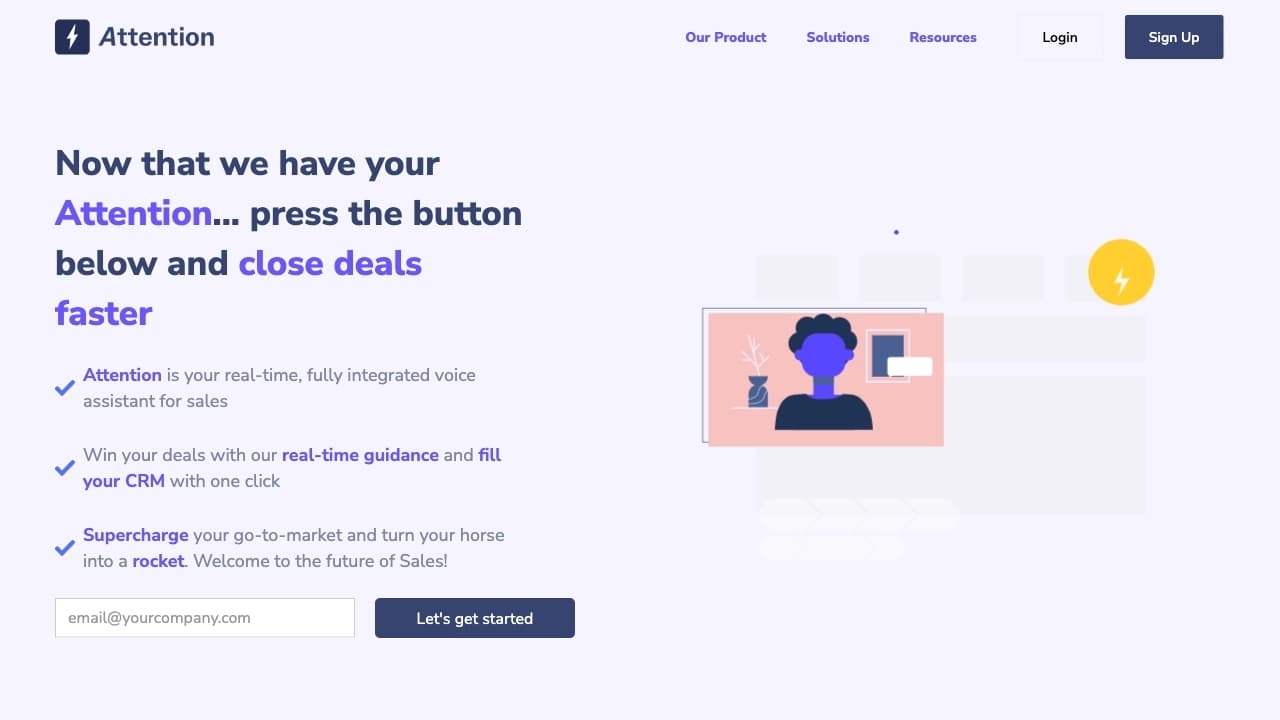

AI platform for CRM automation, call analytics, and real-time sales training.
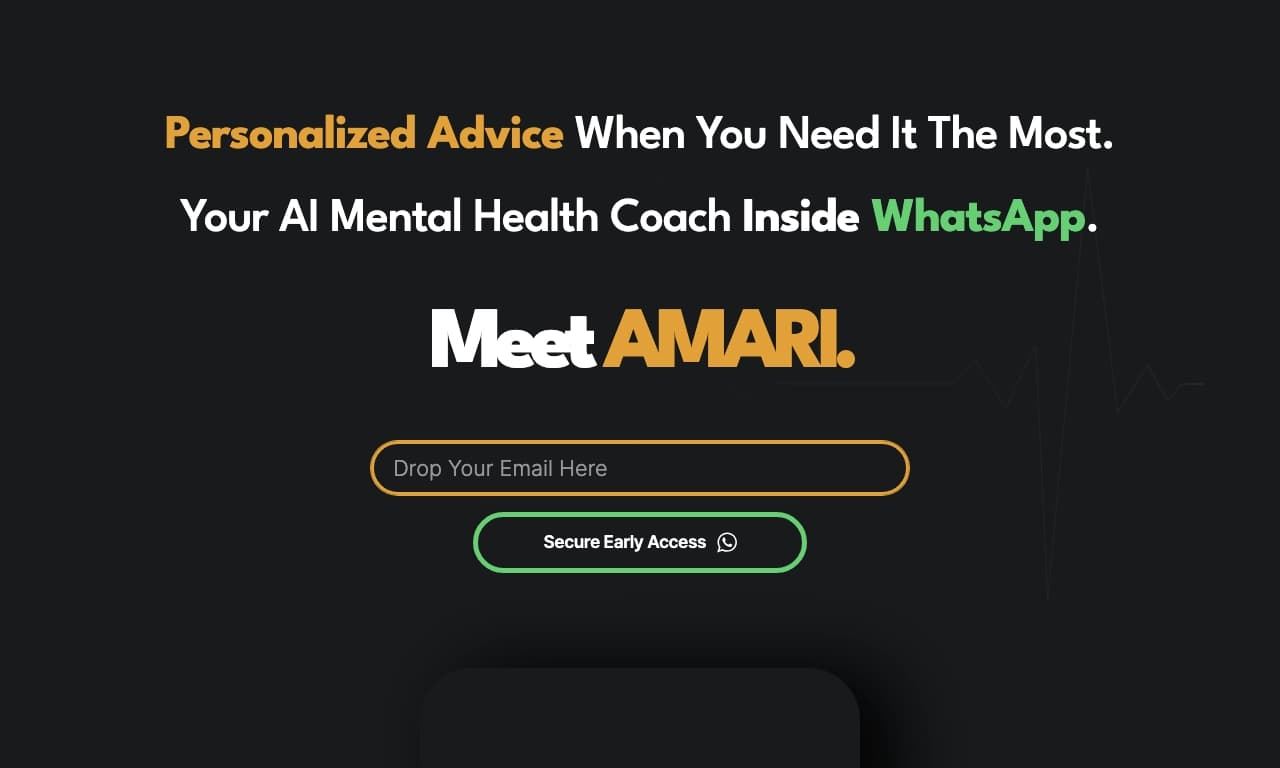
AI mental health coach that communicates with users via WhatsApp.