
Buster
Platform for AI agents to automate data and analytics engineering tasks.
Overview
Buster is a specialized platform that uses AI agents to automate tasks in data and analytics engineering. The service is designed for teams working with dbt projects (data build tool) and takes over routine processes that typically require significant time from data engineers.
Platform Concept
The core idea of Buster is to free data professionals from repetitive operations related to maintaining analytics infrastructure. Instead of manually reviewing every pull request, tracking changes in data sources, or updating documentation, teams can delegate these tasks to AI agents.
Focus on the dbt Ecosystem
Buster is deeply integrated with dbt — a popular tool for transforming data in analytics warehouses. The platform understands the specifics of dbt projects: models, tests, sources, and metadata, allowing it to automate workflows precisely in this context.
Buster Characteristics
| Characteristic | Value |
|---|---|
| Type | AI agent platform |
| Category | Logs and monitoring, Reports |
| Website | www.buster.so |
| Publication date | December 31, 2025 |
| Distribution model | Not specified |
Who is Buster suitable for?
Buster is aimed at a professional audience working with data. The platform will be useful primarily to those who actively use dbt in their pipelines.
Data and analytics engineers
For data engineers, Buster acts as a virtual assistant that takes on a significant portion of routine tasks — from code review to change monitoring. This allows specialists to focus on more complex and creative tasks.
Data and analytics teams
Analytics teams working with growing data stacks will appreciate the ability to automatically maintain documentation and quality control. Buster helps maintain consistent standards within the team even under high load and frequent changes.
How to use Buster?
To get started with Buster, you need to visit the platform's official website at buster.so. The onboarding process does not require complex setup — the platform integrates with existing dbt projects and data infrastructure.
Step 1: Connection
After registering on the platform, the user links their dbt project to the service. Buster gains access to the repository and project configuration for further automation.
Step 2: Agent configuration
The team can configure AI agents for their specific processes — determining which tasks to automate first: pull request reviews, quality monitoring, or documentation updates.
Key Buster Features
Pull request review automation
Buster automatically reviews pull requests in dbt projects, identifying potential code issues before they reach the main branch. The agent analyzes changes and suggests corrections.
Data quality monitoring
The platform tracks data health and alerts on deviations from expected metrics, helping teams quickly detect quality issues.
Upstream change tracking
Buster monitors changes in data sources and other dependencies, automatically identifying disruptions and helping resolve their consequences.
Documentation maintenance
Agents automatically update project documentation to match the current state of the code, saving the team from doing this manually.
Buster Advantages
Reduced manual work
The platform handles numerous repetitive operations, significantly reducing the amount of manual effort for the data team. Automation is estimated to save hundreds of hours per month.
Fewer errors
Automatic issue detection and suggested fixes reduce the risk of human errors caused by inattention or fatigue during monotonous tasks.
Consistent standards and stability
Buster helps maintain consistent code and documentation standards within the team, which is especially important as the team grows or projects scale.
Buster Disadvantages
Based on available data, no obvious platform drawbacks stand out. However, it is worth noting that Buster is a niche tool focused exclusively on the dbt ecosystem. For teams not using dbt or working with other data transformation tools, the platform will be irrelevant.
What tasks does Buster solve?
Automating routine processes in dbt
The platform automates day-to-day operations around dbt projects: from change review to keeping documentation up to date.
Ensuring pipeline stability
Buster helps maintain the stability and consistency of dbt pipelines through automatic change control and rapid response to data issues.
Fast error detection and correction
Thanks to automated monitoring, data issues are detected at early stages, and suggestions for resolution are provided to the team without delay.
Buster Pricing
Pricing information for the Buster platform is not disclosed in available sources. For current information on rates and service costs, it is recommended to contact the official website directly at buster.so.
Buster Terms of Use
Specific terms of use for the platform are not published in open sources. Typically, such details, including license agreements, privacy policies, and data processing rules, are provided upon registration and subscription on the service.
Buster Availability
Buster is available as a web platform at buster.so. No additional software installation is required to start using the service — all you need is browser access and a dbt project for integration.
How Buster differs from alternatives
The key difference between Buster and other automation tools for data teams is its deep specialization in the dbt ecosystem. Instead of universal solutions covering a wide range of tasks, Buster focuses on a specific workflow: from code review to data monitoring and documentation.
This approach allows the platform to offer deeply integrated automation precisely where it is most needed in dbt projects. For teams that have built their entire analytics stack on this technology, Buster provides a more comprehensive solution than general automation platforms or disparate monitoring tools.
Conclusion
Buster is a highly specialized tool for data and analytics engineers, focused on automating work with dbt projects and improving the reliability of data pipelines. It helps data teams reduce manual work, lower the risk of errors, and maintain the stability of analytics infrastructure through automated pull request reviews, quality monitoring, and documentation updates. For teams using dbt, the platform can be a valuable addition to their workflow.
Frequently asked questions
See also
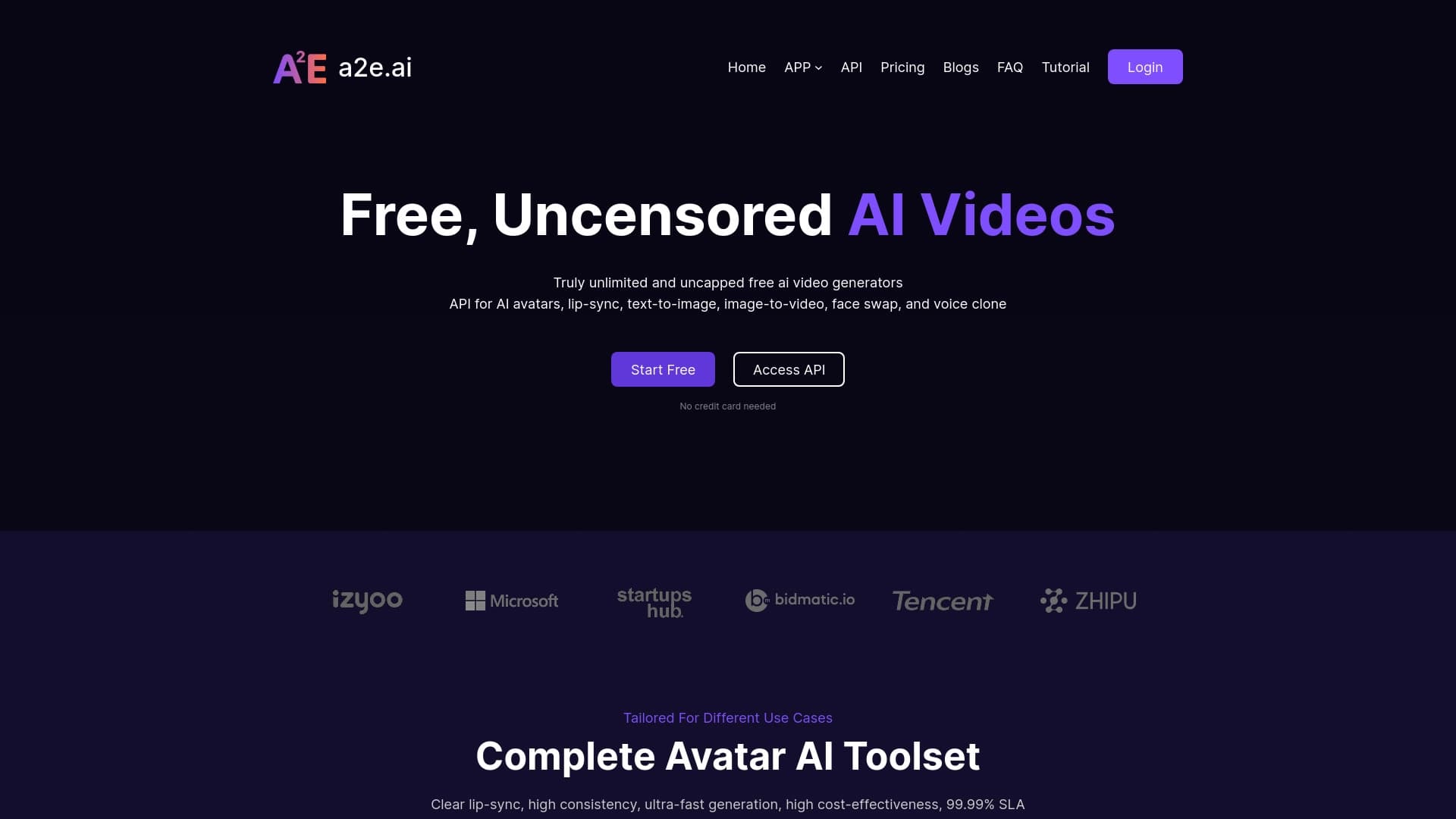

AI toolkit for video generation and editing, including avatars, lip-sync, and voice cloning.
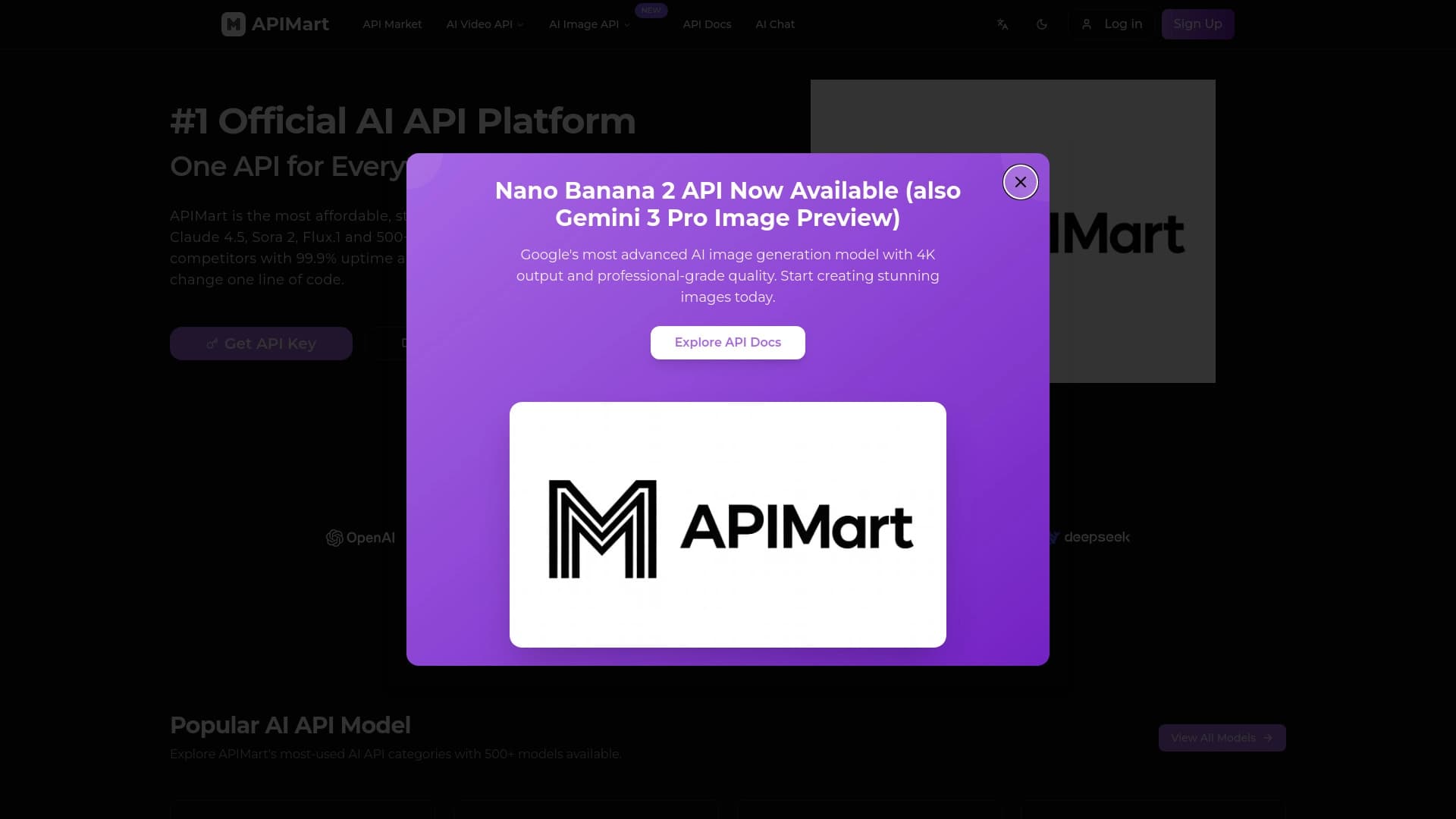
Unified API access to more than 500 AI models, including GPT-5 and Claude 4.5, with the ability to save on costs.
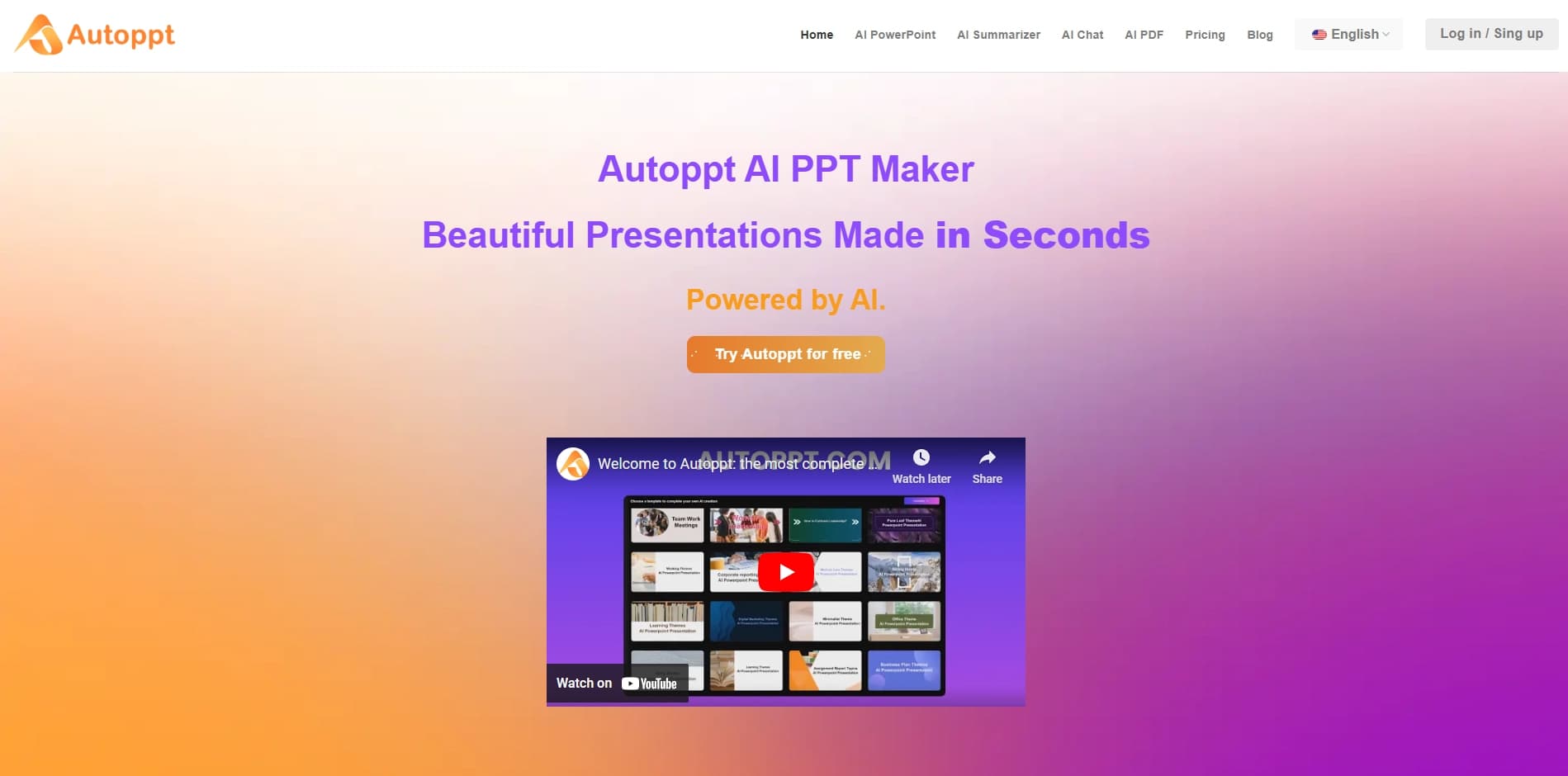

Online AI-powered service for quickly creating presentations based on a given topic or an uploaded document.

A platform for content creators that combines link management, email marketing, an online store, and analytics in a single visual editor without coding.
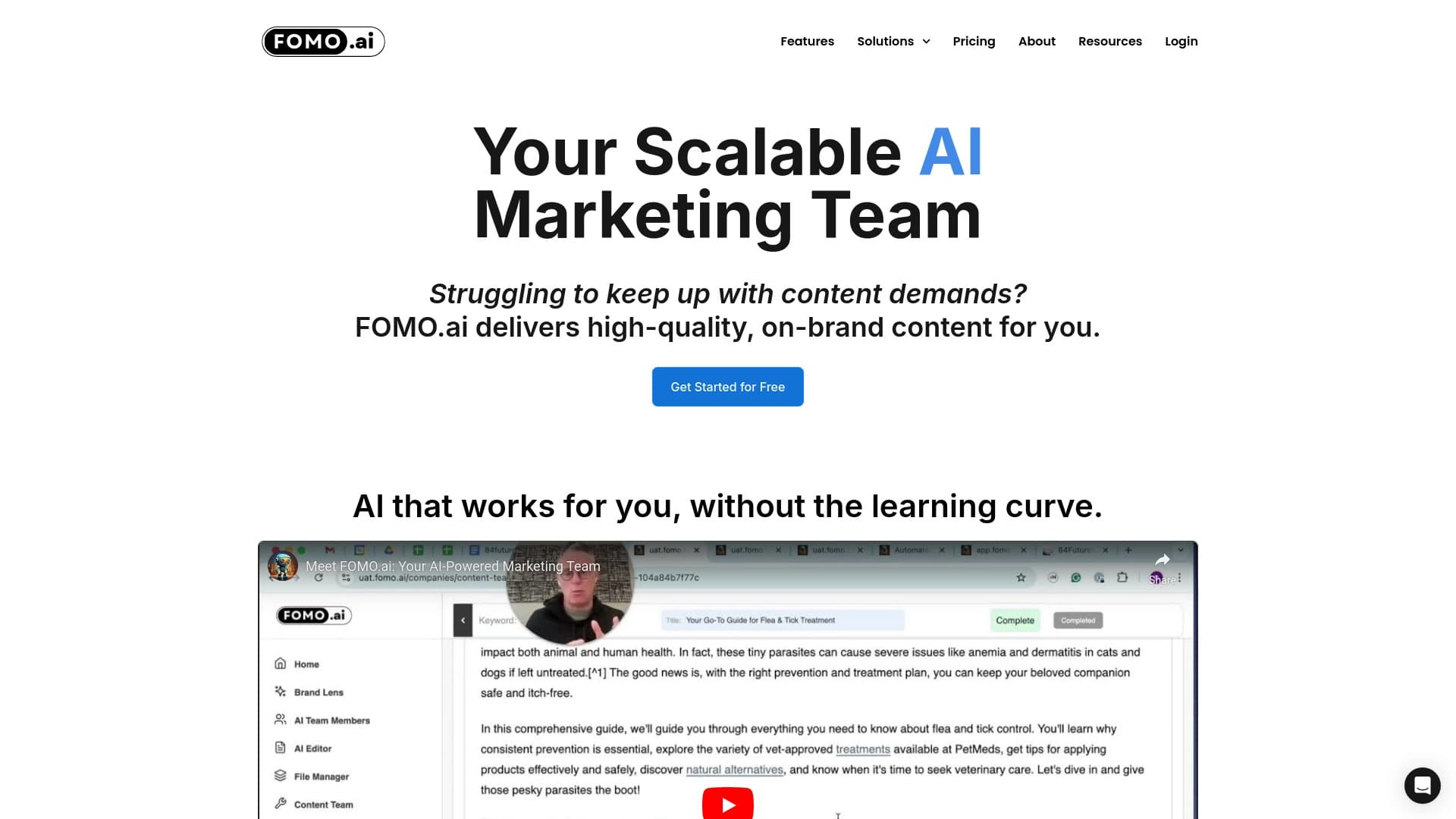

Platform for increasing organic traffic and creating content with the help of AI and expert participation.
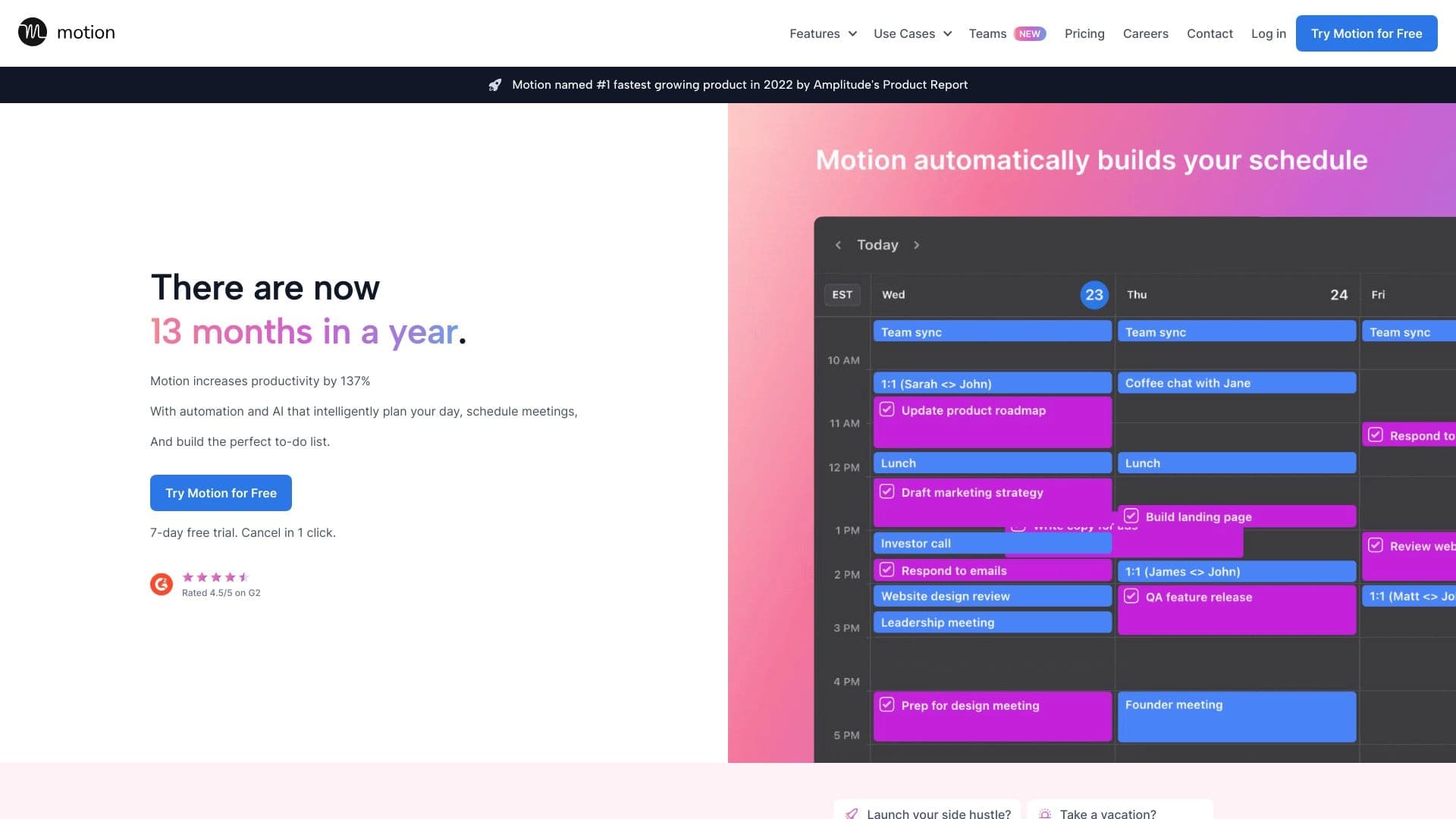

AI platform for automatic workday planning, task management, and prioritization.
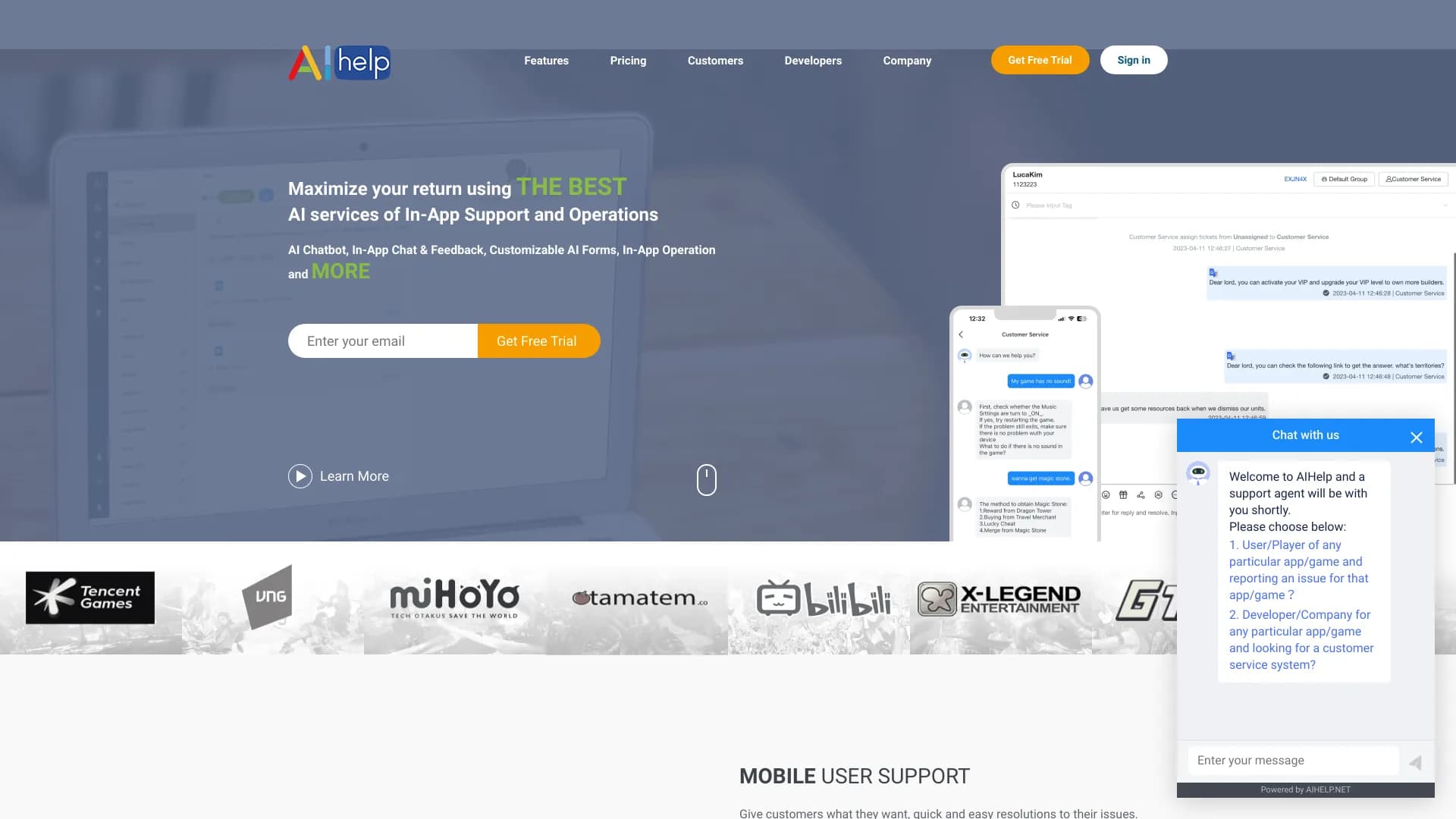

AI platform for user support in applications, including a chatbot and ticketing system.
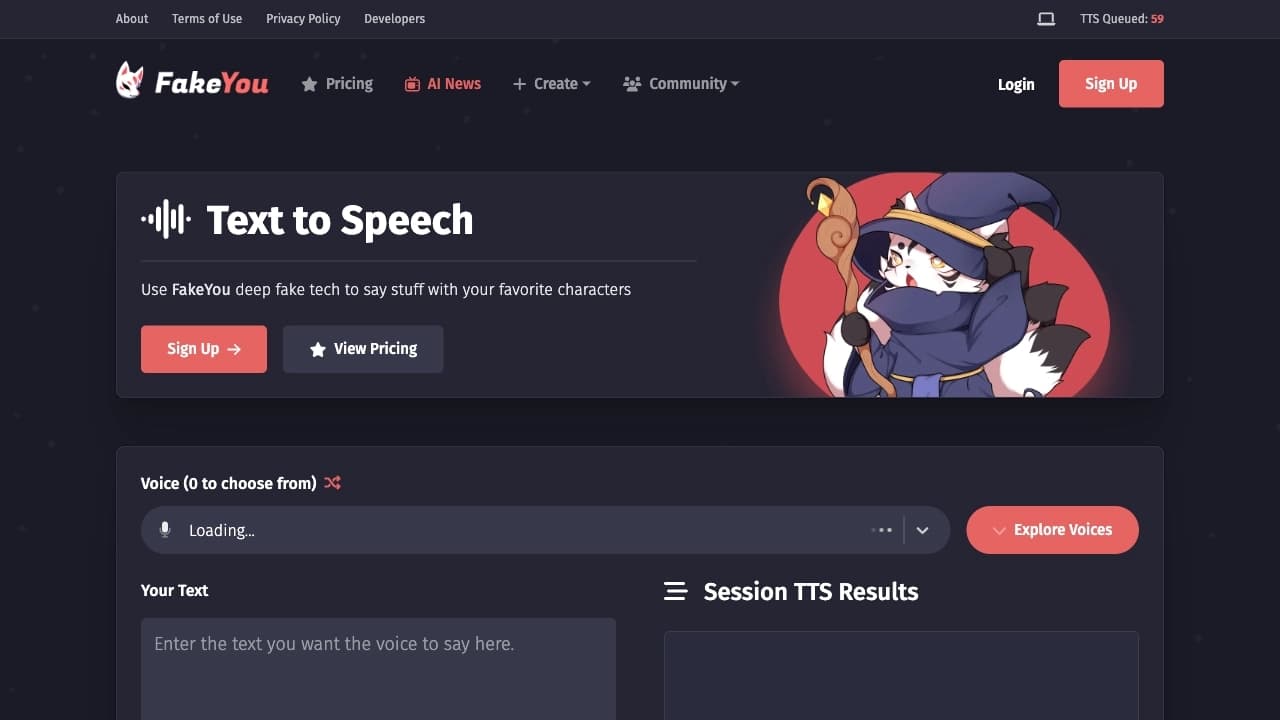

Online AI speech synthesis platform that allows generating audio with voices of famous characters and celebrities.