

BulkGPT
BulkGPT is a no-code service for mass data processing using AI and web scraping.
Overview
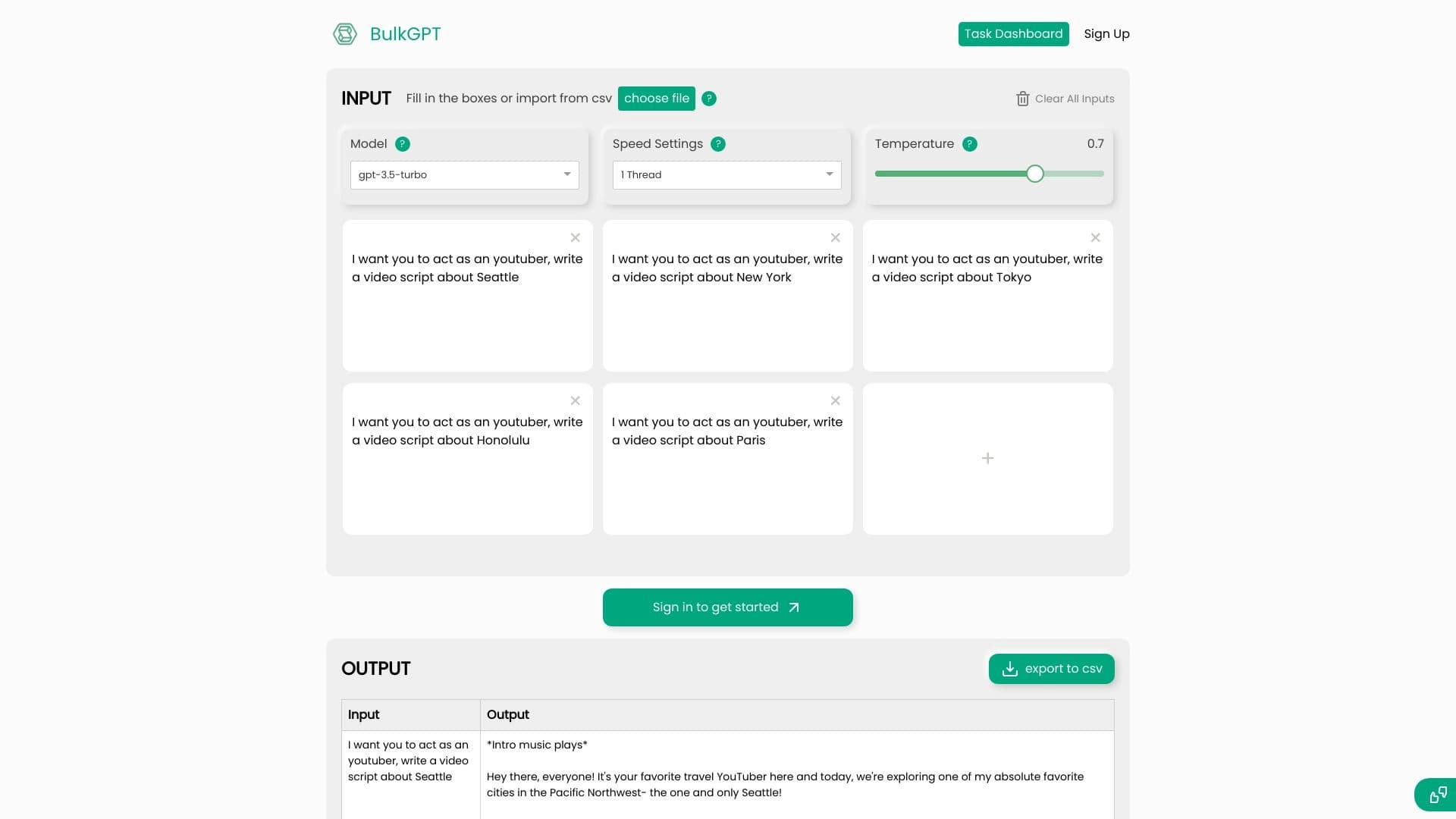
BulkGPT is a no-code service that combines mass web scraping and AI workflow automation in a single tool. The platform allows you to process GPT requests in batches rather than one at a time, fundamentally changing the approach to working with large volumes of data. Instead of manually copying information from websites or writing parsing scripts, users upload a spreadsheet with source data (for example, a list of product names) and receive a structured result: specifications, SEO texts, descriptions, and other ready-made materials.
The key feature of BulkGPT is that it connects two stages of work: finding and collecting data on the internet (including search via Bing) and then processing that data with a neural network. This makes it possible to automate the full cycle — from finding information on web pages to turning it into neatly formatted tables or texts. The service is designed for those who want to scale their work without involving developers or writing code.
BulkGPT Features
| Feature | Value |
|---|---|
| Type | No-code service for mass web scraping and AI workflow automation |
| Category | Web scraping and parsing, No-code and Low-code platforms |
| Website | bulkgpt.ai |
| Google Sheets integration | Yes (add-on) |
| Processing volume | Up to 5,000 rows per run |
| Data upload method | CSV file or Google Sheets |
| Web search | Yes (including via Bing) |
Who is BulkGPT for?
E-commerce and online stores
Online store owners and managers often need to fill out product cards: descriptions, specifications, prices. Doing this manually takes a long time, especially when the assortment runs into hundreds or thousands of items. BulkGPT automatically collects missing product data from supplier websites and converts it into a structured format ready for upload to a catalog.
SEO specialists and marketers
Website promotion requires the regular creation of large volumes of text: articles, meta descriptions, product cards. BulkGPT helps generate SEO texts in batches based on the input data. In addition, the service can collect information from competitor pages, which is useful for market analysis and building a content strategy.
Teams without technical specialists
The main audience of the service is users who do not have programming skills but need automation. Instead of commissioning the development of parsers or setting up complex integrations, a marketer or content manager can independently upload a CSV file, select a processing template, and get a finished result. This removes the dependency on the IT department and speeds up everyday tasks.
How to use BulkGPT
Uploading source data
The first step is preparing and uploading data. Users can upload a CSV file directly or work with a spreadsheet through the Google Sheets add-on. Source data can include, for example, product names, page URLs, or any other text values that need to be enriched with information. The service supports processing up to 5,000 rows per run.
Setting up the action chain
After uploading data, you need to configure the processing order. BulkGPT allows you to create custom action chains (workflows) or use ready-made templates. The logic works as follows: the service performs a search query on the internet (including via Bing), finds relevant pages, collects data from them, and passes it to the AI for further processing. The result is returned as a structured table ready for use.
Key BulkGPT Features
Batch data processing without code
The service is designed for batch work. Instead of single requests to the neural network, users upload an entire set of rows (up to 5,000) and receive processed results for all items. This is especially convenient when working with large product catalogs or lists of URLs.
Web search and data collection
BulkGPT can perform internet searches, including through the Bing search engine, find relevant pages, and extract the needed information from them. This feature combines web scraping and AI processing: the collected data is immediately passed to the neural network for analysis, structuring, and conversion into the required format.
Ready-made templates and custom workflows
Ready-made templates are available for typical tasks: collecting product specifications, extracting prices, generating SEO texts, creating personalized messages, and product descriptions. If a standard scenario is not enough, users can create their own sequence of actions, combining search, data collection, and AI processing in any order.
BulkGPT Advantages
No need to program
The no-code approach is the service's main advantage. Users work with familiar spreadsheets and an intuitive interface without diving into the technical details of parsing or API operations. This makes the tool accessible to a wide range of specialists.
Working with large volumes of data
The ability to process up to 5,000 rows at once saves hours of manual work. Instead of pasting each product name into a separate prompt, you only need to upload the list once and run the processing.
Google Sheets integration
The Google Sheets add-on lets you use the service right in your familiar environment. Users can run data processing without leaving the spreadsheet, and results are returned directly to the same rows. This is convenient for teams that keep track of data in Google Sheets.
Combination of web scraping and AI
Most similar tools offer either parsing or text generation. BulkGPT combines both stages in one interface: the service itself finds pages, extracts data, and then processes it with a neural network. This eliminates the need to use several different services and set up data exchange between them.
BulkGPT Disadvantages
Detailed information about the service's disadvantages is not available in public sources. As with any tool, they may include limitations of the free plan (if available), the dependence of result quality on specific prompt formulations, and possible difficulties with parsing websites protected against bots. However, the exact list of limitations can only be clarified on the official website of the service or in its documentation.
What tasks does BulkGPT solve?
Mass data collection from web pages
The main task of the service is parsing. Users can upload a list of URLs or product names, and BulkGPT will find information on the corresponding pages. This eliminates the need to manually open each website and copy data.
Automatic content creation
The second key function is text generation. Based on the collected data, the neural network can compose SEO texts, product descriptions, personalized messages, and other text materials. Content is created in batch mode, which is especially important for projects with a large number of pages.
Structuring raw data
BulkGPT also solves the task of "tidying up" raw tabular data. If a user has a chaotic list with unstructured information, the neural network can convert it into neat categories and columns. This is useful when working with data obtained from different sources and in different formats.
BulkGPT Pricing
Information about the cost of BulkGPT pricing plans is not available in the public sources used to prepare this article. For up-to-date information on prices and available plans, it is recommended to visit the official website bulkgpt.ai or review the terms inside the service if a trial period or free version is provided.
BulkGPT Terms of Use
The exact terms of use of the service have not been described in detail in available sources. Based on the overall functionality, the service is aimed at the B2B segment and individual specialists. It is expected that usage involves working with tabular data (CSV or Google Sheets), which may include processing content from third-party websites, so users should consider copyright laws and content usage rules when using collected data commercially.
BulkGPT Availability
BulkGPT offers convenient ways to interact with the service. Users can work either by uploading CSV files or through the add-on directly in Google Sheets. Since the service is available at bulkgpt.ai, it is assumed to be globally accessible through the web interface. Exact data on supported interface languages or regional restrictions is not provided in the sources.
How BulkGPT differs from alternatives
A comprehensive approach instead of scattered tools
The main difference between BulkGPT and its competitors is the combination of web scraping and AI processing in one service. There are many parsers on the market that collect data, and many AI platforms that generate texts. BulkGPT combines these functions, eliminating the need to purchase and configure two separate tools.
No-code philosophy
Unlike many specialized parsers that require skills in regular expressions or scripting, BulkGPT is built for people without a technical background. The interface is built around familiar spreadsheets — CSV and Google Sheets — and process setup happens through understandable templates.
Batch processing as the standard
Many AI services process requests one at a time. BulkGPT is designed from the start to work with batches of data — up to 5,000 rows per run. This makes it convenient for "large catalog" scale tasks, where generating a single text at a time does not solve the problem.
Conclusion
BulkGPT is a practical tool for automating work with data and content, combining the capabilities of web scraping and generative AI. Its main strength lies in batch processing of up to 5,000 rows and a no-code approach, making the service accessible to marketers, SEO specialists, and e-commerce professionals without technical skills. The ability to work with CSV and Google Sheets, the availability of ready-made templates, and combined workflows allow solving a wide range of tasks — from parsing product specifications to creating SEO texts and structuring data. Given the lack of information about pricing and plan details, the main purchasing decision should be made after getting familiar with the service on the official website, where current terms and capabilities are available.
Frequently asked questions
See also
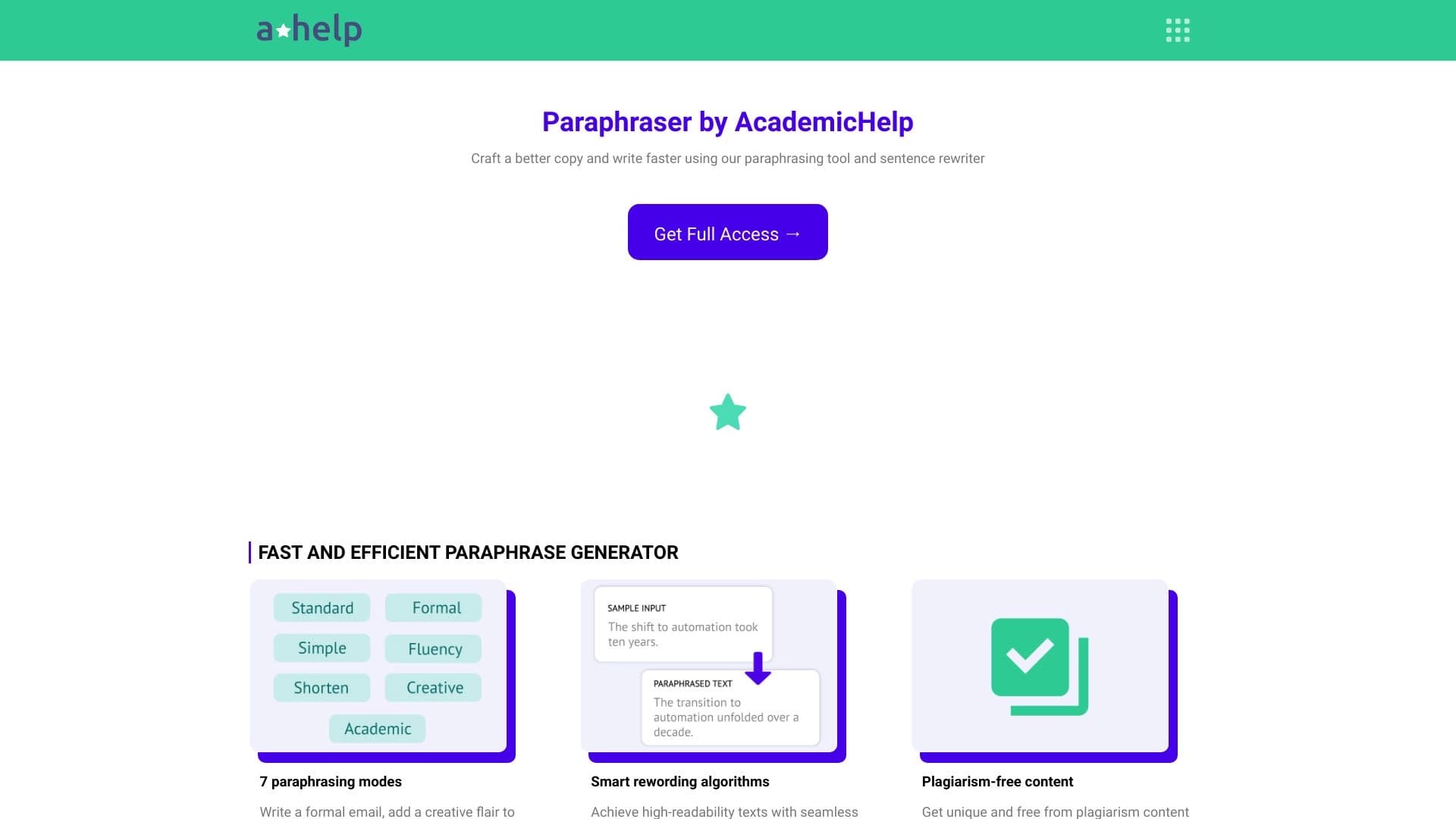

Online service for text paraphrasing with seven modes, helping you create unique content.

Multifunctional AI platform for content creation, combining speech synthesis, text generation, avatar creation, and video editing.
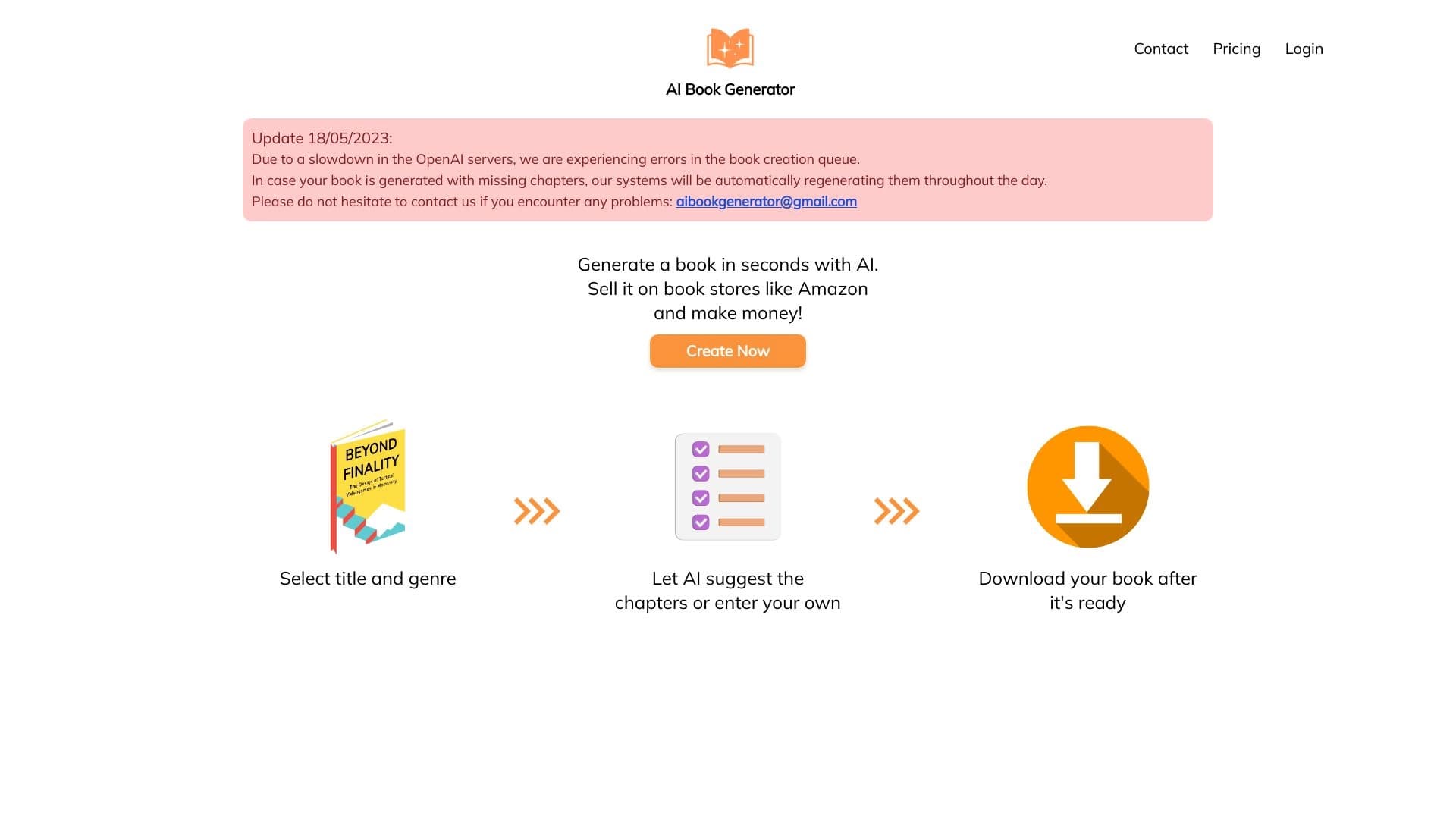

Service for quickly generating e-books on a given topic.

Cloud platform for creating videos using AI avatars, synthesized speech, and automatic translation of clips into dozens of languages.


AI-powered coloring book generator that creates pages from text descriptions or uploaded images.


Averi is a marketing platform that brings campaign planning, content creation, and analytics together in a single interface.
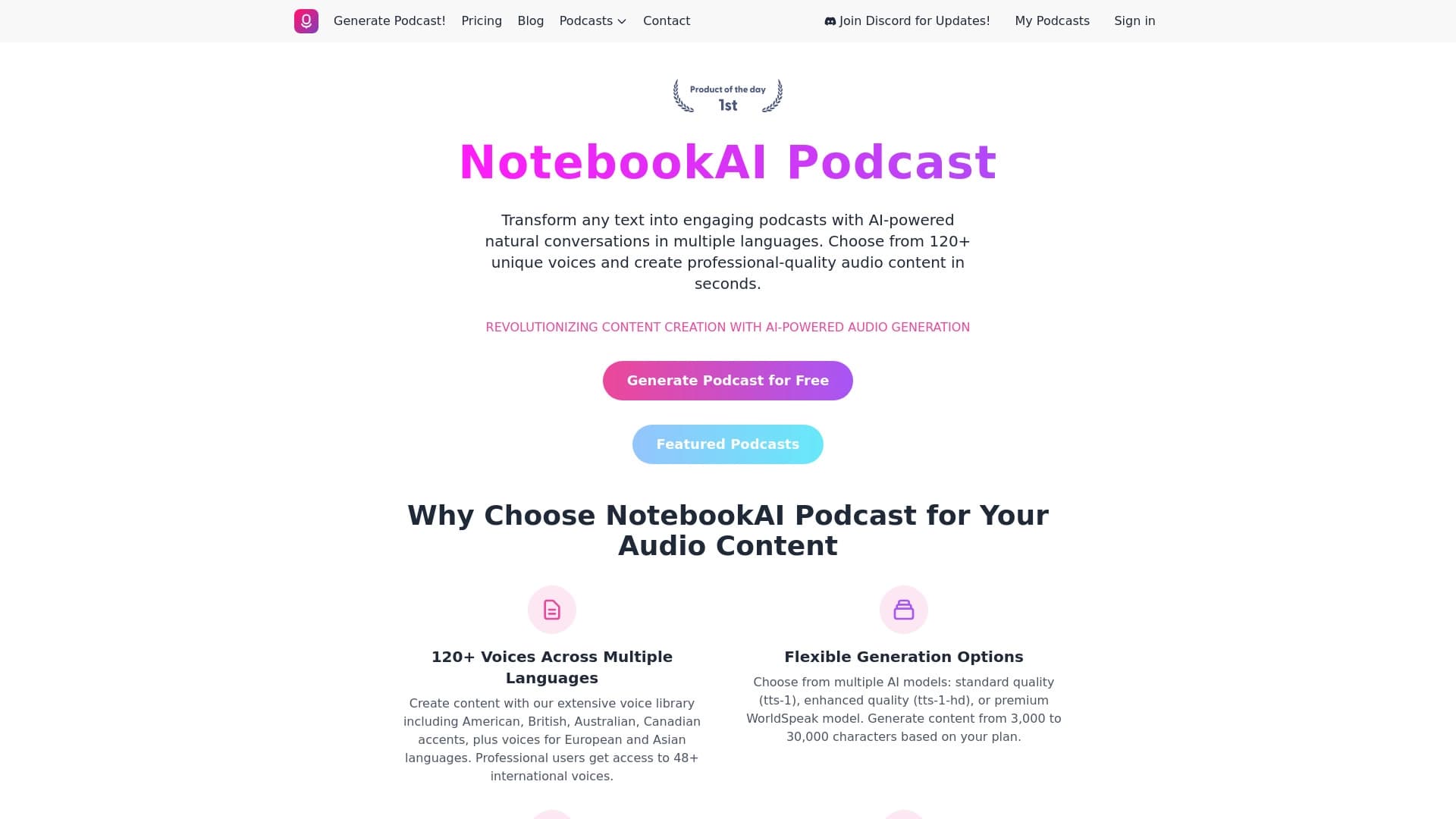

A service for turning text into podcasts with naturally sounding voices in different languages.


AI chatbot for automating customer communication and lead qualification.