
BlenderMCP
An AI-powered tool that lets you control Blender through conversation.
Overview
BlenderMCP is an integration tool that connects the popular 3D editor Blender with modern language models (AI). The core idea of the project is to replace manual control of the program's complex interface with a simple dialogue with artificial intelligence. The user describes the desired object or scene in words, and the neural network converts the request into specific commands for Blender.
Architecture
The tool works through the modern MCP (Model Context Protocol). This is a standardized way of communication between applications and neural networks. Simply put, BlenderMCP acts as a translator: it receives requests from AI and converts them into actions understandable to Blender. Users don't need deep knowledge of tool panels or hotkeys.
Target Audience
The developers targeted two main groups: beginners who are just starting to learn 3D graphics, and professionals who want to speed up routine operations. For some, it's a way to quickly understand the process of creating models; for others, it's an opportunity to save time on repetitive actions.
BlenderMCP Features
| Feature | Value |
|---|---|
| Tool type | Integration / plugin for Blender |
| Connection protocol | MCP (Model Context Protocol) |
| Command input method | Natural language (text queries) |
| Compatibility | Works with language models |
| Distribution model | Free |
| Primary purpose | Creating 3D objects and scenes through dialogue with AI |
| User difficulty level | Low (does not require deep interface knowledge) |
Who is BlenderMCP suitable for?
The tool is aimed at a wide range of users, but is especially useful for certain categories.
Beginner 3D Artists
If you're just starting your journey in 3D, you know how difficult it can be to navigate dozens of Blender menus and settings. With BlenderMCP, you can formulate your ideas in words, and the AI will handle the technical implementation. This allows you to move faster to creative experiments and practice without a long study of theory and hotkeys.
Professional CG Specialists
For experienced designers, architects, and animators, this tool will be an assistant for speeding up repetitive tasks. For example, generating a basic scene template or quickly creating a series of similar objects can be done with a simple text description of priorities.
Educators and Students
For educational purposes, BlenderMCP can be used to demonstrate AI capabilities and enable rapid prototyping of ideas by students. This makes the learning process more visual and engaging.
How to use BlenderMCP?
The workflow with the tool is intuitive and includes several key steps.
Step 1: Installation and Connection
The user needs to install the BlenderMCP plugin in their Blender. Next, you'll need to configure a connection to one of the supported language models. After that, the integration connects to the Blender interface via MCP and is ready for dialogue.
Step 2: Formulating a Request
You interact with the AI through a chat window. Requests can be of any complexity: from "create a red cube" to "add two light sources to a scene with a curved plane." Instead of spending time manually adjusting parameters, you simply describe the task in words.
Step 3: Reviewing the Result
The AI processes the request and executes a series of commands in Blender. The result appears in the 3D editor window. If necessary, you can clarify details, send corrective commands, or ask to modify the created object. Essentially, it's the same dialogue, but with feedback through the visual result.
Key Features of BlenderMCP
Despite its apparent simplicity, the tool can perform a wide range of actions in 3D space.
Creating 3D Objects
You can ask the neural network to create basic primitives (cubes, spheres, cylinders) or more complex composite objects. Commands can be formulated in natural language with specifications for sizes, shapes, and proportions.
Scene Management
BlenderMCP helps manipulate scene elements. This includes adding objects, deleting them, changing position, rotation, and scaling. All logic is handled through dialogue without mouse dragging.
Materials and Lighting Setup
Users can change colors, basic material properties, and add and configure light sources through text descriptions. For example, you can ask to "create soft diffused light from above" or "make the surface glossy."
Advantages of BlenderMCP
The tool offers several significant benefits valued by users of all levels.
Accelerated Workflow
With natural language, many operations are performed faster than with menu clicks. This is especially noticeable when creating large scenes with many homogeneous elements. You spend less time on routine actions and more on creativity and implementing ideas.
Low Entry Barrier
You don't need in-depth knowledge of Blender to use it. This makes the tool accessible to people who previously avoided 3D due to its complexity. The text interface is better suited for beginners and allows for faster self-learning.
Reduced Repetitive Actions
If you often need to create similar structures (e.g., arranging objects on a grid), you only need to formulate the request correctly once, and the AI will execute it in seconds. This significantly simplifies prototyping and scene preparation.
Disadvantages of BlenderMCP
Like any tool, BlenderMCP has its limitations and challenges that are worth knowing about in advance.
Command Understanding Requirements
The AI depends on the quality and accuracy of formulations. Too vague or technically imprecise requests can lead to unexpected results. Users will need to develop the skill of correctly setting tasks, which requires practice.
Limited Complex Operations
BlenderMCP handles basic tasks well, but may not support specific or highly specialized professional-level functions. For high-precision final polishing of models, you'll still need to use manual tools, especially in the later stages of work.
Dependence on External Models
The tool doesn't have its own "brain" — it relies on external language models. The speed and quality of request processing depend on the chosen neural network, its current performance, and the correctness of the connection setup.
What tasks does BlenderMCP solve?
The tool's applications span a range of tasks from learning to professional use.
Quick Scene Creation for Presentations
If you need an approximate color scheme of a scene for a meeting or to align an idea with a client, BlenderMCP allows you to create a render in minutes without getting distracted by details.
Learning and Studying Blender
Students can use the tool to understand the logic of creating objects and scenes. By seeing the result and the generated actions, a beginner user quickly remembers the working principles and basic elements.
Generating Variations and Concepts
For designers, it's important to quickly get multiple options for a single idea. Instead of manually adjusting thousands of parameters, you describe the concept in words and ask the AI to create three or four variations. This saves time during the brainstorming phase.
BlenderMCP Pricing
Currently, the tool is distributed under a free distribution model. This means the basic functionality is available to users at no cost. However, it's worth noting that the tool itself requires a connection to a language model. The cost of using the AI depends on the chosen neural network service. Some models are billed by the number of requests or tokens, while others use a subscription model. The BlenderMCP plugin itself does not charge a fee for use.
BlenderMCP Terms of Use
Since the project is open-source and distributed free of charge, users typically receive the source code for self-installation and modification to suit their needs. The exact license may be specified in the official repository, but there are usually no critical restrictions on personal use. For commercial use, it's advisable to check the current terms on the developer's official pages to avoid misunderstandings.
BlenderMCP Availability
The tool is available to users who have Blender installed. As a plugin, it's installed using standard methods accepted in the Blender ecosystem. For stable operation, access to one of the modern language model services is also required. System requirements depend on the chosen neural network, but the tool itself usually doesn't require a powerful PC — the computational load is on the AI servers.
How BlenderMCP Differs from Alternatives
The main difference of BlenderMCP lies in its complete shift to natural language communication. Direct competitors (e.g., automation plugins) require either script programming or manual use of 3D editor tools. Here, you simply write a request as you would to a person and get the result.
Importantly, it's built on the modern MCP protocol, originally designed for such AI-application integrations. This makes the tool more flexible and adapted to the development of neural networks than static solutions of the past. At the same time, the user isn't tied to one specific language model and can choose one that suits them in terms of cost or generation quality.
Conclusion
BlenderMCP represents a bold step towards the democratization of 3D graphics. The project opens up content creation opportunities for a wide range of people by removing the technical barrier. It's both an educational tool and a way to accelerate professional workflows. Of course, it's not about completely replacing manual work, but as an assistant in initial generation and routine operations, BlenderMCP looks extremely promising. The most valuable thing here is shifting the focus from click mechanics to creative thinking and idea formulation.
Frequently asked questions
See also


Project management platform with task assignment, time tracking, and employee workload monitoring features.
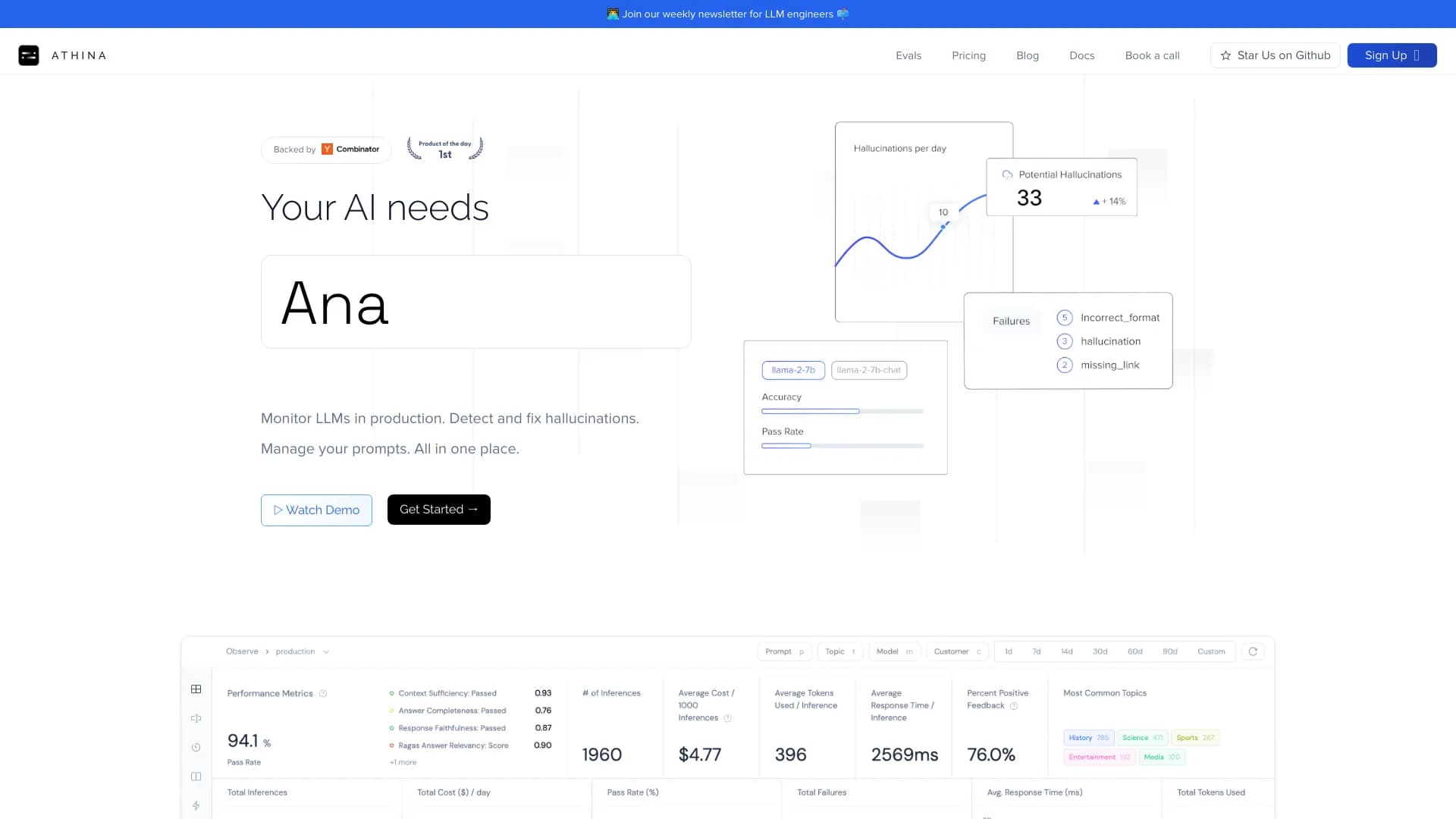

Platform for developing, monitoring, and evaluating AI applications based on large language models.
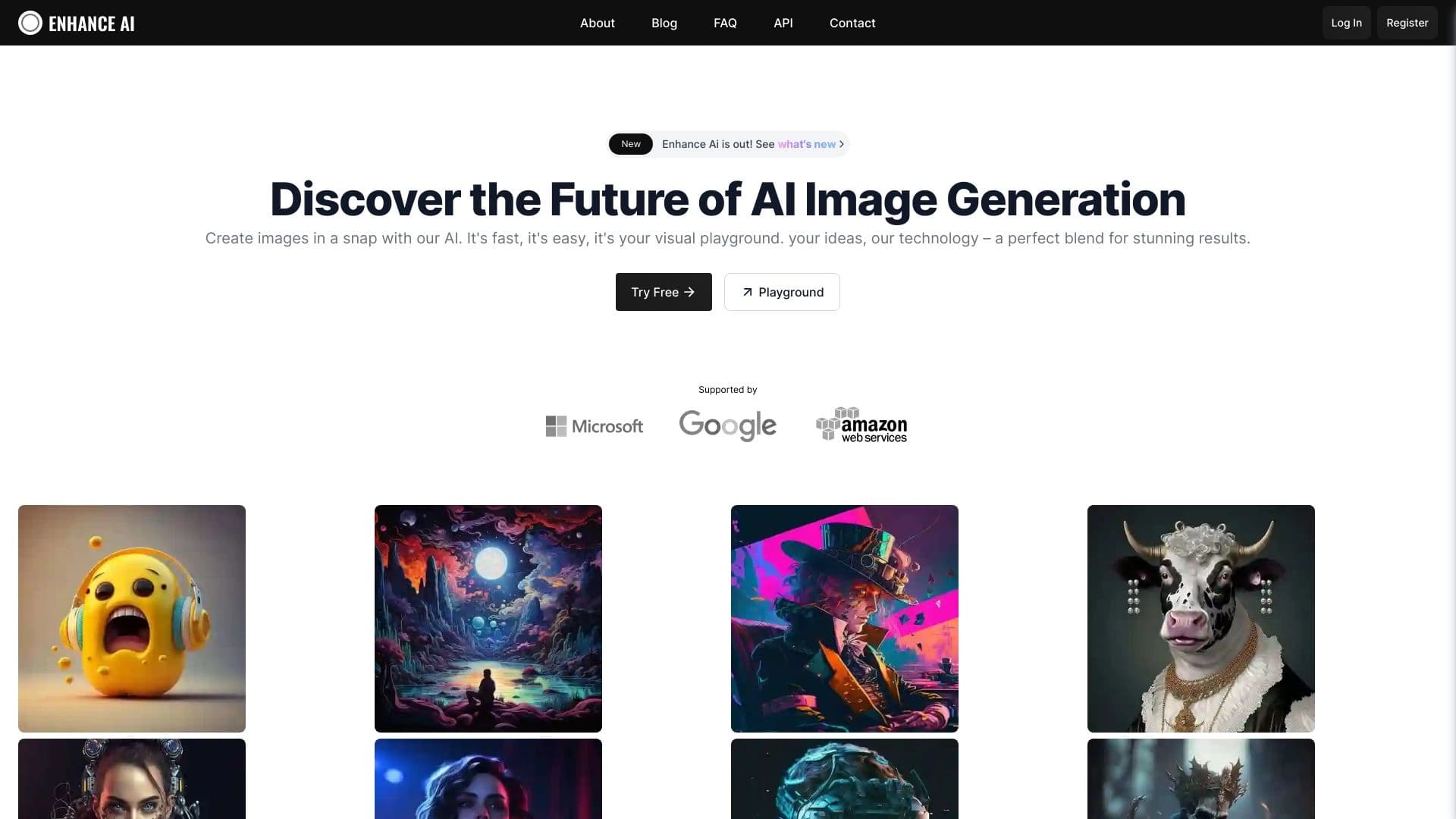
Online AI-powered platform for generating and processing images.


Aggregator platform that brings together various AI tools and language models with pay-as-you-go pricing.
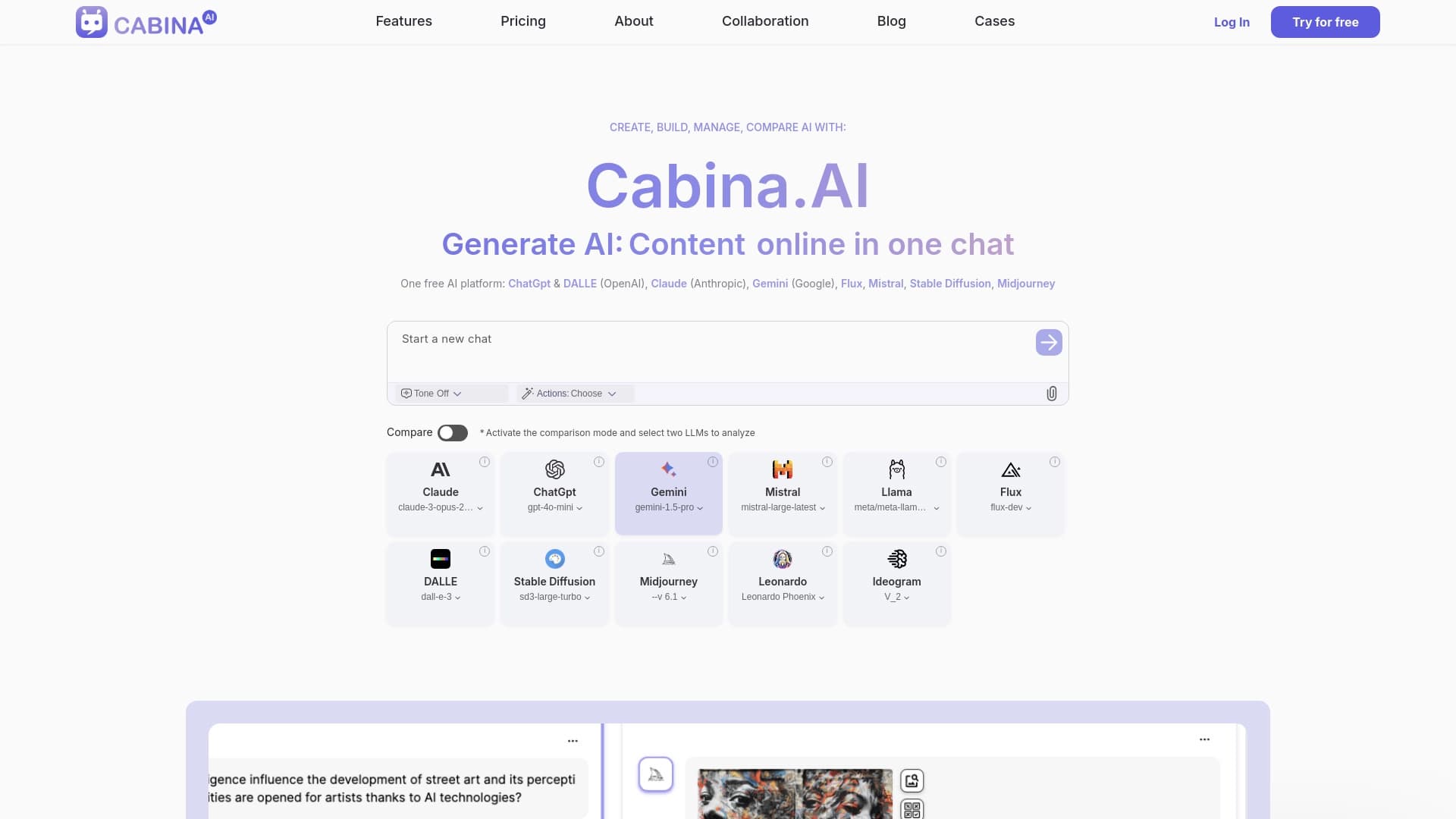
Cabina AI is a unified platform for working with various generative neural networks, enabling you to create texts, images, and videos.
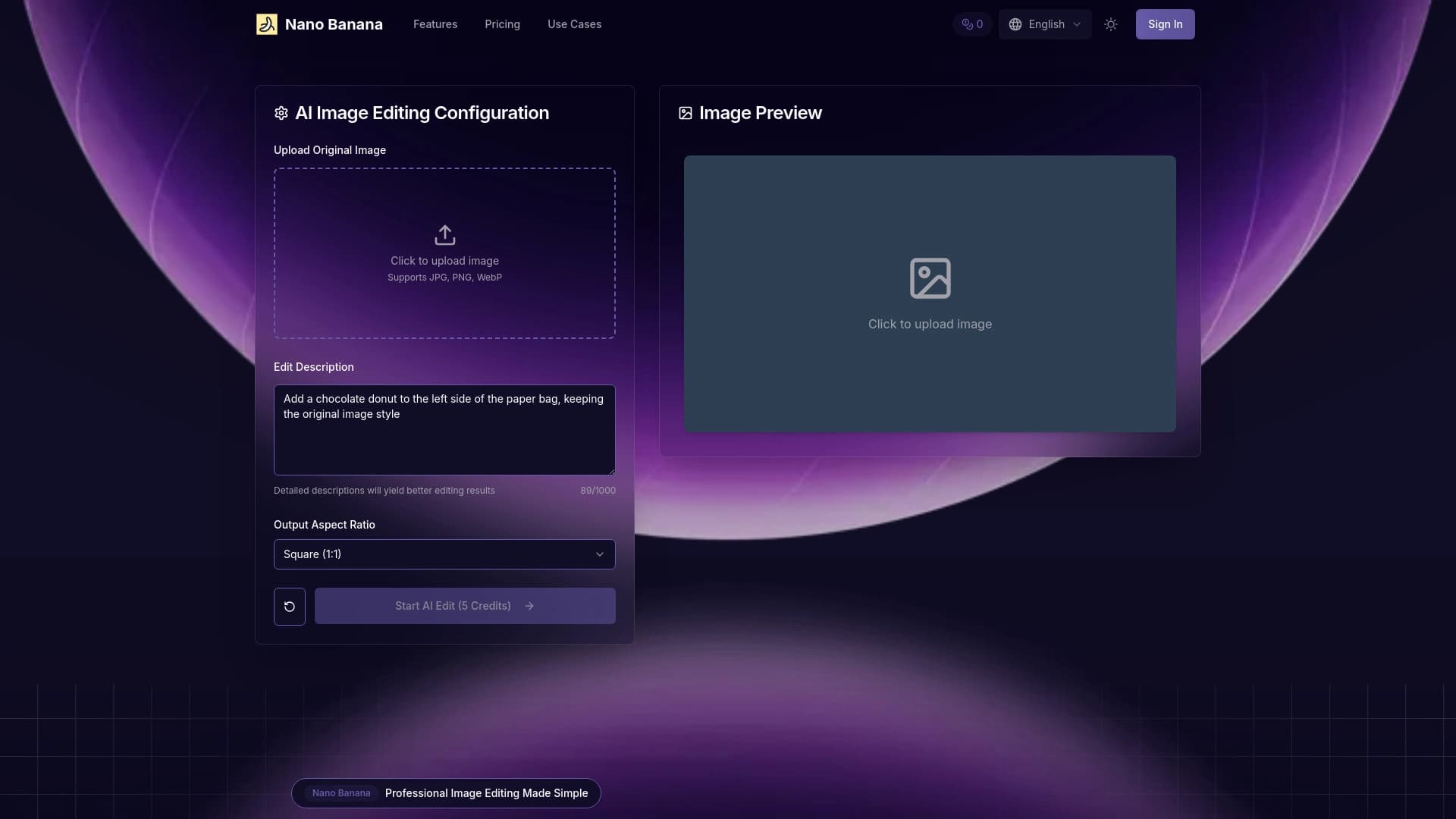

Google's neural network for generating and editing images from text descriptions, based on Gemini models.
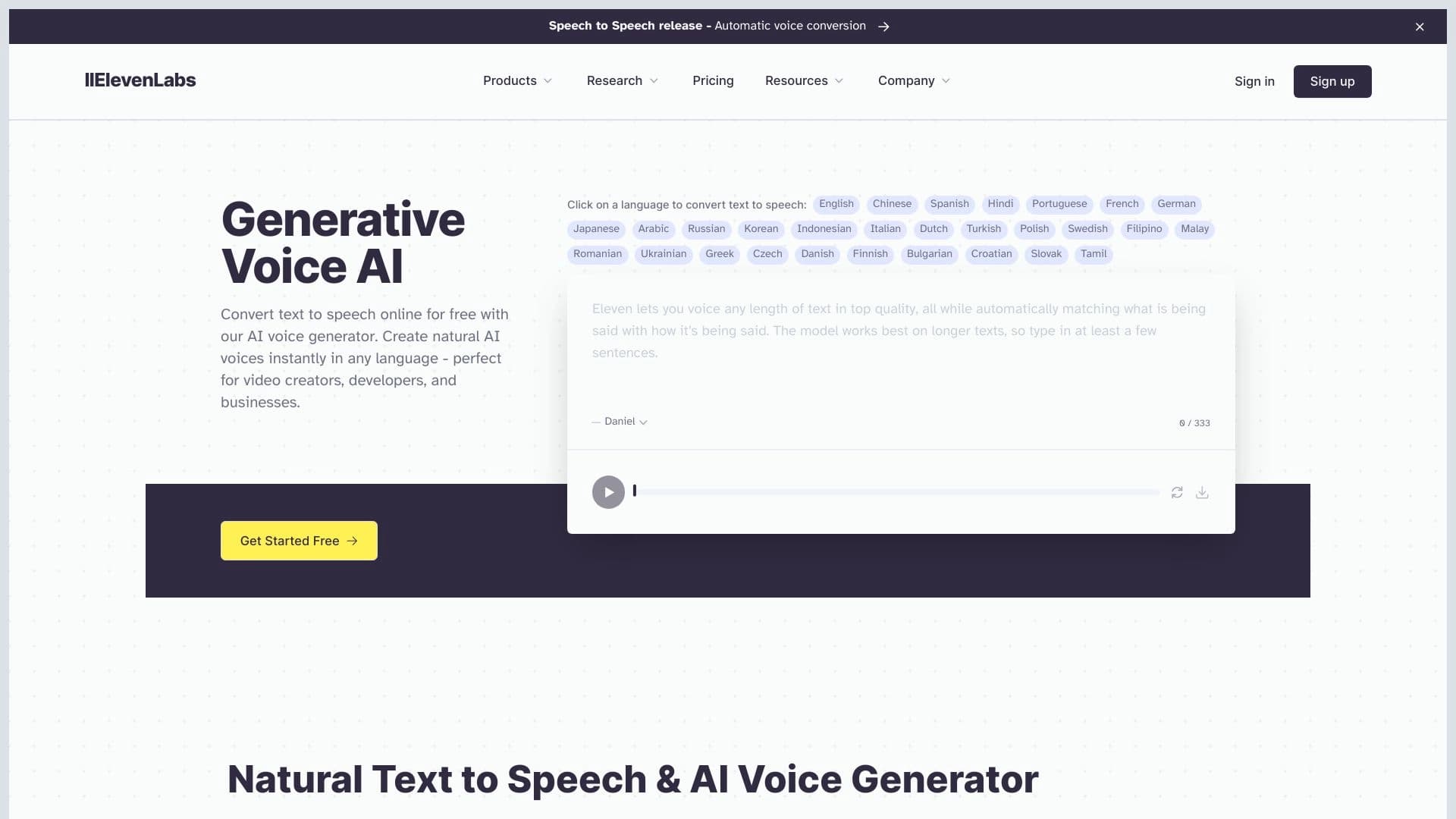
AI platform for voice synthesis and cloning that converts text into realistic speech.
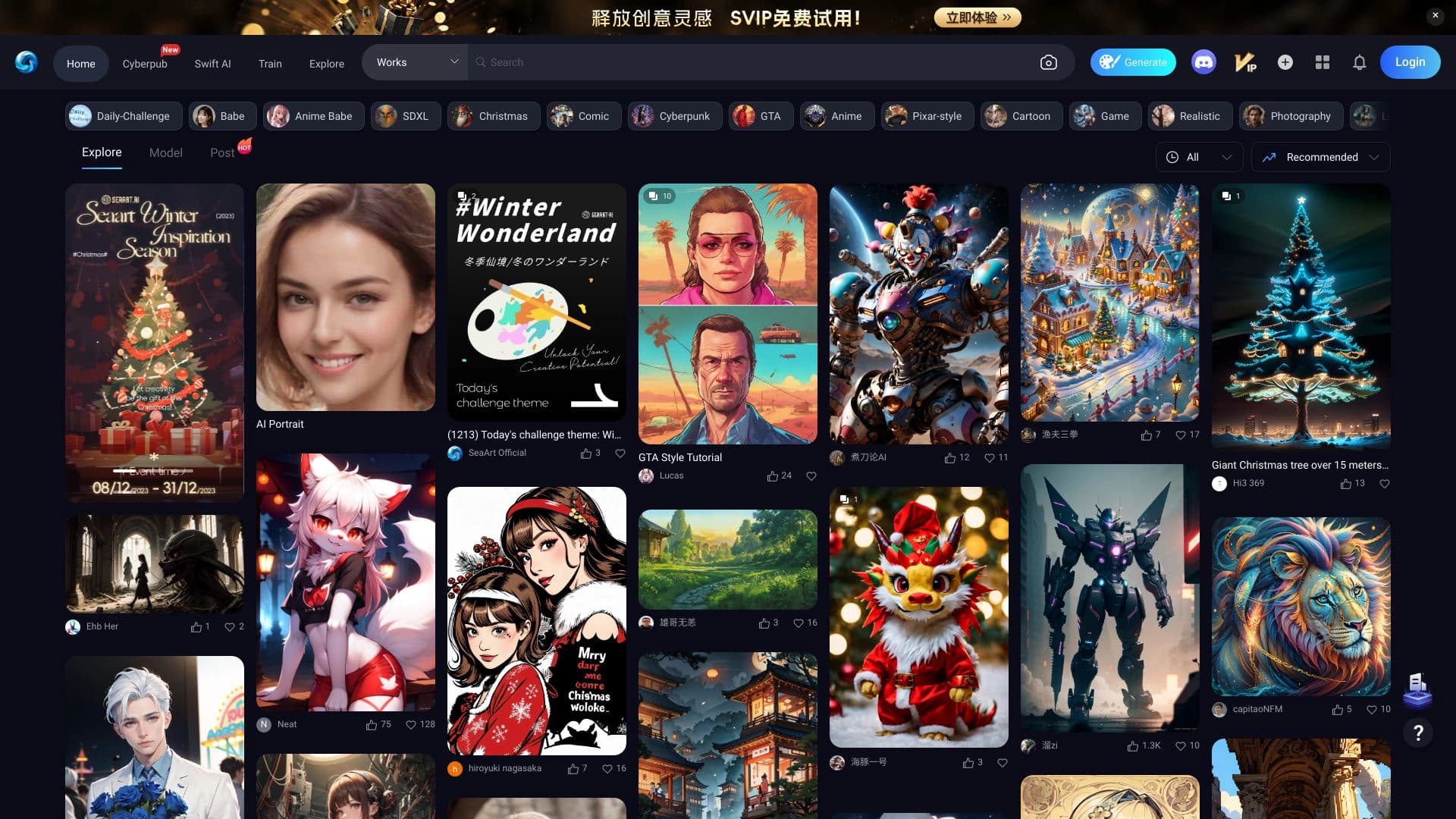
A platform for generating images, videos, and audio using artificial intelligence from text descriptions.