
AvatarCLIP
Framework for creating and animating 3D avatars using text descriptions.
Overview
AvatarCLIP Neural Network Description
AvatarCLIP is an experimental text-based framework that combines 3D avatar creation and animation into a single workflow. Instead of manually modeling every polygon and setting up a skeleton, the user describes the desired result in words — the neural network converts natural language into geometry, texture, and motion sequences.
The tool is implemented as a Colab notebook, meaning there is no need for powerful local hardware. The generation and animation process takes place in Google's cloud environment, with the user working through a browser. AvatarCLIP's main goal is to lower the entry barrier to 3D modeling for people who lack specialized education but want to obtain a personalized digital character.
How It Works
The system uses a combination of several machine learning models that process the text query and build the avatar step by step. First, a base shape is formed, then a texture is applied, and only after that is animation created to match the motion description. All stages are driven exclusively by text prompts.
AvatarCLIP Characteristics
| Characteristic | Value |
|---|---|
| Tool Type | Research framework |
| Primary Purpose | Creating 3D avatars and animation from text descriptions |
| Launch Format | Colab notebook (cloud-based) |
| Installation Required | No |
| Interaction Language | Natural (text commands) |
| Target Audience | Non-professional users |
| Distribution Model | Free |
Who Is AvatarCLIP Suitable For?
Beginner 3D Artists
People learning 3D graphics who haven't yet mastered complex packages like Blender or Maya can use AvatarCLIP as a tool for rapid idea prototyping. Instead of spending hours working on a model, they can get a basic result in minutes.
Game Developers and Indie Studios
Small teams often lack the resources for a dedicated 3D modeler and animator. AvatarCLIP allows them to create draft characters for early project versions, test concepts, and populate scenes with background characters at minimal cost.
Researchers and Students
For academic experiments, studying generative graphics methods, or creating demonstration materials, the framework can serve as a clear example of applying CLIP architecture in conjunction with 3D rendering. The code is open for study and modification.
How to Use AvatarCLIP
Cloud Launch
Since the tool is distributed as a Colab notebook, the entire process comes down to opening the notebook and sequentially running the code cells. There's no need to install drivers, configure the environment, or worry about library compatibility — the environment is set up automatically.
Forming a Query
The user describes the avatar and its action in text. For example, you can specify desired clothing, body type, hairstyle, and simultaneously define a motion — a dance, a run, or a gesture. The more precise the wording, the more predictable the result. After generation completes, the model can be downloaded in a standard 3D format.
Iterative Refinement
If needed, the result can be regenerated by changing the text. This allows for quickly iterating through options without manual geometry editing. Multiple attempts with different descriptions yield a pool of alternative models to choose from.
Key Features of AvatarCLIP
Shape and Texture Generation
The framework creates a 3D mesh from scratch based on the text description. Body shape, facial features, clothing, and color schemes are formed based on semantic understanding of the query.
Semantic Animation
Avatar motion is not defined through keyframes. Instead, the neural network interprets the action description and generates a sequence of poses matching the text. This distinguishes the tool from classic animation packages.
Cloud Rendering
All computations are performed on Google's servers. The user doesn't need a high-VRAM graphics card — a stable internet connection and a browser are sufficient.
AvatarCLIP Advantages
Low Entry Barrier
All that's needed is the ability to formulate text queries. Professional knowledge of 3D modeling, UV unwrapping, or rigging is not required. This opens the tool to a wide audience.
Time Savings
Creating an avatar using classic methods can take anywhere from several hours to several days. AvatarCLIP reduces this process to minutes, which is especially useful when testing hypotheses and ideas.
Completely Free
The tool is distributed free of charge. Users don't pay for subscriptions or purchase licenses. A Google account for Colab access is all that's needed.
Flexible Text Control
The same description can be tweaked precisely: change hair color, add an accessory, or alter the nature of the motion. The neural network regenerates only the affected aspects while preserving other parameters.
AvatarCLIP Disadvantages
Dependence on Query Quality
The result varies greatly depending on the wording. Abstract or ambiguous descriptions can lead to unpredictable model artifacts. Practice is required to craft precise prompts.
Research Status
AvatarCLIP is a scientific prototype, not a commercial product. Errors, unstable performance, or limited support are possible. The interface is geared toward technically savvy users capable of working with code in Colab.
No Fine Manual Adjustment
The tool does not provide traditional instruments for manual model polishing. If the result is close to ideal but requires minor tweaks, those will have to be done in a third-party 3D editor.
Demanding on Cloud Resources
While no installation is needed, generation requires allocating a virtual GPU in Colab. The free tier has limits on execution time, and long sessions may be interrupted.
What Problems Does AvatarCLIP Solve?
Character Prototyping
Quick creation of character concepts for presentations, pitches, or internal reviews. Designers and producers can visualize ideas without involving the 3D department.
Populating Scenes with Background Characters
Background characters in games and virtual worlds often don't require unique detail. AvatarCLIP allows generating diverse avatars in quantities that would be impractical to model manually.
Education and Demonstration
The tool can be used for educational purposes to explain the principles of generative models, working with CLIP architecture, and applications of text interfaces in graphics.
Quick Testing of Motion Ideas
Not just static models, but also animation is generated from text. This allows checking how a character will look in action before investing resources in professional motion production.
AvatarCLIP Pricing
The tool is distributed under the Free model. Users don't need to sign up for a subscription or make one-time payments for usage. Access to the notebook is open, though the standard limitations of the free Colab tier (limits on computation time, memory, and number of sessions) apply in full.
AvatarCLIP Terms of Use
As a research framework, AvatarCLIP does not have a formal commercial license in the conventional sense. Distribution occurs through a public repository, and access via Colab implies compliance with Google Cloud terms of service, including acceptable content policies. Users don't need to register on a separate website, but authorization with a Google account is required to work with the notebook.
AvatarCLIP Availability
The framework is available as an open Colab notebook that runs in a browser on any operating system. No geographic restrictions are stated, but stable operation requires access to Google services. The project falls under the category of research developments, so no guarantees of continuous operation or technical support are provided.
How AvatarCLIP Differs from Alternatives
Text Control as the Foundation
Classic avatar creation tools require manual work with meshes, skeletons, and animation curves. AvatarCLIP completely eliminates this stage, shifting interaction to the plane of descriptive language. This is a fundamental difference from Blender, Maya, or ZBrush.
No Manipulators
Unlike parametric generators where users move sliders, AvatarCLIP does not provide graphical sculpting tools. The entire process is driven by words, which simultaneously simplifies entry and limits control over details.
Combining Generation and Animation
Many neural networks generate only static models, using separate systems for motion. AvatarCLIP combines both tasks in a single text query — packages like MakeHuman or Character Creator require a separate animation module.
Scientific Nature vs. Product-Oriented
Unlike commercial solutions with ongoing infrastructure and support, AvatarCLIP is an open research result. Similar capabilities in the product segment are offered by paid subscription services, while this framework remains a free field for experimentation.
Conclusion
AvatarCLIP is a vivid example of how text interfaces can replace complex professional 3D graphics tools. The tool enables an unprepared user to create avatars and animation in a cloud environment without installing software. Despite its research nature and dependence on the quality of text descriptions, it fulfills its key mission — demonstrating and simplifying the process of generative 3D graphics, making it accessible to a wide range of people.
Frequently asked questions
See also
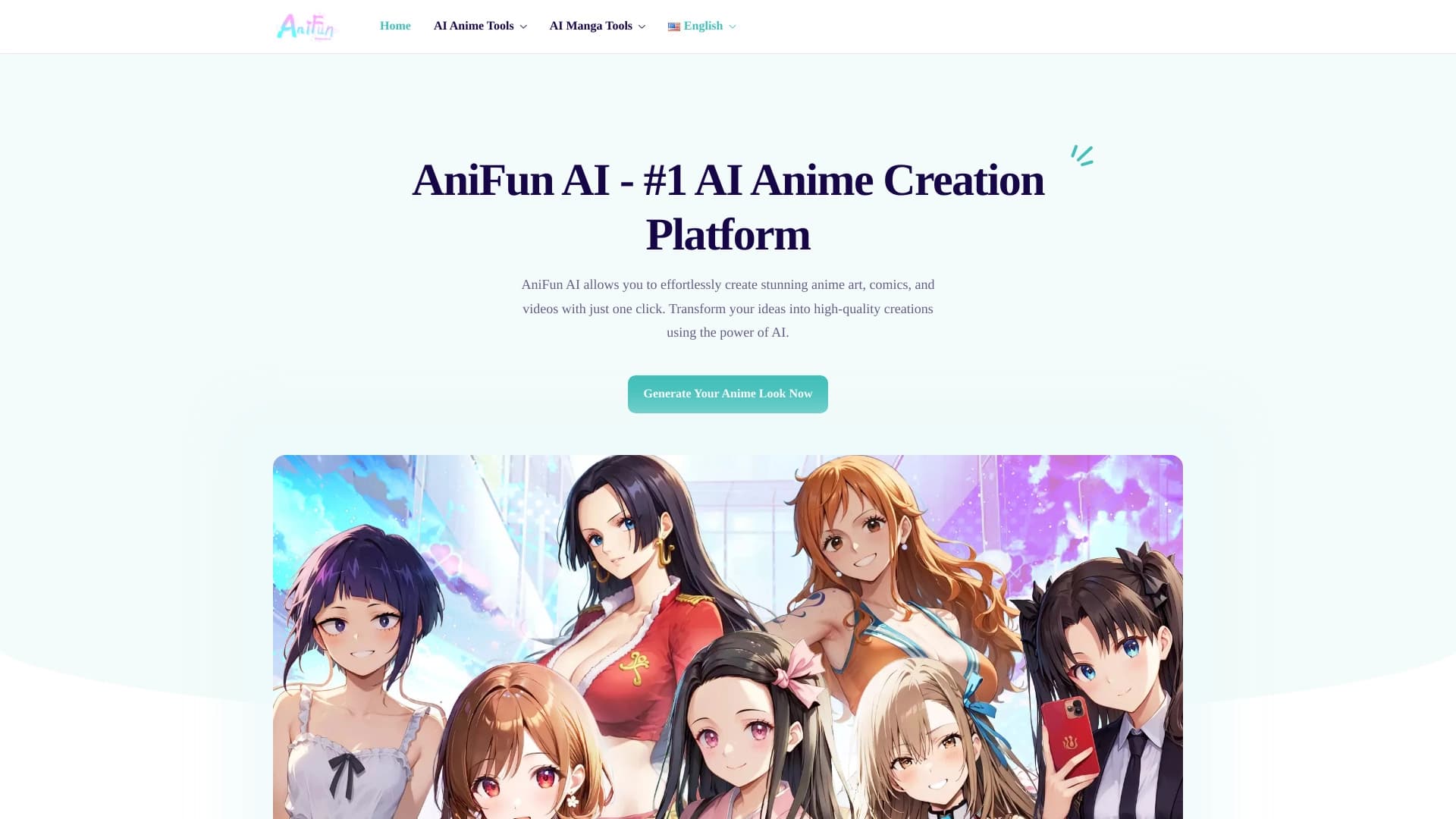

Platform for creating anime art, comics, and videos with AI.

A platform for conversations with AI characters, including pre-made and user-created ones.
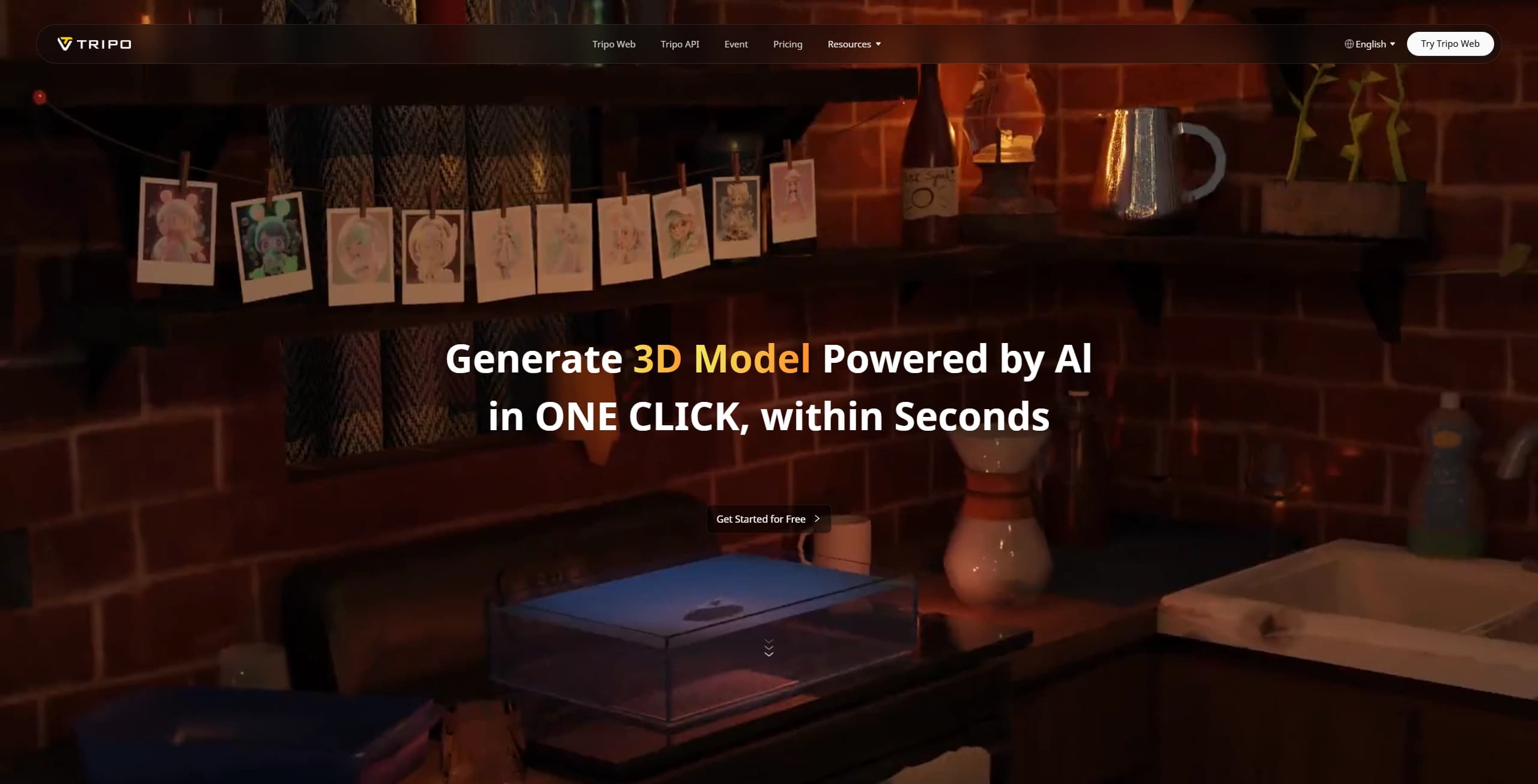

A tool for generating 3D models based on text descriptions, images, or sketches.
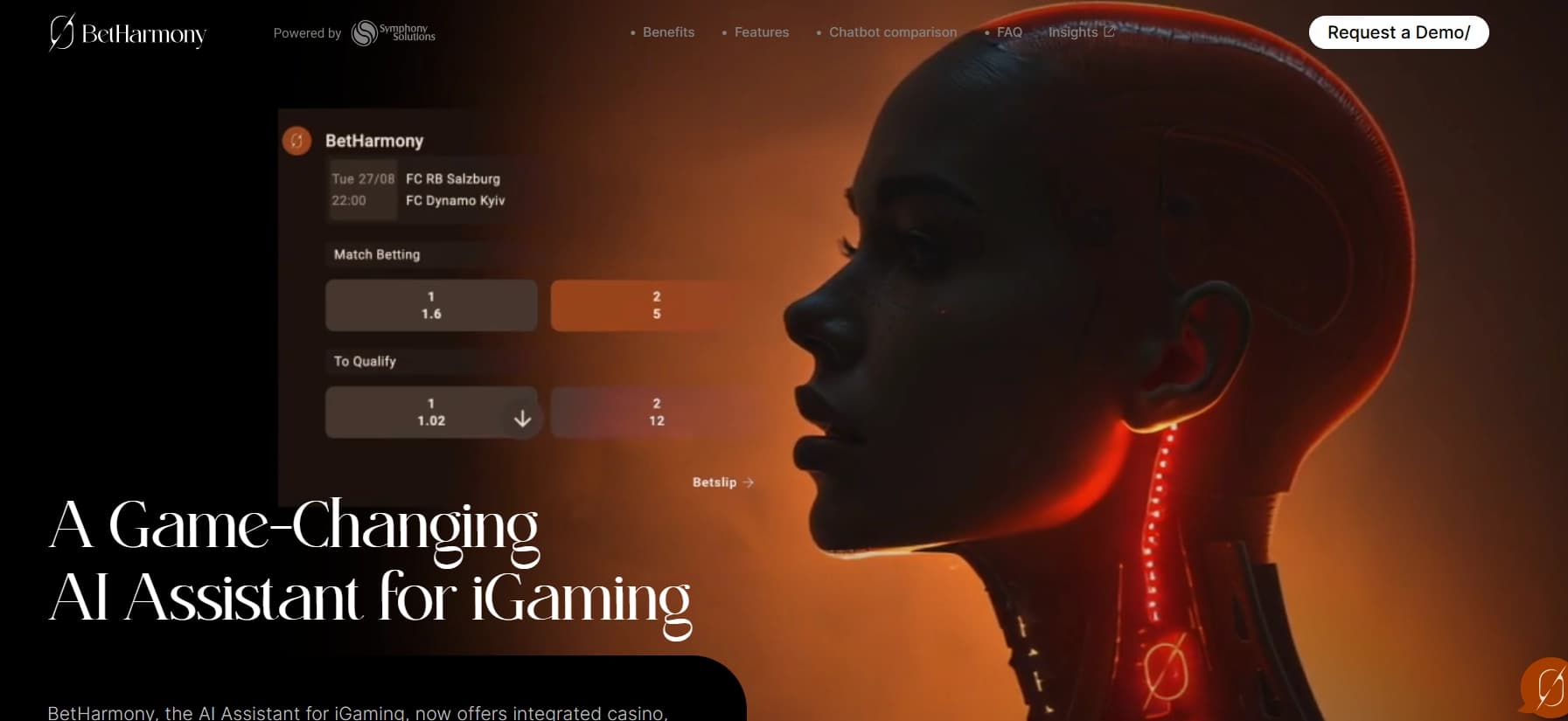

AI assistant for sports betting and casino, analyzing the user's past actions to provide personalized advice.
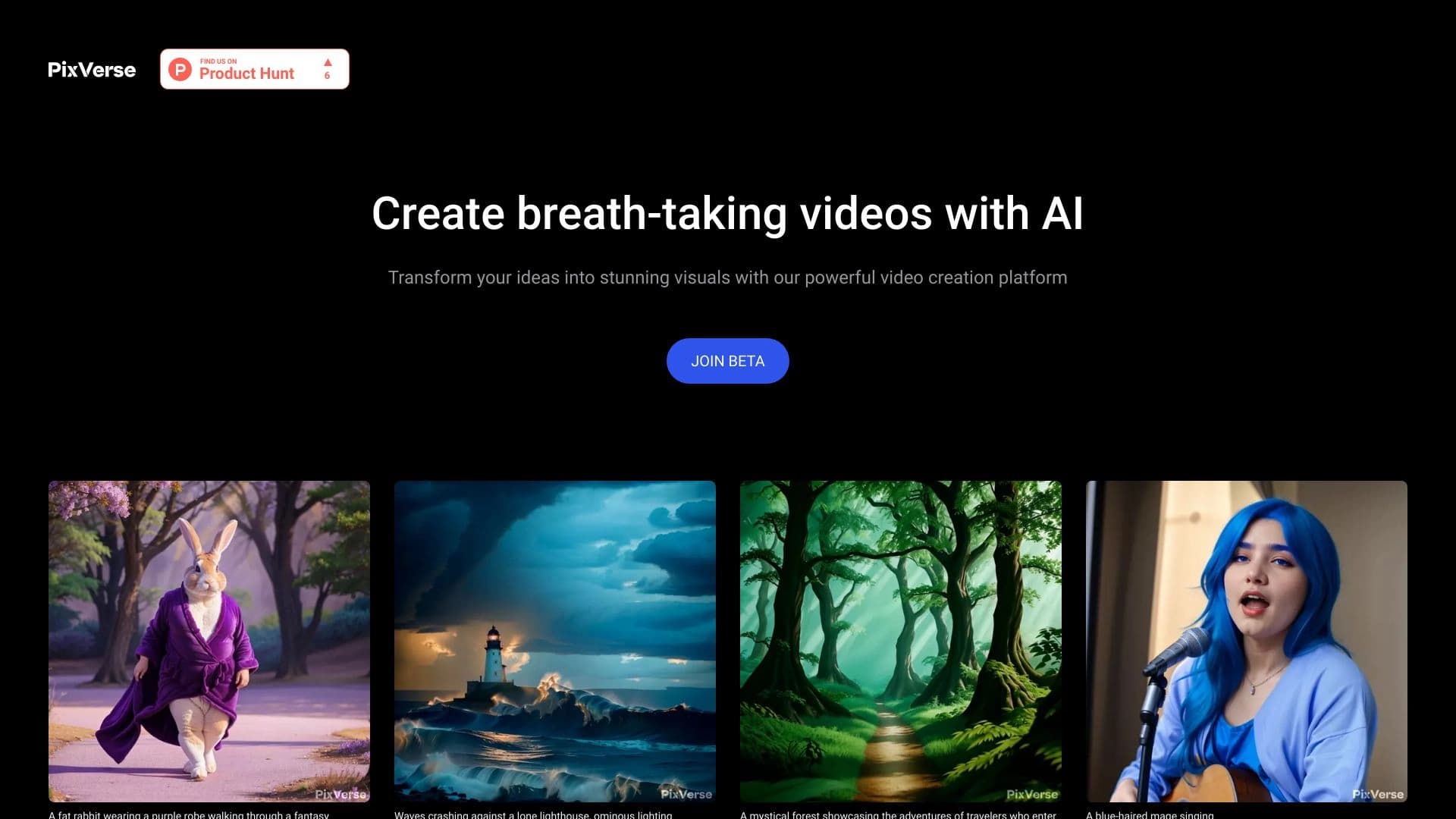

A neural network for generating short videos from text descriptions or images.
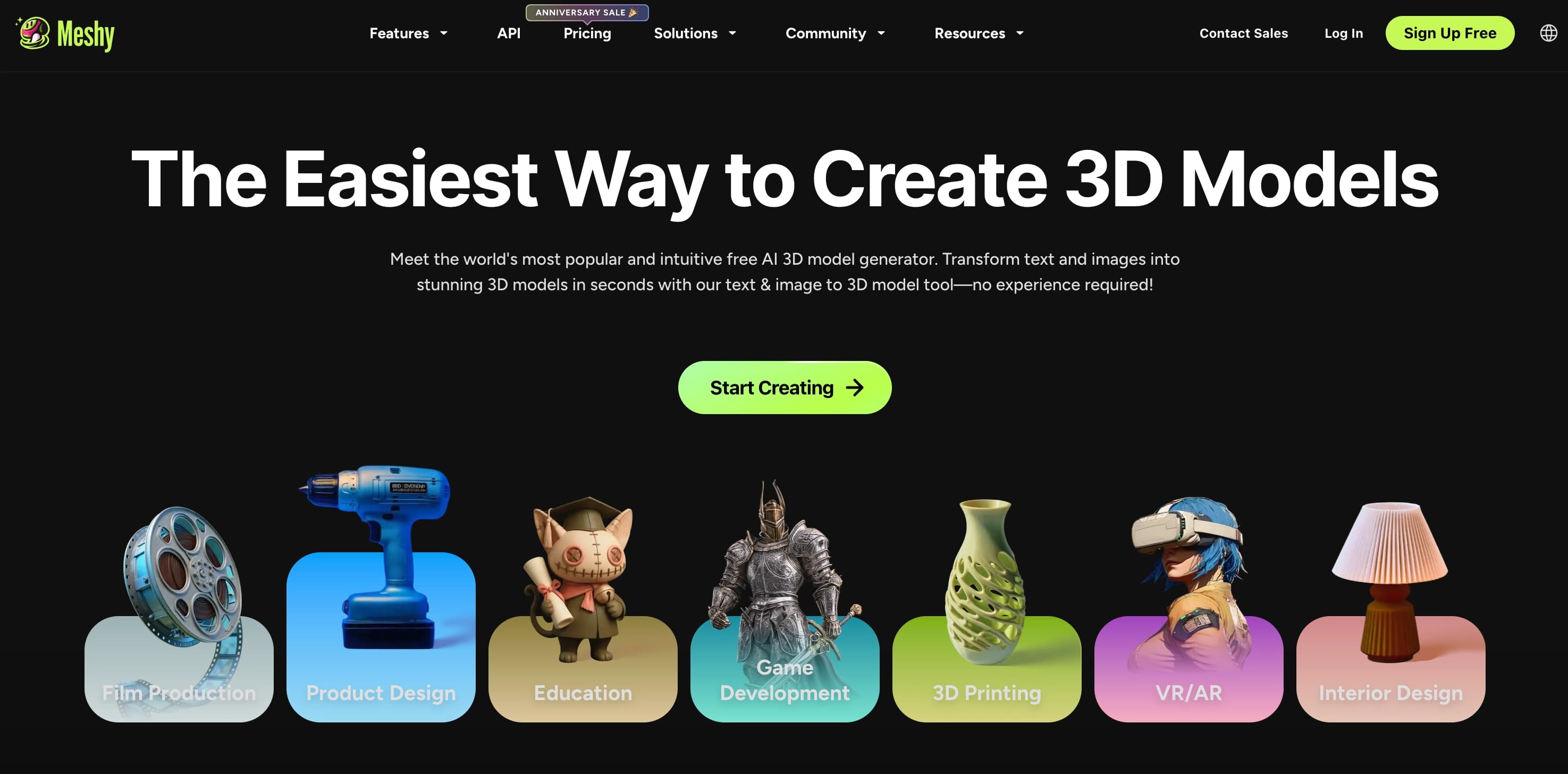
A neural network-powered cloud service for generating 3D models, textures, and animations from text descriptions or images.
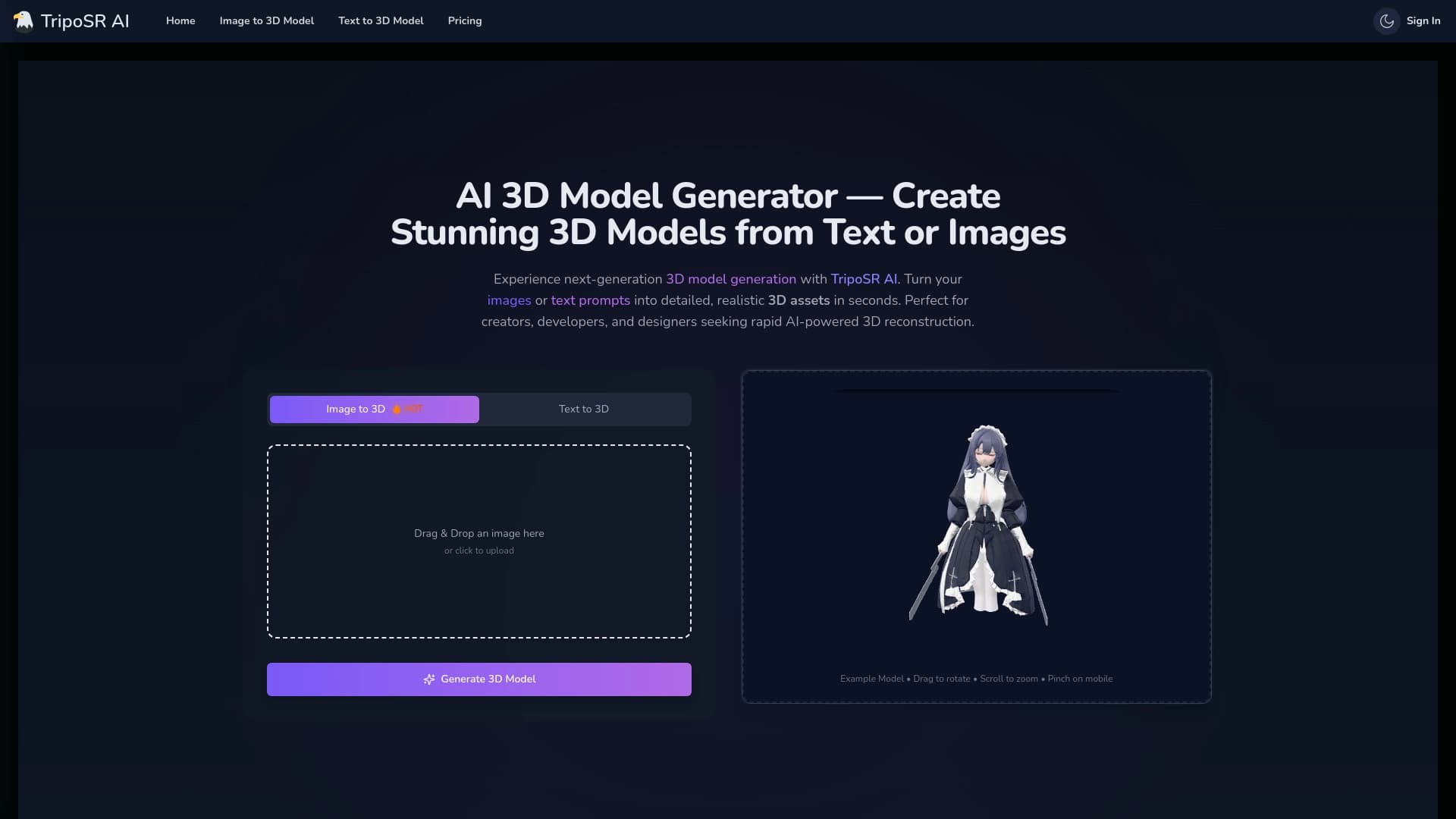

Open-source tool for quickly converting a single image into a 3D model.

Chrome extension that helps you win in the educational game Blooket by suggesting answers and automating actions.