

autogpt
Библиотека на языке Rust с открытым исходным кодом для создания автономных AI-агентов с интеграцией OpenAI API.
Обзор
autogpt
Описание нейросети autogpt
autogpt — это библиотека с открытым исходным кодом, написанная на языке Rust и предназначенная для создания автономных AI-агентов. Она тесно интегрируется с API OpenAI и даёт разработчикам инструменты для управления контекстом, объединения задач в цепочки и настройки памяти при выполнении многошаговых рабочих процессов.
В отличие от многих похожих решений, использующих Python, эта библиотека делает ставку на экосистему Rust. Благодаря этому разработчики получают типизированные интерфейсы, высокую производительность и строгие гарантии безопасности уже на этапе компиляции. На практике autogpt применяется для построения чат-ботов, конвейеров обработки данных и автоматизации задач в среде командной строки (CLI).
Ключевая идея проекта — дать инженерам гибкую «строительную основу» для автономных агентов: вы определяете задачи и промпты, настраиваете память и контекст, а библиотека берёт на себя оркестрацию многошаговых сценариев взаимодействия с моделью.
Характеристики autogpt
| Характеристика | Значение |
|---|---|
| Тип | Rust-крейт (библиотека) для создания автономных AI-агентов |
| Категория | AI Platforms & Frameworks, Speech Recognition, Workflow Automation, Text Generation |
| Платформы | Linux, Mac, Windows |
| Интеграция | OpenAI API |
| Лицензия | Открытый исходный код (open-source) |
| Модель распространения | Free |
| Дата добавления на каталог | 02 мая 2025 |
Для кого подходит нейросеть autogpt?
Rust-разработчики и бэкенд-инженеры
Поскольку autogpt — это Rust-крейт, в первую очередь он предназначен для разработчиков, которые работают на Rust и хотят встраивать возможности автономных AI-агентов прямо в свои проекты. Типизированные интерфейсы библиотеки позволяют интегрировать её в существующий код с минимальными усилиями.
AI-исследователи и практики
Исследователи, изучающие автономных агентов и многошаговые рабочие процессы, найдут в библиотеке удобную площадку для экспериментов. Возможность настраивать память, объединять промпты в цепочки и запускать несколько агентов одновременно открывает широкий простор для исследований.
Системные интеграторы и энтузиасты автоматизации
Системным интеграторам, которые строят бэкенд-оркестрацию задач, библиотека помогает автоматизировать CLI-процессы и обрабатывать конвейеры данных. Энтузиасты автоматизации, ценящие open-source инструменты на Rust, также могут использовать autogpt для построения собственных решений на основе API OpenAI.
Как использовать нейросеть autogpt?
Шаг 1. Добавление зависимости и настройка ключа
Прежде всего нужно добавить autogpt в зависимости проекта в файле Cargo.toml. Затем необходимо получить ключ OpenAI API и установить его как переменную окружения — библиотека будет обращаться к модельному API через этот ключ.
Шаг 2. Инициализация клиента
В коде на Rust нужно импортировать библиотеку и создать экземпляр клиента Autogpt. Для этого используется builder-интерфейс, через который задаются основные параметры агента.
Шаг 3. Определение задач и запуск
После настройки клиента вы определяете задачи и промпты агента, снова используя builder-интерфейс. Затем запускаете агента и обрабатываете ответы, организуя таким образом многошаговые рабочие процессы. Вся дальнейшая оркестрация — объединение шагов, управление контекстом и памятью — берётся библиотекой на себя.
Основные функции autogpt
Многошаговое объединение промптов
Библиотека поддерживает multi-step prompt chaining — возможность разбивать сложную задачу на последовательность связанных шагов. Каждый шаг обрабатывается моделью, а результат передаётся дальше, что позволяет решать составные задачи без ручного вмешательства.
Типизированные интерфейсы и работа с OpenAI API
autogpt предоставляет типизированные Rust-интерфейсы для работы с OpenAI API. Это значит, что разработчики получают проверку типов на этапе компиляции и меньше шансов на ошибки при обращении к API.
Управление контекстом, память и параллельный запуск
Встроенное управление контекстом и настраиваемая память агента позволяют хранить и переиспользовать нужную информацию в рамках рабочего процесса. Кроме того, поддерживается запуск нескольких агентов одновременно, что полезно для параллельной обработки задач.
Поддержка плагинов и расширений
Проект предусматривает поддержку плагинов и расширений, благодаря чему функциональность библиотеки можно наращивать под конкретные нужды проекта без изменения основного кода.
Преимущества autogpt
Производительность и безопасность Rust
Главное преимущество — выбор Rust как языка реализации. Это обеспечивает высокую производительность и строгую безопасность памяти, что особенно важно для длительных автономных процессов.
Упрощённая оркестрация многошаговых задач
Библиотека заметно упрощает организацию многошаговых рабочих процессов: объединение промптов, управление контекстом и памятью реализованы встроенными средствами, избавляя разработчика от ручной реализации этой логики.
Настраиваемая память и лёгкая интеграция
Возможность настраивать память агента и открытый исходный код делают autogpt гибким инструментом. Будучи Rust-крейтом, он легко встраивается в проекты на Rust и расширяется под конкретные задачи благодаря открытой лицензии.
Недостатки autogpt
Ограничения кроссплатформенности
Наилучшая производительность рекомендуется на Linux, что несколько ограничивает кроссплатформенность при использовании на других операционных системах.
Недостаточная документация
Документация по продвинутым функциям и примерам использования требует расширения — разработчикам, осваивающим сложные сценарии, может не хватать готовых примеров и пояснений.
Барьер для не-разработчиков
Отсутствие прямого магазина приложений или маркетплейса усложняет освоение библиотеки для людей, не имеющих опыта разработки: продукт рассчитан прежде всего на программистов.
Какие задачи решает autogpt
Автоматизация и обработка данных
Библиотека применяется для автоматизации CLI-рабочих процессов и обработки конвейеров данных. Типизированные интерфейсы и многошаговое объединение промптов позволяют строить надёжные цепочки обработки информации.
Боты и бэкенд-оркестрация
autogpt используется для создания диалоговых чат-ботов и оркестрации задач на бэкенде. Разработчики могут выстраивать автономных агентов, которые выполняют составные сценарии без постоянного участия пользователя.
Исследования автономных агентов
Наконец, библиотека является удобной платформой для исследований в области автономных агентов — возможность настраивать память, контекст и запускать параллельные экземпляры делает её хорошей основой для экспериментов.
Цены autogpt
autogpt распространяется по модели free — библиотека является бесплатной и имеет открытый исходный код. Это означает, что скачать и использовать её можно без оплаты за сам инструмент.
Стоит, однако, учесть, что для работы библиотеки требуется ключ OpenAI API, а расходы на использование модельных API OpenAI оплачиваются отдельно в соответствии с тарифами самой OpenAI. Точные цифры стоимости в исходных данных не приводятся, поэтому перед началом работы стоит уточнить актуальные тарифы на сайте провайдера.
Условия использования autogpt
autogpt распространяется под лицензией с открытым исходным кодом (open-source). Это позволяет свободно использовать, изучать и модифицировать библиотеку, а также встраивать её в собственные проекты в соответствии с условиями лицензии.
Отдельное важное условие — для обращения к моделям необходим действительный ключ OpenAI API. Подробности лицензирования самой библиотеки и требования к окружению в исходных данных не раскрываются, поэтому за точной информацией стоит обратиться к официальным материалам проекта.
Доступность autogpt
Библиотека доступна на трёх основных операционных системах: Linux, Mac и Windows. Для работы требуется ключ OpenAI API. Документация публикуется на ресурсе docs.rs.
При этом стоит помнить, что оптимальная производительность рекомендуется на Linux, а глубокую информацию по продвинутым функциям лучше искать в исходном коде и дополнительных материалах, поскольку готовая документация по сложным сценариям пока ограничена.
Чем отличается autogpt от аналогов
Ключевое отличие autogpt от большинства аналогов — выбор языка реализации. На странице проекта явно перечислены конкуренты и альтернативы: Auto-GPT (Python), LangChain, BabyAGI и различные RAG-фреймворки. В отличие от них, часто работающих на Python, autogpt построен на Rust, что даёт преимущества в производительности и безопасности типов.
Благодаря этому библиотека особенно привлекательна для команд, которые уже используют Rust в бэкенде и хотят встраивать автономных агентов в свою экосистему без перехода на другие языки. Подробные детальные сравнения с каждым из конкурентов в исходных данных не раскрываются, однако основной акцент сделан на интеграции с экосистемой Rust и оркестрации многошаговых рабочих процессов с гибкой настройкой памяти и контекста.
Заключение
autogpt — это open-source Rust-крейт для создания автономных AI-агентов с интеграцией OpenAI API. Он особенно подходит разработчикам, которые ценят производительность и безопасность Rust, а также нуждаются в гибкости при построении многошаговых рабочих процессов. Библиотека предлагает типизированные интерфейсы, настраиваемую память, объединение промптов в цепочки и запуск нескольких агентов одновременно, однако требует опыта разработки, а её документация по продвинутым сценариям пока остаётся ограниченной.
Часто задаваемые вопросы
Похожие нейросети
Смотрите также
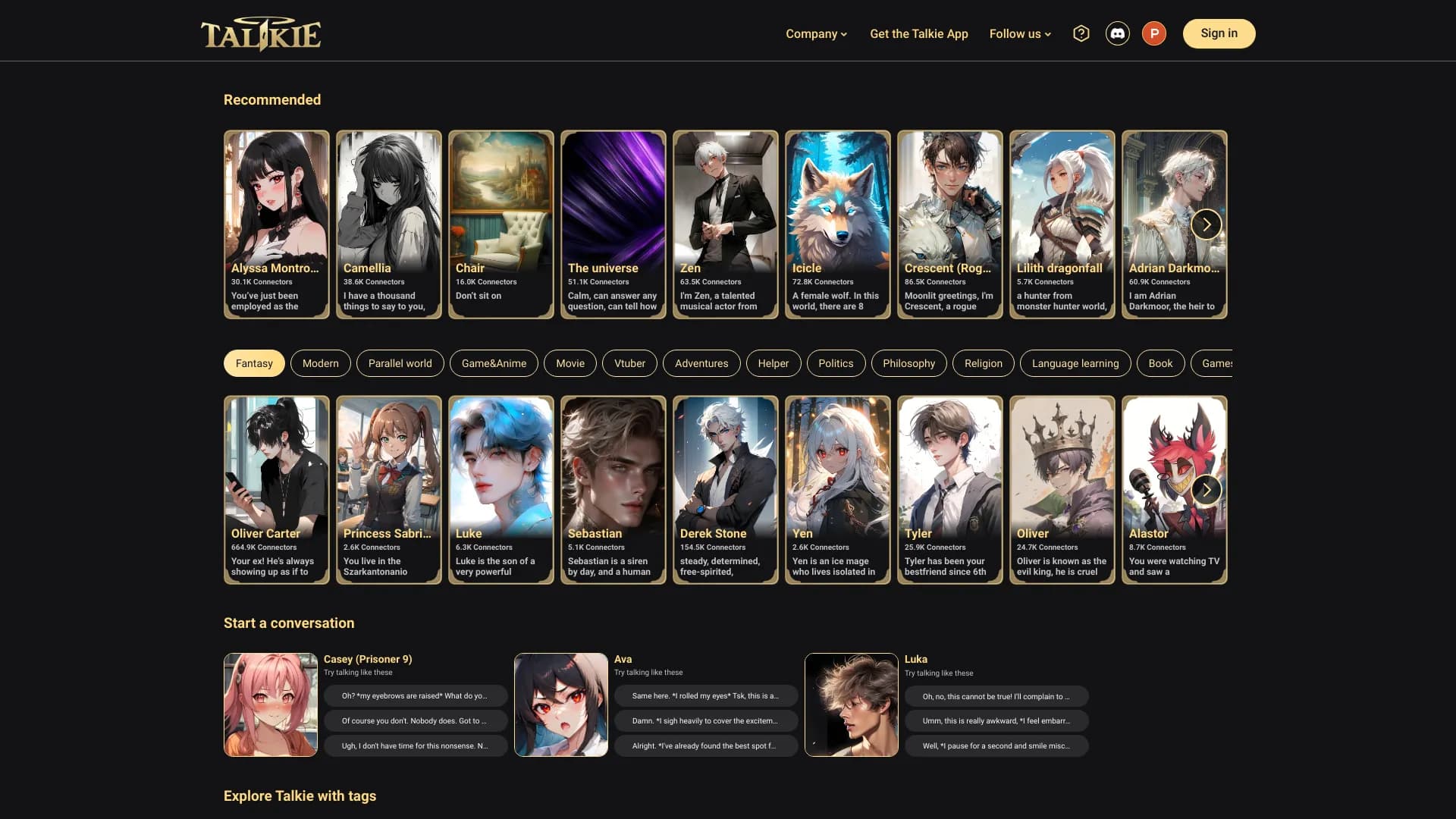

Платформа для общения с виртуальными ИИ-персонажами, которых можно создавать и настраивать под себя.
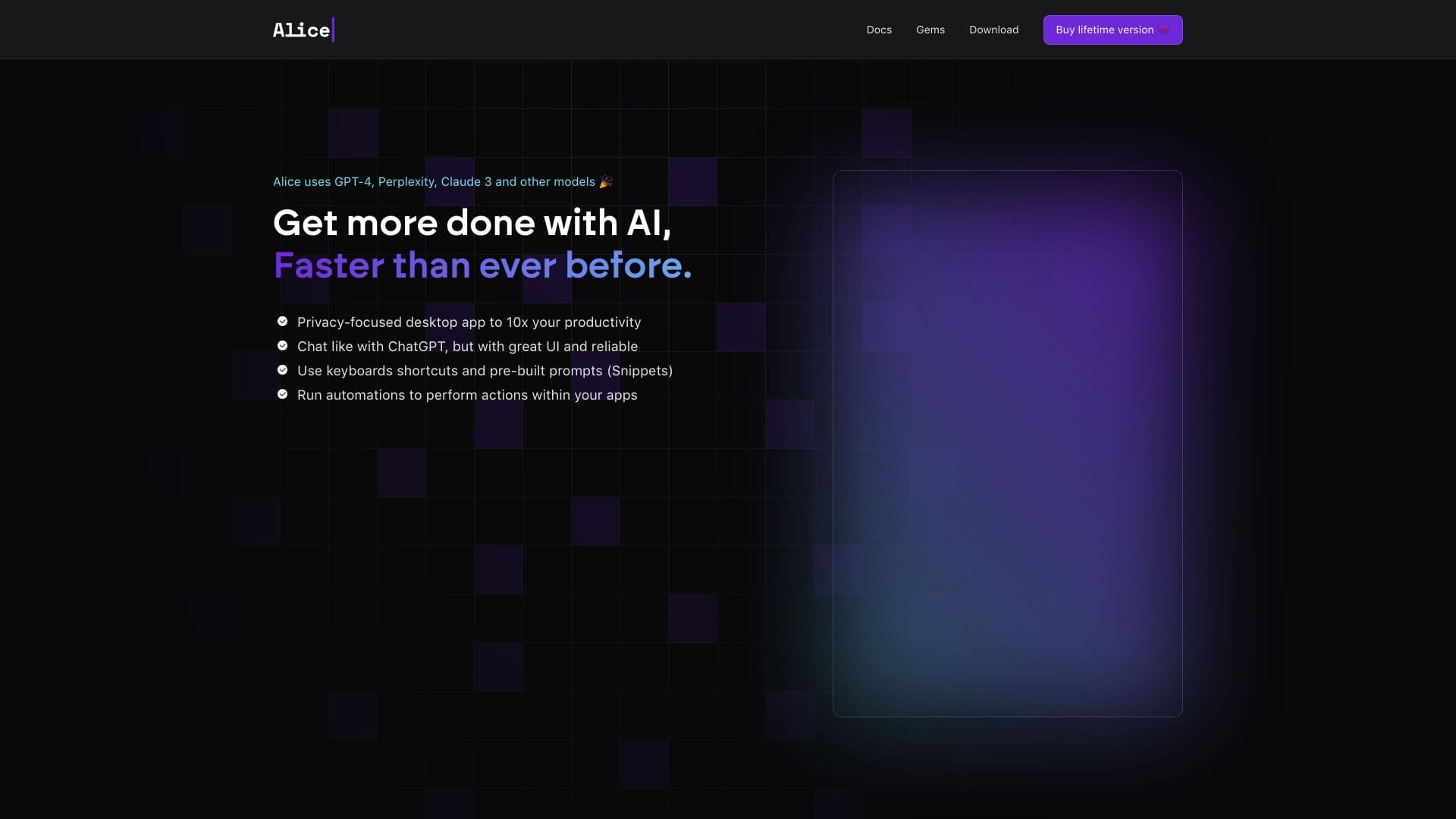

Настольный AI-ассистент для macOS, Windows и Linux, который запускается по хоткею поверх всех окон и объединяет несколько языковых моделей в одном интерфейсе.
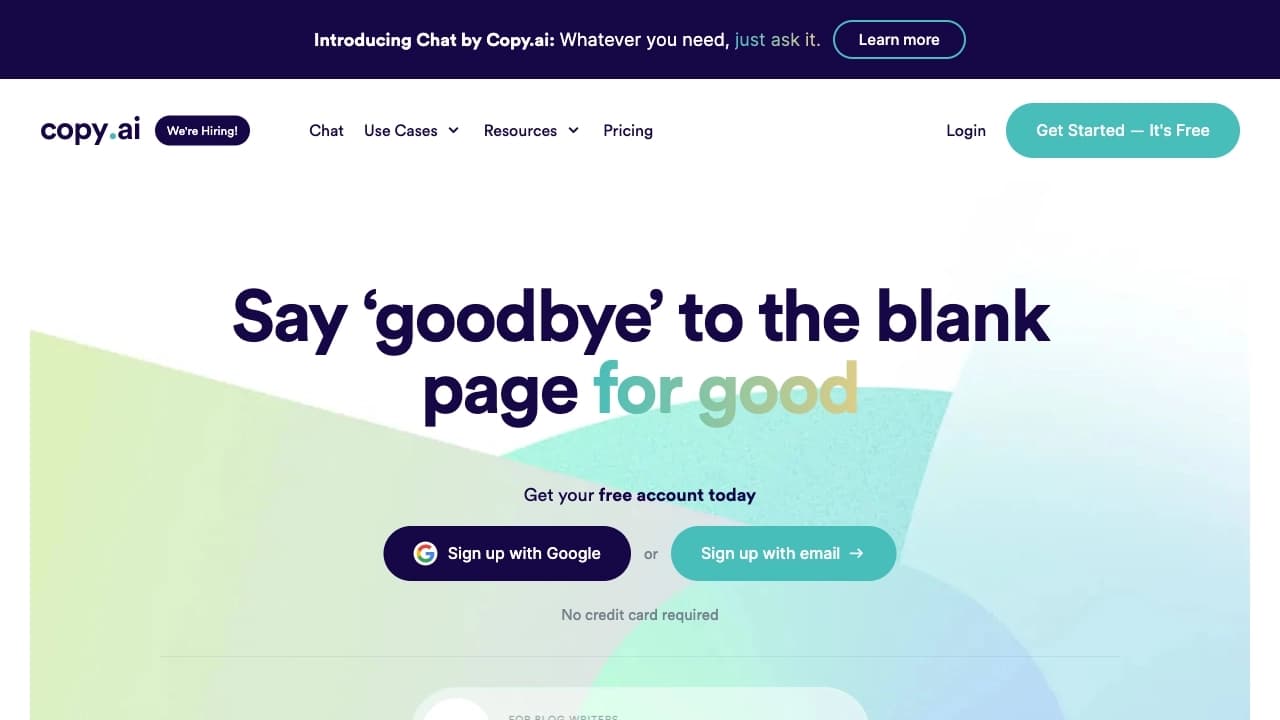

Сервис на базе ИИ для автоматической генерации текстового контента различного формата.
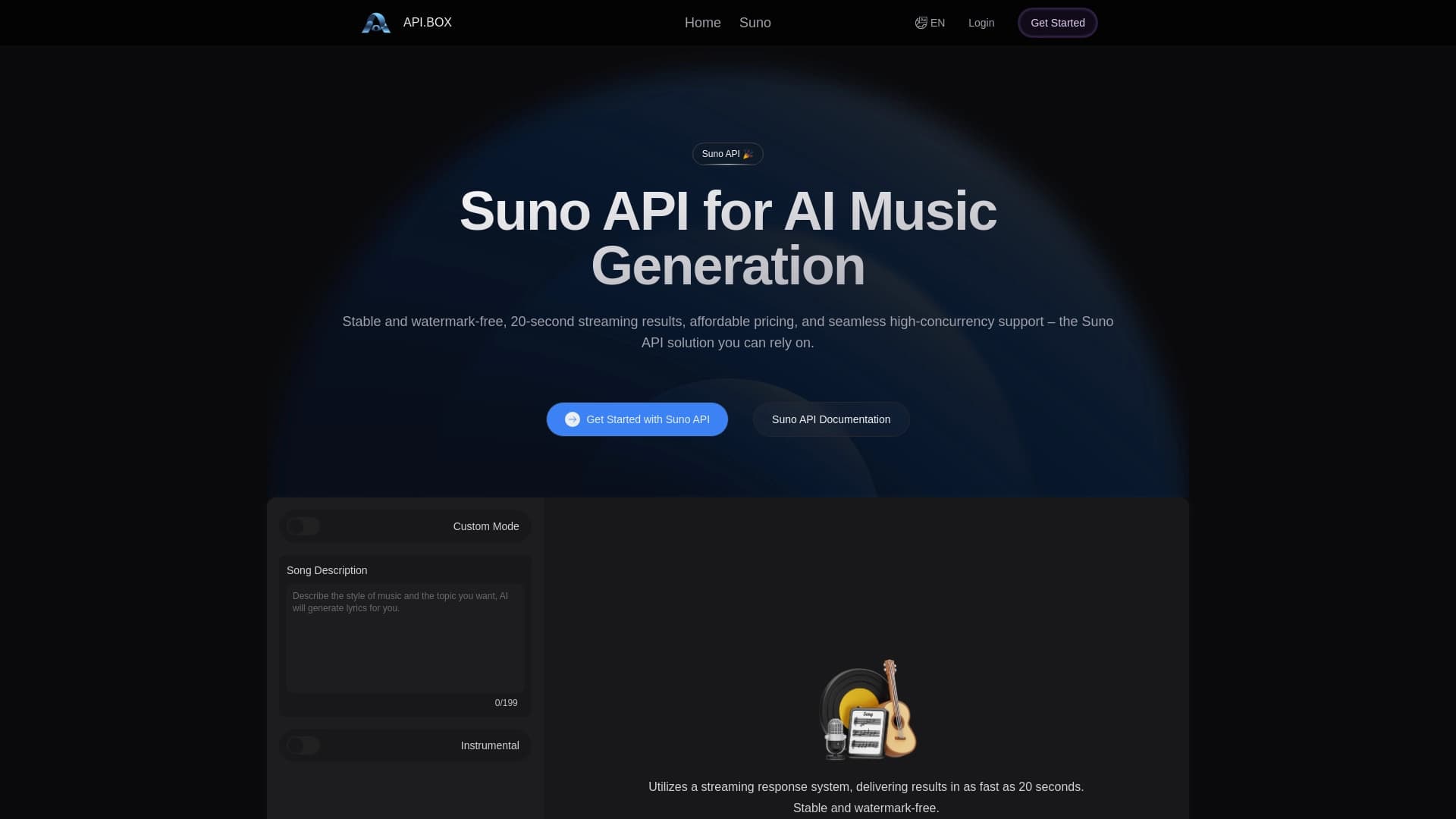
Неофициальный API-доступ к Suno AI для генерации музыки и интеграции в приложения.


Платформа для общения с виртуальными ИИ-персонажами с генерацией изображений в процессе диалога.
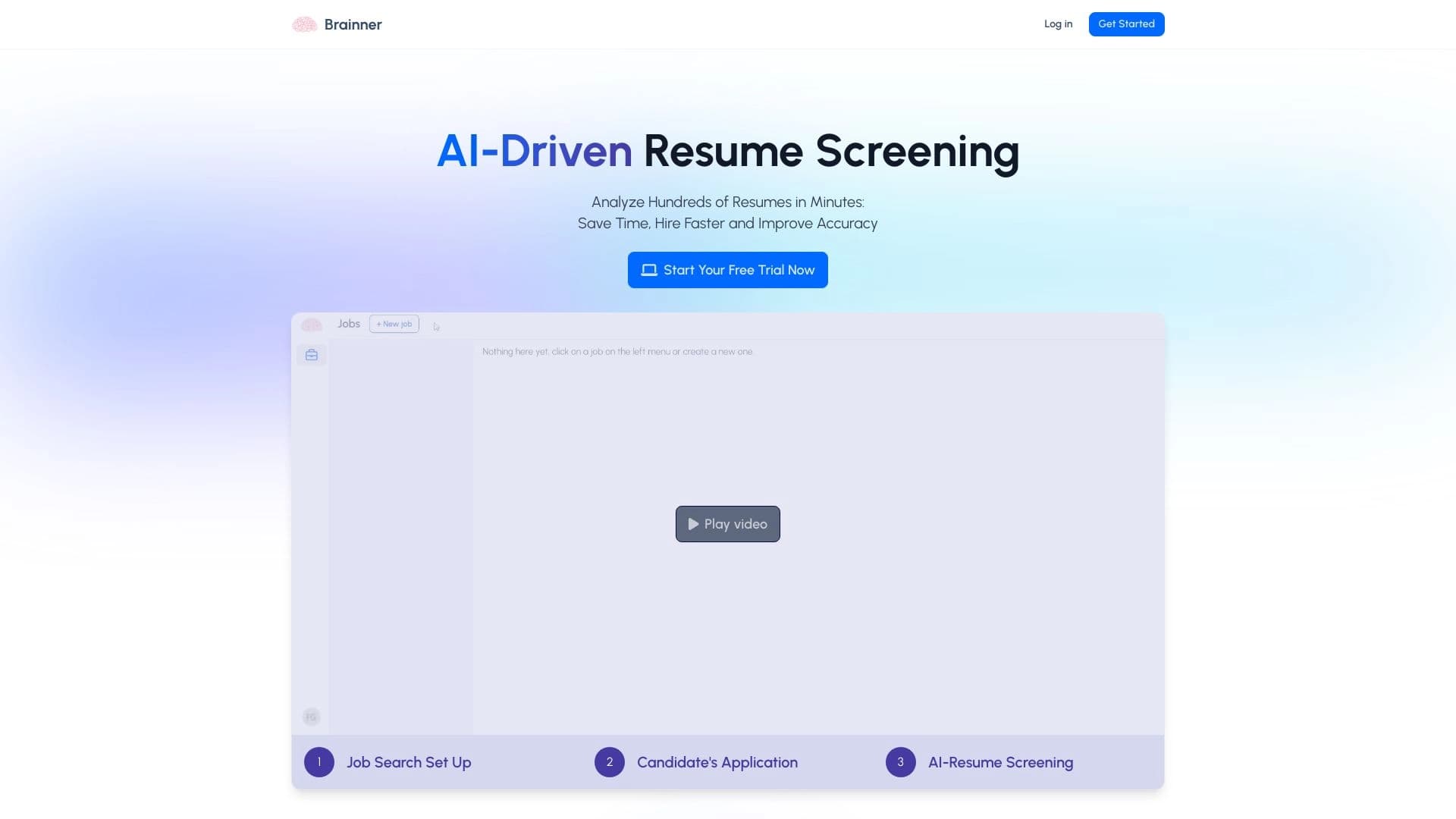
AI-платформа для быстрого скрининга резюме, помогающая рекрутерам отбирать подходящих кандидатов.


Платформа на основе ИИ для создания логотипов и фирменного стиля.
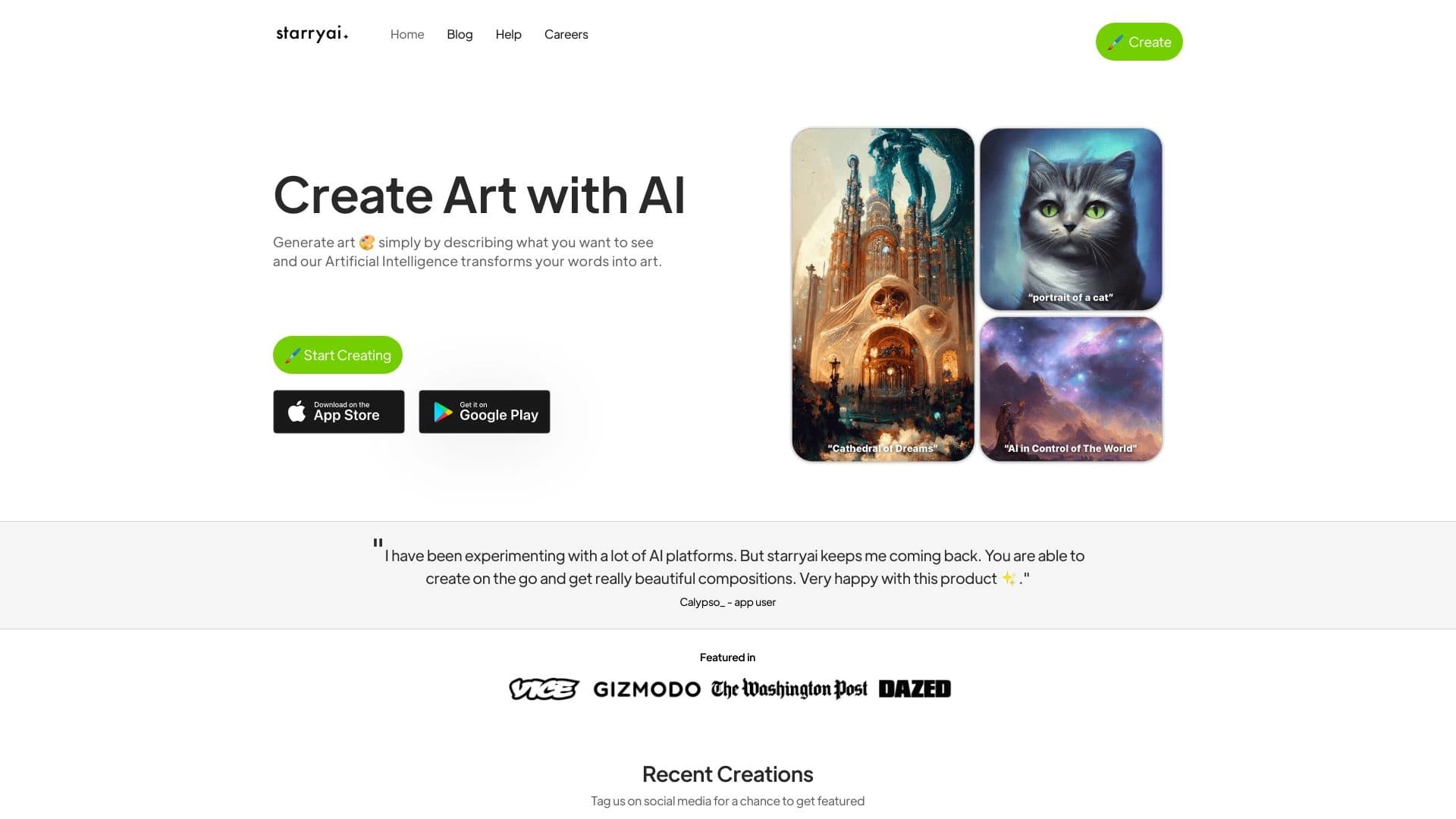

Нейросеть, которая генерирует изображения и иллюстрации на основе текстового описания.